Connecticut
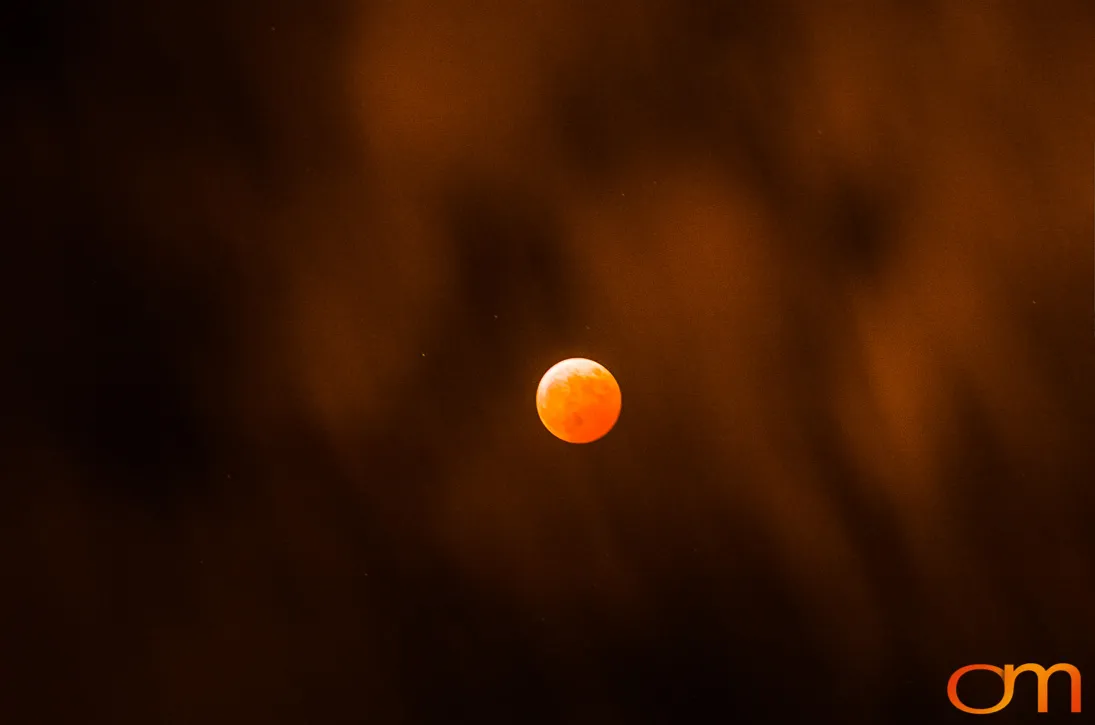
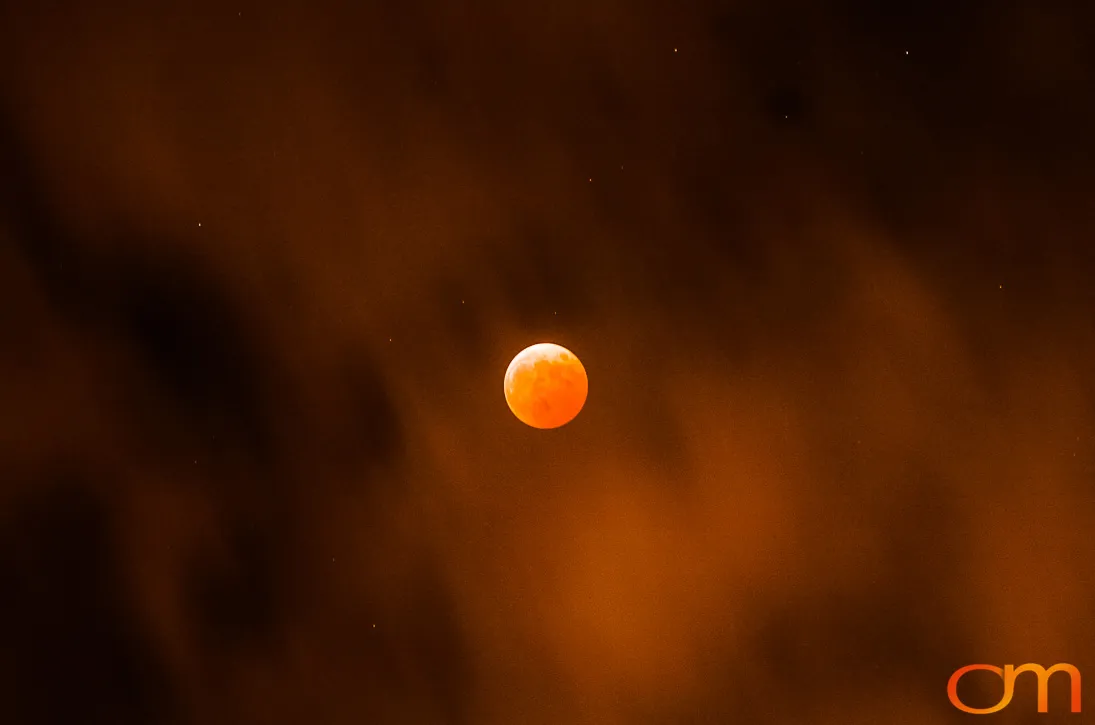
Blood Moon over Connecticut: The 2004 Total Lunar Eclipse
October 2004
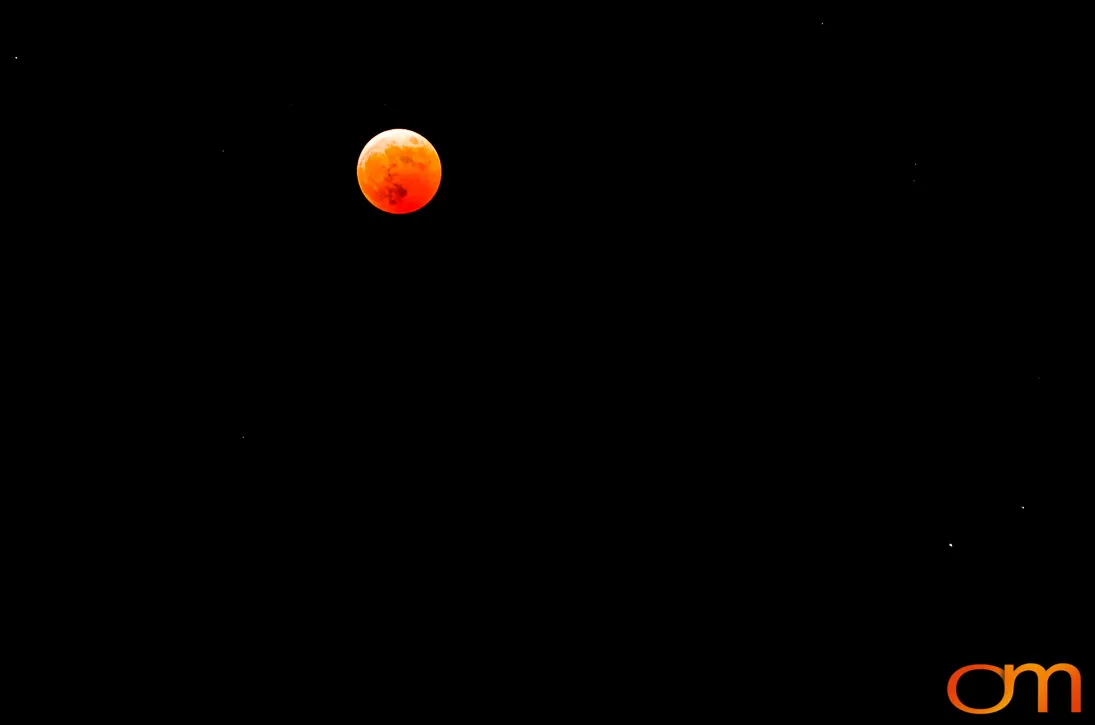
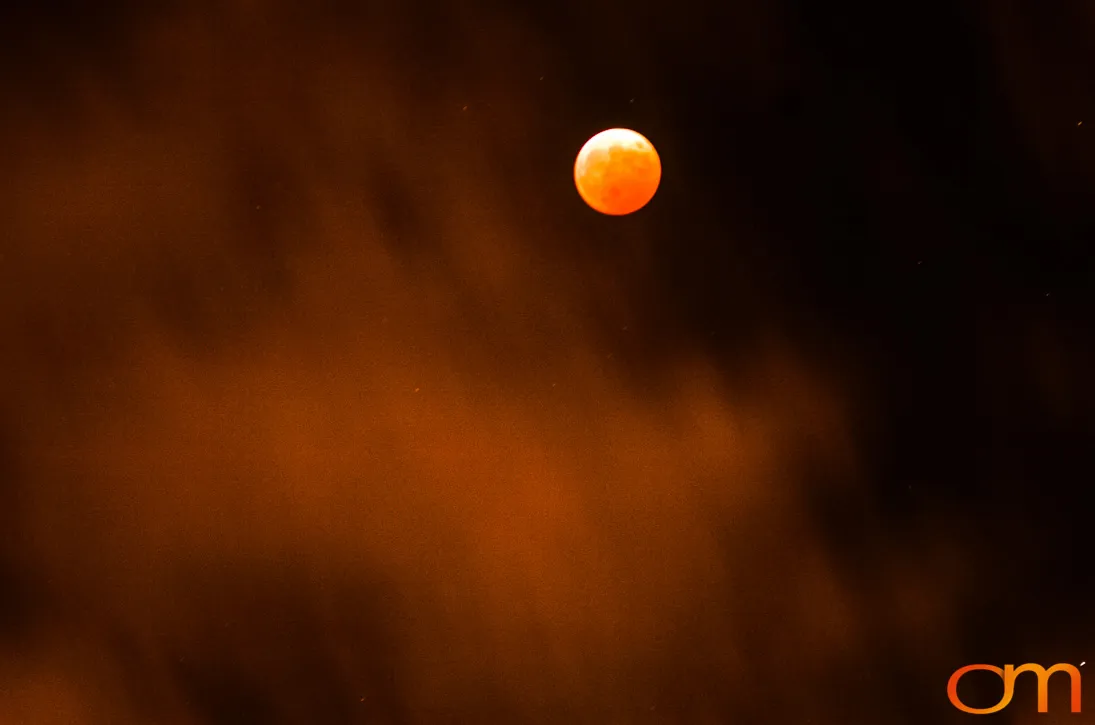
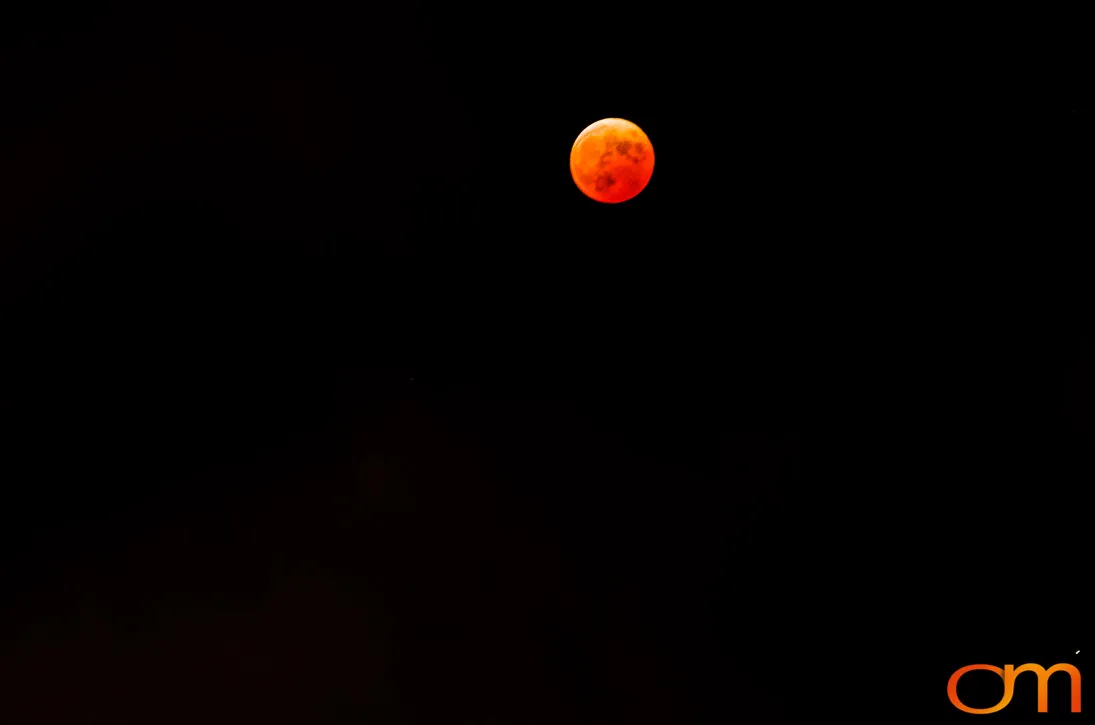
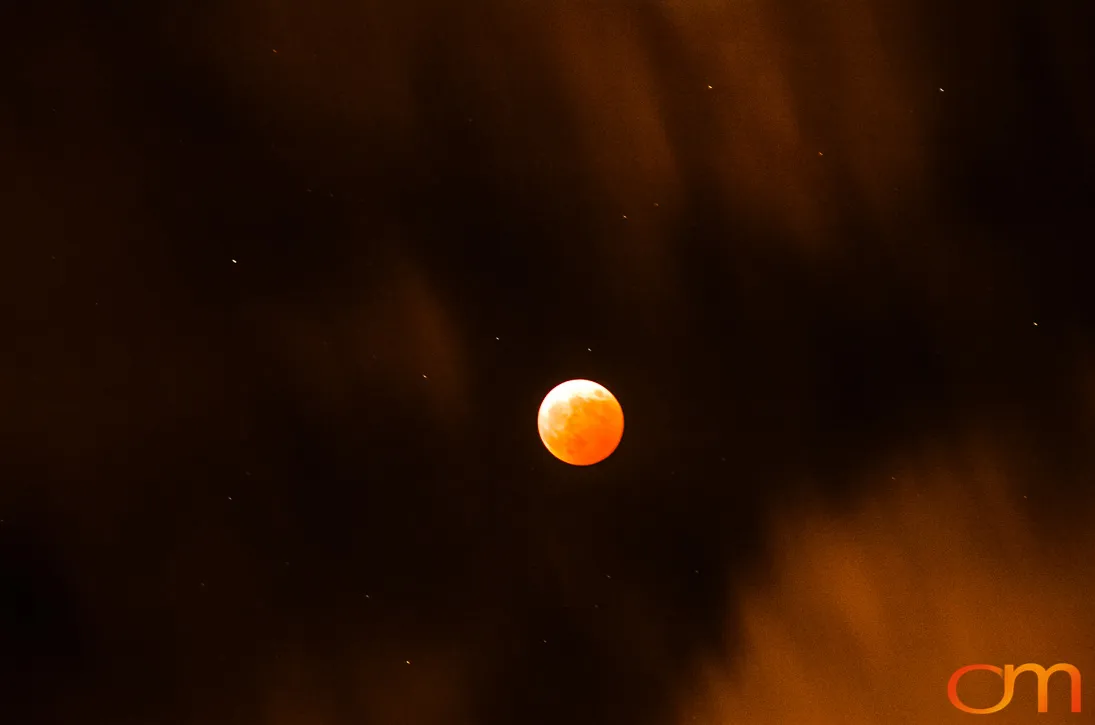
These photographs document the total lunar eclipse visible from Connecticut during the night of October 27–28, 2004. The eclipse was visible across the Americas and parts of Europe, Africa, and Asia. Totality lasted approximately 80 minutes.
A lunar eclipse occurs during a full moon when the Sun, Earth, and Moon align closely enough for the Moon to pass through Earth’s shadow. During a total lunar eclipse, the entire Moon enters the umbra—the darkest part of that shadow.
Although Earth blocks direct sunlight from reaching the Moon, some sunlight passes through Earth’s atmosphere and is refracted into the shadow. Shorter blue wavelengths are scattered more readily, while red and orange wavelengths continue through the atmosphere and illuminate the lunar surface. Atmospheric dust, clouds, and other conditions influence the Moon’s color and brightness during each eclipse.
The consistently curved edge of Earth’s shadow during lunar eclipses also provided ancient observers with evidence that Earth is spherical. Aristotle described this observation in the fourth century BCE, centuries before modern astronomical instruments.