Darjeeling
Mirik: Tea Gardens and Himalayan Community Life
December 2010
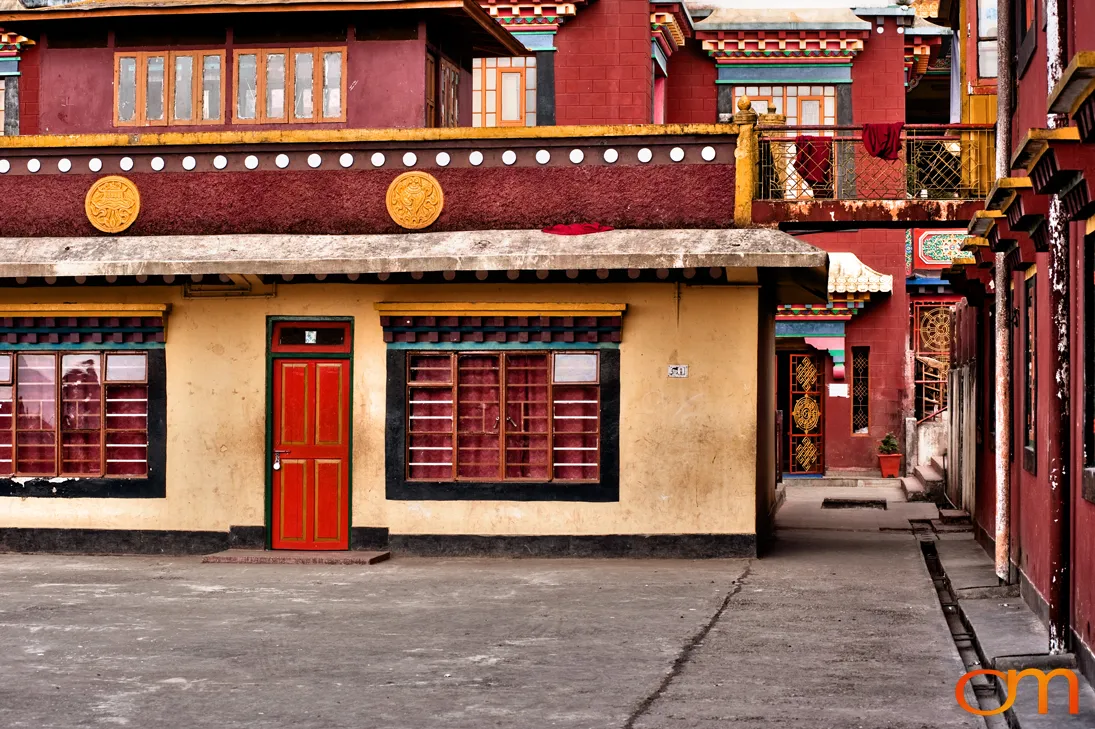
Mirik is a hill town and municipality in the Darjeeling district of West Bengal, India. The town is centered around Sumendu Lake, also known as Mirik Lake, and the adjoining garden known as Savitri Pushpaudyan. An arched footbridge called Indreni Pull crosses the lake, while pine-covered slopes, tea gardens, orchards, farms, and Buddhist monasteries shape the surrounding landscape.
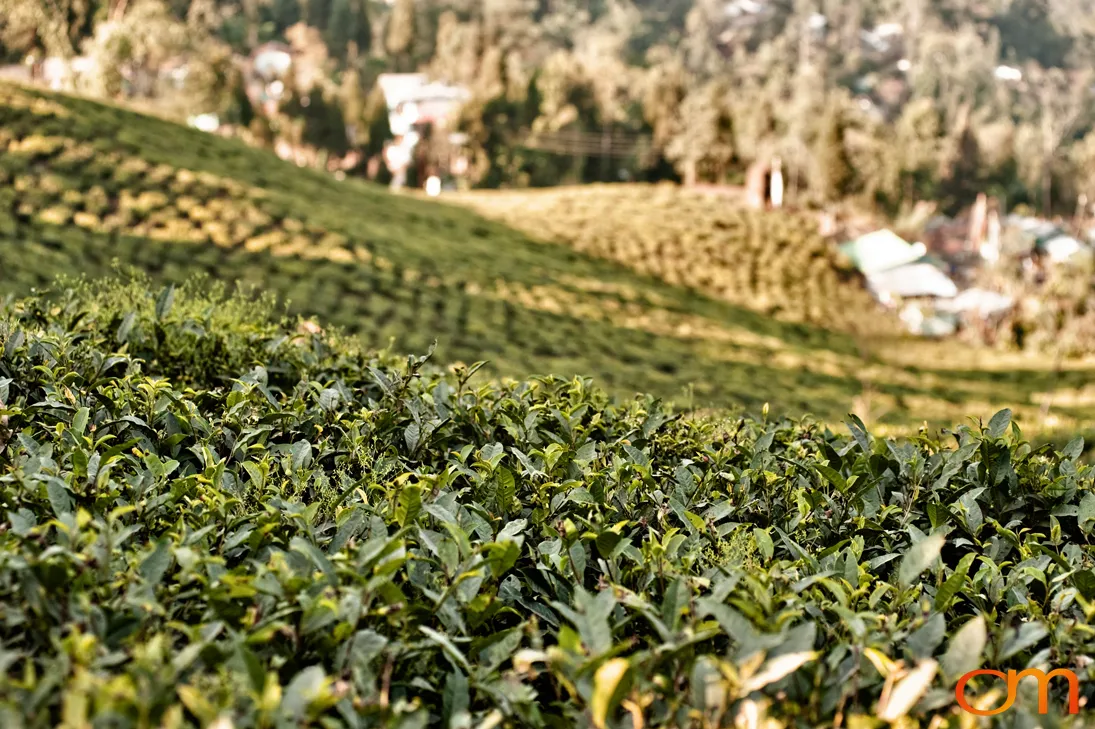
Tea cultivated around Mirik forms part of the wider Darjeeling tea region. All true tea is produced from Camellia sinensis. The smaller-leaved Chinese tea plant, Camellia sinensis var. sinensis, and the larger-leaved Assam tea plant, Camellia sinensis var. assamica, are botanical varieties of the same species rather than separate tea species.
Although Darjeeling is best known for black tea, producers also make green, white, and oolong teas. Differences in cultivar, elevation, seasonal growth, weather, and processing contribute to the character of each harvest. Some Darjeeling teas are particularly valued for a distinctive fruit-like quality described as muscatel, a term associated especially with certain second-flush teas.
The name Darjeeling Tea is protected as a geographical indication. Authentic Darjeeling Tea must be grown in a recognized tea garden within the officially defined region and processed according to the Tea Board of India’s certification requirements. This protection distinguishes tea produced in Darjeeling from tea grown elsewhere and marketed using the region’s name.
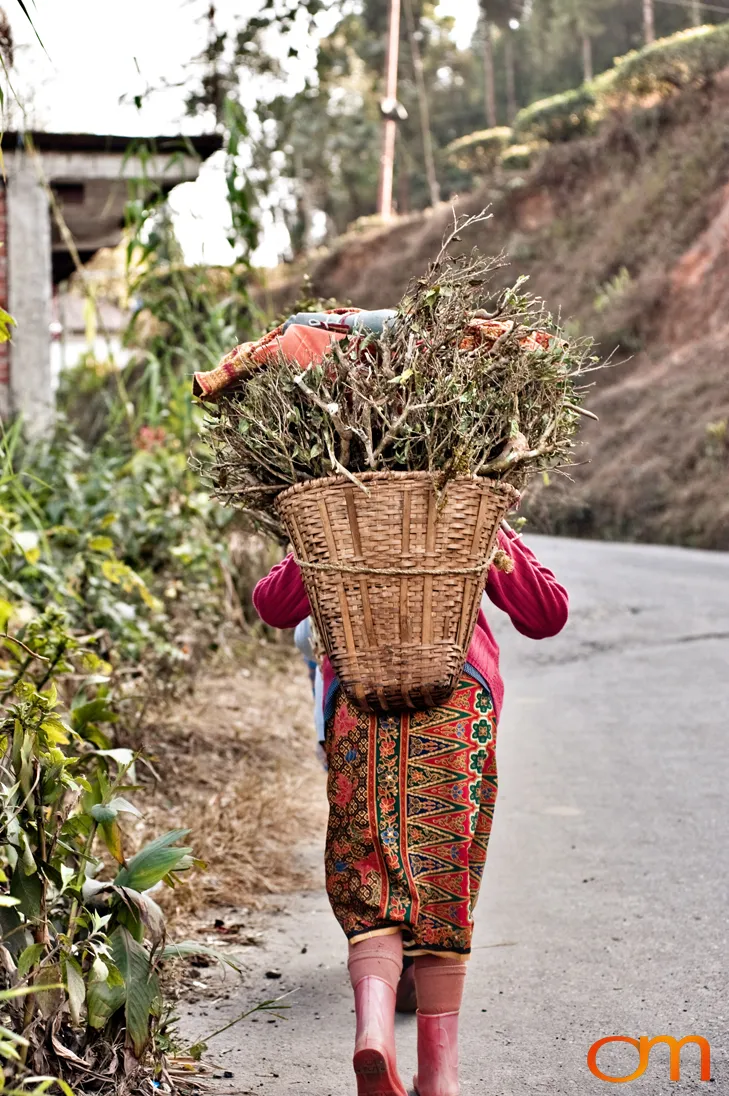
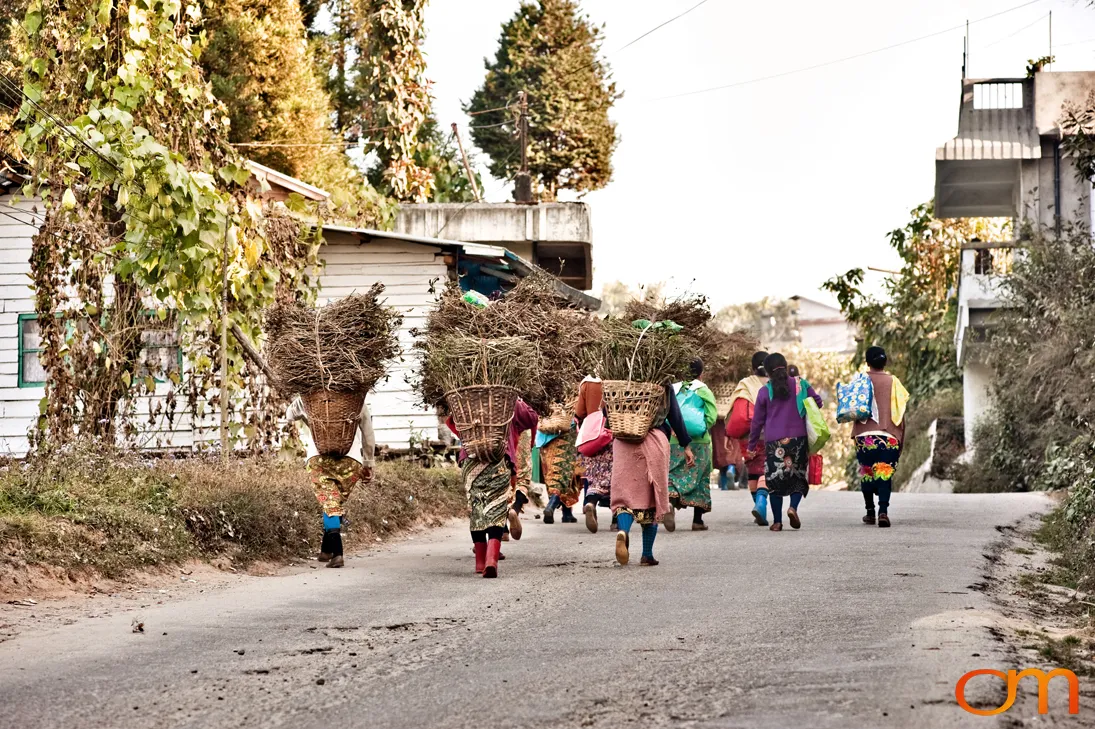
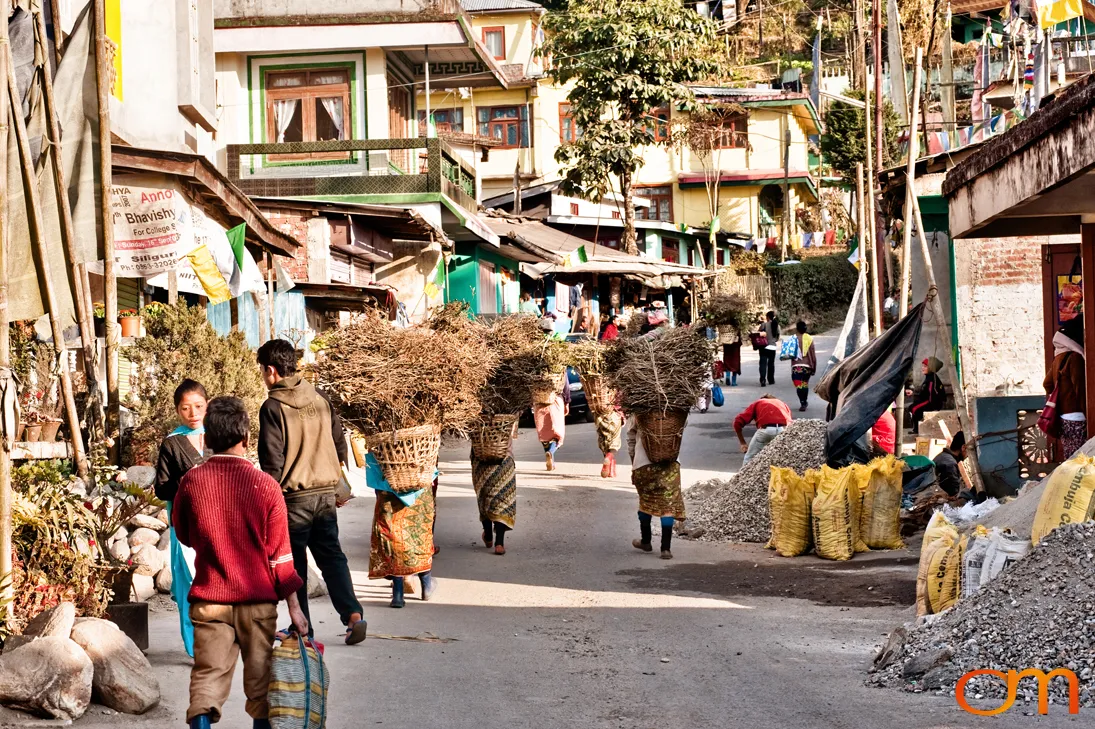
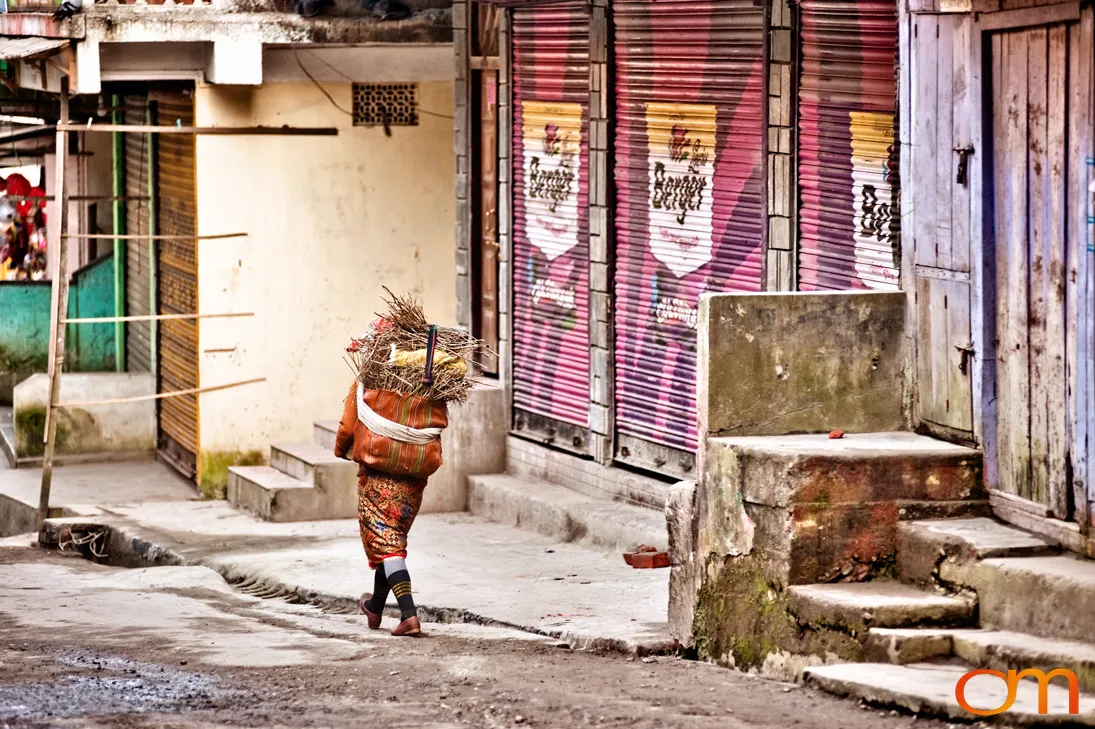
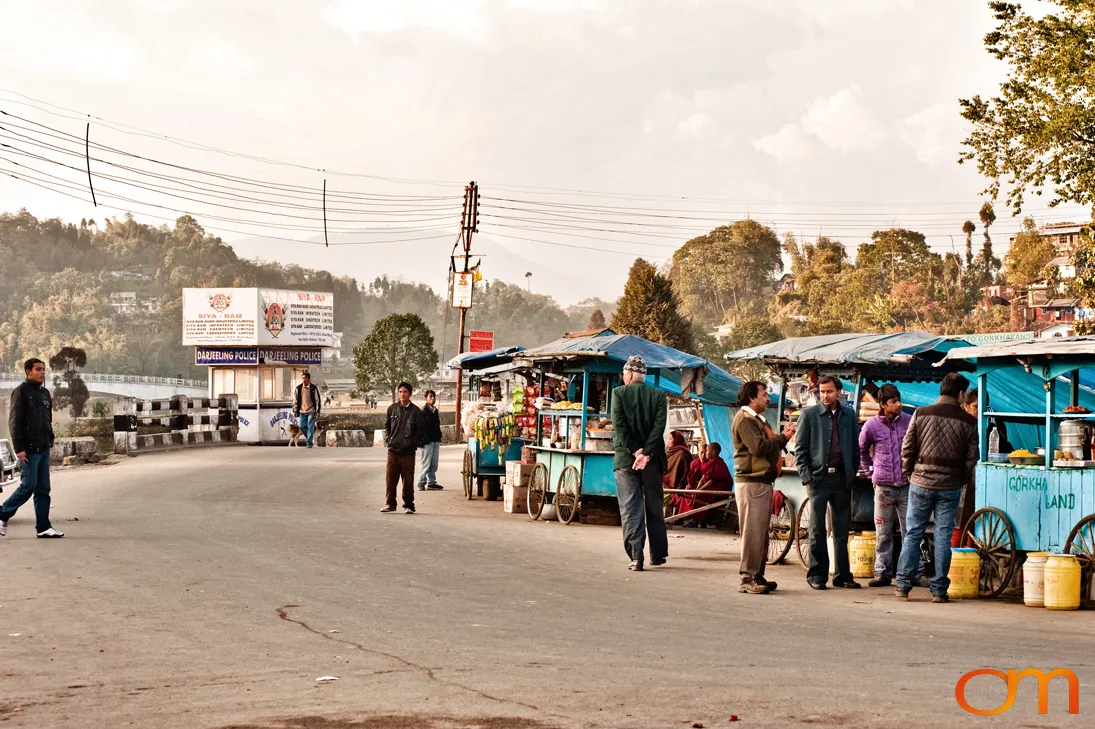
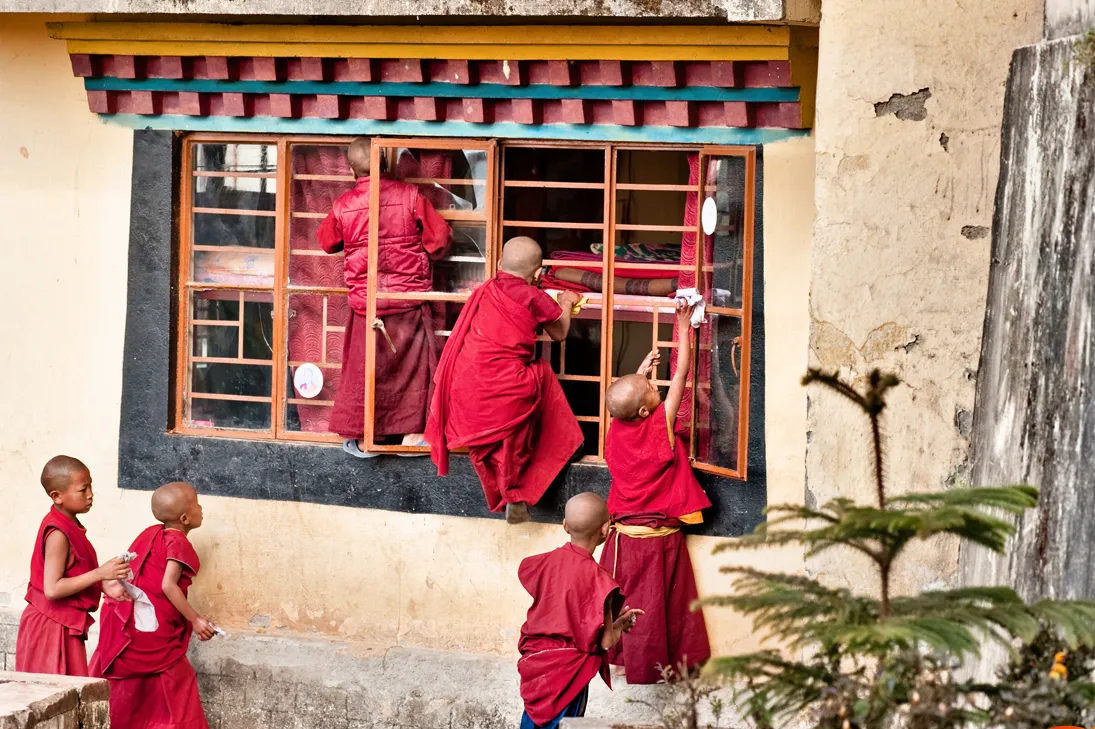
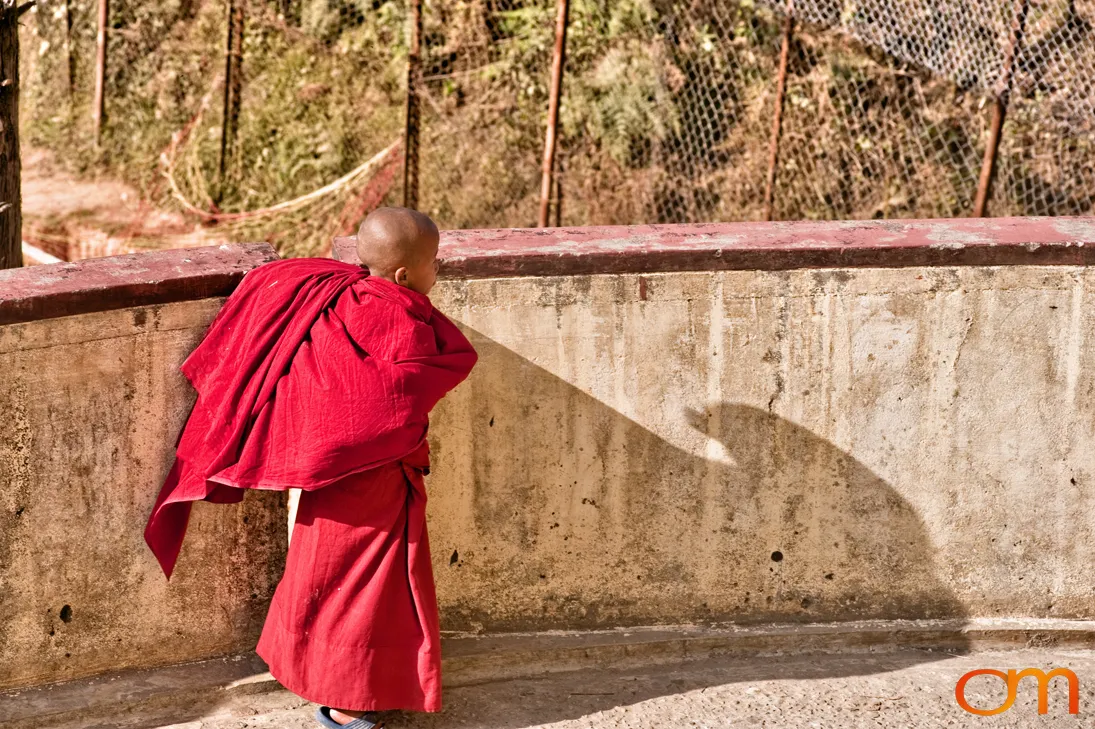
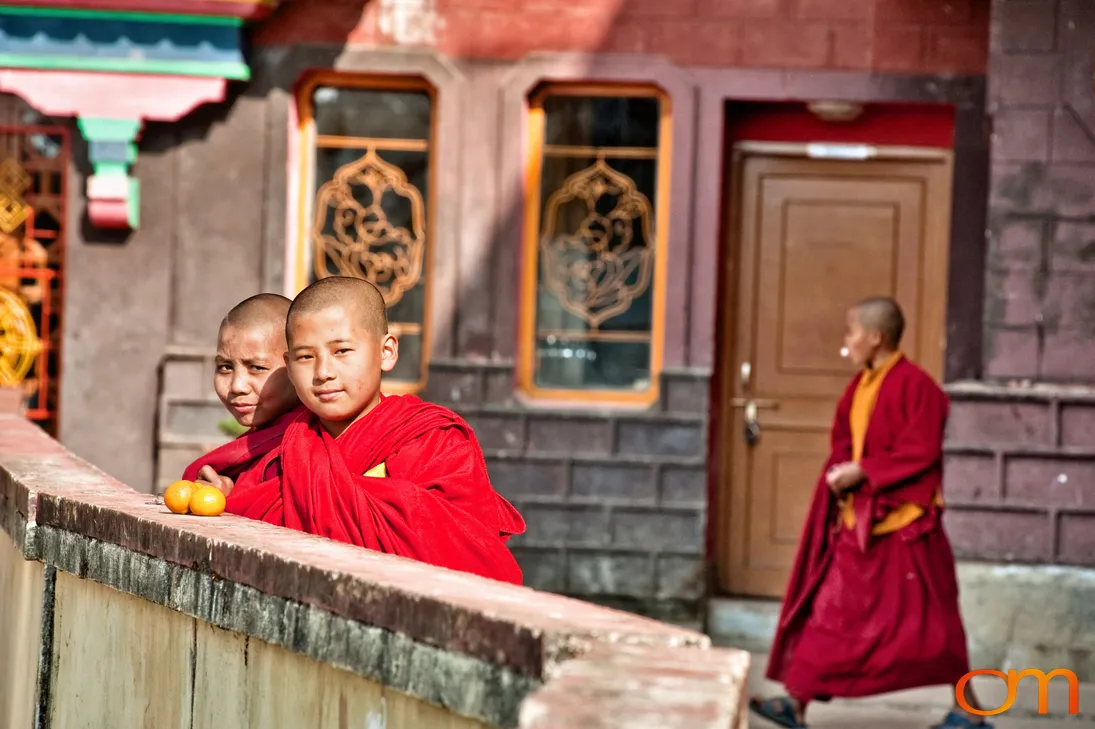
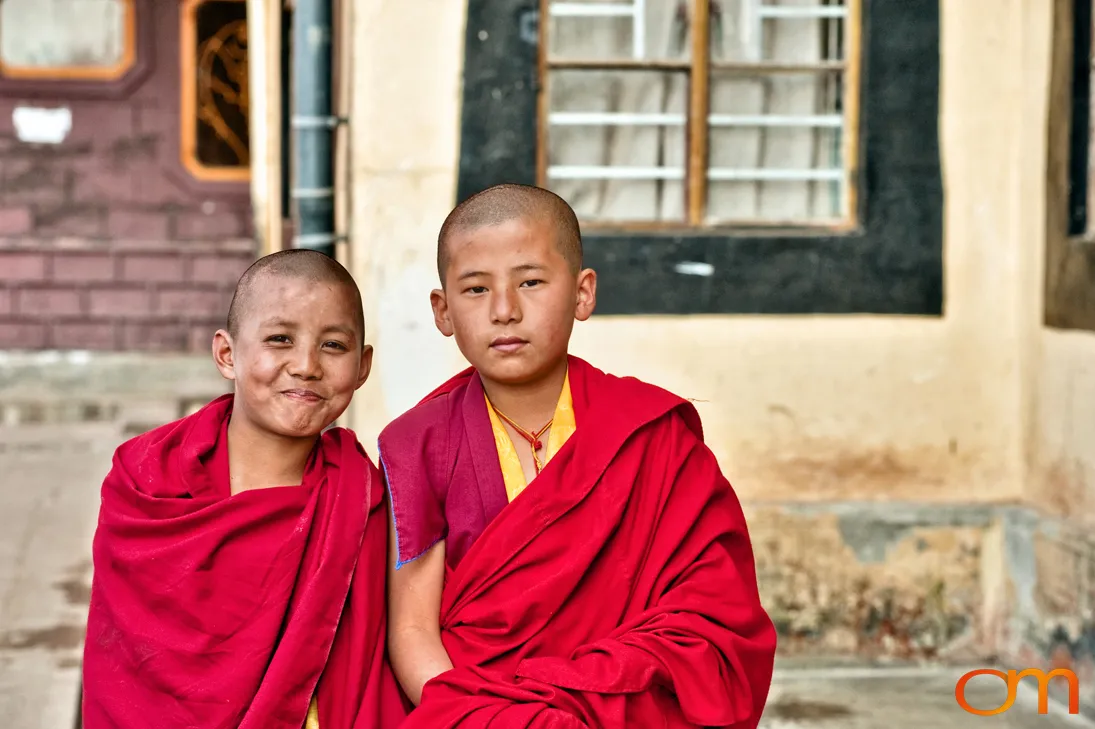
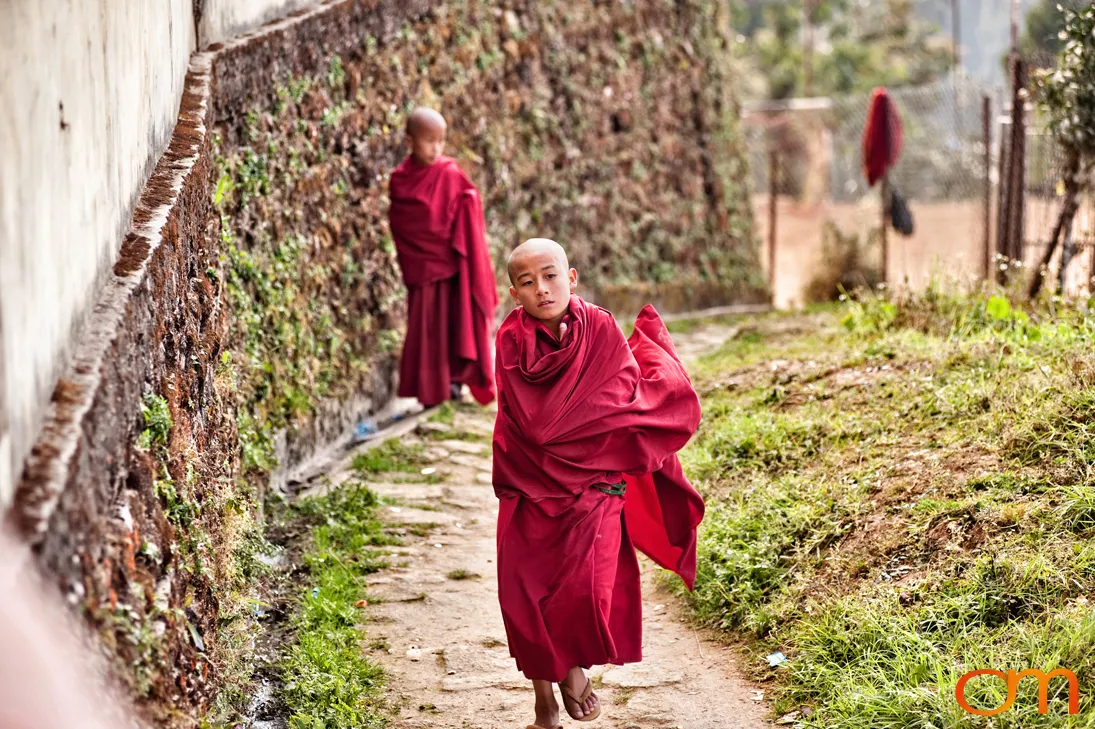
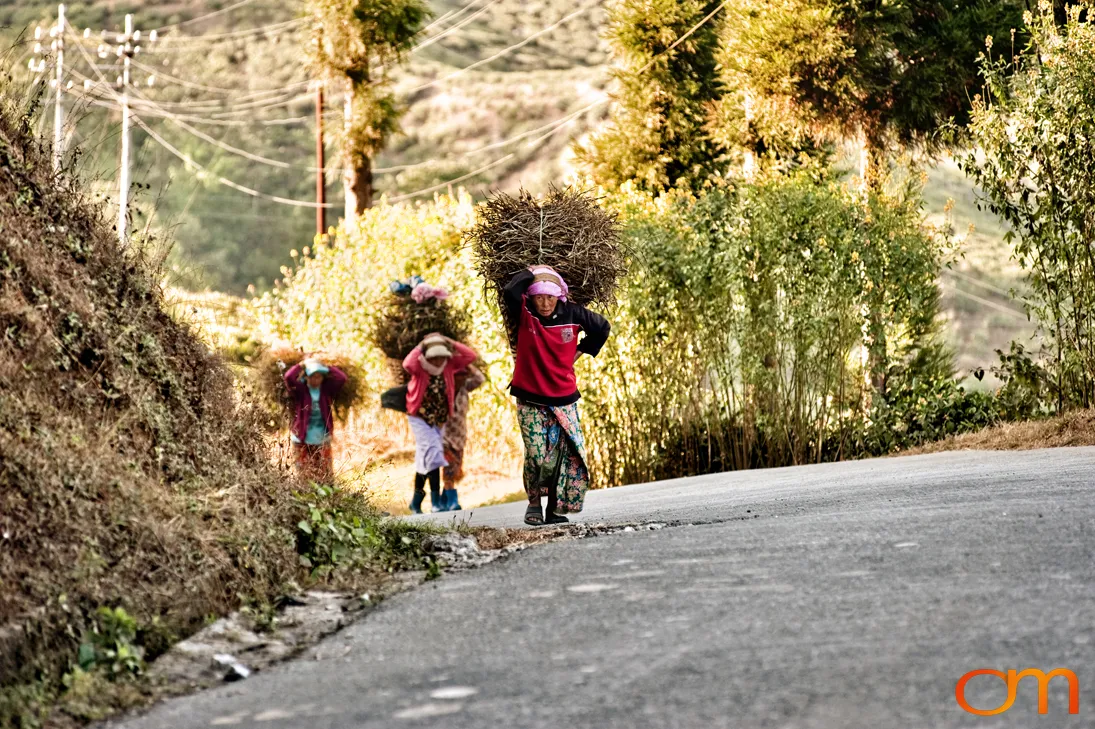
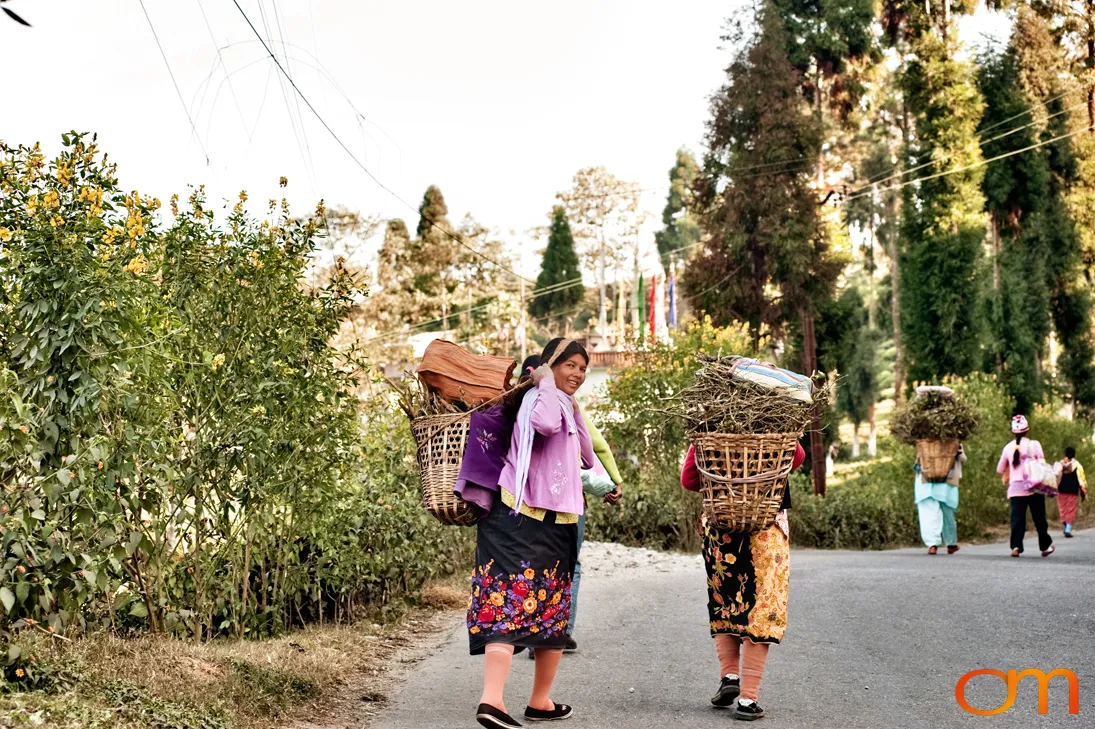
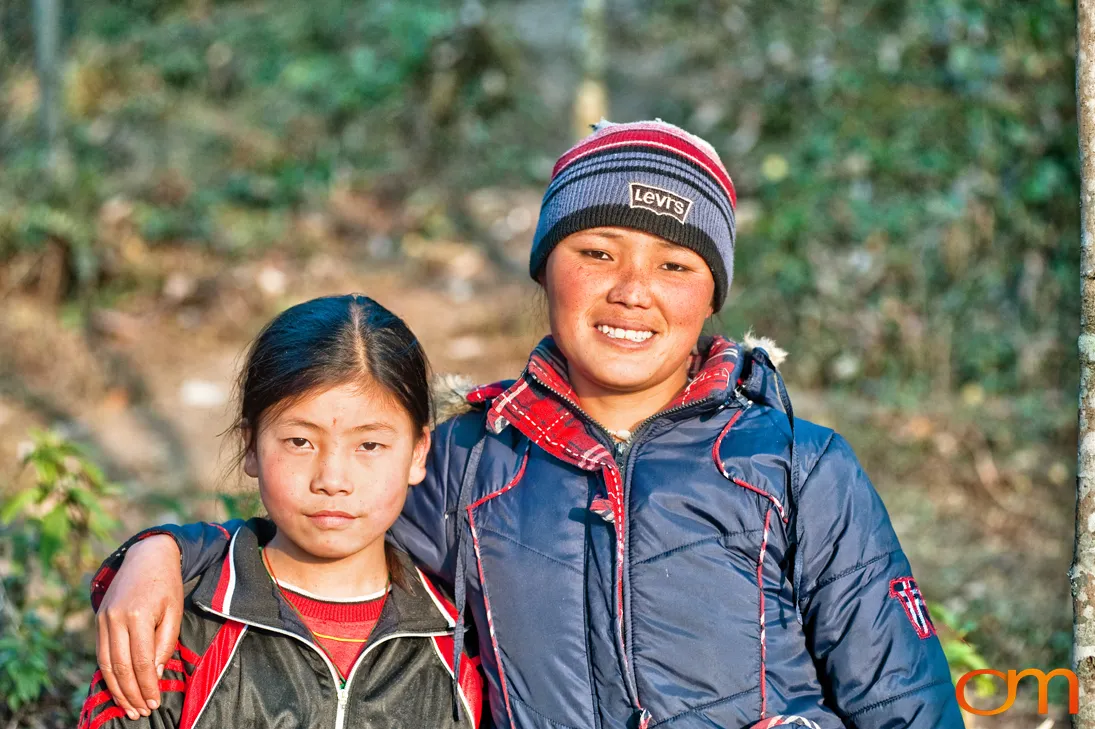
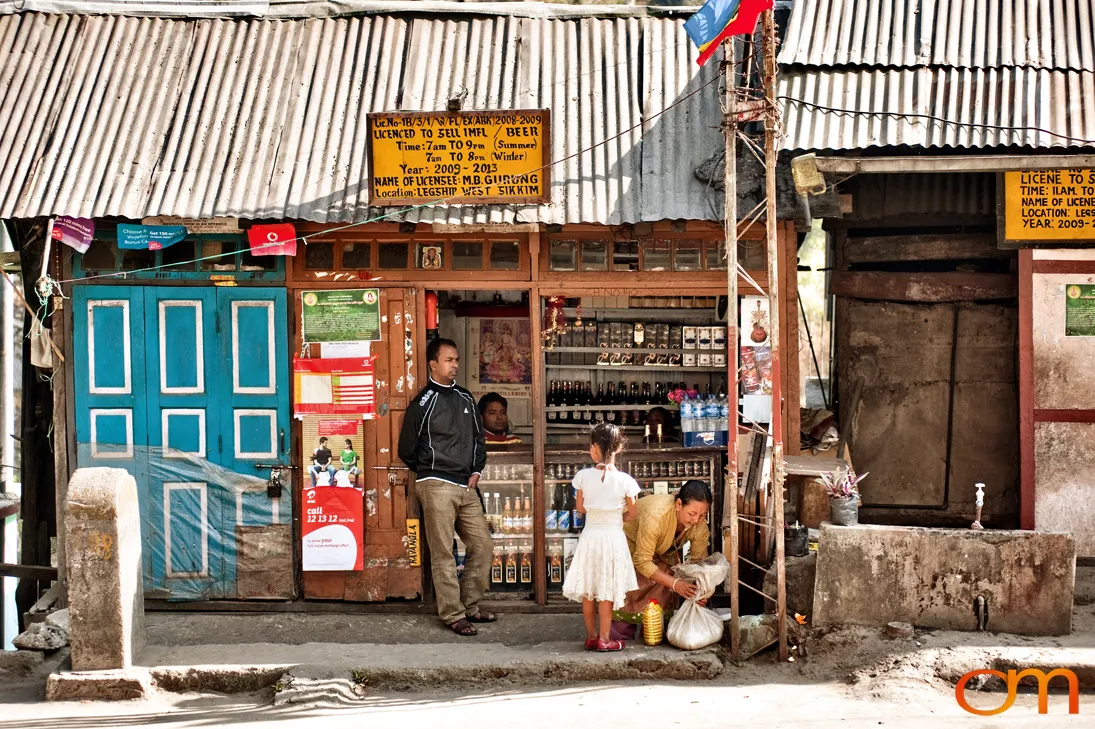
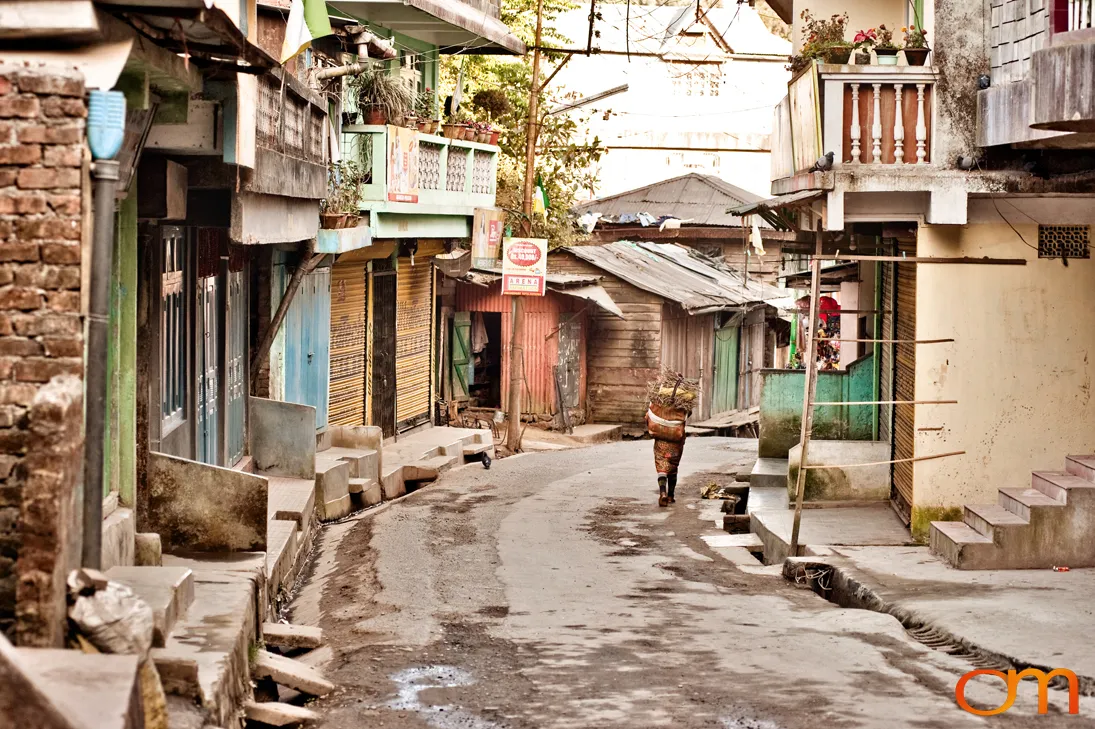
Mirik is more than a tea-growing landscape. Its roads connect homes, markets, schools, agricultural areas, and religious institutions. Photographs taken in 2010 document women carrying large bundles of vegetation along the hillside roads, children traveling through the town, local market activity, tea-covered slopes, and young Buddhist monastics within the community. Together, these scenes preserve a broader record of everyday life in this Himalayan town.