Munnar
Munnar: Bonnet Macaque & Tufted Gray Langur
September 2004
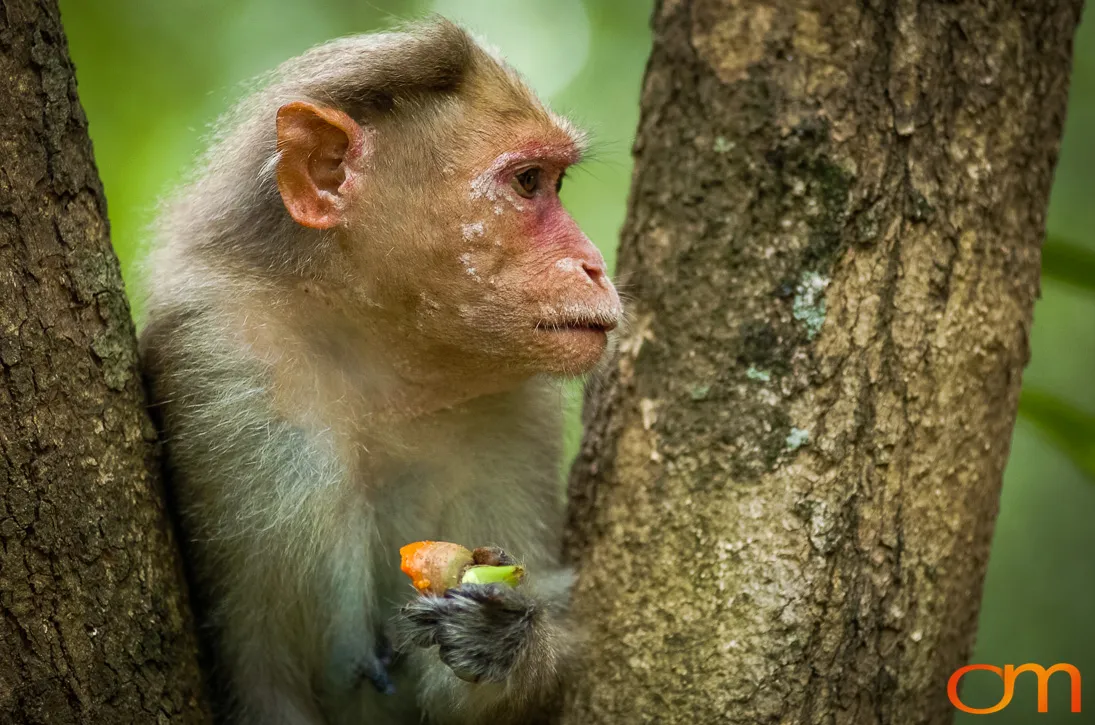
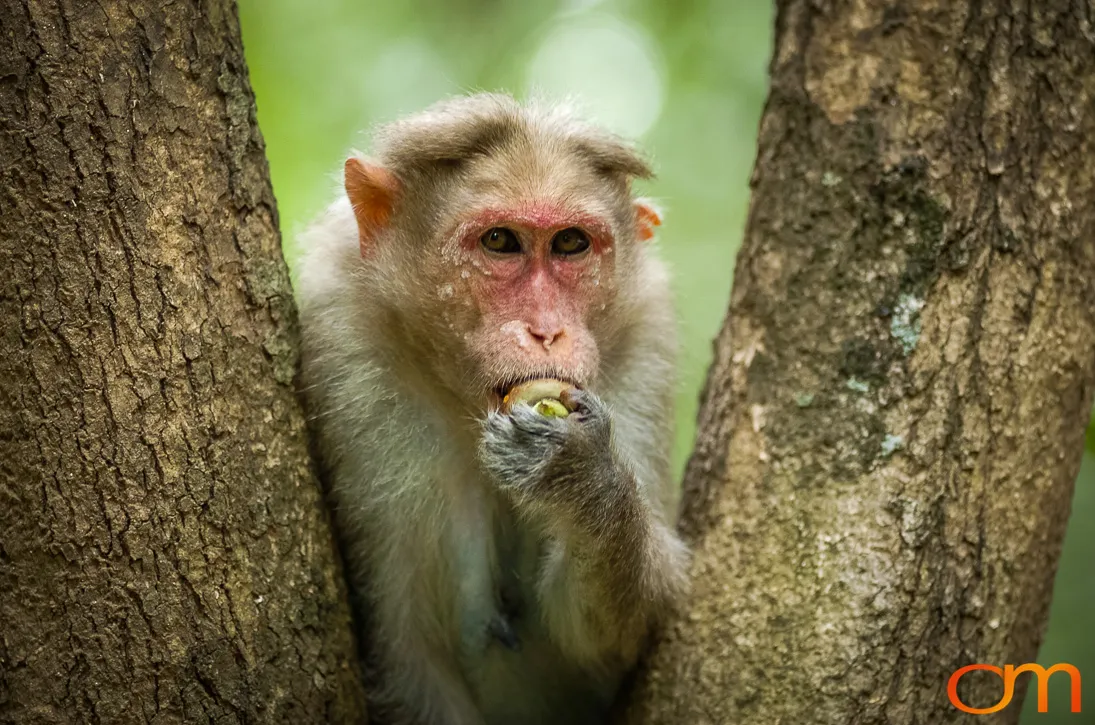
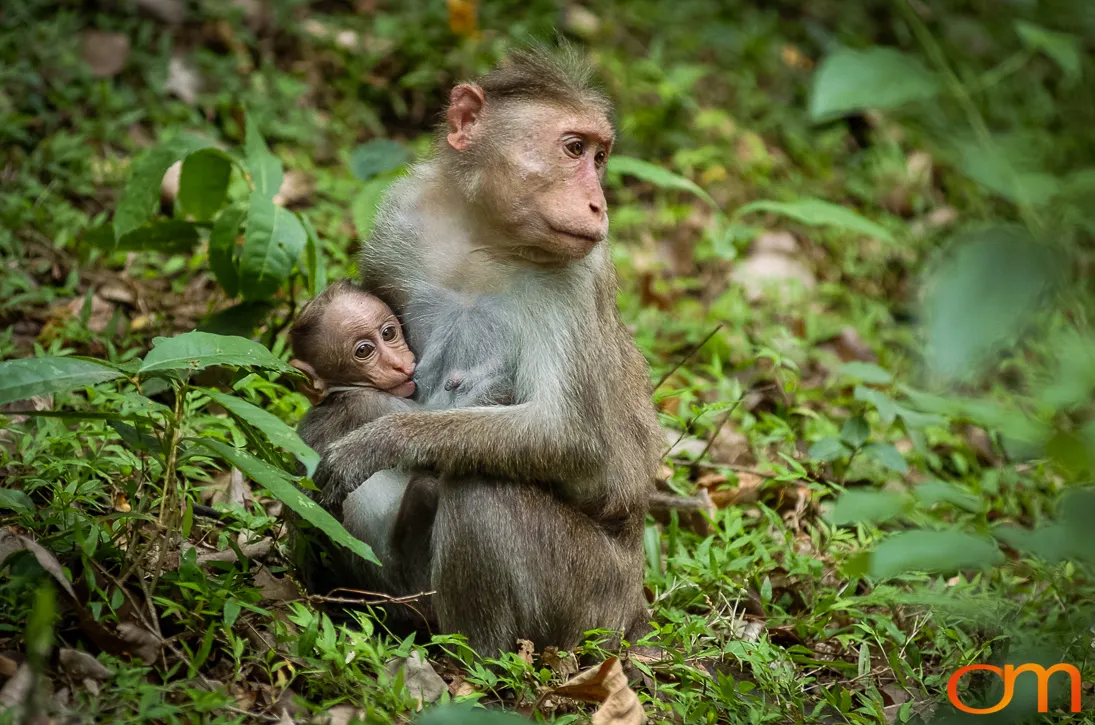
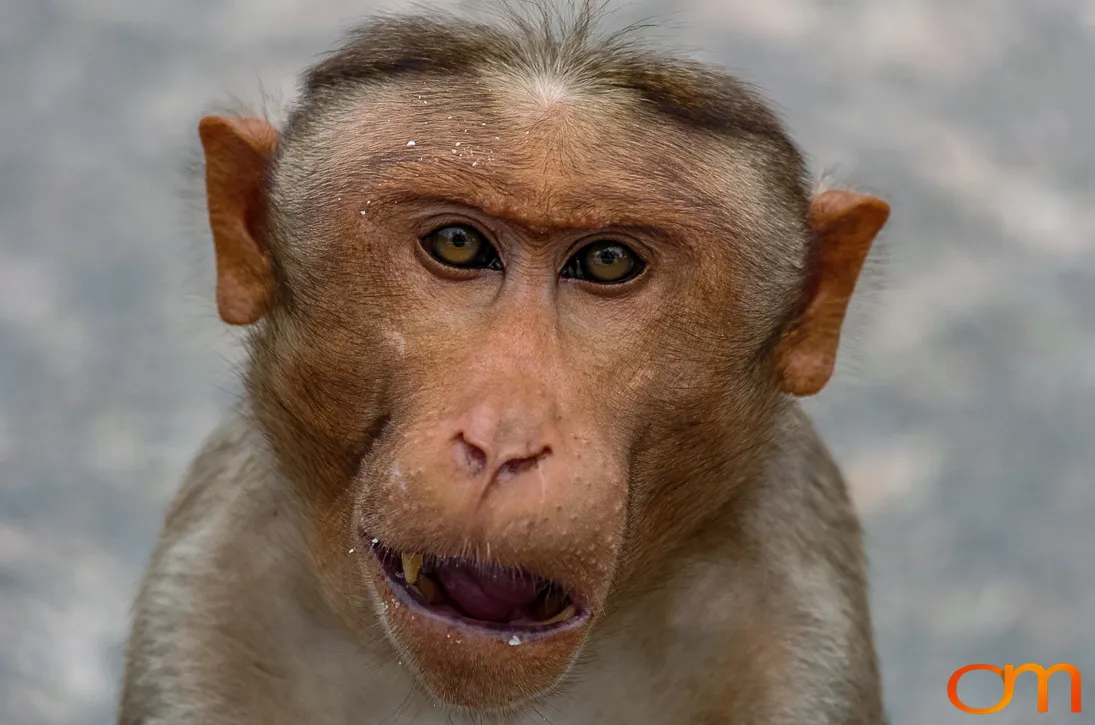
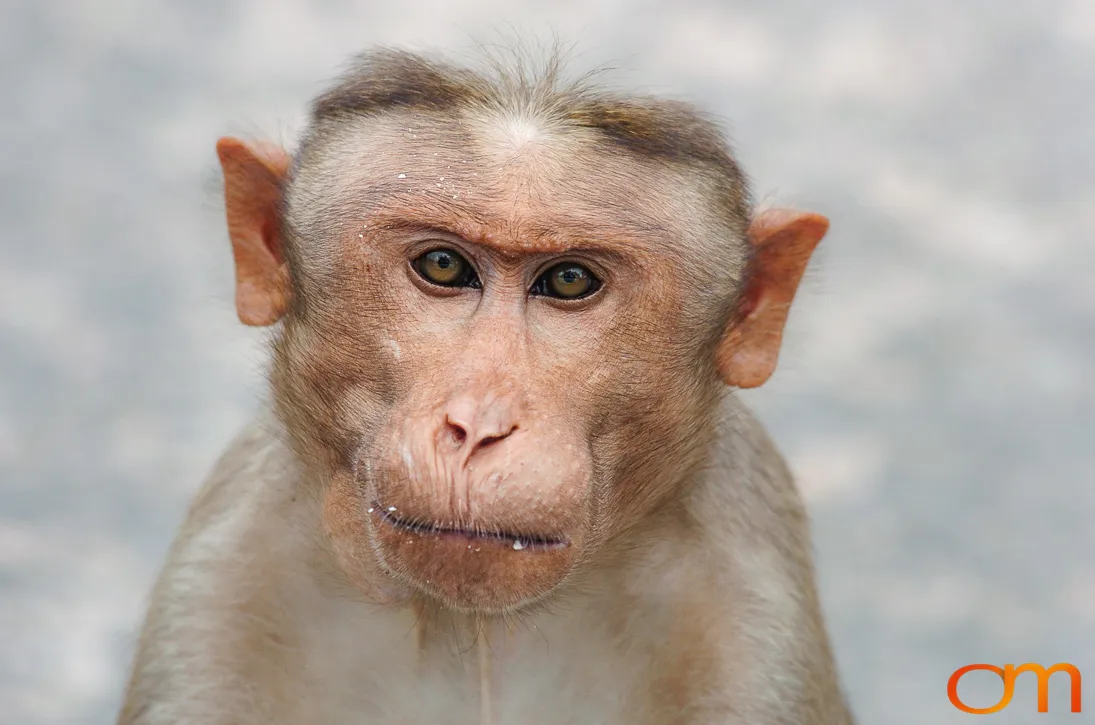
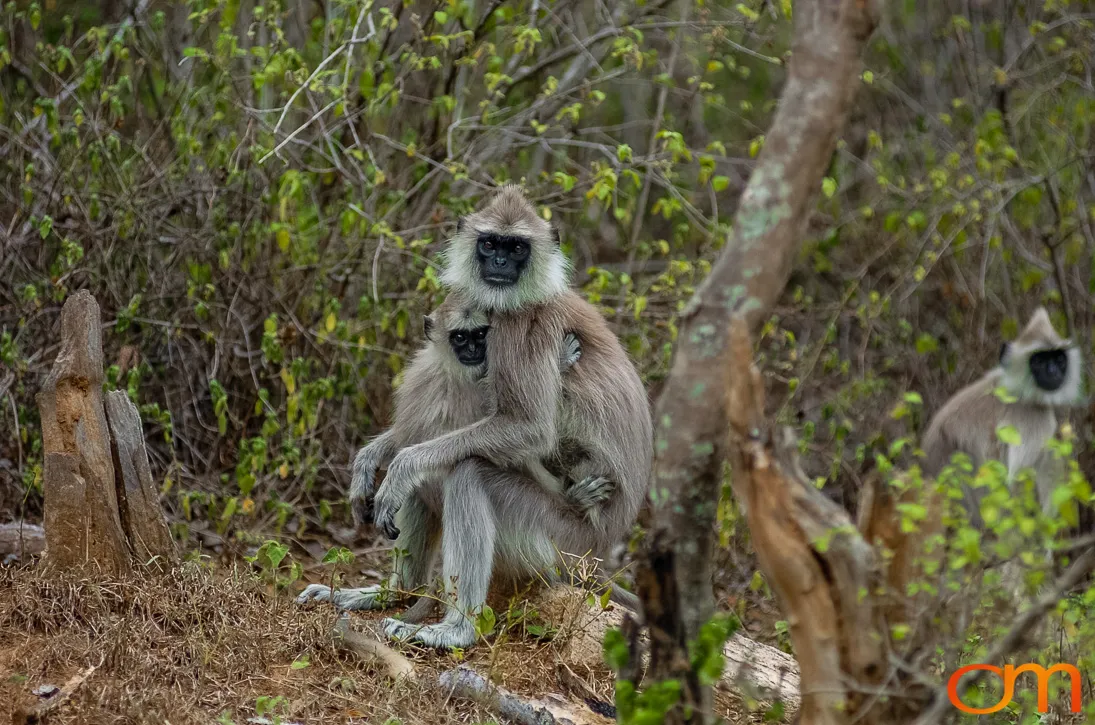
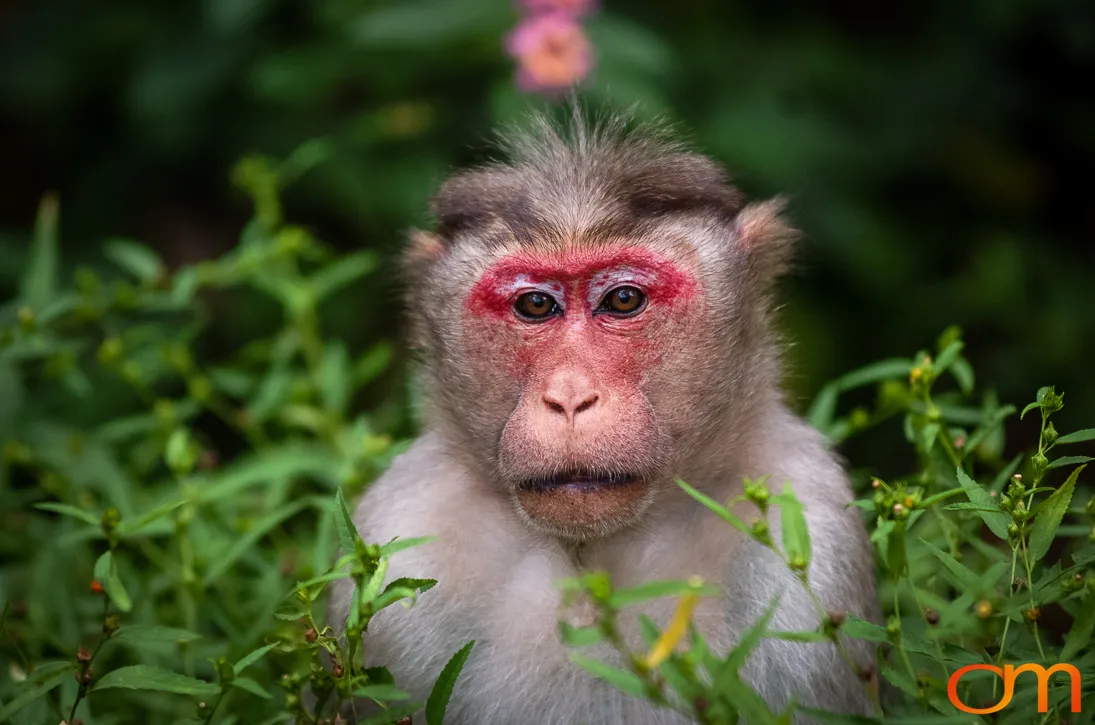
Photographed in 2004, these images document two species of Old World monkey found in the southern Indian landscape surrounding Munnar: the bonnet macaque (Macaca radiata) and the tufted gray langur (Semnopithecus priam). Although both species can occur within the same broader region, they belong to different primate subfamilies and have distinct diets, physical characteristics, and relationships with their environment.
Bonnet Macaque
The bonnet macaque is endemic to southern India. Its common name refers to the distinctive arrangement of hair on the crown, which forms a cap-like or “bonnet” pattern above the face.
Bonnet macaques are adaptable omnivores that consume wild fruits, seeds, leaves, flowers, and invertebrates. Some populations also obtain food by entering agricultural land, searching through human waste, taking unattended food, or accepting food directly from people. These behaviors allow the macaques to survive in heavily modified landscapes but can also increase conflict, alter natural foraging behavior, and create health risks for both monkeys and humans.
The species lives in social troops and communicates through vocalizations, grooming, facial expressions, and body movements. Lip-smacking is generally associated with affiliation or peaceful social contact rather than aggression. Researchers have also documented wild bonnet macaques using coo calls, extended hands, and visual monitoring when requesting food from people.
Despite being frequently encountered near roads, temples, tourist sites, and settlements, the bonnet macaque is currently classified as Vulnerable on the IUCN Red List. Habitat change, declining roadside populations, human–wildlife conflict, and competition with expanding rhesus macaque populations have contributed to conservation concerns.
Tufted Gray Langur
The tufted gray langur occurs in parts of southern India and Sri Lanka. It is recognized by its pale gray coat, black face, dark hands and feet, long tail, and the pointed crest of hair on the crown. The species is also known as the Madras gray langur and Coromandel sacred langur.
Tufted gray langurs are members of the colobine, or leaf-eating monkey, subfamily. Their diet consists mainly of leaves, supplemented by fruits, seeds, shoots, flowers, and other plant material. Colobines possess complex, multi-chambered stomachs containing microorganisms that help break down cellulose and other difficult-to-digest plant matter.
The langurs live in social groups that may contain several adults, juveniles, and infants. Group composition varies between populations and habitats, making fixed descriptions such as a single universal “alpha” hierarchy misleading.
The tufted gray langur is currently classified as Near Threatened. Habitat loss, fragmentation, road traffic, electrical infrastructure, and conflict around farms and settlements can affect populations in human-modified landscapes.
Two Different Strategies
Bonnet macaques and tufted gray langurs illustrate two different primate adaptations within the same region. Bonnet macaques are flexible omnivores capable of exploiting a wide variety of natural and human-associated foods. Tufted gray langurs are more specialized for processing leaves and fibrous vegetation.
The photographs preserve a record of primate behavior in the Munnar region in 2004, including feeding, maternal care, infant development, and troop structure. They also demonstrate the importance of recording precise locations when documenting wildlife in the Western Ghats, where the ranges of several visually similar langur species can approach or overlap.
Primate Facts
Bonnet Macaque
Scientific name: Macaca radiata
Range: Southern India
IUCN status: Vulnerable
Distinctive feature: Cap-like arrangement of hair on the crown
Tufted Gray Langur
Scientific name: Semnopithecus priam
Range: Southern India and Sri Lanka
IUCN status: Near Threatened
Distinctive feature: Pale gray coat, black face, and pointed crown crest
Did You Know?
Wild bonnet macaques have been observed combining calls, hand extensions, and eye contact when requesting food from people.
Digestive Adaptation
Tufted gray langurs possess a multi-chambered stomach in which microorganisms help digest fibrous plant material.