Munnar
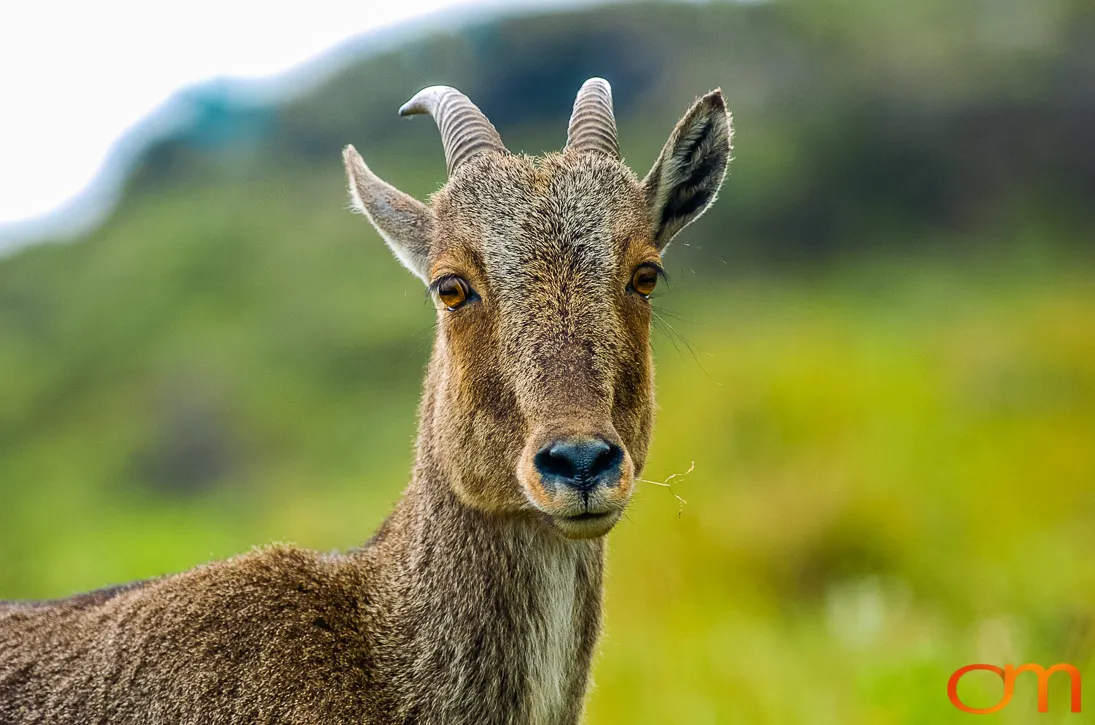
Munnar: Nilgiri Tahr
September 2004
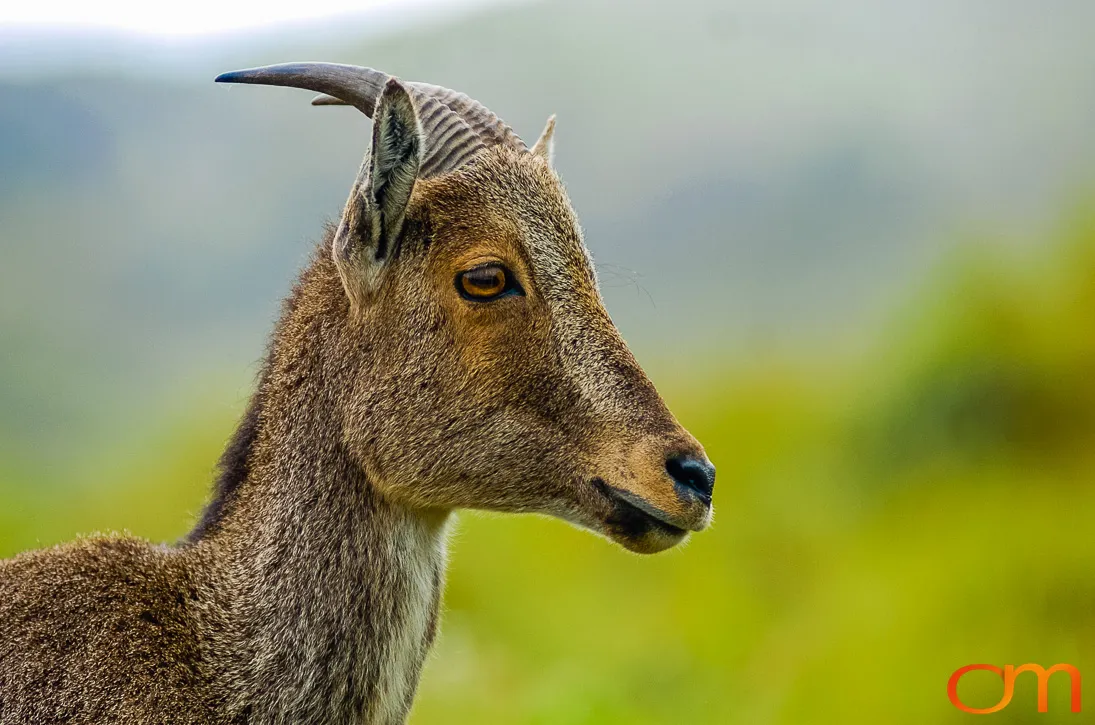
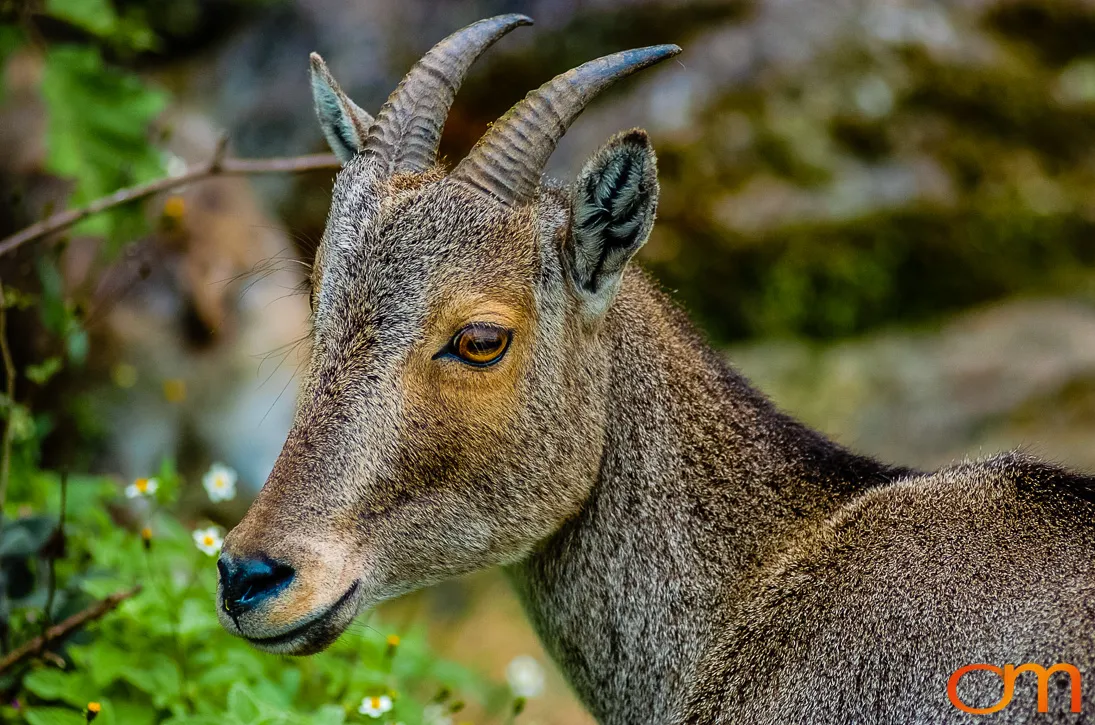
The Nilgiri tahr (Nilgiritragus hylocrius) is an Endangered mountain ungulate found only in the southern Western Ghats of India. Its remaining wild populations occur in Kerala and Tamil Nadu. Munnar is located in Kerala, near Eravikulam National Park, which protects the largest known wild population of the species. The Nilgiri tahr is also the state animal of Tamil Nadu.
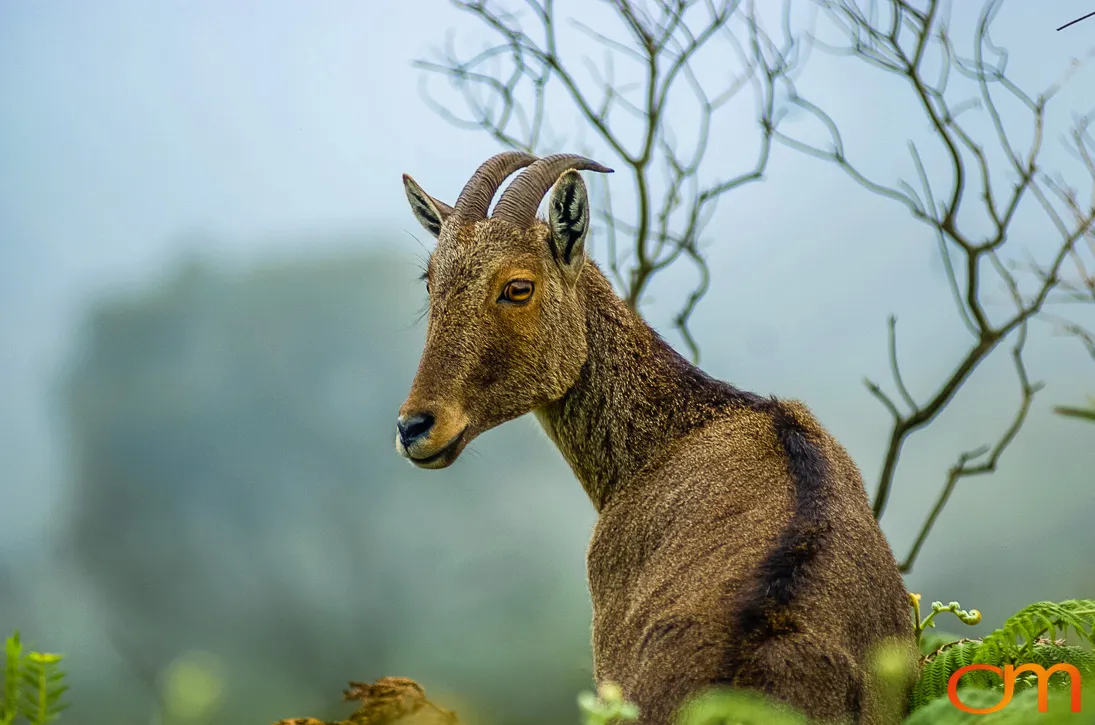
Nilgiri tahrs are adapted to steep montane grasslands, rocky escarpments, and the Western Ghats’ shola-grassland mosaic. Sholas are patches of evergreen forest surrounded by high-elevation grassland. The tahrs feed primarily in open grasslands while using cliffs and rugged slopes as places of refuge.
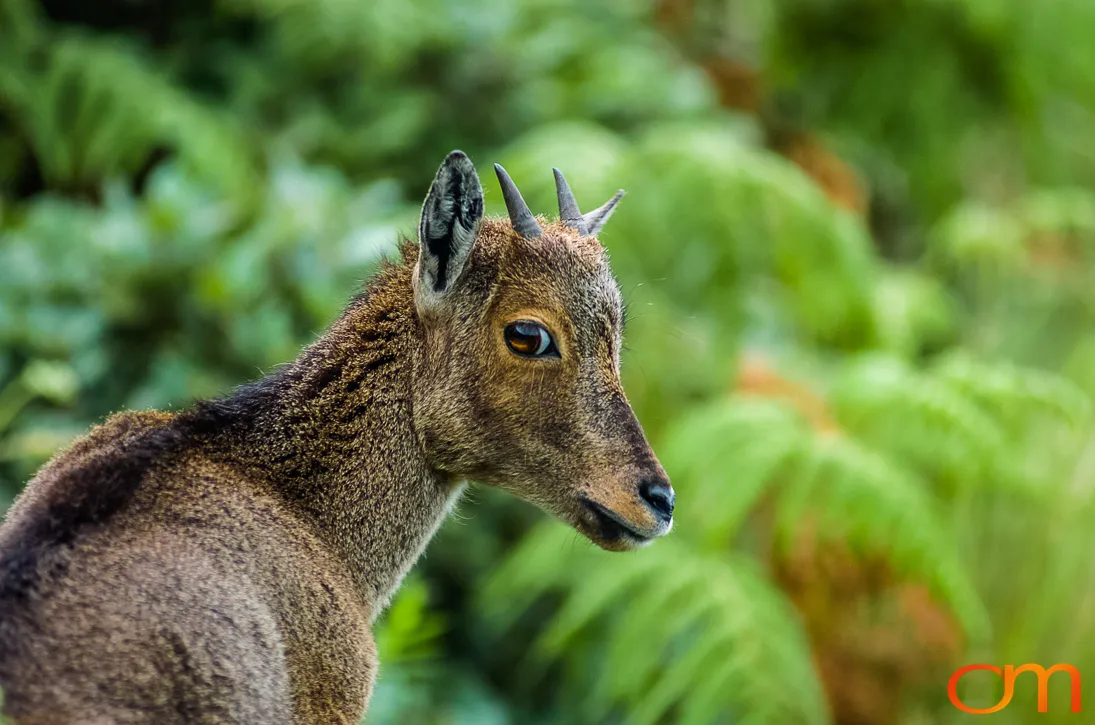
Both males and females have backward-curving horns. Adult males are generally larger and darker than females and may develop a distinctive pale gray patch across the back known as a saddle. Females and younger animals usually have lighter brown or gray-brown coats.
Despite sharing the name “tahr” with the Himalayan and Arabian tahrs, the three species do not form a single closely related evolutionary group. Genetic research resulted in the Nilgiri tahr being placed in its own genus, Nilgiritragus. It is more closely related to wild sheep of the genus Ovis than to the other animals commonly called tahrs.
The species once occupied a broader area of the Western Ghats, but its remaining populations are now fragmented. Major threats include habitat loss, invasive vegetation, infrastructure development, disturbance, livestock competition, poaching, and the effects of climate change. Conservation programs in Kerala and Tamil Nadu focus on population monitoring, grassland restoration, habitat connectivity, and protection of isolated groups.
Population figures should always be accompanied by the survey year and location. Kerala’s 2025 synchronized population assessment estimated 1,365 Nilgiri tahrs within the state, including 841 in Eravikulam National Park. These figures represent survey estimates rather than an exact permanent count and will change as monitoring methods and populations change.
Quick Facts
Scientific name: Nilgiritragus hylocrius
Conservation status: Endangered
Natural range: Southern Western Ghats of Kerala and Tamil Nadu
Primary habitat: Montane grasslands, rocky escarpments, and shola-grassland mosaic
State designation: State animal of Tamil Nadu
Distinctive feature: Mature males may develop a pale gray saddle across the back
Evolutionary fact: The species is more closely related to sheep than to the Himalayan and Arabian tahrs