Okavango Delta
Okavango Delta, Botswana
April 2009
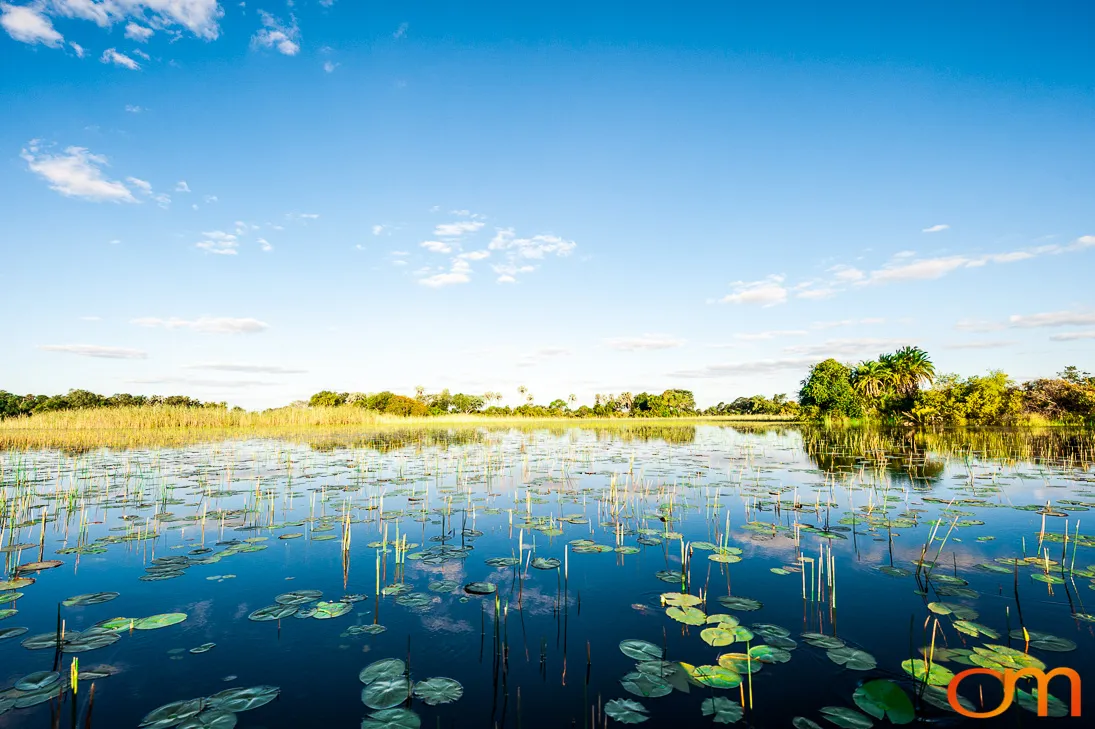
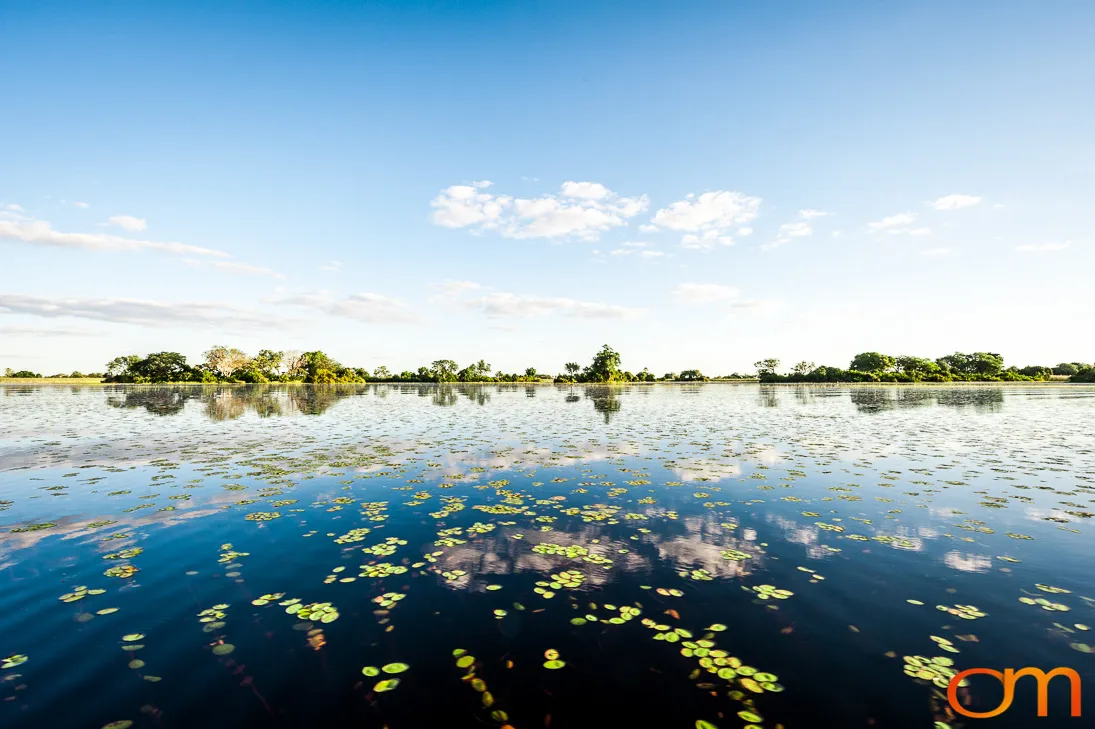
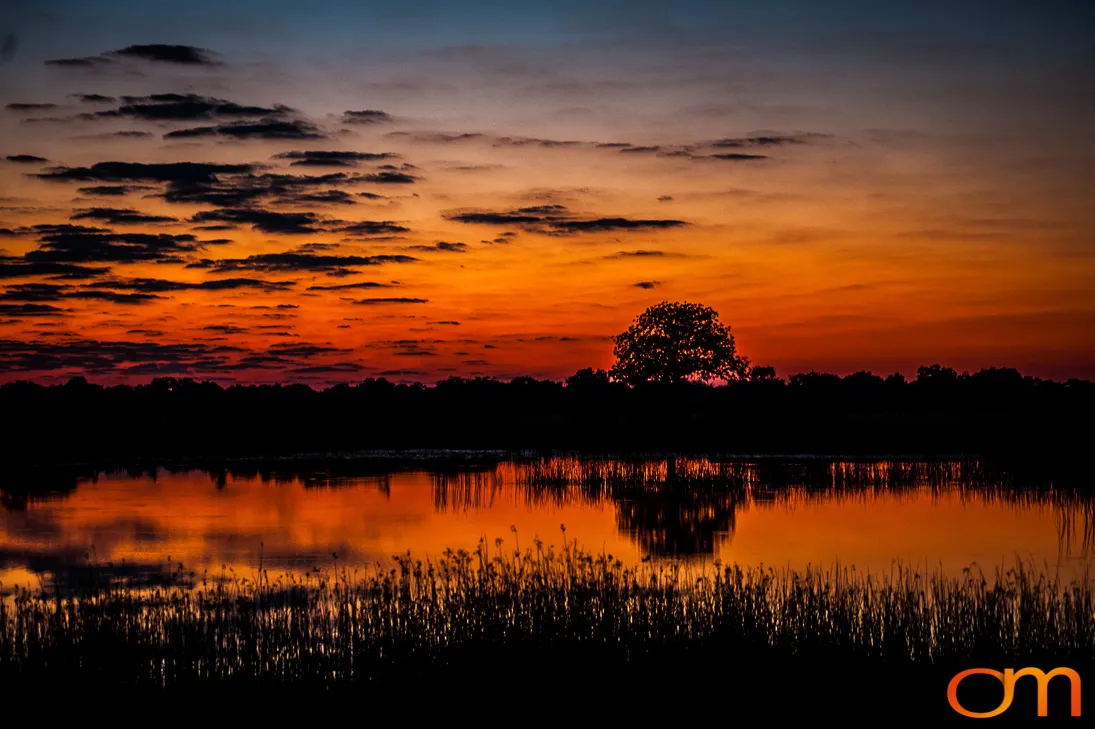
The Okavango Delta is a vast inland wetland in northwestern Botswana. It forms where the Okavango River spreads across a low-gradient alluvial fan within the Kalahari Basin rather than continuing to the sea. The river’s waters originate primarily in the highlands of Angola and travel approximately 1,500 kilometers before dispersing through channels, lagoons, floodplains, swamps, and sandy soils. Most of the incoming water is eventually lost through evaporation and plant transpiration.
One of the delta’s most unusual characteristics is the timing of its annual flood. Rain falling upstream in Angola takes several months to reach Botswana, causing floodwaters to arrive during Botswana’s dry winter season. The flood commonly reaches its greatest extent around June or July, when water is especially scarce in the surrounding Kalahari landscape.
The delta contains approximately 600,000 hectares of permanent swamps and between 700,000 and 1.2 million hectares of seasonally flooded grasslands. Permanent channels and wetlands retain water throughout the year, while the extent of seasonal flooding changes according to upstream rainfall, local rainfall, channel conditions, and previous flood cycles.
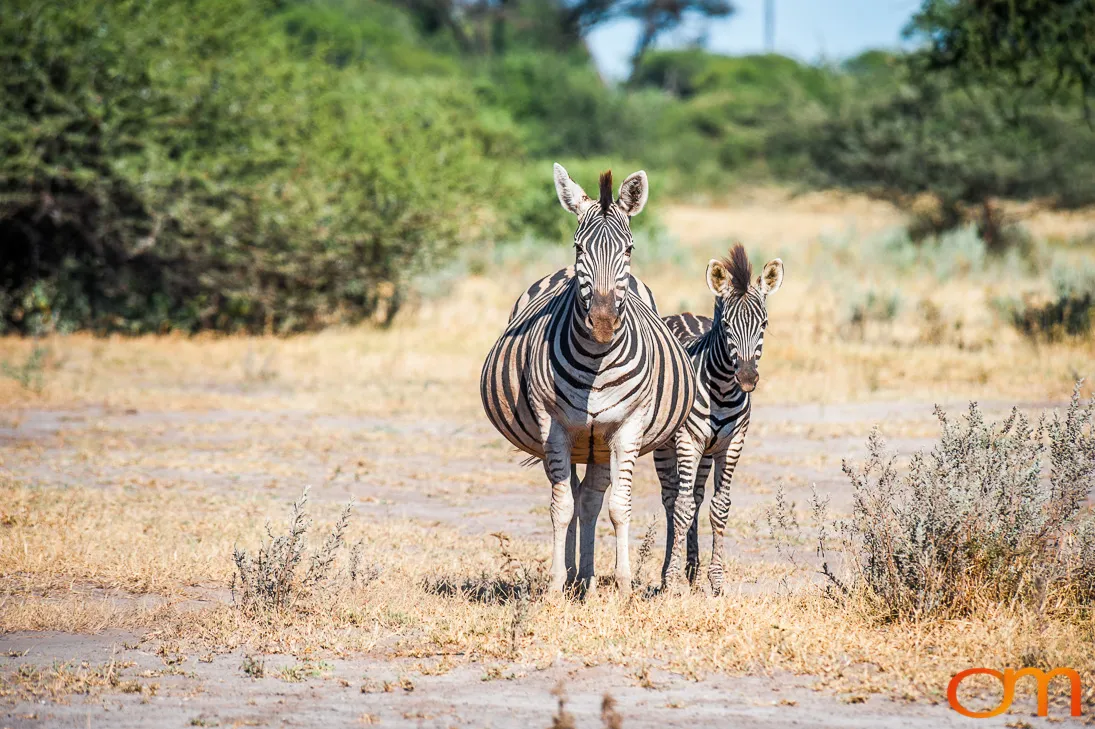
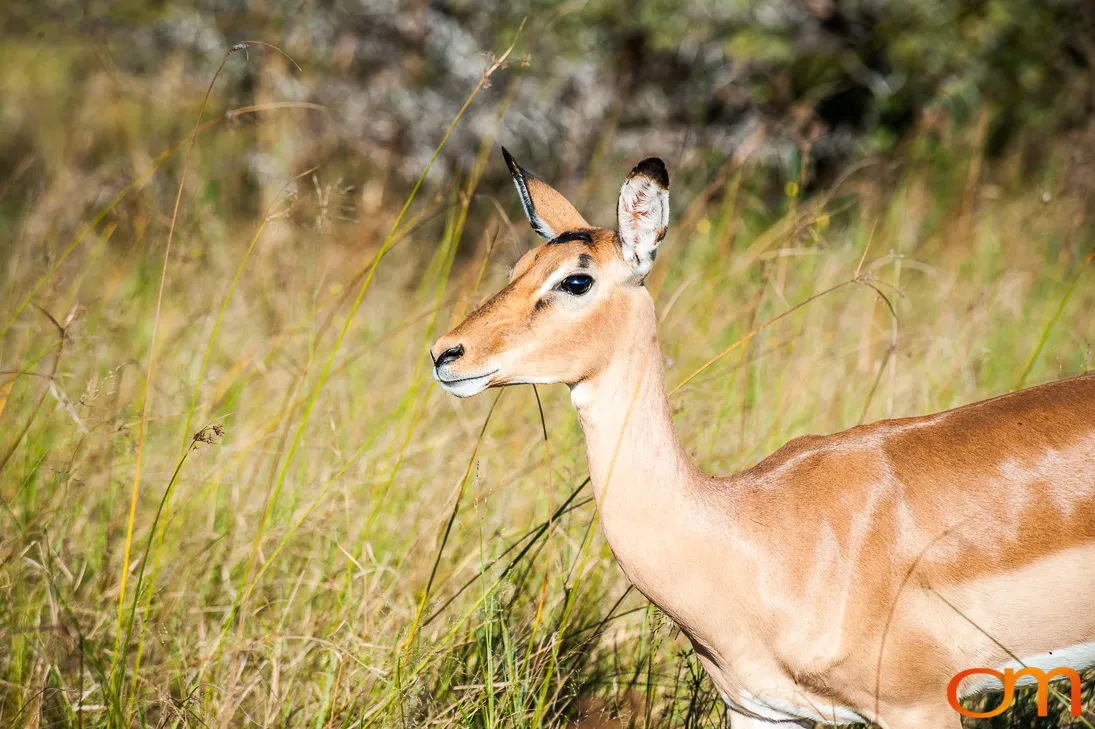
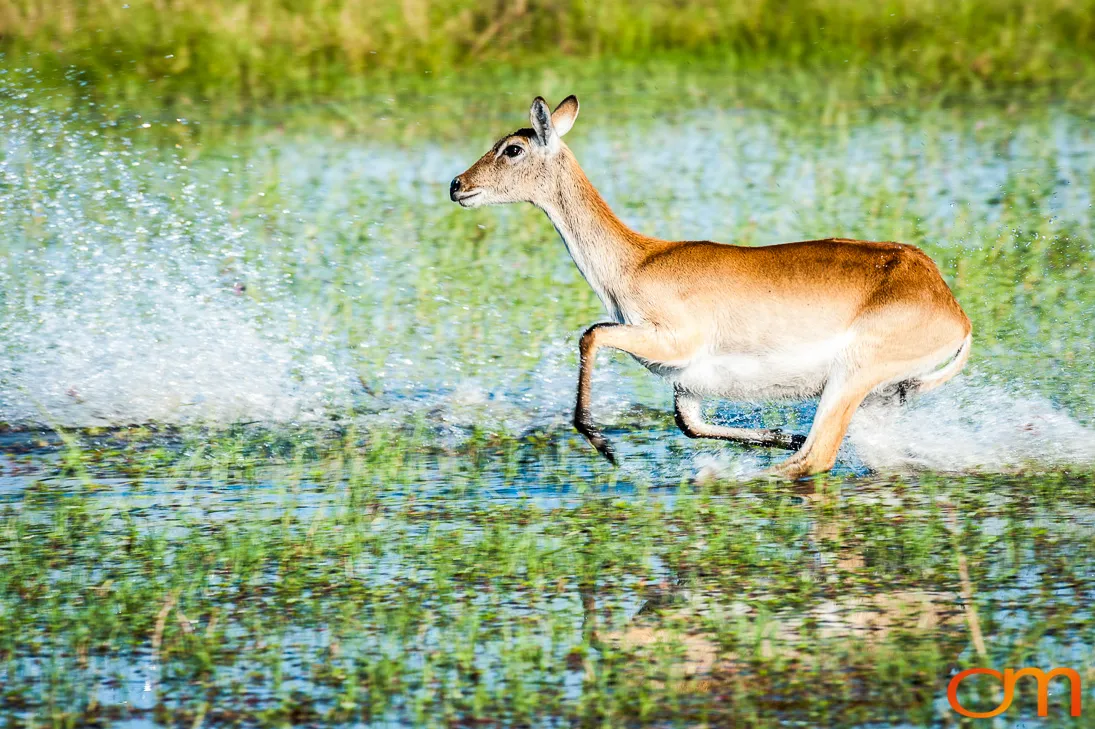
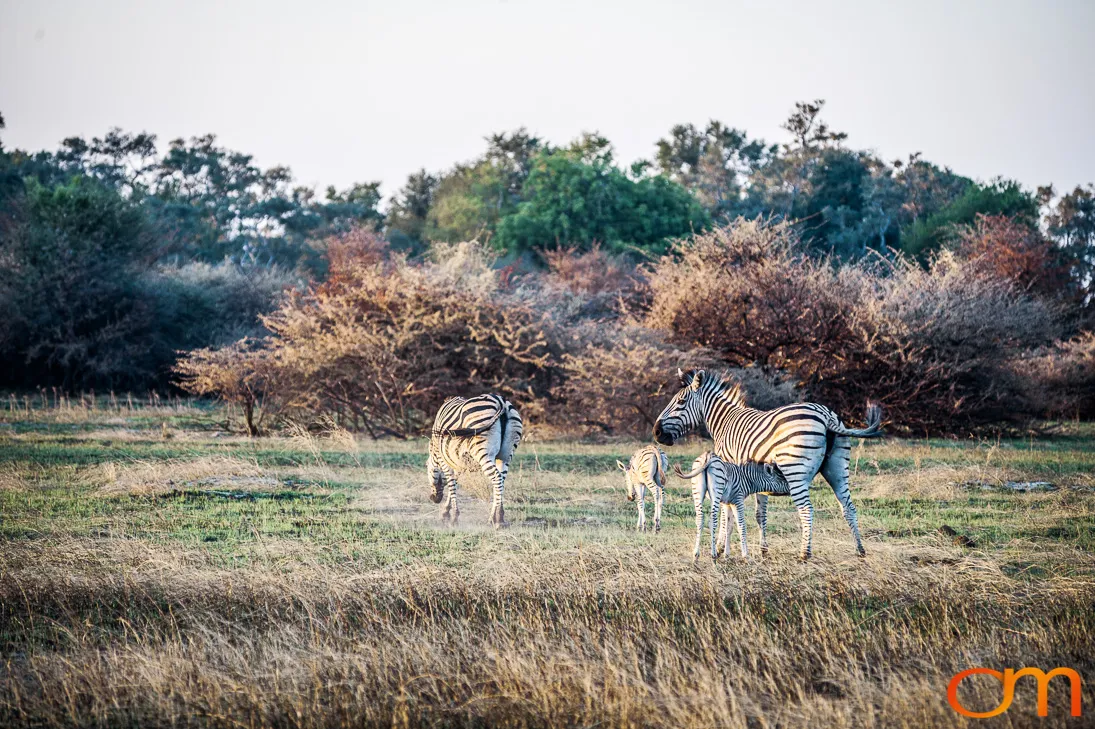
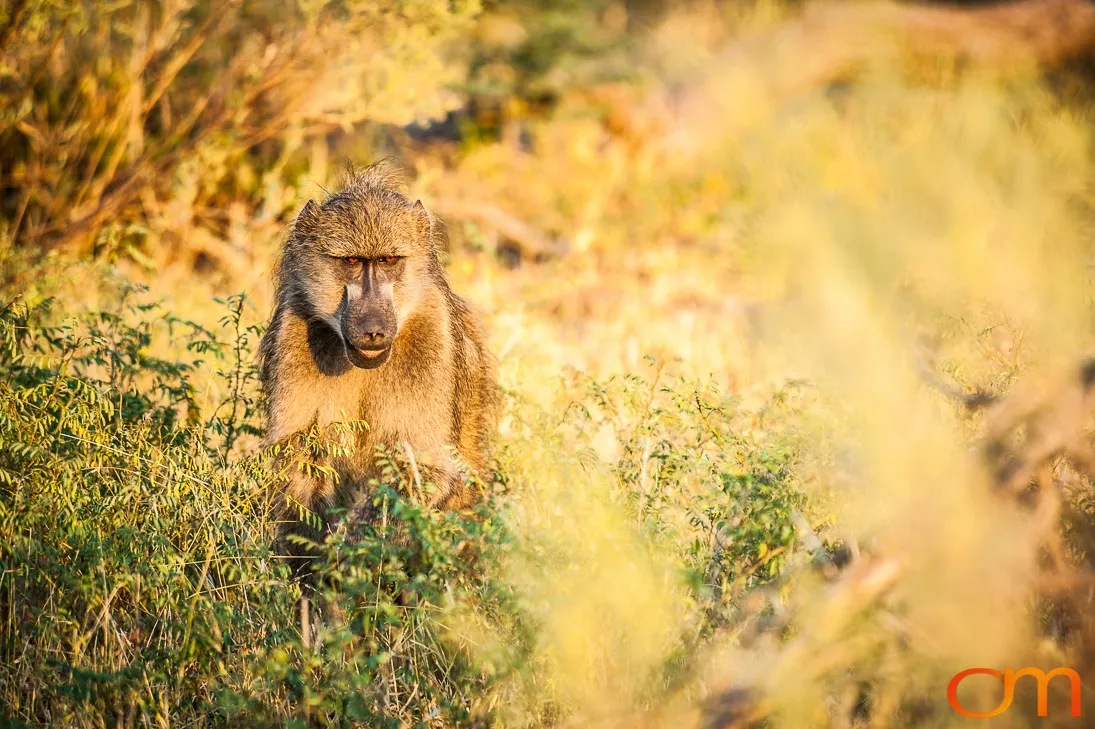
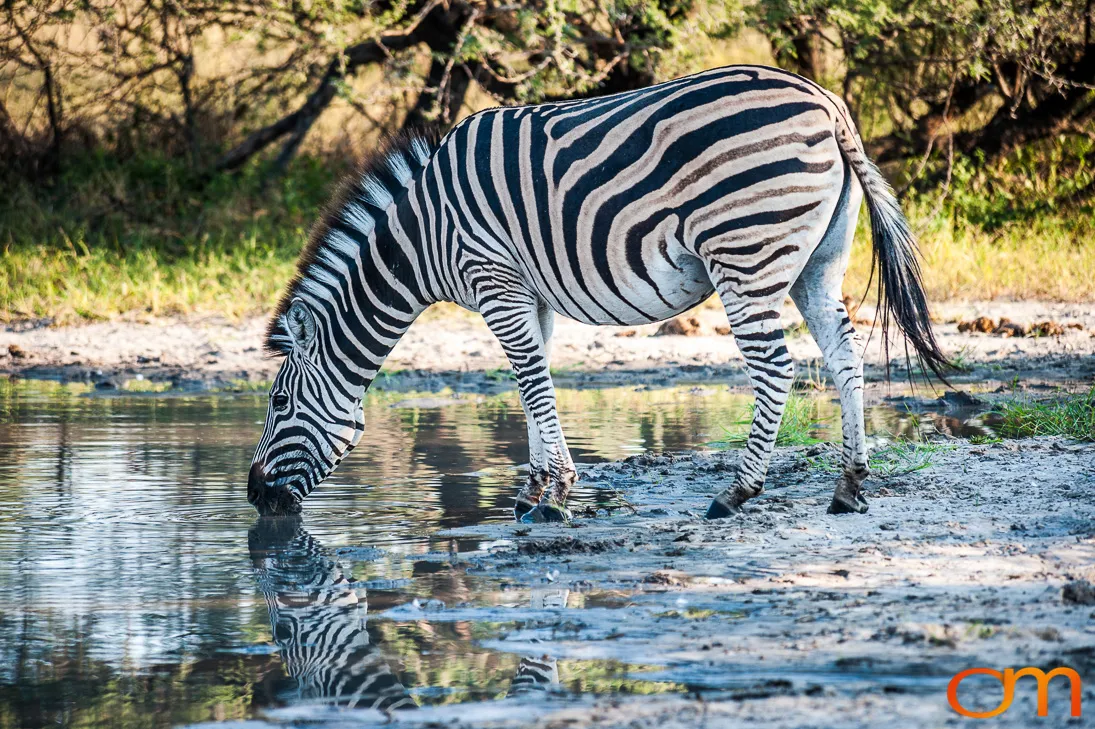
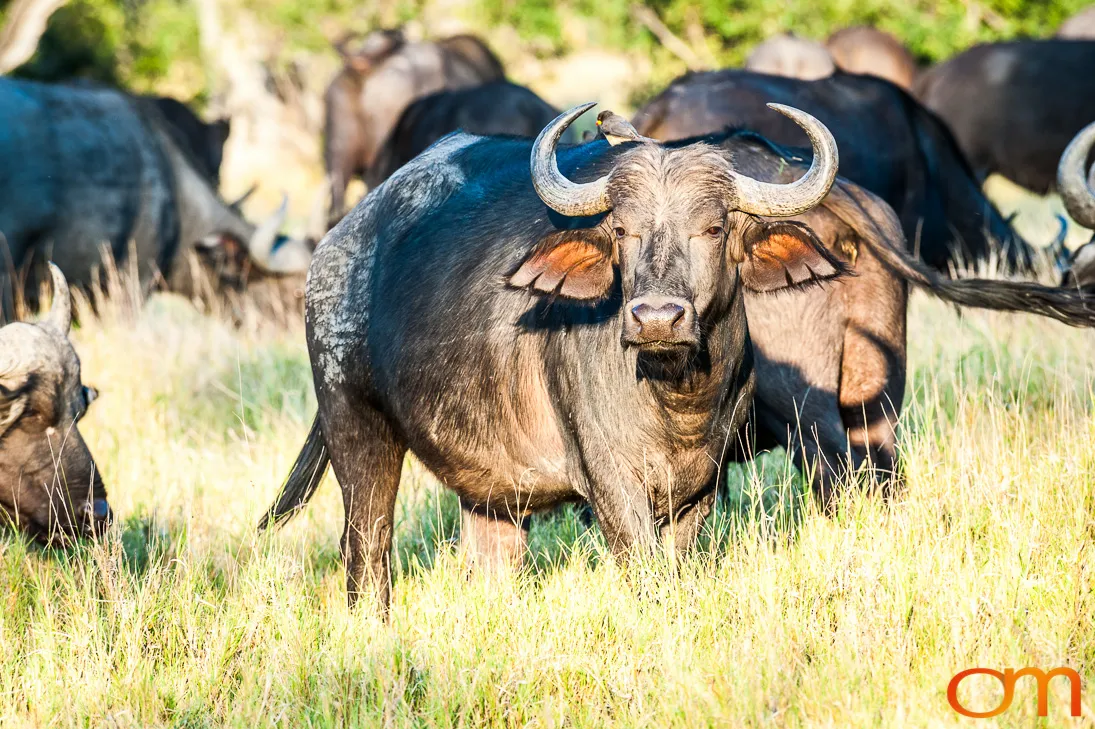
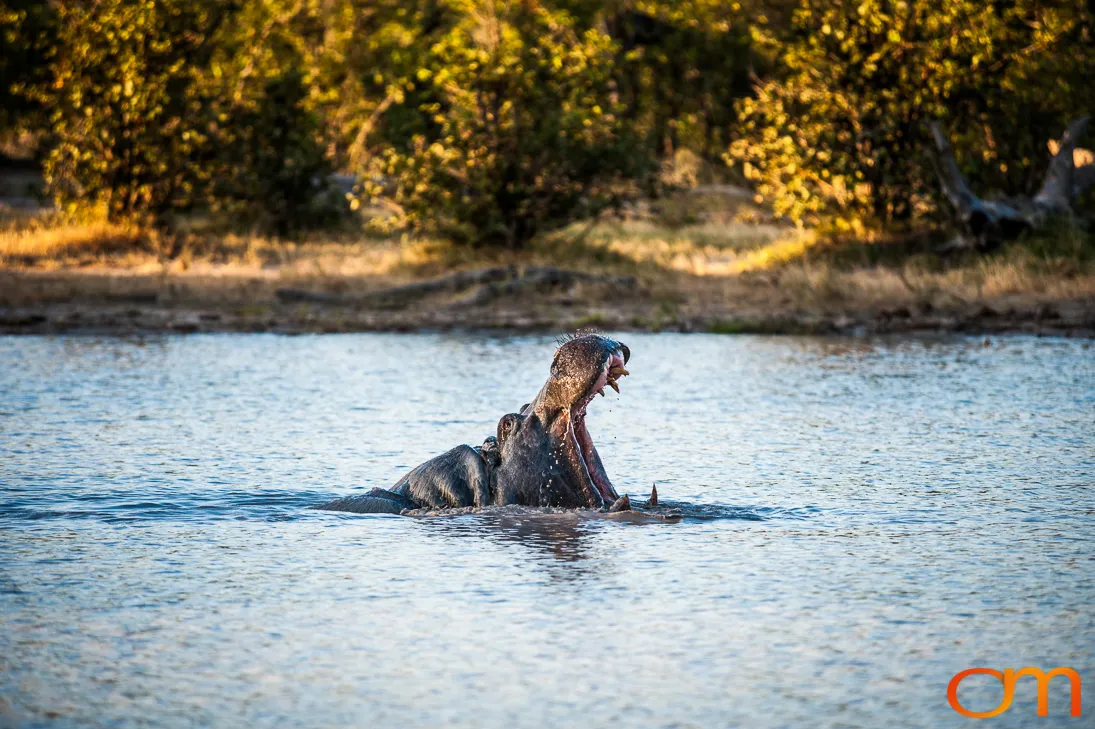
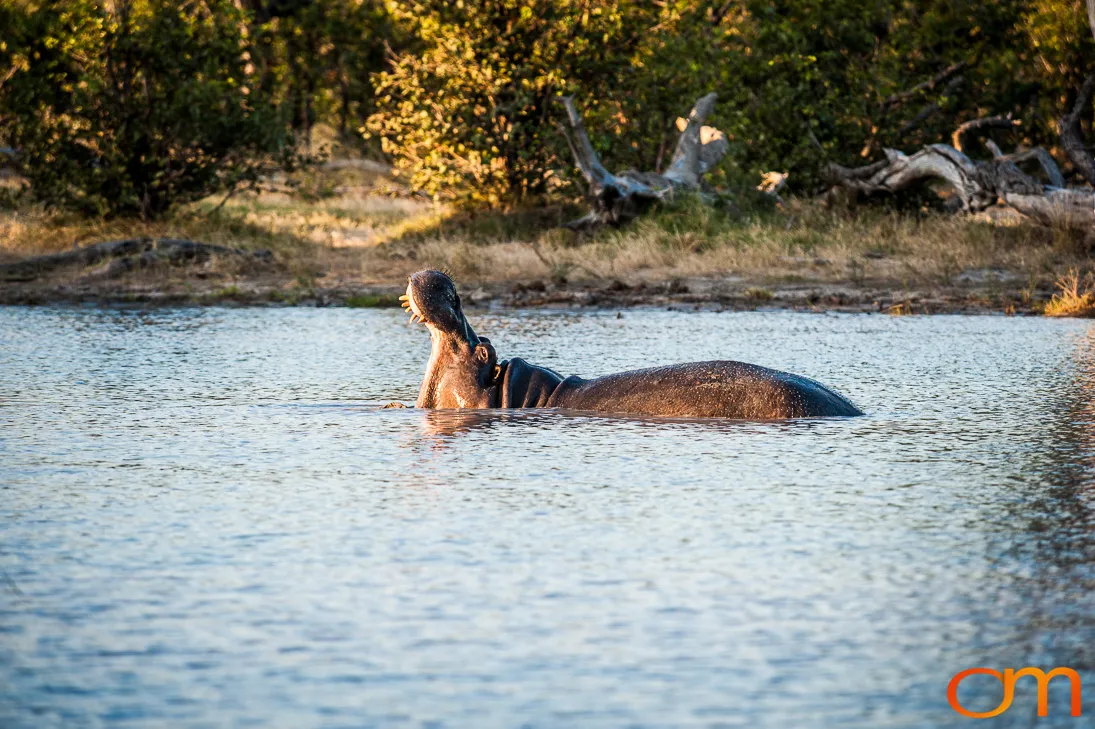
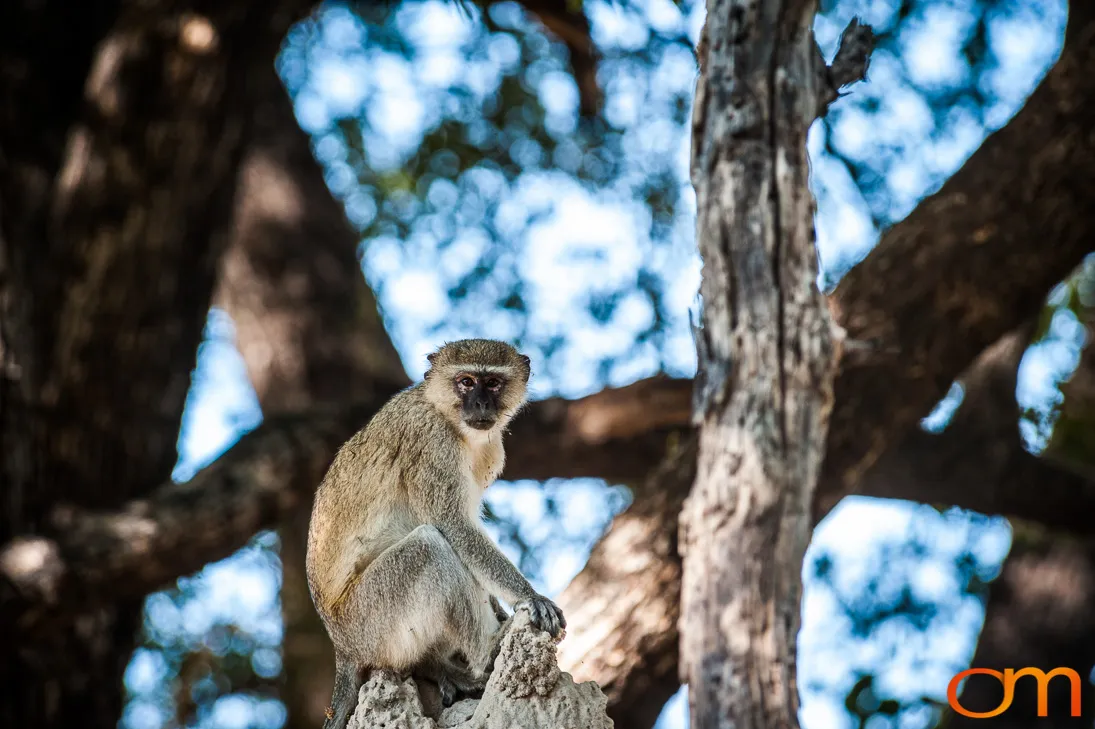
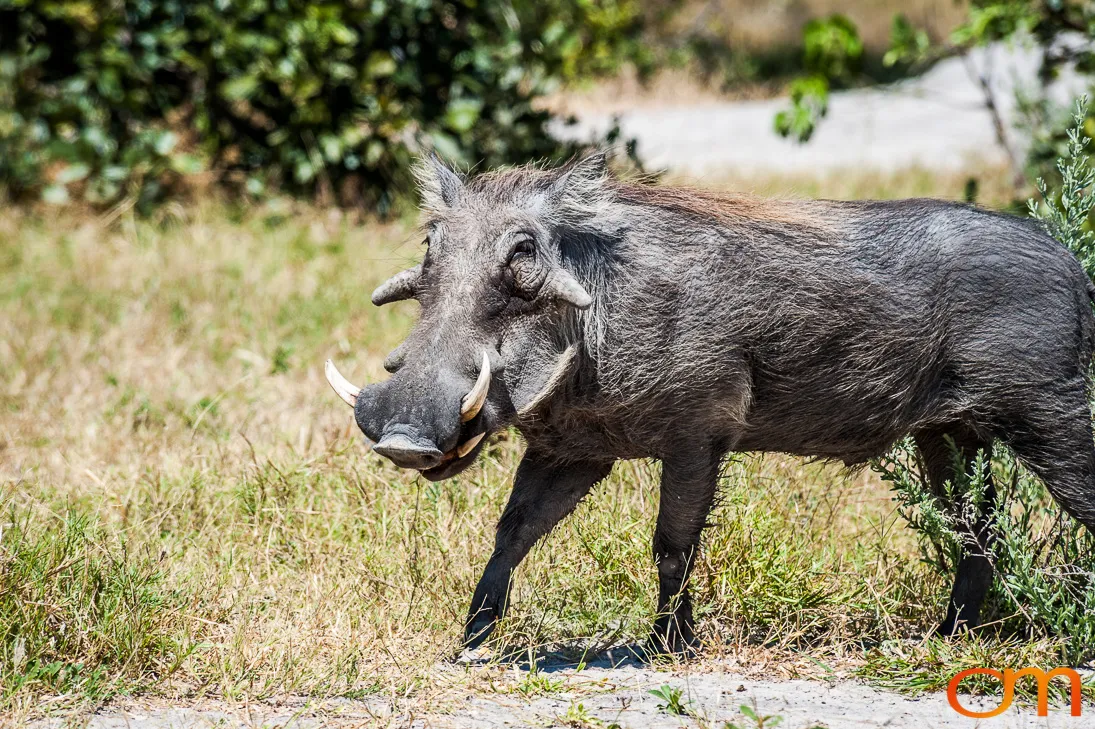
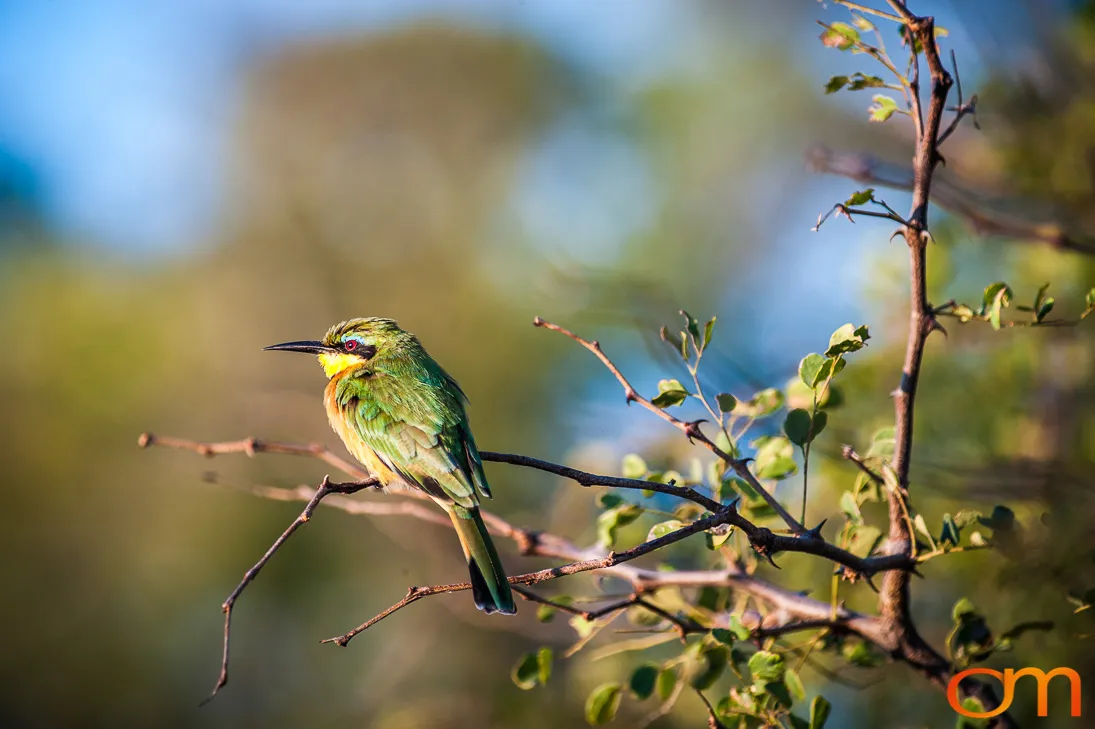
The UNESCO World Heritage property covers 2,023,590 hectares and contains a mosaic of permanent rivers, seasonal waterways, lagoons, floodplains, grasslands, islands, riverine forests, and dry woodlands. UNESCO records 1,061 plant species, 482 bird species, and 130 mammal species within the property. Wildlife includes elephants, buffalo, red lechwe, giraffes, hippopotamuses, lions, leopards, cheetahs, and African wild dogs.
The annual flood pulse influences plant growth, nutrient movement, animal migration, breeding, and access to food and water. Plants and animals use both permanently wet habitats and seasonally inundated areas, creating an ecosystem shaped by the interaction of water, climate, geology, vegetation, and wildlife.
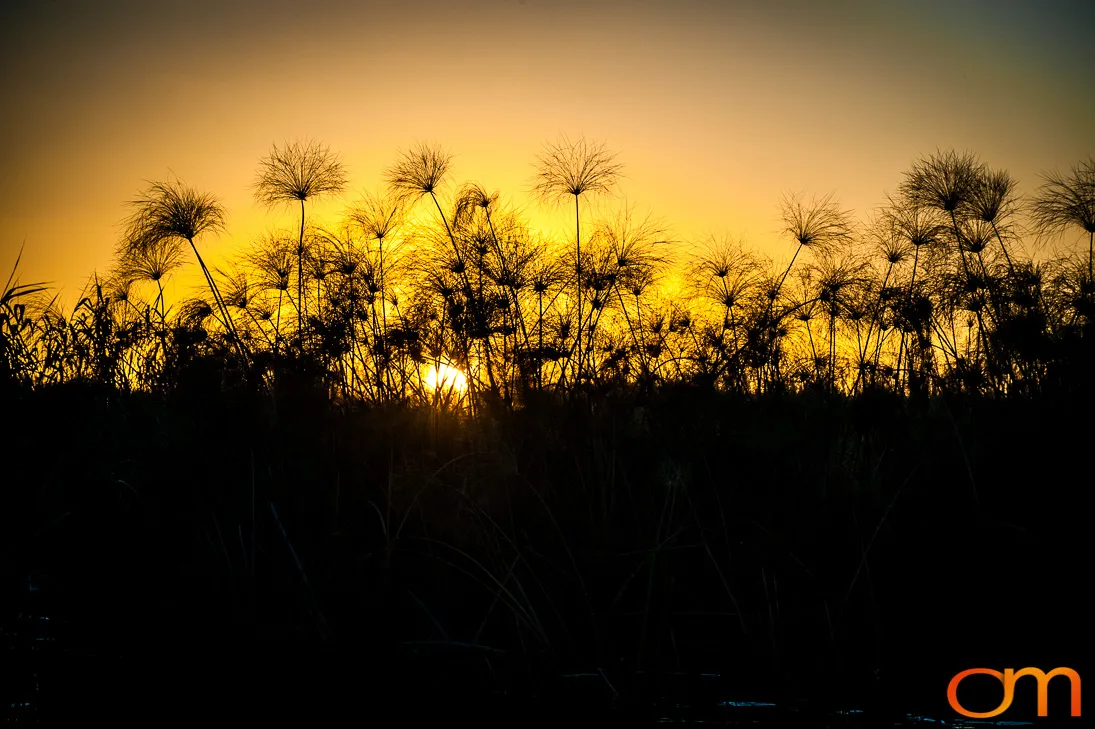
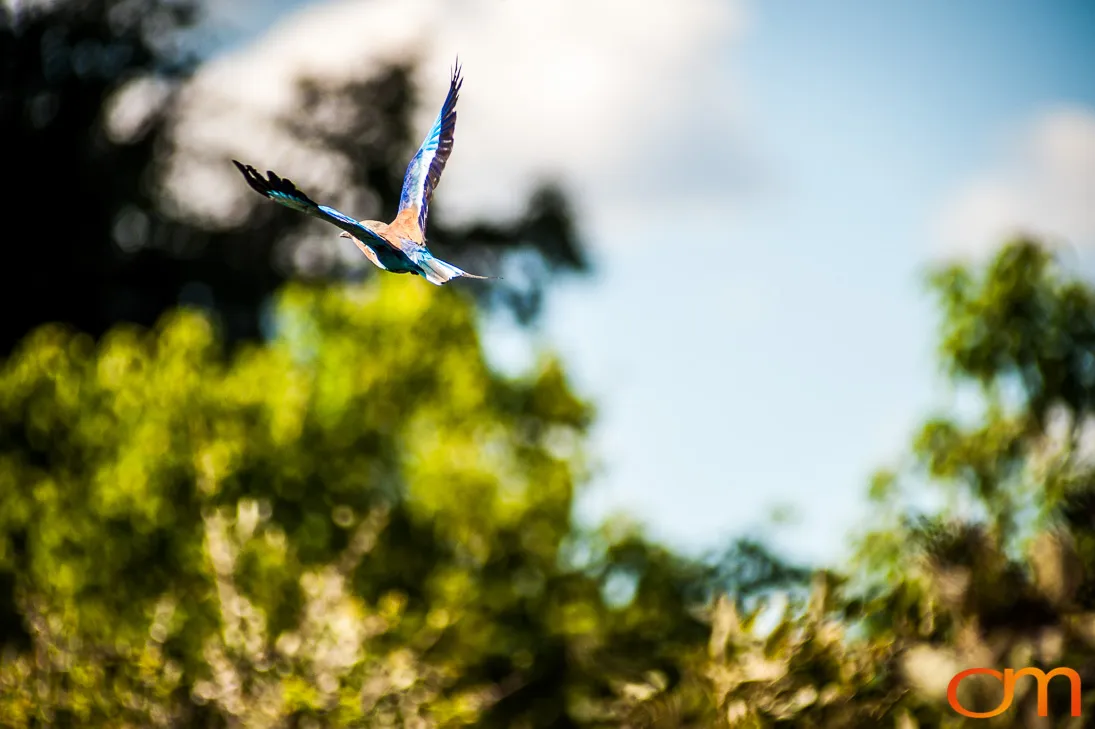
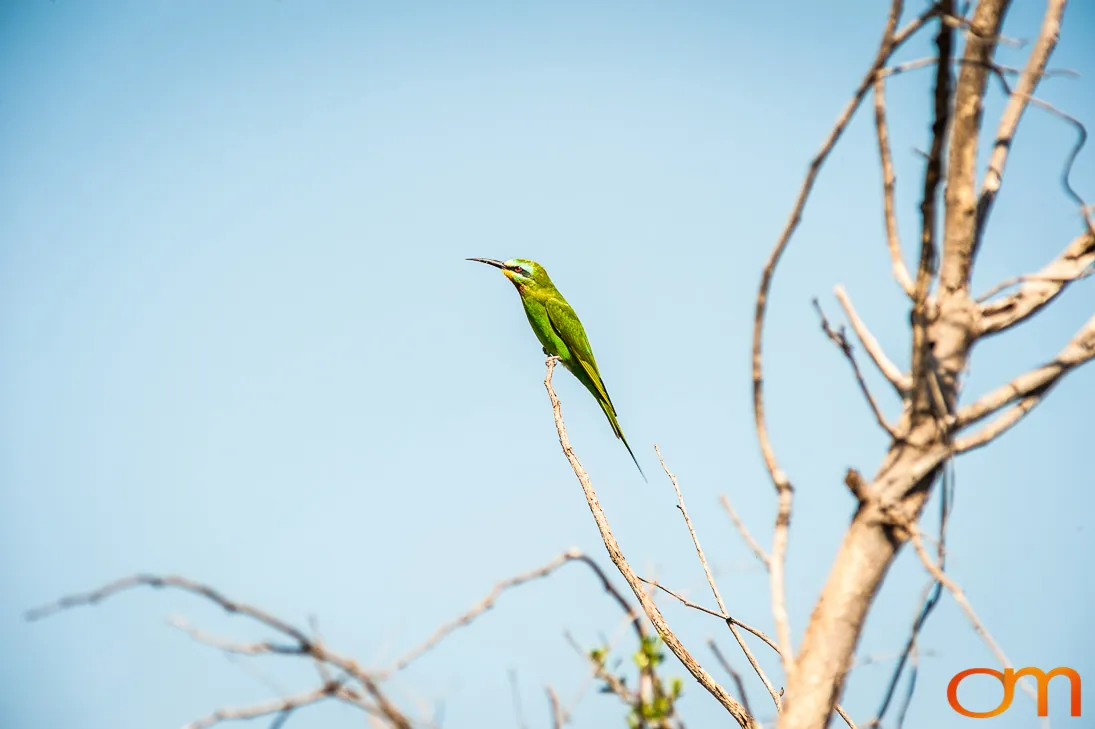
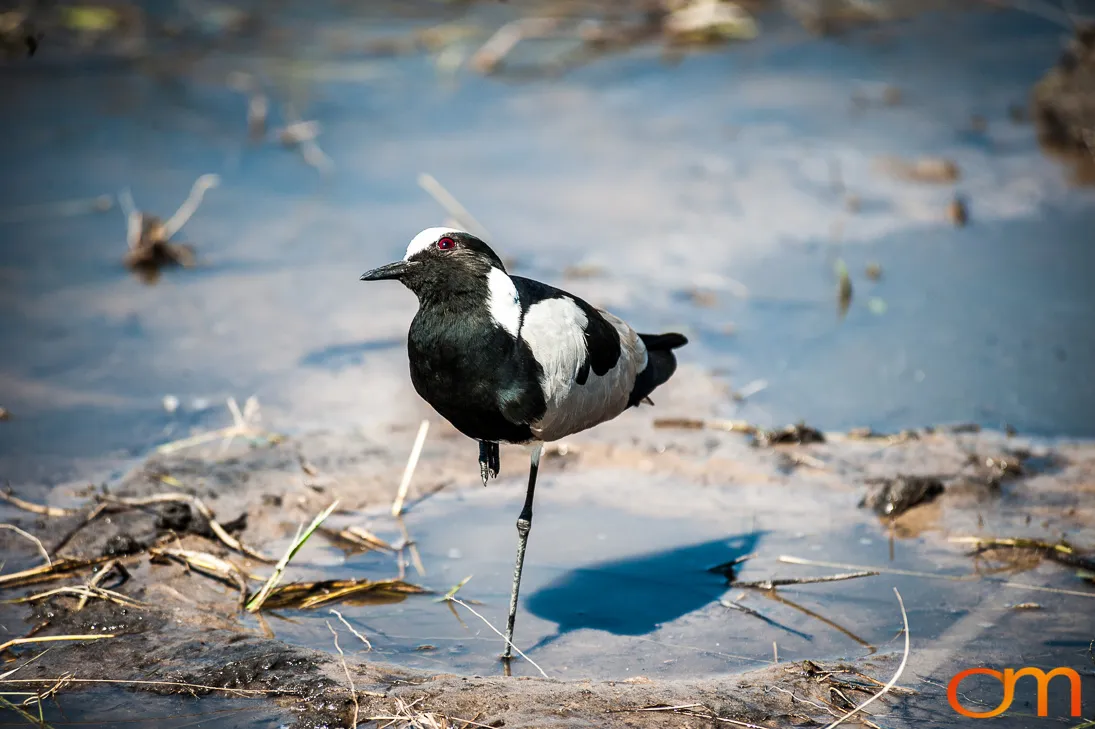
These photographs were taken in 2009, five years before the Okavango Delta was inscribed as a UNESCO World Heritage Site in 2014.