California
Papua New Guinea Sculpture Garden at Stanford University
February 2017
Stanford University’s Papua New Guinea Sculpture Garden was created in 1994 by ten master carvers from six villages in Papua New Guinea’s Sepik River region. The artists represented Iatmul and Kwoma communities and worked for four months in an oak grove on the Stanford campus.
The project originated with Papua New Guinean artists Naui Saunambui and Yati Latai, who proposed creating an art project in the United States to Stanford anthropology student Jim Mason. Mason later coordinated the project with the artists, Papua New Guinean landscape architect Kora Korawali, American architect Wallace Ruff, and Stanford University.
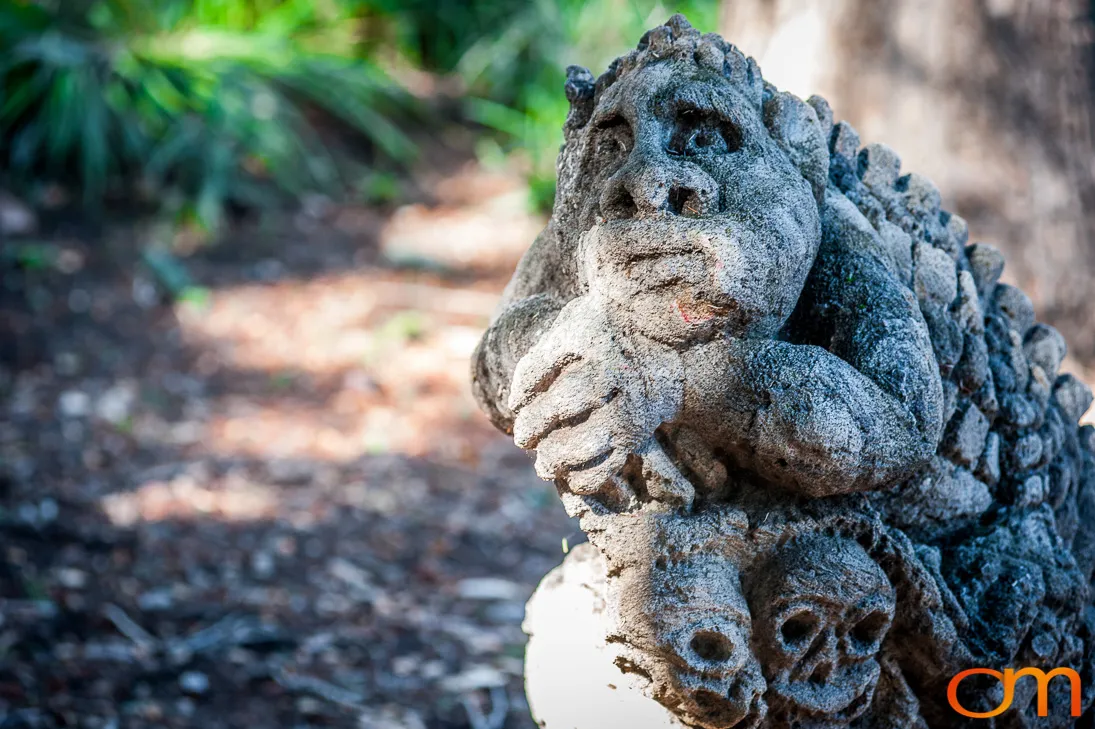
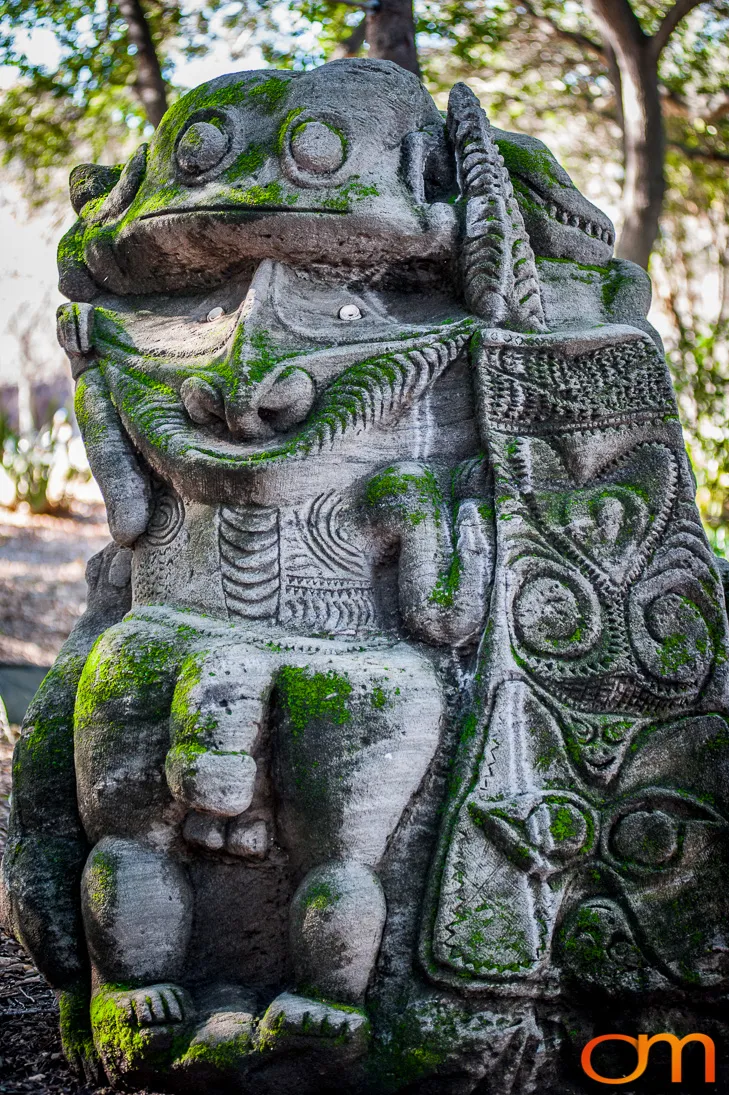
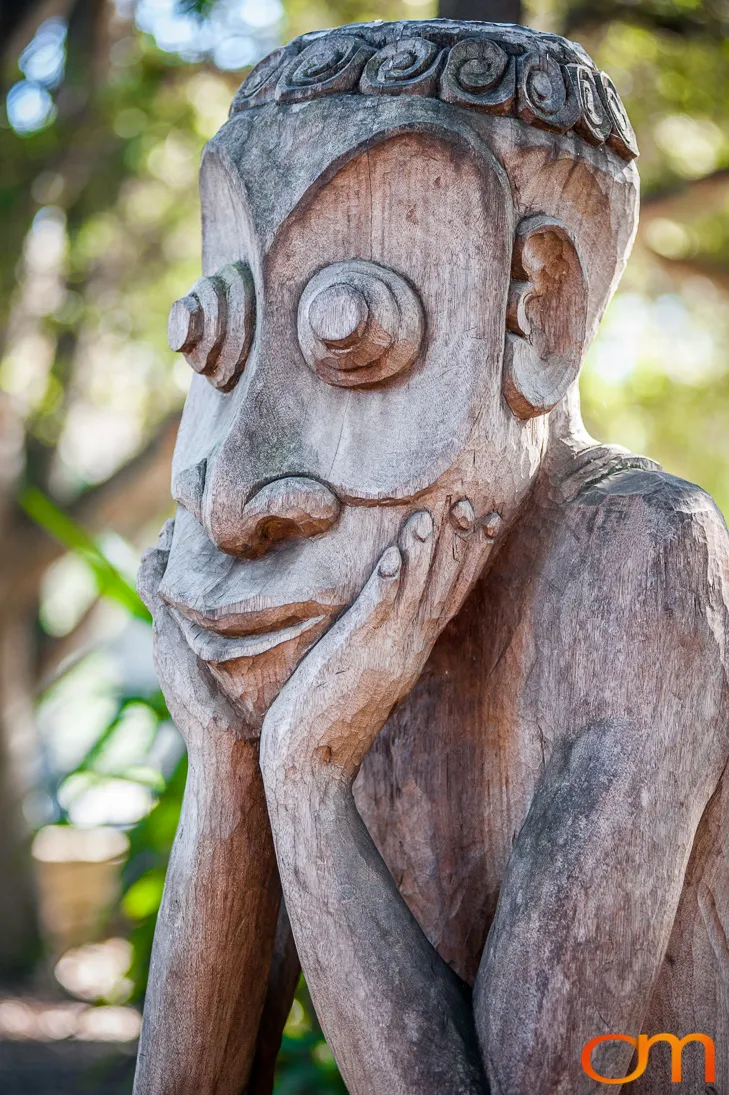
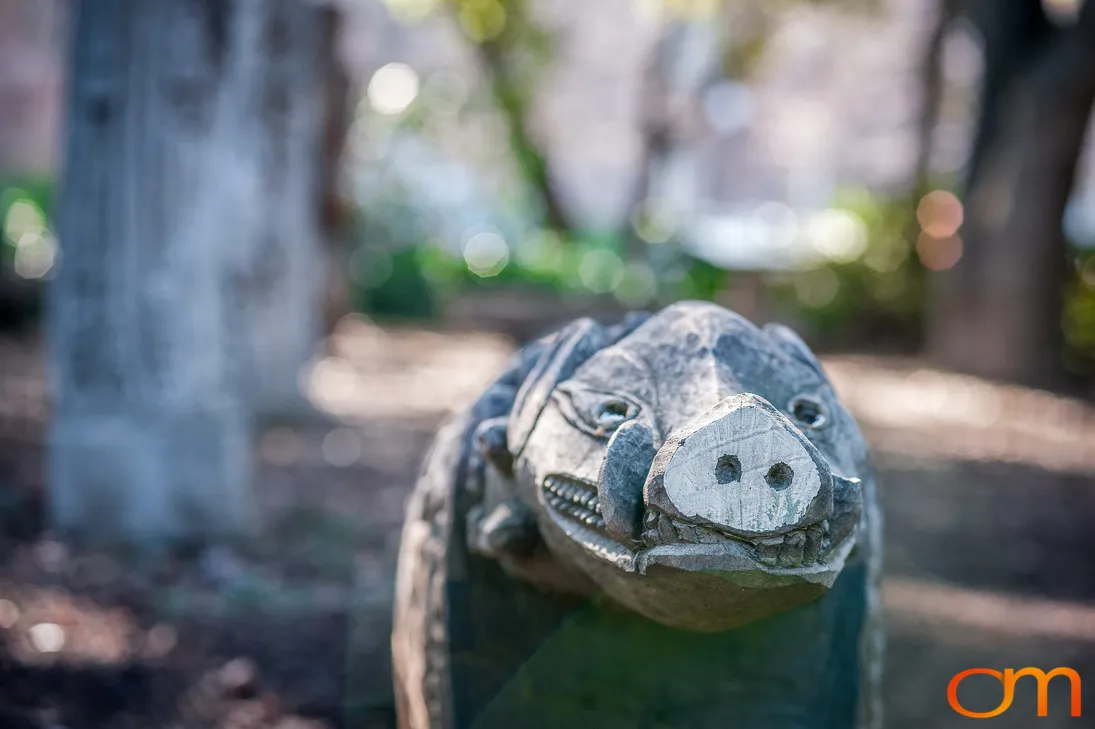
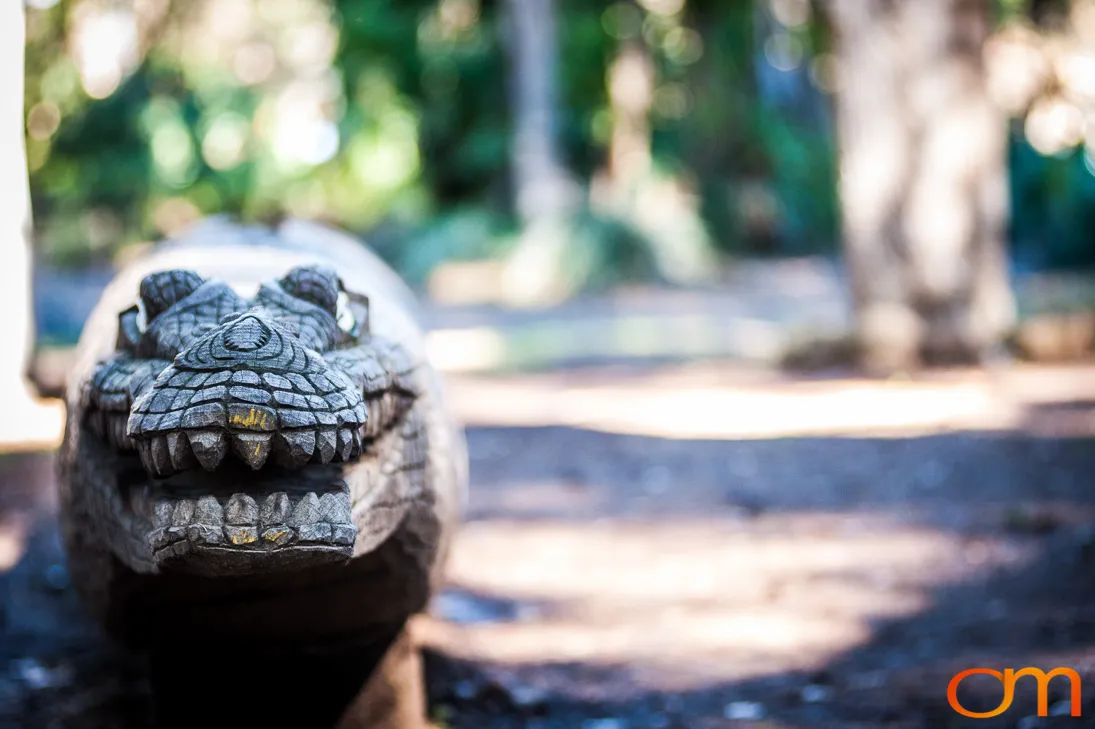
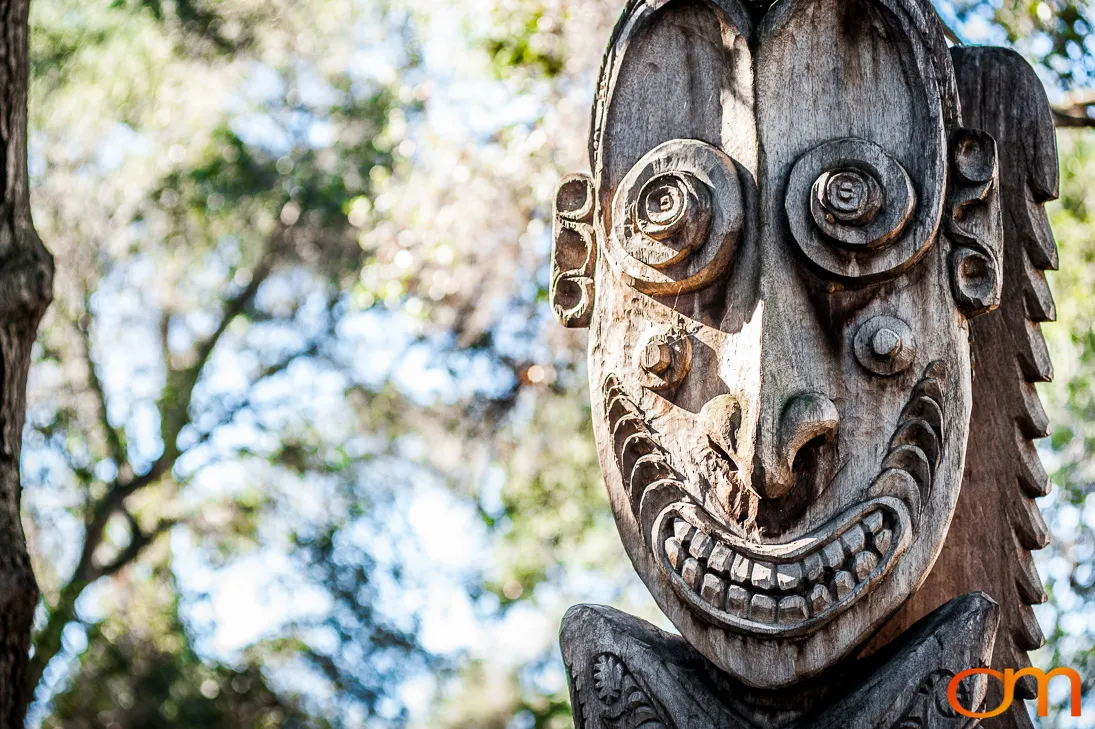
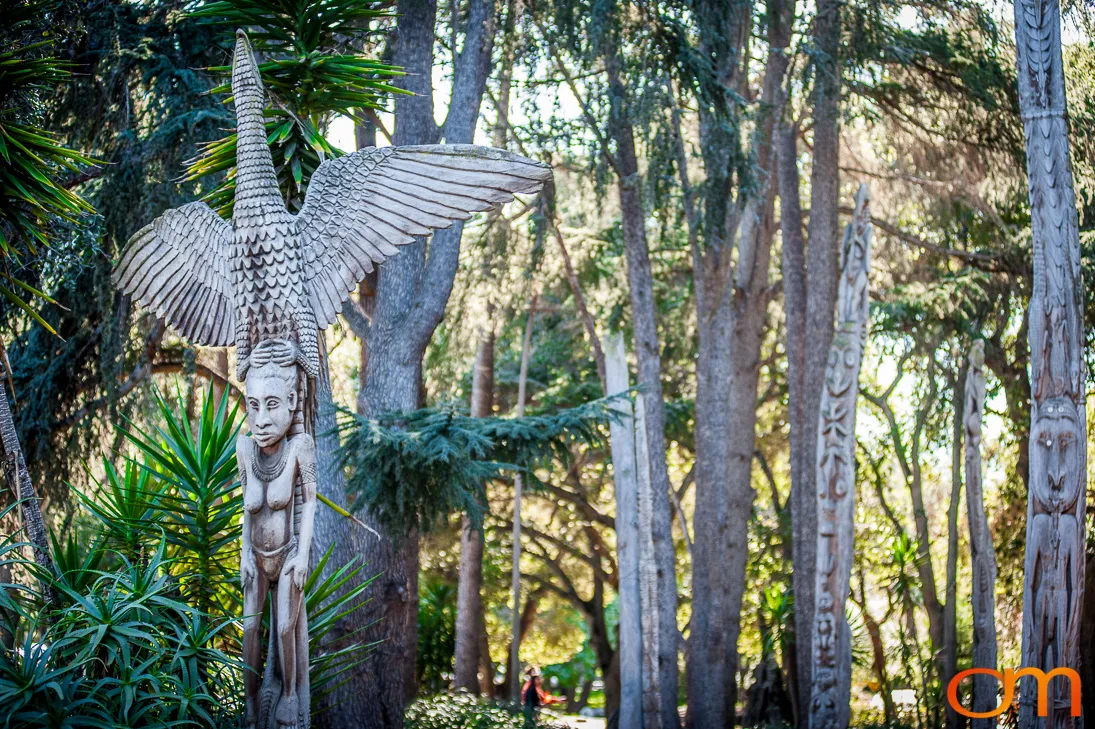
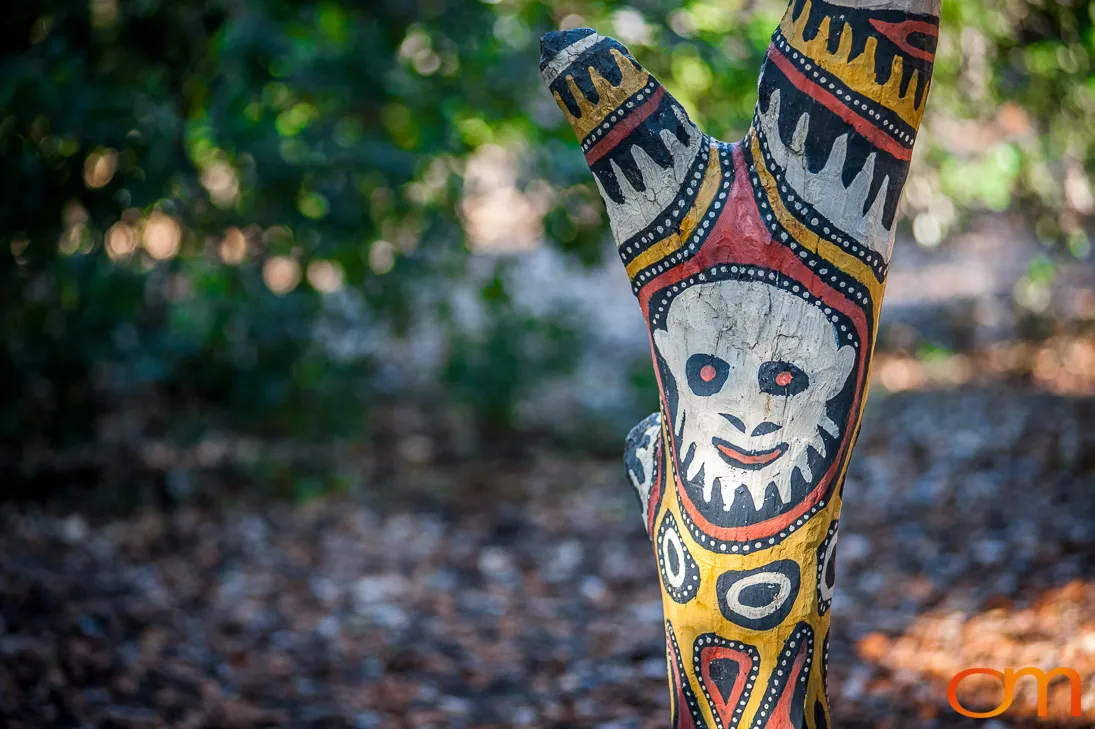
The garden contains approximately 40 wood-and-stone sculptures, including carved and painted posts, freestanding figures, and garamut slit drums. Groups of posts evoke the floor plans of Sepik River spirit houses—ceremonial and social buildings—while the carvings depict creation narratives, clan ancestors, nature spirits, plants, animals, and other culturally significant beings. Two works reinterpret Auguste Rodin’s The Thinker and The Gates of Hell through Iatmul narratives.
The artists used kwila and garamut wood sourced in Papua New Guinea and pumice obtained near Mono Lake in California. The sculptures were completed during the 1994 residency; pathways, landscaping, lighting, and interpretive labels were added before the garden’s official opening in 1996. The collection remains publicly accessible as part of the Cantor Arts Center’s outdoor art collection.