Louisiana
Perique Tobacco: Pressure Fermentation in Louisiana
January 2004
Perique is a rare, pressure-fermented tobacco produced in St. James Parish, Louisiana. It is made from cultivated tobacco (Nicotiana tabacum) grown in the alluvial soils near the Mississippi River. Successful commercial cultivation remains closely associated with the parish.
Choctaw and Chickasaw peoples cultivated tobacco in the region before Acadian settlers arrived in the eighteenth century. Local farmer Pierre Chenet is credited with systematizing the cultivation and processing method associated with Perique in the early nineteenth century.
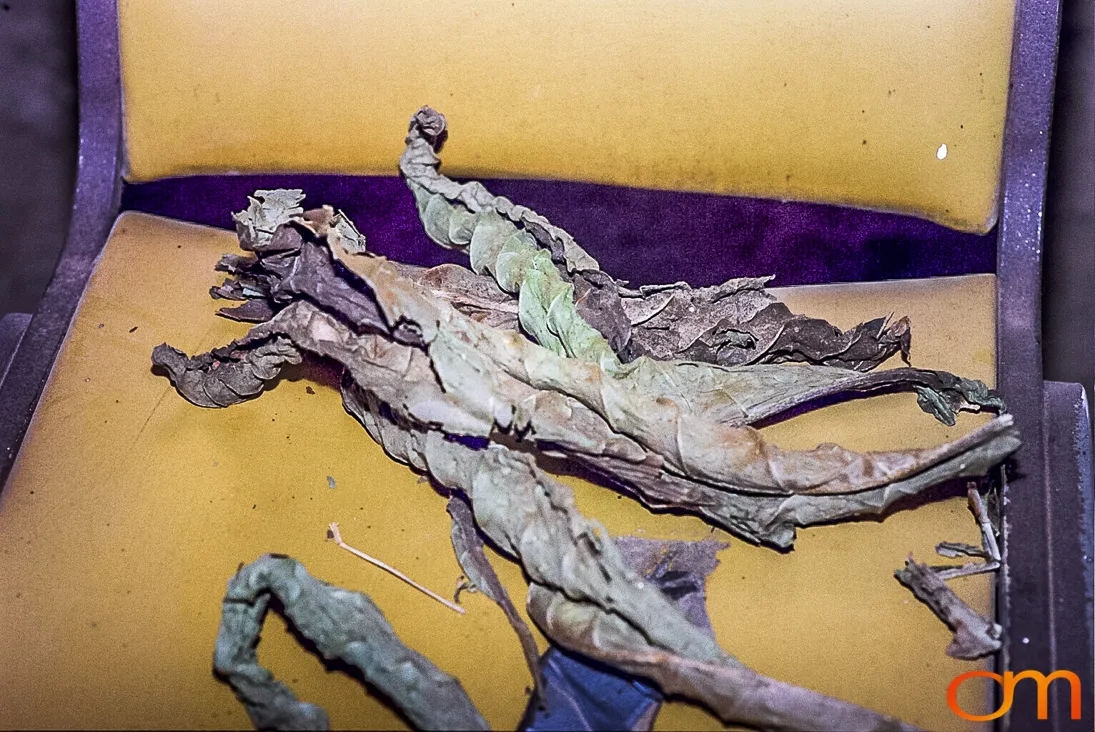
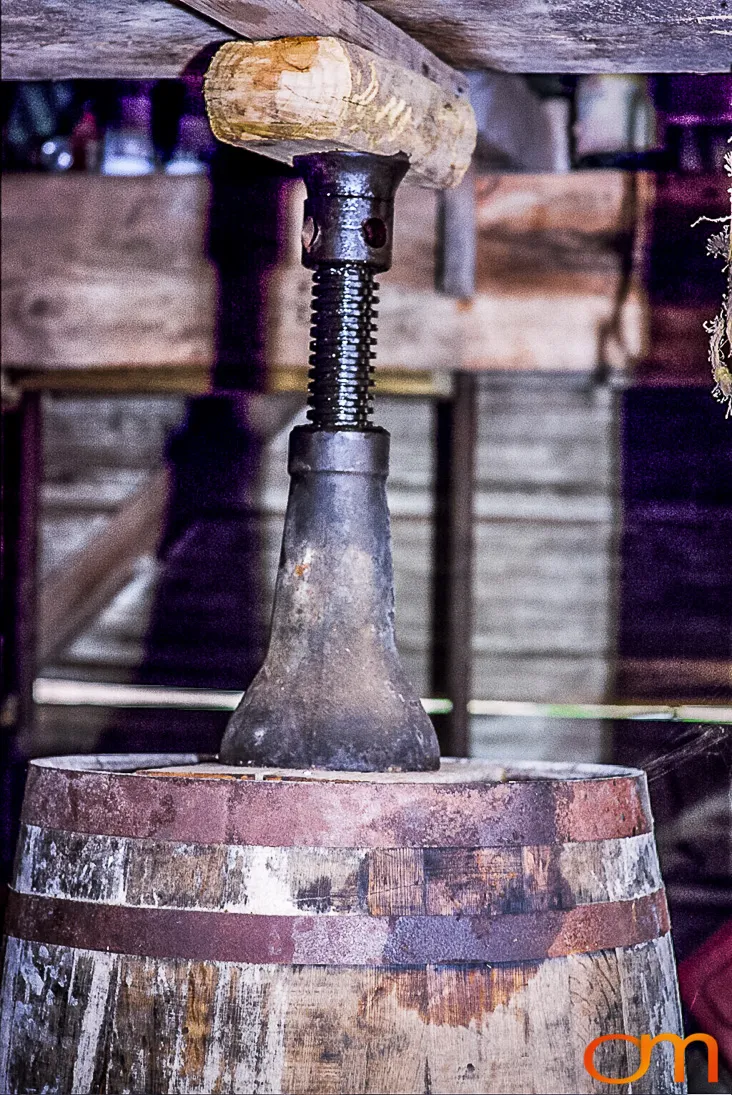
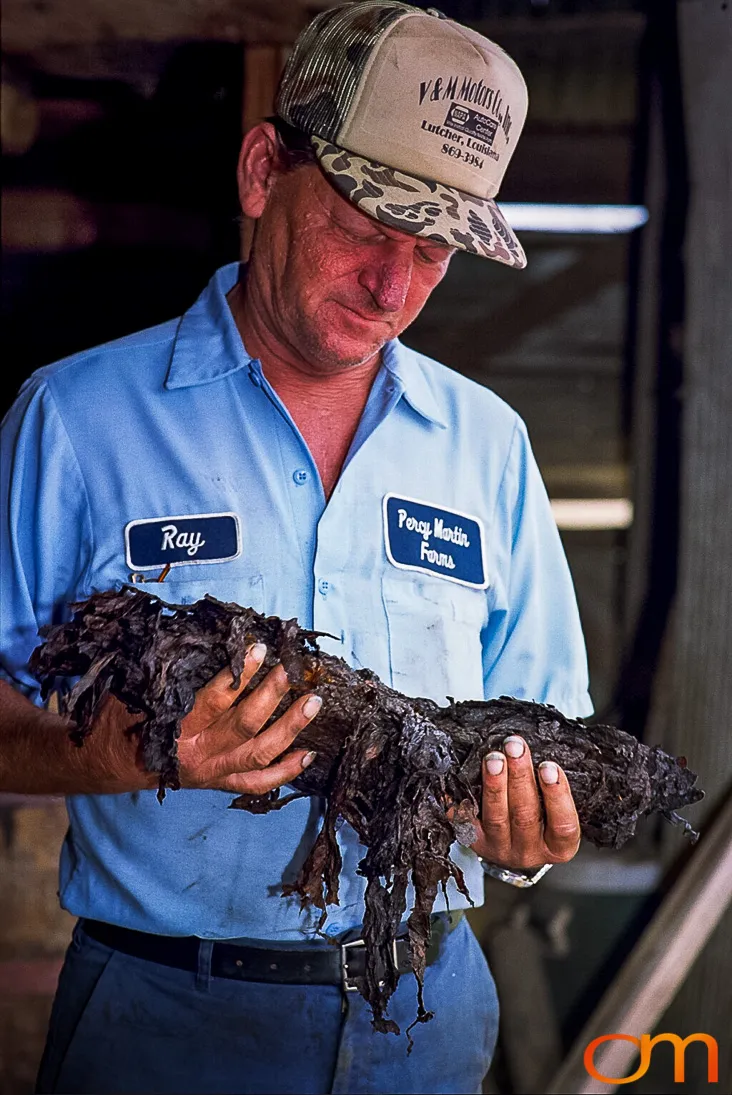
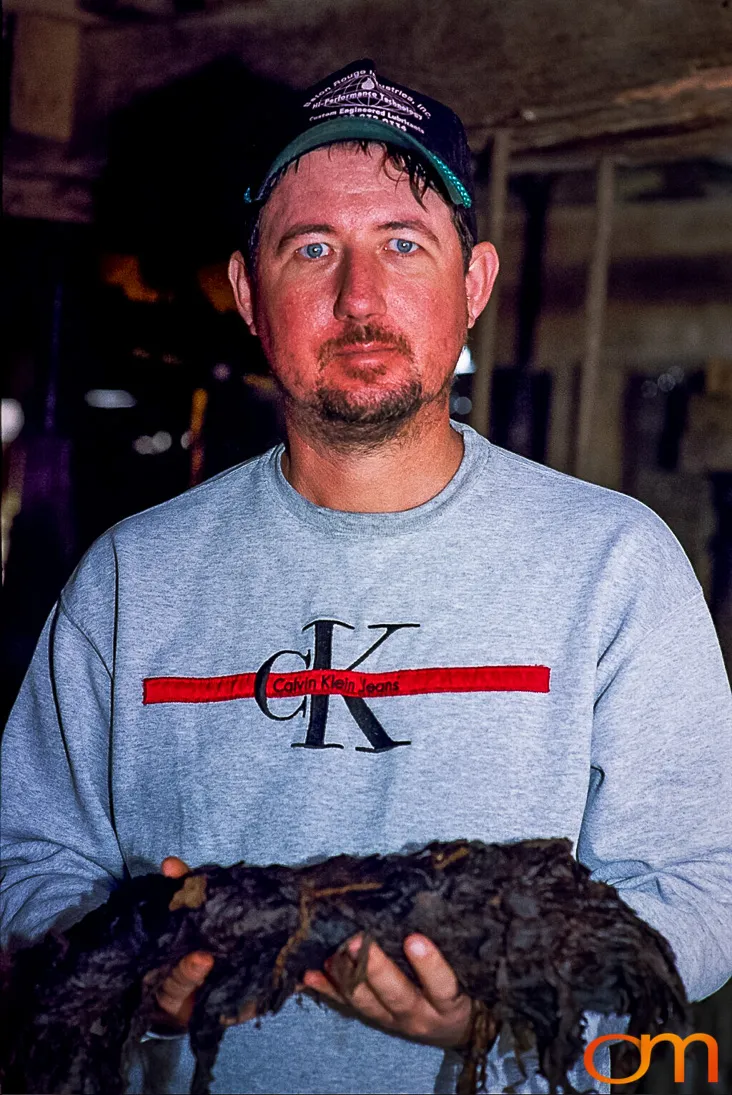
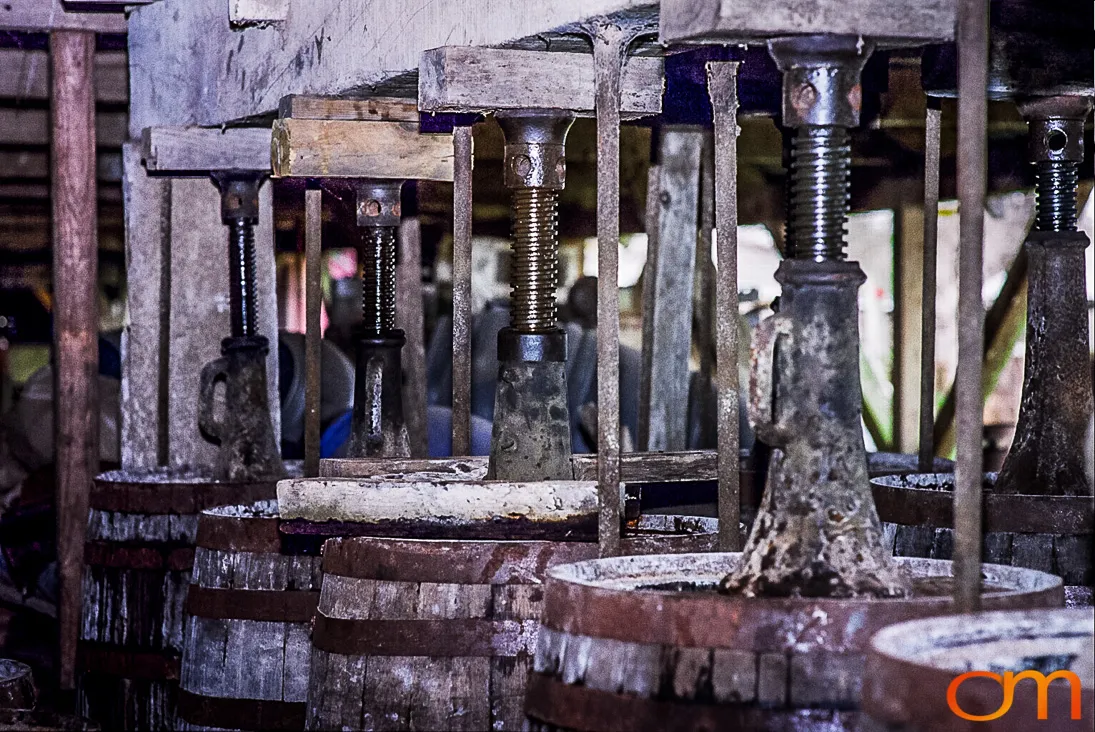
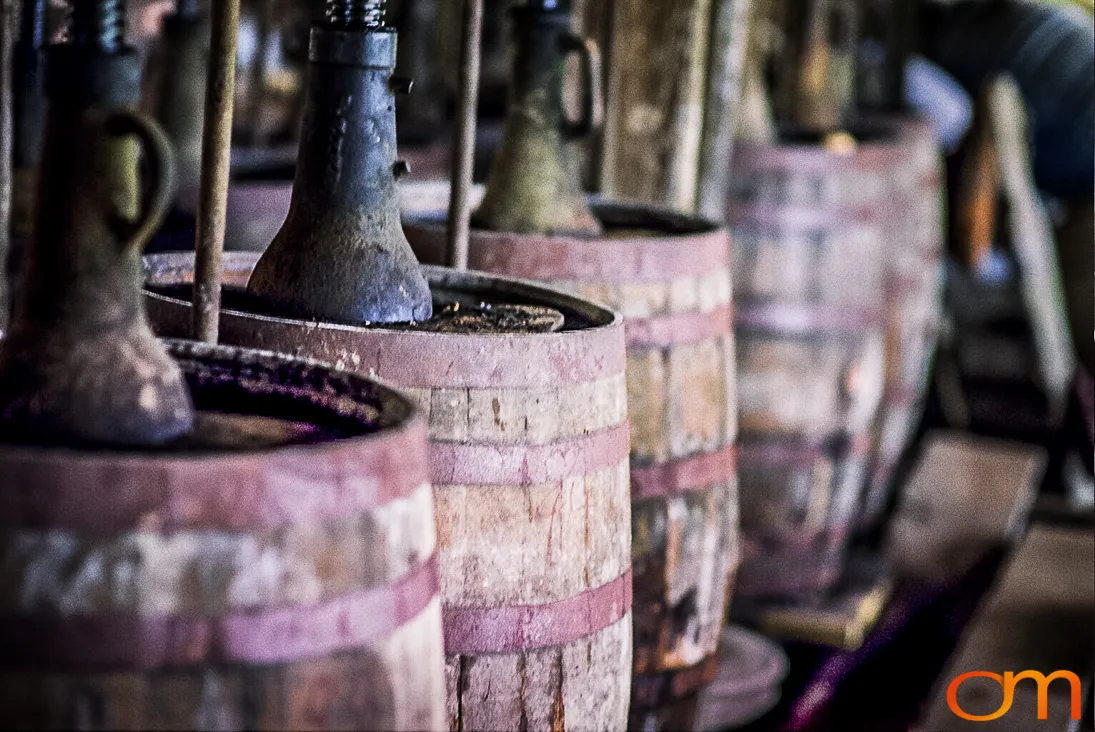
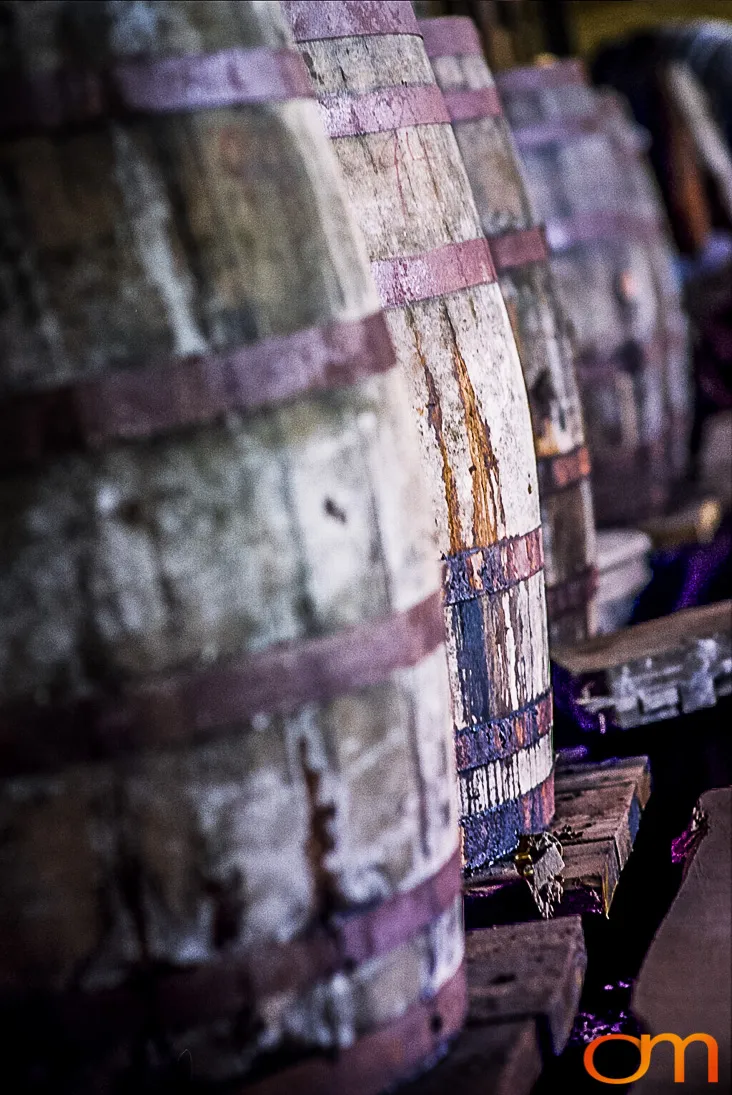
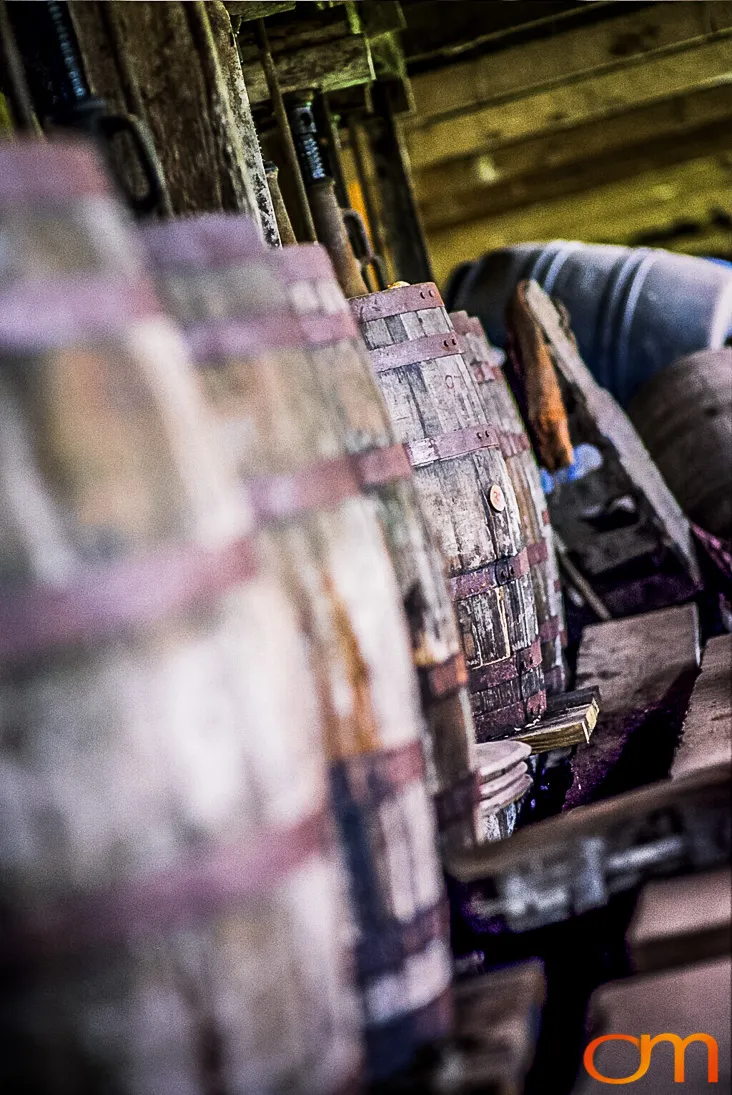
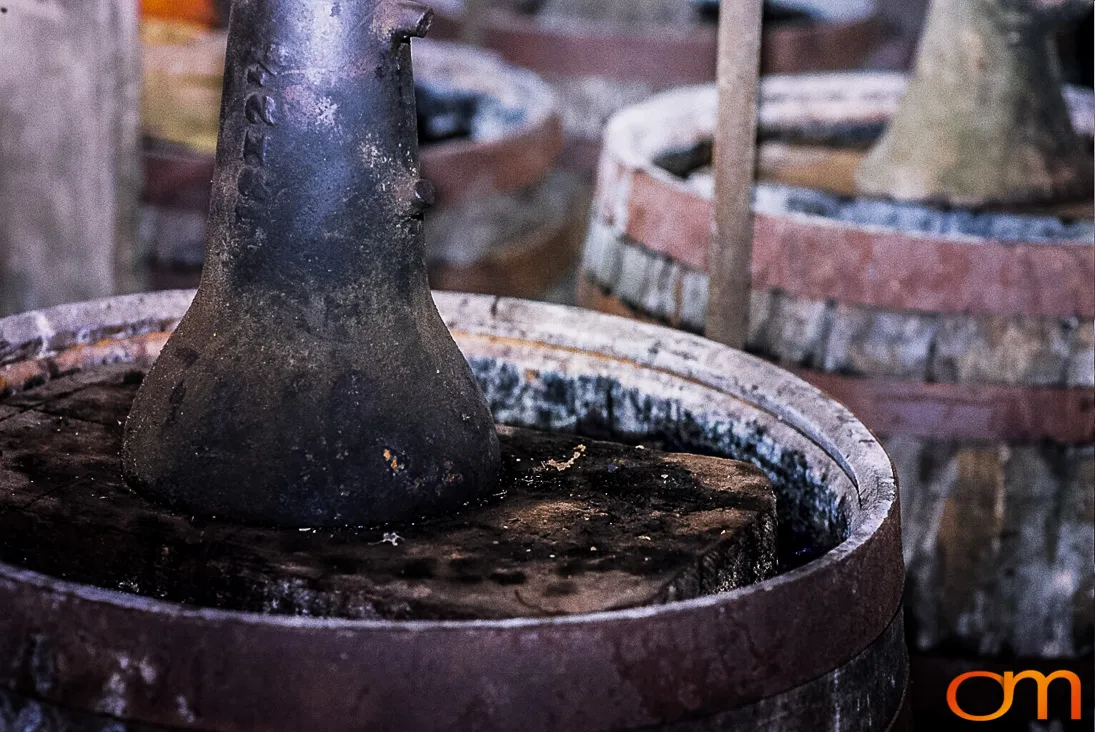
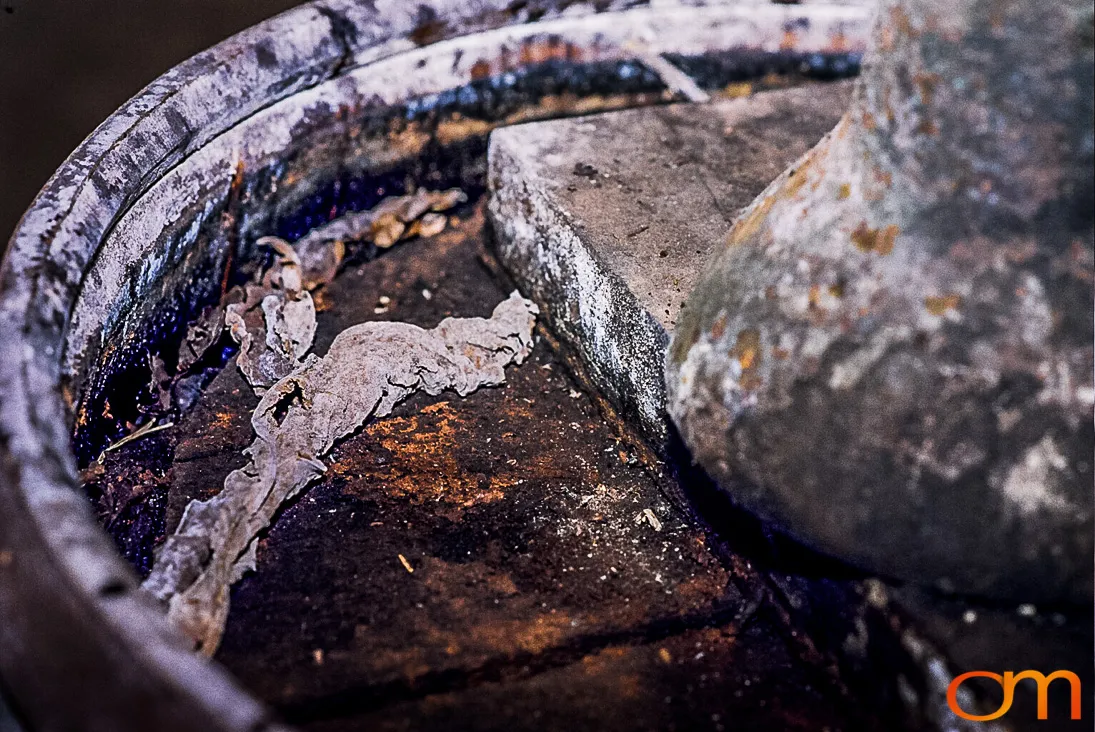
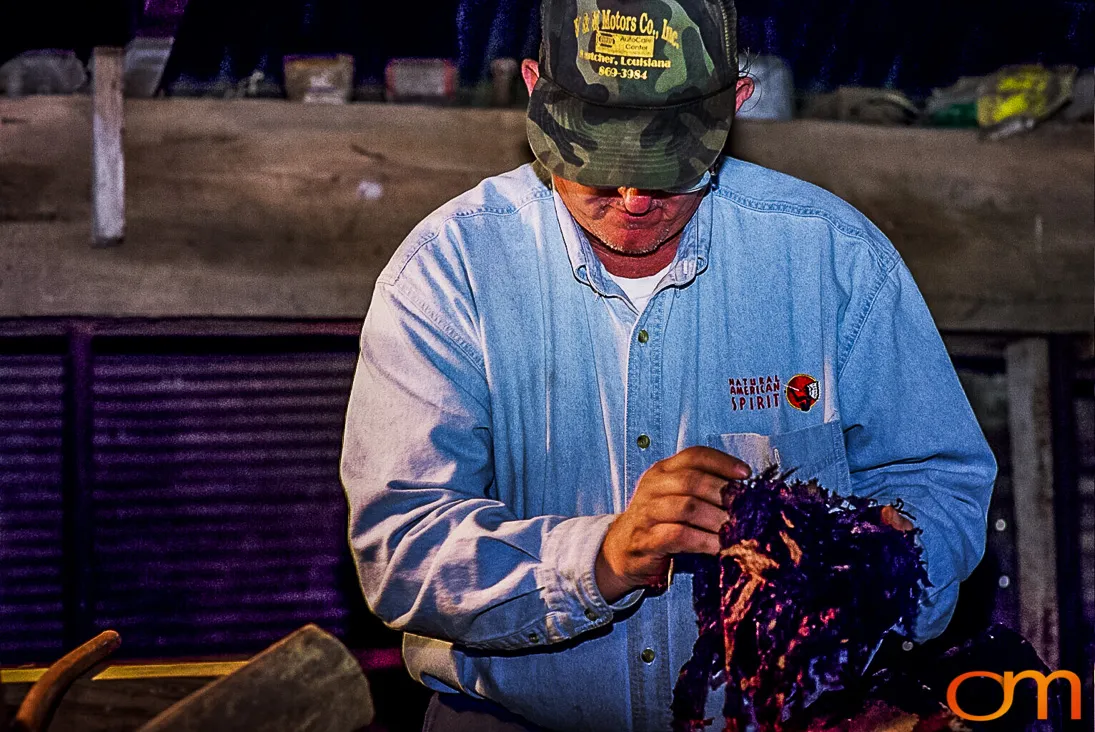
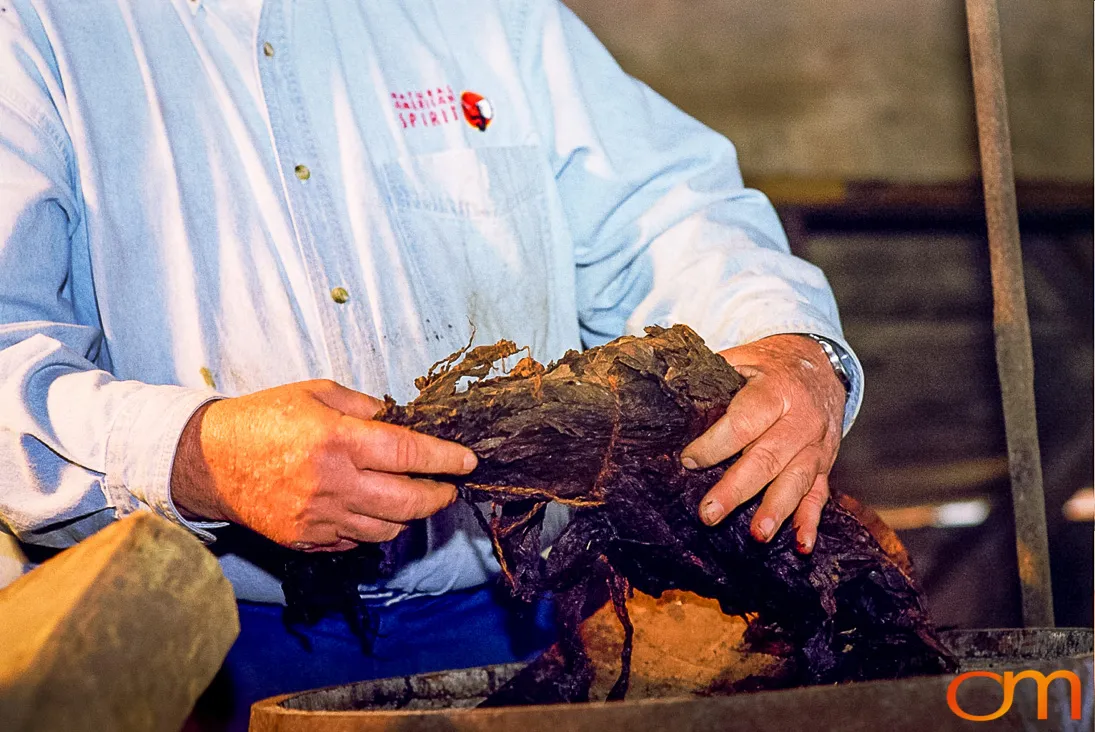
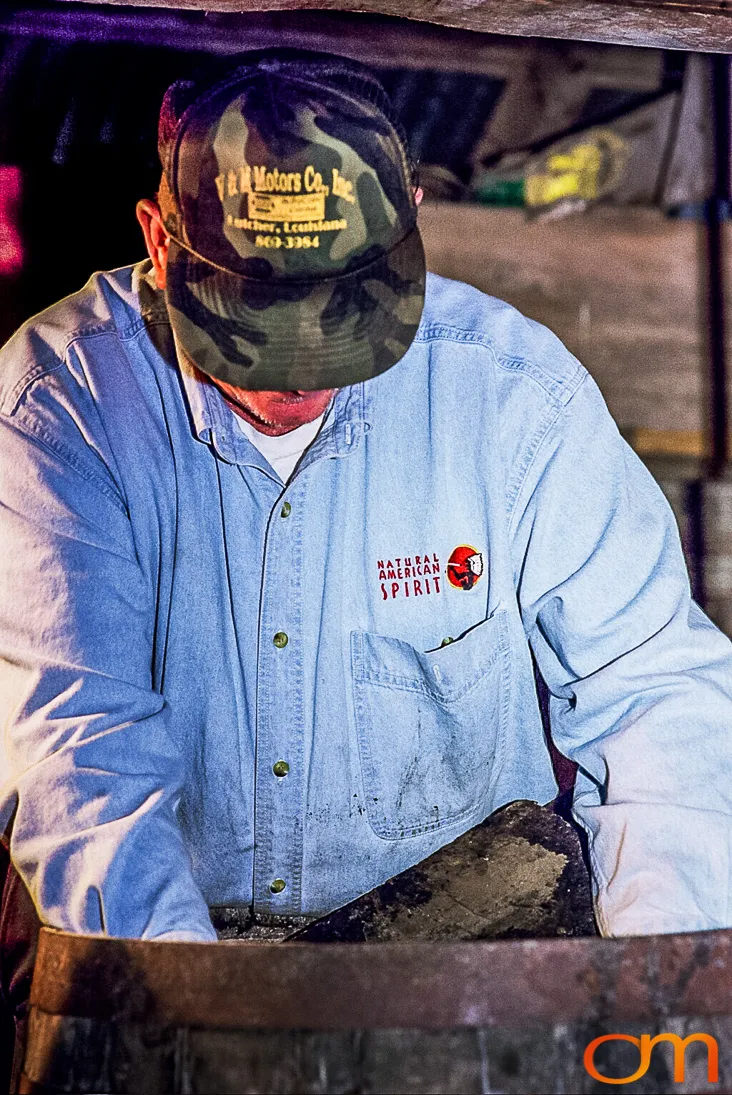
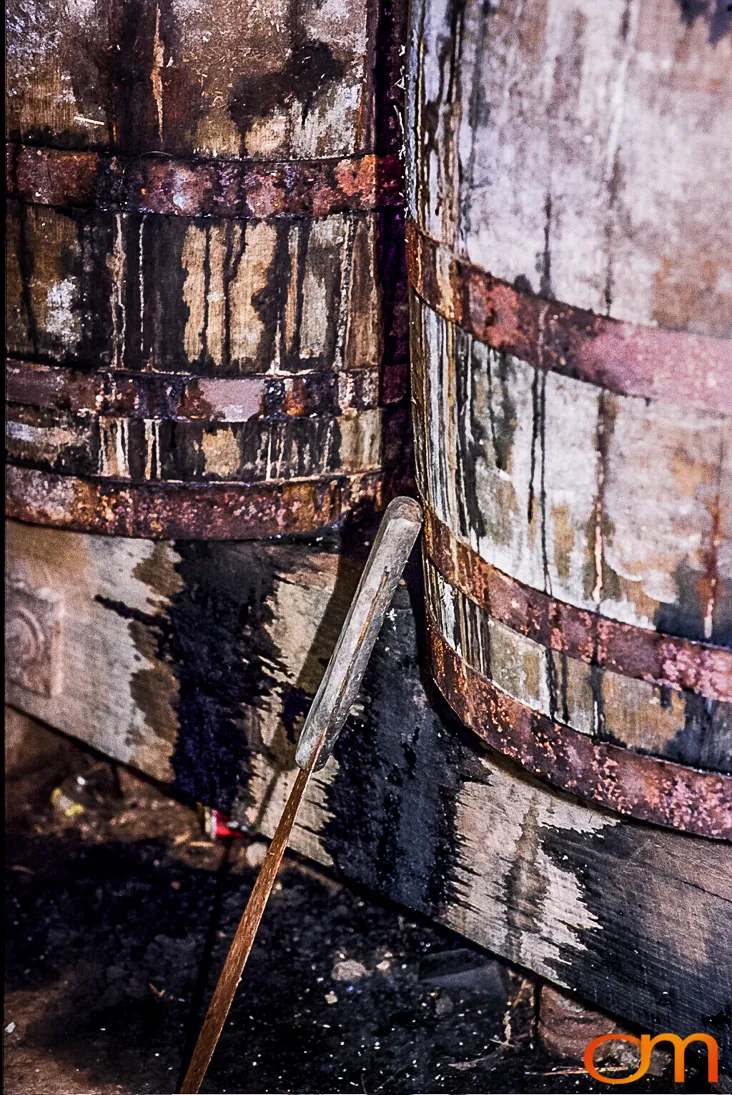
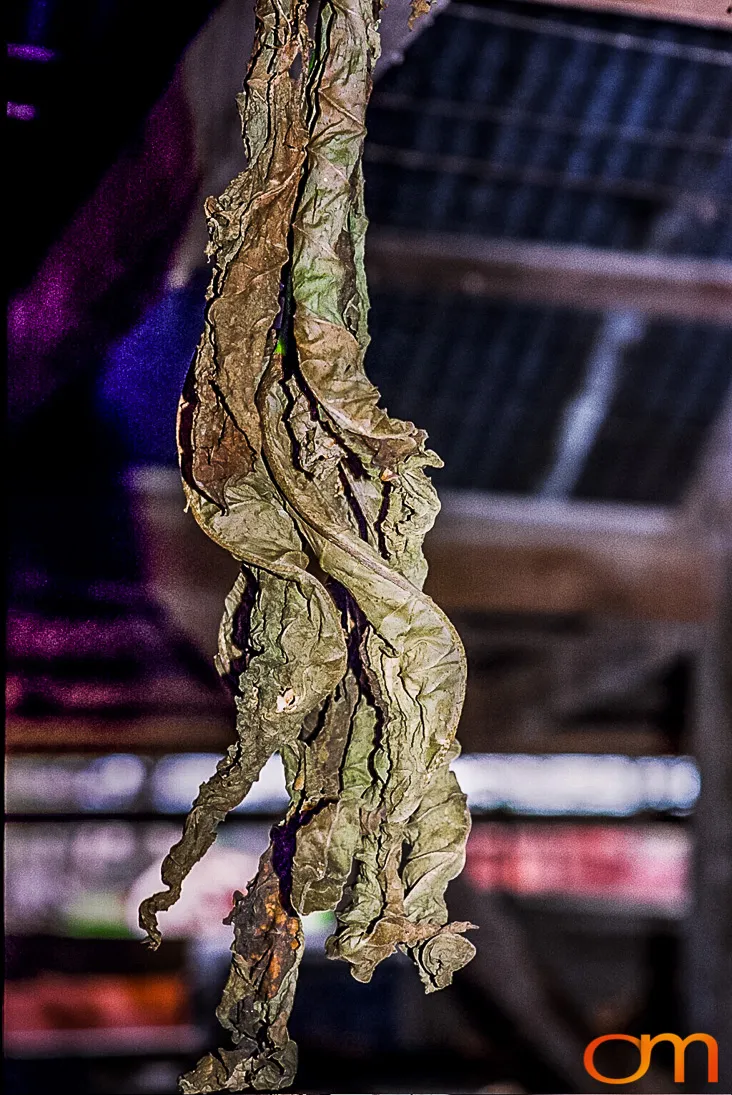
After harvest, the plants are air-cured. The leaves are then moistened, stripped from their stems, bundled, packed into wooden barrels, and compressed with screw jacks. During approximately one year of pressure fermentation, the tobacco is periodically removed, worked by hand, and returned to the barrels. This process darkens the leaves and produces Perique’s characteristic pungent, fruit-like, and vinegar-like aroma.
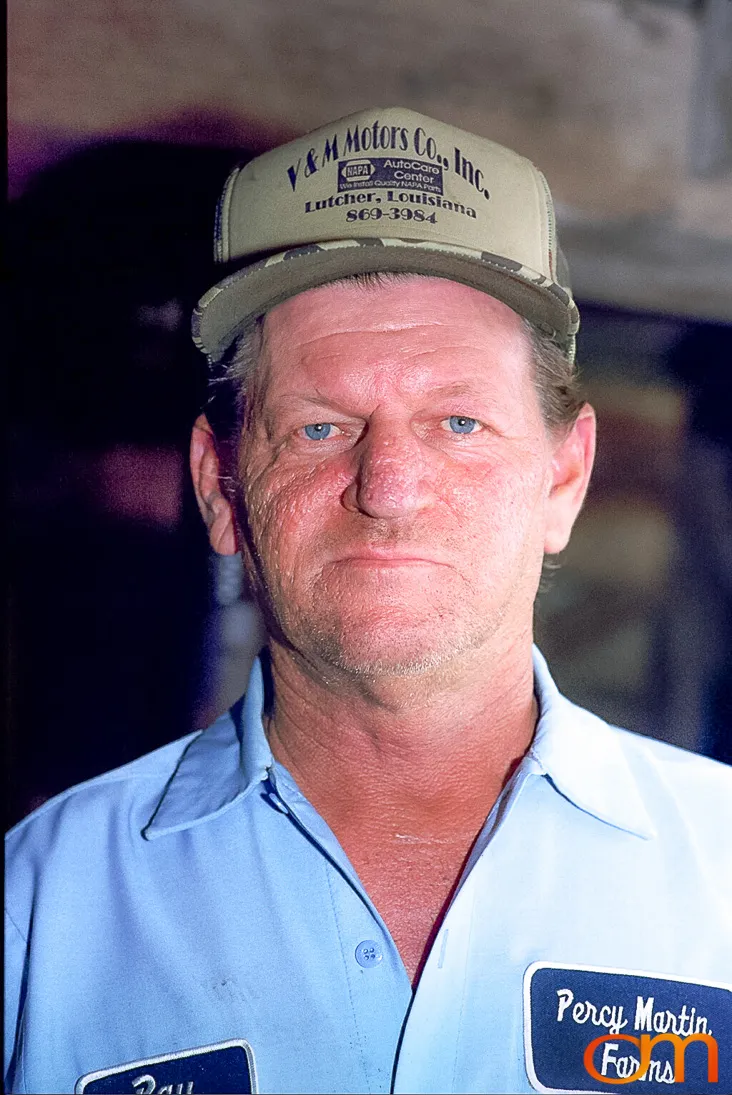
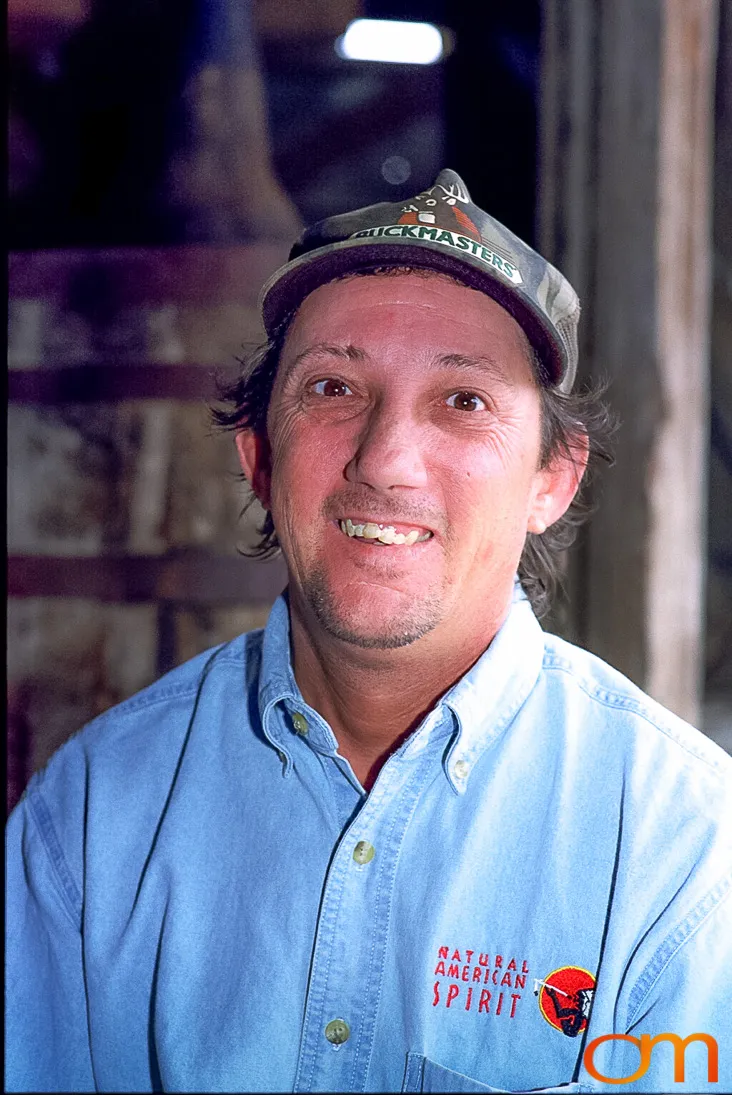
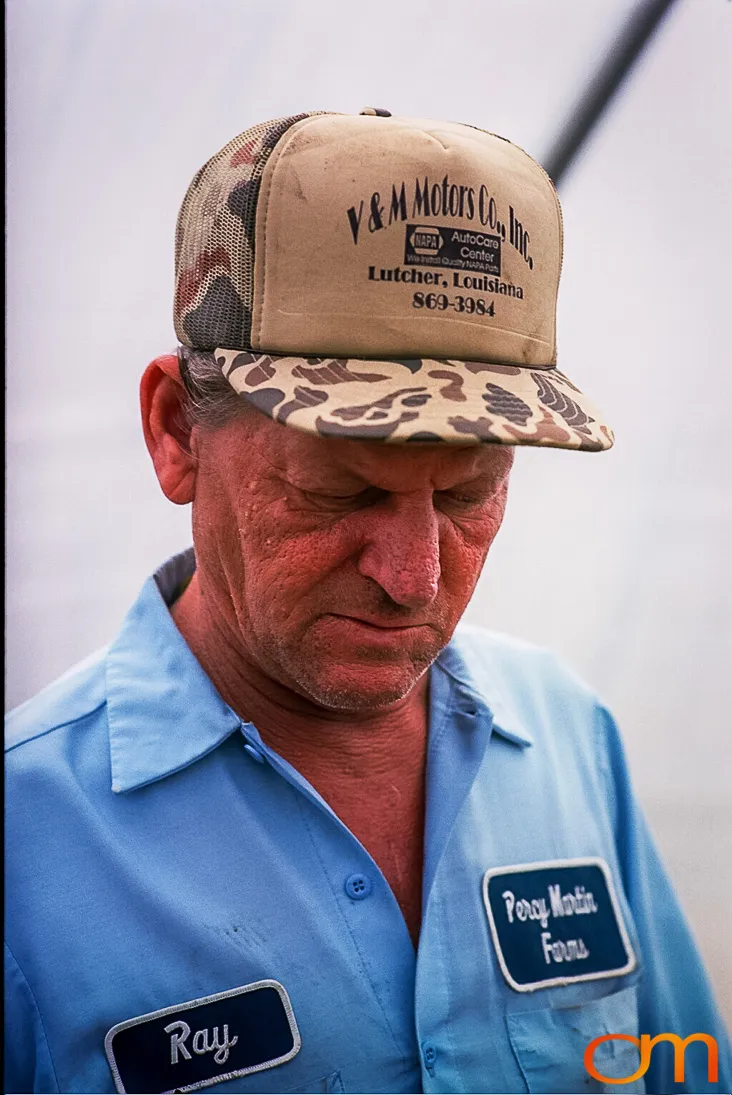
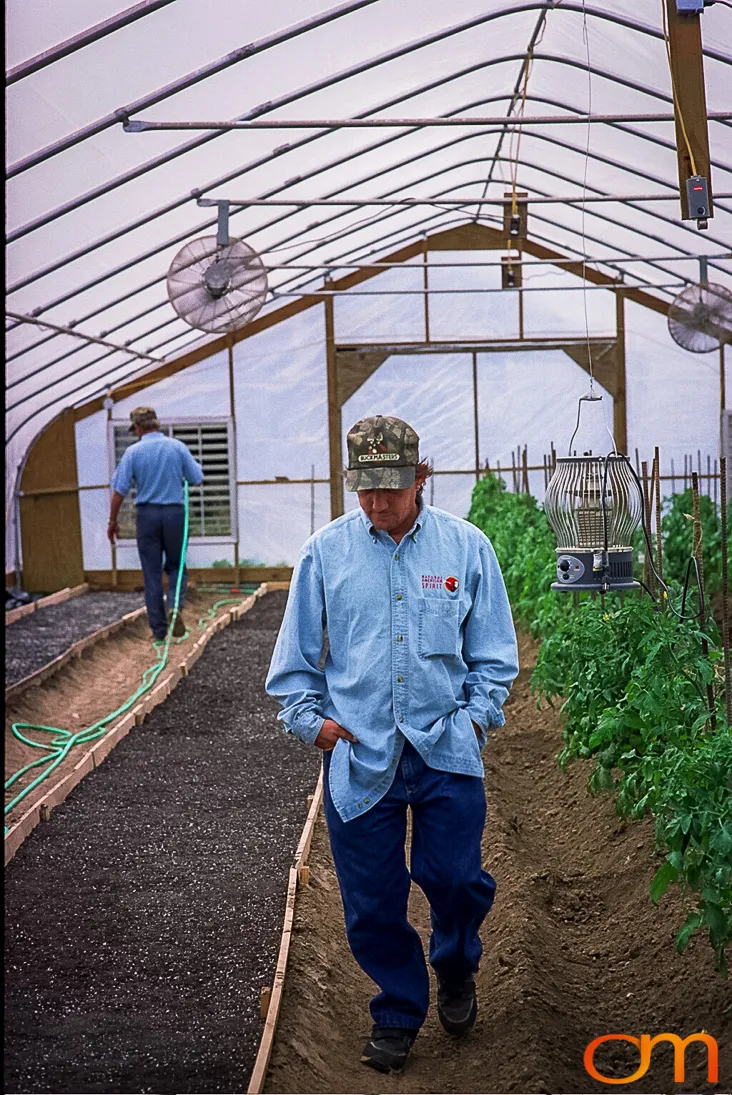
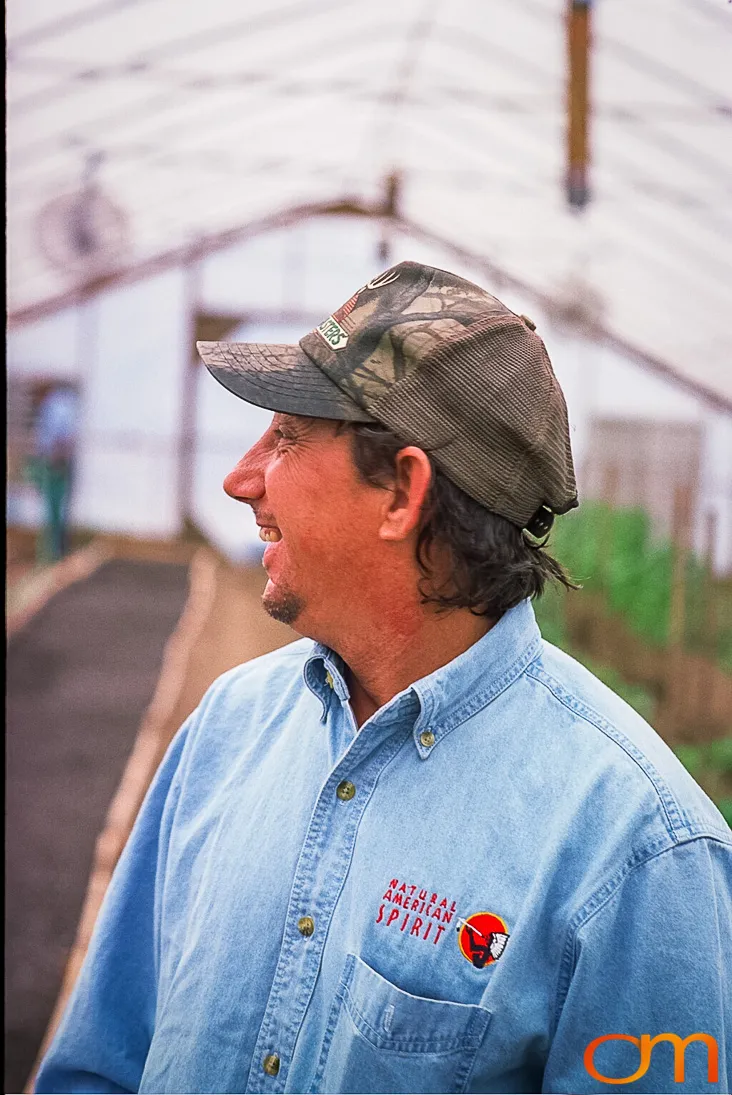
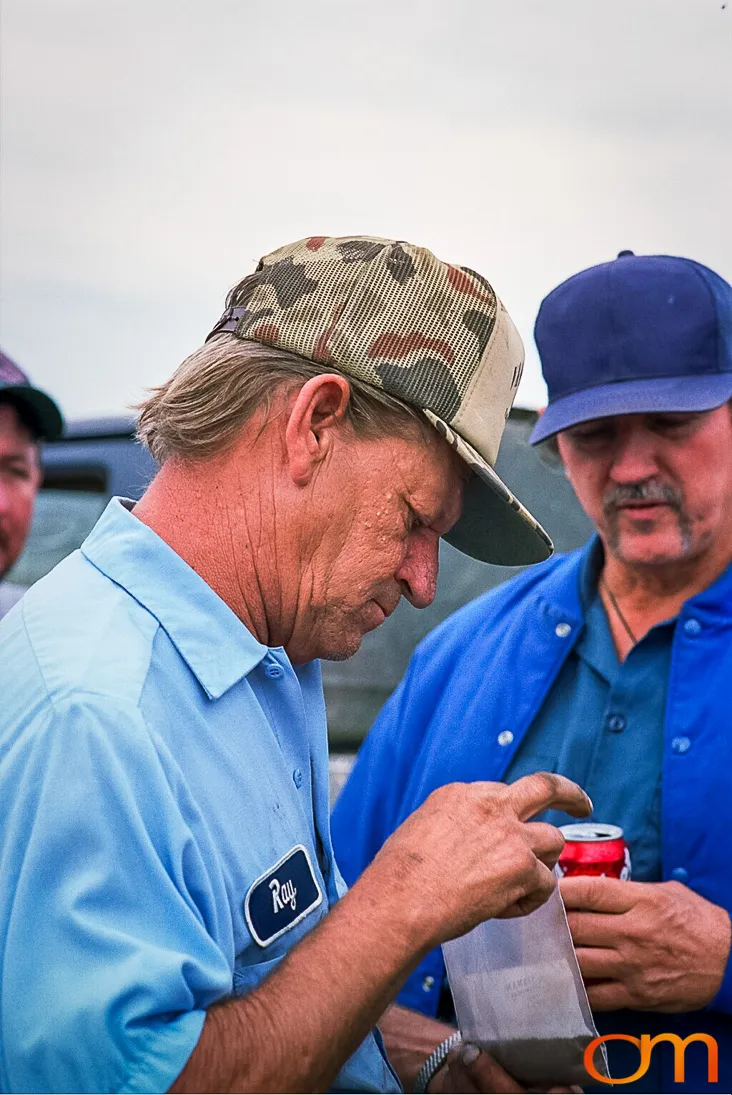
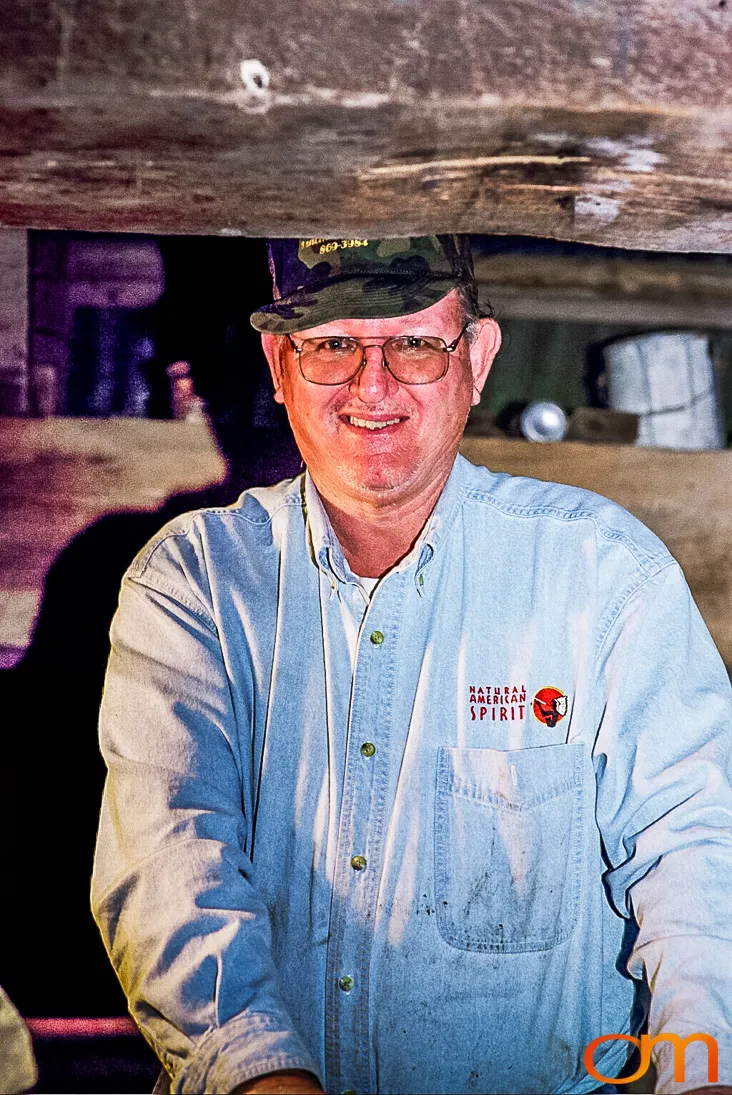
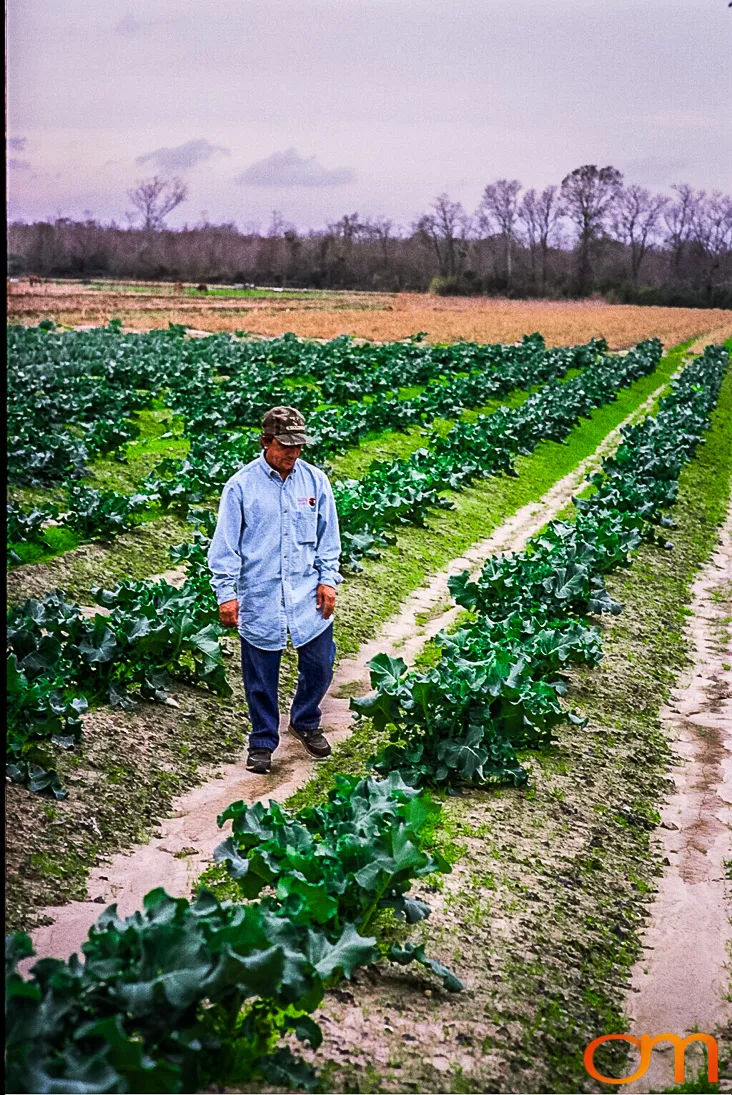
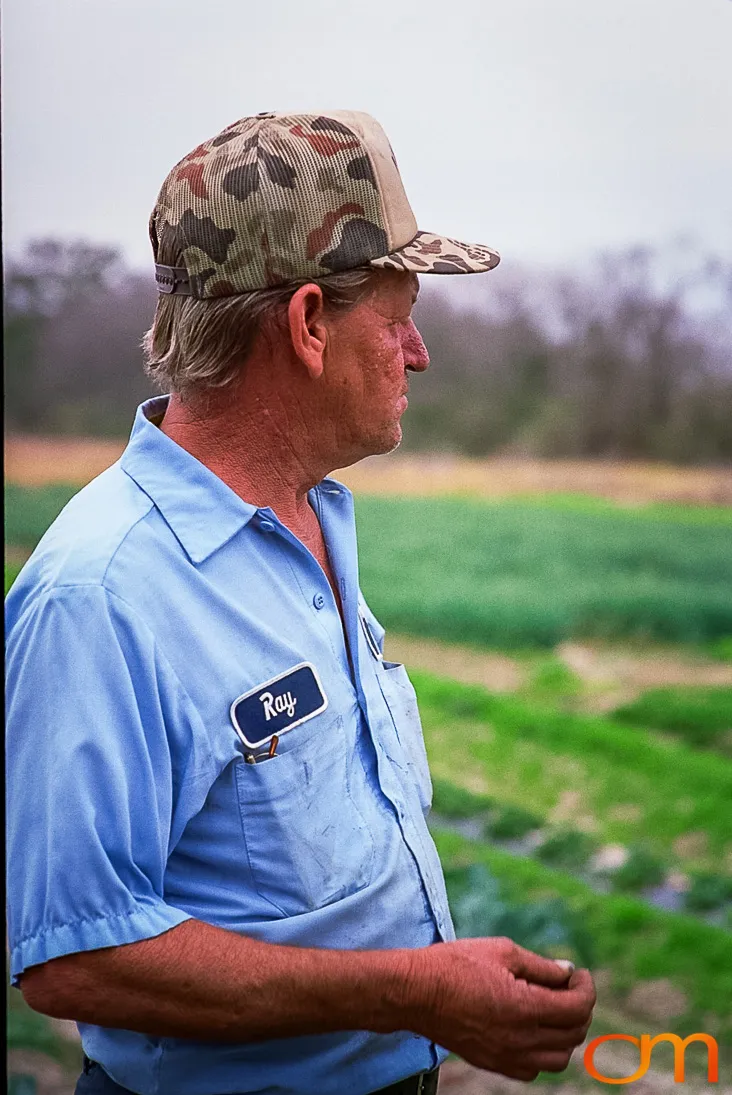
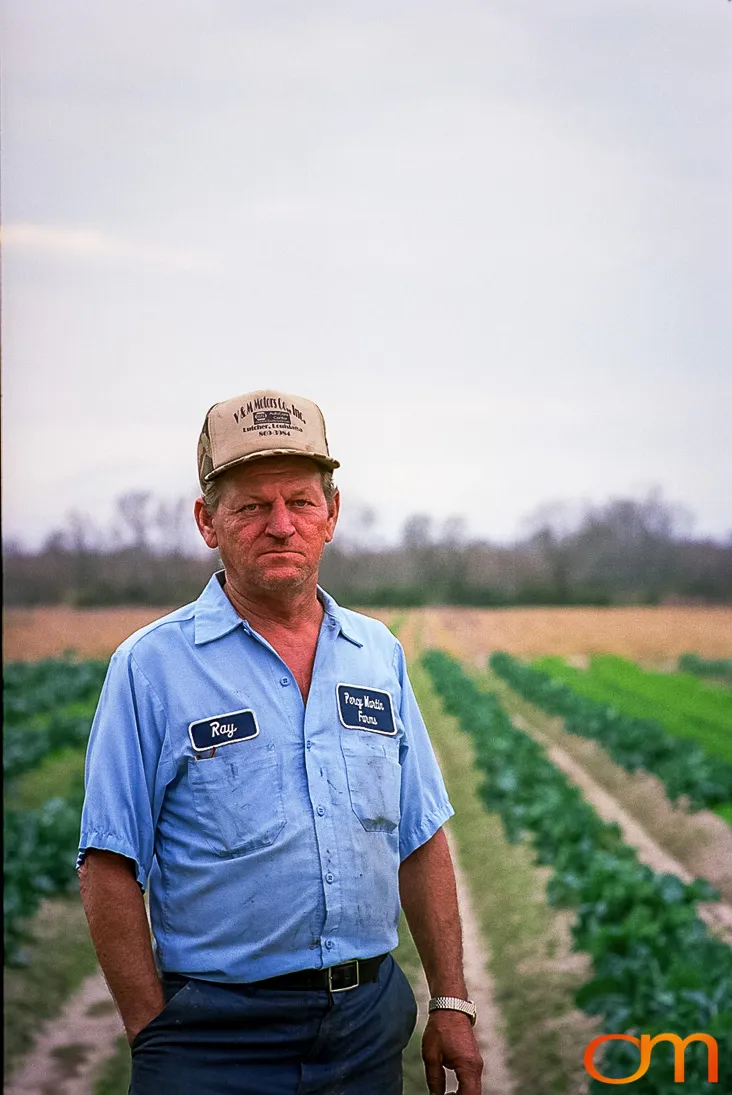
Because of its intensity, Perique is generally used in small quantities as a component of pipe-tobacco blends rather than smoked alone. The photographs from 2004 document this labor-intensive agricultural process, including the preparation of cured leaves, barrel pressing, and cultivation in the surrounding fields.
Current Context
Production has increased since the photographs were taken. By 2026, approximately 75 acres of Perique were reported under cultivation in St. James Parish, although fewer than ten farmers continued to grow the crop.