Puerto Rico
Puerto Rico: History and Biodiversity
November 2007
Puerto Rico is a Caribbean archipelago and an unincorporated territory of the United States. Officially the Commonwealth of Puerto Rico, it has its own constitution and elected government. People born in Puerto Rico are U.S. citizens under federal law. Spanish and English are official languages, although Spanish predominates.
Indigenous peoples, including Taíno communities, inhabited the archipelago before European colonization. Christopher Columbus reached the main island in 1493, and Spanish colonization began in 1508 under Juan Ponce de León. Disease, forced labor, violence, and enslavement devastated Indigenous communities, while enslaved Africans were brought to Puerto Rico. Taíno descendants, ancestry, and cultural traditions remain part of Puerto Rican identity. Spain ceded Puerto Rico to the United States in 1898 following the Spanish–American War, and Congress granted U.S. citizenship to Puerto Ricans in 1917.
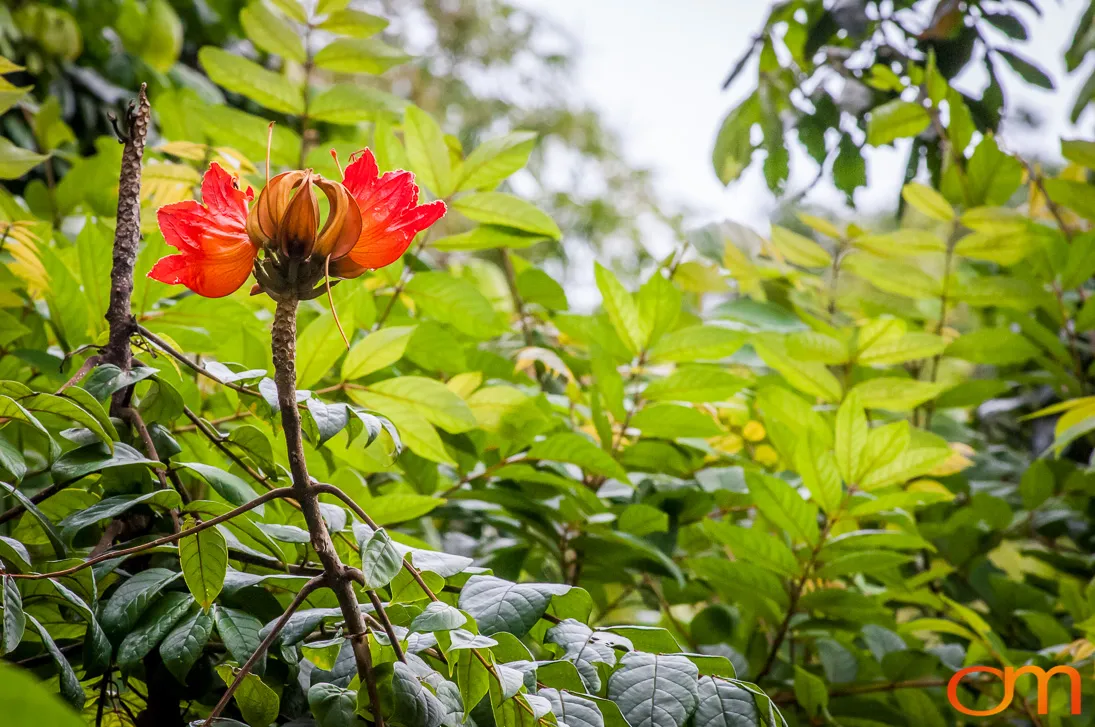
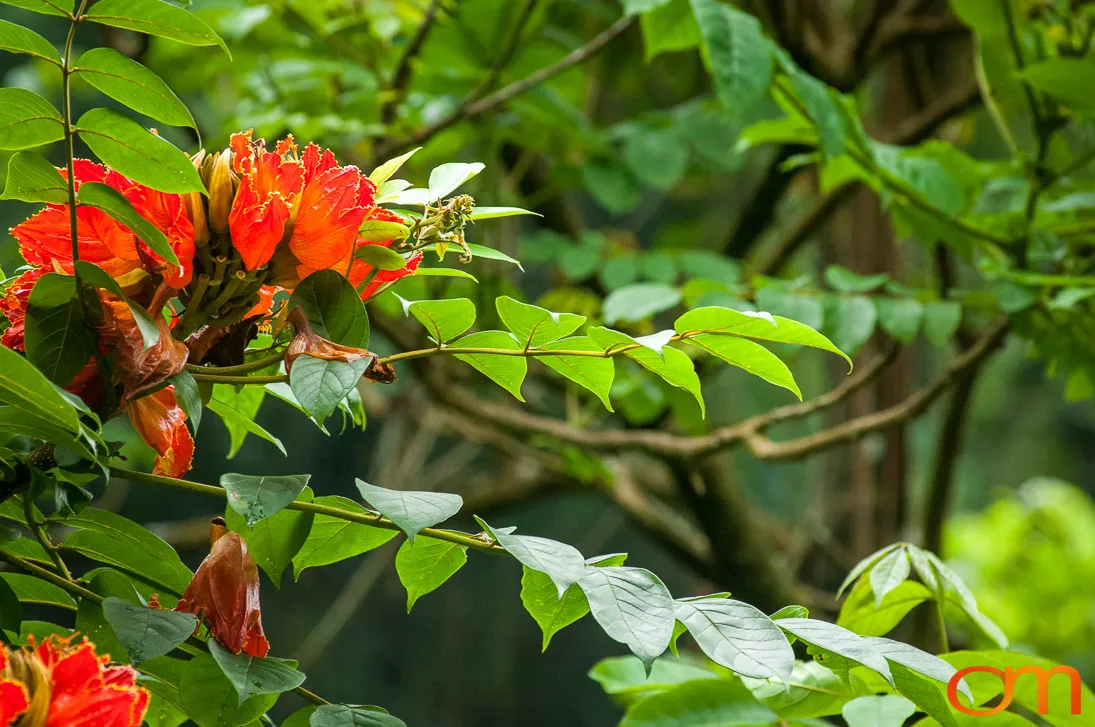
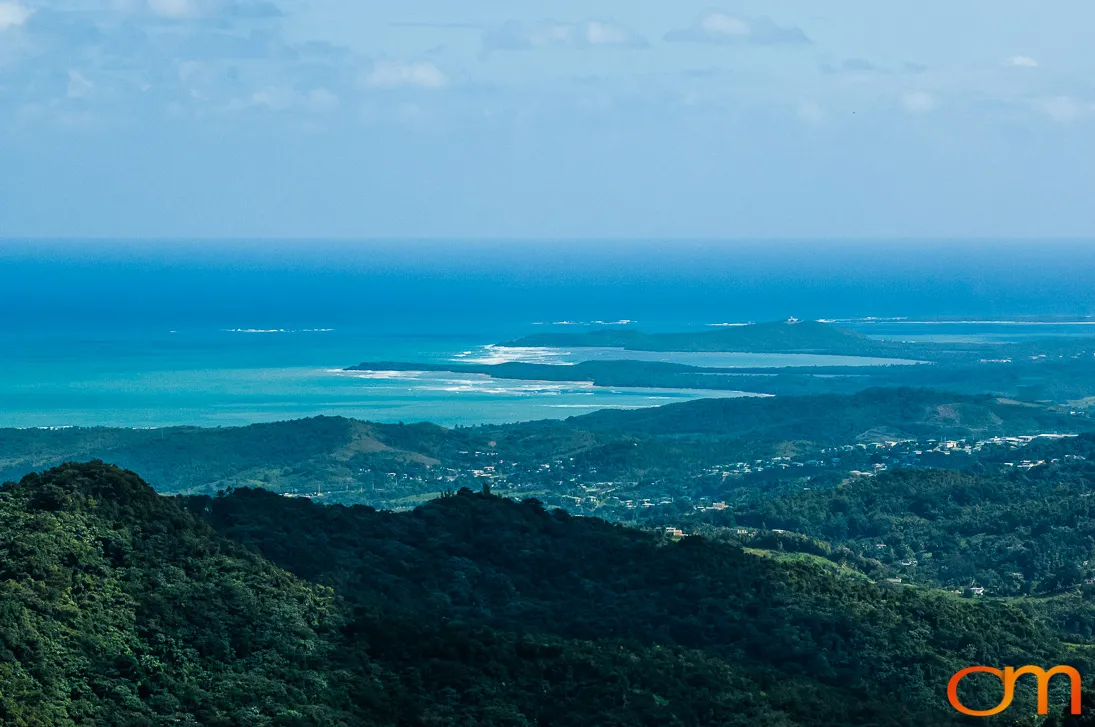
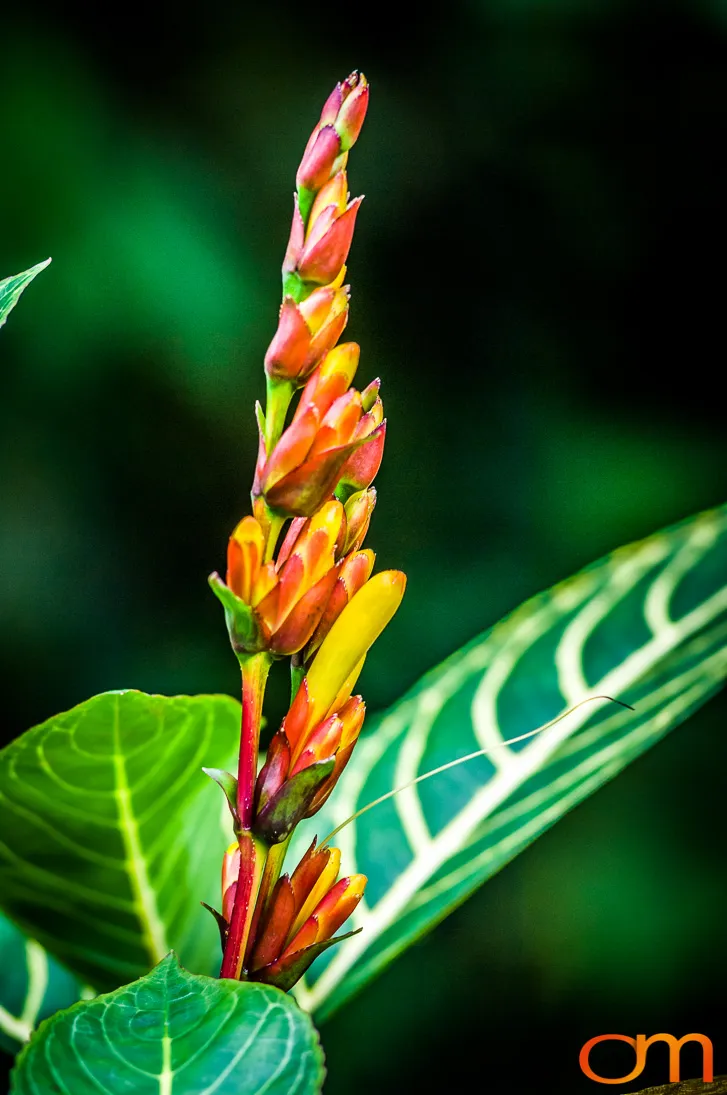
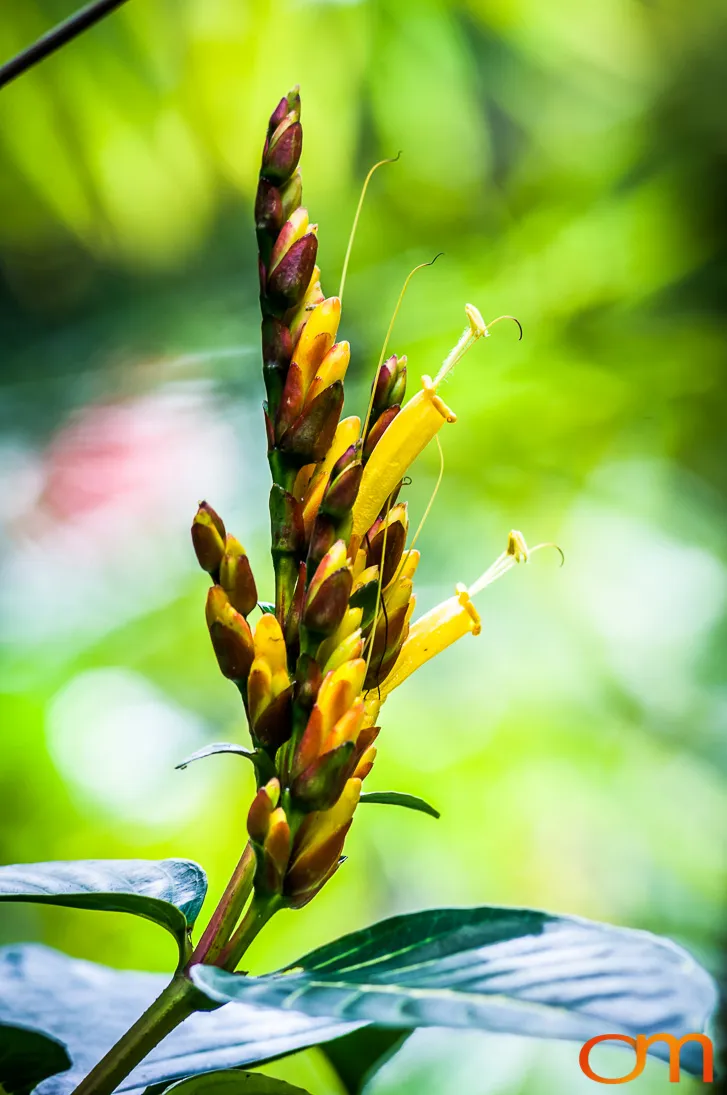
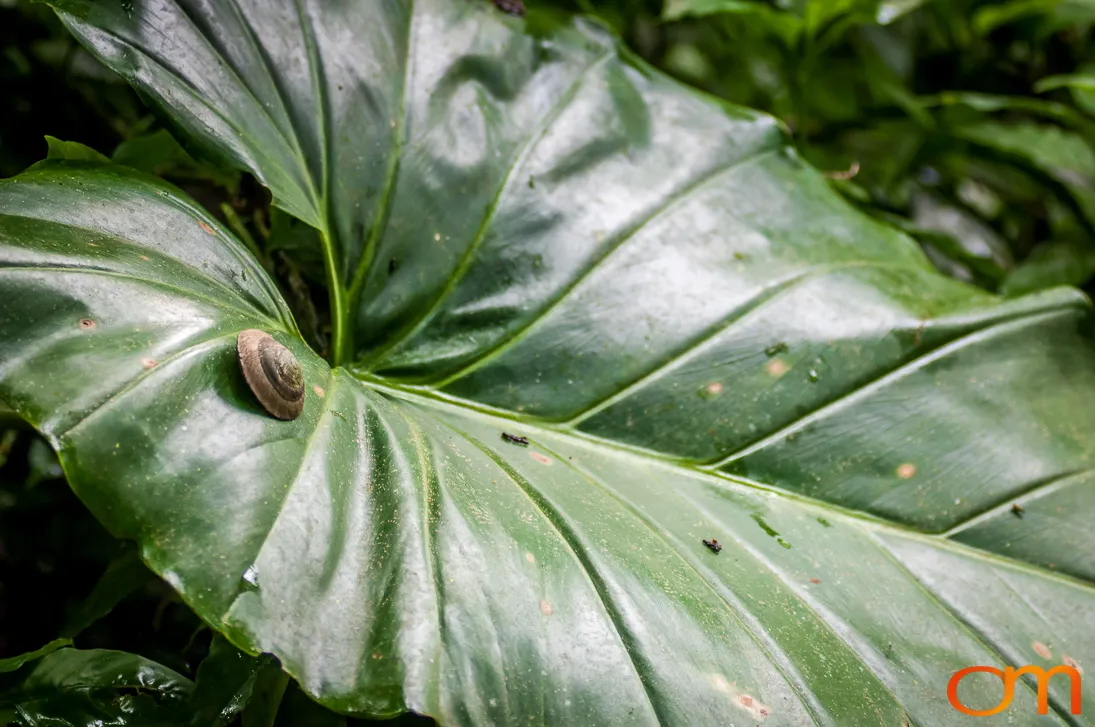
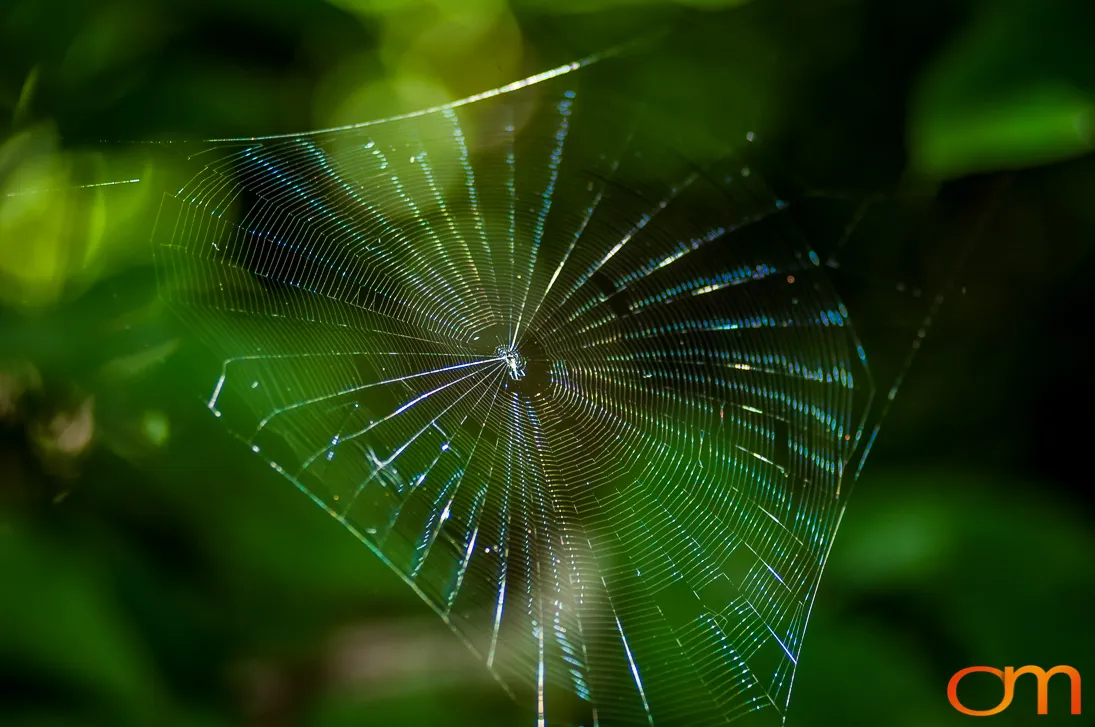
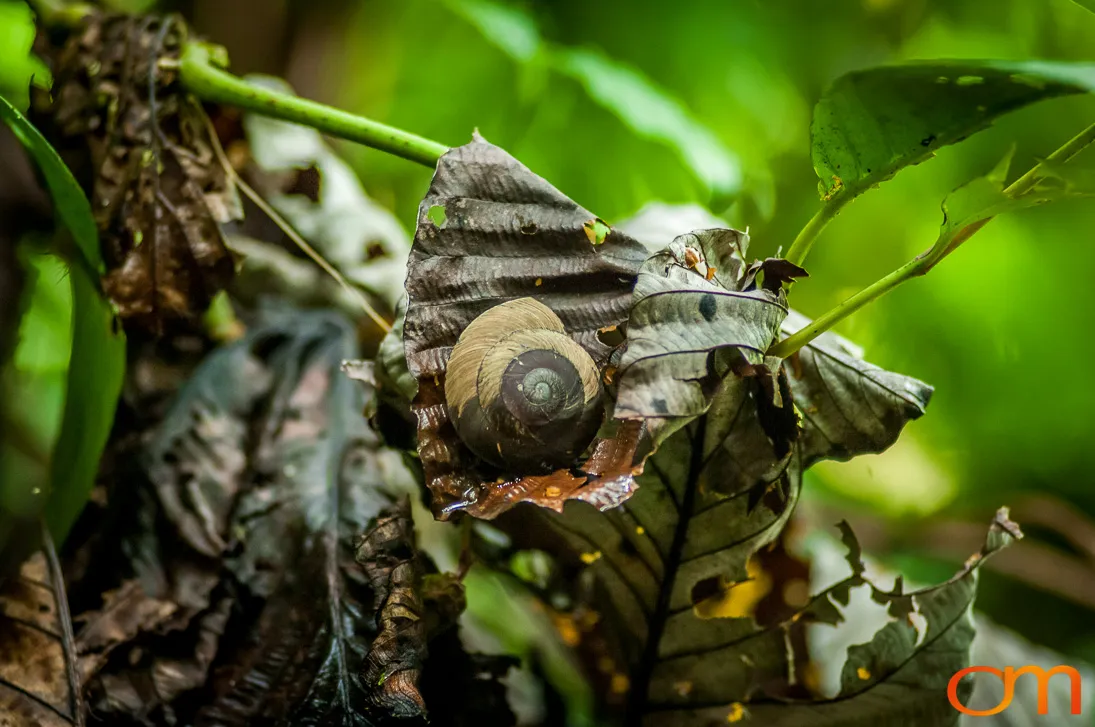
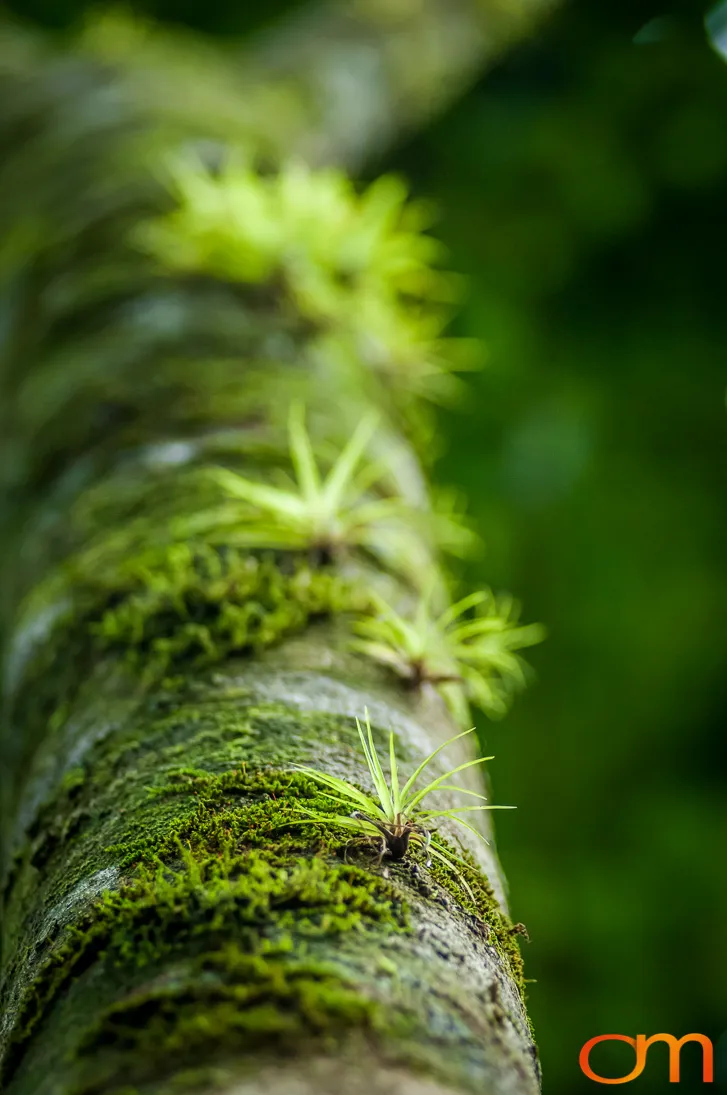
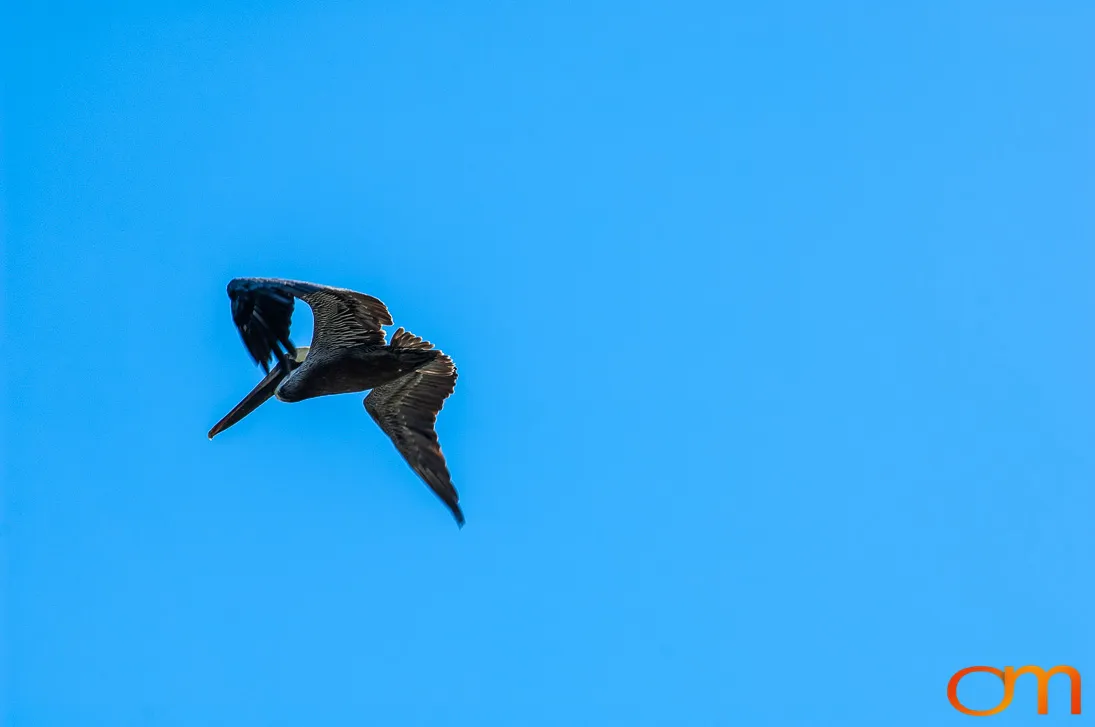
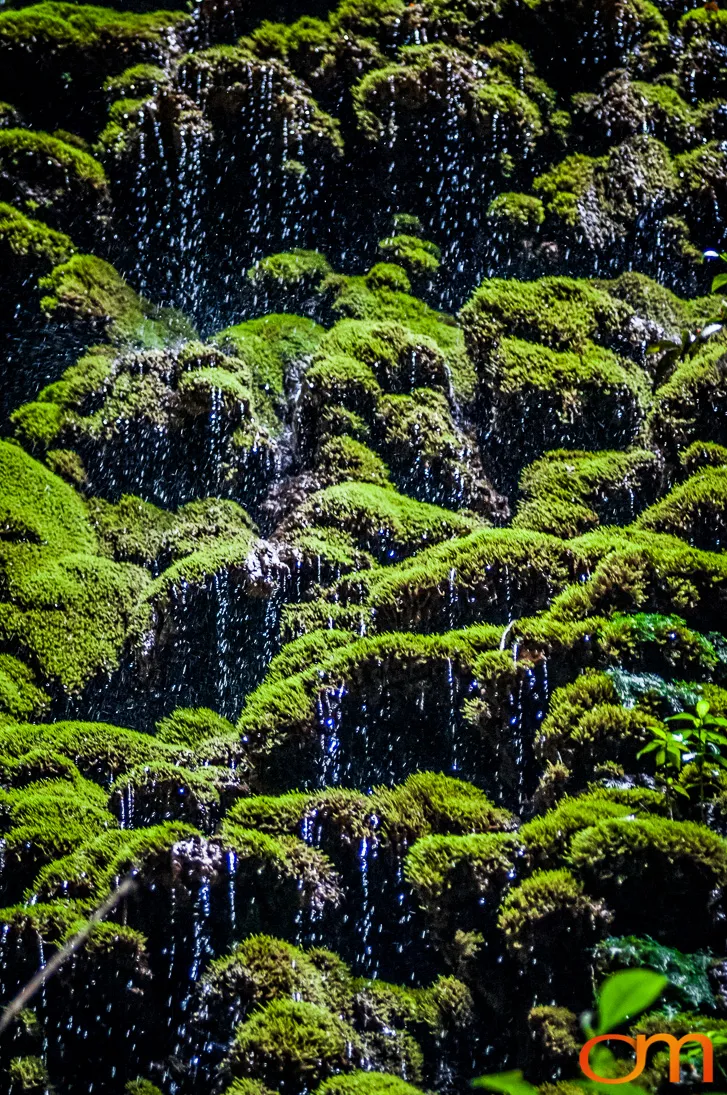
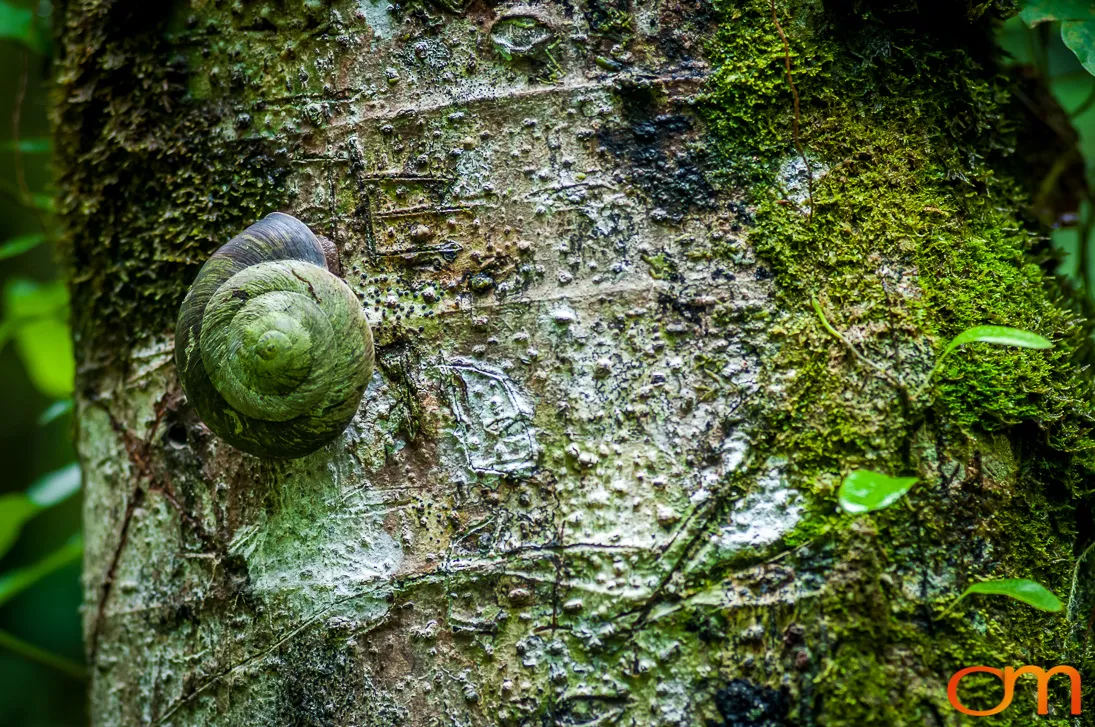
Puerto Rico contains tropical wet and dry forests, karst landscapes, wetlands, mangroves, seagrass beds, and coral reefs. Geographic isolation and varied habitats support many endemic plants and animals, particularly among amphibians, reptiles, birds, and invertebrates. Bats are the only native terrestrial mammals still present. Introduced mammals, including rats, mongooses, and free-ranging cats, can damage native species and habitats, making habitat protection and invasive-species management important parts of conservation.