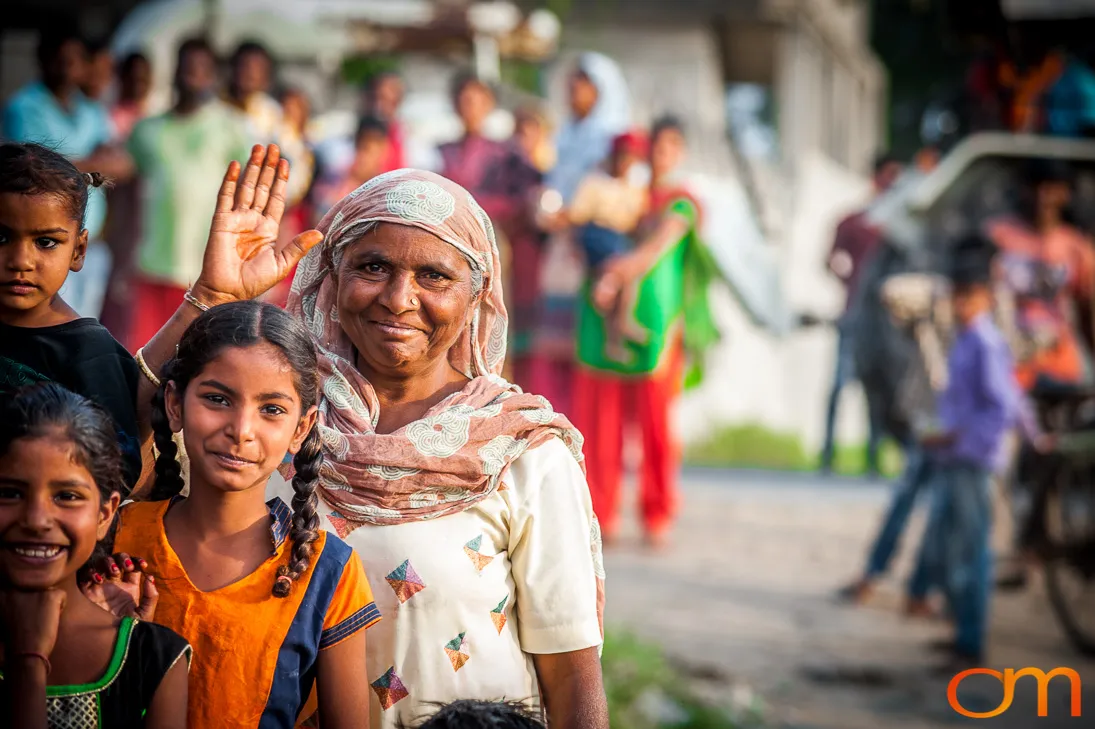
Amritsar
Punjab, In and Around Amritsar
April 2016
Amritsar is one of the largest cities in the Indian state of Punjab and one of Sikhism’s most important religious centers. Guru Ram Das, the fourth Sikh Guru, established the settlement during the 16th century. Initially known as Ramdaspur, the city later took its name from the Amrit Sarovar, the sacred pool around which it developed.
Sri Harmandir Sahib, also known as Sri Darbar Sahib or the Golden Temple, stands at the center of the sacred pool. The shrine has entrances on all four sides, traditionally representing openness to people regardless of caste, creed, gender, or religion. The surrounding complex also includes the Akal Takht, one of the most important seats of authority in Sikhism.
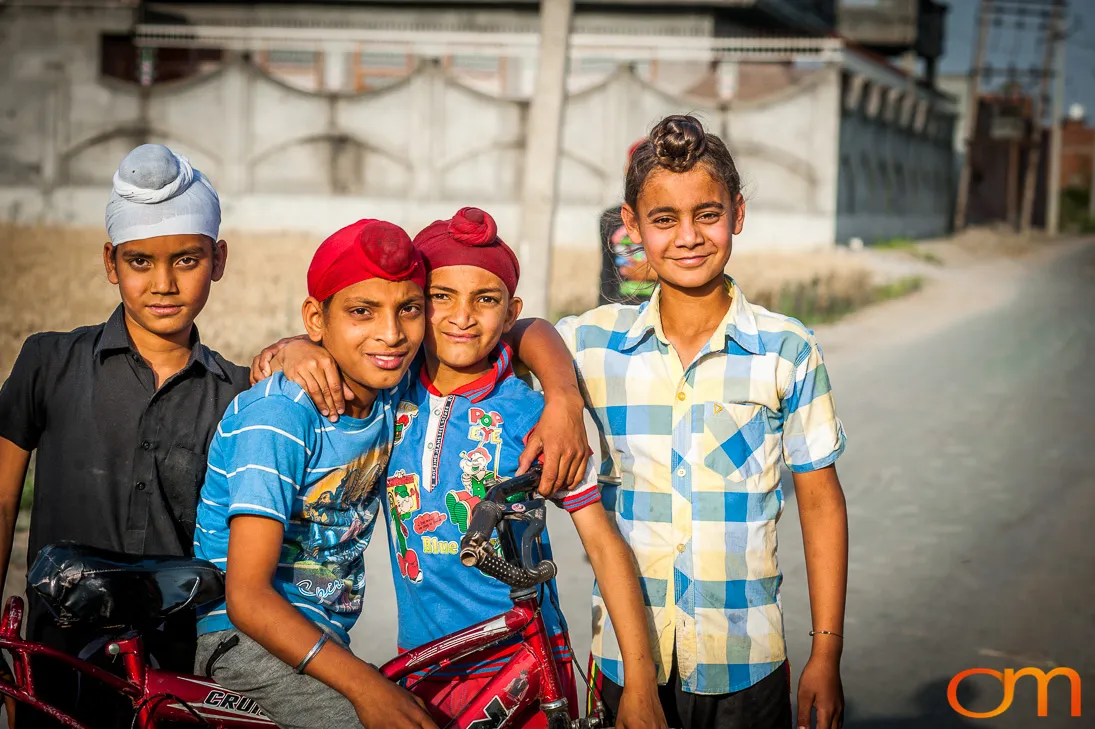
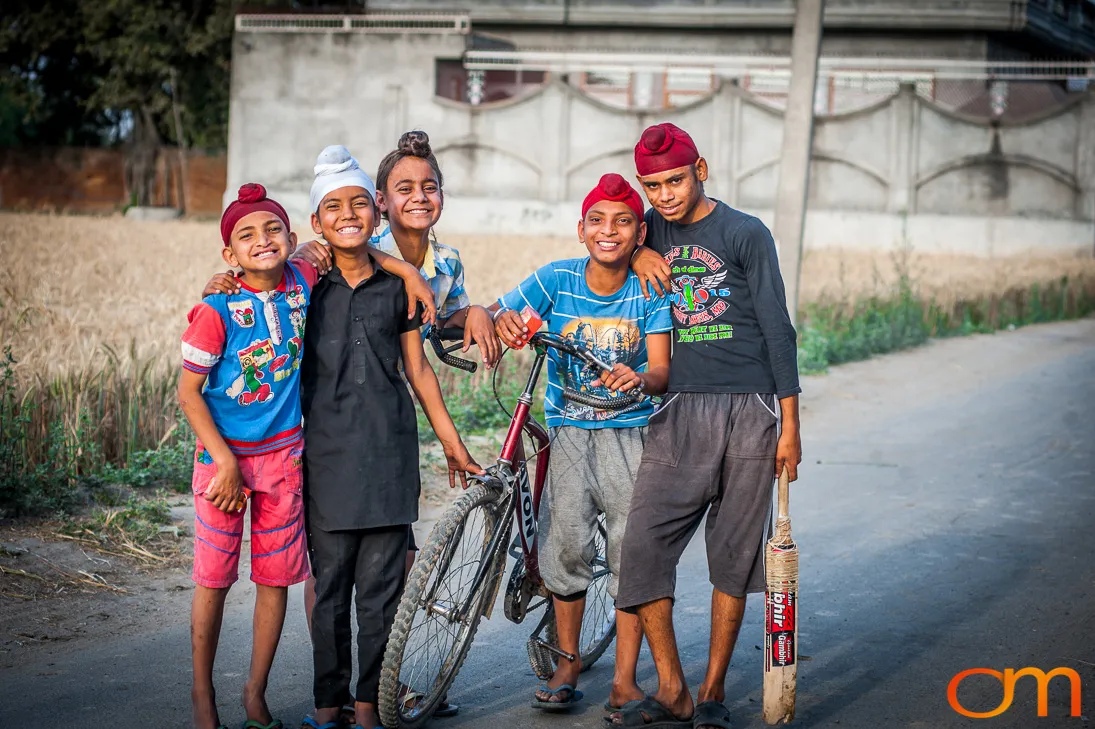
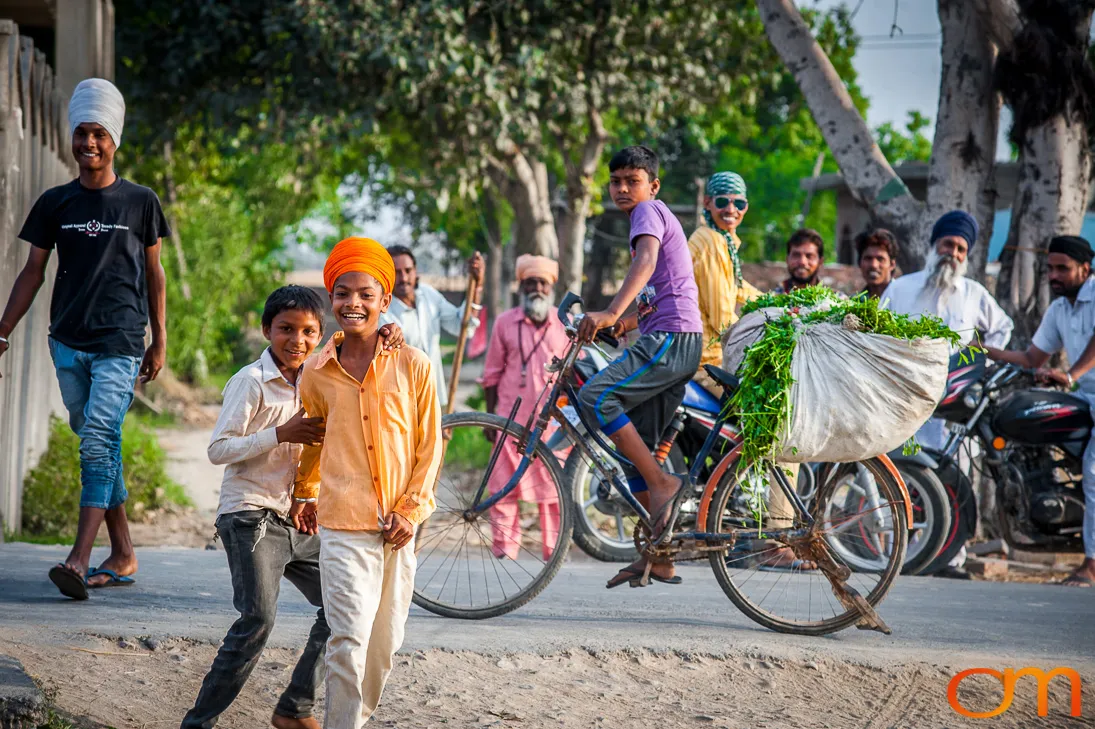
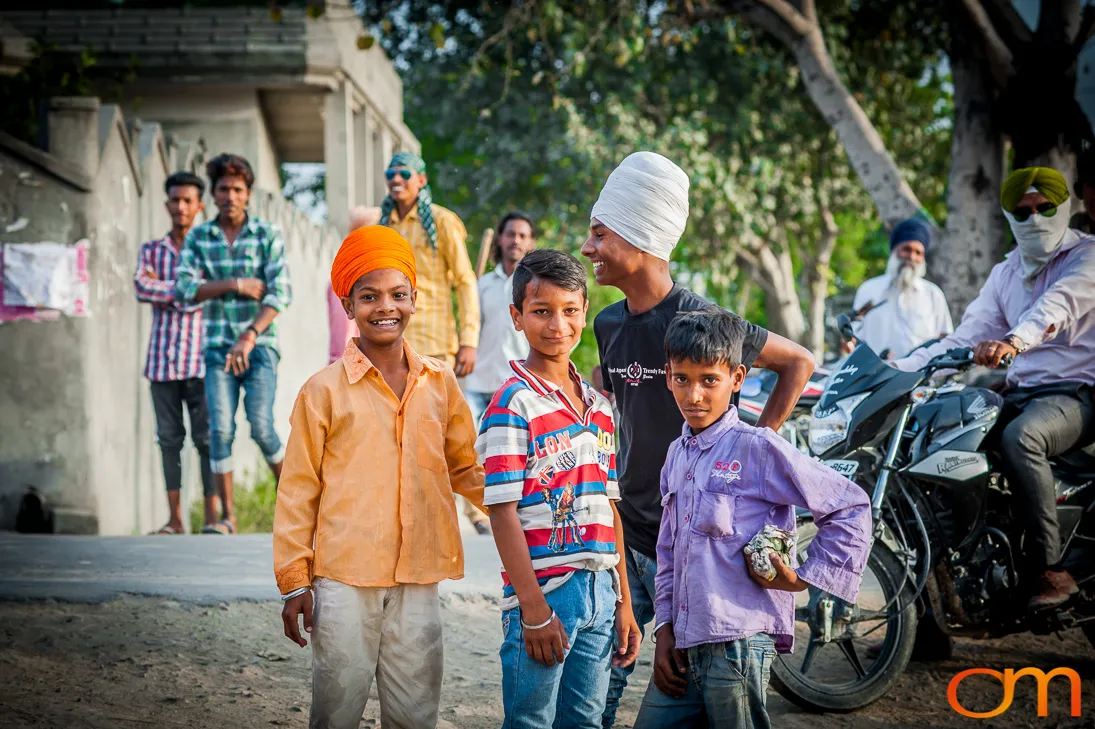
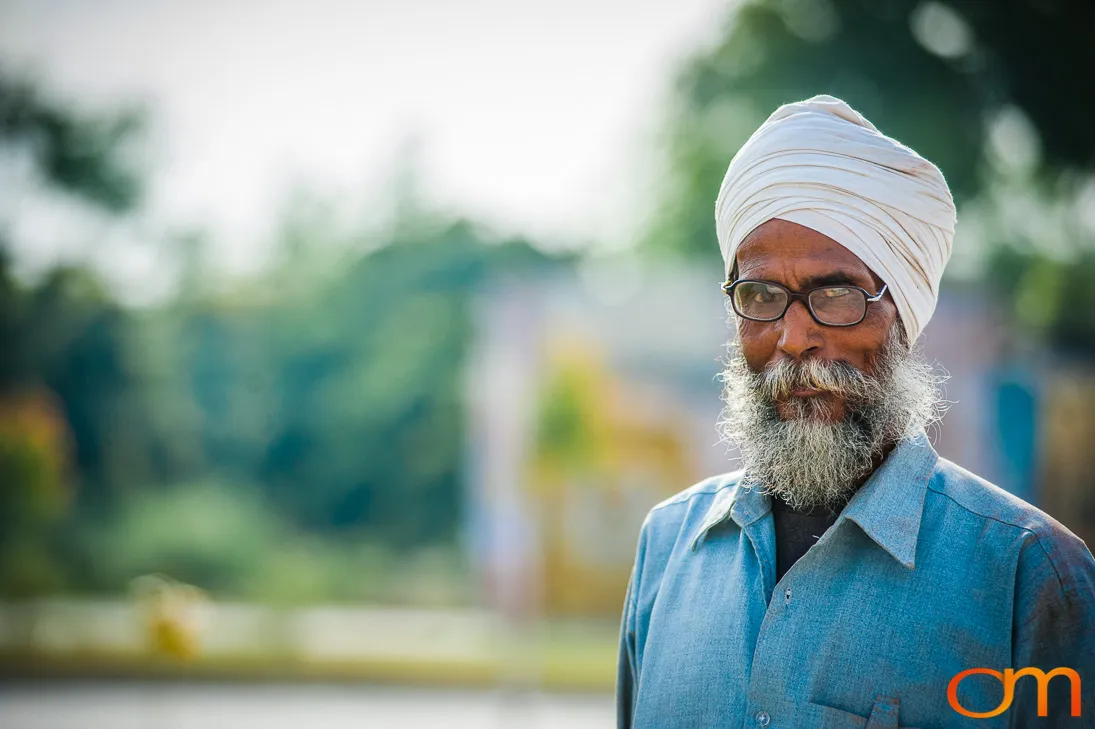
Sikhism emerged in the wider Punjab region during the late 15th century. According to India’s 2011 Census, approximately 16 million Sikhs lived in the Indian state of Punjab, representing 57.7 percent of its population. Punjab is India’s only Sikh-majority state.
The name Punjab combines the Persian words panj, meaning “five,” and āb, meaning “water.” It refers to the Sutlej, Beas, Ravi, Chenab, and Jhelum rivers of the historical Punjab region. The region was divided between India and Pakistan during the 1947 partition. The Sutlej, Beas, and Ravi flow through the present-day Indian state of Punjab, while the Chenab and Jhelum are primarily associated with Pakistan.
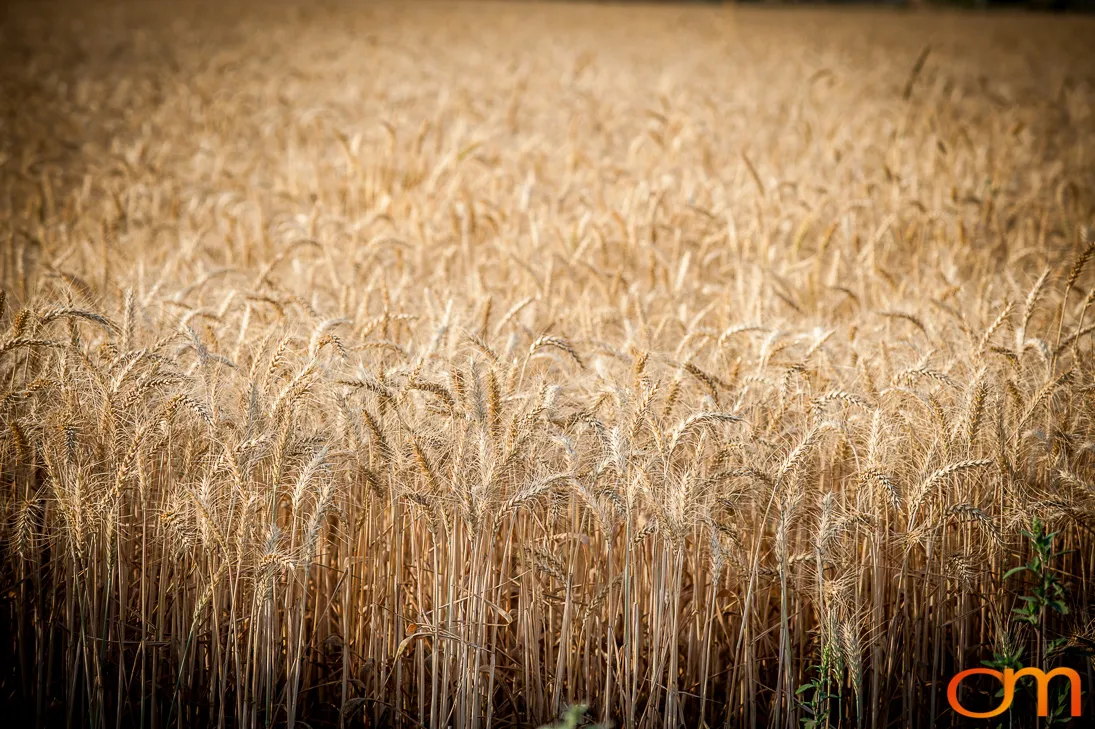
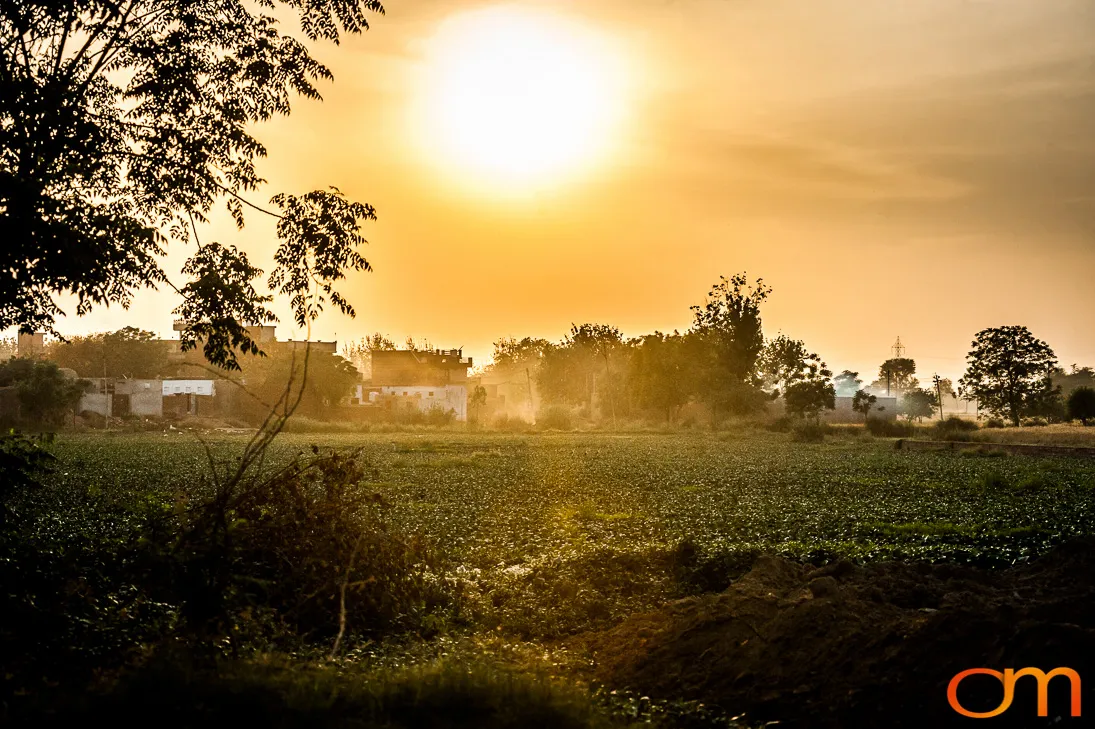
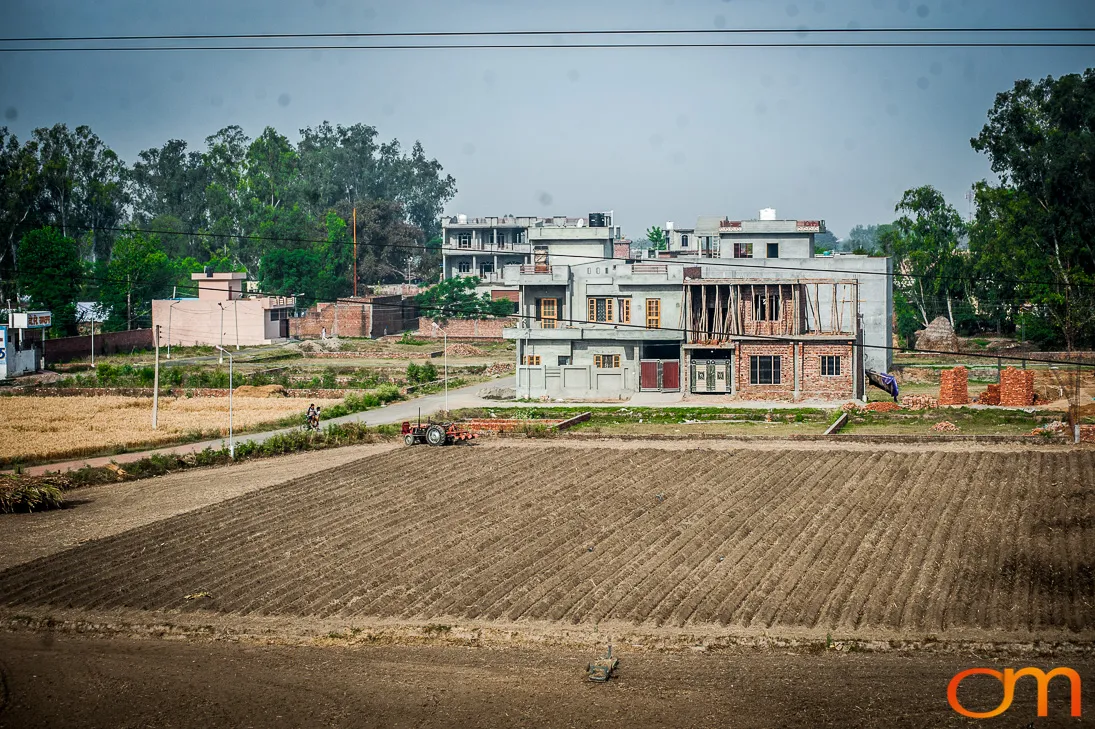
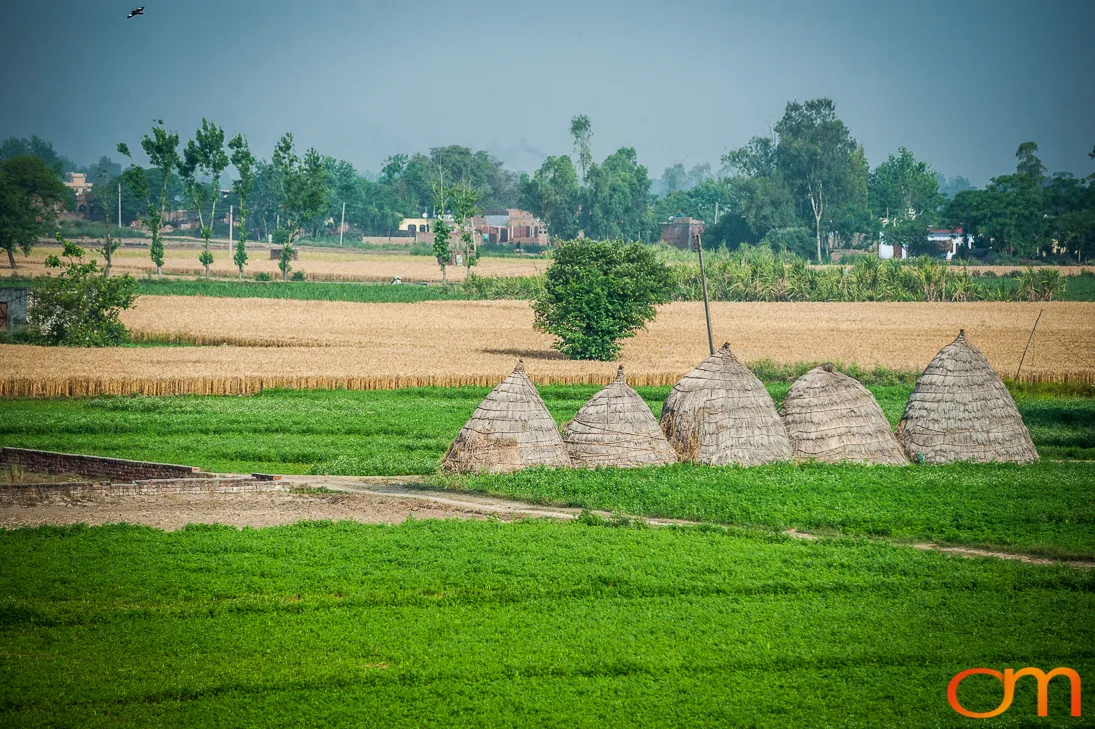
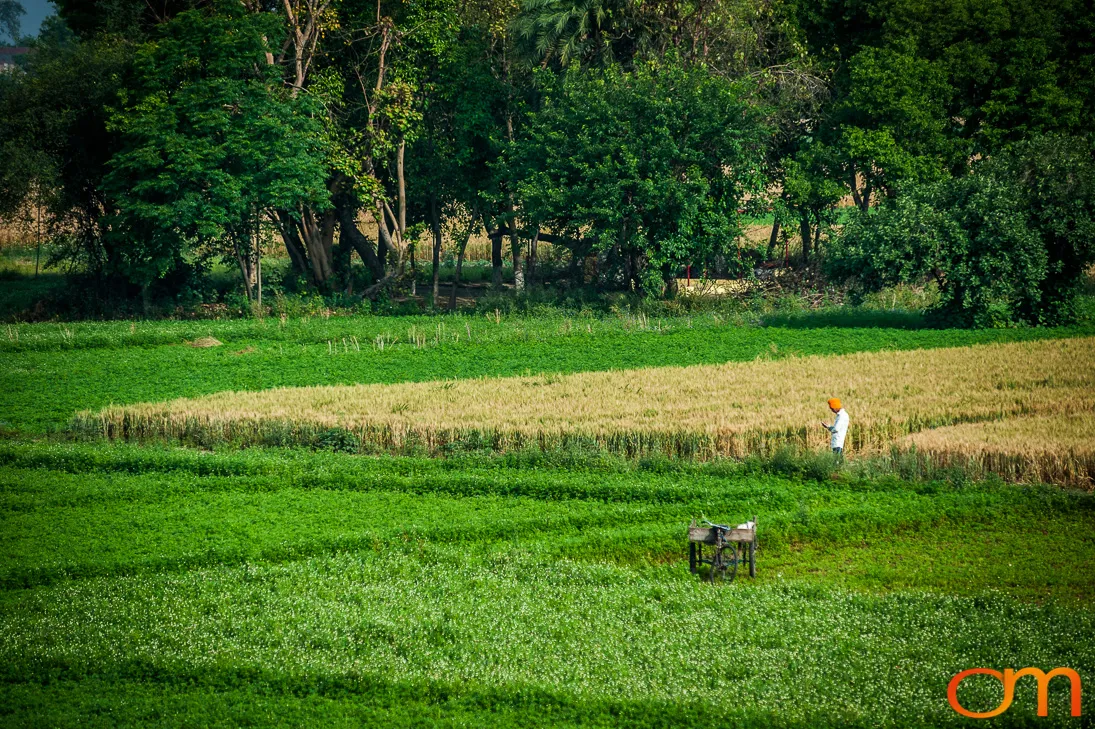
Punjab’s fertile plains and extensive irrigation systems have made agriculture central to the region’s economy. Wheat and rice are among its most important crops. The state played a major role in India’s Green Revolution and remains closely associated with the country’s food production.