Rajasthan Thar Desert
Rajasthan: Thar Desert
September 2004
The Thar Desert, also known as the Great Indian Desert, extends across northwestern India and southeastern Pakistan. Most of the desert lies in the Indian state of Rajasthan, with smaller portions reaching Gujarat, Haryana, and Punjab. Across the international border, the desert continues into the Pakistani provinces of Sindh and Punjab. Estimates of its total area vary because geographic definitions sometimes include adjoining desert regions.
Jaisalmer stands within the desert landscape of western Rajasthan. The city is widely known as the “Golden City” because of the yellow sandstone used in many of its buildings. Jaisalmer Fort is more specifically known as Sonar Qila, or the “Golden Fort.” Its walls contain residences, shops, hotels, and religious buildings, making it one of the relatively few historic forts that remains inhabited.
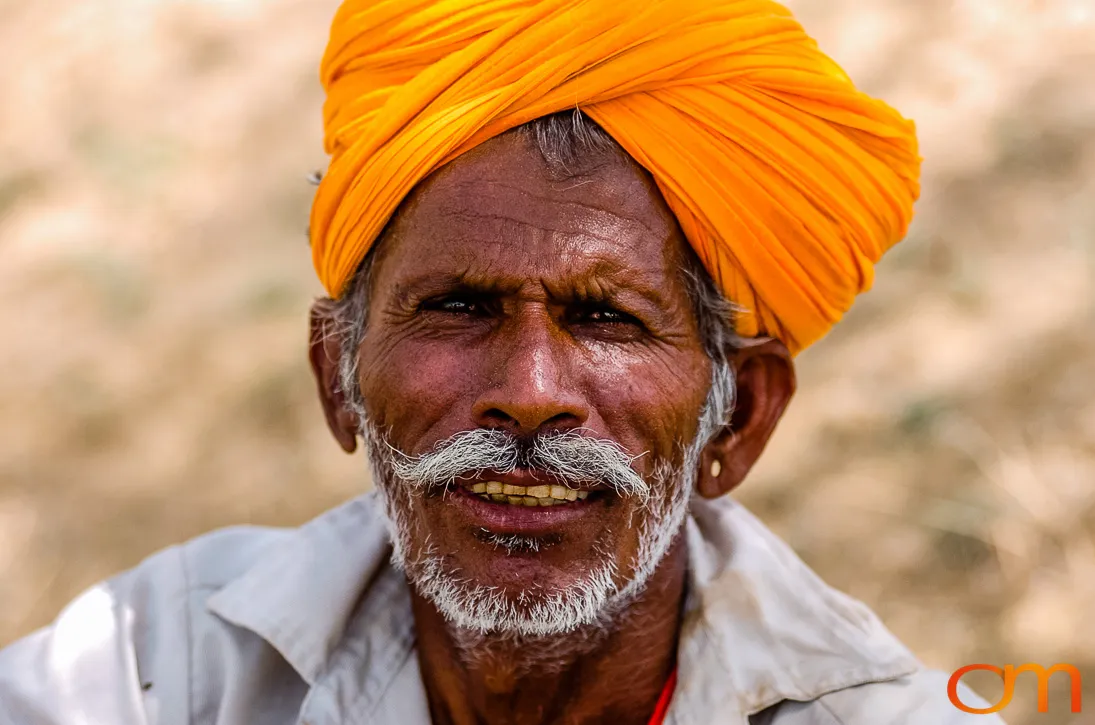
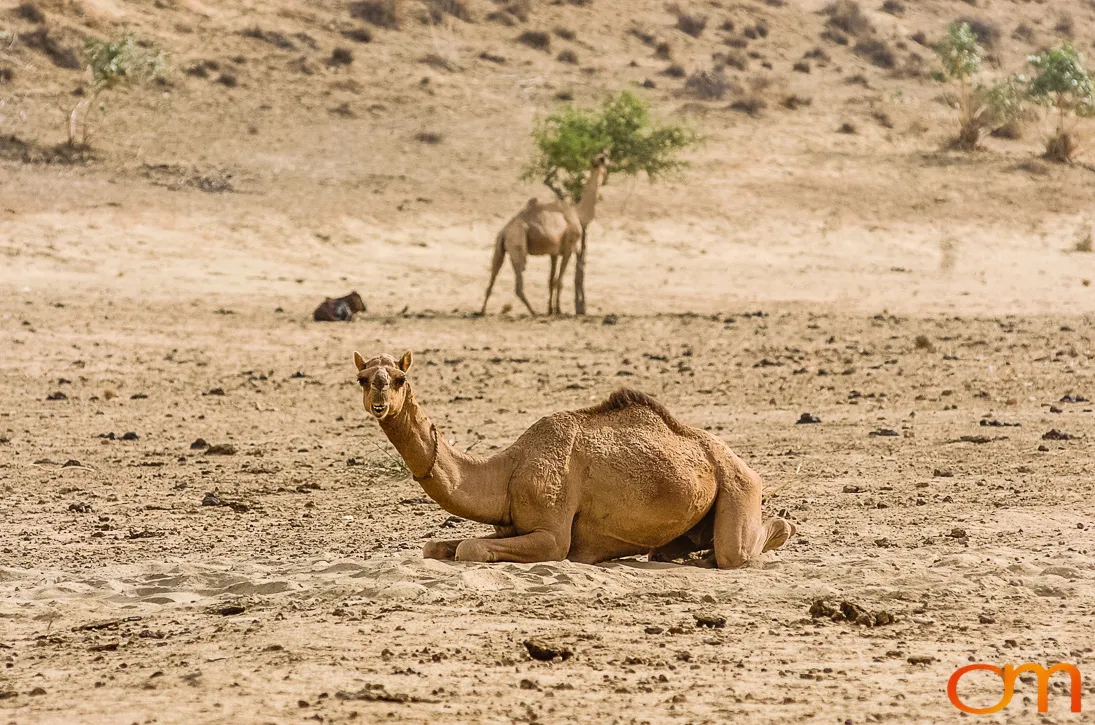
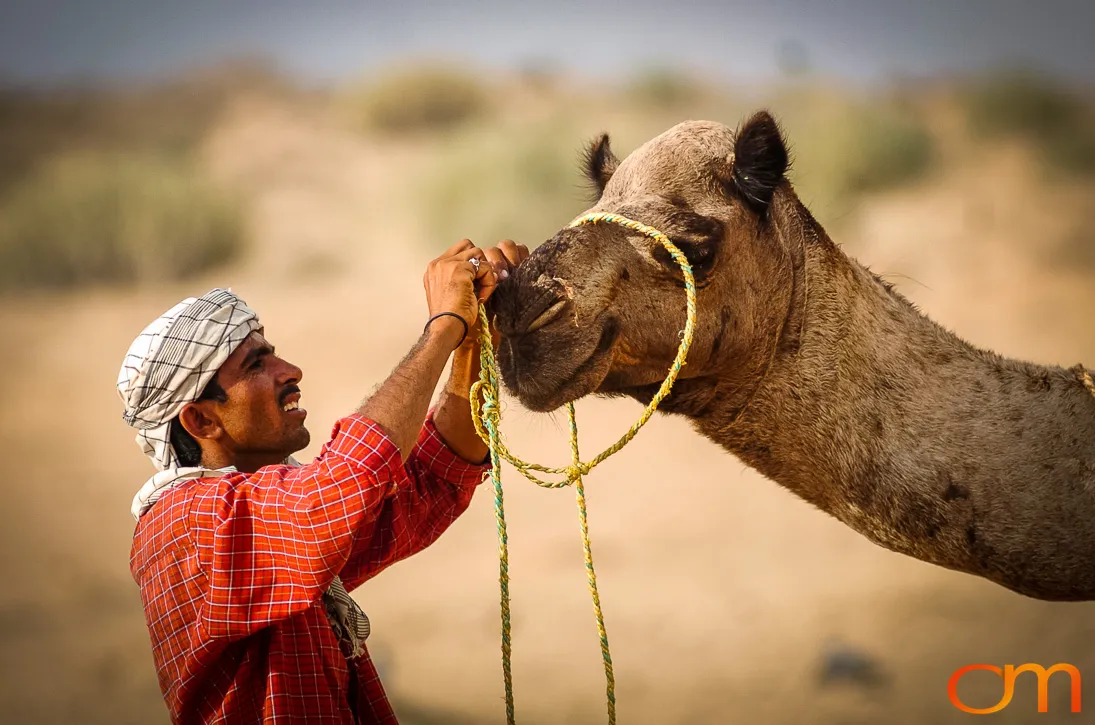
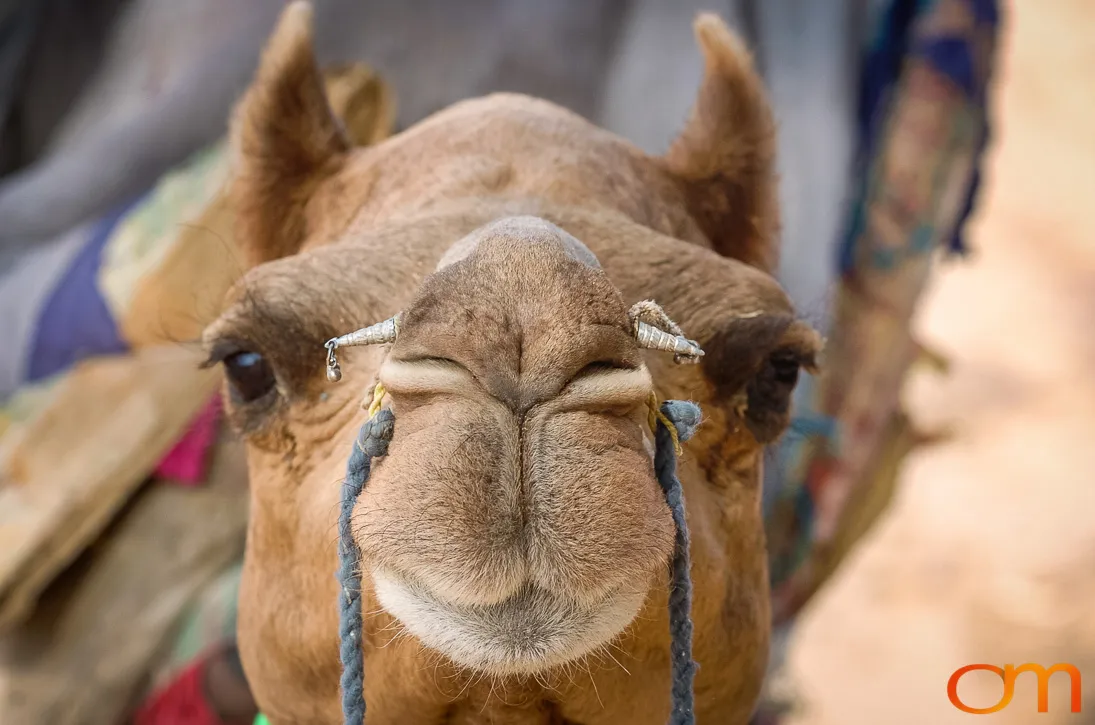
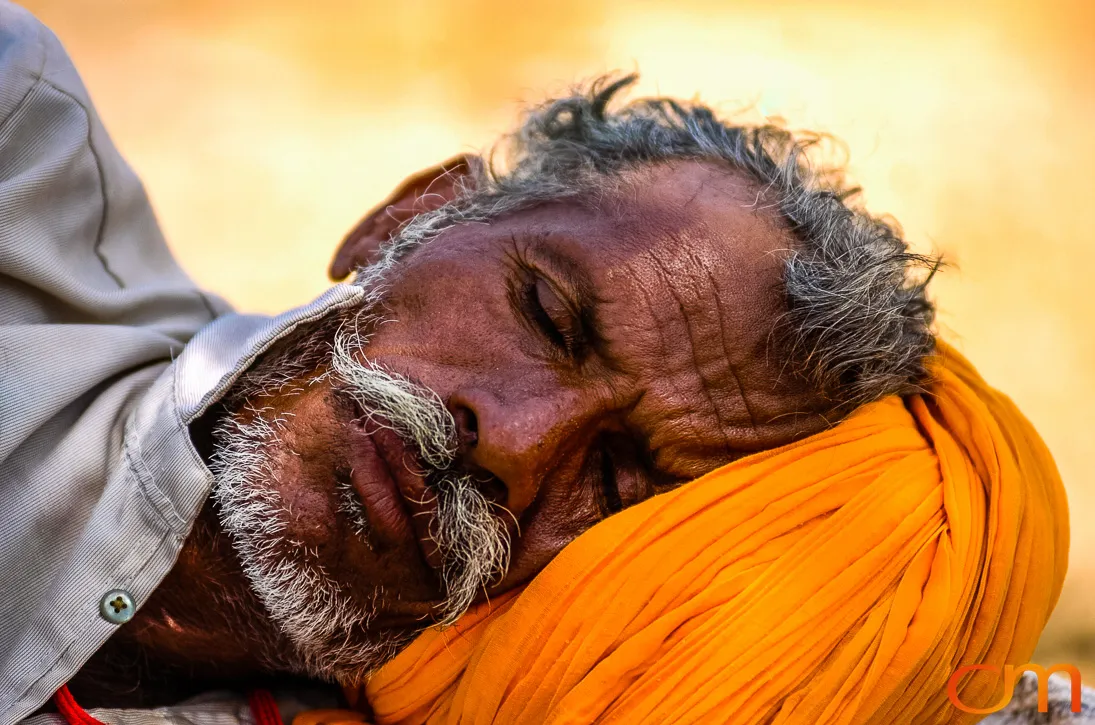
Camel excursions have long been part of tourism around Jaisalmer, particularly near the Sam and Khuri dune areas. Local handlers guide visitors through sandy plains, dunes, villages, and areas of scrub vegetation. These photographs, taken in 2004, document camels, handlers, residents, and desert tourism in the region at that time.
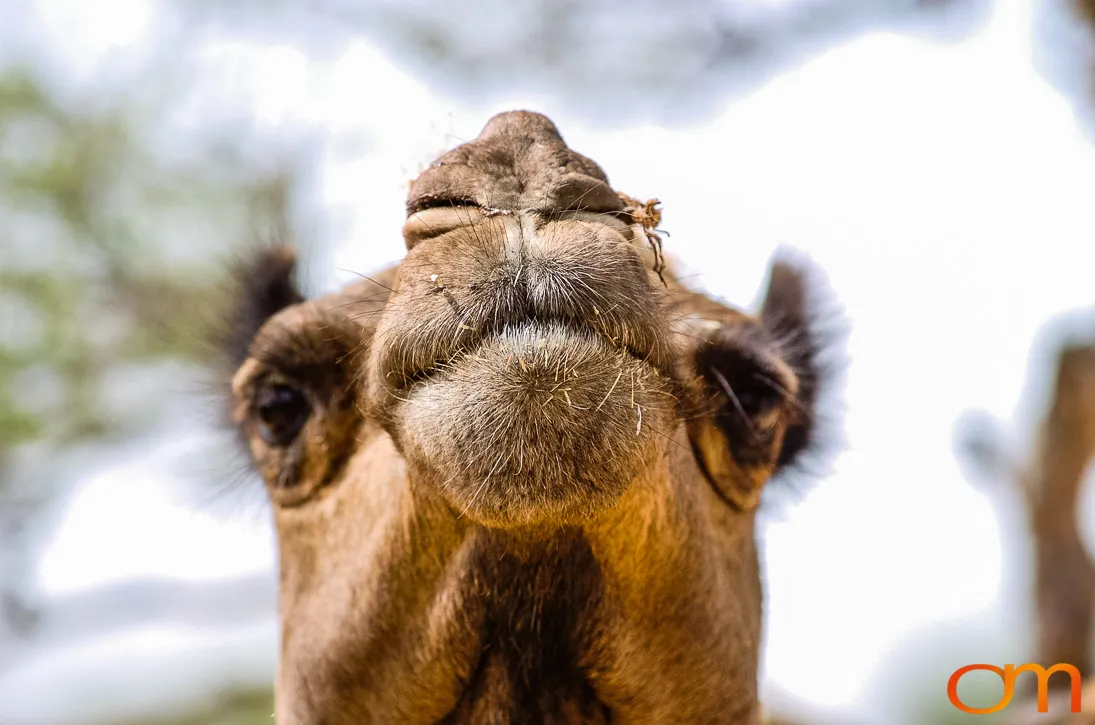
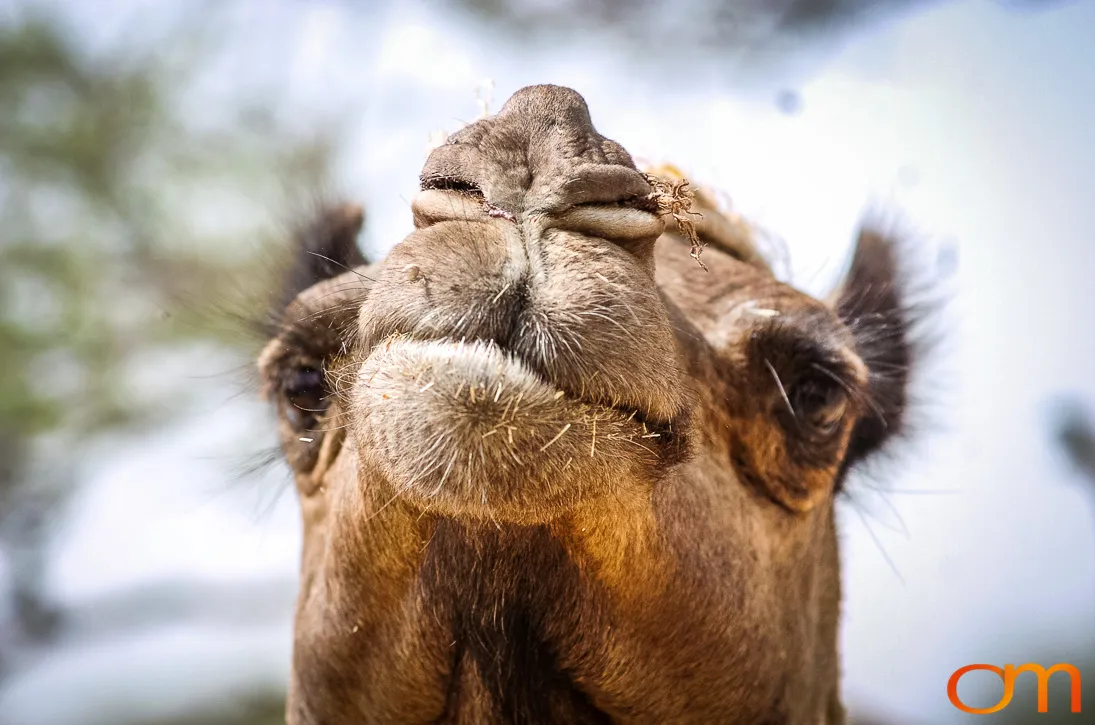
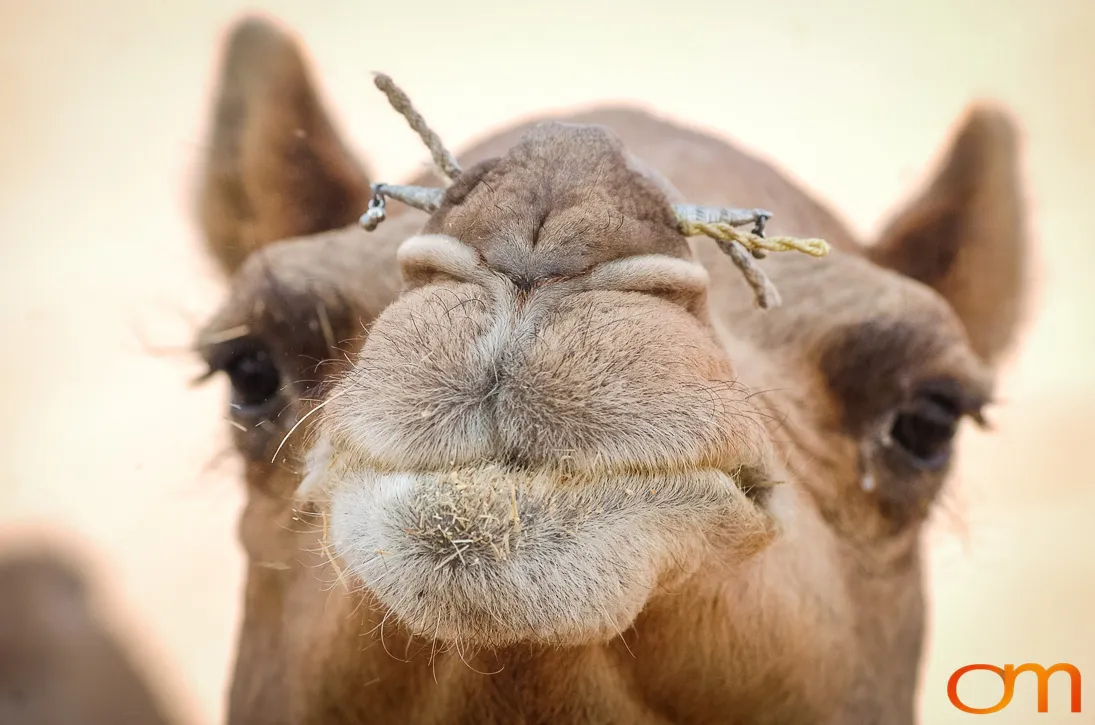
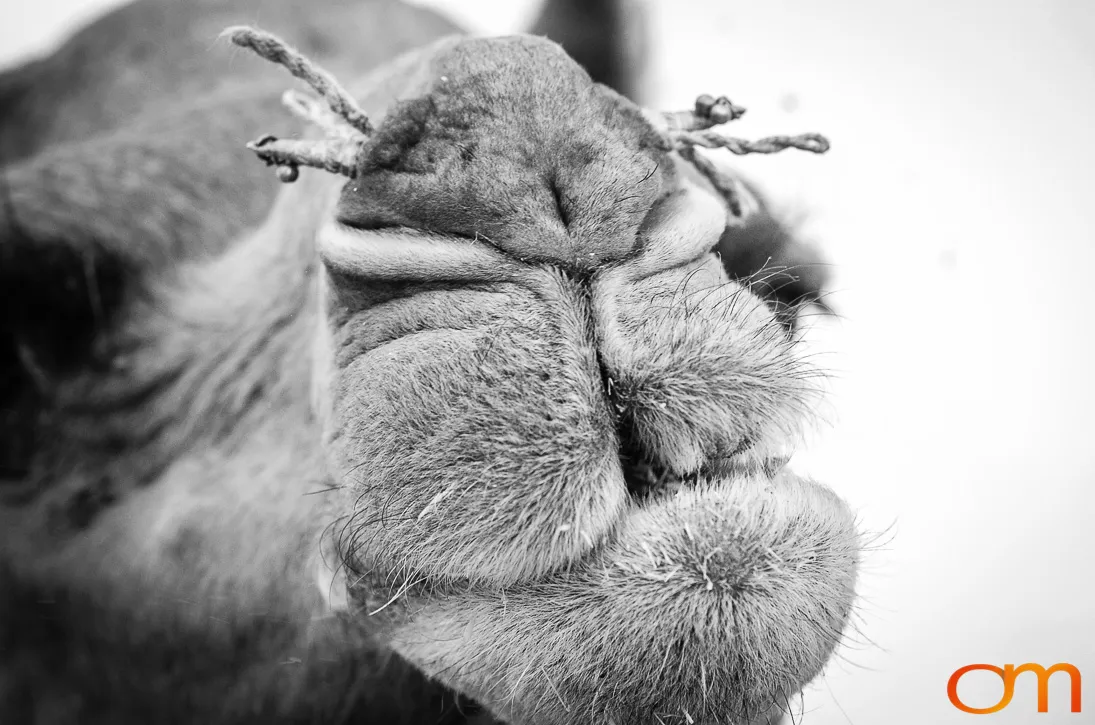
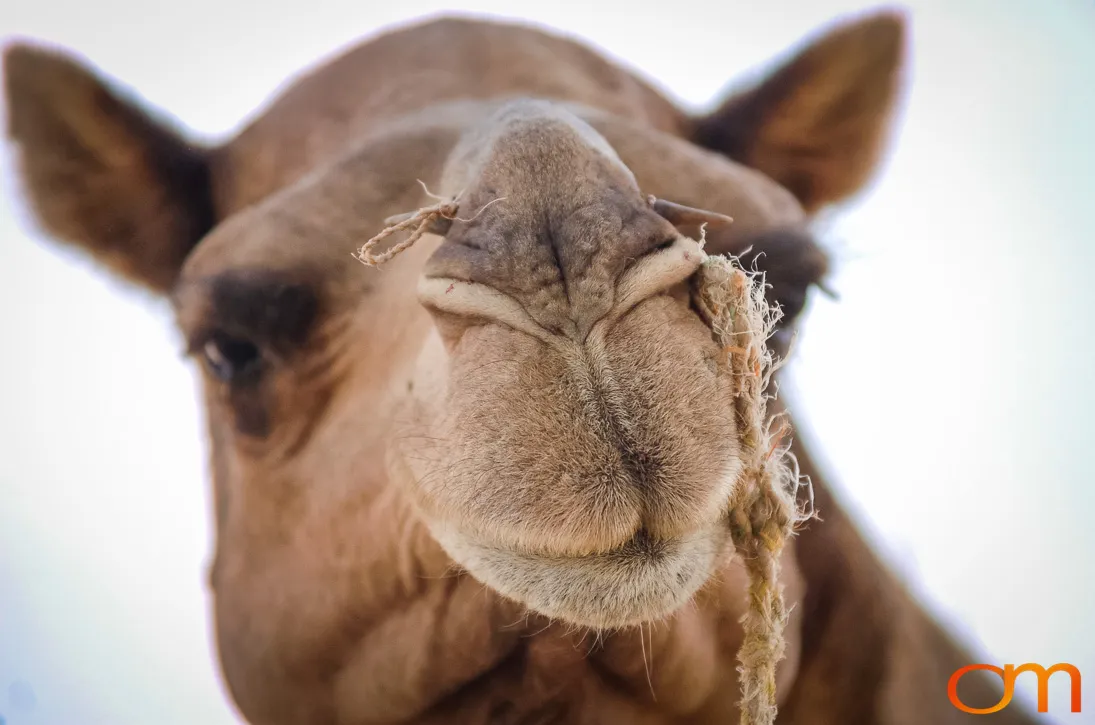
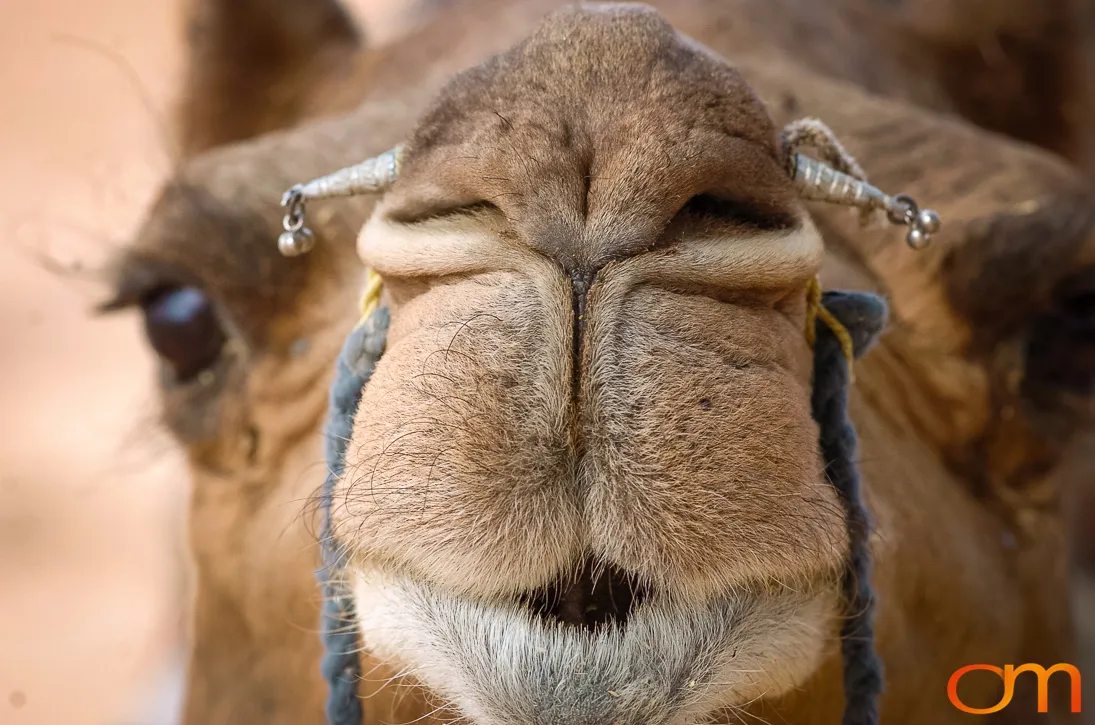
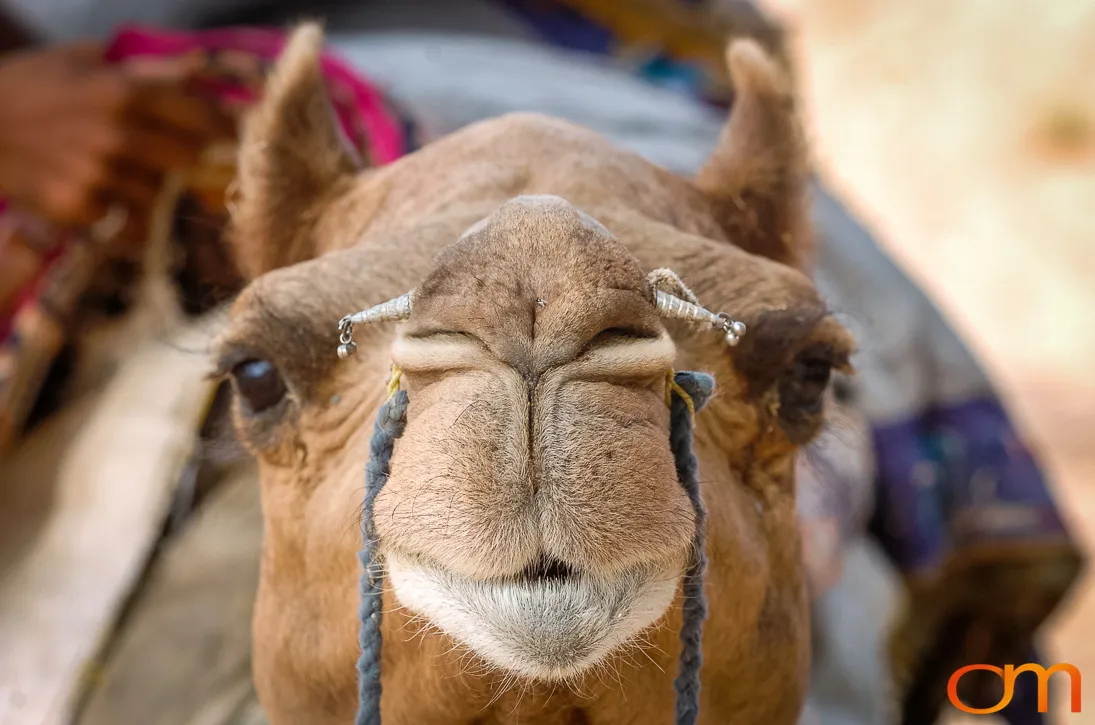
The animals shown are dromedary camels (Camelus dromedarius), recognizable by their single hump. The hump stores fat rather than water, providing an energy reserve when food is limited. Dromedaries also have broad, padded feet that distribute their weight across soft sand, long eyelashes that help protect their eyes from dust, and nostrils that can narrow during blowing sand. Their thick, flexible lips allow them to eat coarse and thorny desert plants.
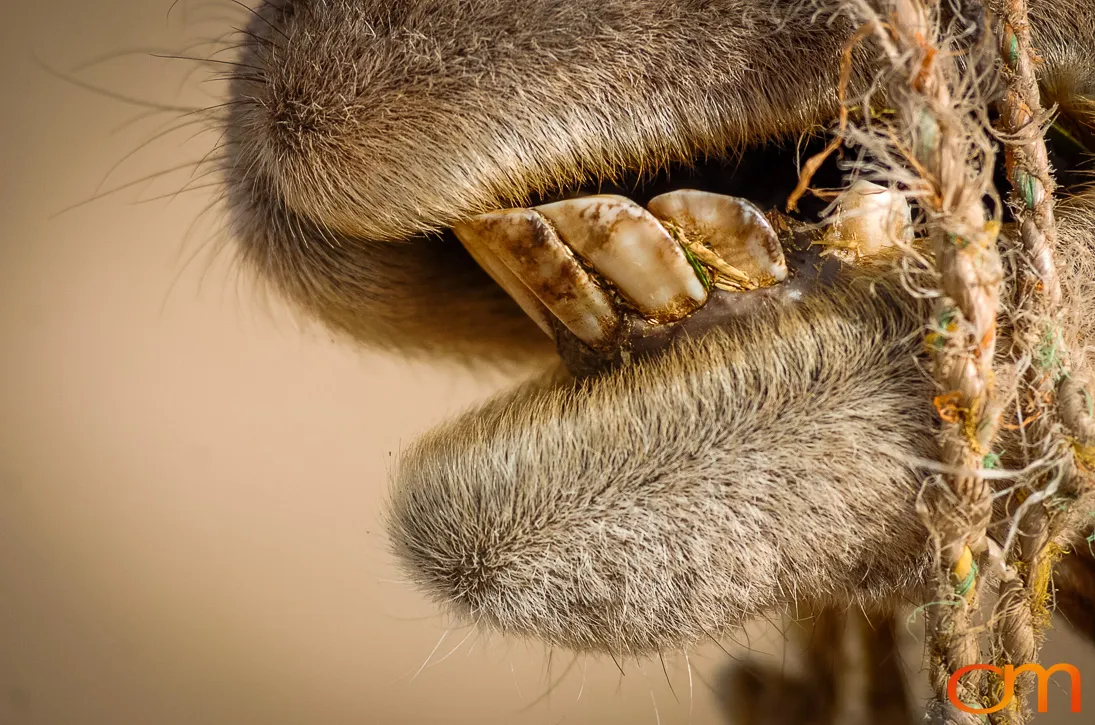
Camel equipment visible in the photographs includes ropes, halters, and decorative elements used to guide or identify the animals. One close-up also reveals a camel’s large, uneven teeth, which are adapted for cutting and grinding tough vegetation.
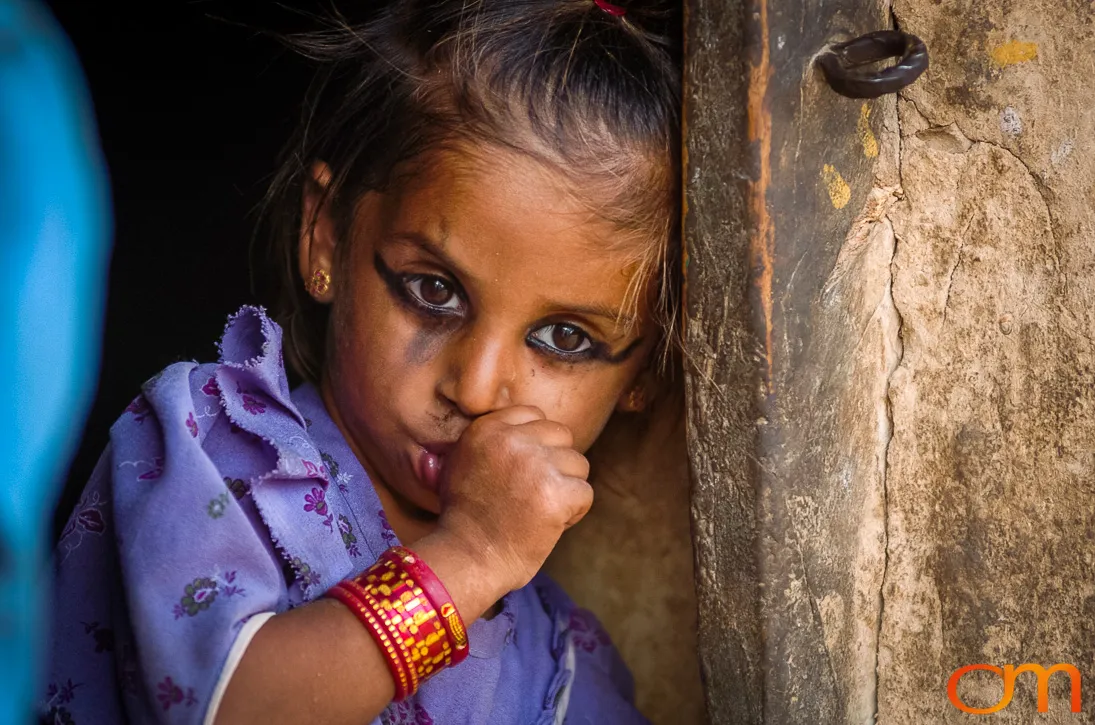
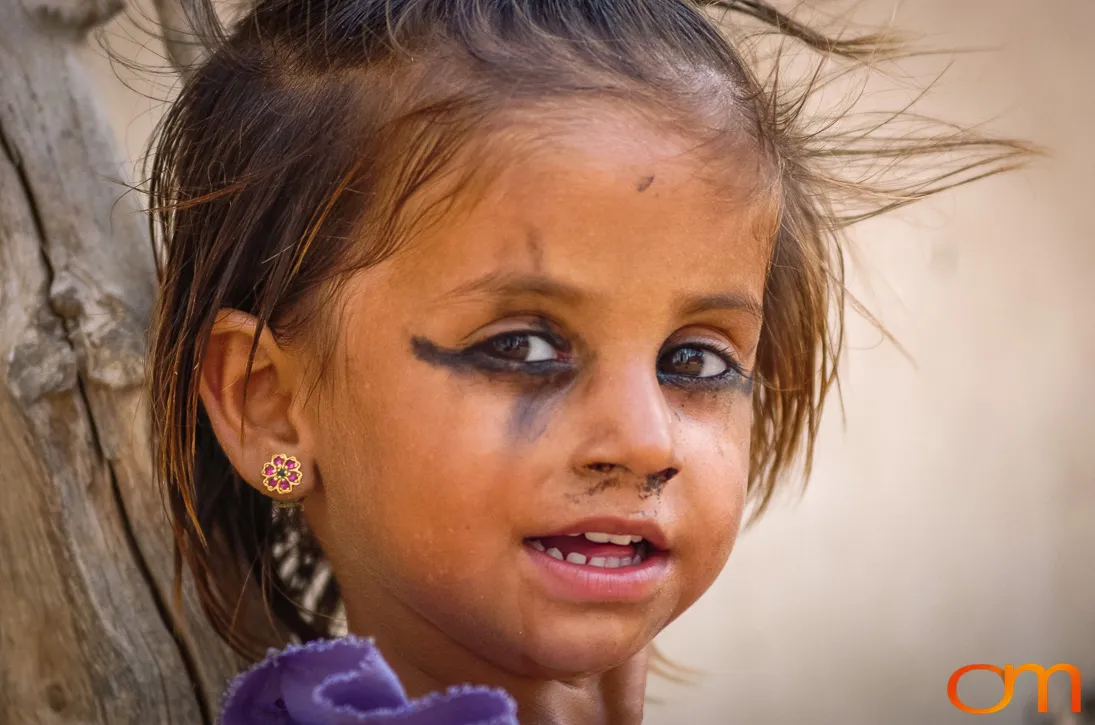
A child photographed in the region has dark pigment around the eyes. Kajal or kohl is traditionally used in parts of South Asia as a cosmetic and may be associated with cultural beliefs concerning protection from nazar, or the evil eye.