Arizona
Western Raku Pottery Firing
September 2013
Raku ware originated in Japan during the late 16th century, when the potter Chōjirō created hand-formed tea bowls under the guidance of tea master Sen no Rikyū. Traditional Japanese Raku remains closely associated with chanoyu, the Japanese tea ceremony.
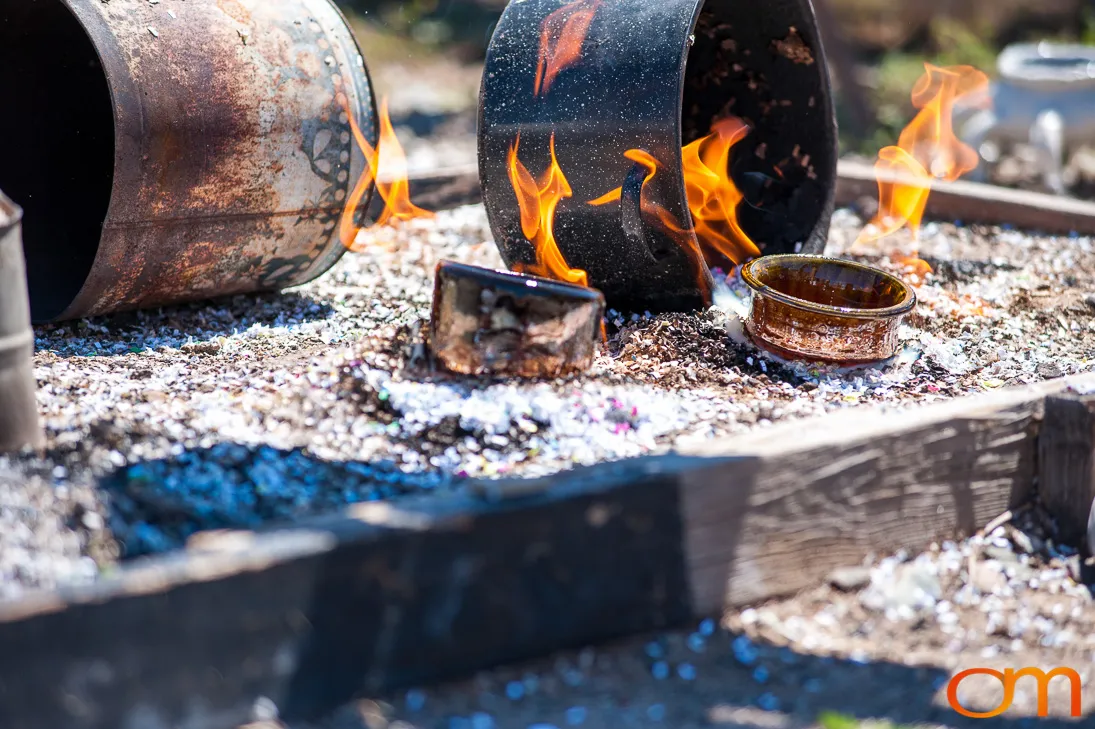
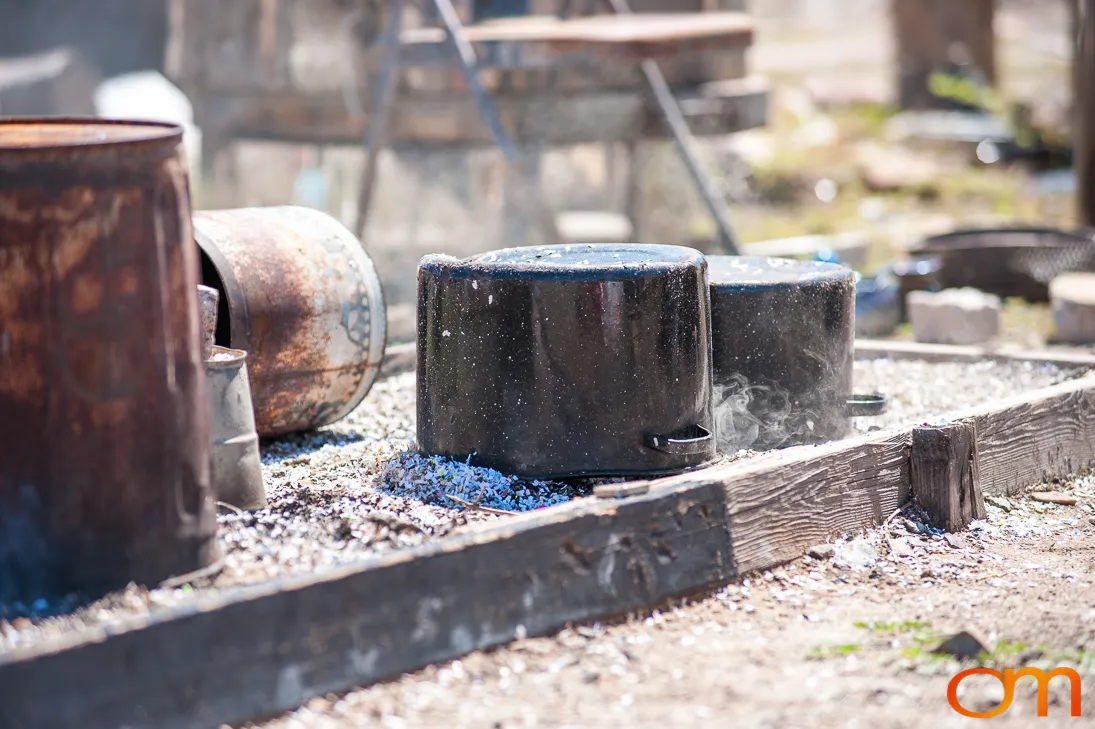
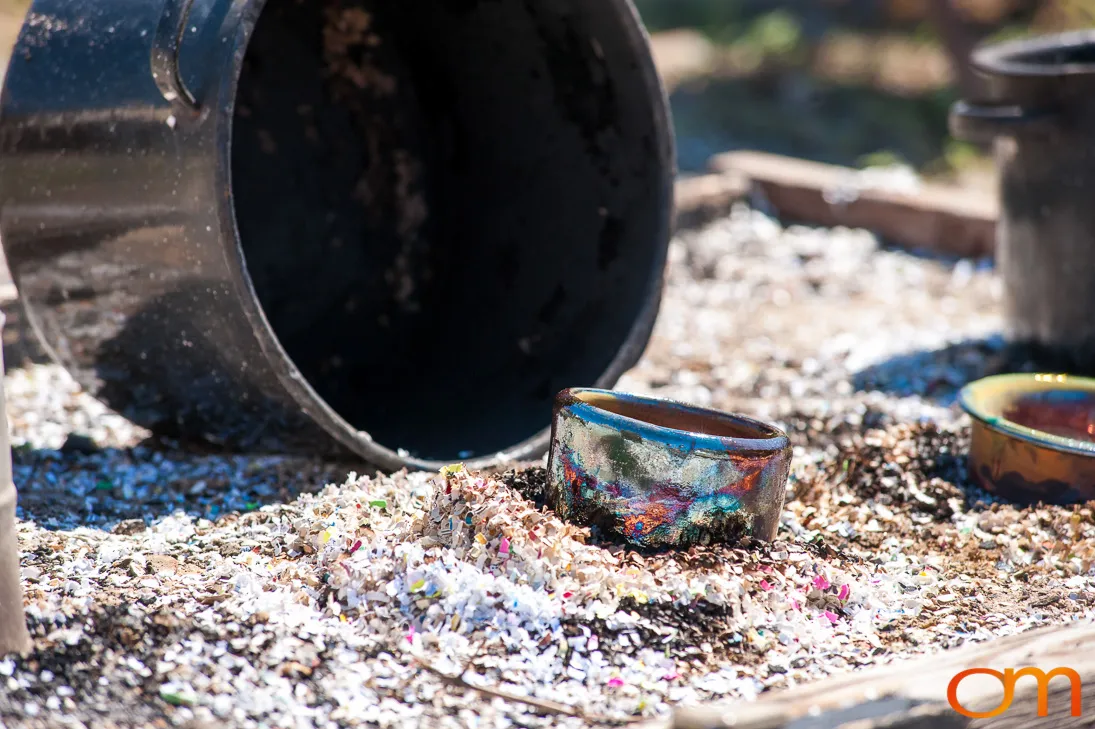
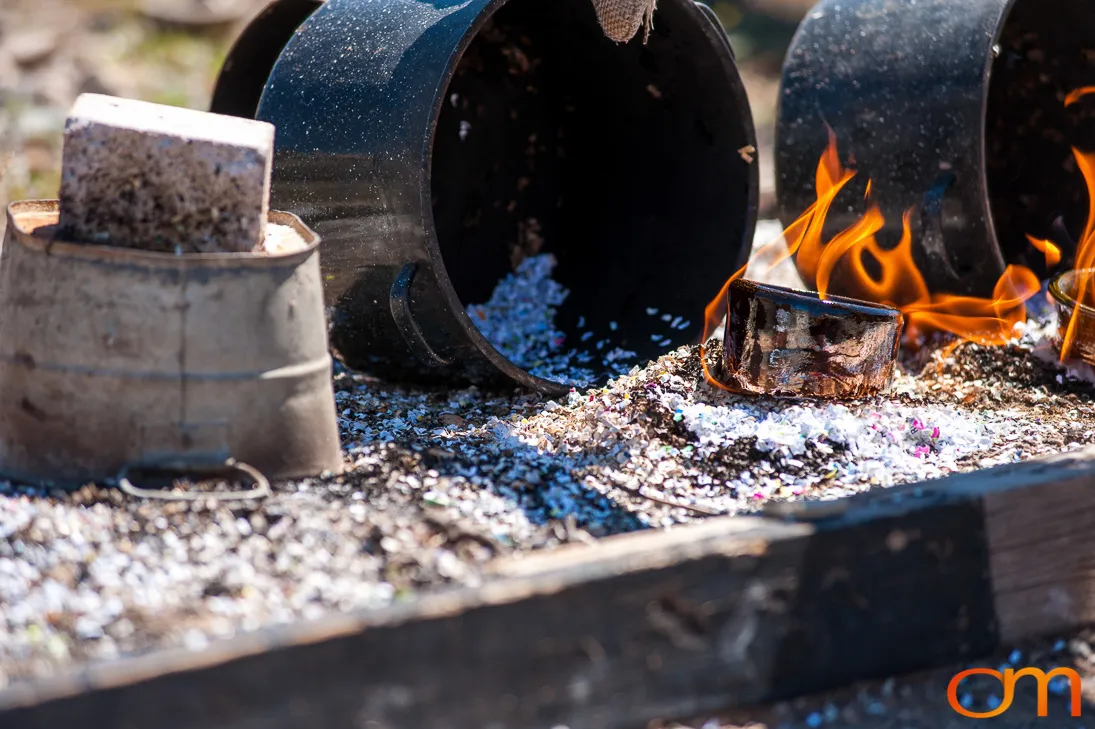
The process documented at Desert Dragon Pottery in Phoenix in 2013 was Western-style raku, a later American adaptation. In this method, glazed pottery is removed from the kiln while red-hot and transferred to combustible material inside a covered metal container. Restricting the oxygen creates a post-firing reduction atmosphere that can produce metallic colors, crackled glaze, and smoke-blackened unglazed clay.
The 2013 Firing Process
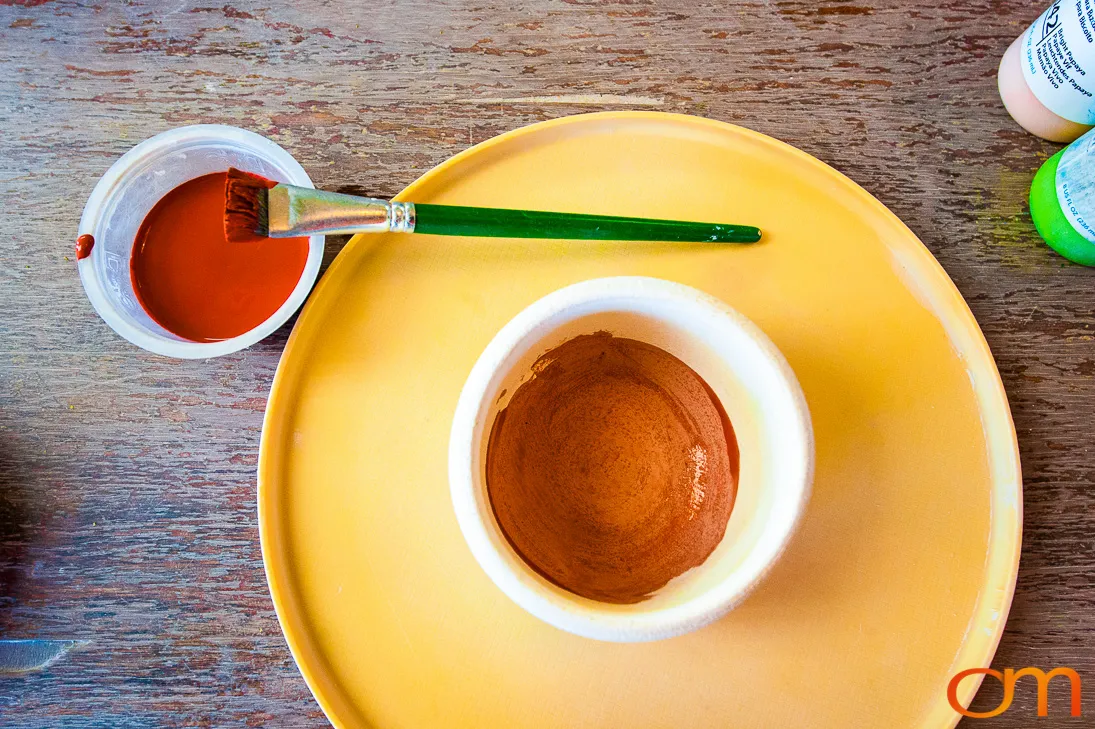
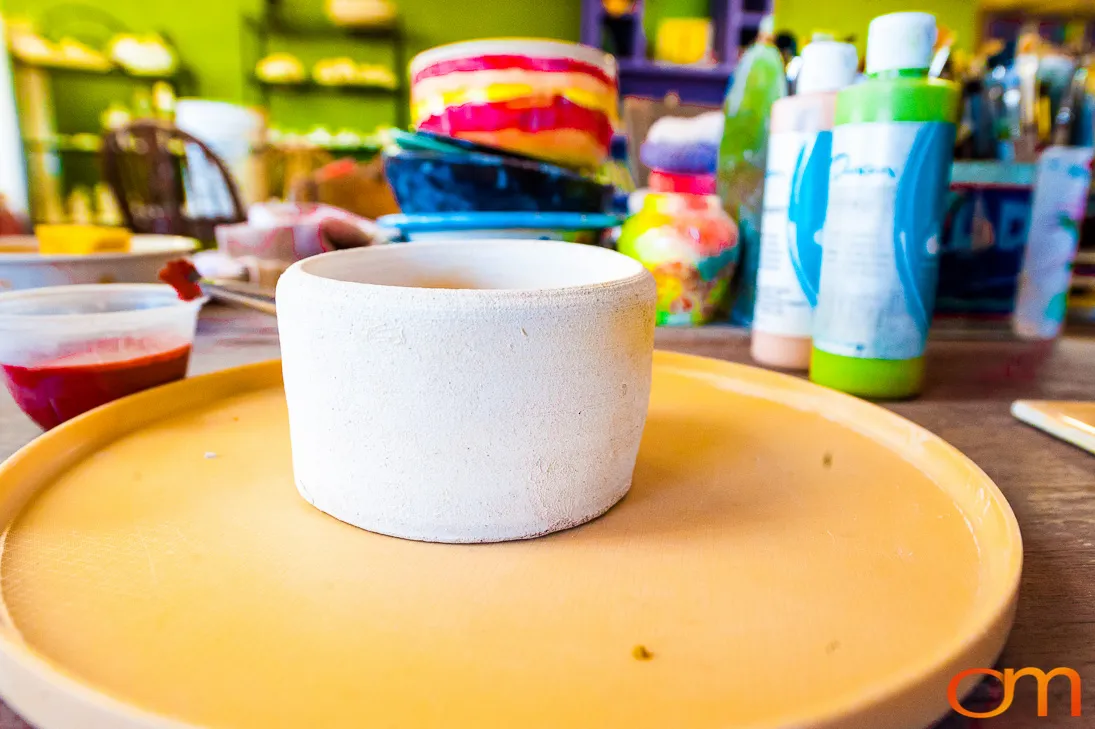
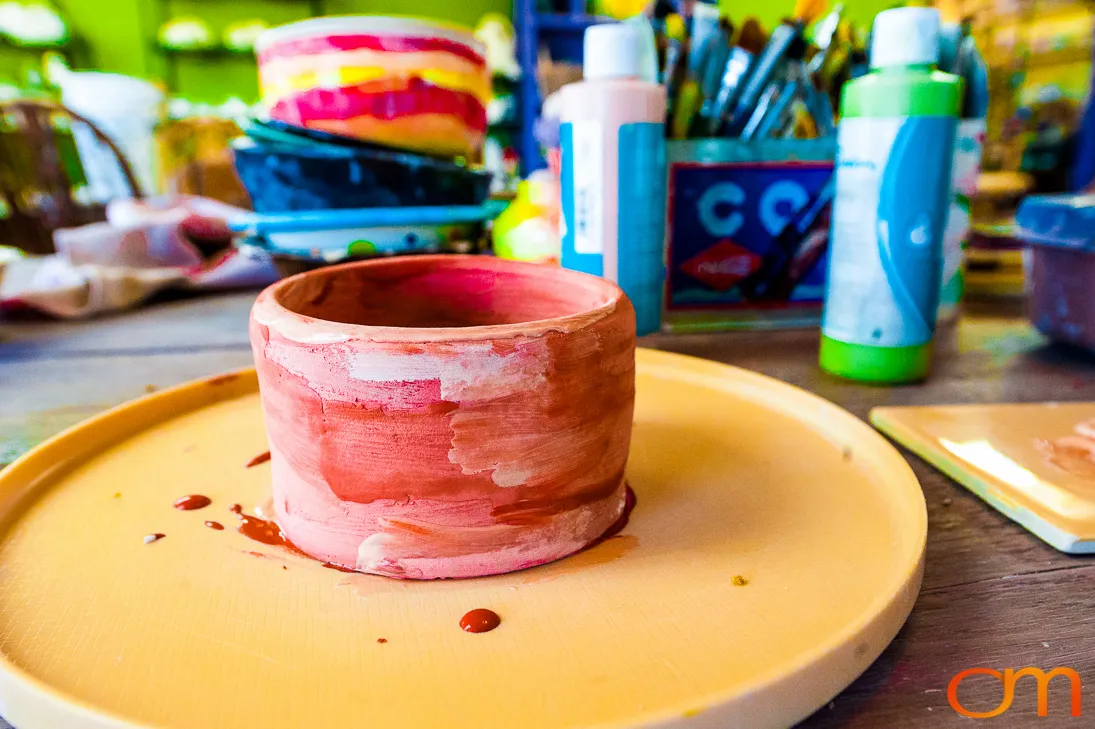
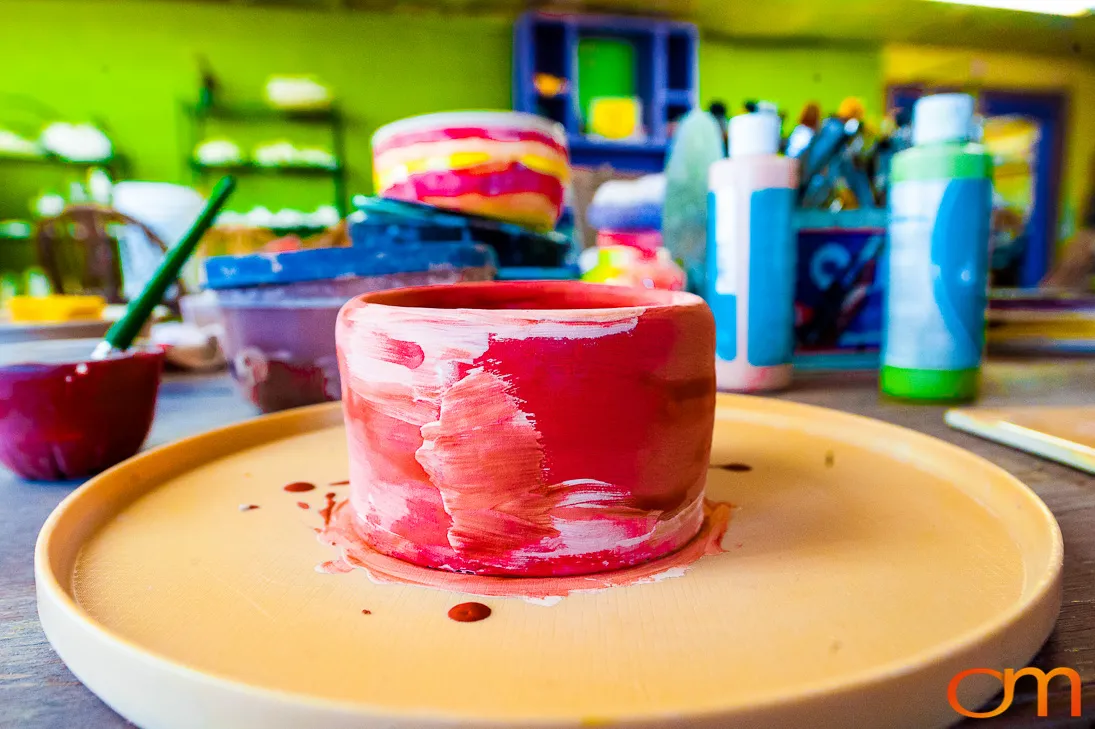
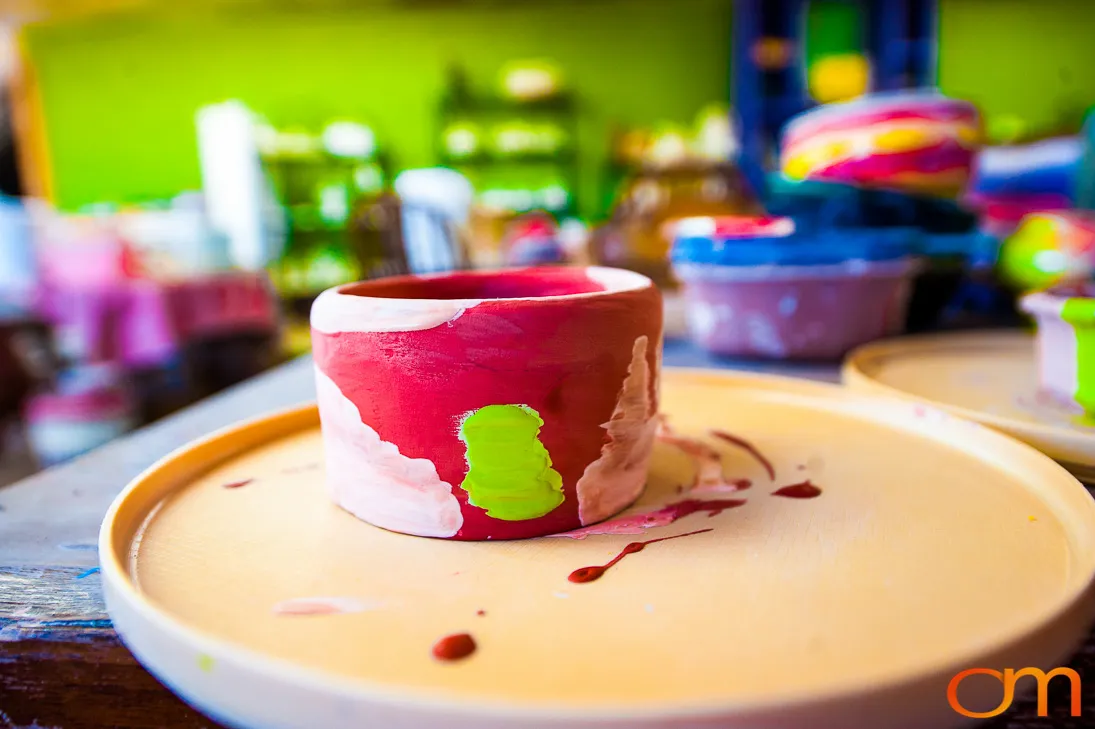
- Raku glazes were brushed onto the pottery.
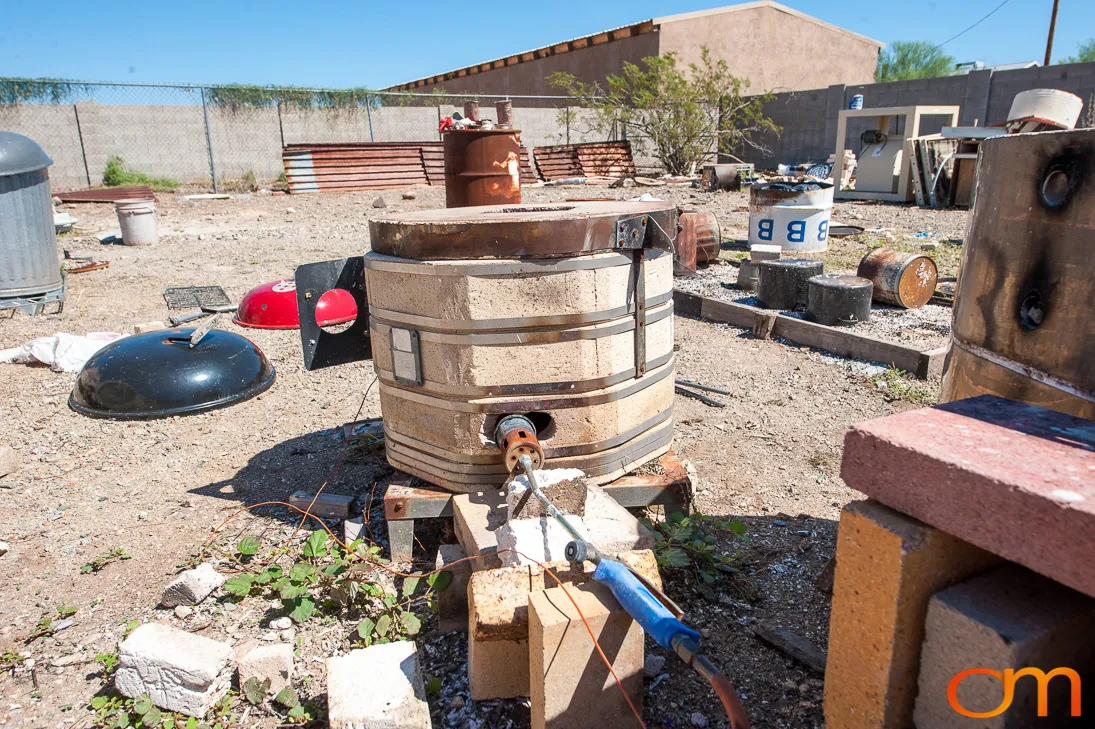
- The pieces were fired to approximately 1,900°F (1,038°C).
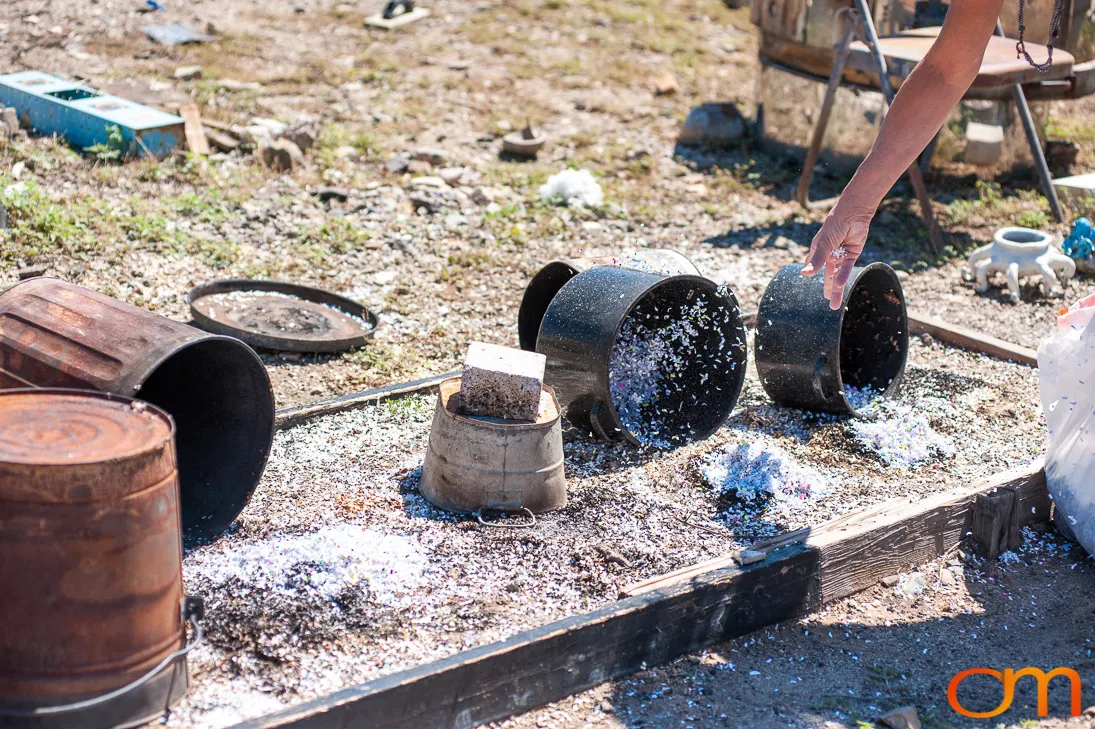
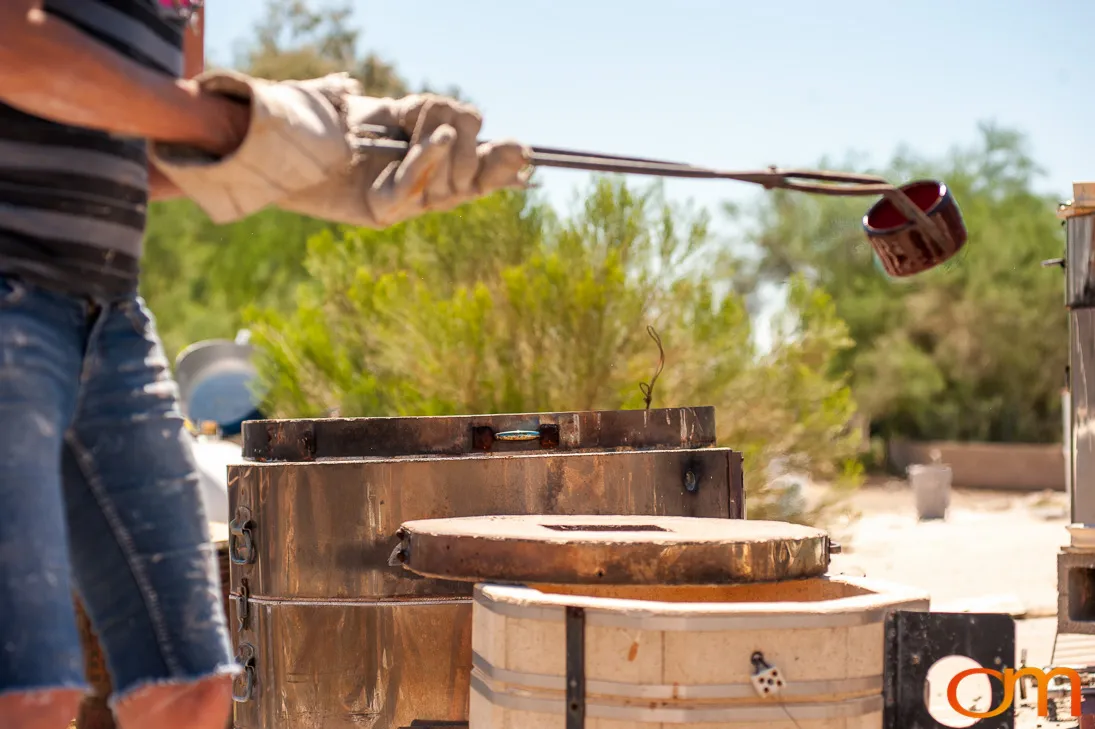
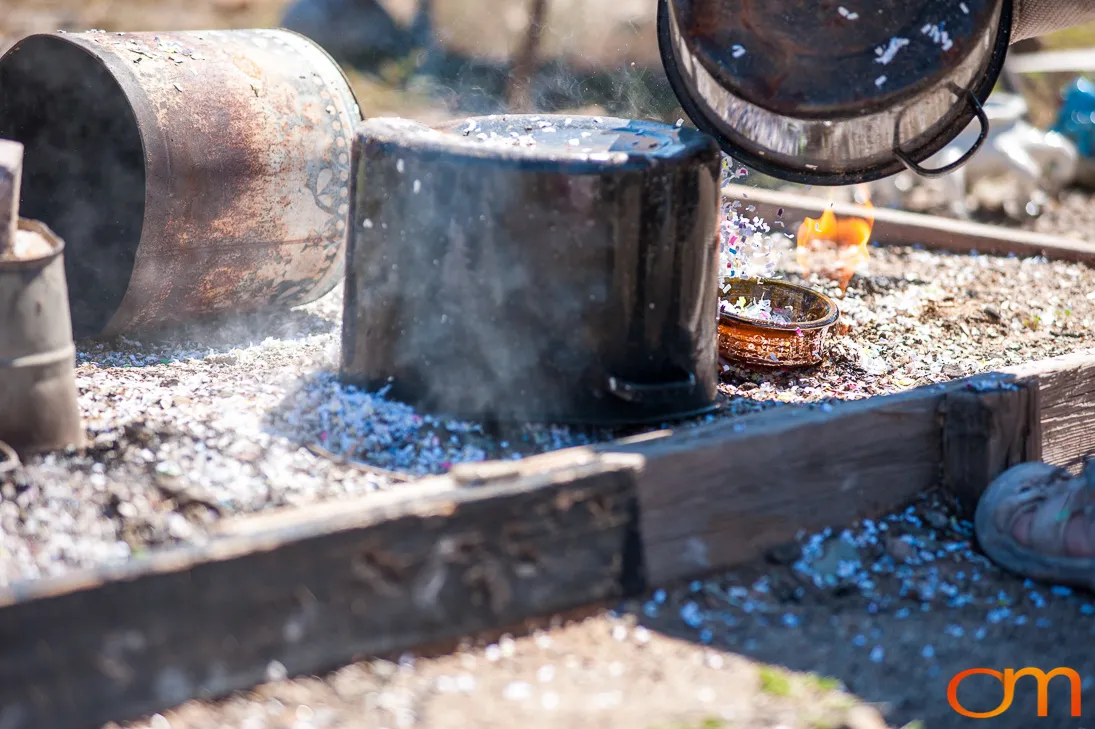
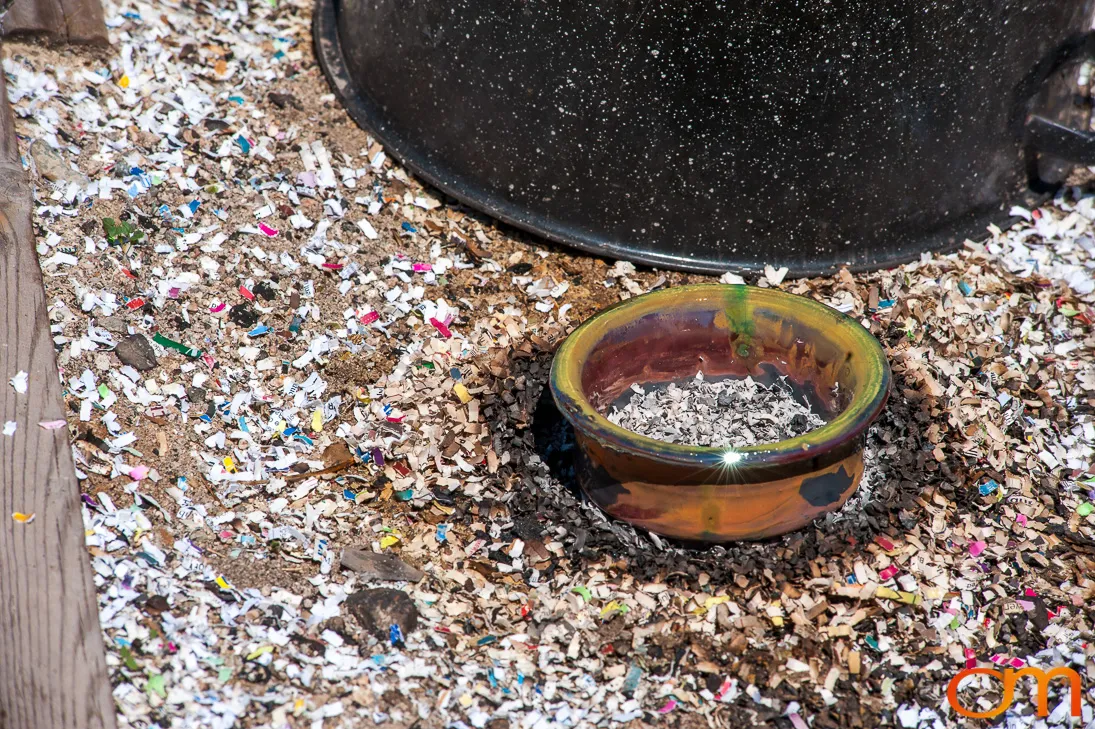
- Each hot piece was removed from the kiln with long tongs and placed on shredded paper.
- Additional paper was added, and a metal container was placed over the piece to restrict oxygen.
- After approximately 20 minutes, the pottery was removed and cooled, including in water at this workshop.