Rapa Nui
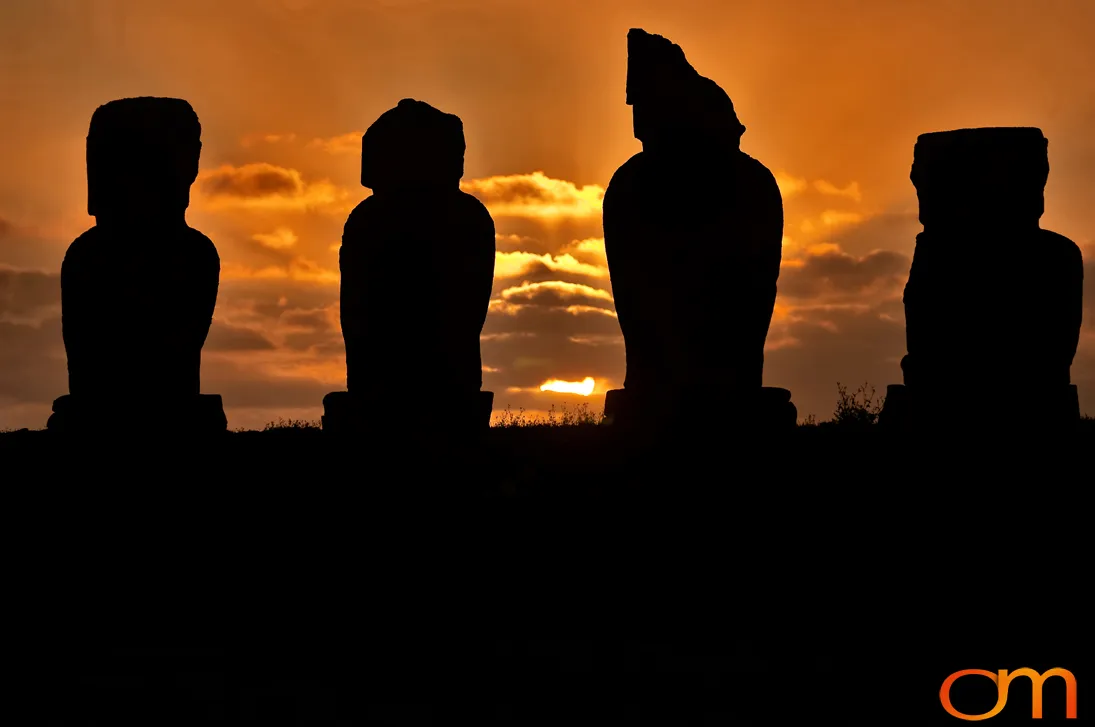
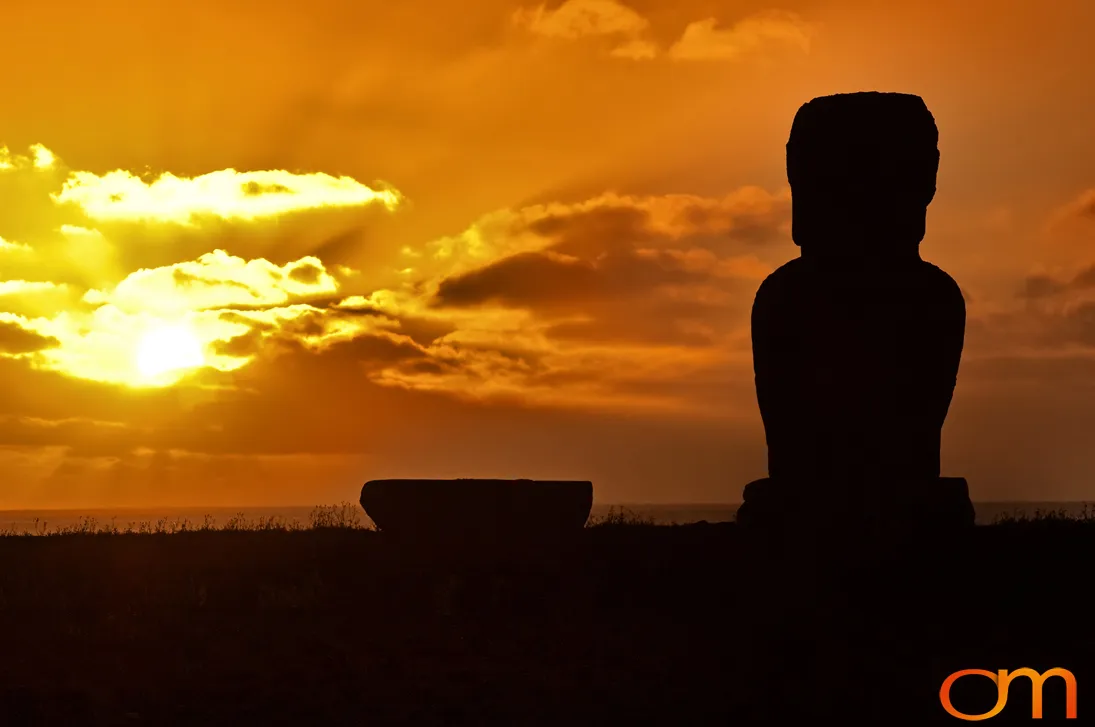
Moai of Rapa Nui
October 2006
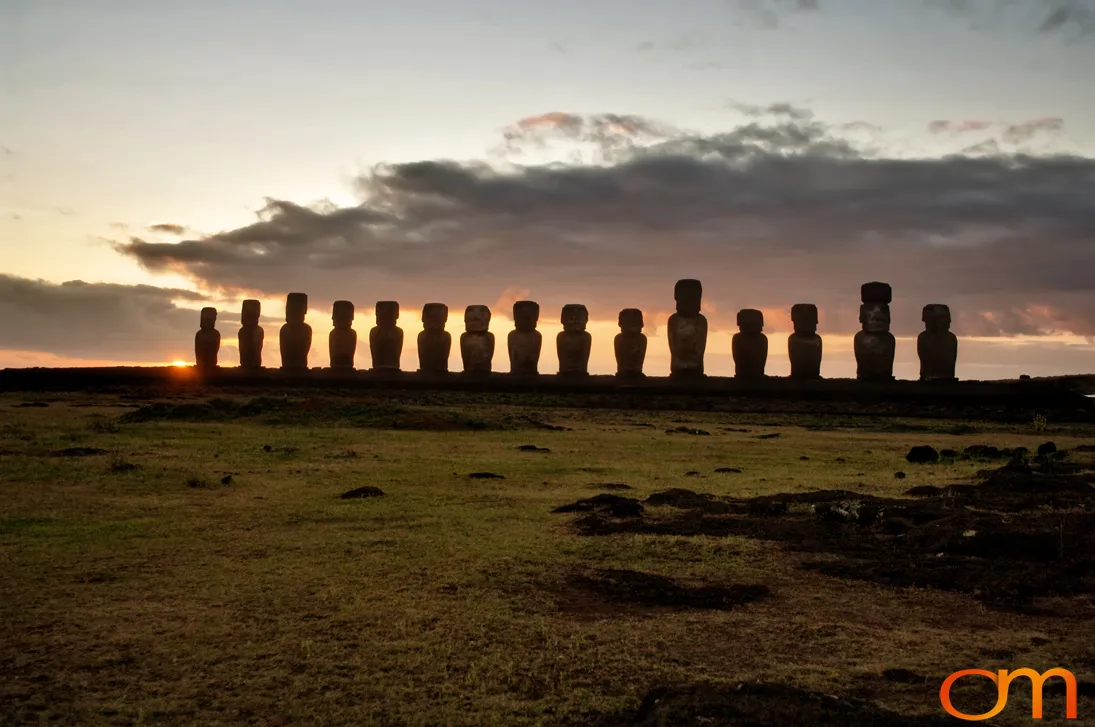
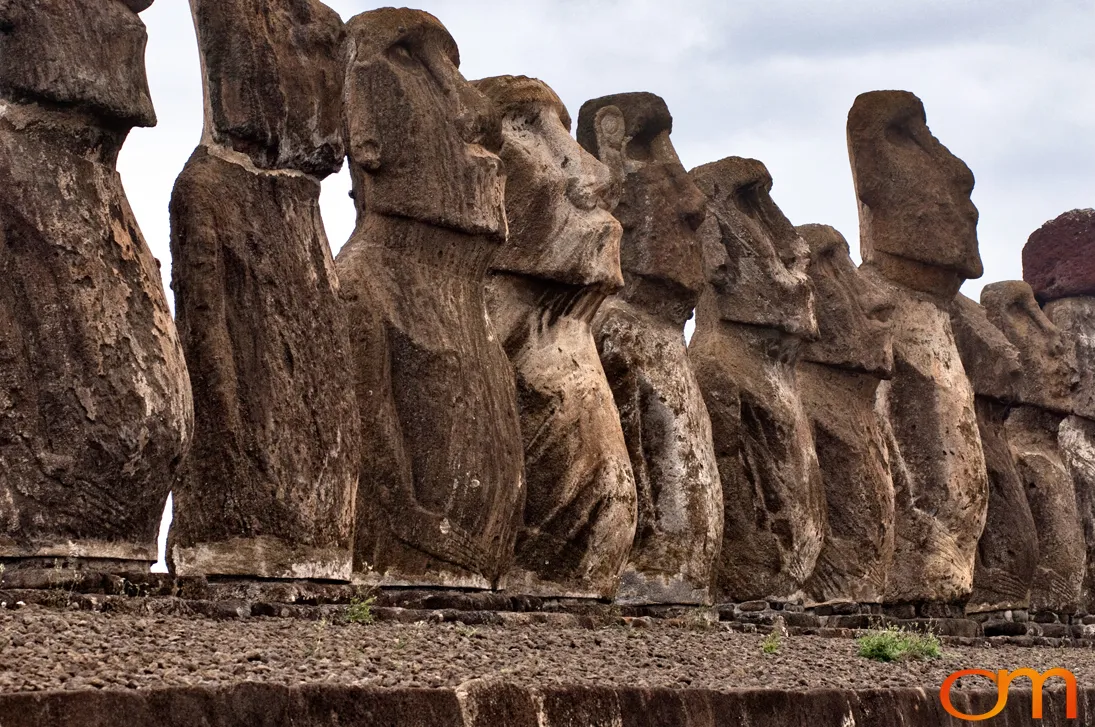
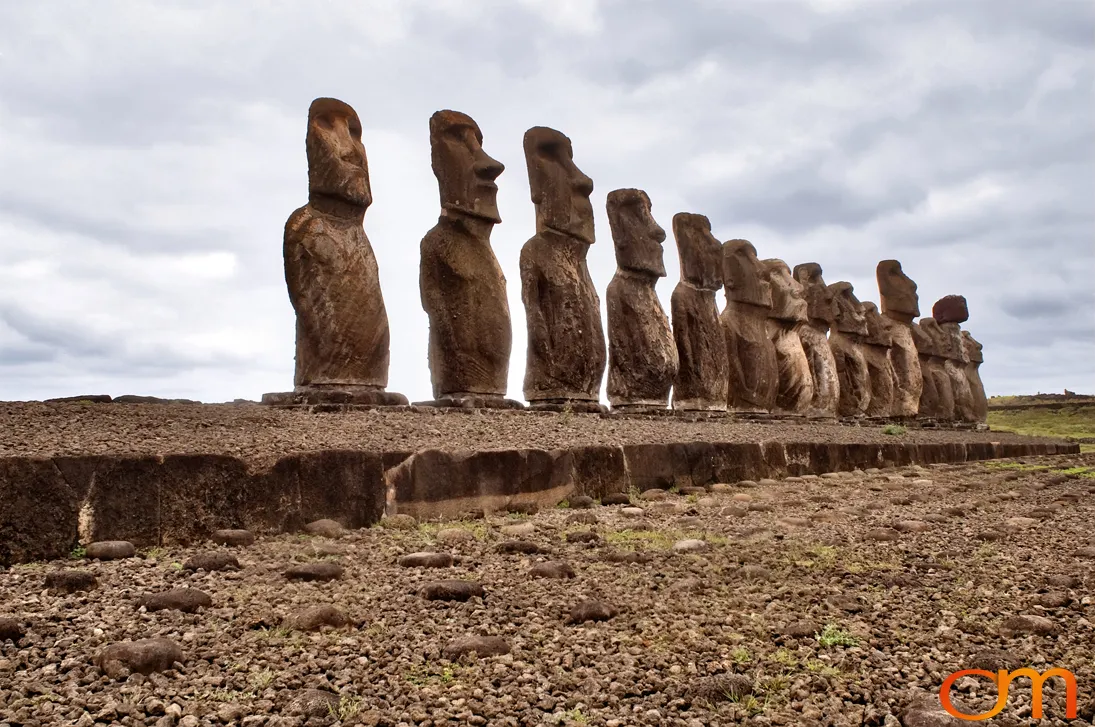
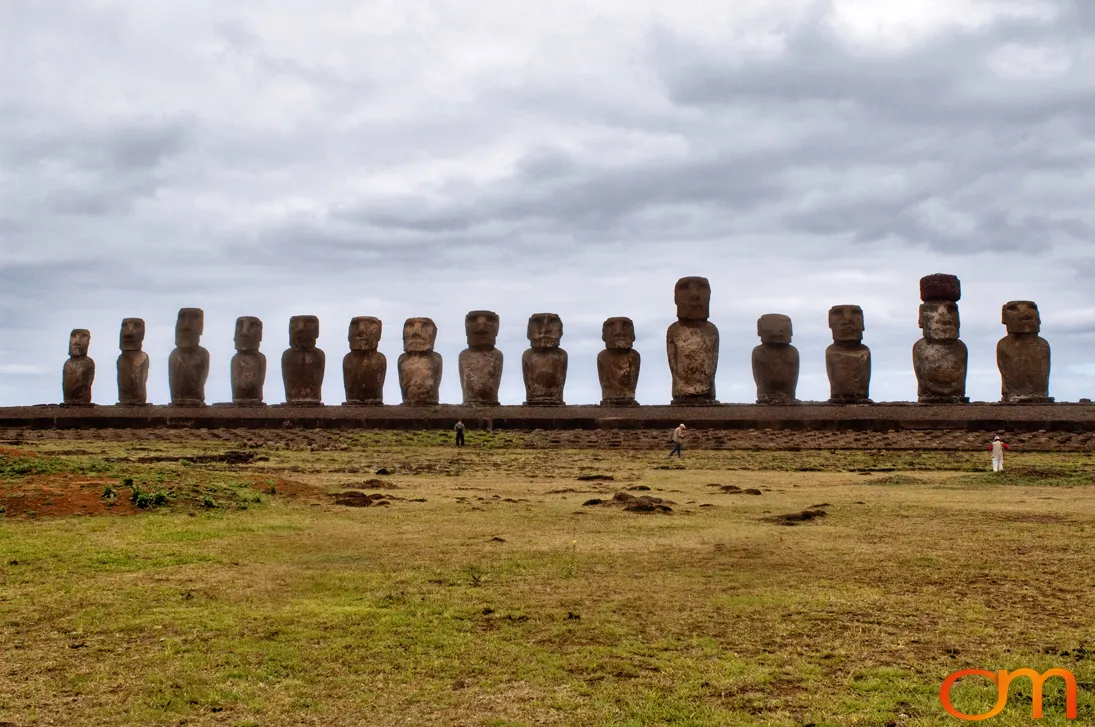
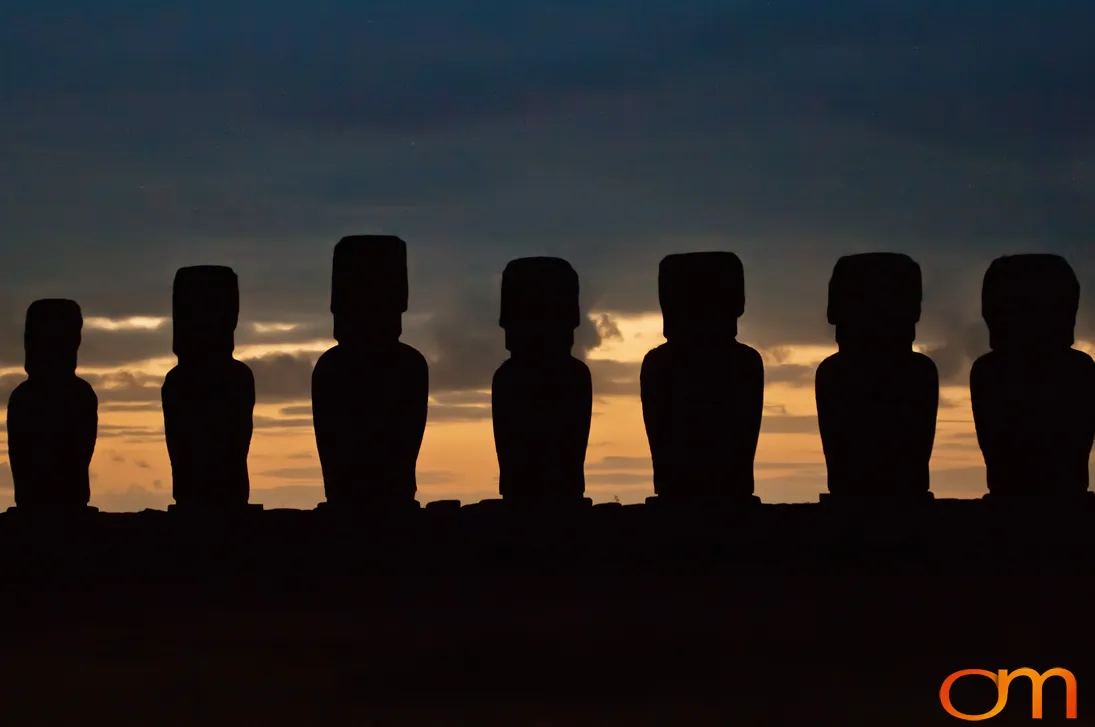
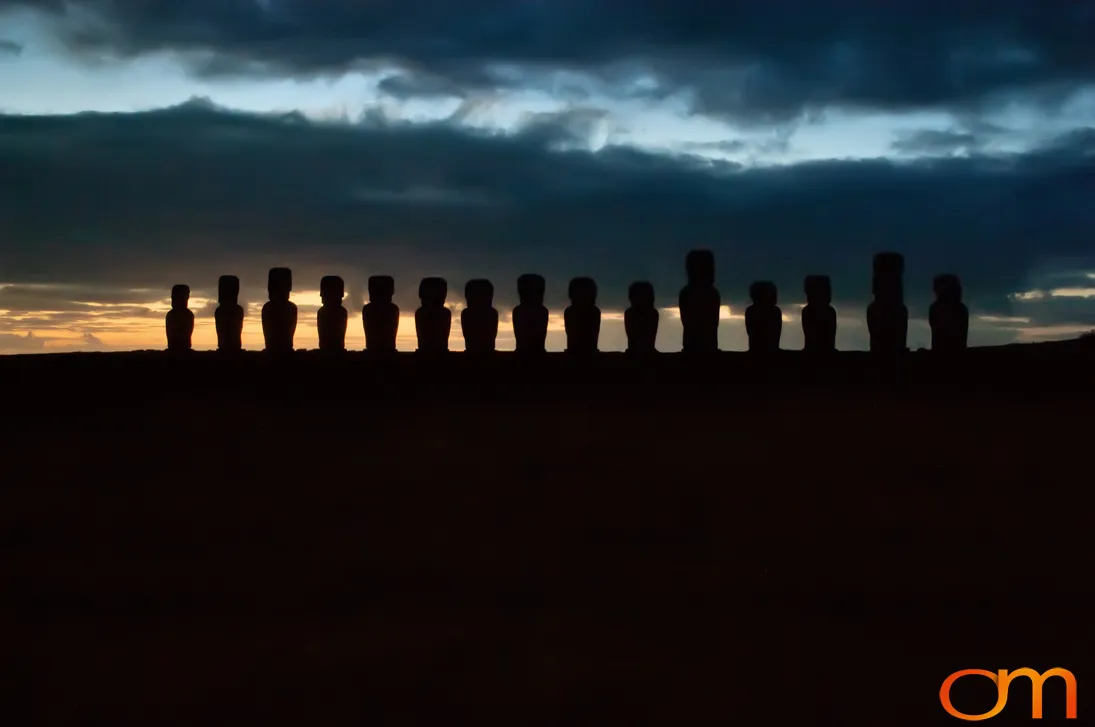
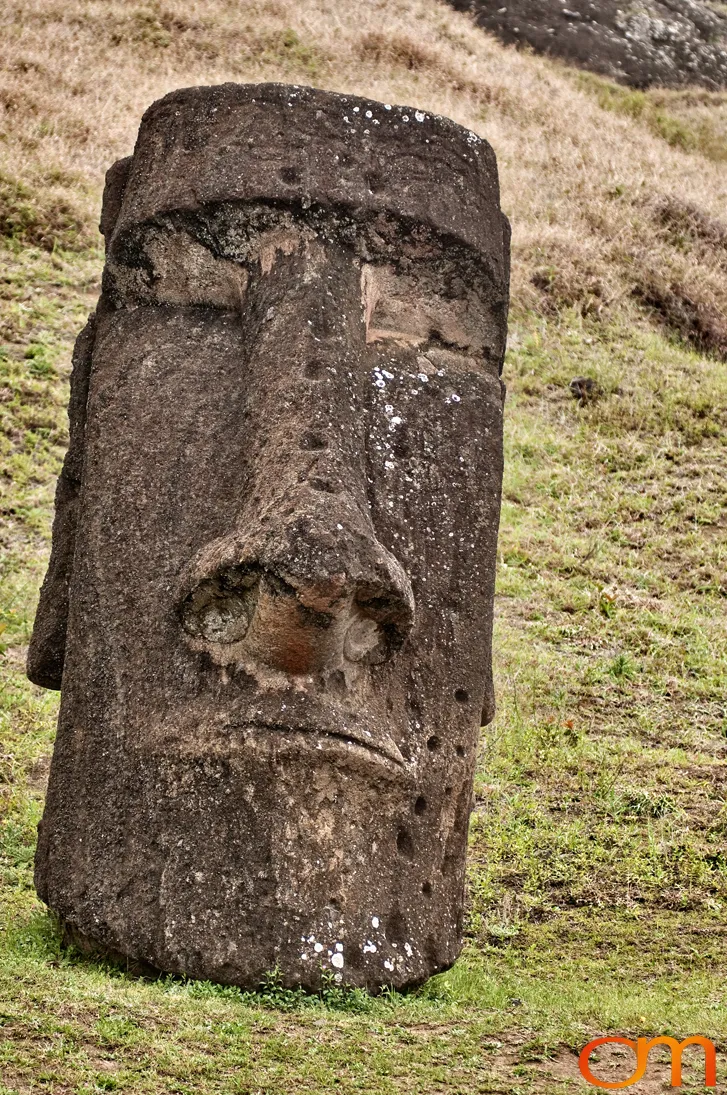
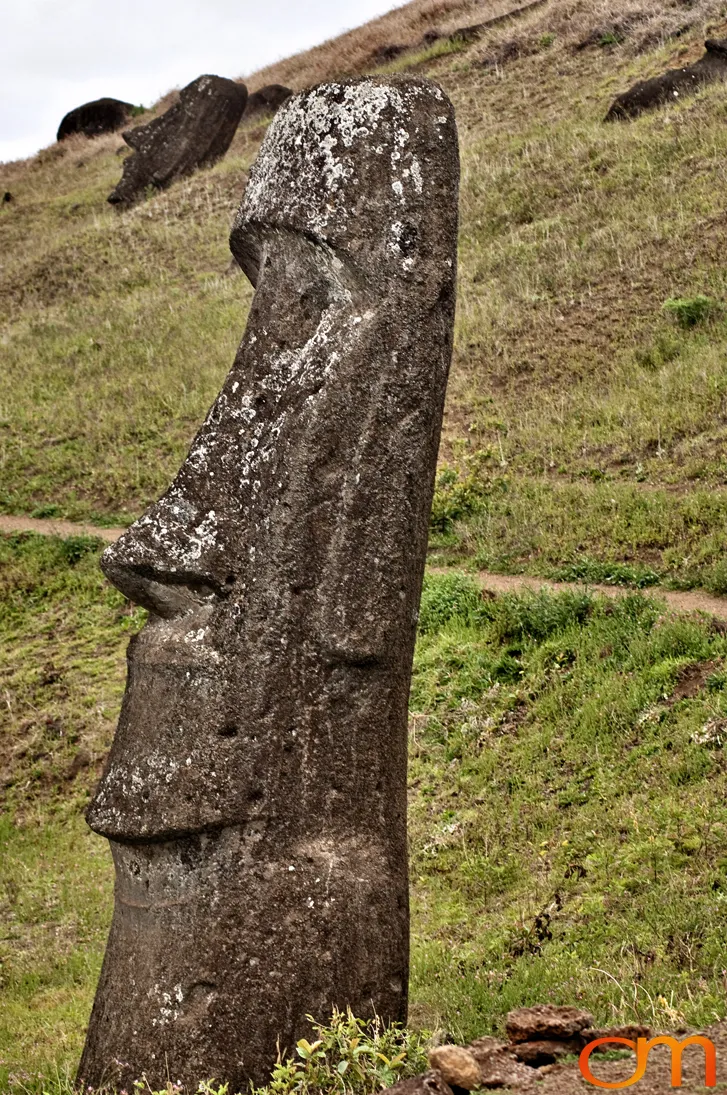
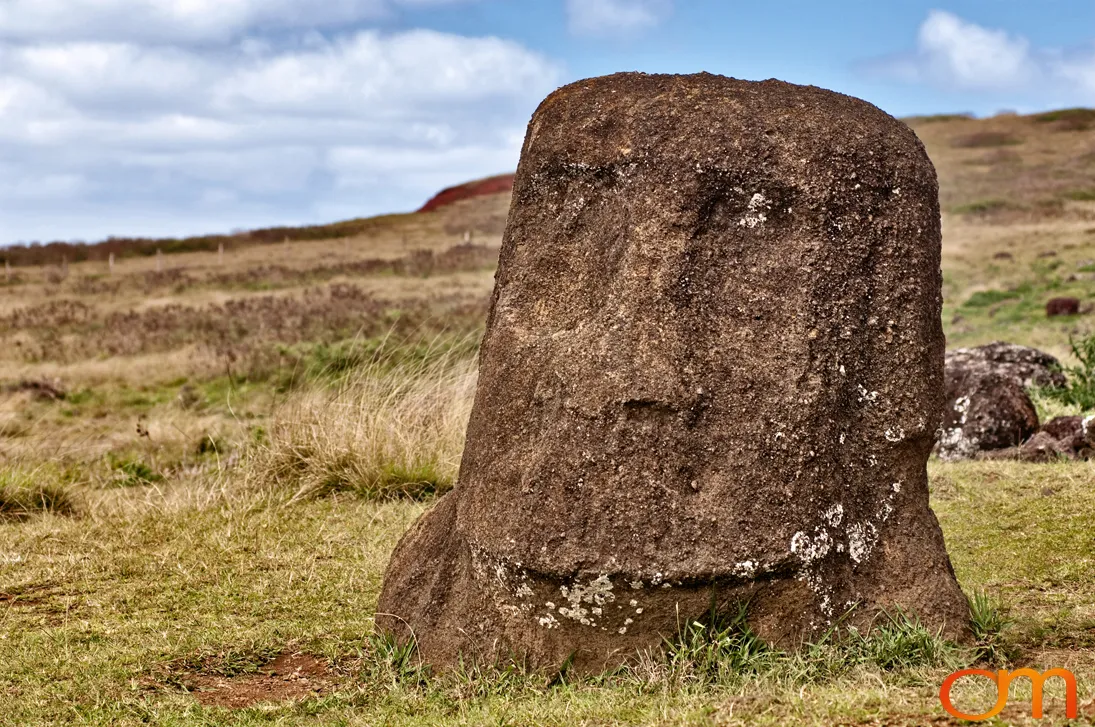
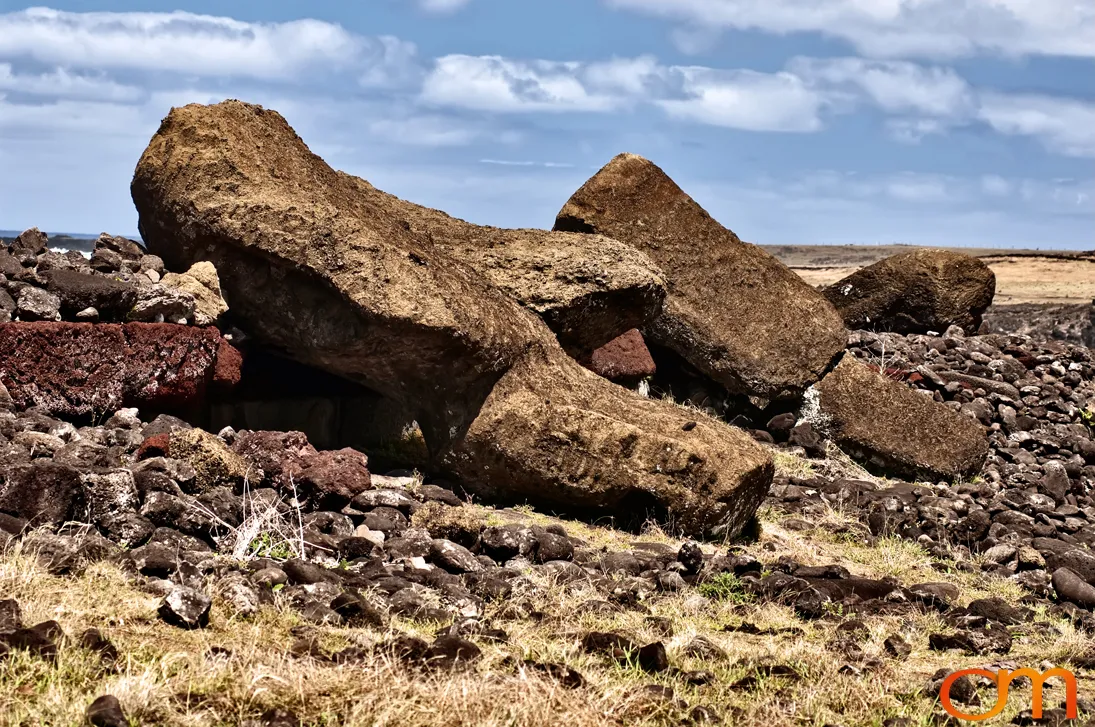
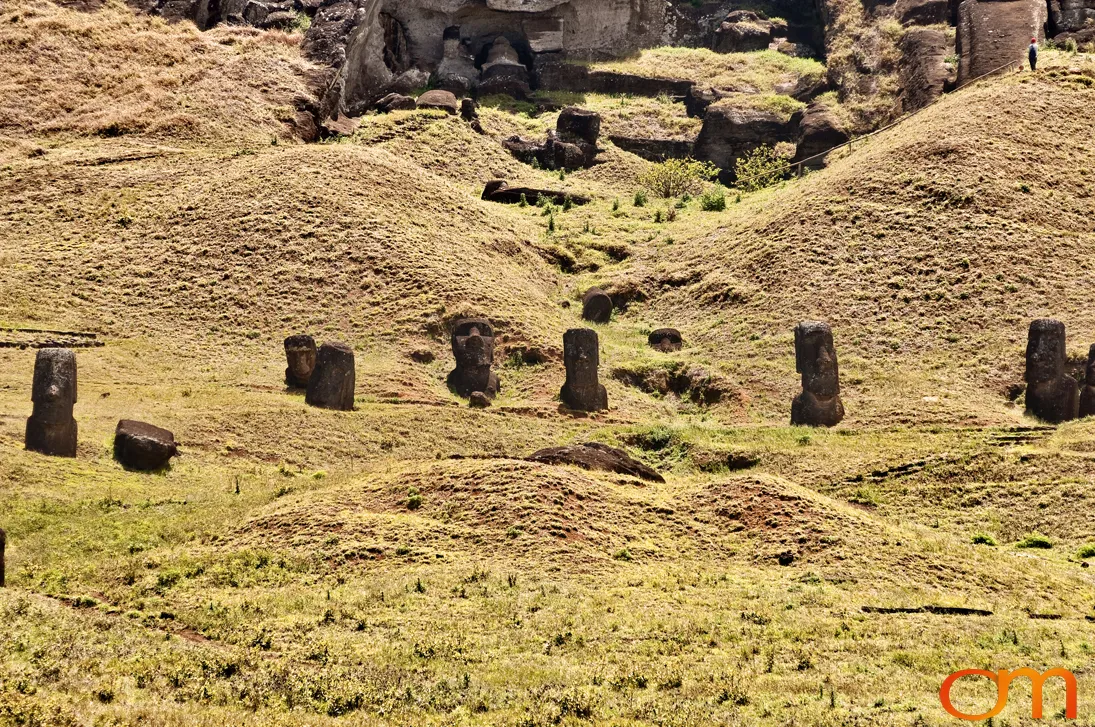
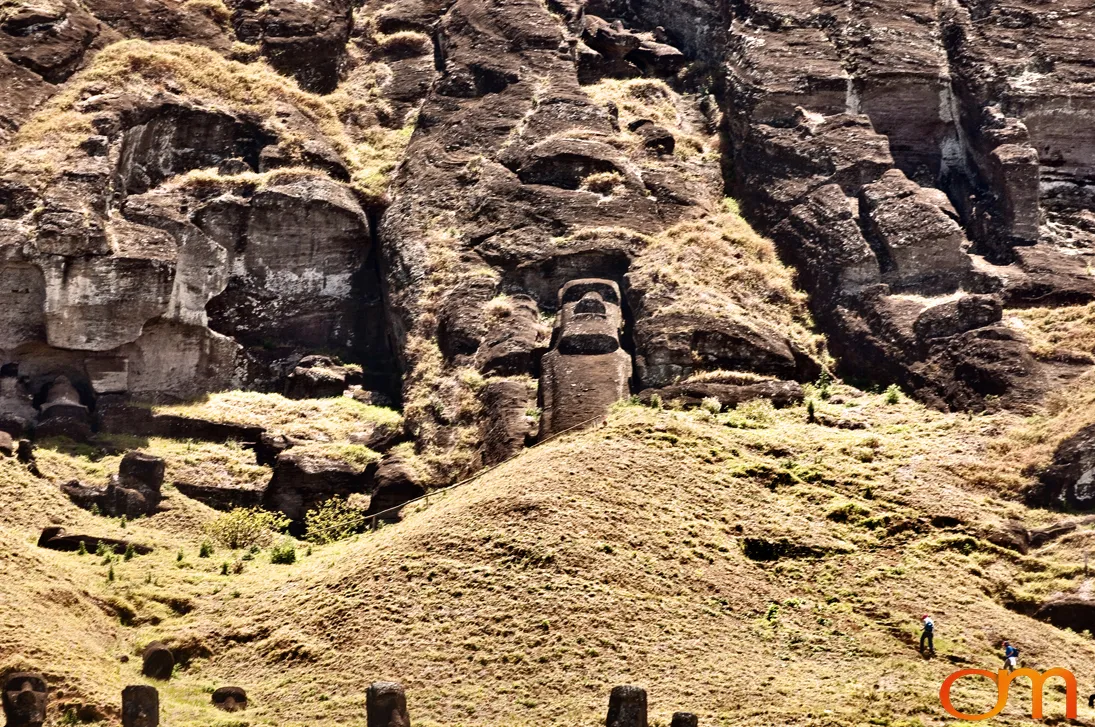
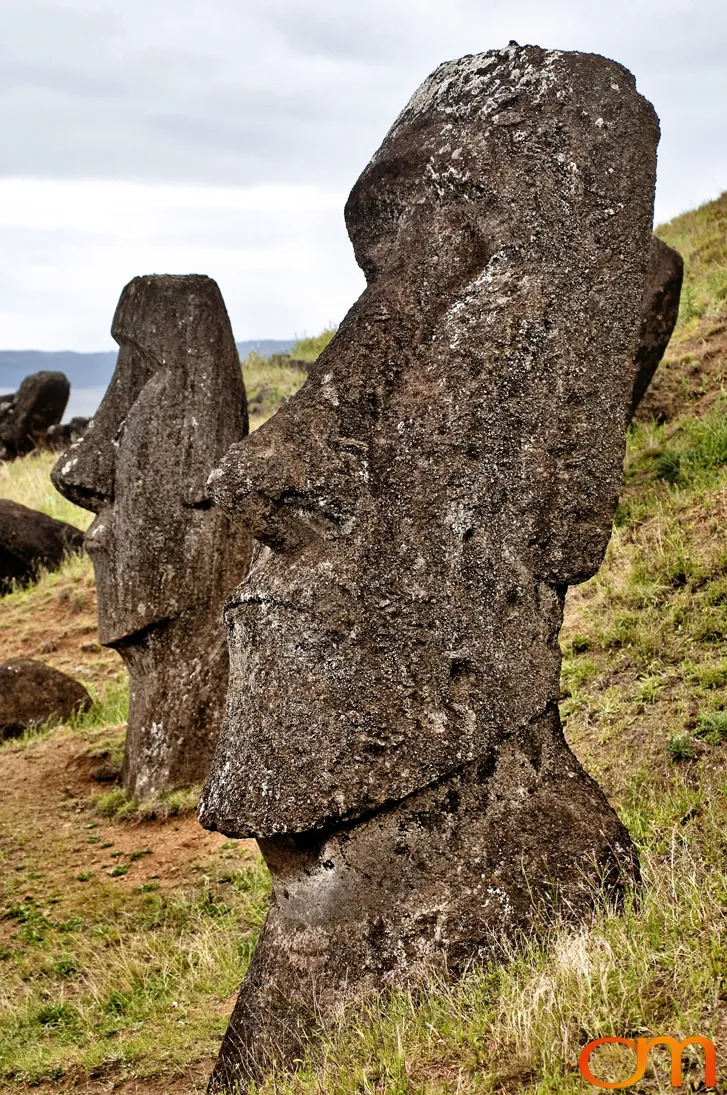
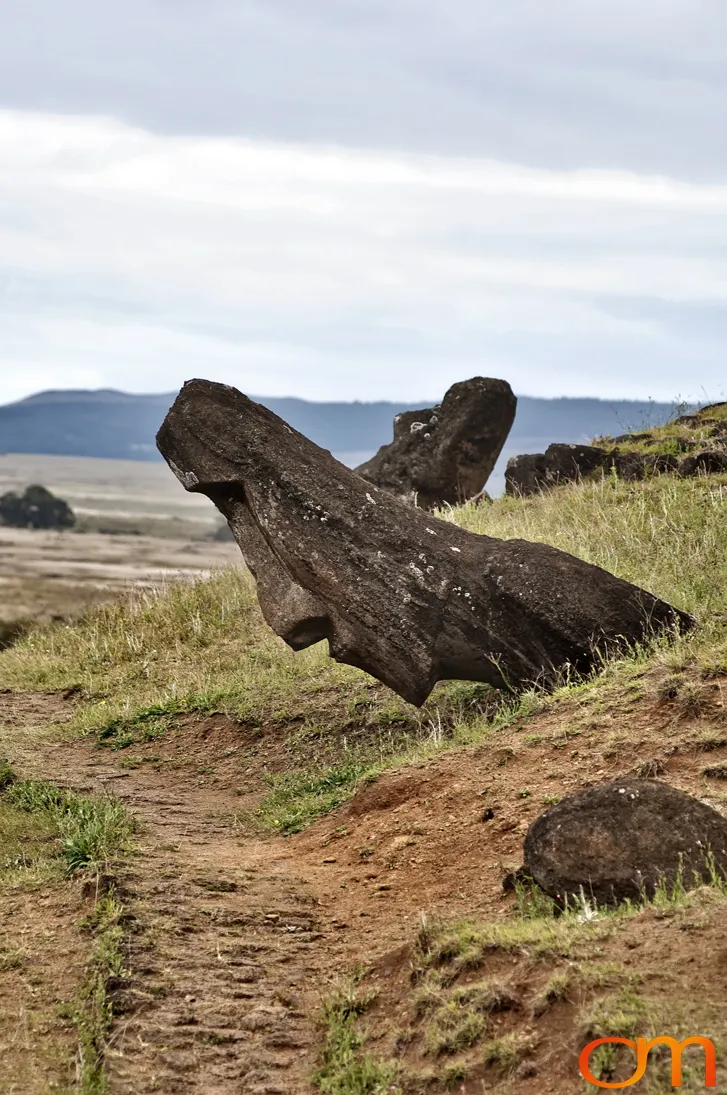
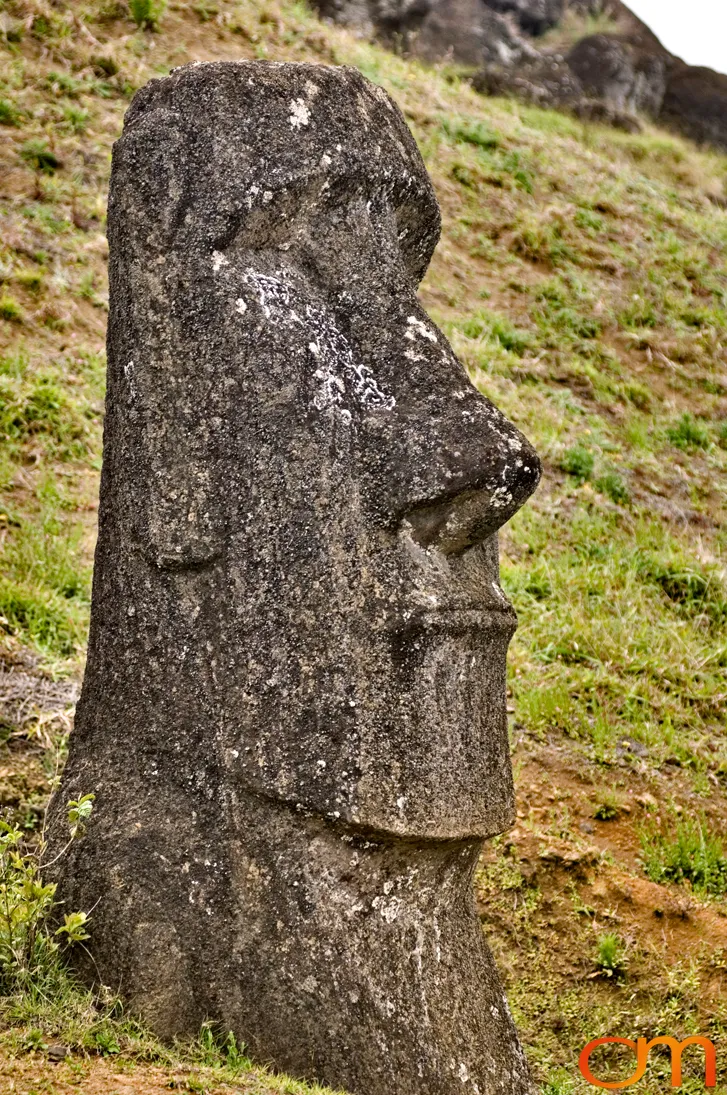
The moai are monumental human figures carved by the Rapa Nui people, principally between approximately 1100 and 1600 CE. More than 900 are known across the island. Most were carved from consolidated volcanic tuff at Rano Raraku, where unfinished figures remain attached to the bedrock or stand partly buried on the quarry slopes.
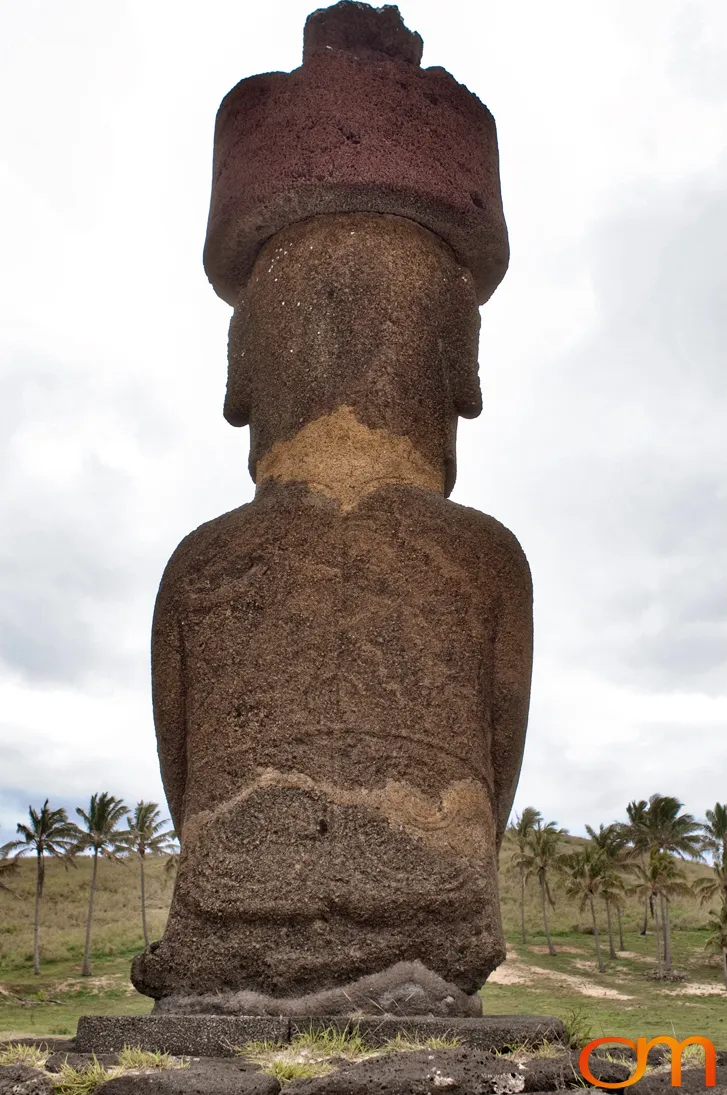
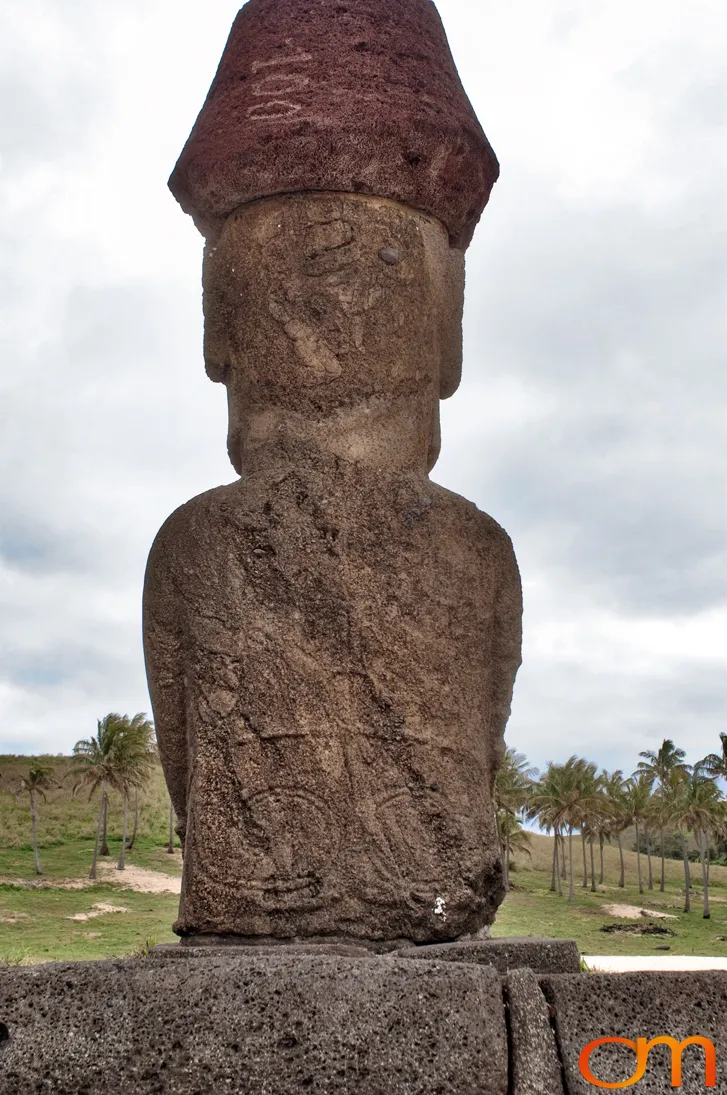
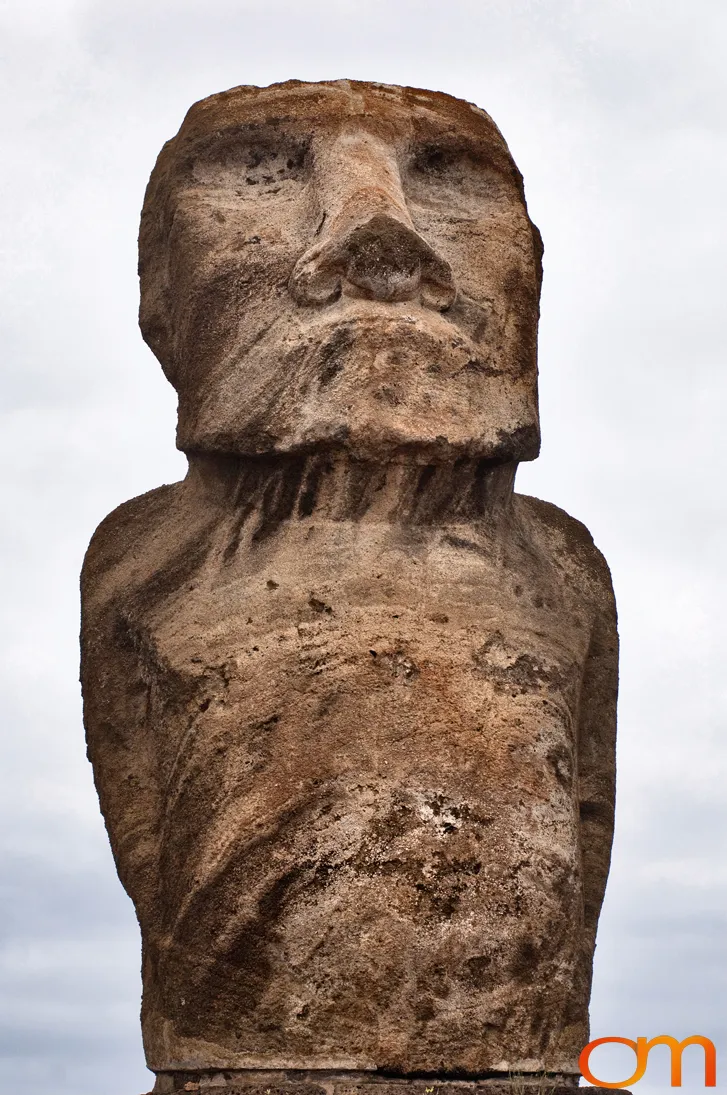
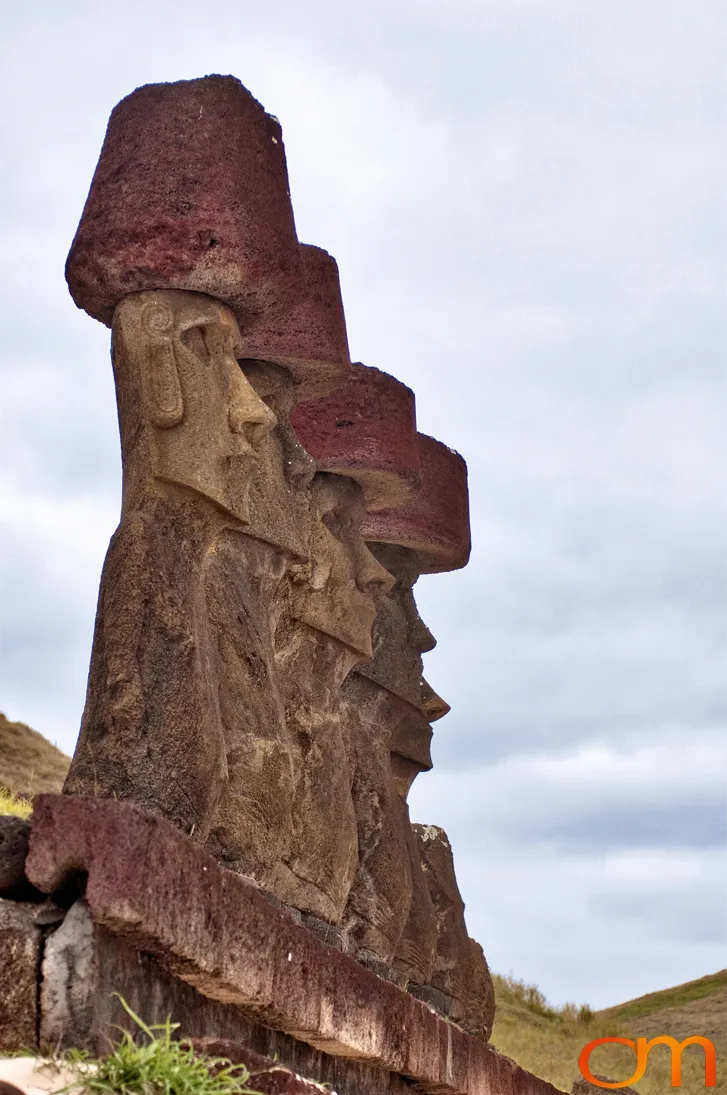
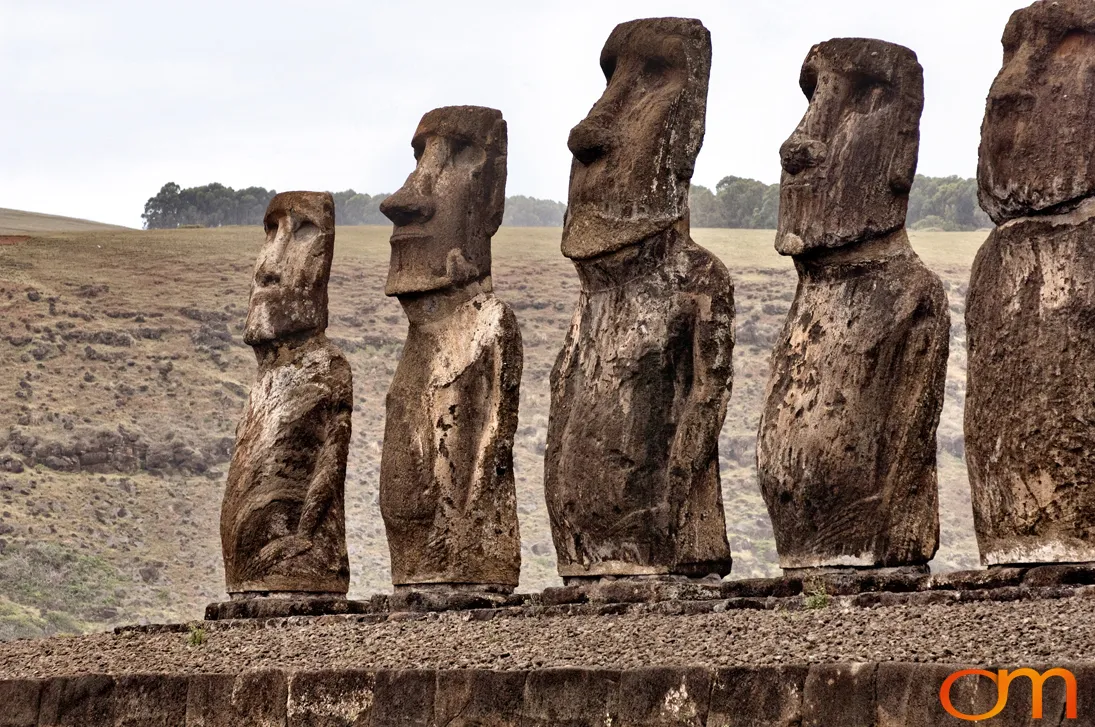
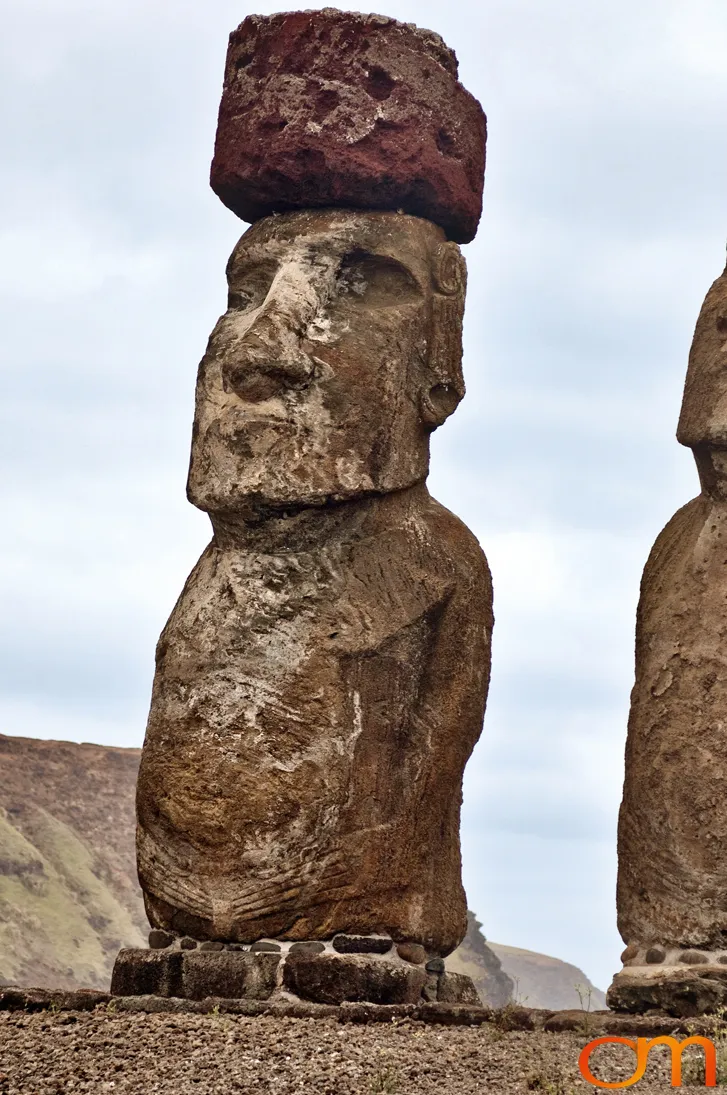
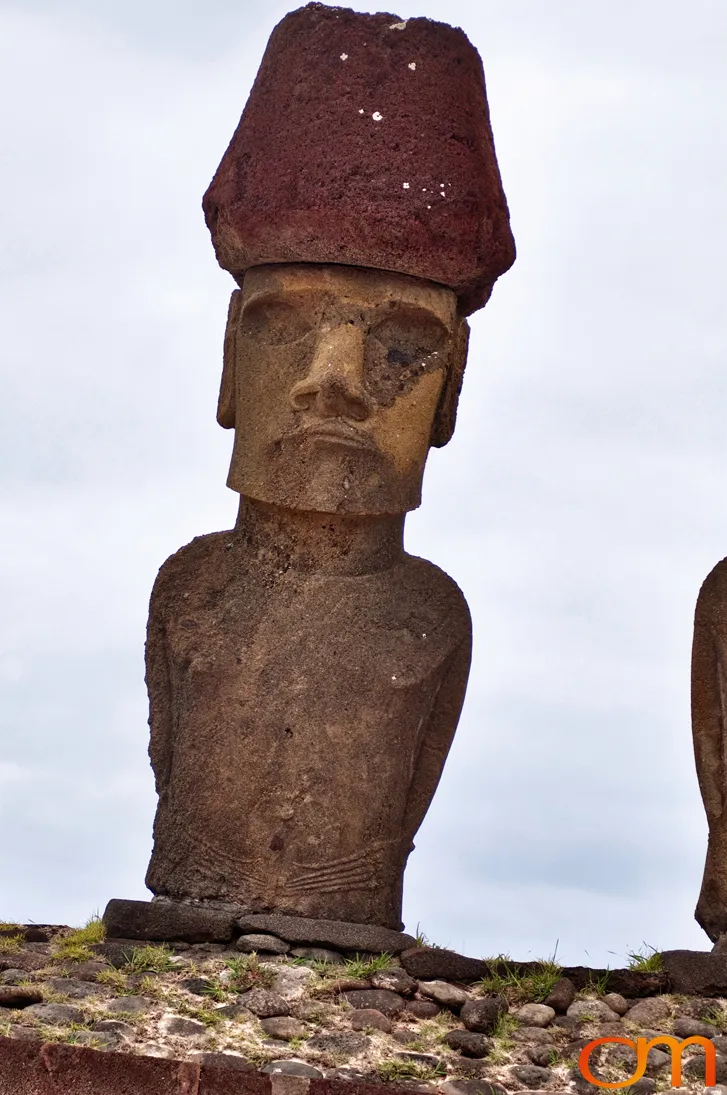
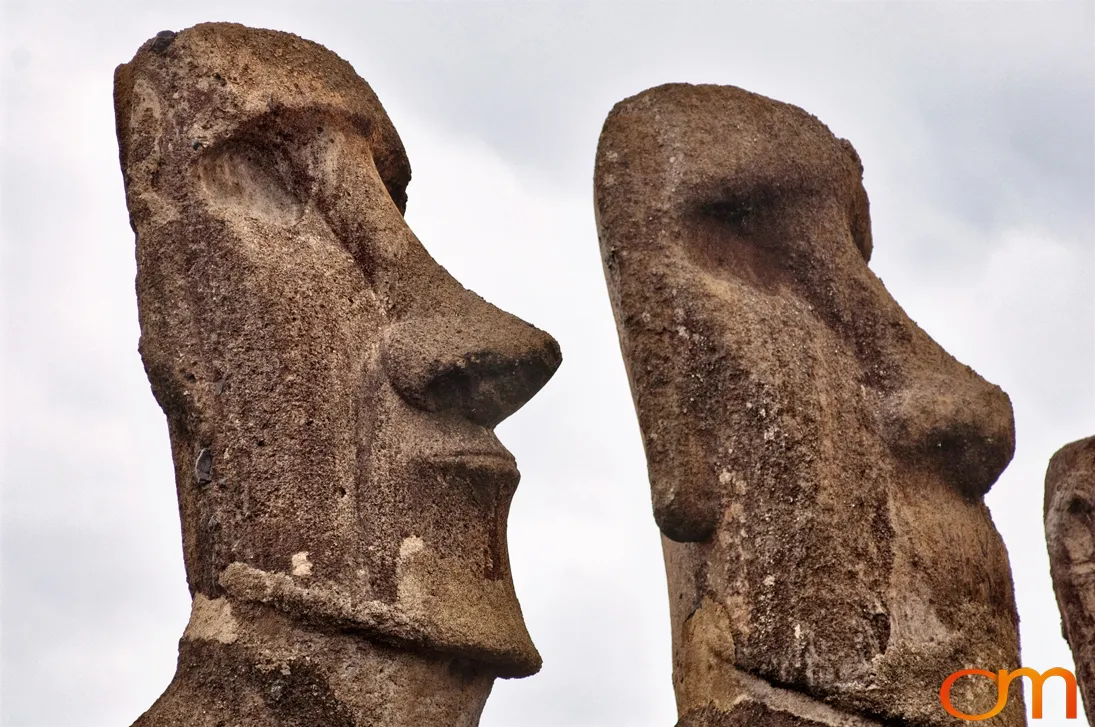
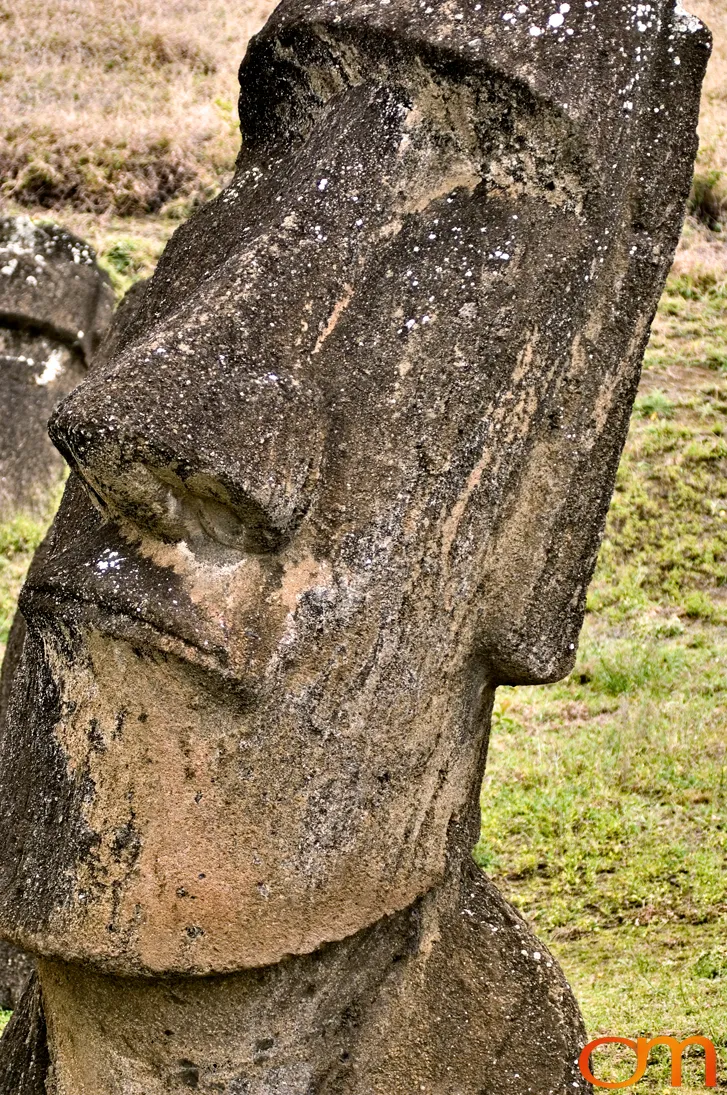
Using basalt picks called toki, sculptors shaped figures with elongated heads, prominent brows, long noses and arms held against the torso. Completed moai were transported to ceremonial platforms called ahu, often near settlements and burial areas. Some received cylindrical forms of red scoria called pukao, while fitted coral-and-stone eyes may have been added after a statue was erected.
Moai are generally understood as representations of important ancestors whose presence embodied authority, ancestry and protection. They were not necessarily individualized portraits, and the identity of most figures is unknown.
How the statues were transported has long been debated. Archaeological studies and full-scale experiments indicate that at least some moai could have been moved upright by teams using ropes to rock them from side to side—a process resembling “walking.” Although this method is supported by the form of transport-stage statues and surviving roads, the techniques used may have varied according to the size of the figure and the route.