Rarotonga
Woodcarving and Figurative Sculpture in Rarotonga
October 2006
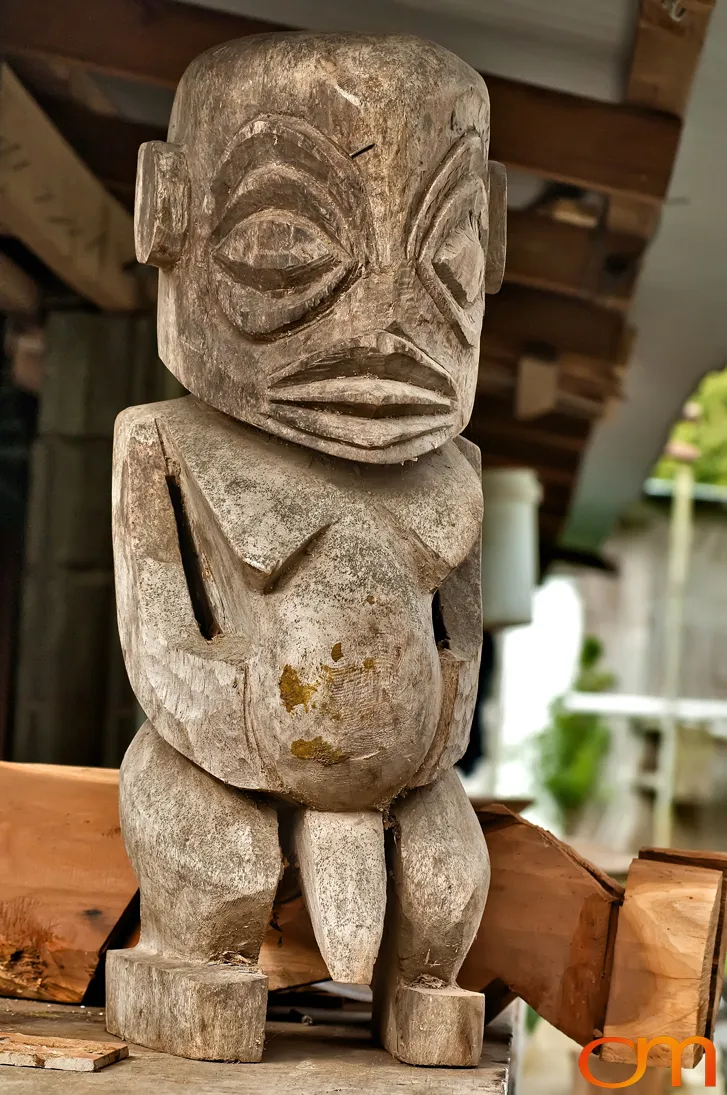
Carving has long been an important form of material culture in Rarotonga and elsewhere in the Cook Islands. Craftspeople produced practical objects such as bowls, tools, paddles, fishing equipment, furniture, and ceremonial objects. Figurative carvings could represent deities or deified ancestors and were incorporated into objects associated with chiefly authority, religious practice, and fishing. Surviving museum collections include wooden figures, carved fan handles, and atua rākau, or staff gods, from Rarotonga.
Many religious carvings were destroyed after Christianity became established on Rarotonga during the nineteenth century. Missionaries also collected and removed examples, some of which are now held by museums outside the Cook Islands. Surviving staff gods range from smaller figures to elaborate works several metres long; the symbolism of many individual forms is no longer fully understood.
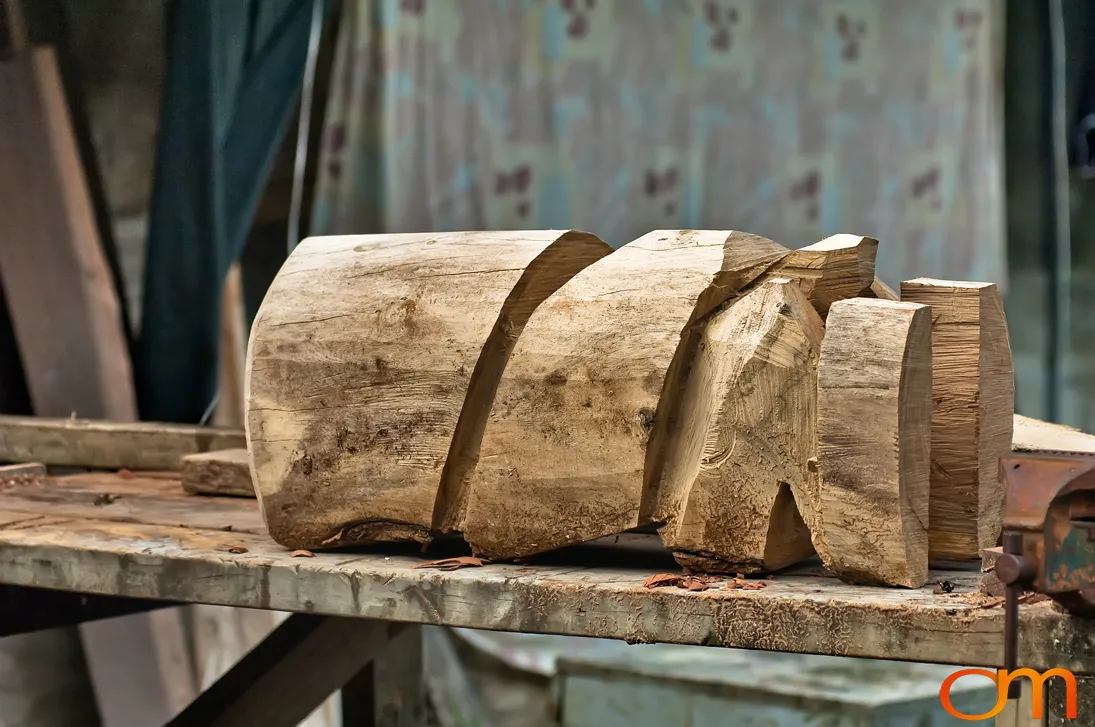
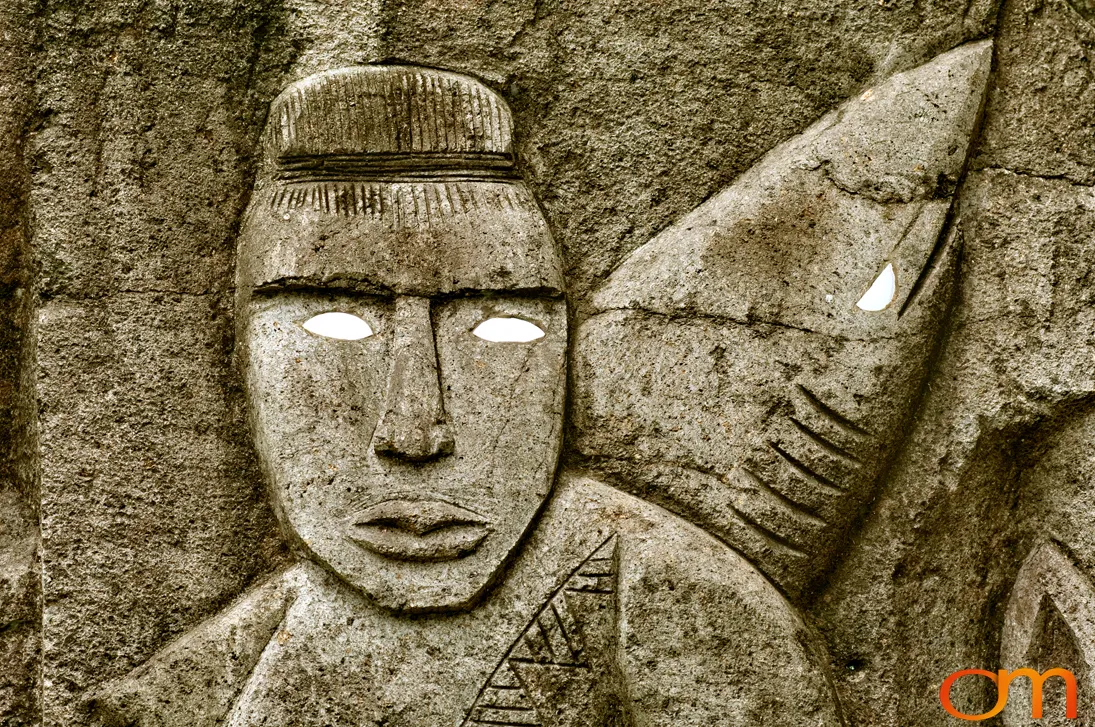
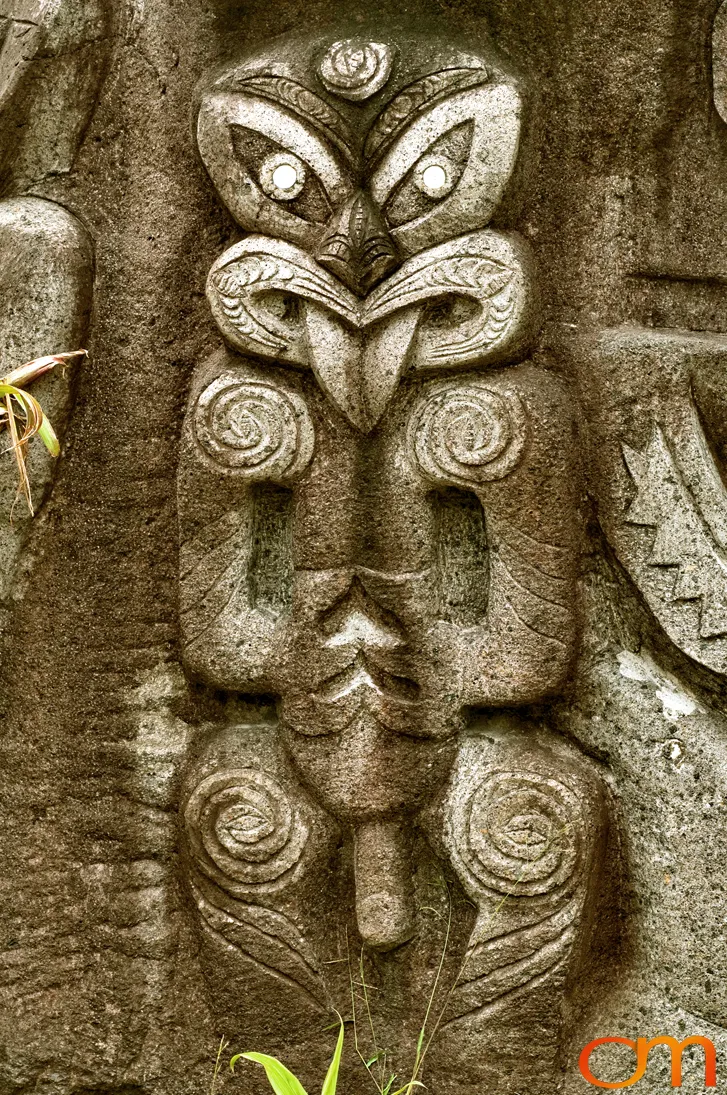
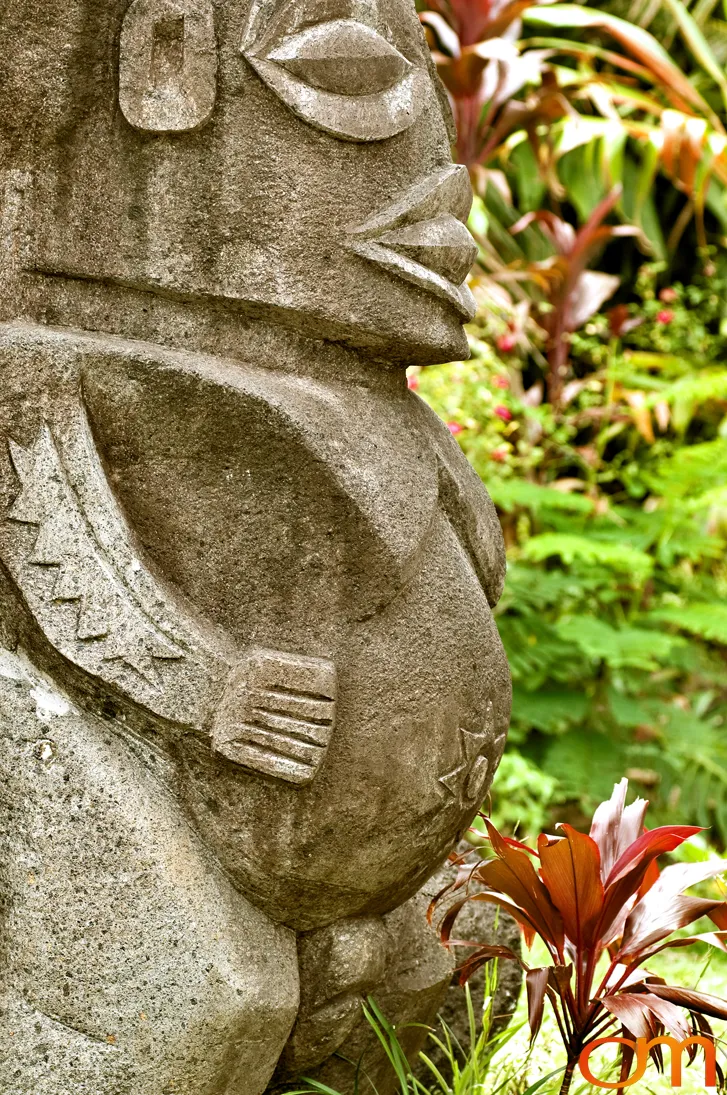
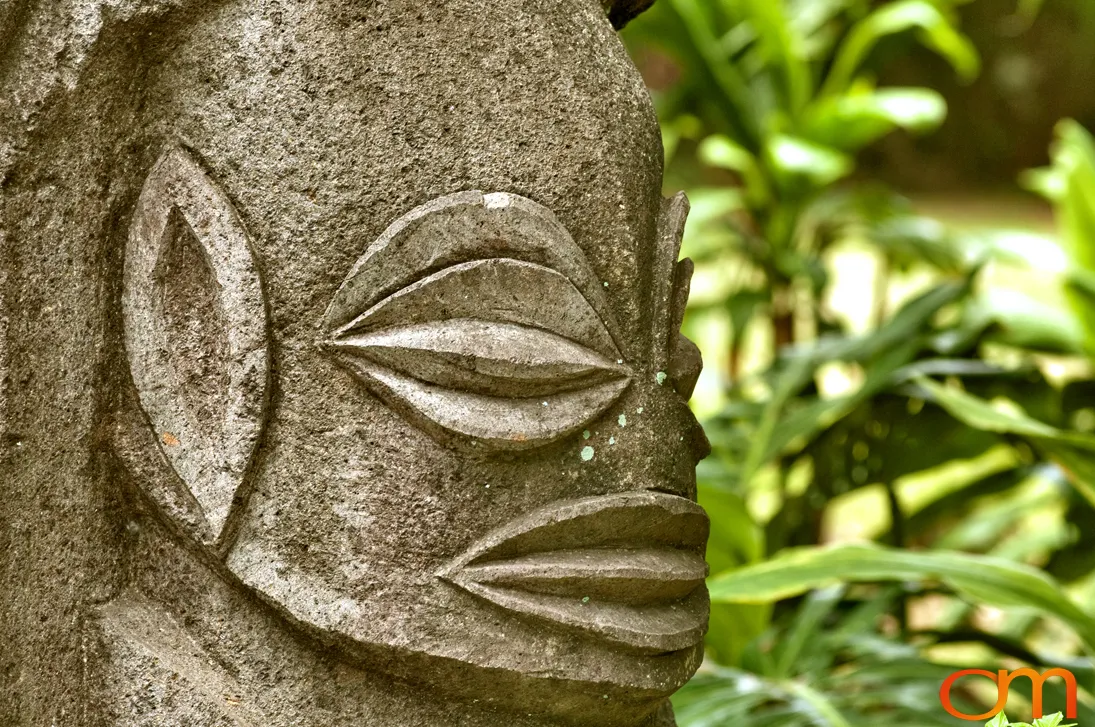
The carvings documented in 2006 demonstrate the continuation and adaptation of figurative carving on Rarotonga. Contemporary carvers work in wood and stone, creating sculptures that draw upon Cook Islands forms while also developing individual designs for local use, display, and sale.