South Africa
Sabi Sand Game Reserve
April 2009
Located in the Lowveld of Mpumalanga, South Africa, the Sabi Sand Nature Reserve covers approximately 65,000 hectares along the western boundary of Kruger National Park. The reserve lies between the Sabie and Sand rivers. Although the reserve is spelled Sabi Sand, the river forming part of its southern boundary is generally spelled Sabie.
Organized private conservation in the area began in 1934, and the association that developed into the modern reserve took shape in 1948. In 1993, the final game fences separating Sabi Sand from Kruger National Park were removed. Wildlife can now move between the two protected areas as part of the wider Greater Kruger ecosystem.
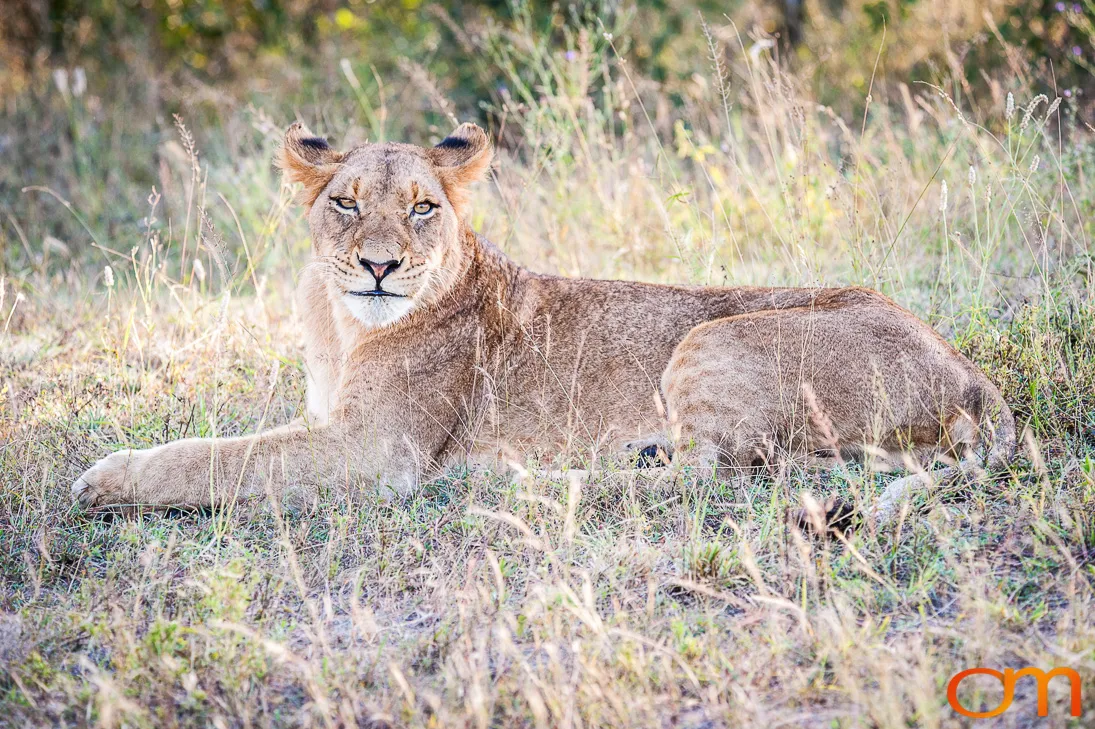
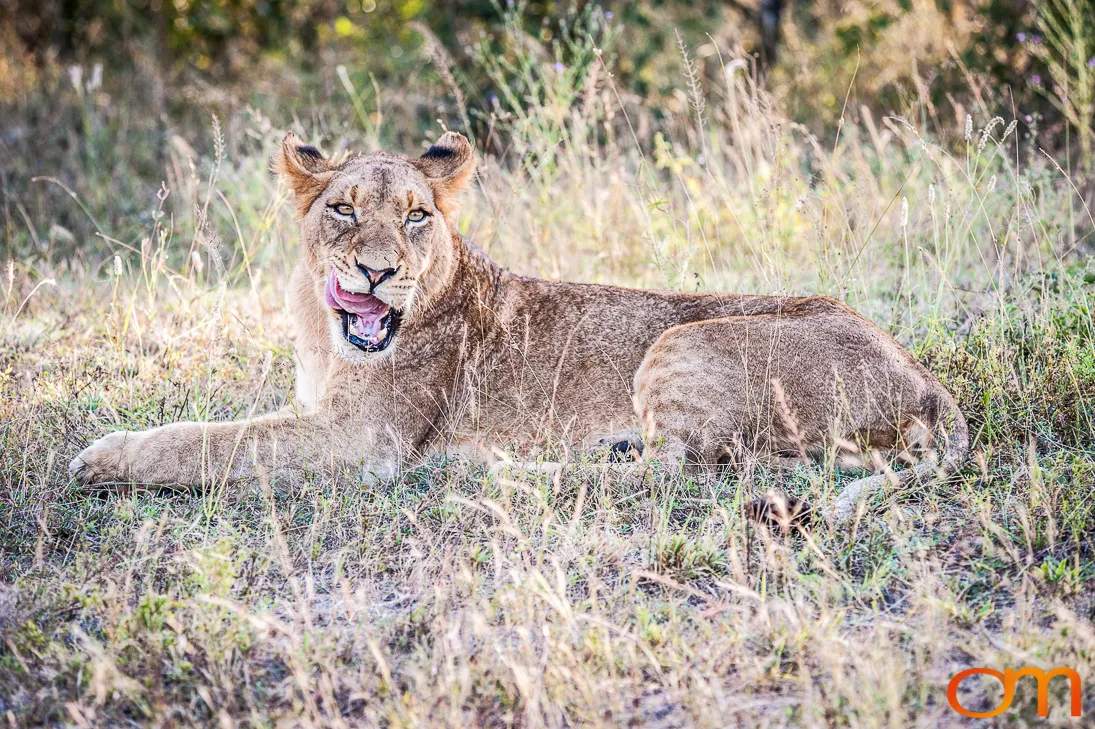
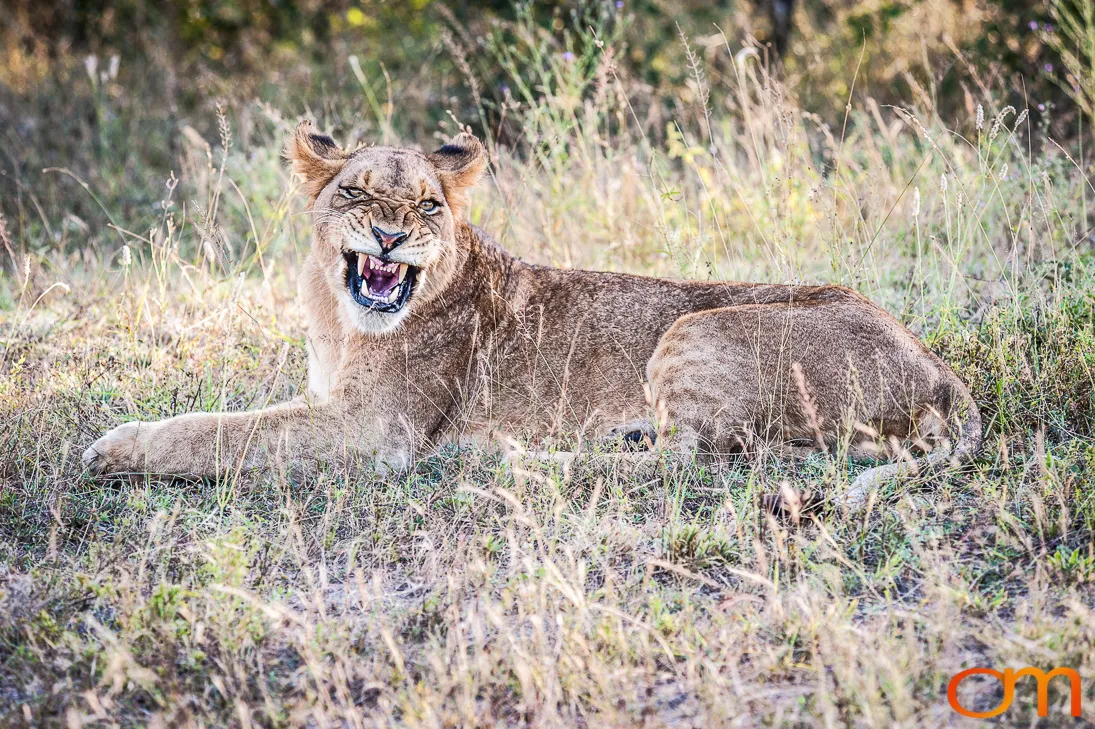
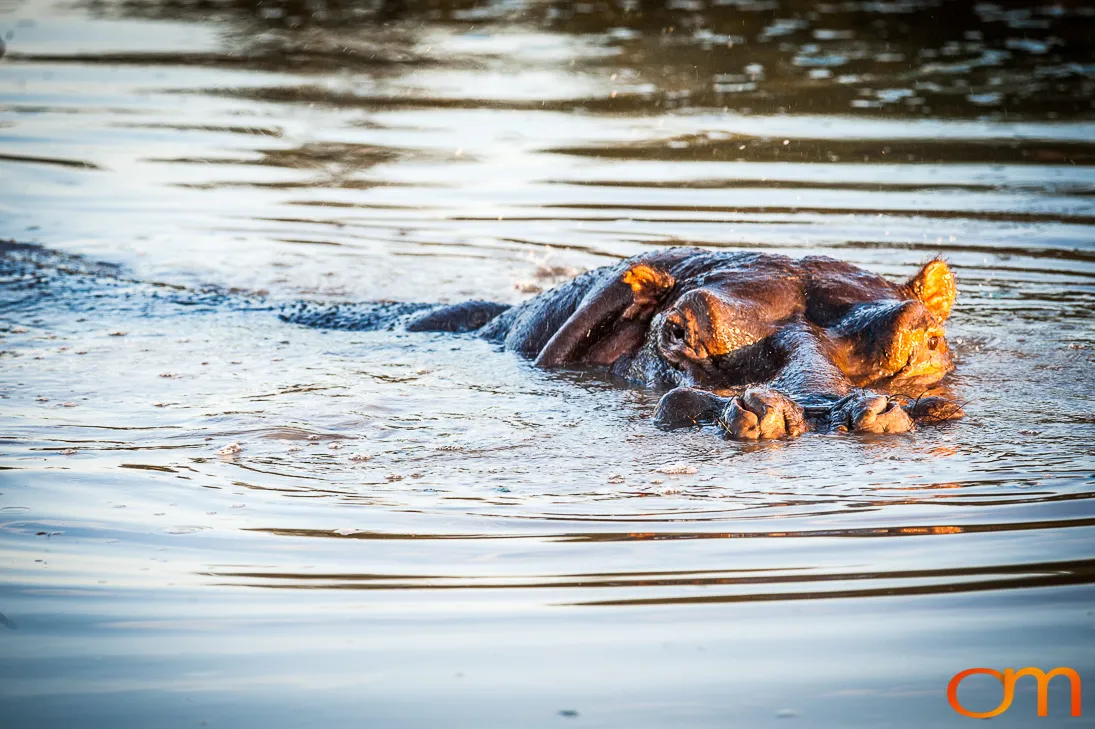
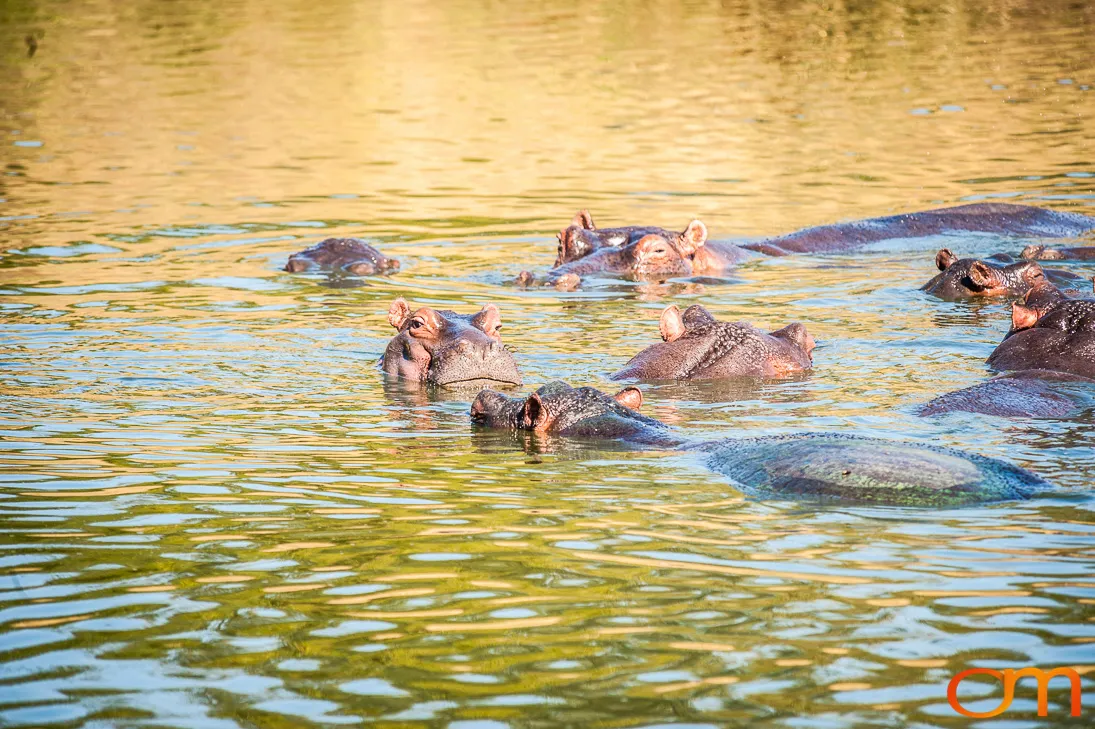
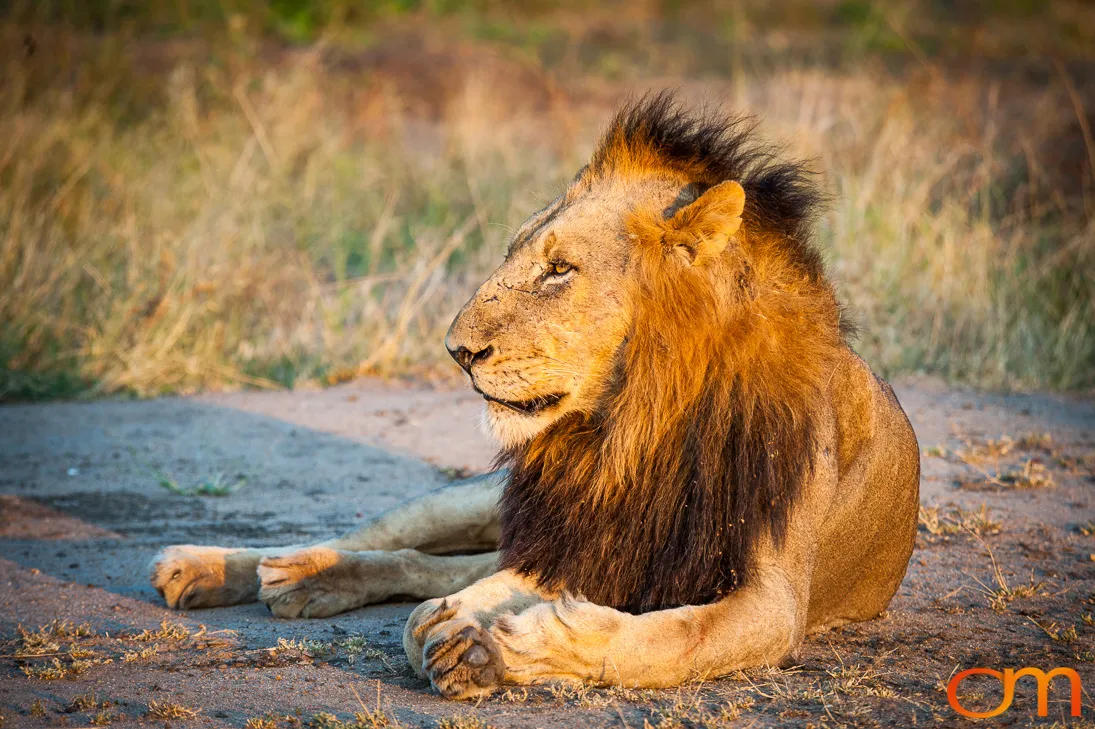
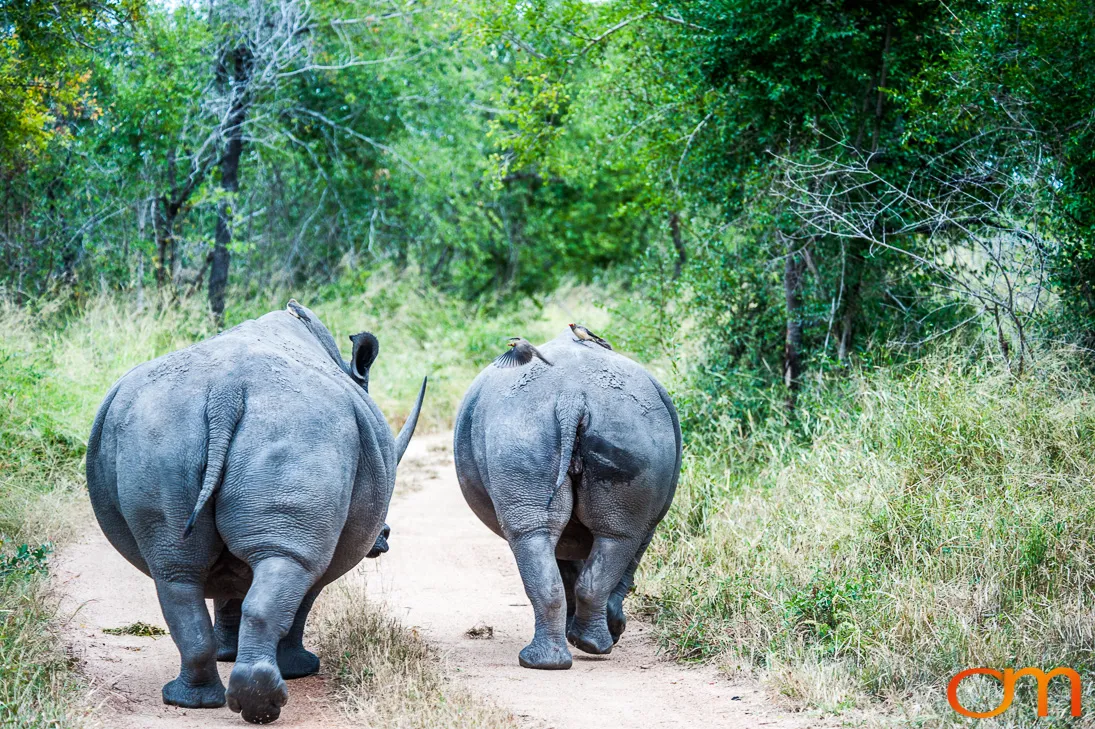
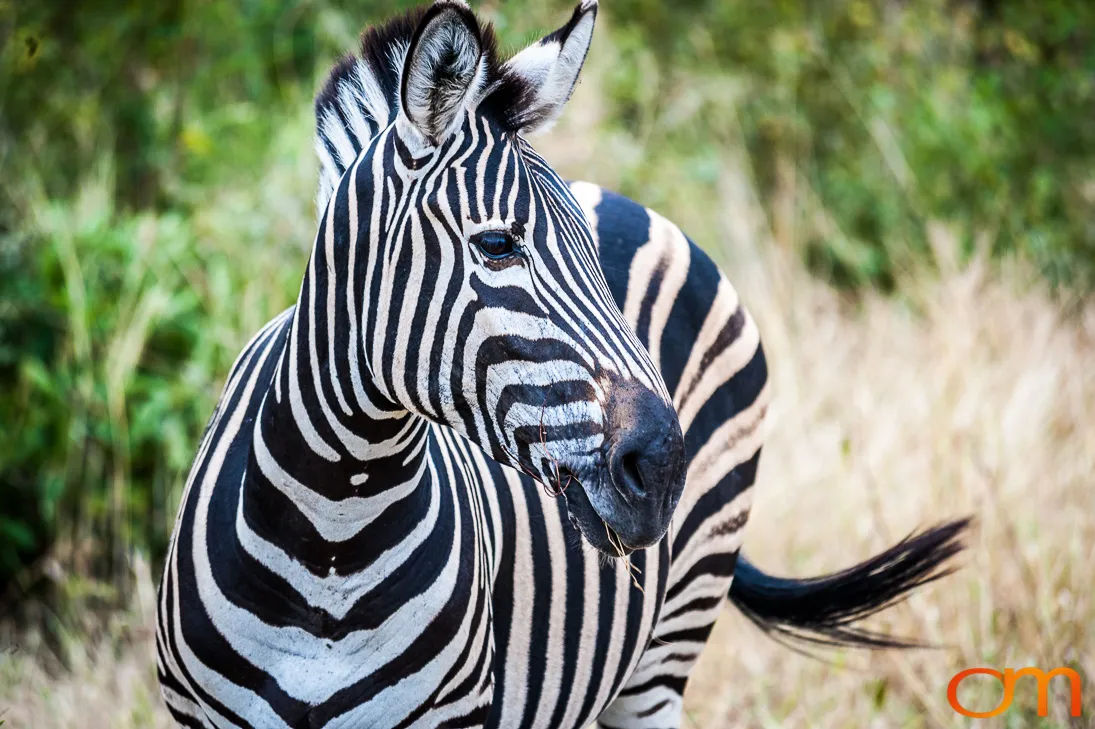
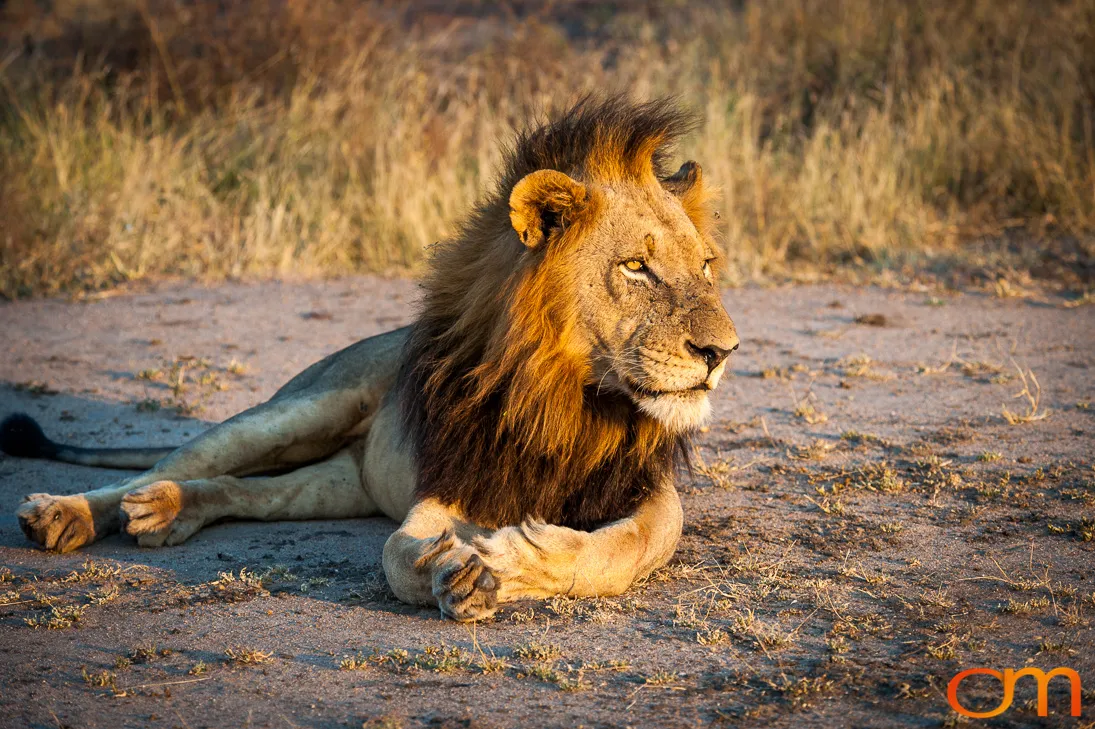
The reserve supports lion, leopard, African bush elephant, African buffalo and rhinoceros—the animals collectively known as the Big Five—as well as cheetah, giraffe, hippopotamus, spotted hyena, plains zebra and numerous smaller species. African wild dogs (Lycaon pictus), also known as painted dogs, move through the Greater Kruger ecosystem. The species is classified as Endangered by the International Union for Conservation of Nature.
Leopards and Long-Term Research
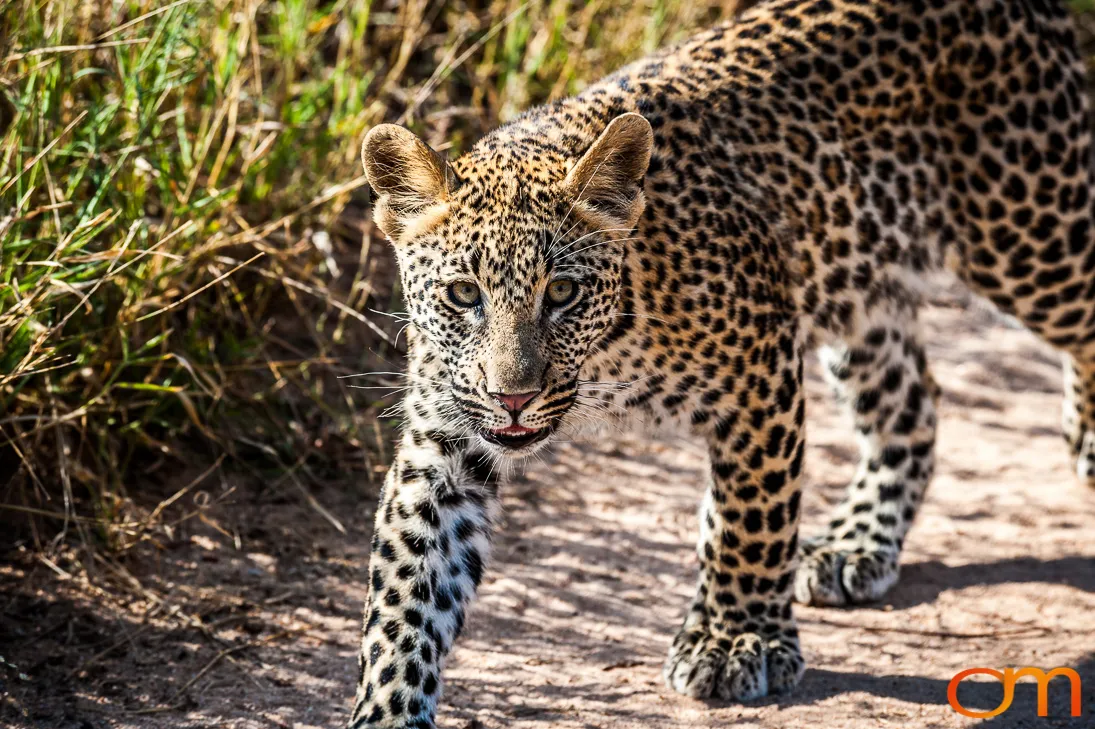
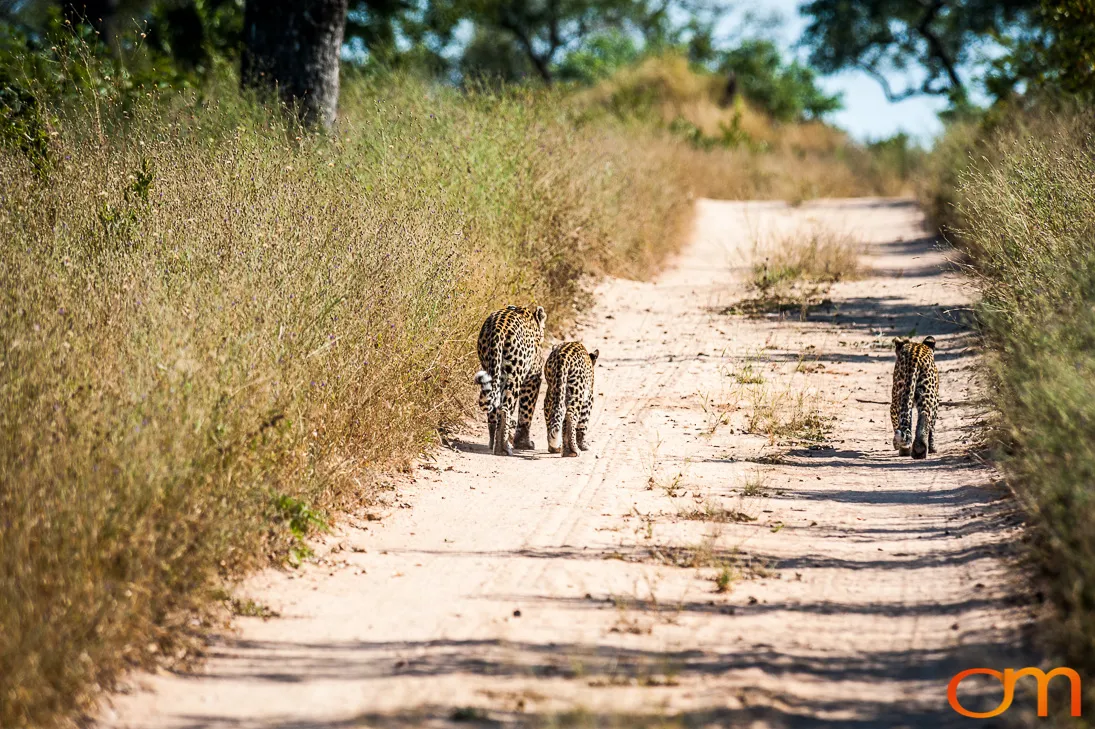
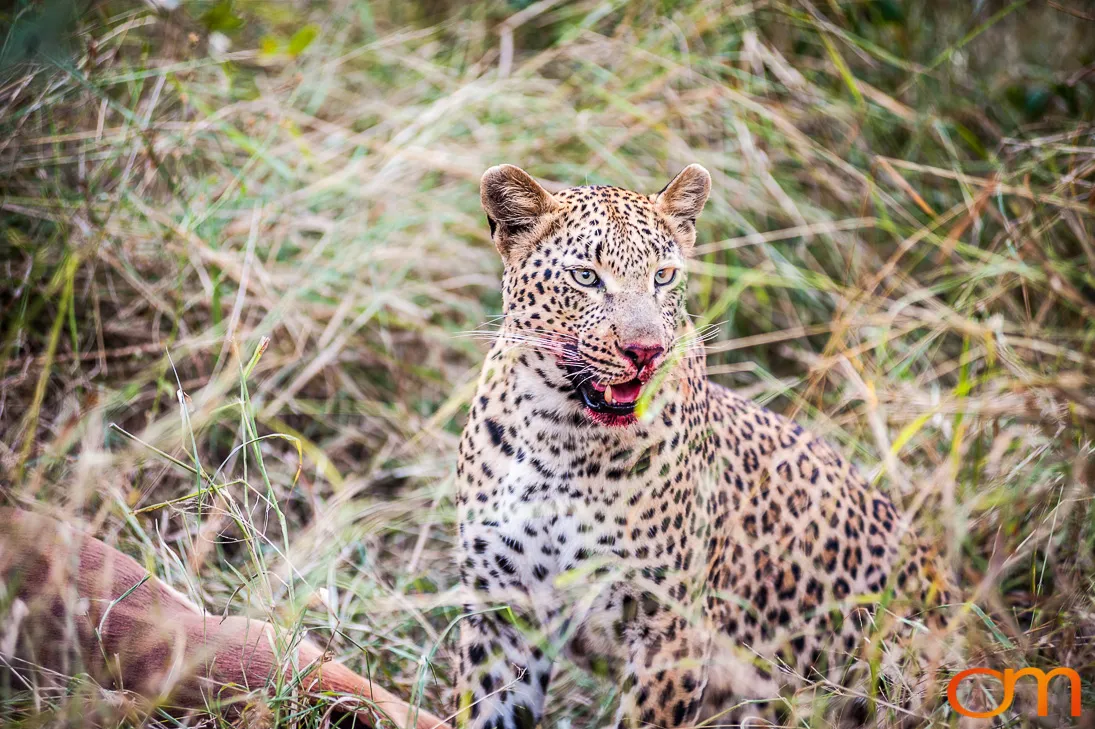
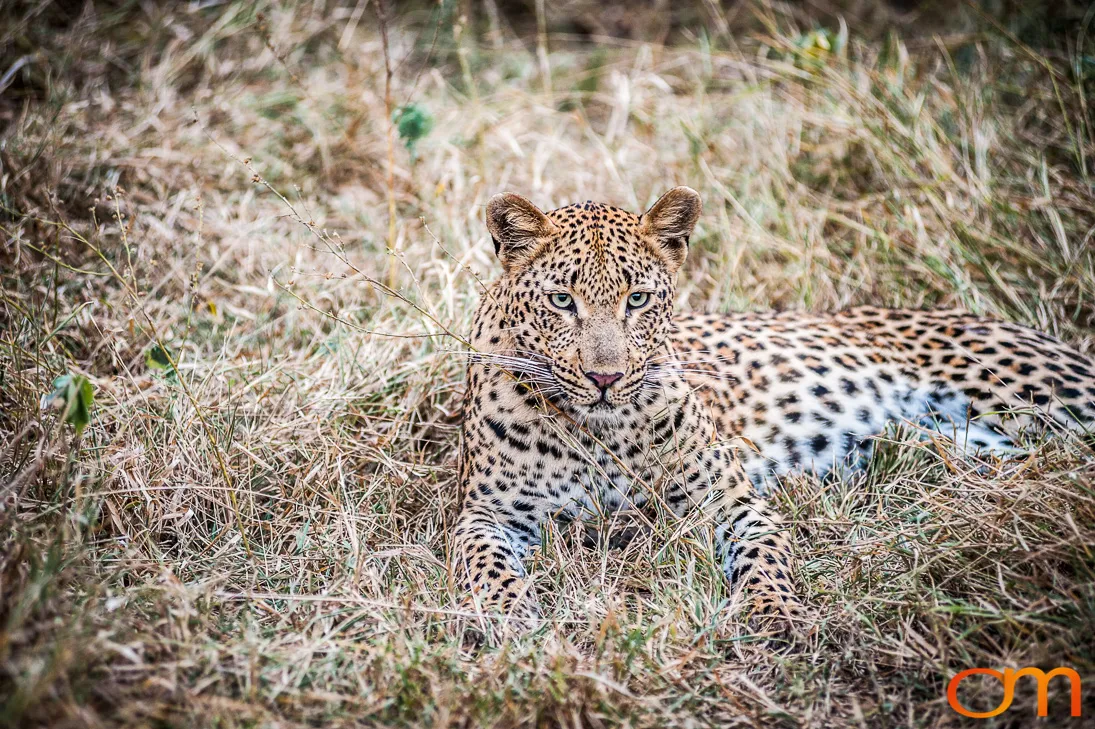
Sabi Sand is especially important for leopard observation and research. Individual leopards can be identified by the arrangement of their rosettes, allowing researchers and field guides to follow particular animals across many years.
The Sabi Sands Leopard Project reports life-history records for more than 800 leopards dating to 1979 and more than 110,000 recorded sightings since 2003. This long-term documentation provides valuable information about leopard movements, territories, reproduction and survival.
Notable Facts
- The reserve’s name uses Sabi, while the river along its southern boundary is generally written Sabie.
- The term Big Five did not originally describe Africa’s five largest animals. It referred to five species historically considered especially dangerous to hunt on foot.
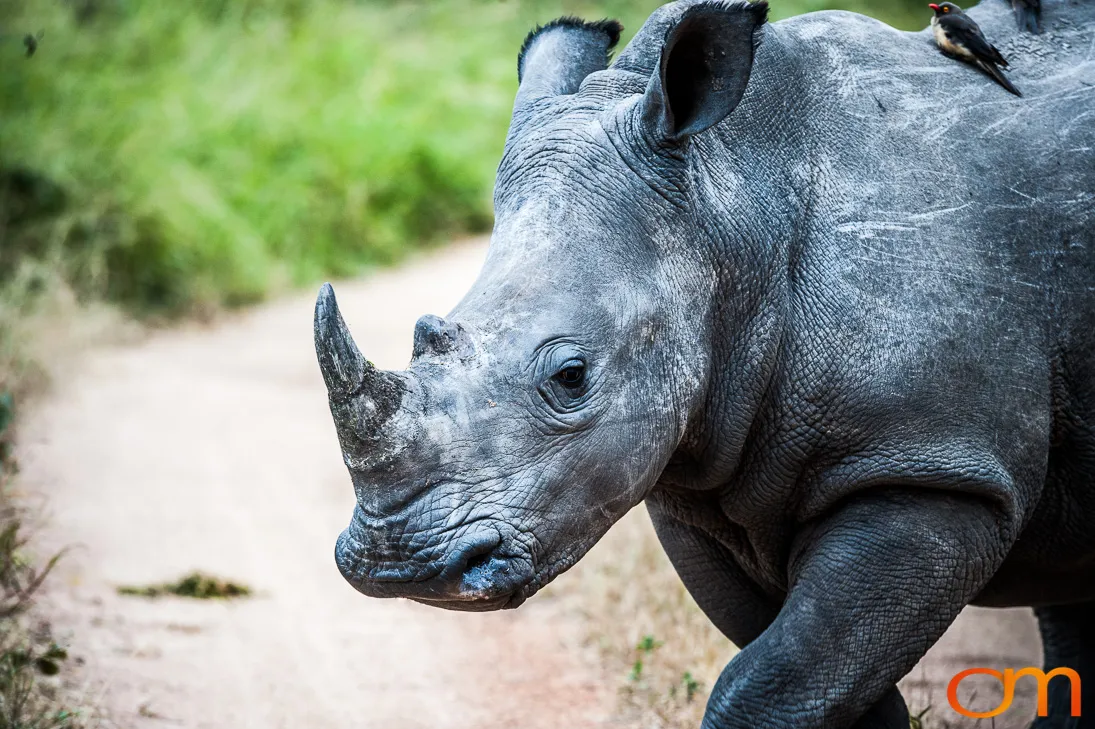
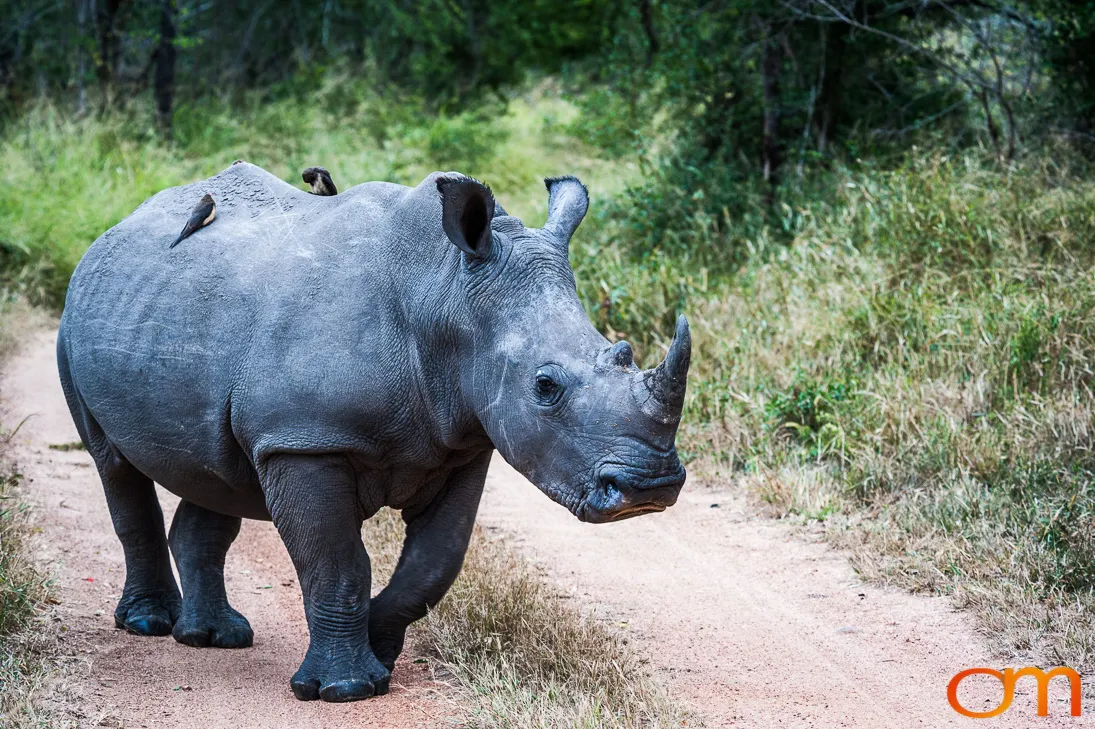
- The broad, square lips visible on the photographed rhinoceroses identify them as white rhinoceroses, which are adapted for grazing on grass.
- Each leopard has a distinctive arrangement of rosettes that can be used to identify the animal in photographs.
- Removing the boundary fence with Kruger National Park restored wildlife movement across a much larger connected ecosystem.