Georgia
Savannah Georgia
March 2015
Savannah is Georgia’s oldest city. British colonists led by James Oglethorpe established it on Yamacraw Bluff in 1733 after negotiating with Tomochichi, leader of the resident Yamacraw community, through interpreter Mary Musgrove. Oglethorpe’s plan divided the settlement into wards centered on public squares. The system expanded with the city; 22 of the 24 historic squares remain, and the central district has been a National Historic Landmark since 1966.
Savannah’s built landscape also records the economic and human cost of its development. The city’s rise as an Atlantic port was tied to rice and cotton produced by enslaved labor, while Savannah became an important point in the forced arrival and sale of enslaved Africans.
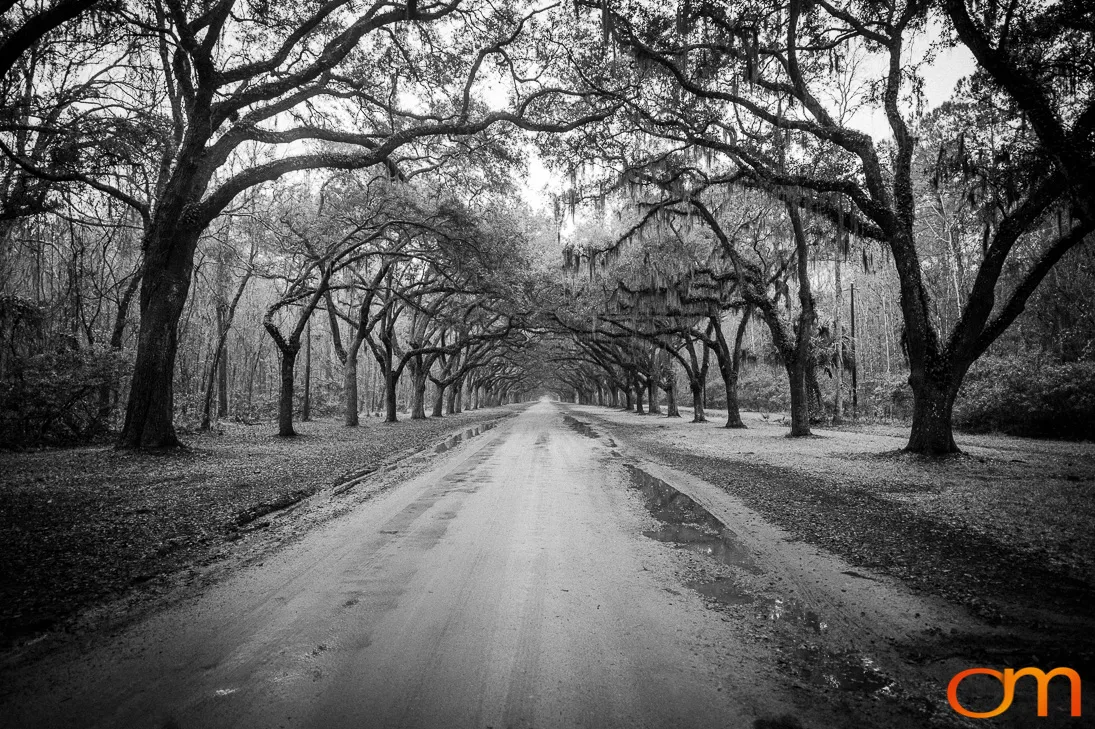
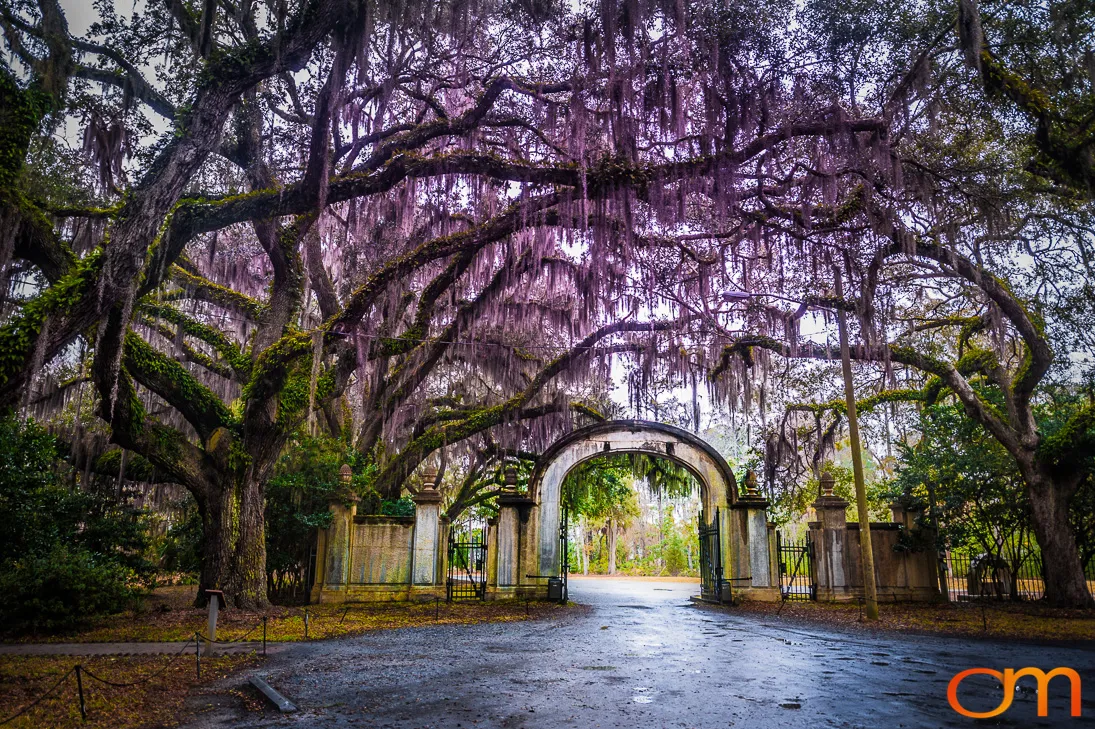
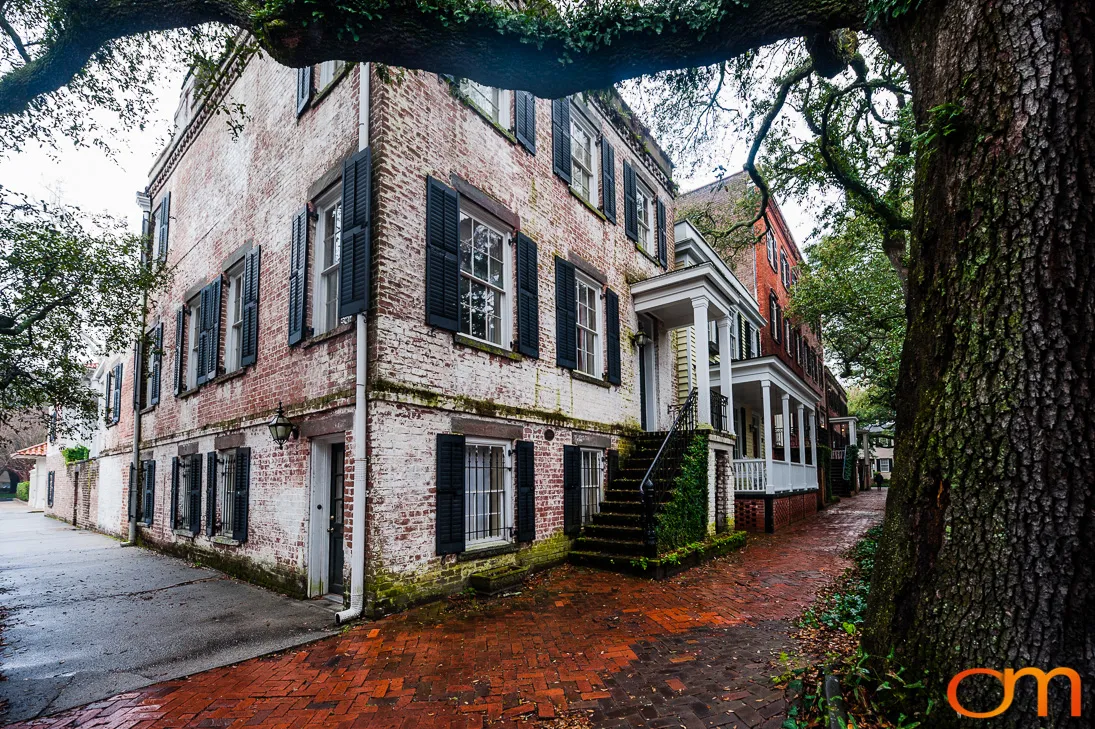
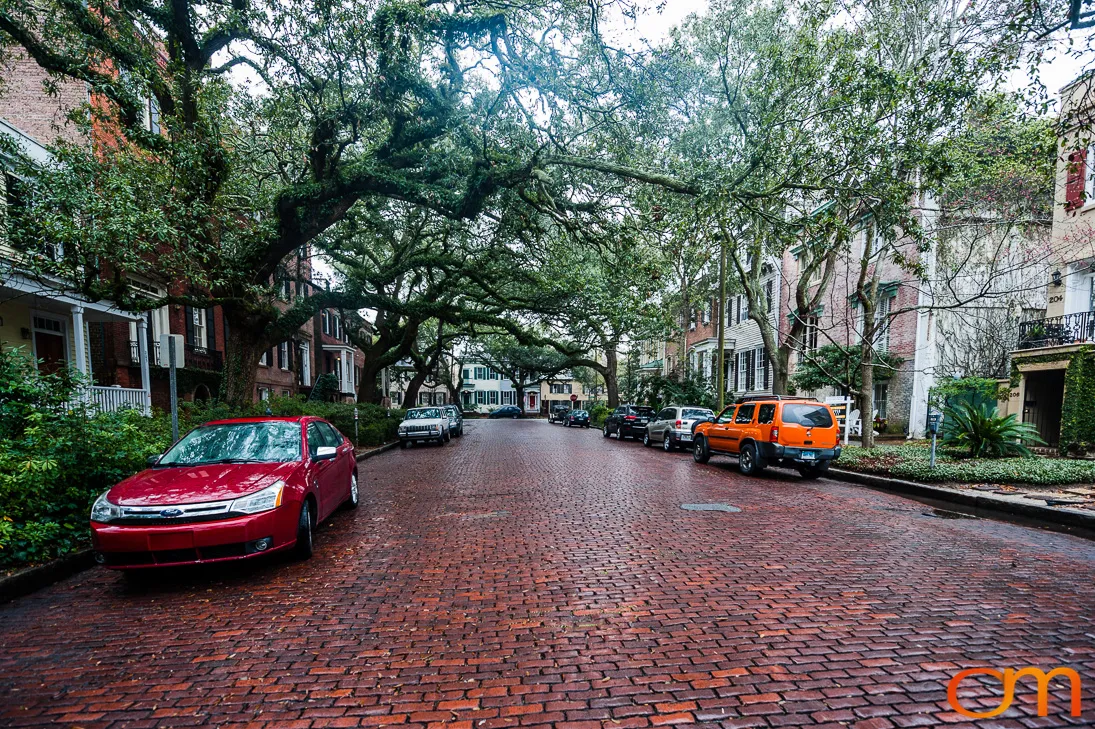
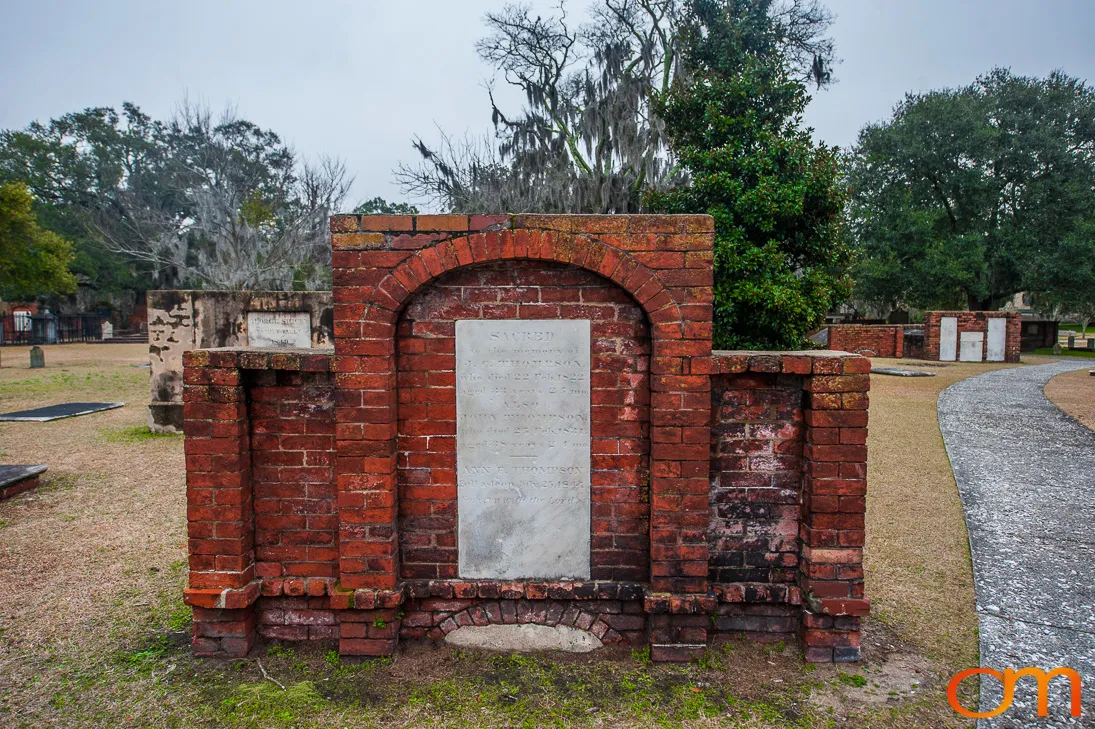
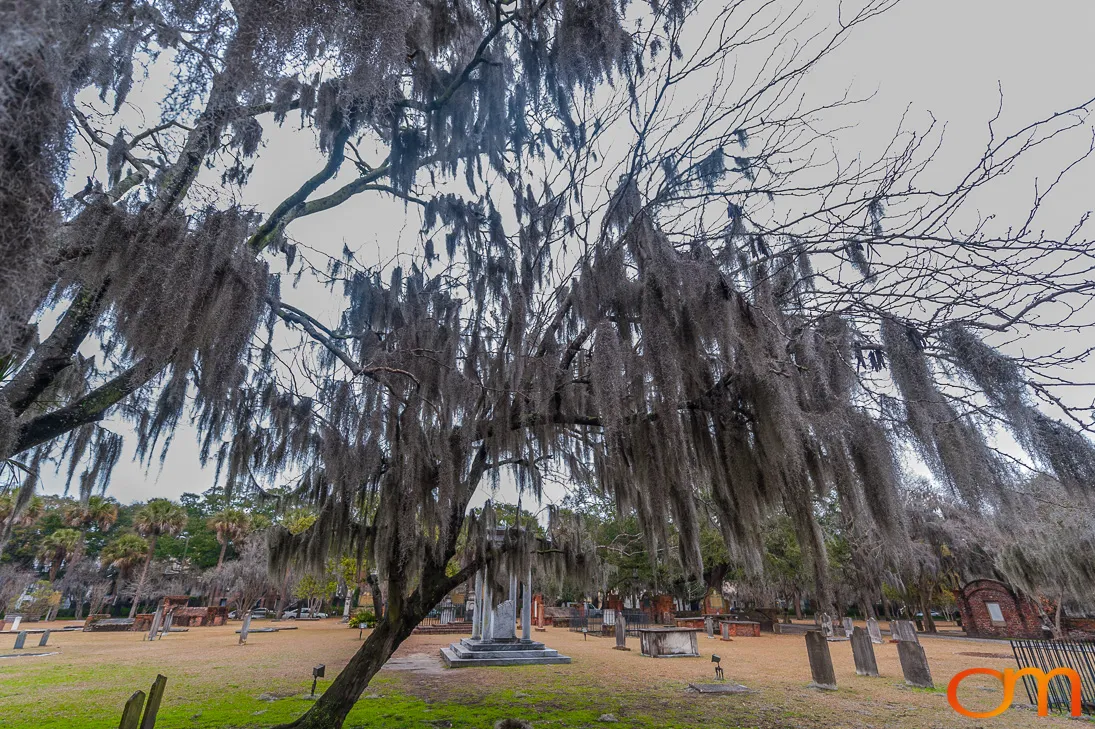
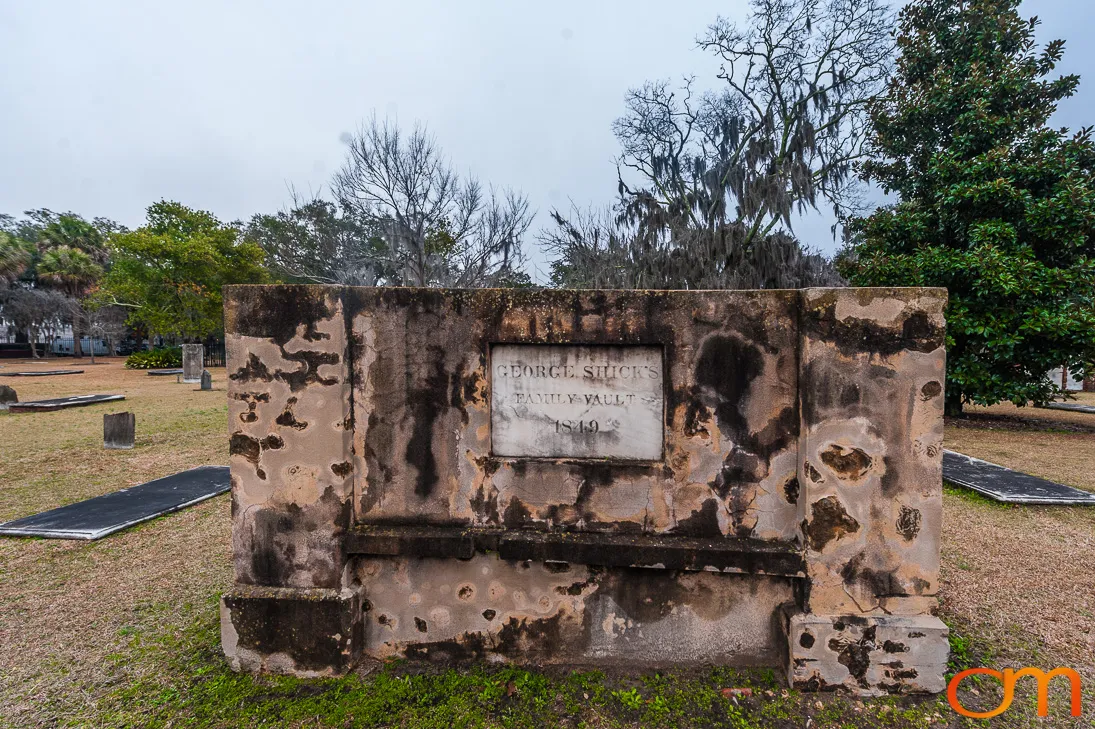
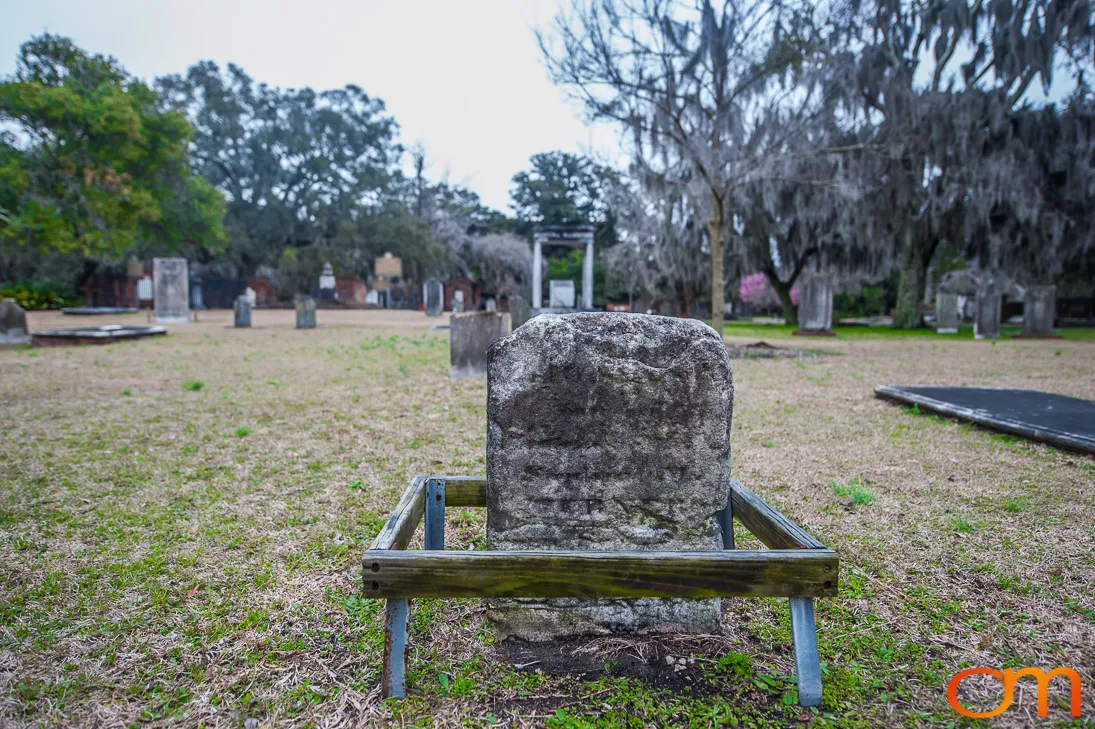
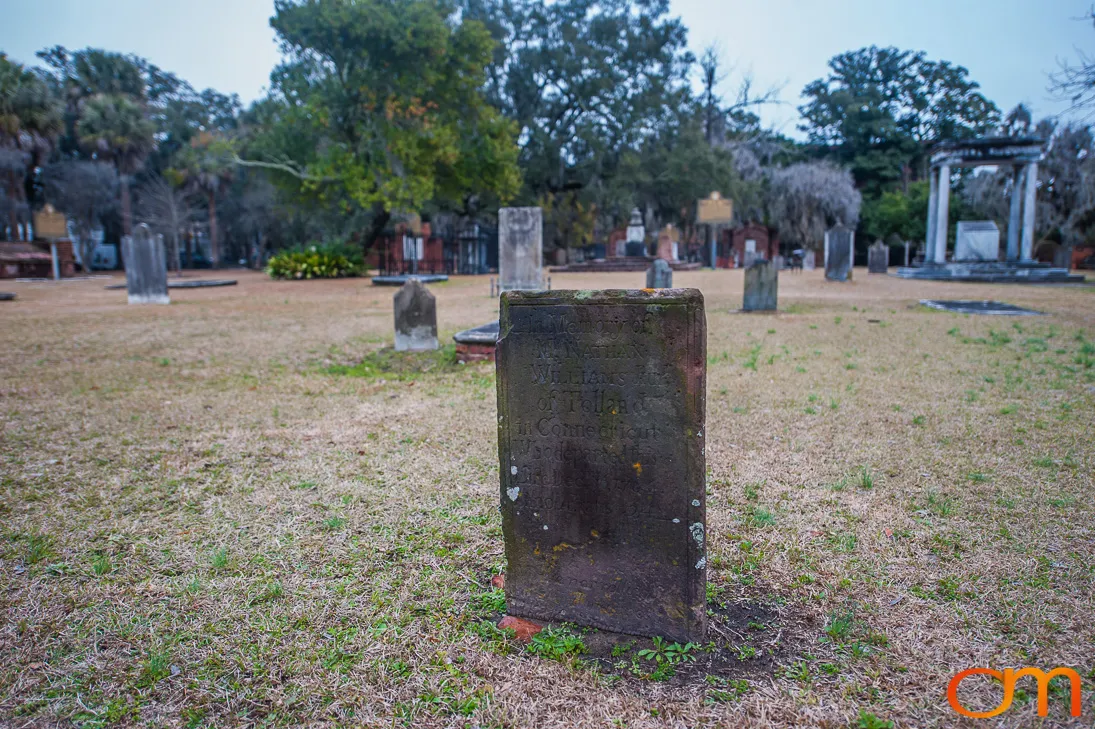
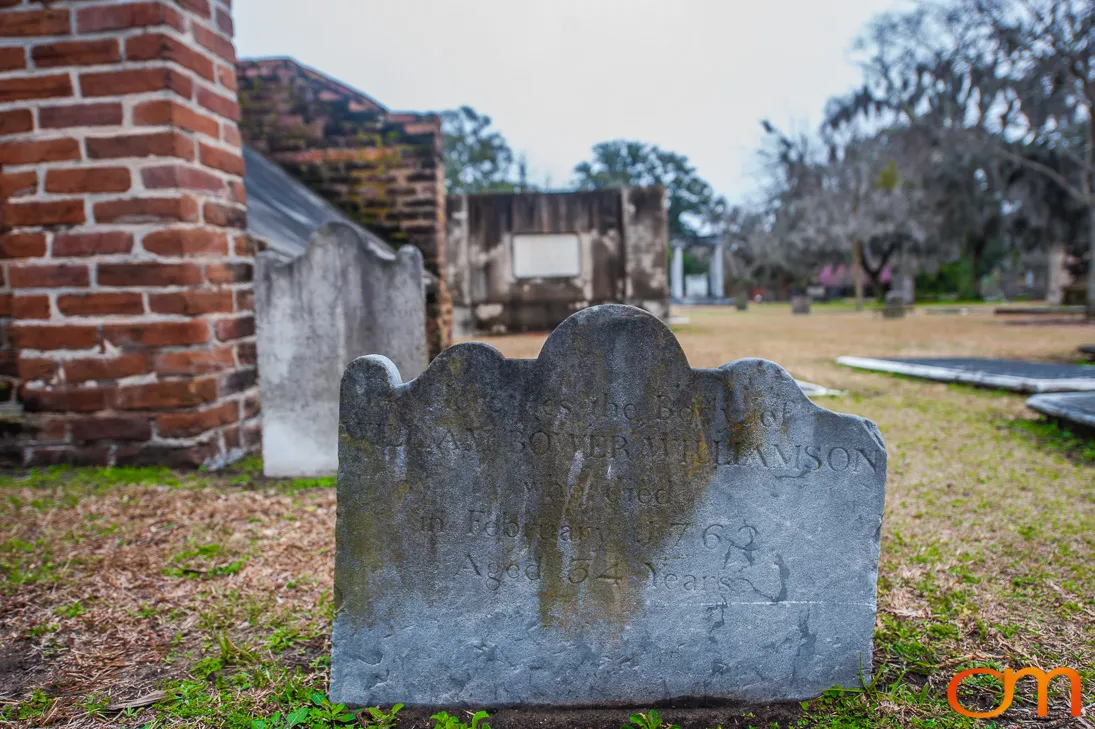
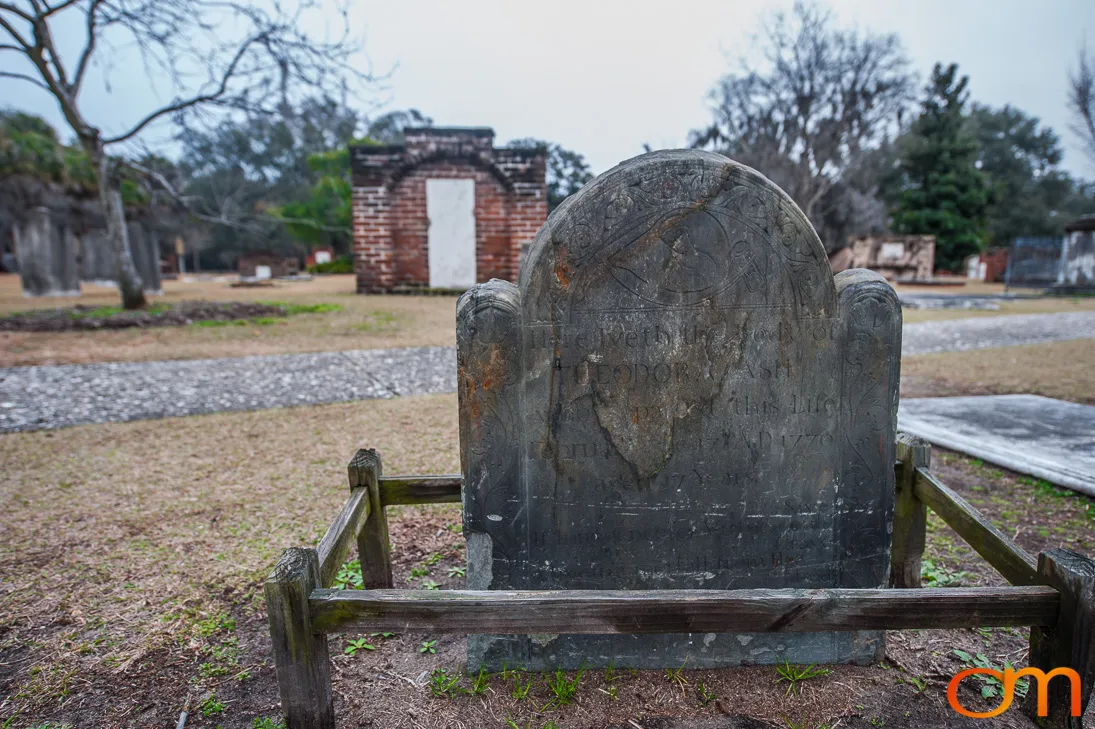
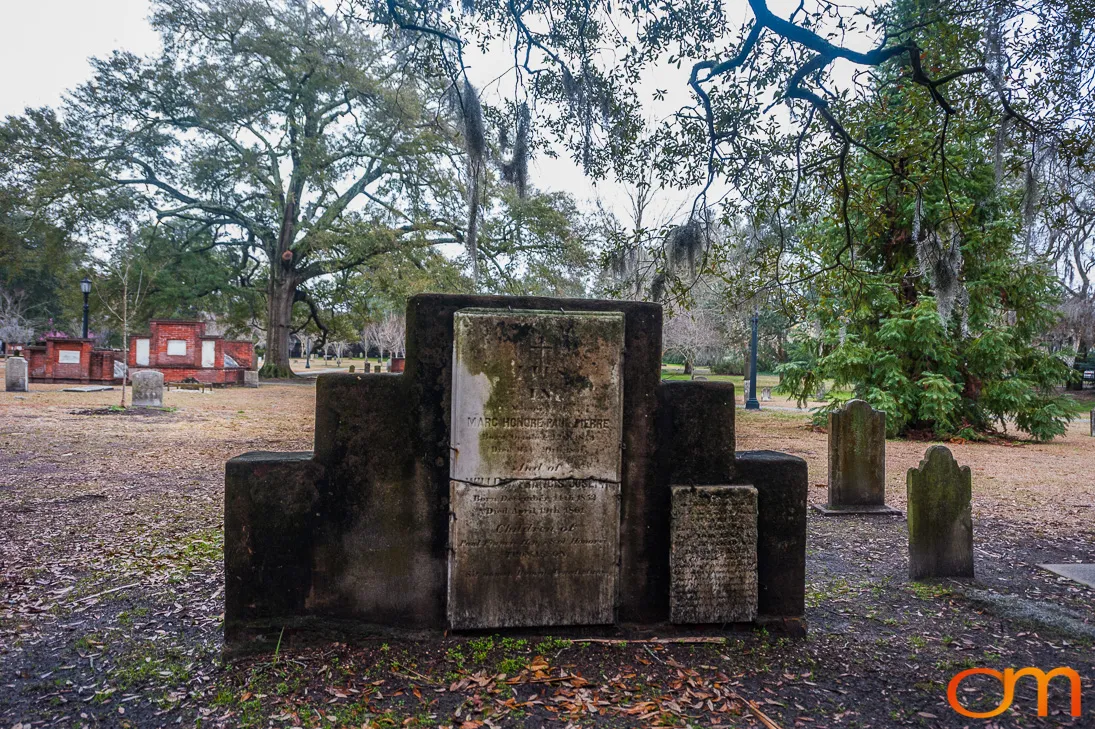
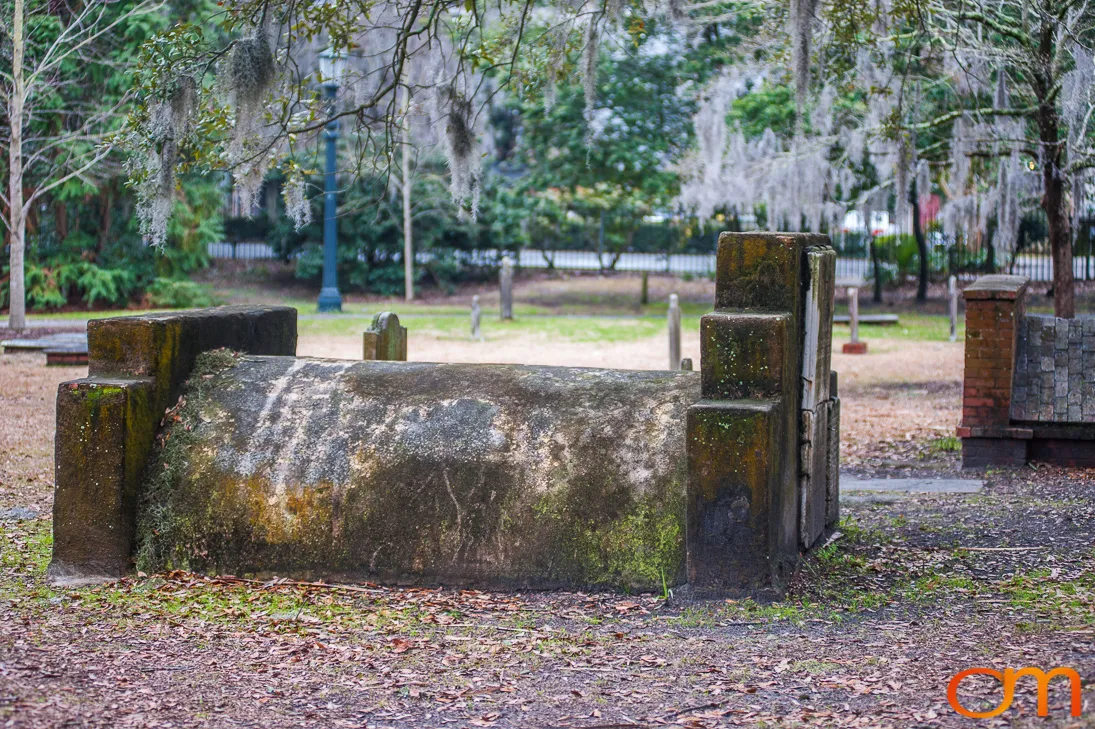
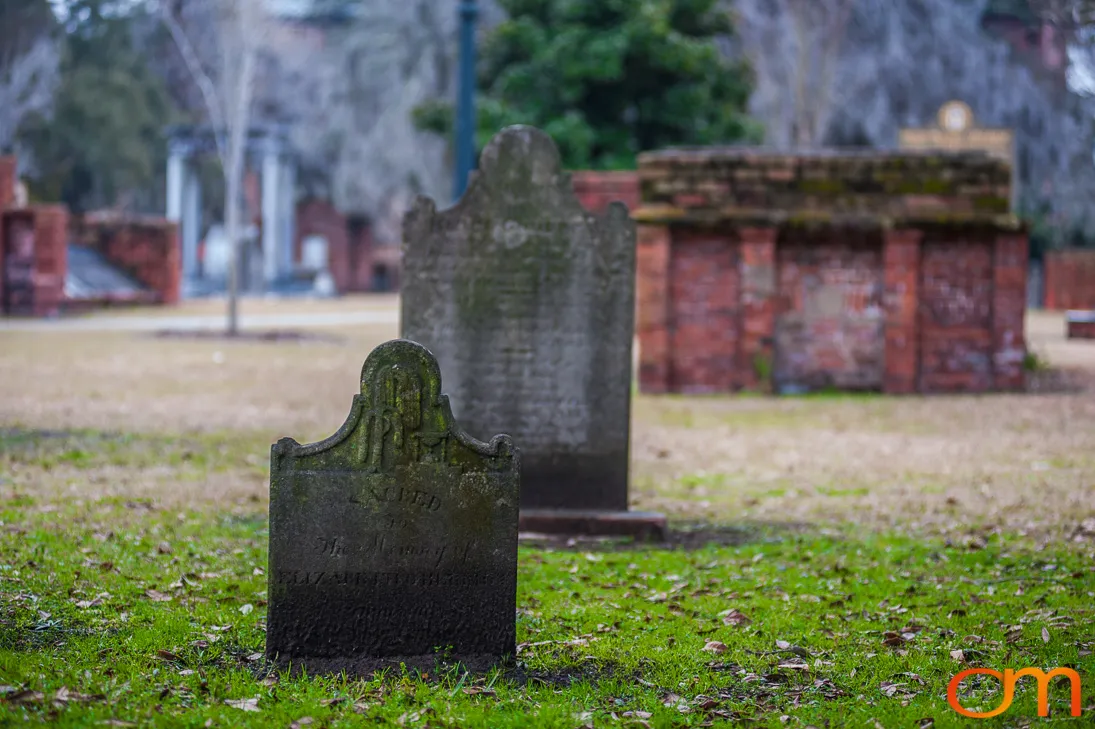
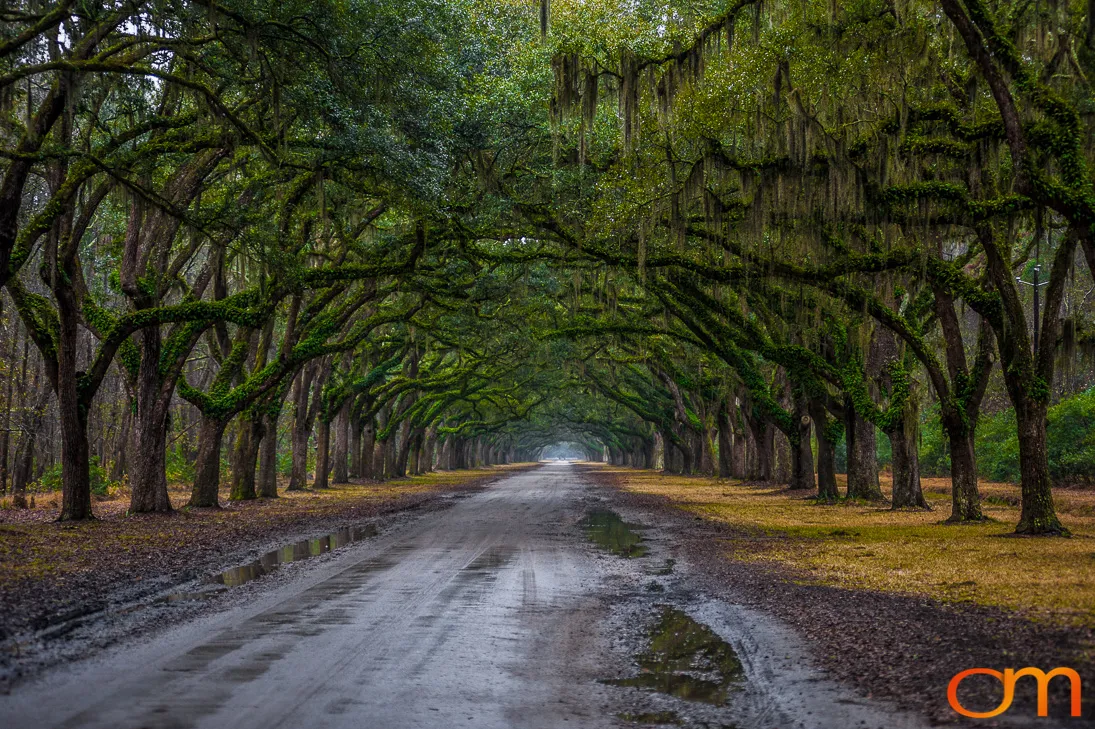
The 2015 photographs document the city’s brick streets, historic residences, live-oak avenues, and old burial grounds. They include Wormsloe State Historic Site, where a live-oak avenue leads toward the tabby ruins of Noble Jones’s fortified colonial estate, and Colonial Park Cemetery, Savannah’s primary public cemetery from 1750 to 1853 and its oldest intact municipal cemetery.