Arizona
Sedona, Arizona
September 2013
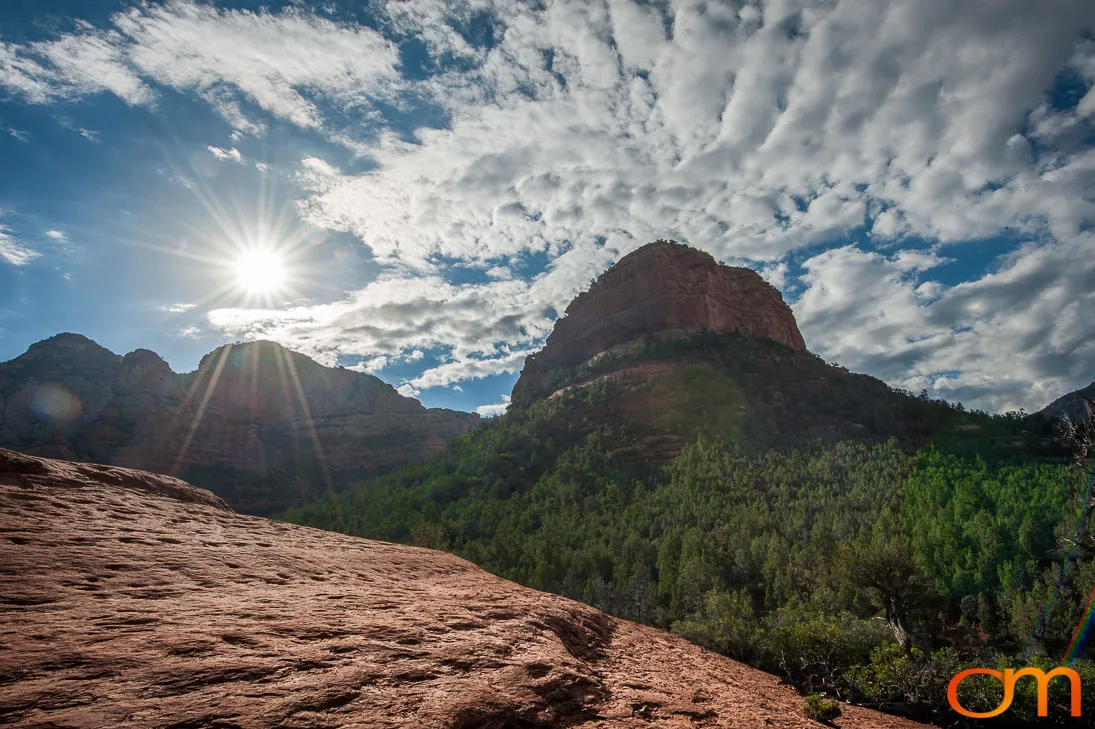
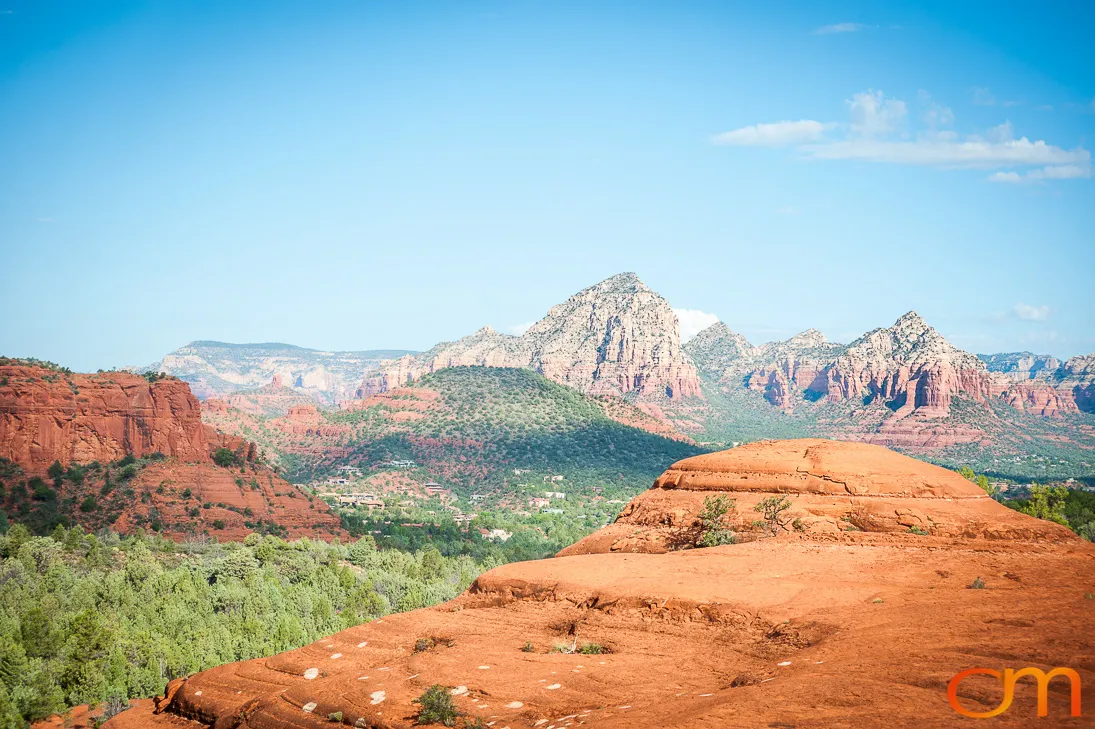
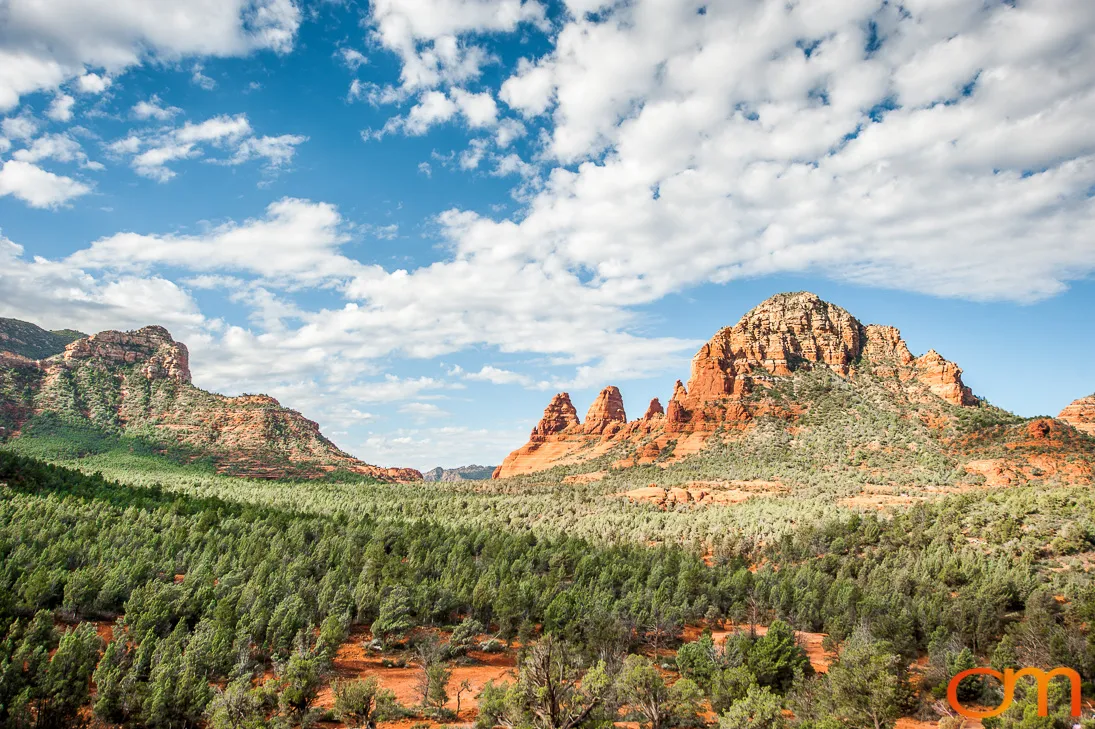
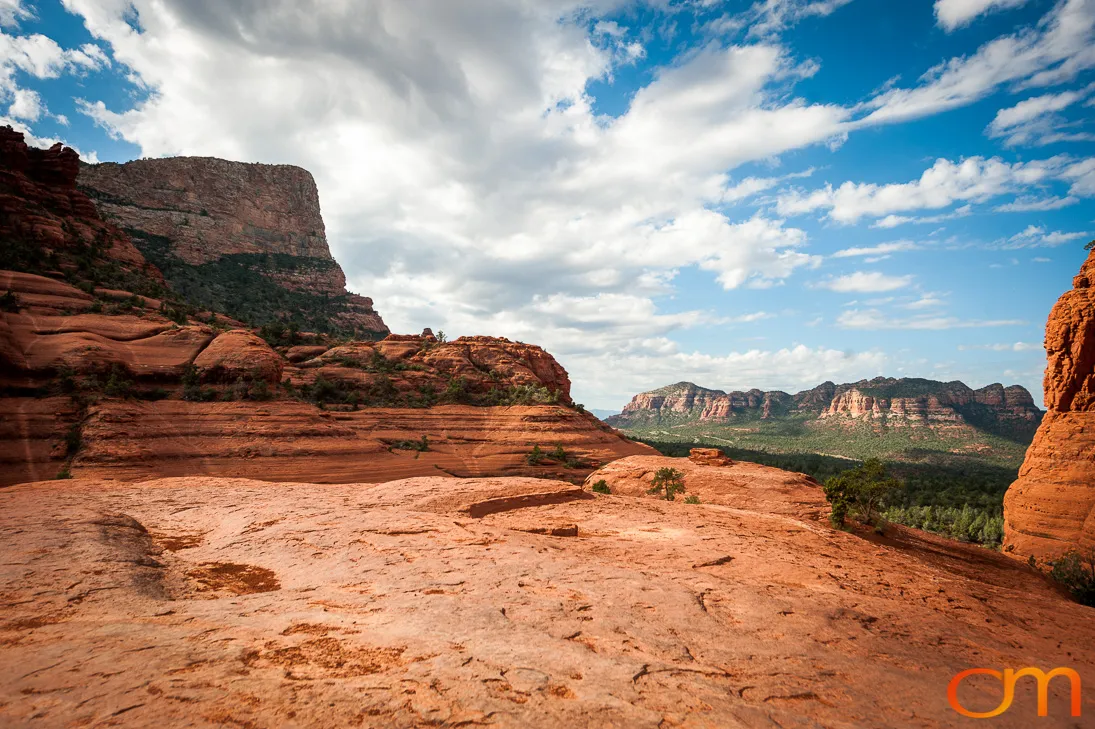
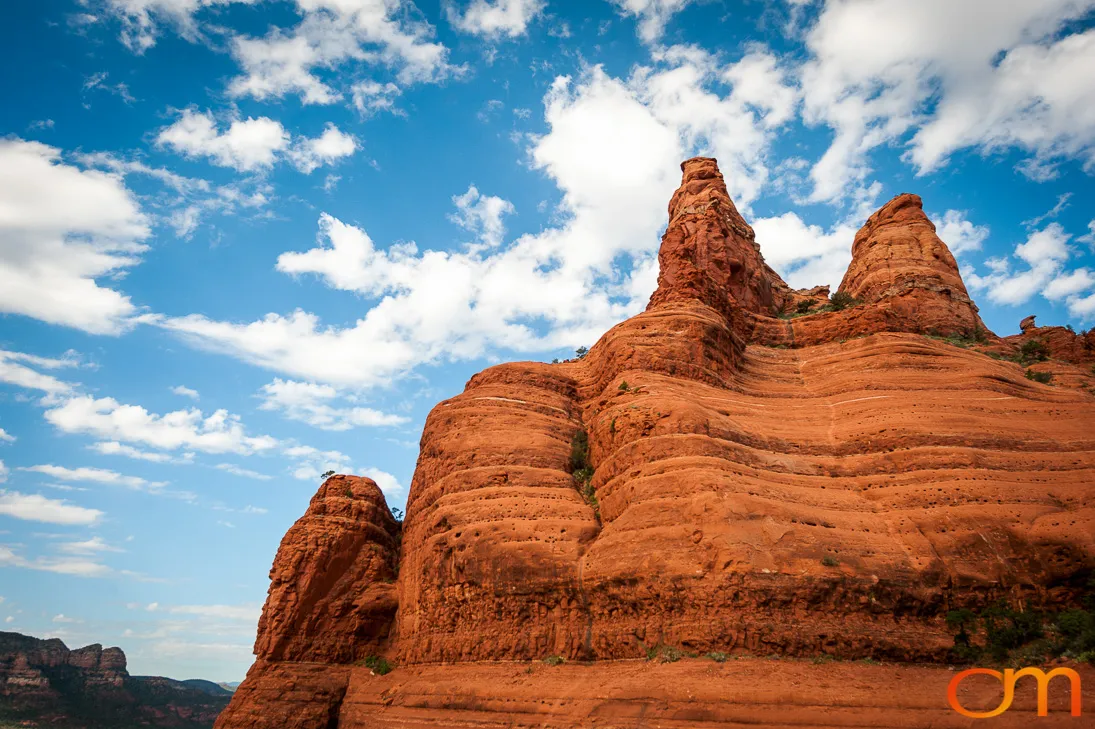
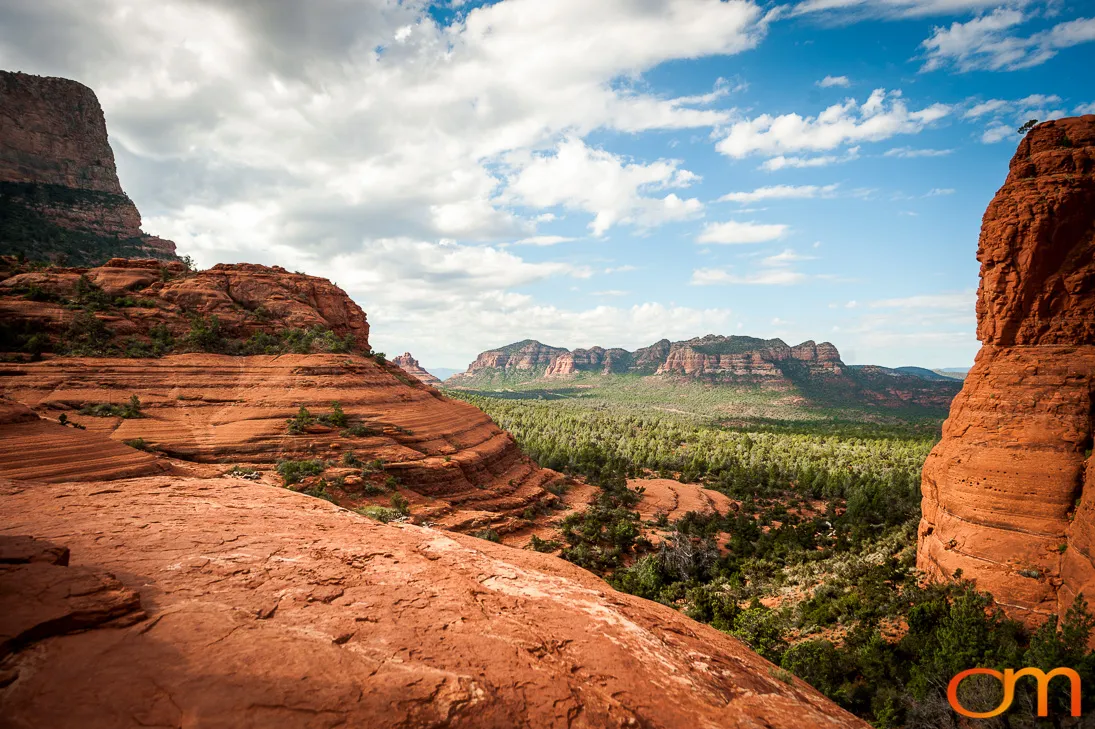
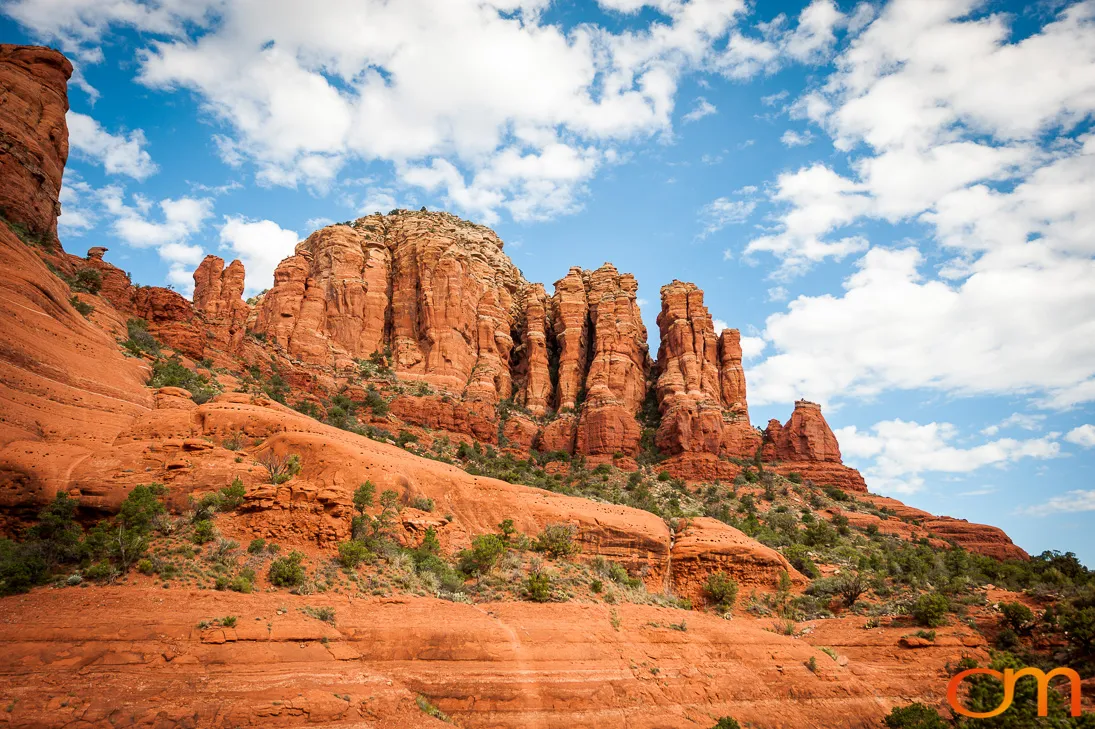
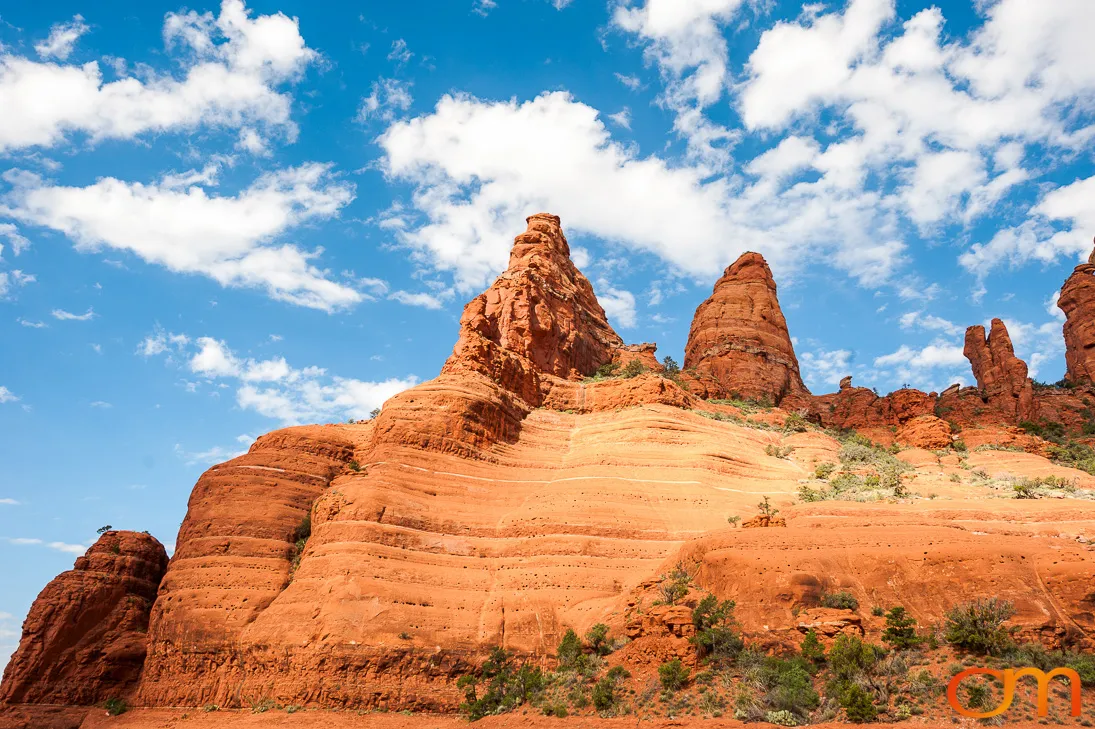
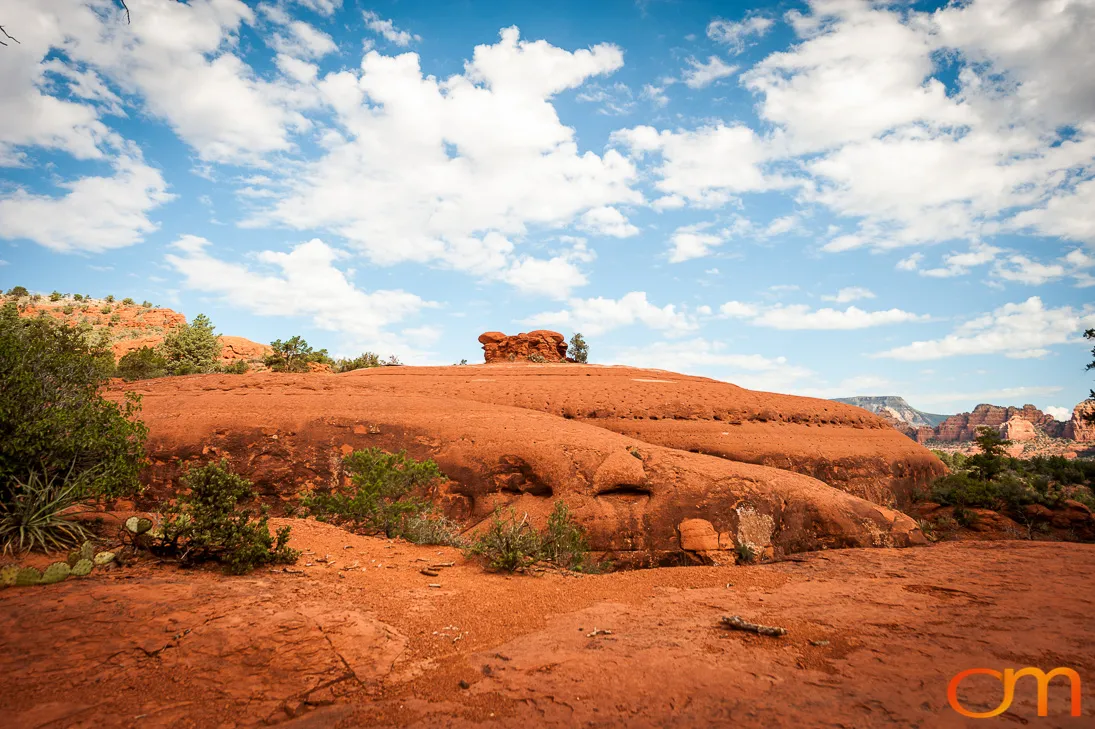
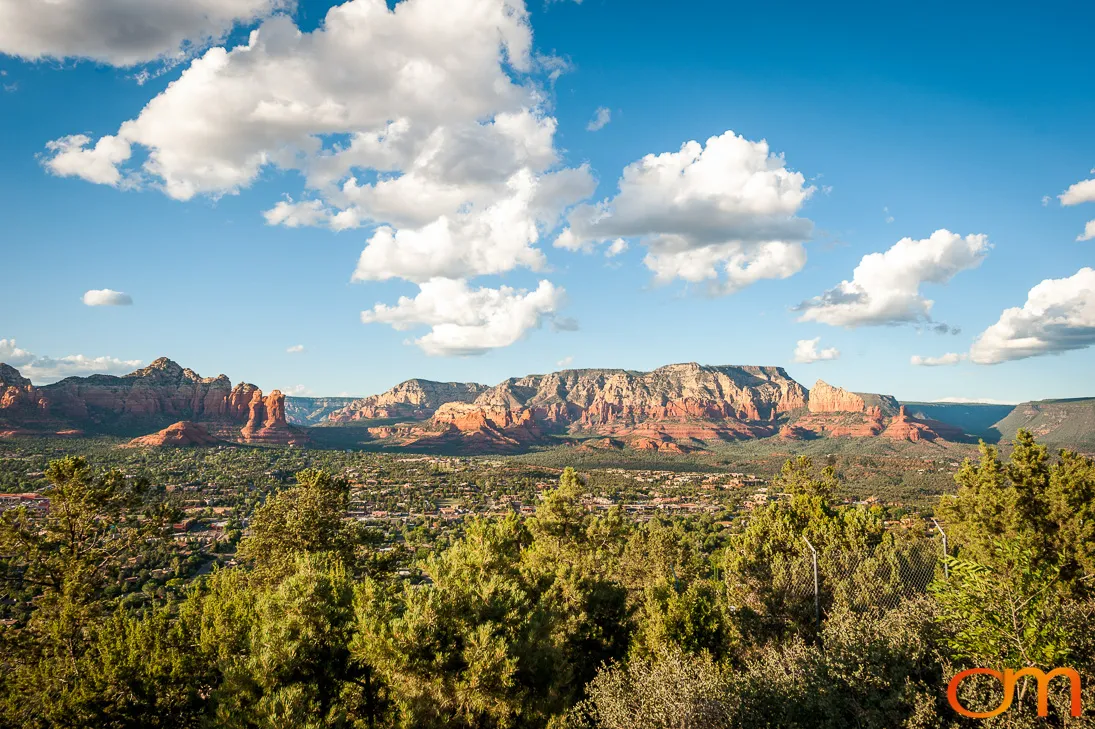
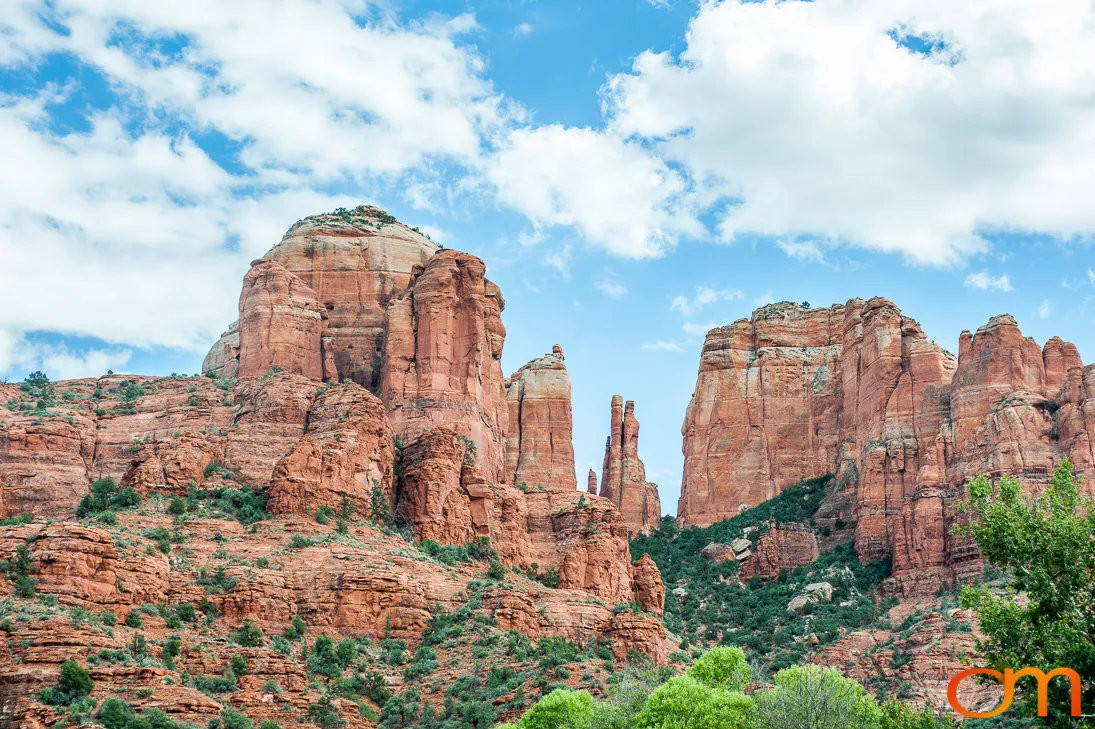
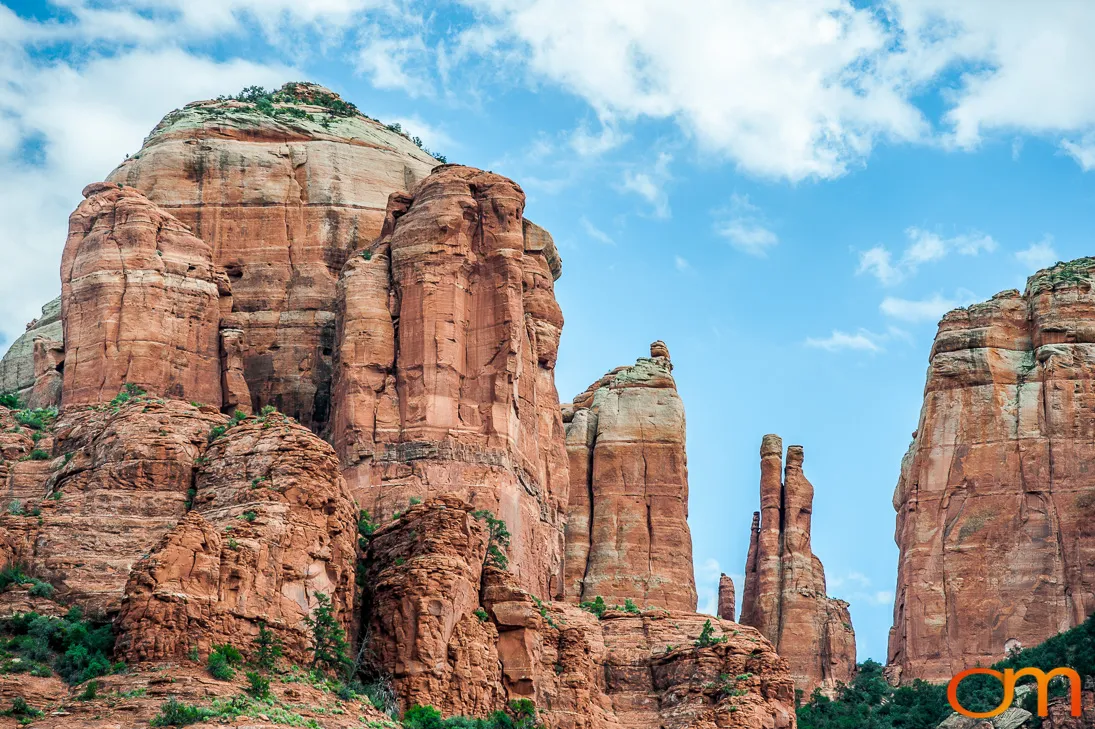
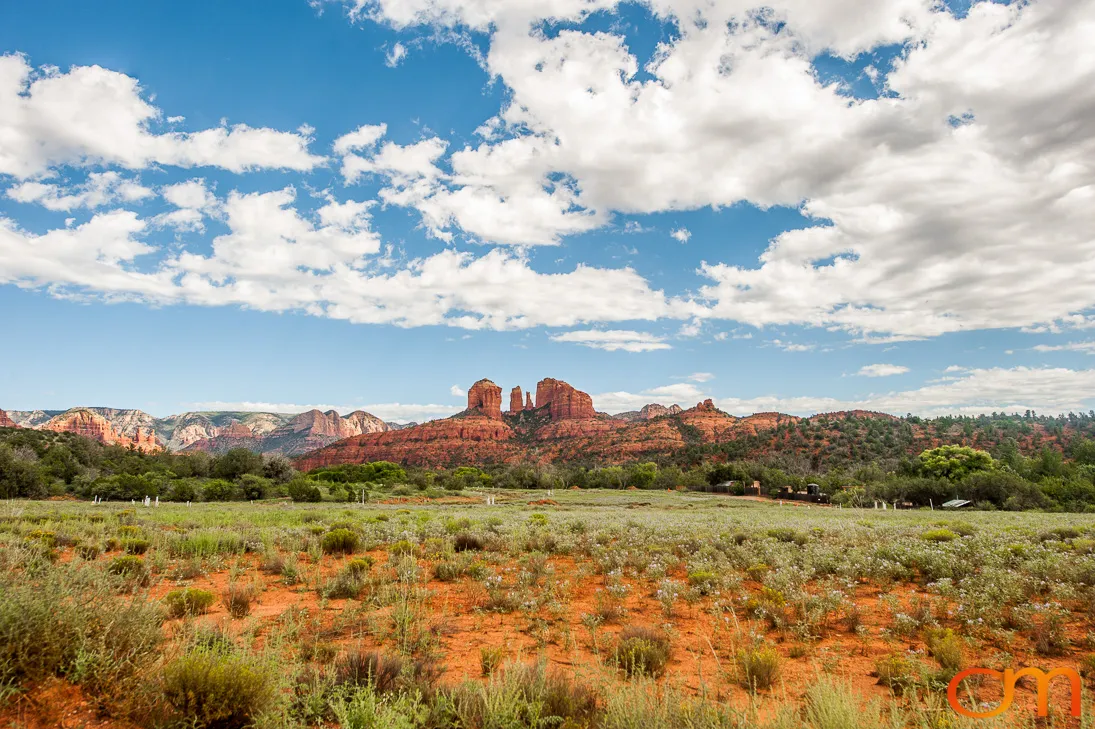
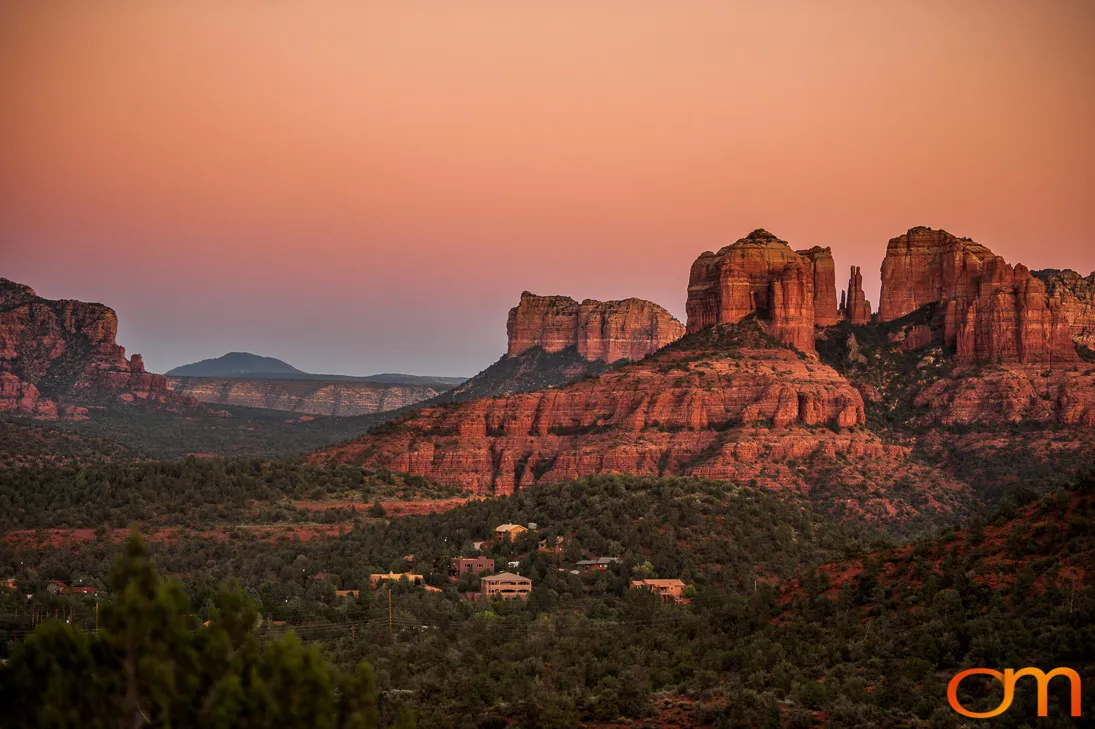
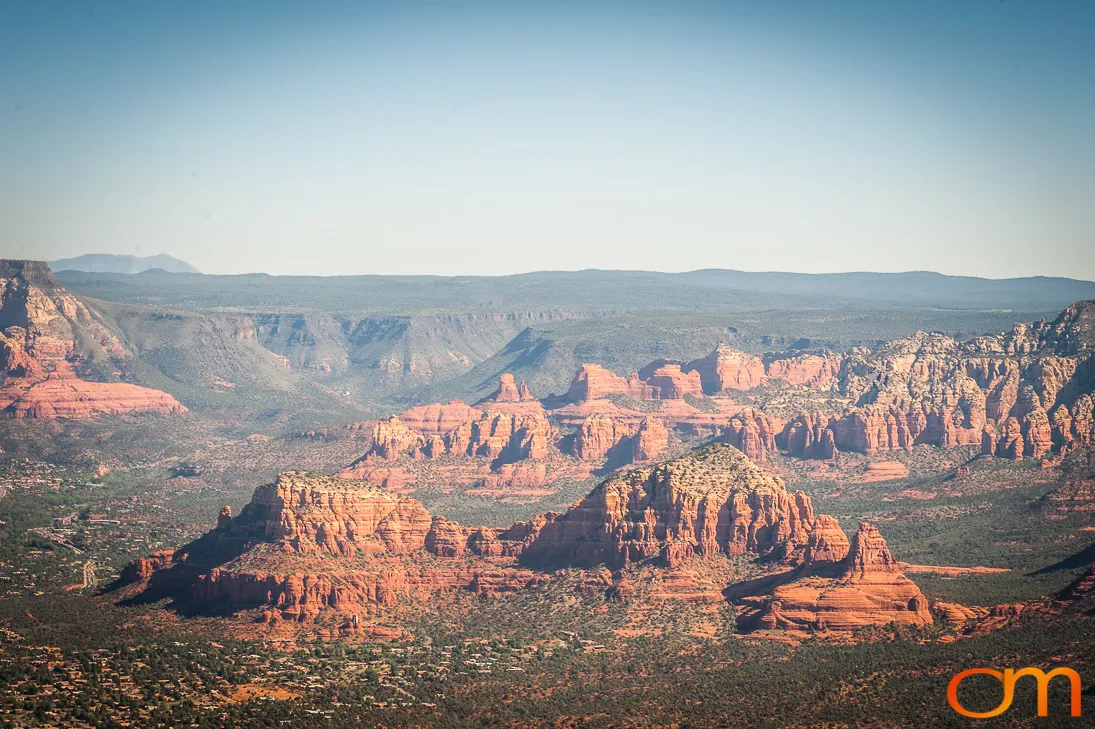
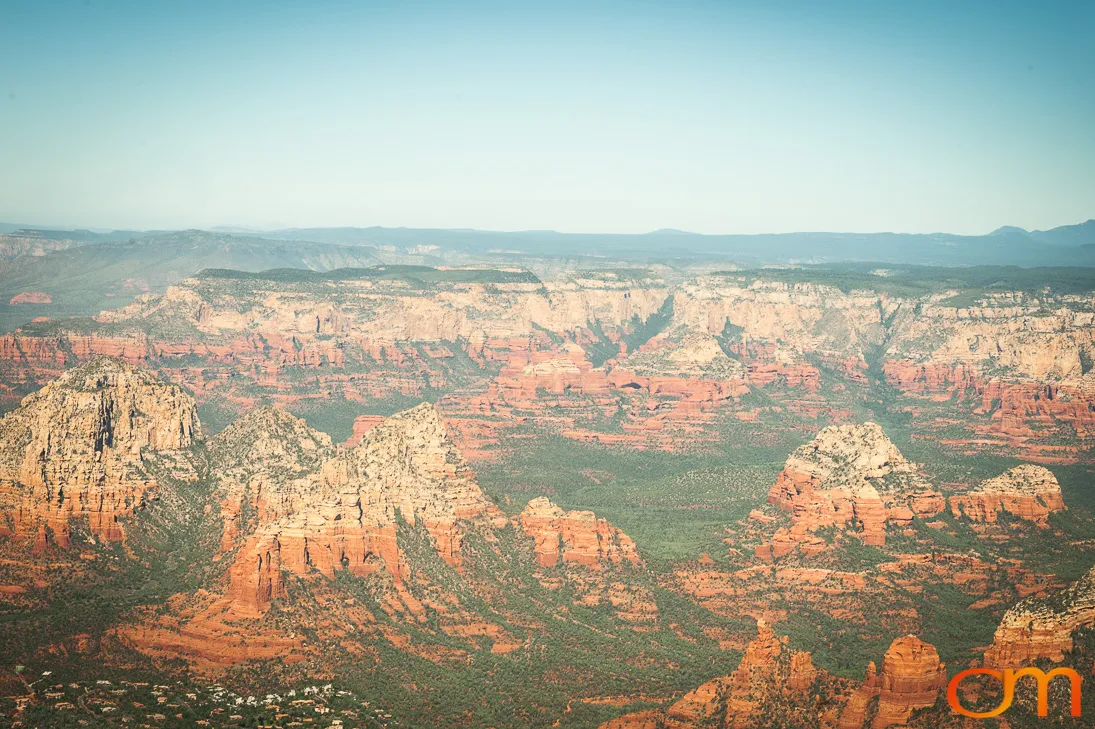
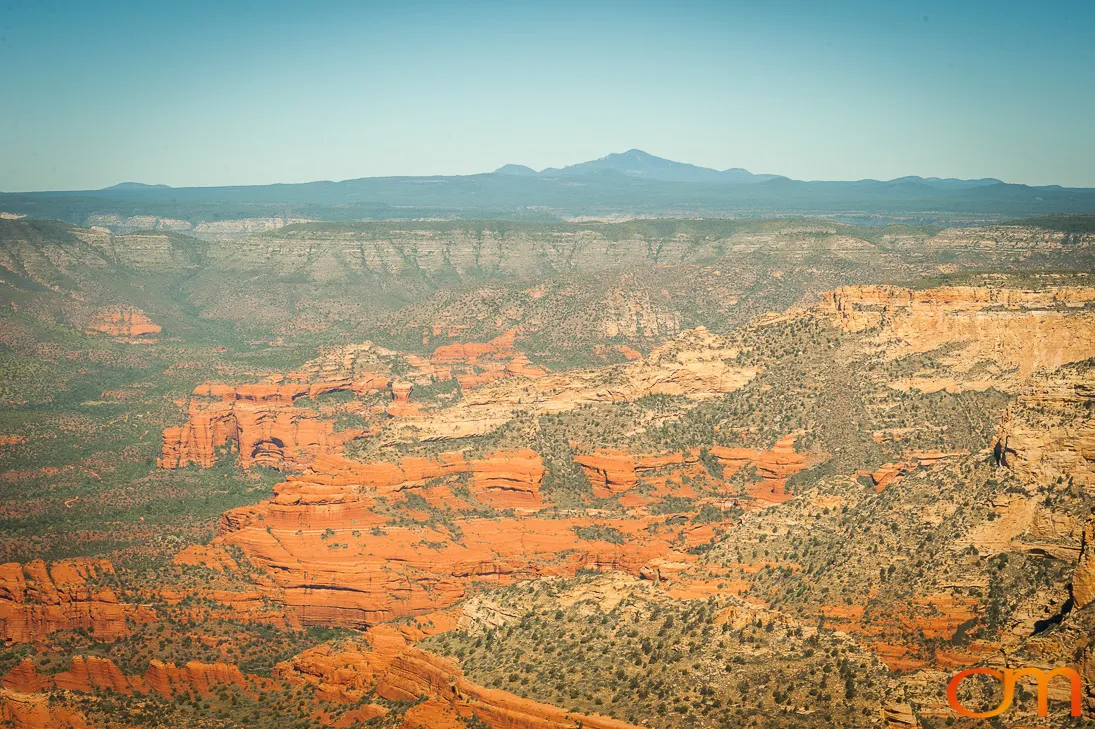
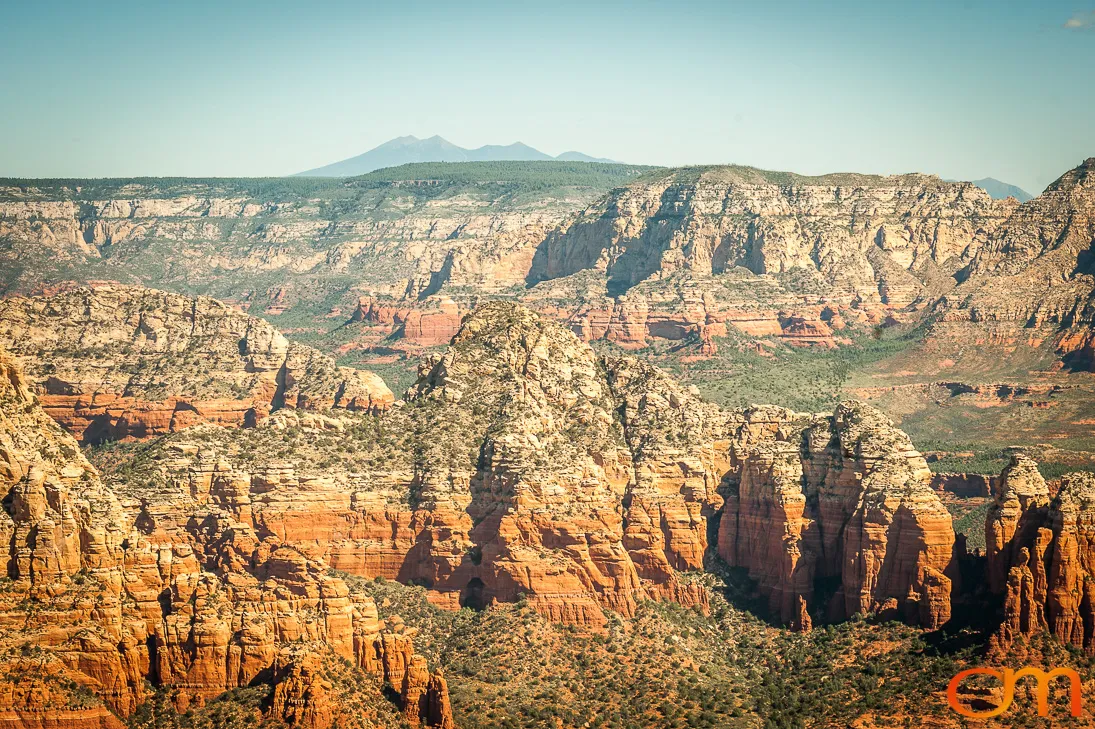
Sedona lies in north-central Arizona, straddling Coconino and Yavapai counties and surrounded by the Coconino National Forest. Cliffs, buttes, mesas, pinnacles, and canyons expose layered sedimentary formations, including the red sandstone of the Schnebly Hill Formation. Iron oxides contribute to the rocks’ characteristic red and orange coloration.
Vegetation around Sedona ranges from semi-arid shrublands and pinyon-juniper woodland to ponderosa pine forest at higher elevations. Long-term weathering and erosion have carved the sedimentary layers into the landforms surrounding the city.
Red Rock Country has a long Indigenous history. Rock art and archaeological sites such as Palatki and Honanki document use of the landscape over thousands of years. Archaeologists use the term Sinagua for communities that occupied cliff dwellings in the area principally between approximately 1150 and 1350 CE. Multiple Tribal nations retain cultural and historical connections to lands now administered as the Coconino National Forest.
The modern community received the name Sedona in 1902, when T. C. Schnebly established a post office and named it for his wife, Sedona Miller Schnebly. The City of Sedona incorporated in 1988.