Sierra Leone
Sierra Leone: Alluvial Diamond Mining
June 2007
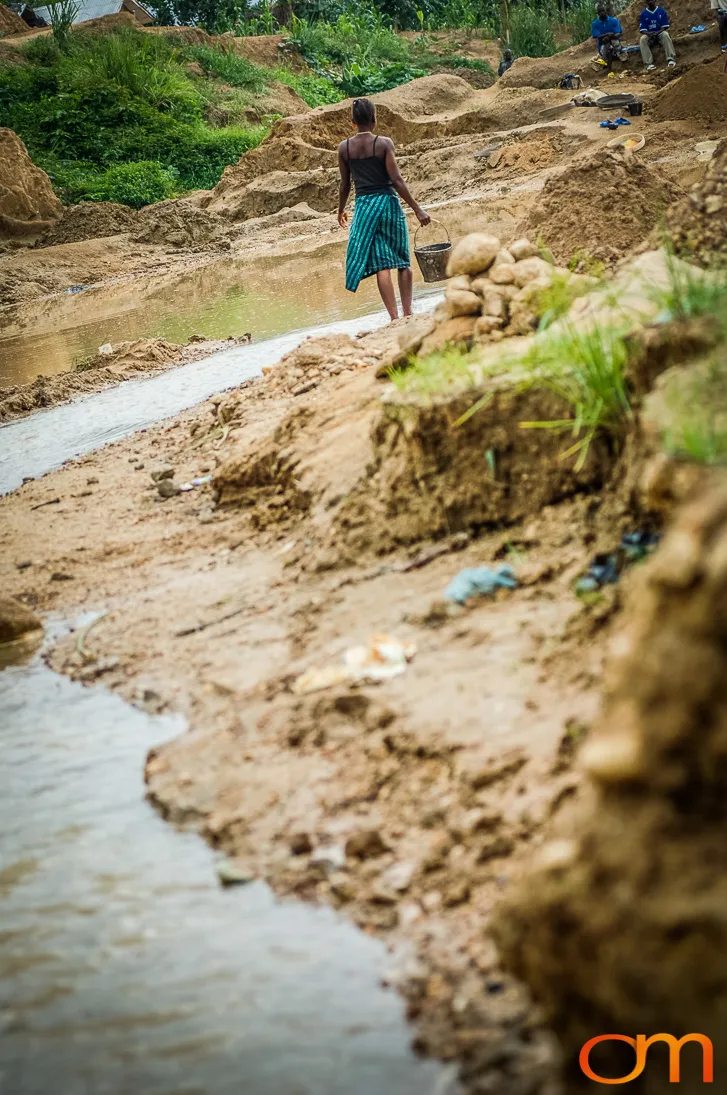
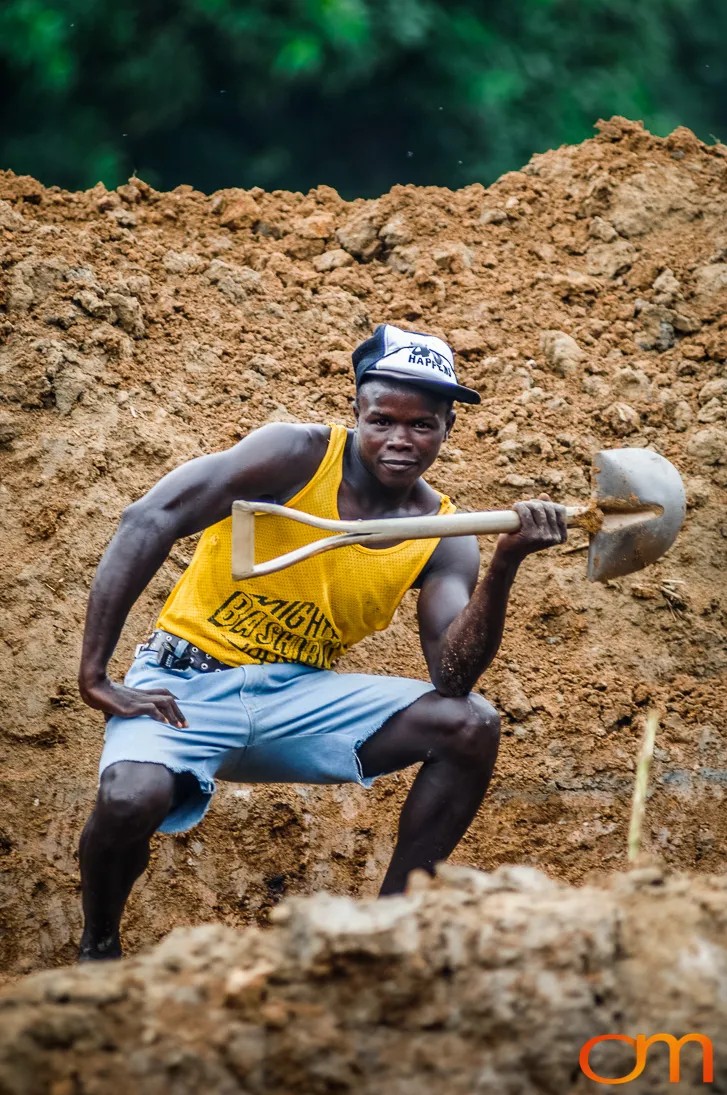
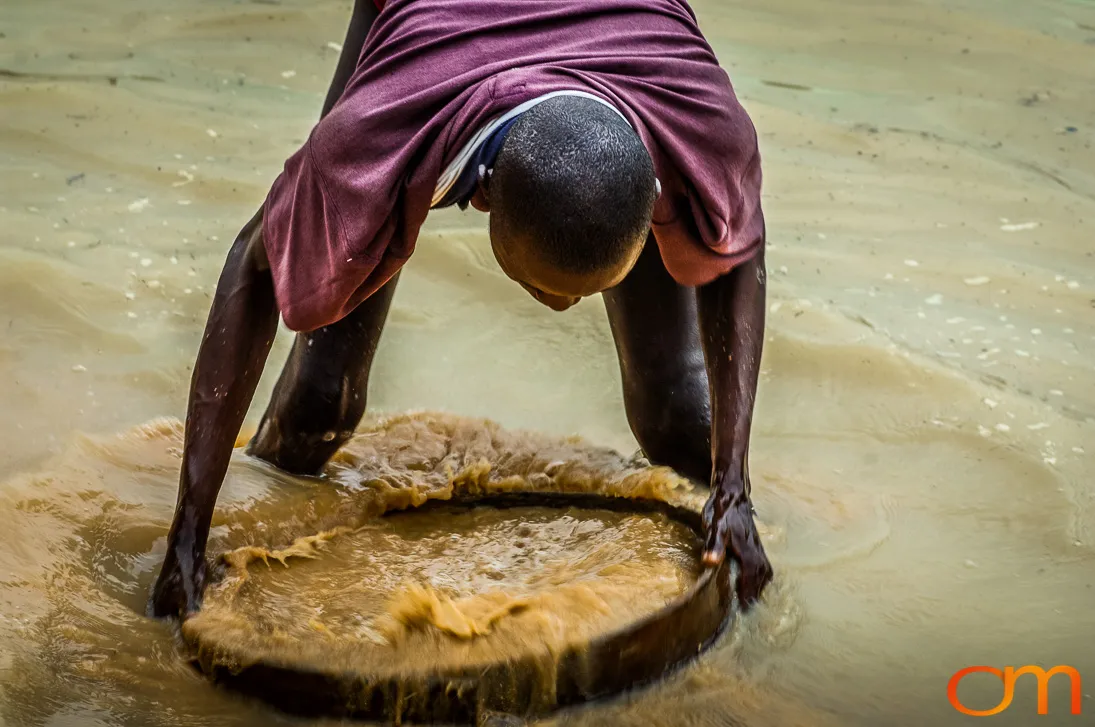
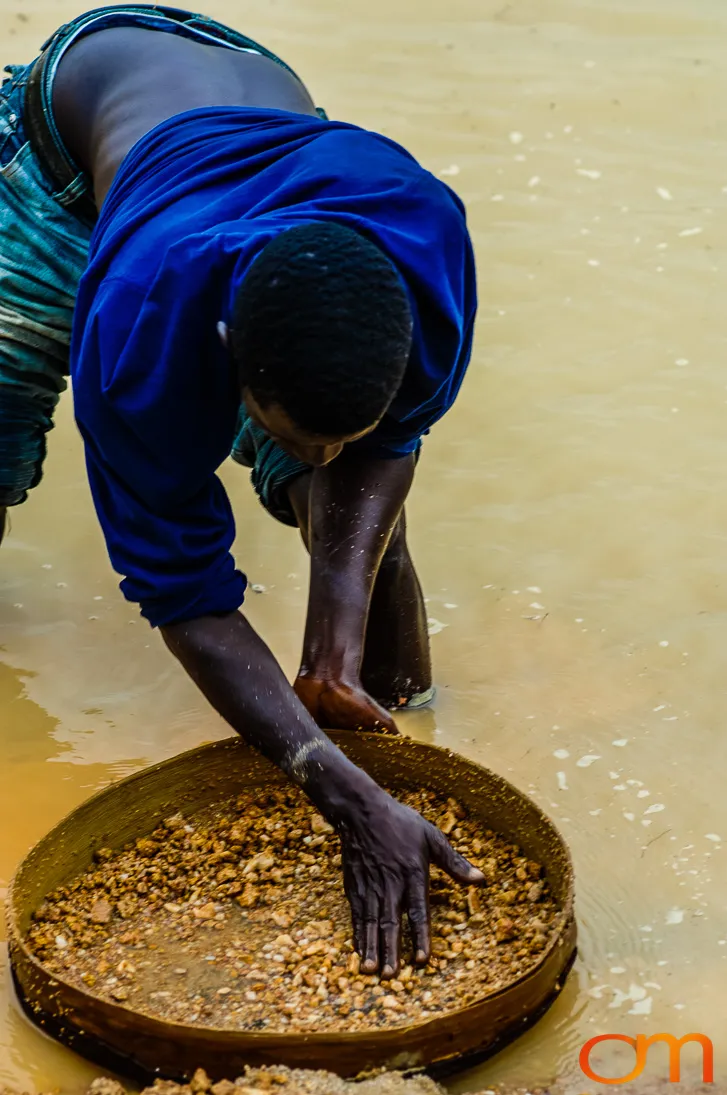
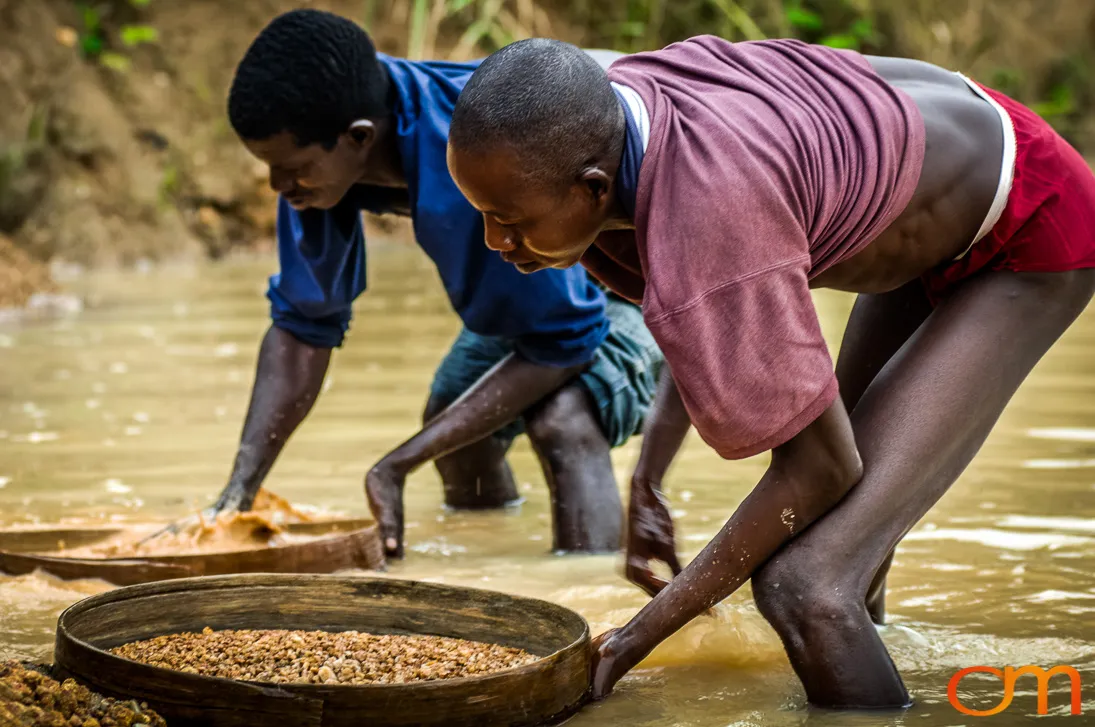
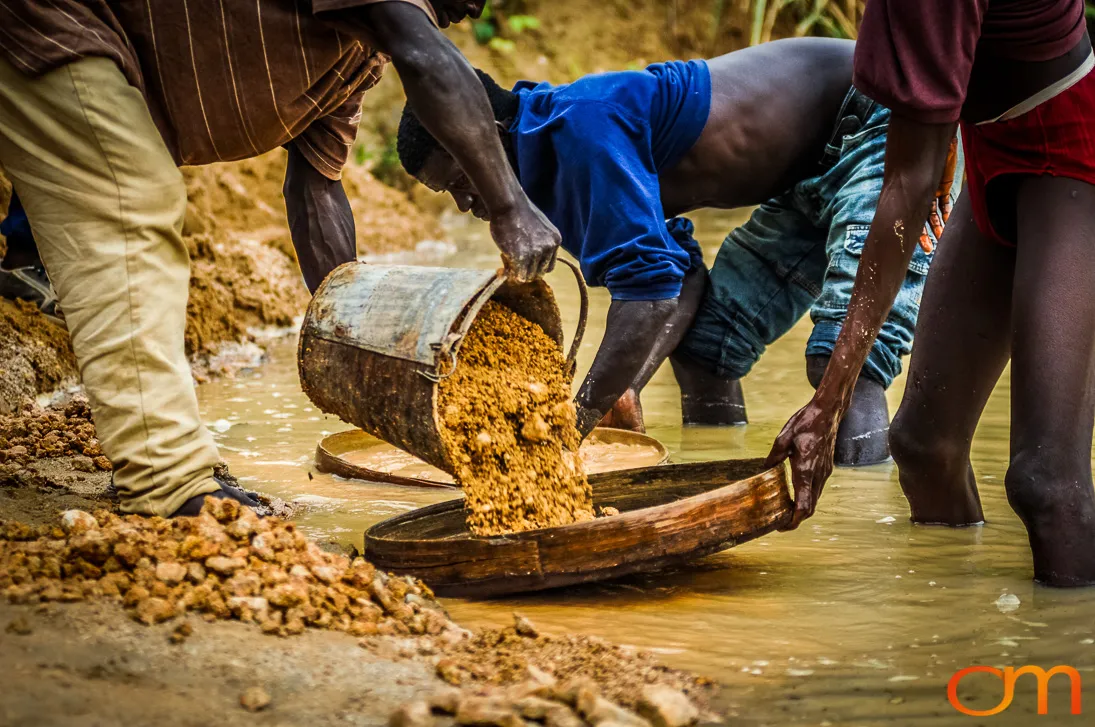
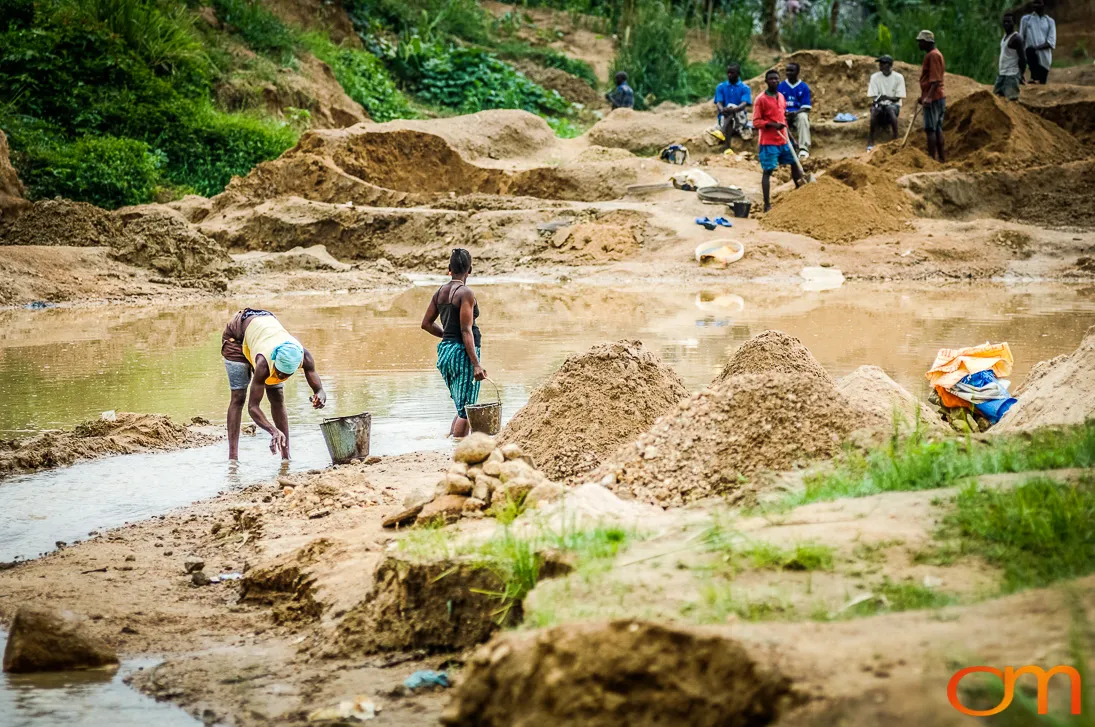
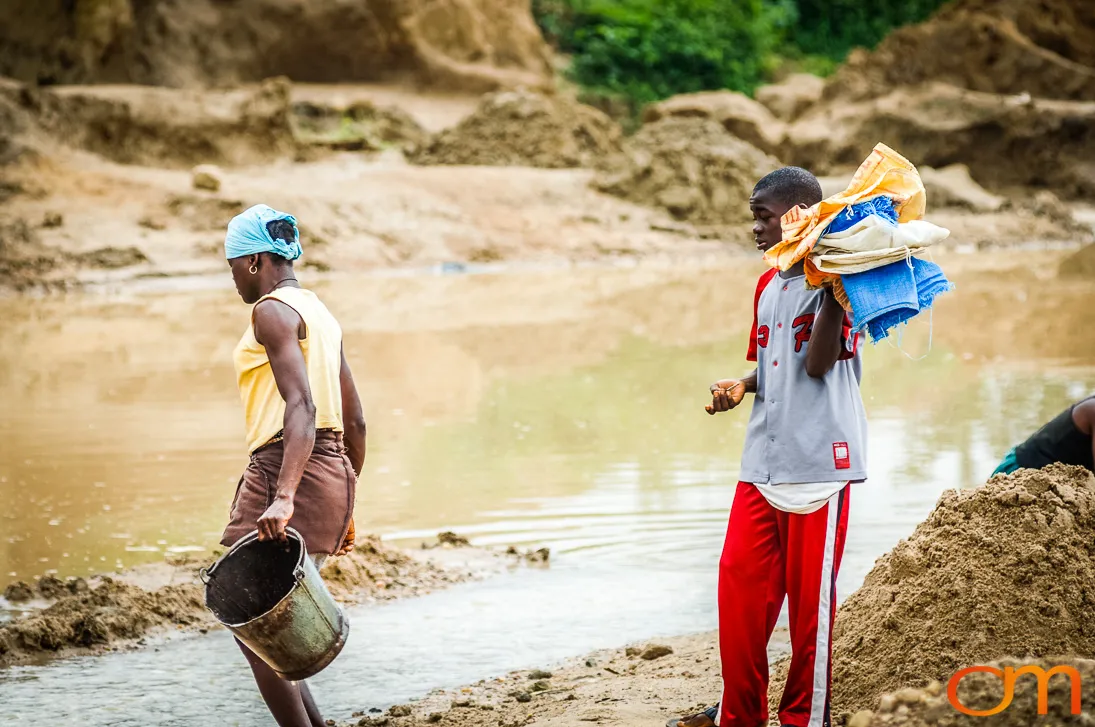
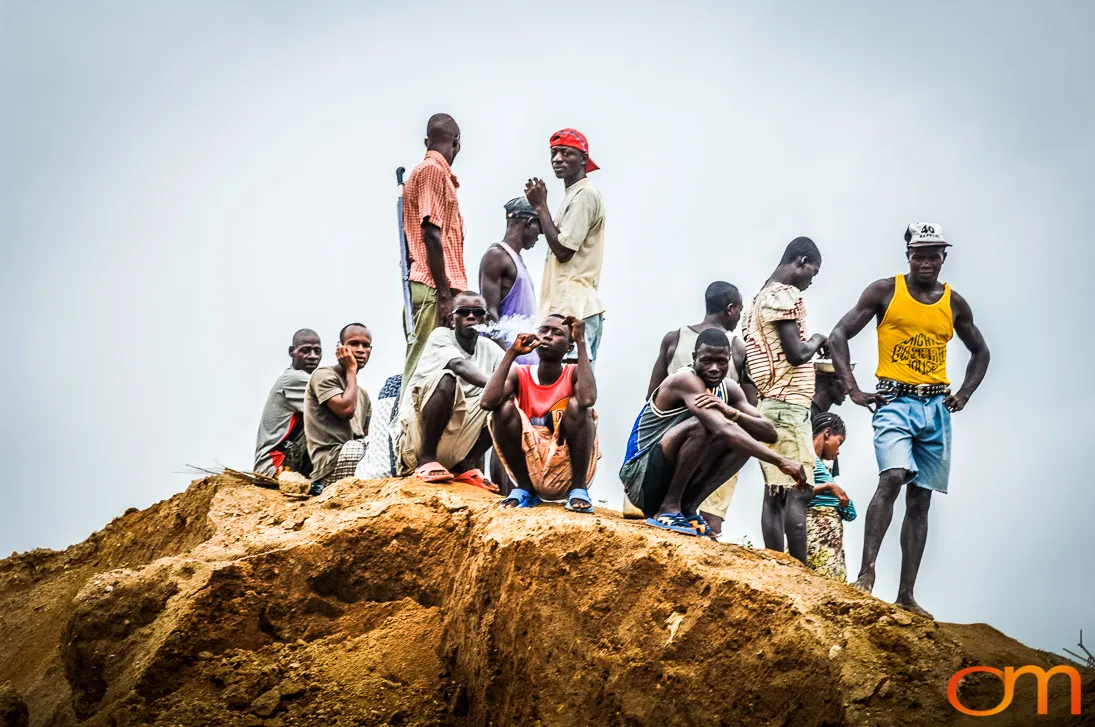
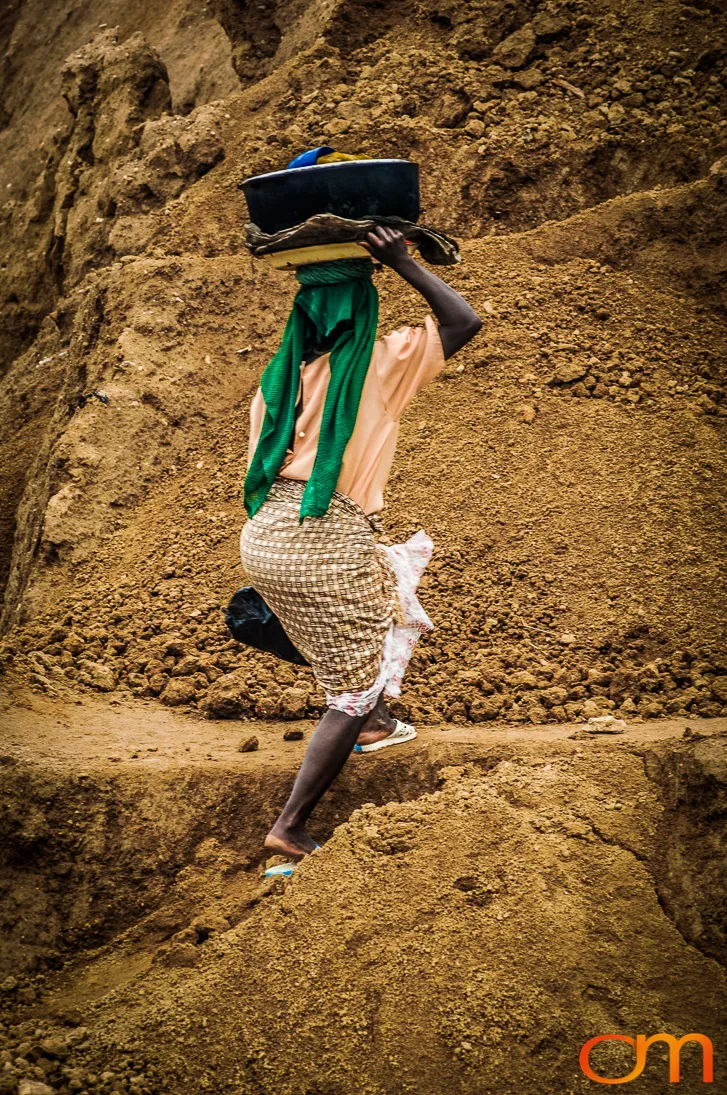
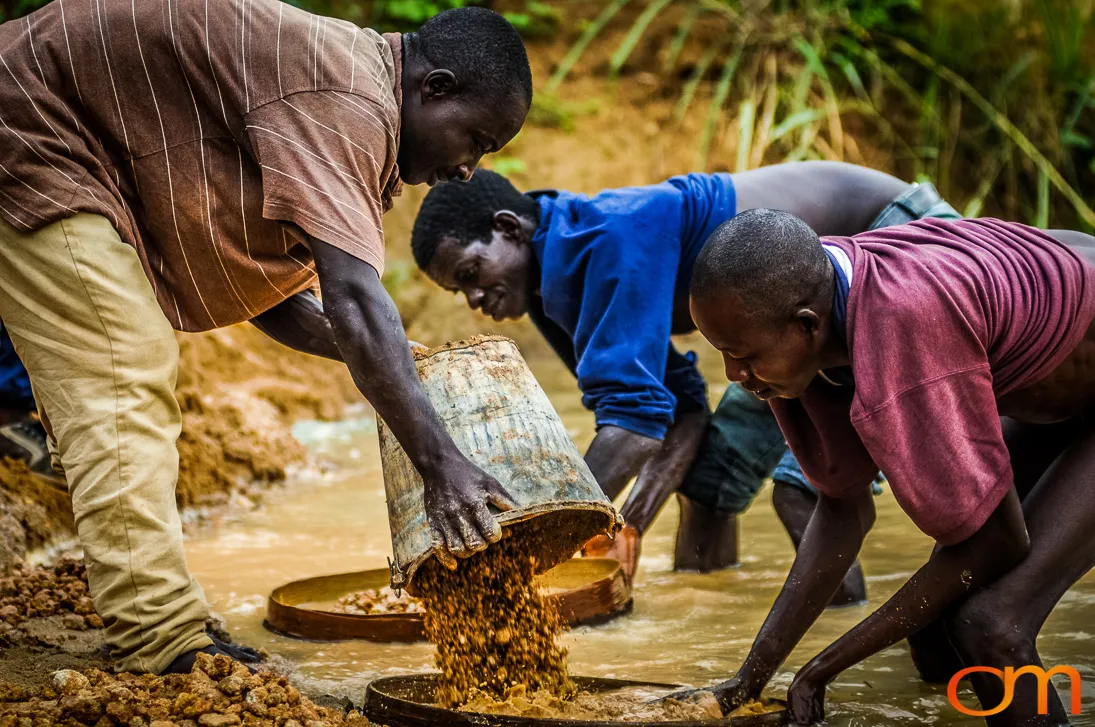
Sierra Leone, on the Atlantic coast of West Africa, has extensive mineral resources, including diamonds, rutile, bauxite, gold, and iron ore. Mining is an important source of export earnings, but it is not the country’s sole economic base. Kono District in eastern Sierra Leone has been a major center of diamond production since diamonds were discovered there during the 1930s. These photographs, taken in 2007, document artisanal alluvial diamond mining near Koidu, the district headquarters.
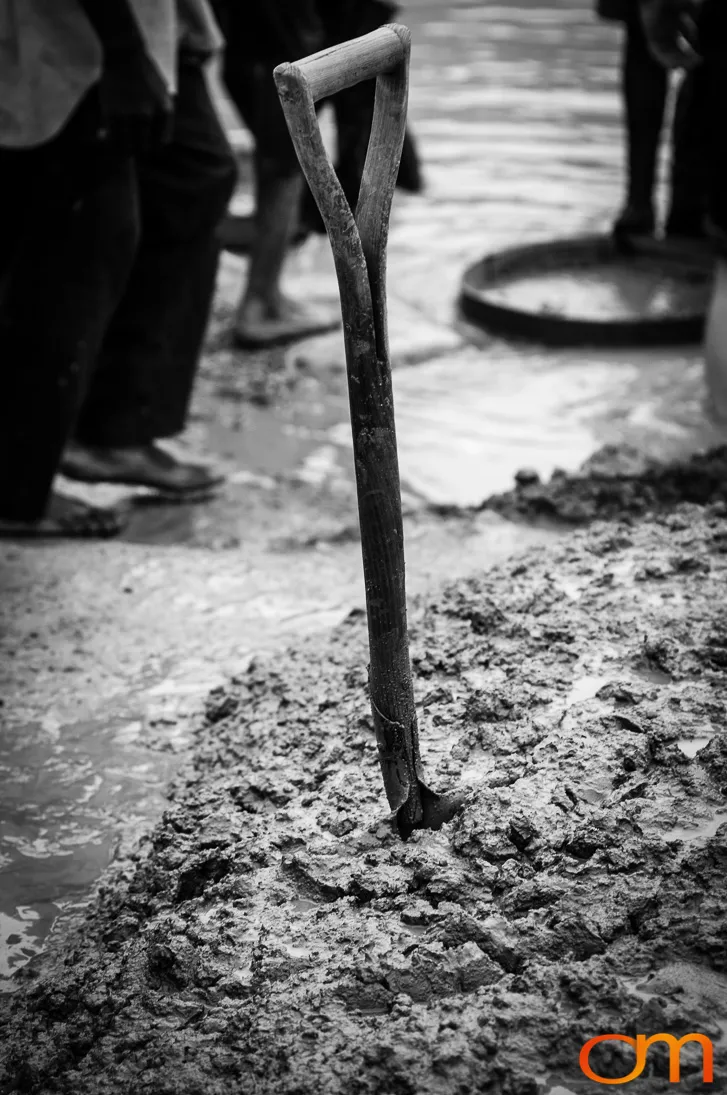
Artisanal mining is small-scale and labor-intensive, generally relying on simple tools rather than large industrial machinery. In Sierra Leone, artisanal operations may be licensed and can include license holders, mine managers, laborers, tributers, dealers, exporters, and financial supporters.
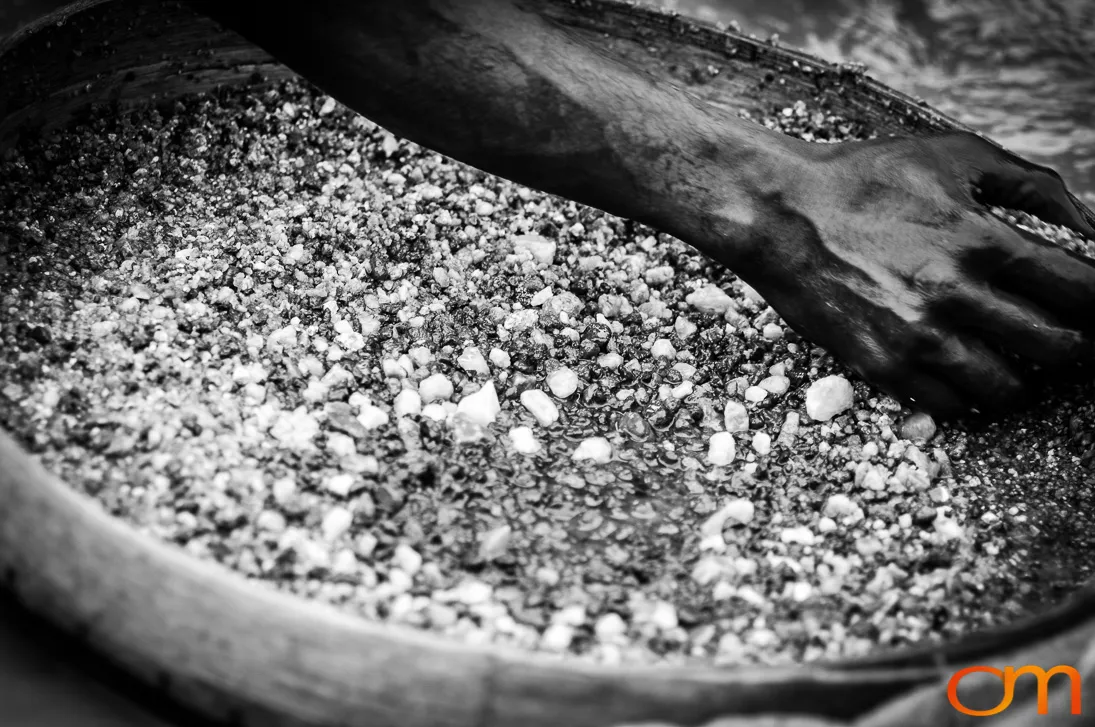
Alluvial diamonds occur in sediments deposited by rivers and streams after erosion transports them away from their primary source rock. Miners remove soil and other overburden to reach potentially diamond-bearing gravel, which is then washed and screened. This removes finer sediment and concentrates the remaining gravel and heavier minerals for careful sorting. It does not isolate diamonds on the sieve.
2007 and the Present — Updated 2026
The photographs were taken five years after Sierra Leone’s civil war was officially declared over in January 2002. Sierra Leone had entered the Kimberley Process in 2003, bringing its official rough-diamond exports within the international certification system established to prevent conflict diamonds from entering the legitimate trade.
In 2007, the Kimberley Process recorded Sierra Leone’s national rough-diamond production at approximately 603,623 carats, valued at US$141.6 million. These are national totals and include more than the artisanal mining operations shown in the photographs.
Since 2007, Sierra Leone has introduced new mining laws, licensing requirements, mineral-rights administration, and transparency measures. The Mines and Minerals Development Act, 2022, which took effect in 2023, replaced the Mines and Minerals Act of 2009. Artisanal mining nevertheless remains widespread. A national baseline study cited by the Sierra Leone Extractive Industries Transparency Initiative estimated that approximately 70,000 people worked at 700 active artisanal mining sites in 2020, including 485 diamond sites.
The latest complete national diamond statistics available in 2026 cover 2024. Sierra Leone produced approximately 573,983 carats of rough diamonds, valued at US$103.1 million. In the same year, mining and quarrying accounted for 10.9 percent of national GDP, but diamonds alone accounted for 1.3 percent. Iron ore represented a substantially larger share at 8.2 percent, demonstrating that the modern mining sector is no longer centered primarily on diamonds.
The national figures show changes in production, regulation, and the wider mining economy, but they do not establish how conditions or working methods have changed at the specific sites photographed near Koidu. Manual excavation, washing, screening, and sorting continue within Sierra Leone’s artisanal sector, although practices and regulatory compliance vary among locations.
Sources