Search 283 stories and 49 dives.

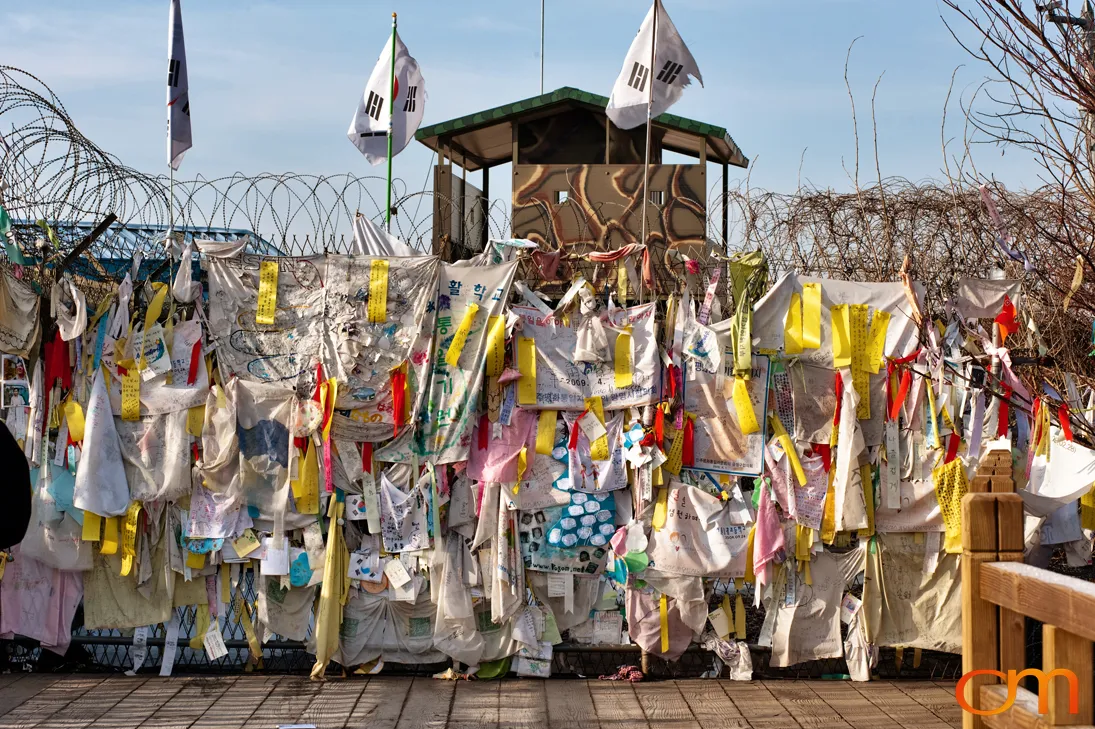
Fence buried under cloths and ribbons beneath flags and a wooden guard tower

South Korea

Bridge of Freedom at Imjingak

February 2010

The Bridge of Freedom stands at Imjingak in Paju, near the Imjin River and approximately seven kilometers south of the Military Demarcation Line. Its history is closely associated with the Korean Armistice Agreement signed on July 27, 1953. The agreement halted the fighting in the Korean War but did not establish a permanent peace treaty.

Following the armistice, 12,773 prisoners of war returned south by crossing the bridge. This passage gave the structure its name and made it an enduring symbol of freedom and the continuing division of the Korean Peninsula.

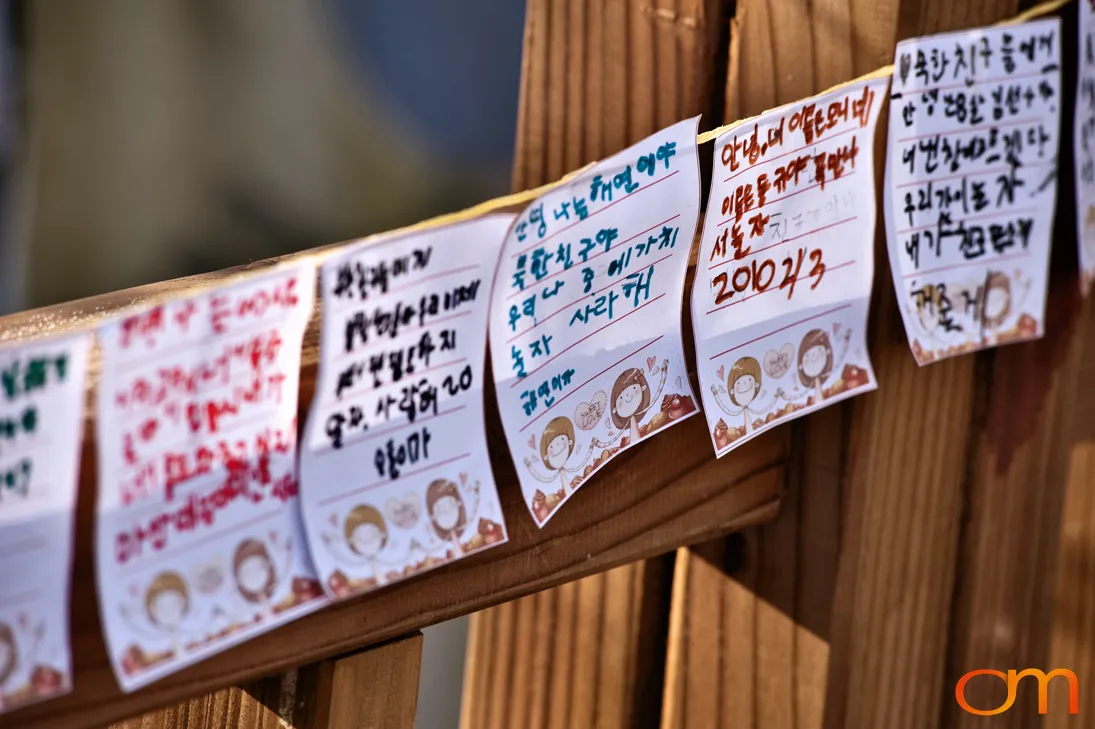
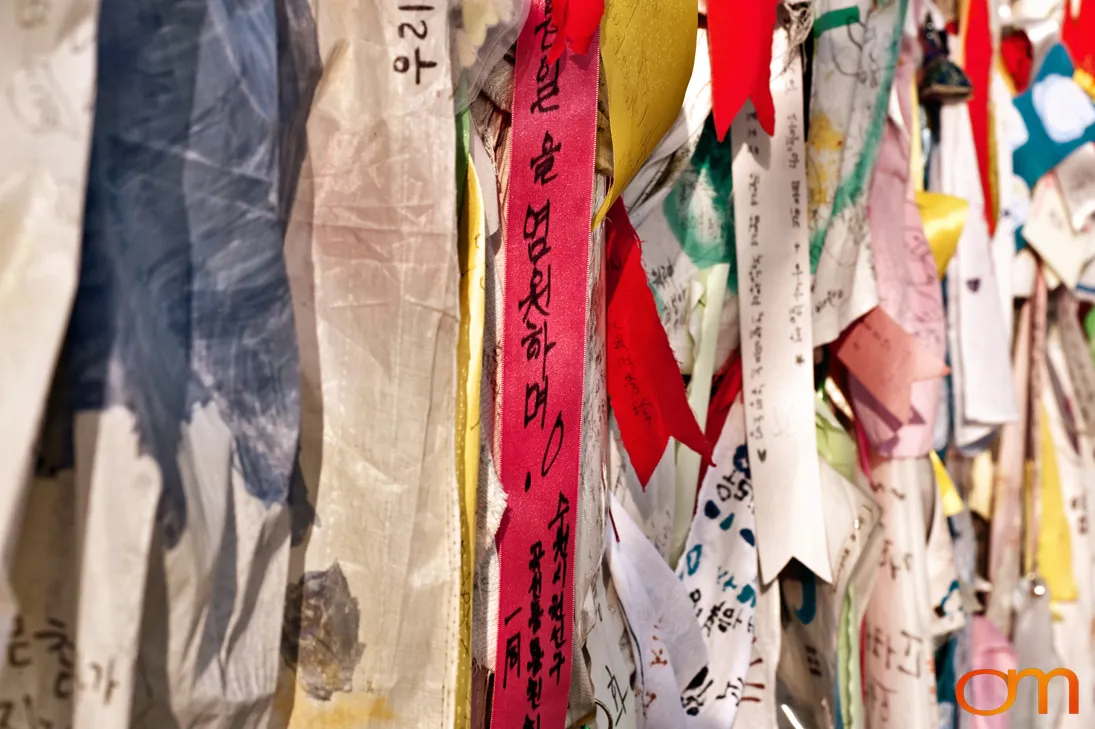
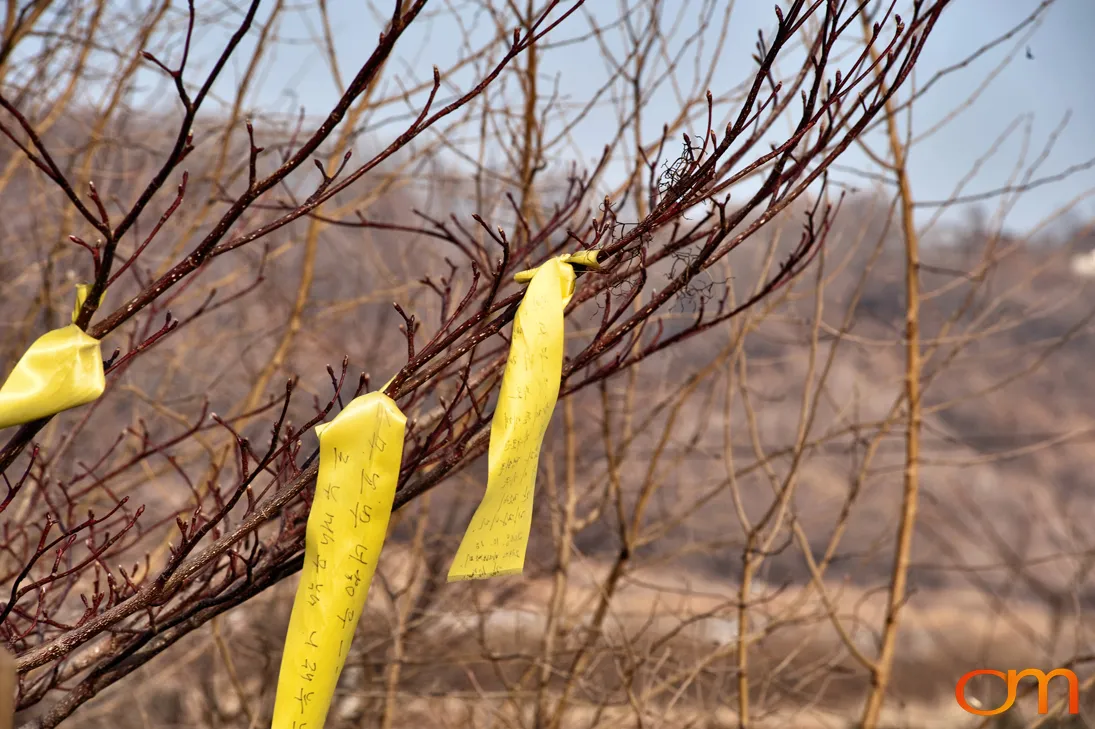
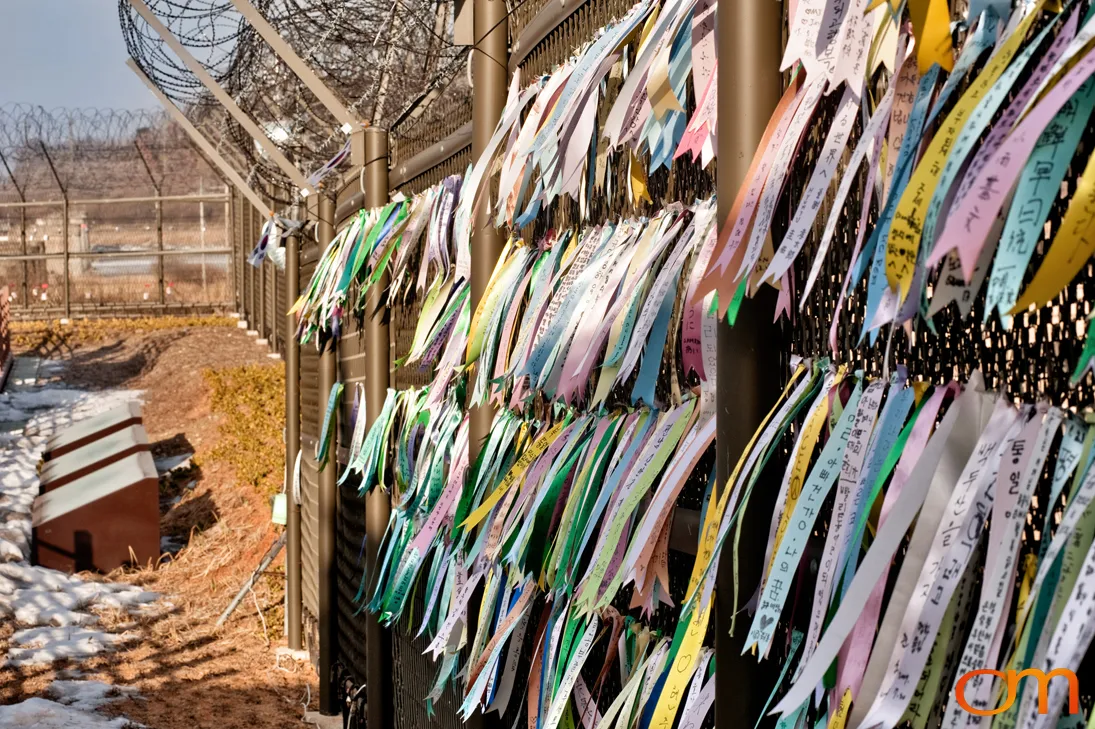
Imjingak was established in 1972 as a place of remembrance for people displaced from homes in the North and for families separated by the division of Korea. The complex includes the Mangbaedan altar, memorials, preserved wartime artifacts, and fences where visitors attach ribbons and written messages expressing hopes for peace and reunification.
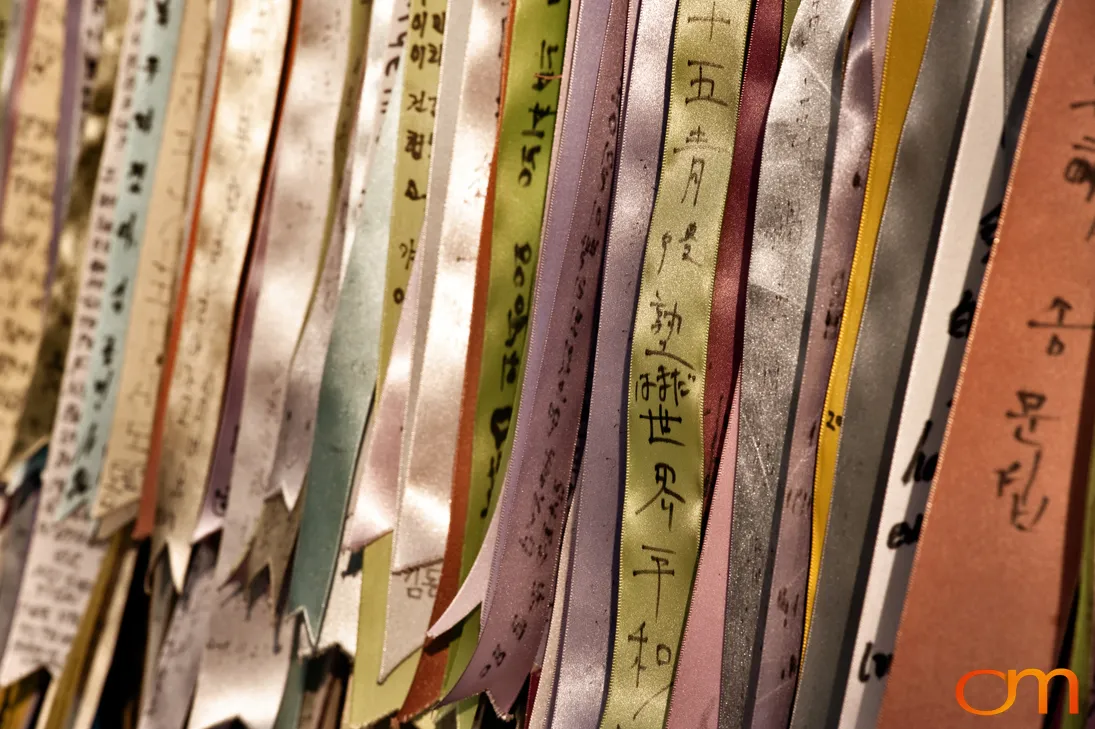
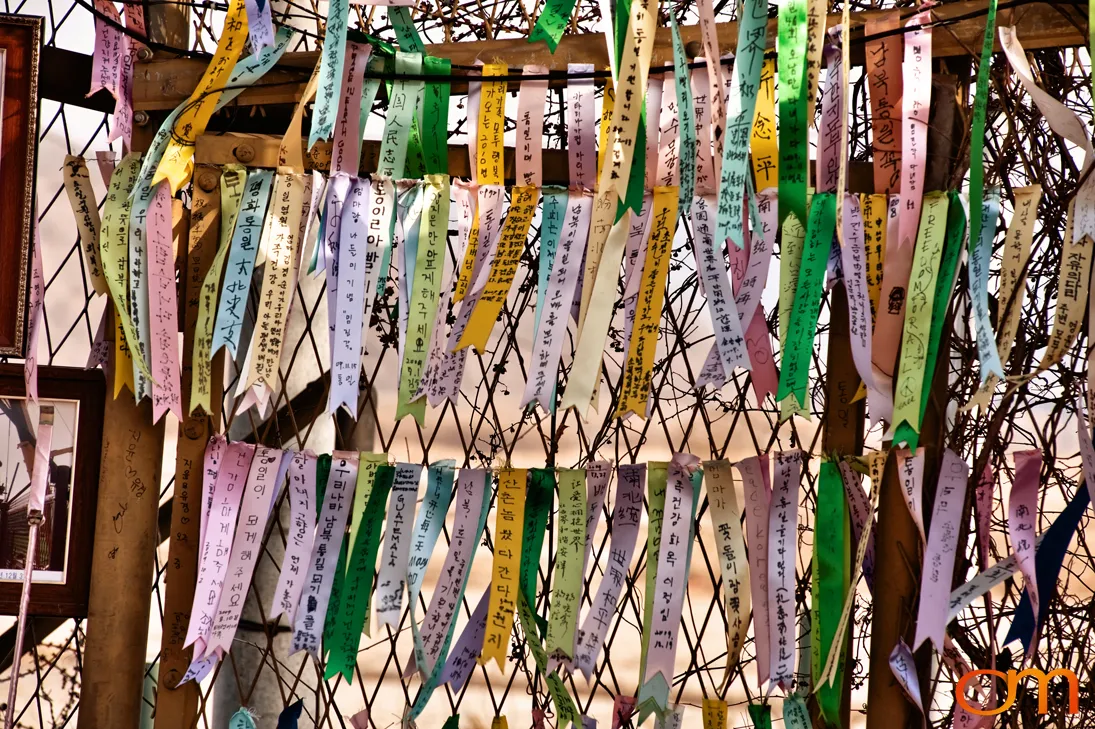
Densely layered satin ribbons covered in handwritten Korean messages
Pastel message ribbons in Korean tied in rows across a wire fence
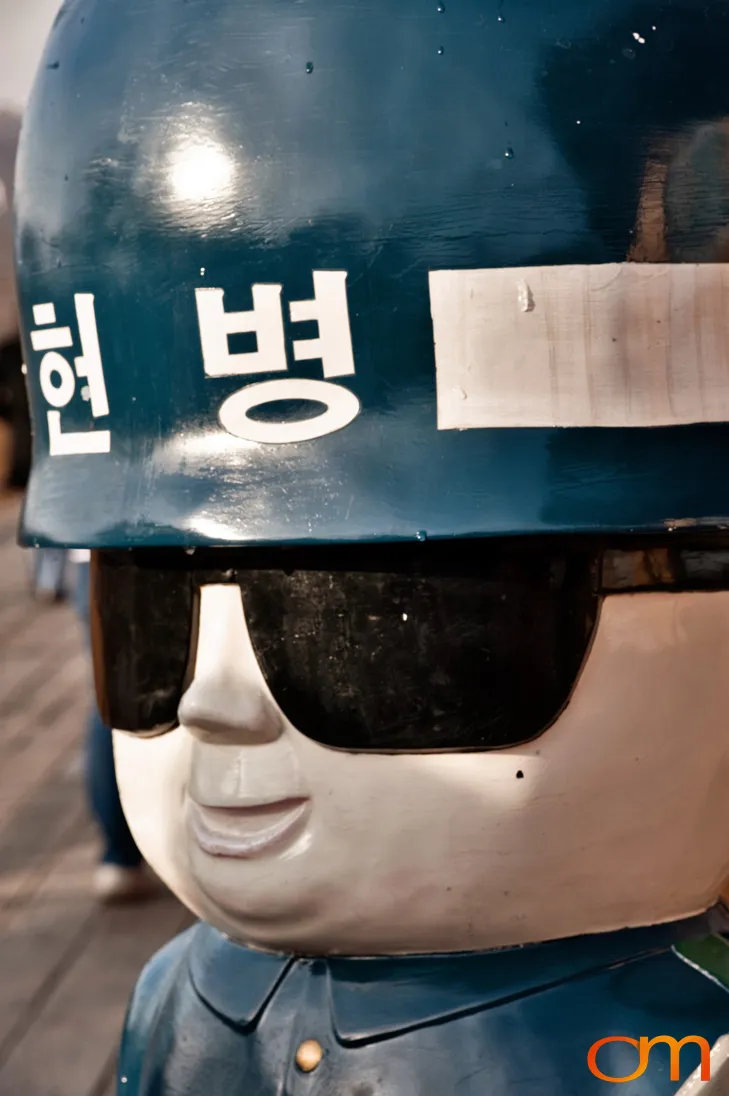
Cartoon soldier statue with "헌병", military police, on its blue helmet
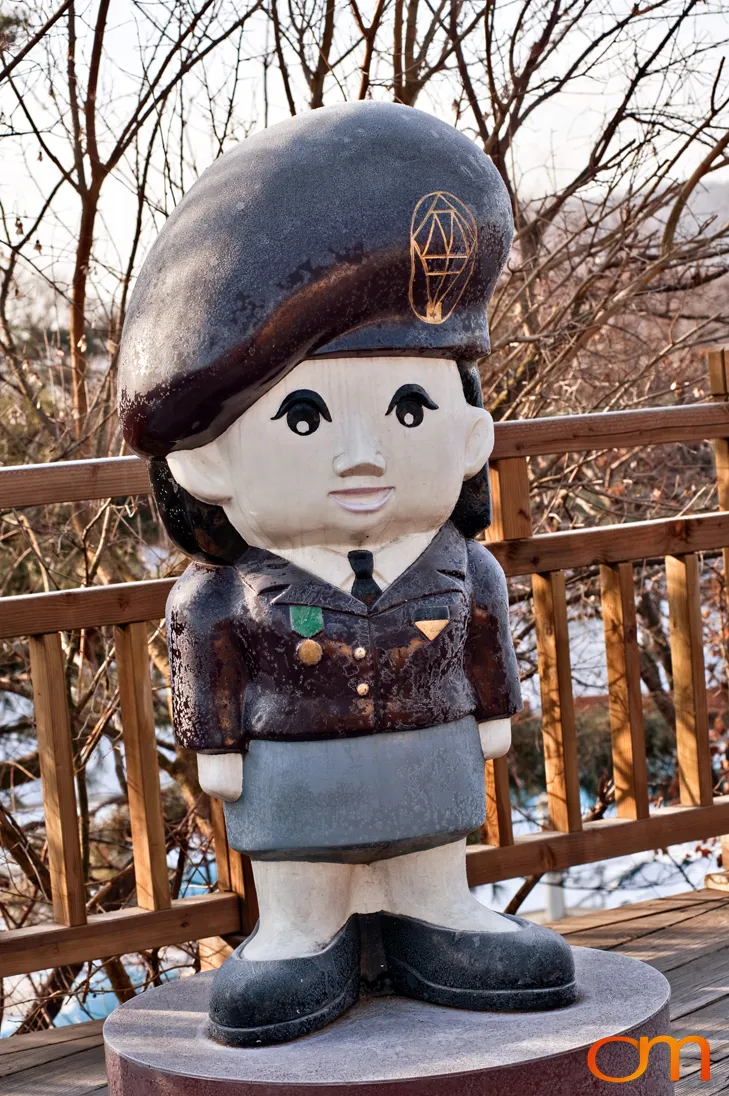
Statue of a woman soldier in beret and dress uniform on a wooden deck
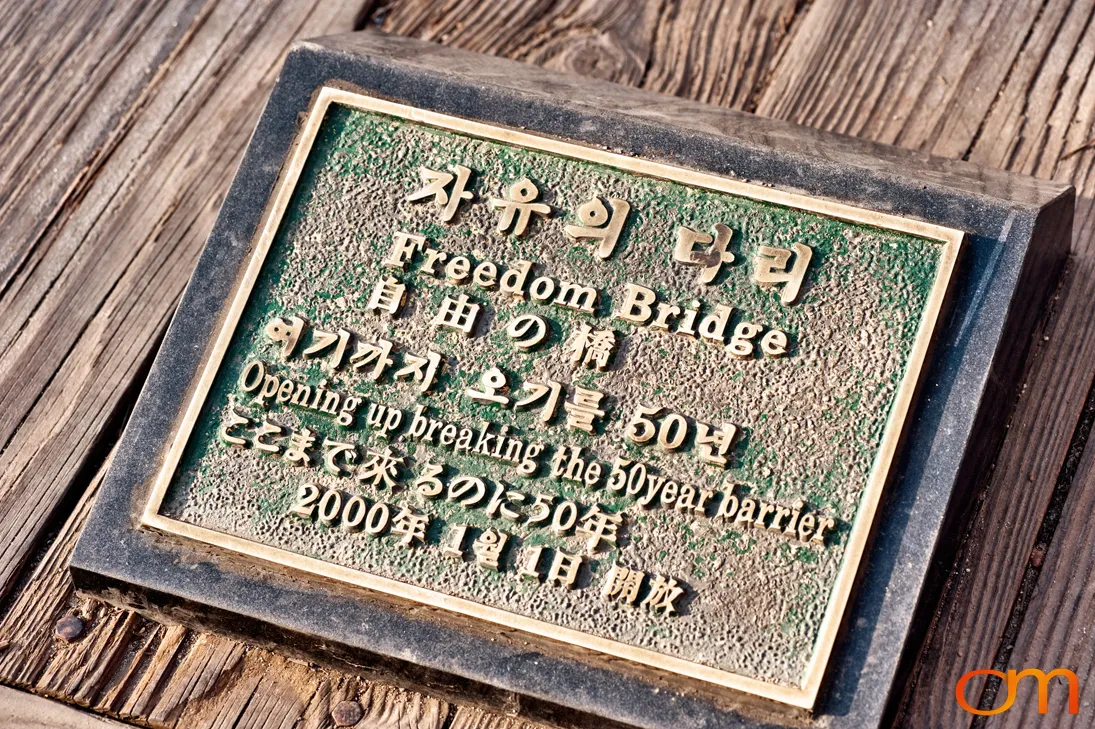
Bronze plaque set in planks reading "Freedom Bridge, Opening up breaking the 50 year barrier"
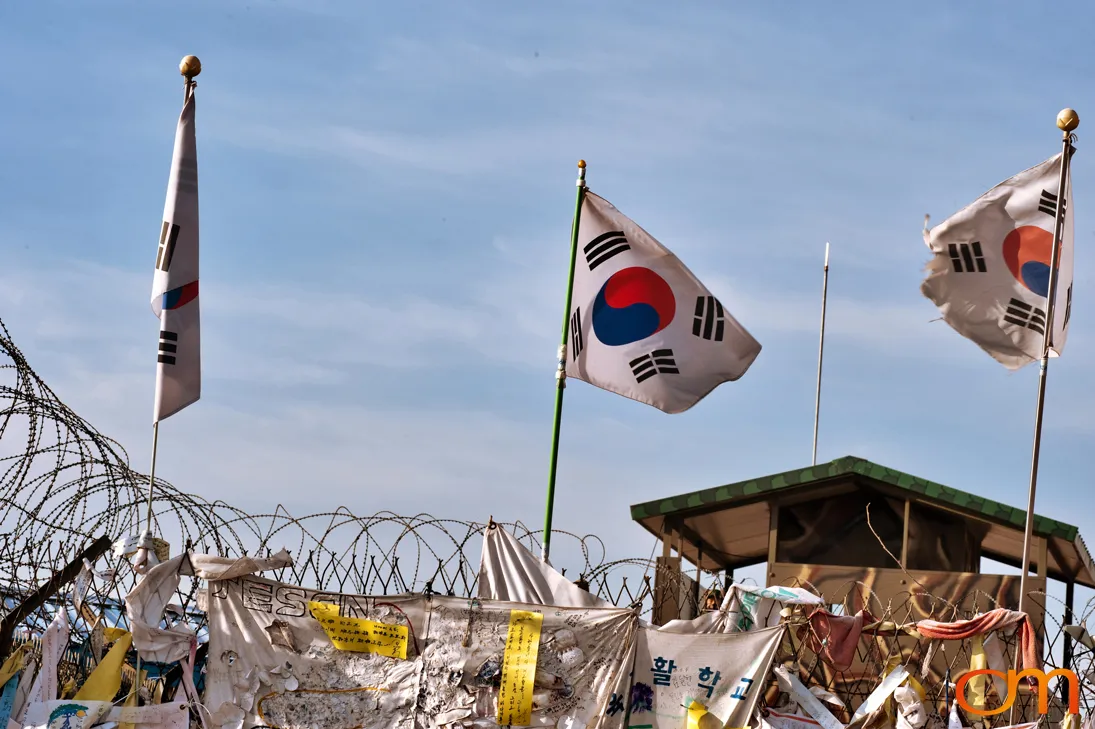
Three South Korean flags above razor wire, guard post and message cloths below
Handwritten notes hung in a row along a wooden rail, one dated 2010
Faded cloth banners crowded together, a red ribbon inked in Korean among them
Yellow ribbons inscribed in Korean tied to bare winter branches
Fence buried under cloths and ribbons beneath flags and a wooden guard tower
Ribbon-covered fence running toward razor wire and the barrier fence beyond
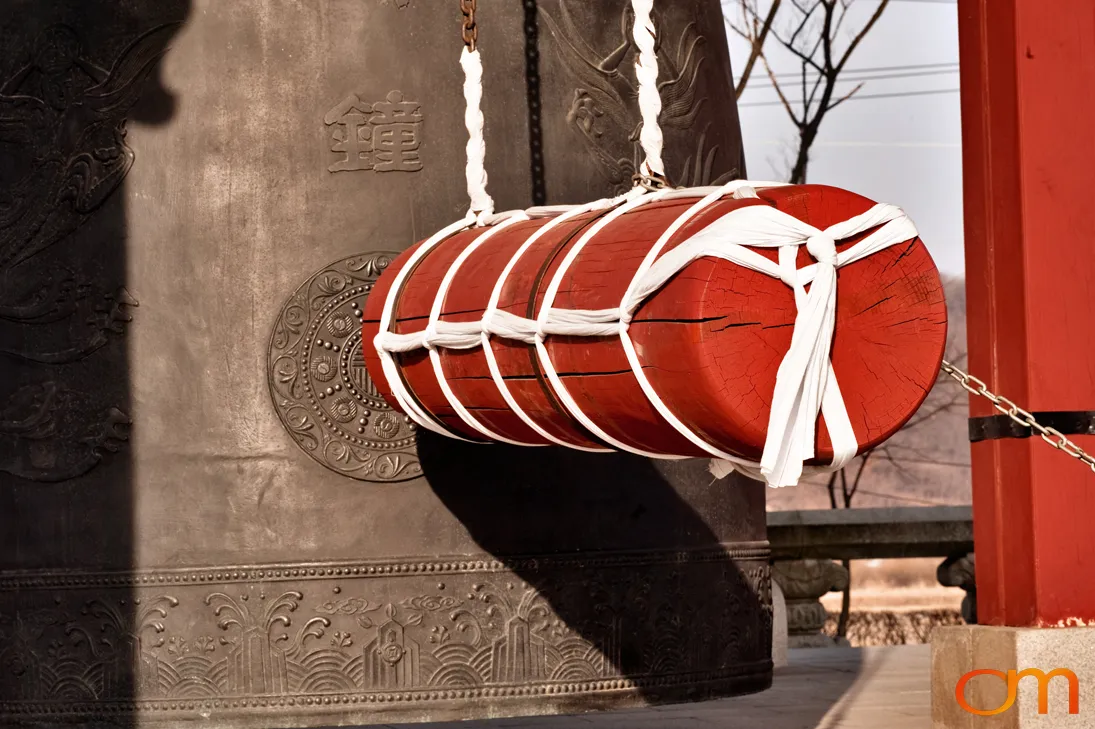
Red wooden striker bound in white cloth hanging before a large bronze bell
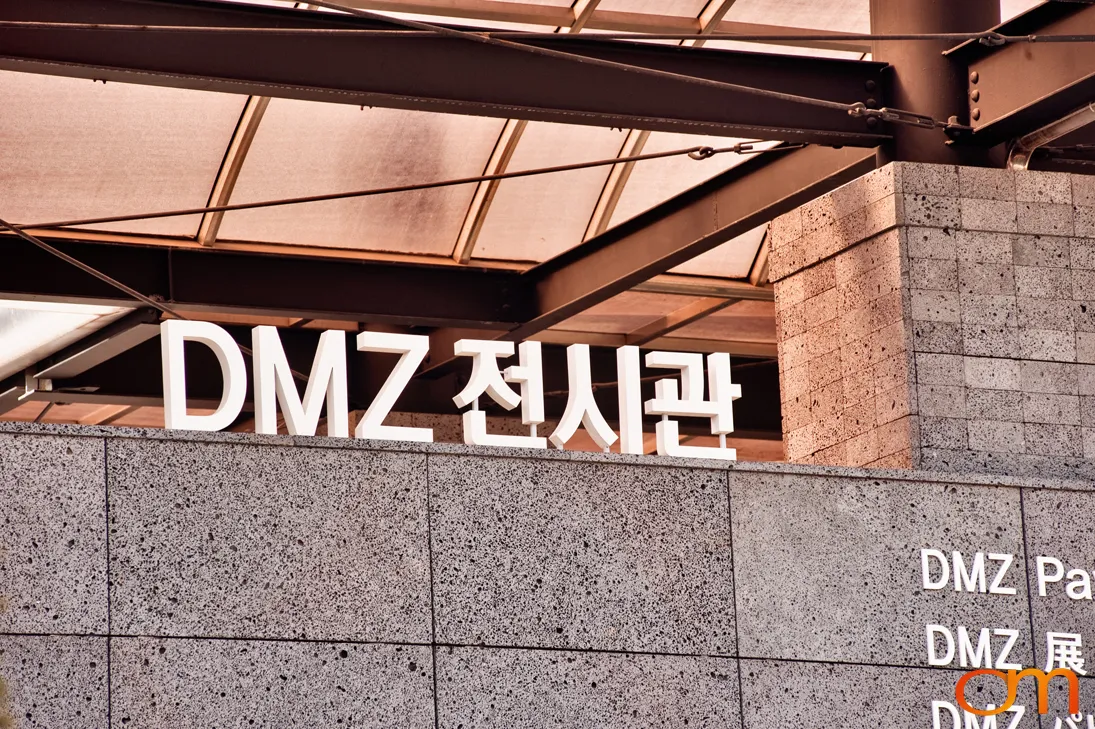
"DMZ 전시관" lettering across the stone facade of the DMZ exhibition hall
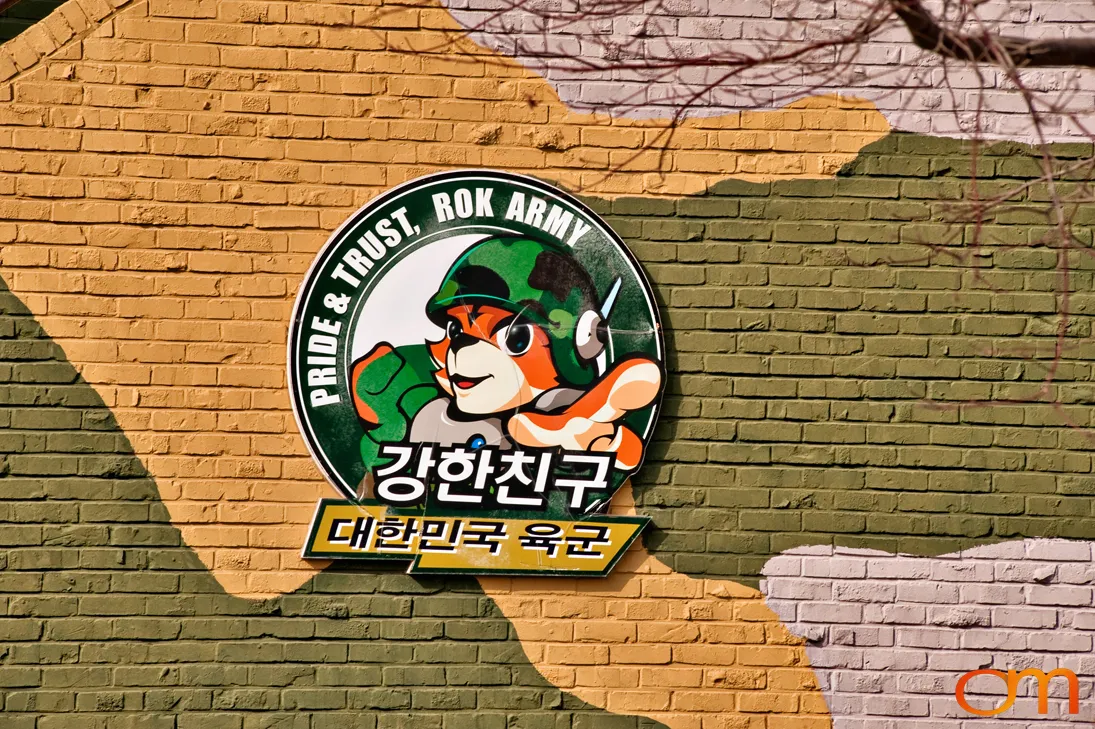
"Pride & Trust, ROK Army" emblem on a camouflage-painted brick wall

All Stories →

Fact check: Accuracy matters. If something looks incorrect, please suggest a correction.