Kathmandu Valley
Swayambhunath Stupa and Sacred Complex
April 2016
Swayambhunath, also called Swayambhu, occupies a forested hill west of central Kathmandu. The religious ensemble is one of seven monument zones forming the Kathmandu Valley UNESCO World Heritage property, inscribed in 1979. UNESCO identifies its principal stupa as the oldest Buddhist monument in the valley.
The site remains an active pilgrimage center strongly associated with Newar Buddhism and its Vajrayana traditions. Hindu temples and deities are also incorporated within the predominantly Buddhist complex, reflecting the longstanding interaction of Buddhist and Hindu religious practices in the Kathmandu Valley.
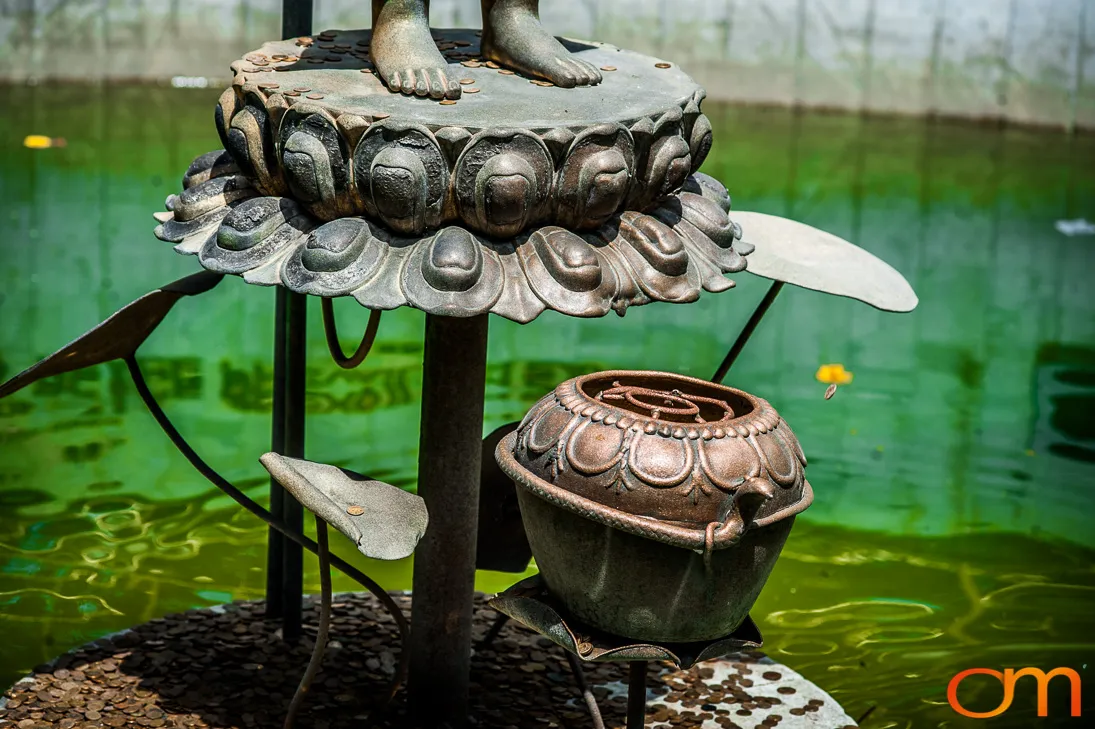
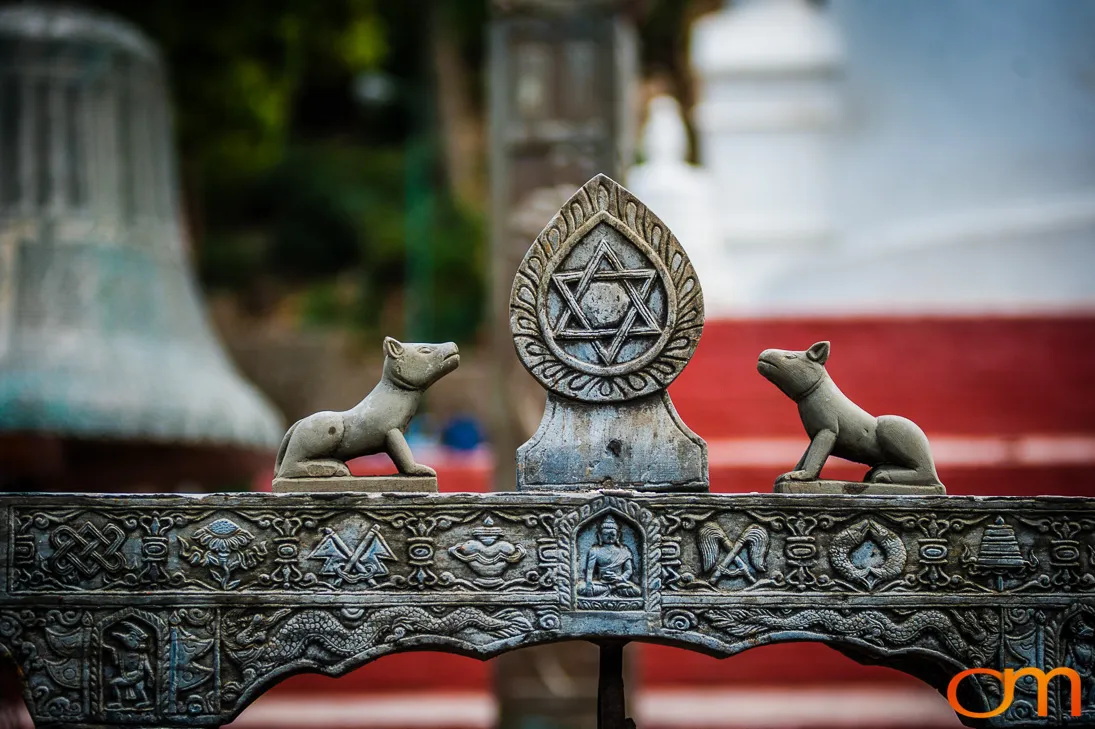
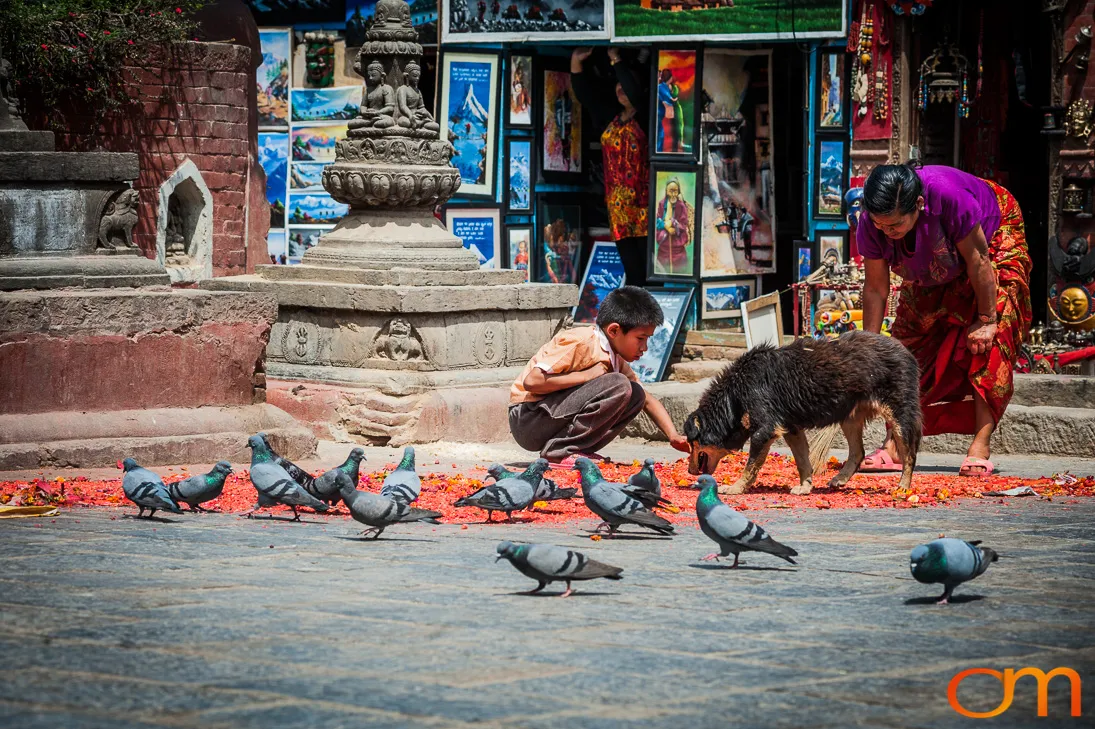
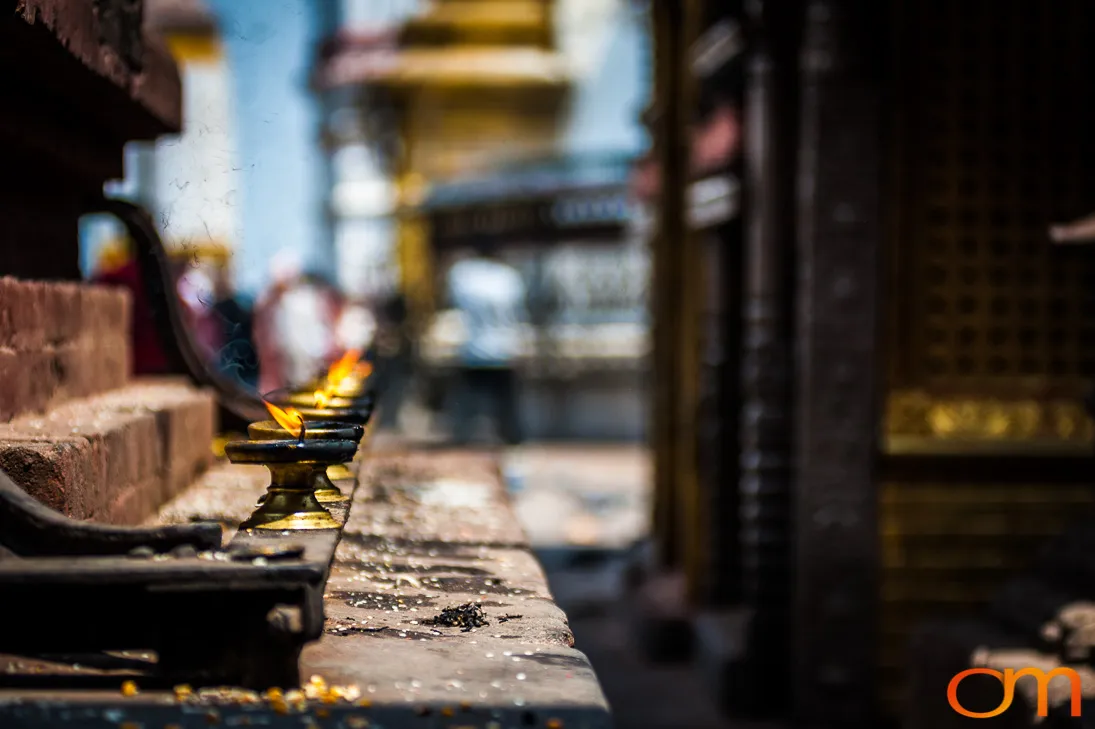
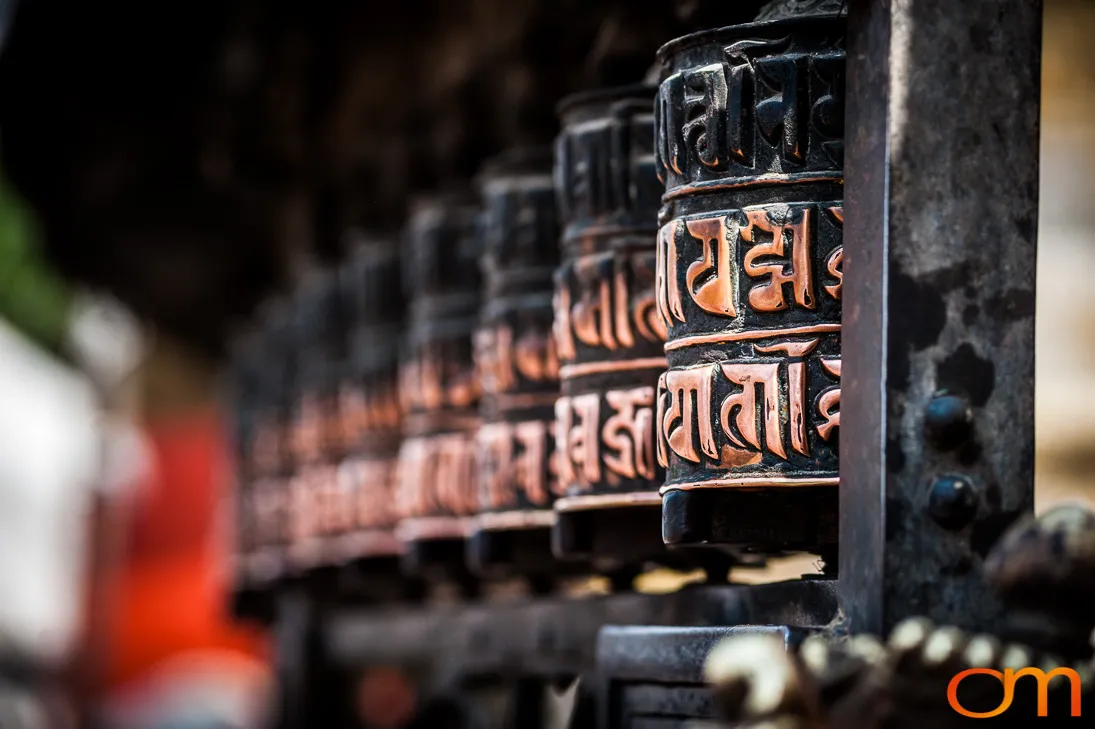
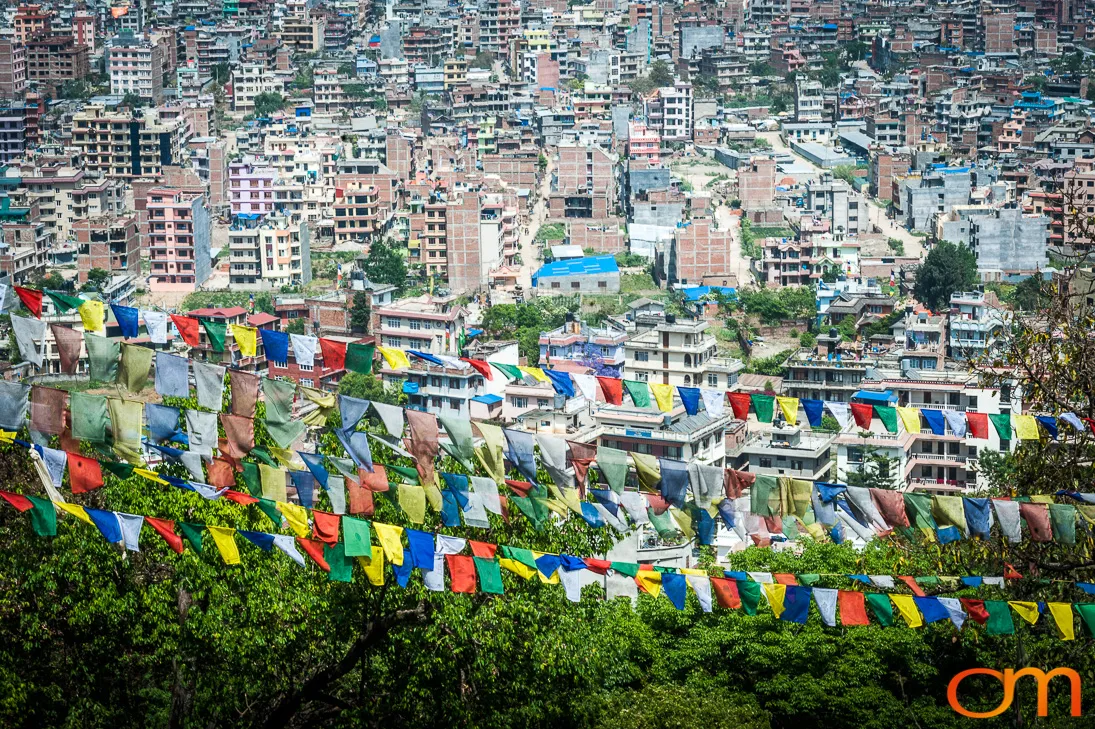
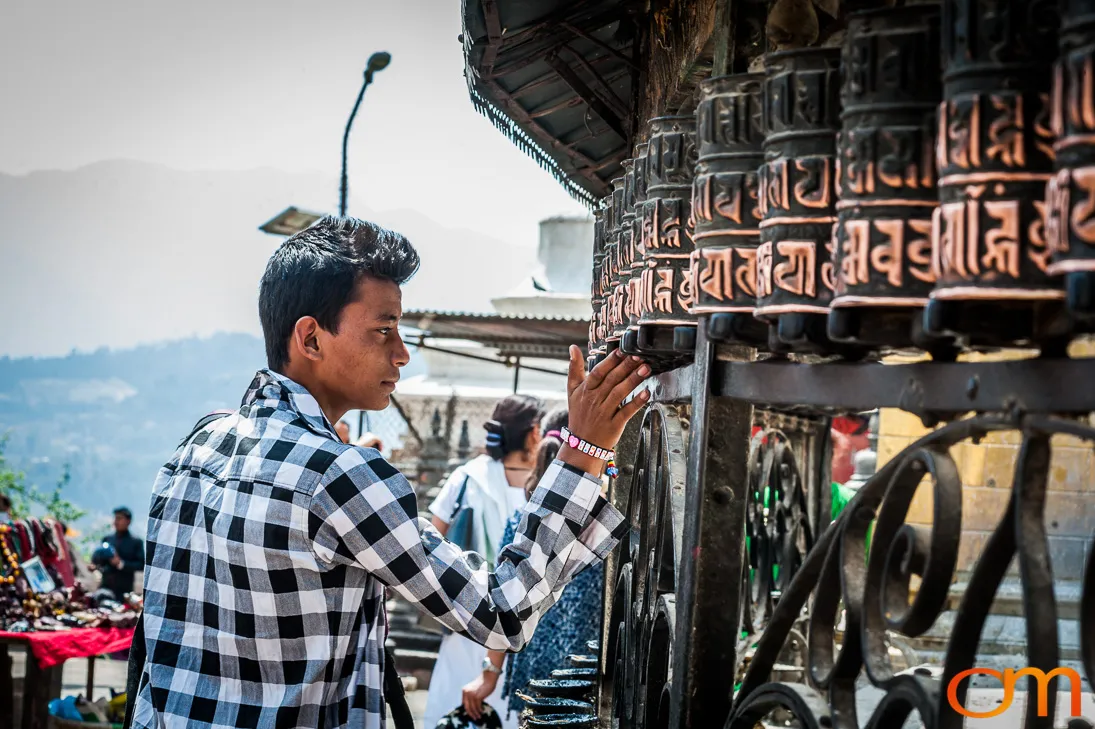
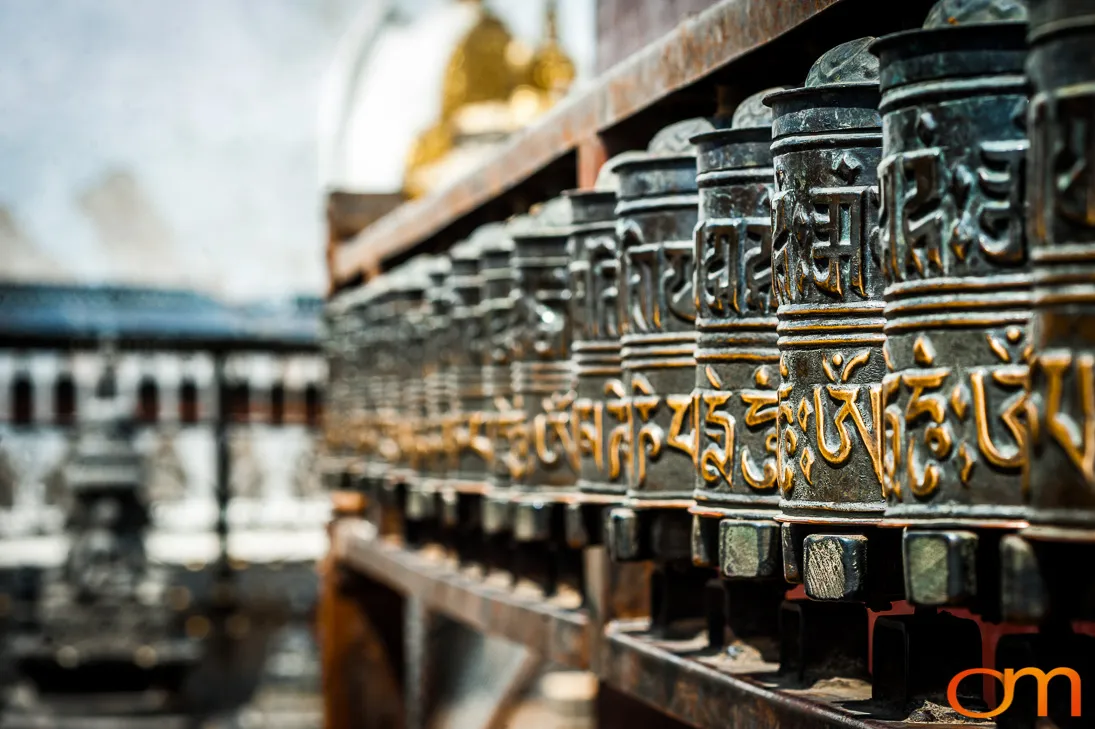
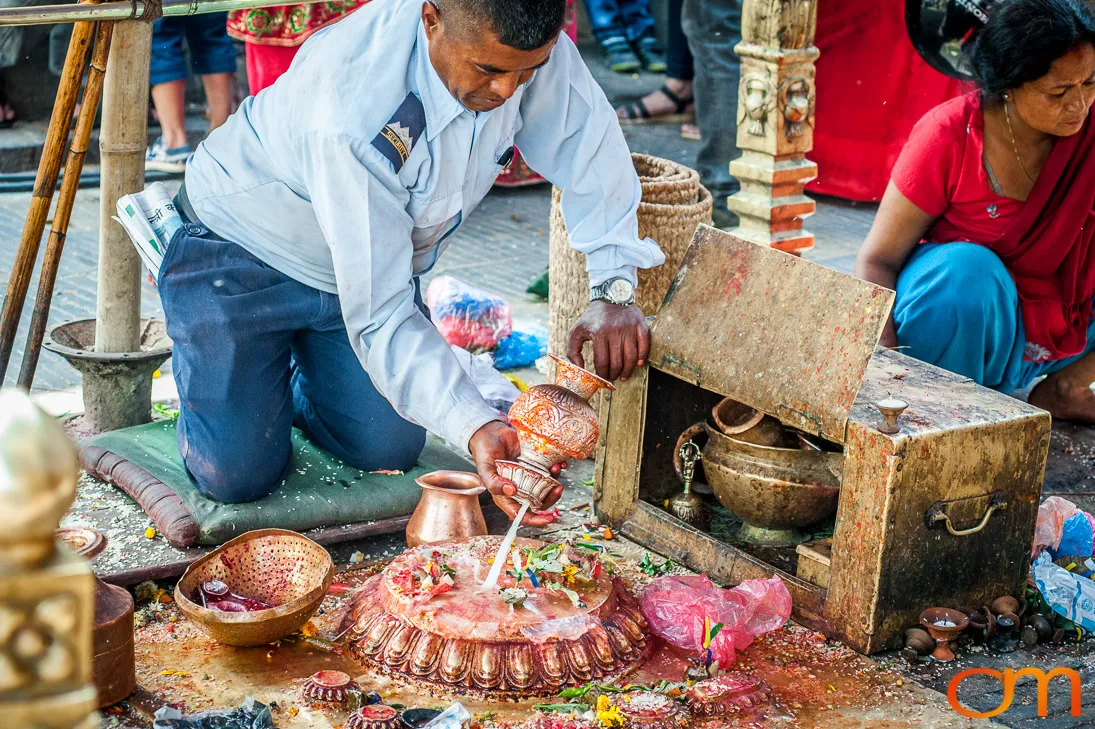
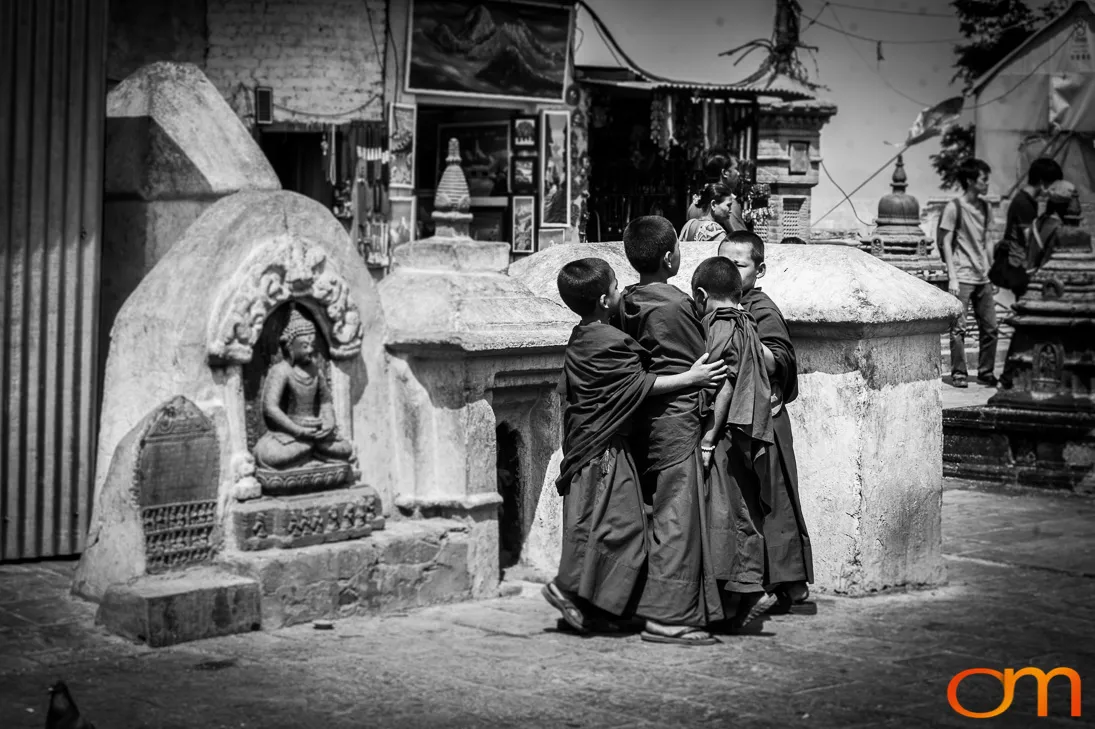
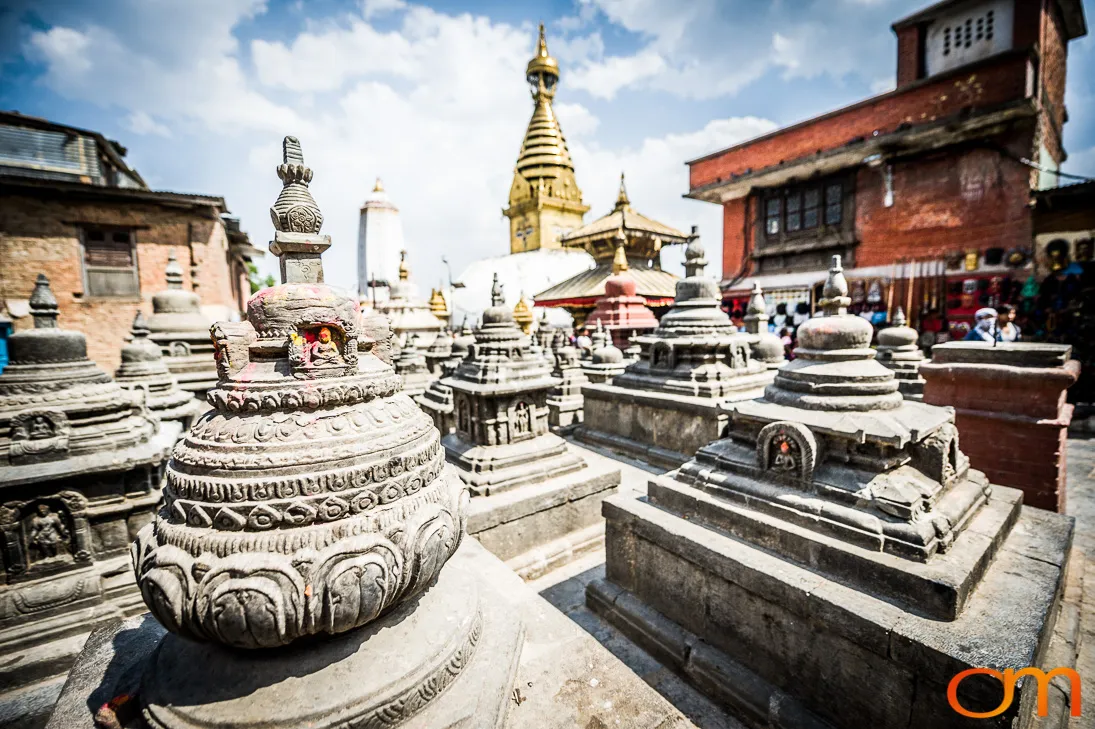
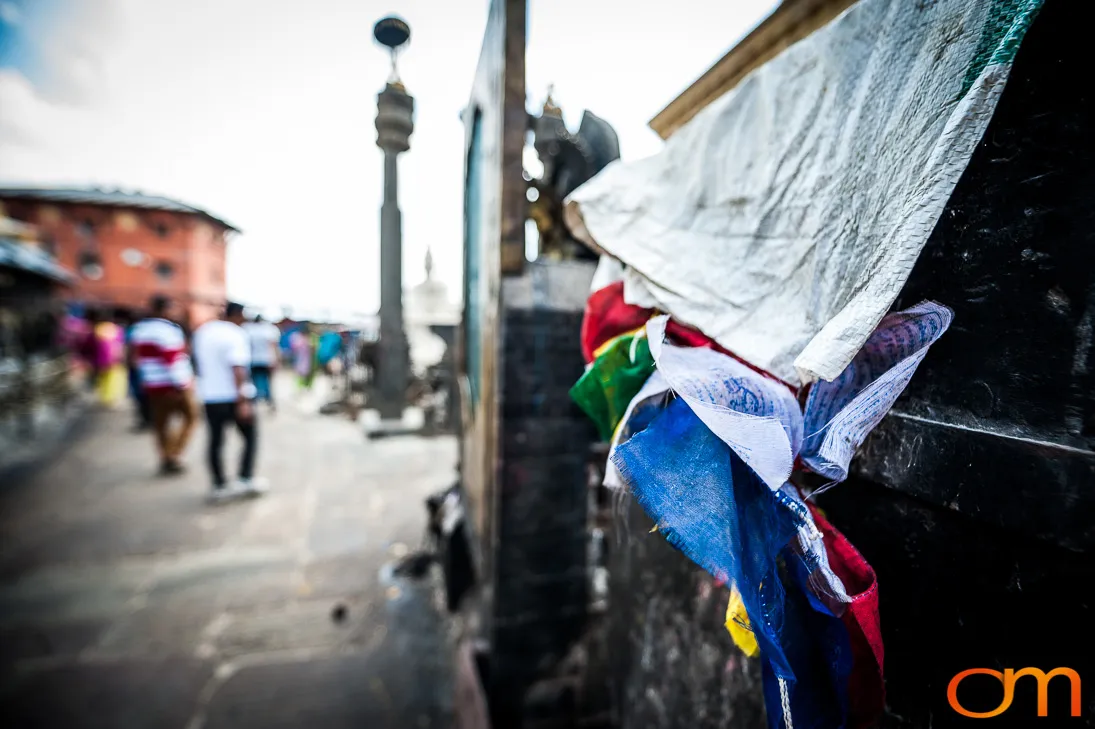
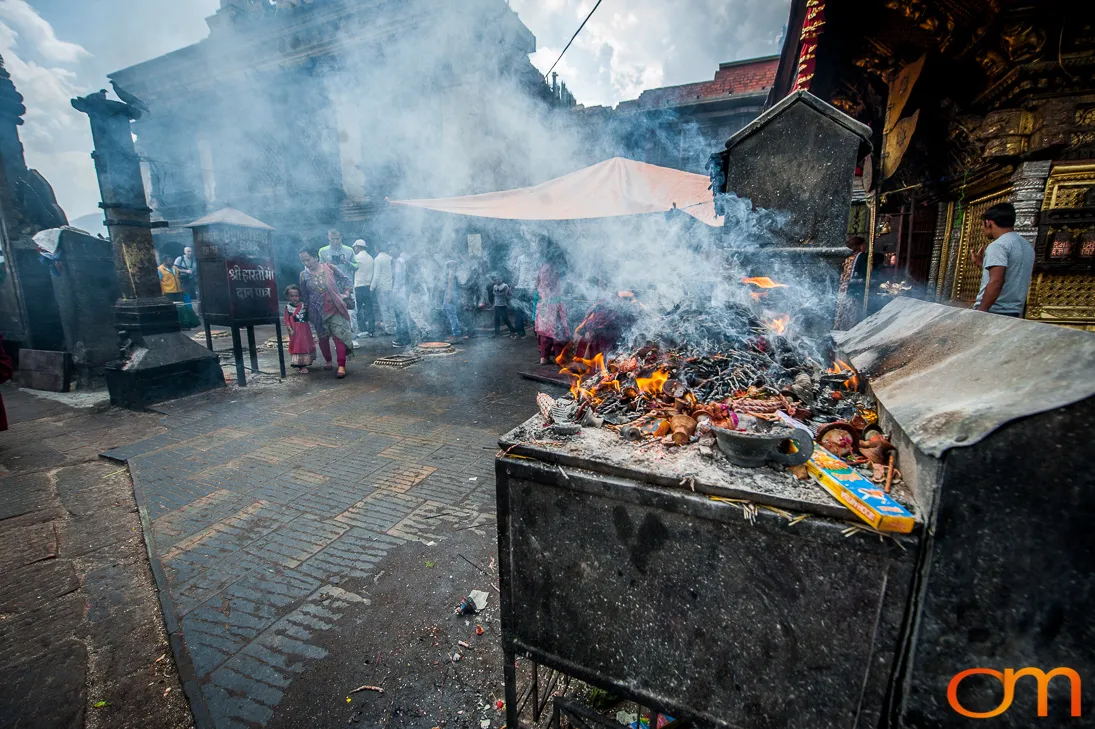
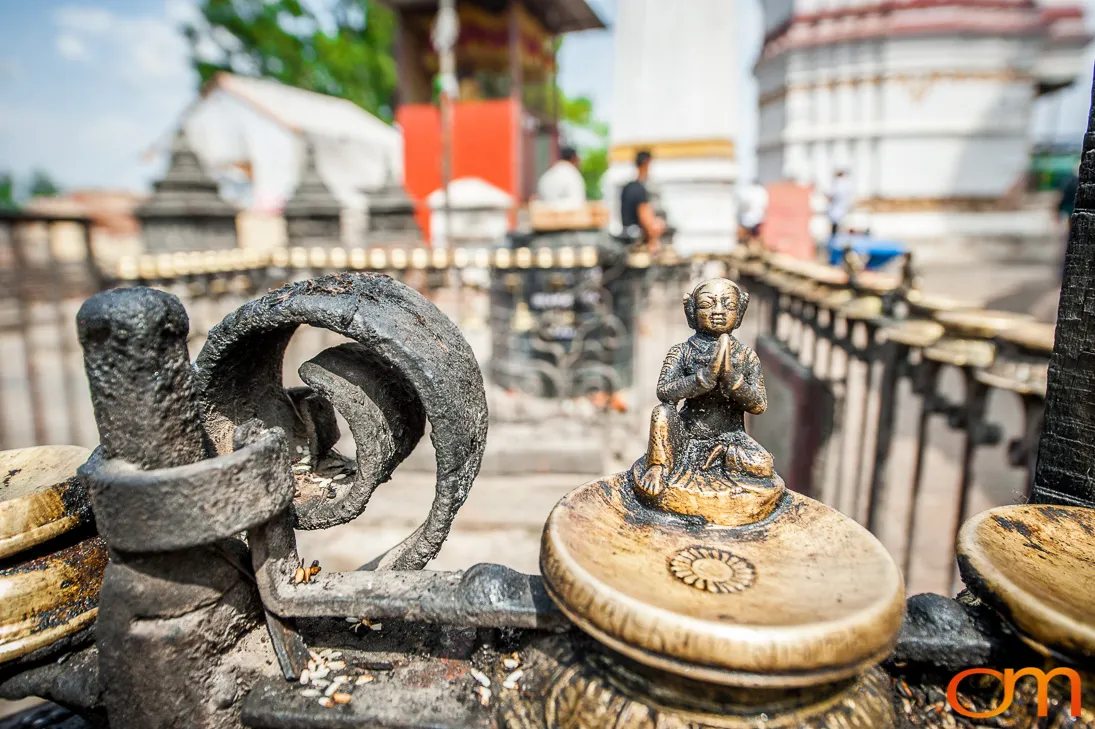
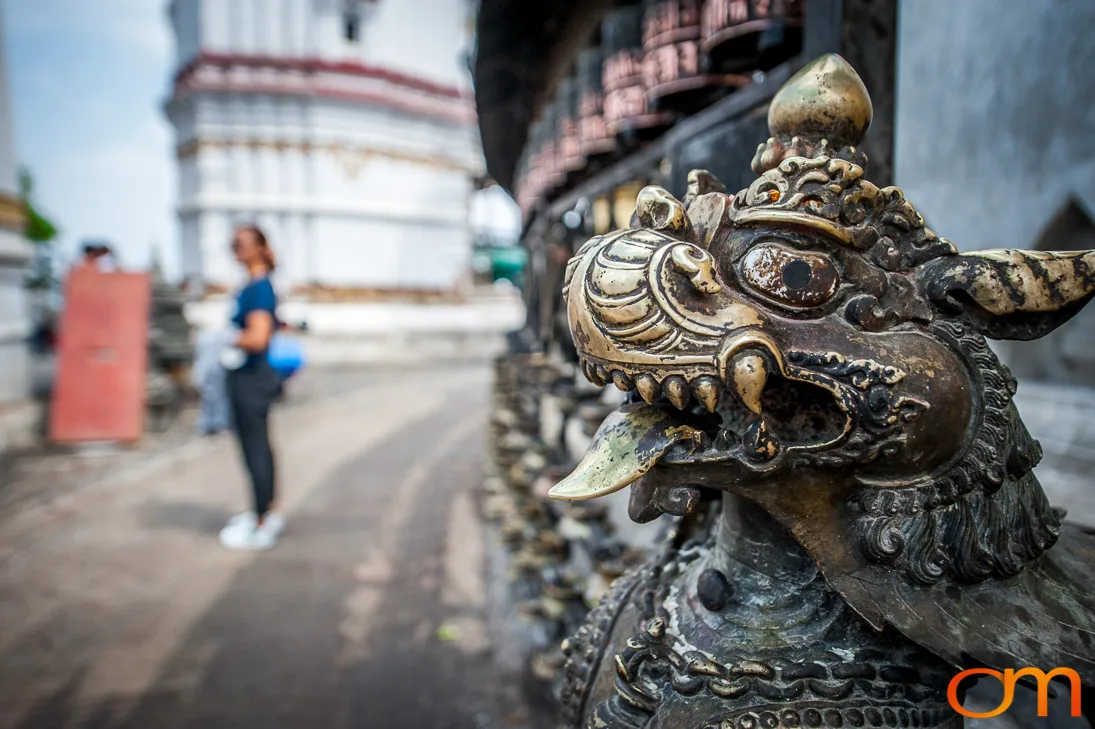
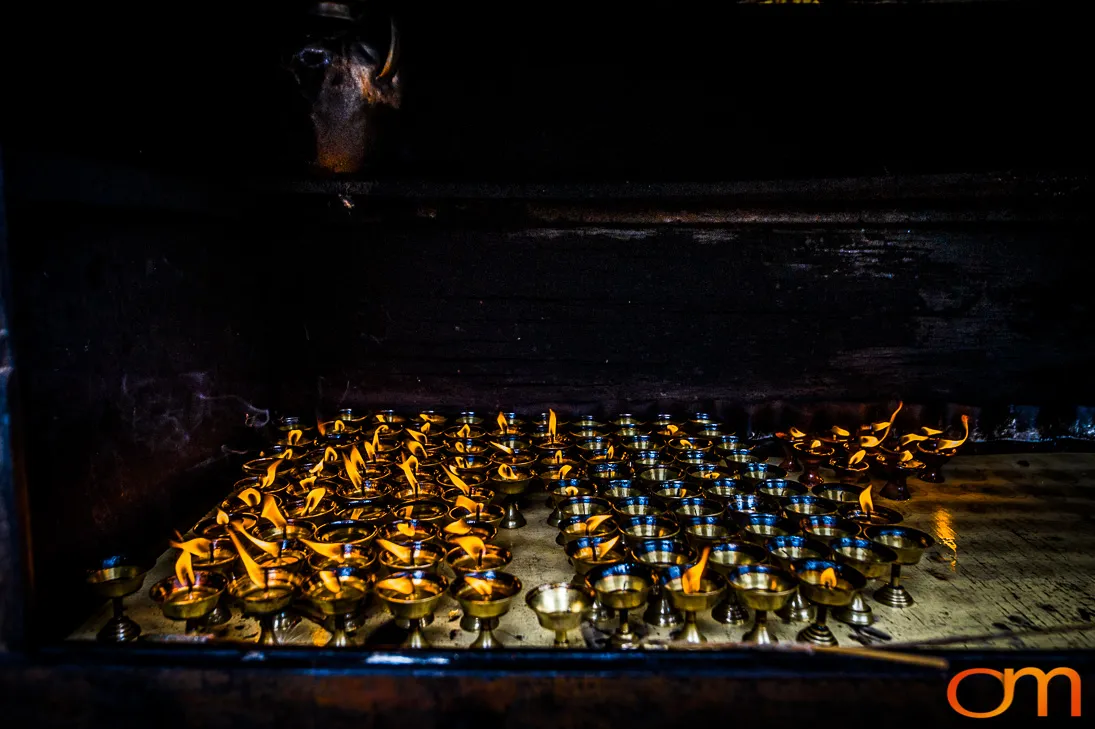
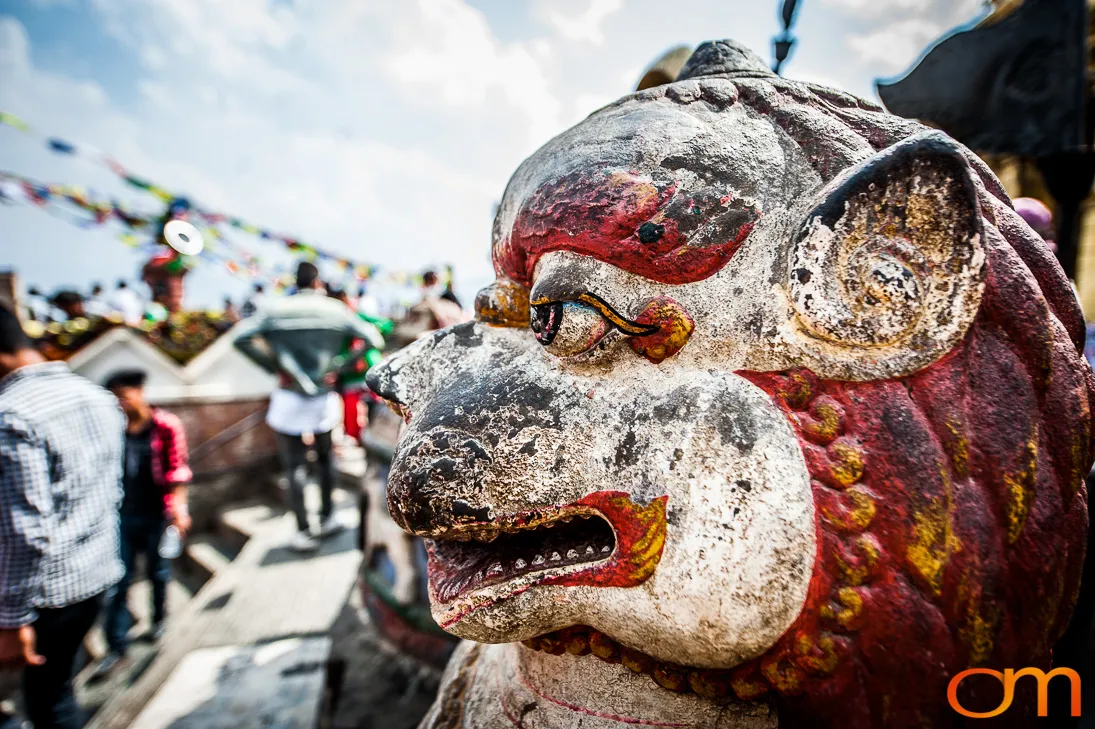
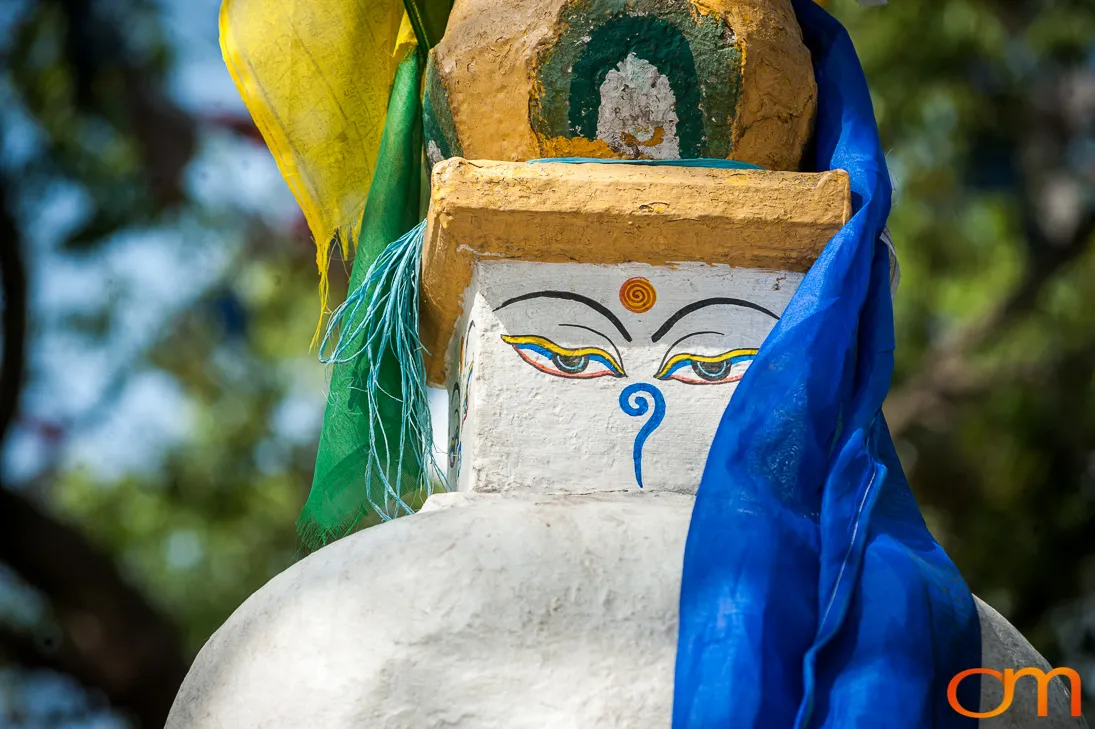
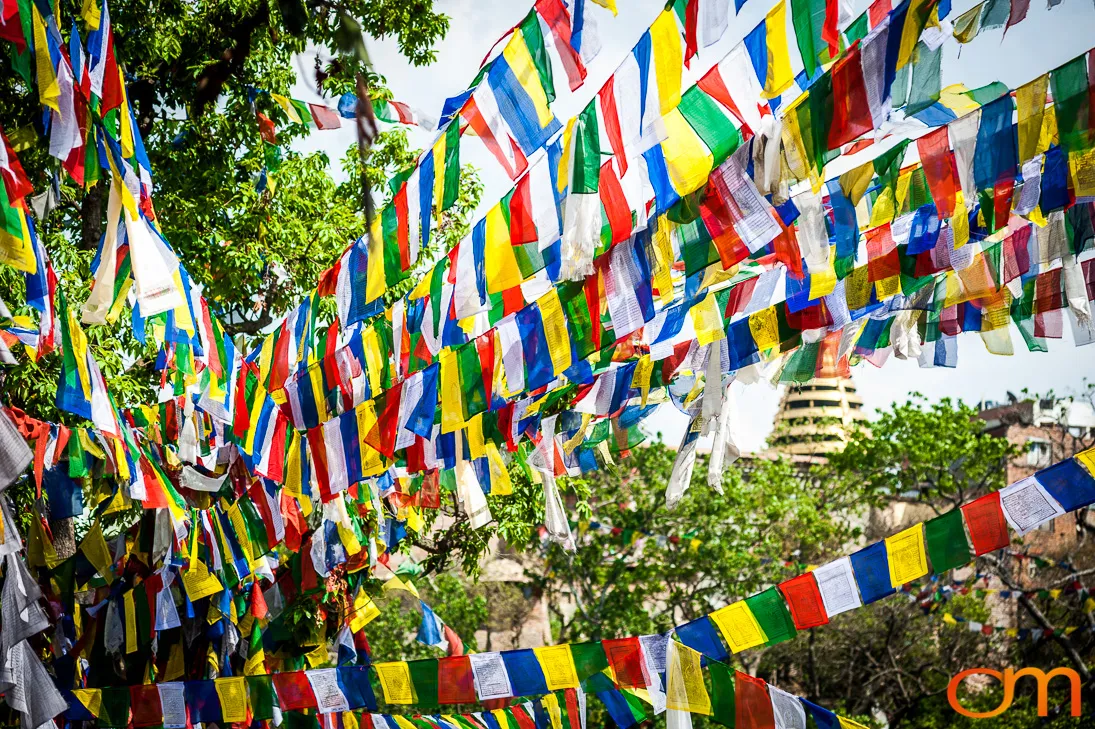
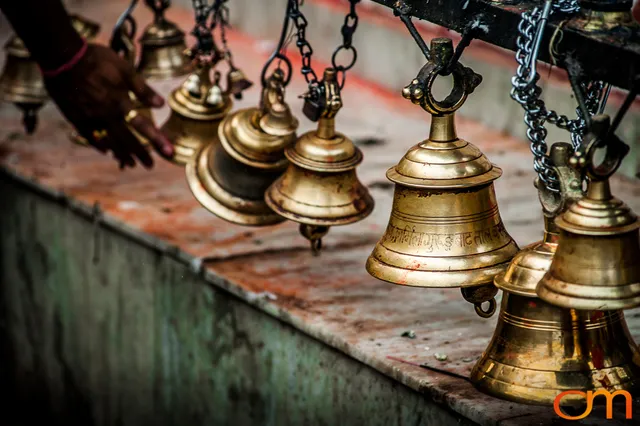
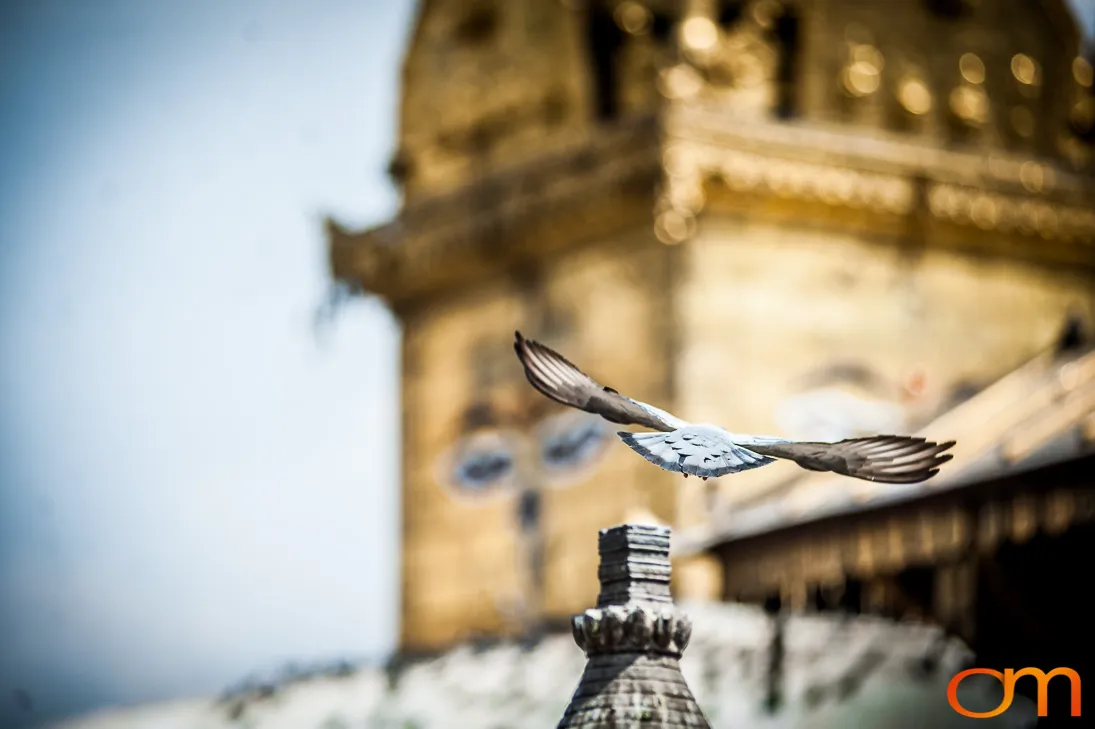
The main stupa has a massive whitewashed dome supporting a gilded square structure painted on four sides with the eyes of the Buddha. A tiered gilded spire rises above it. The surrounding complex contains smaller stupas known as chaityas, monasteries, shrines, devotional lamps, bells, prayer flags, prayer wheels, statues, and a large gilded vajra, or ritual thunderbolt. Worshippers circumambulate the stupa, turn prayer wheels, light lamps, and leave offerings.
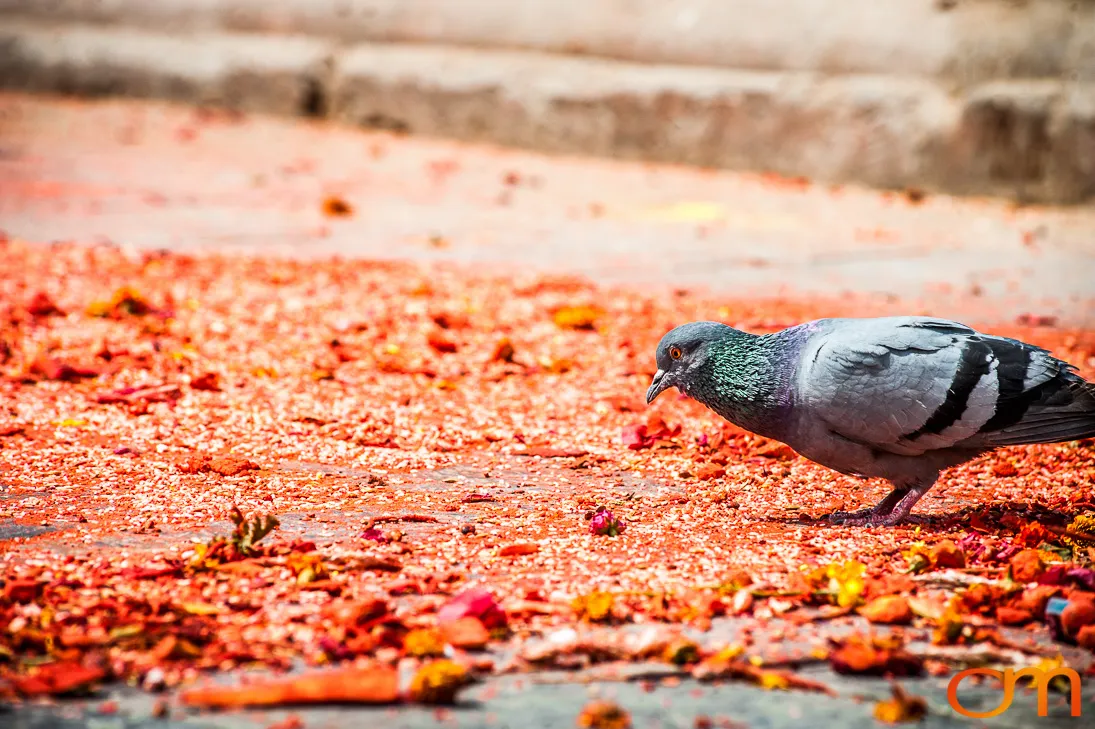
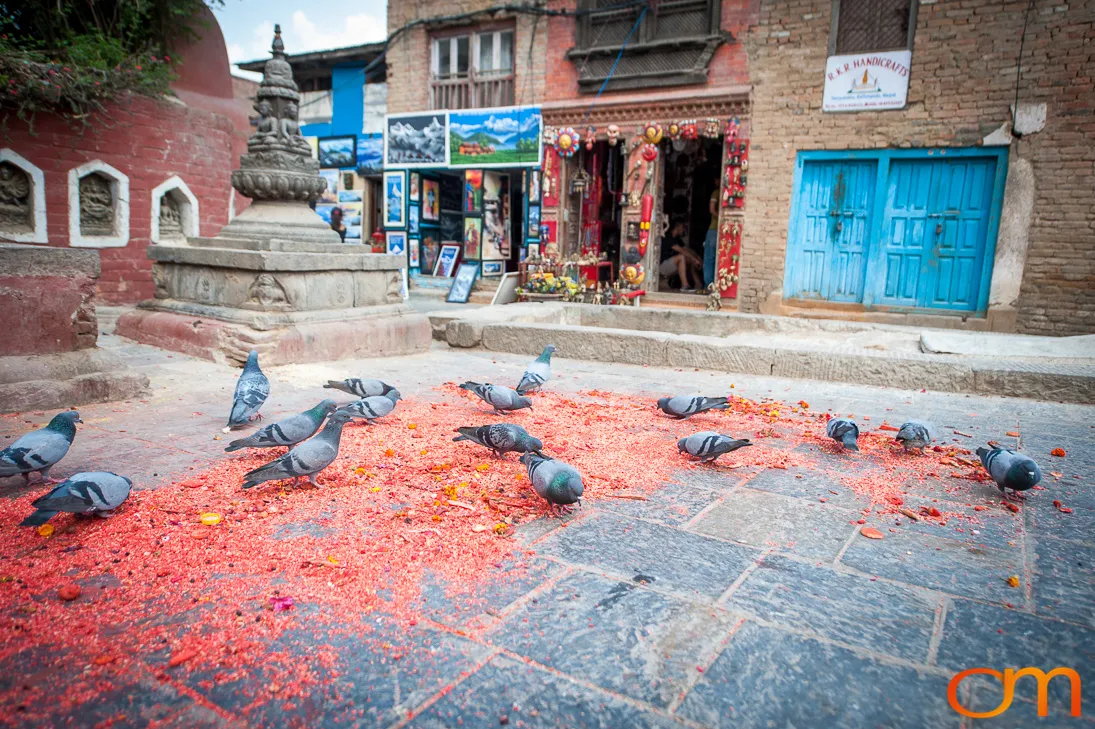
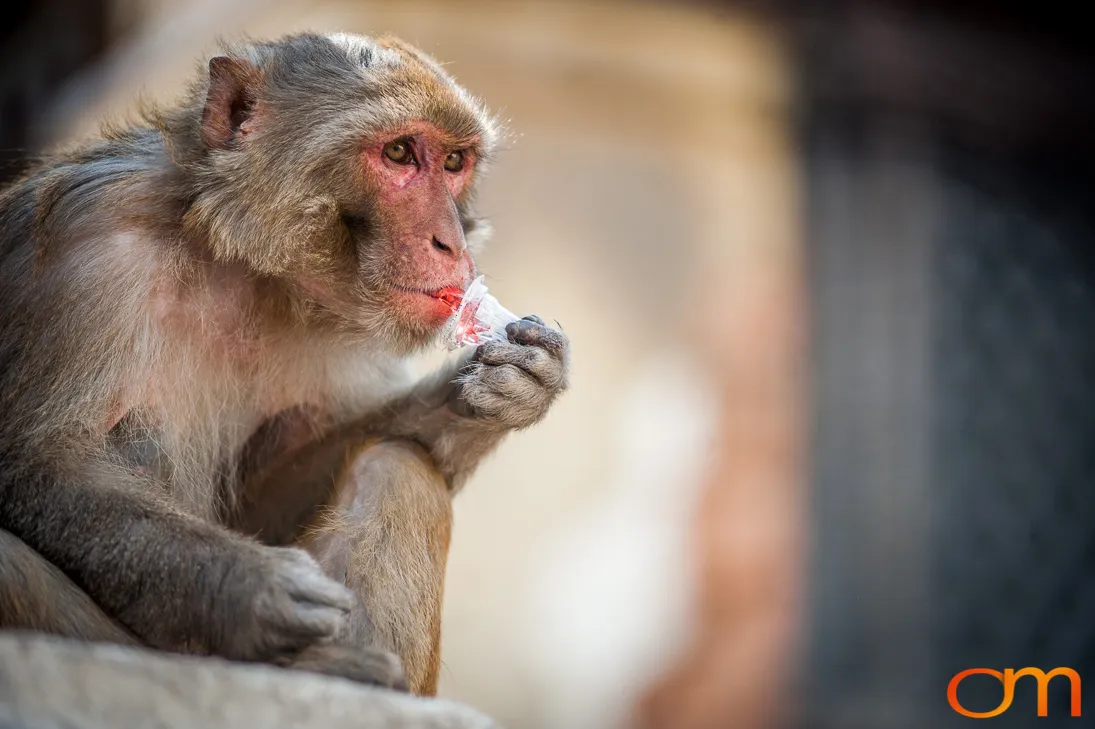
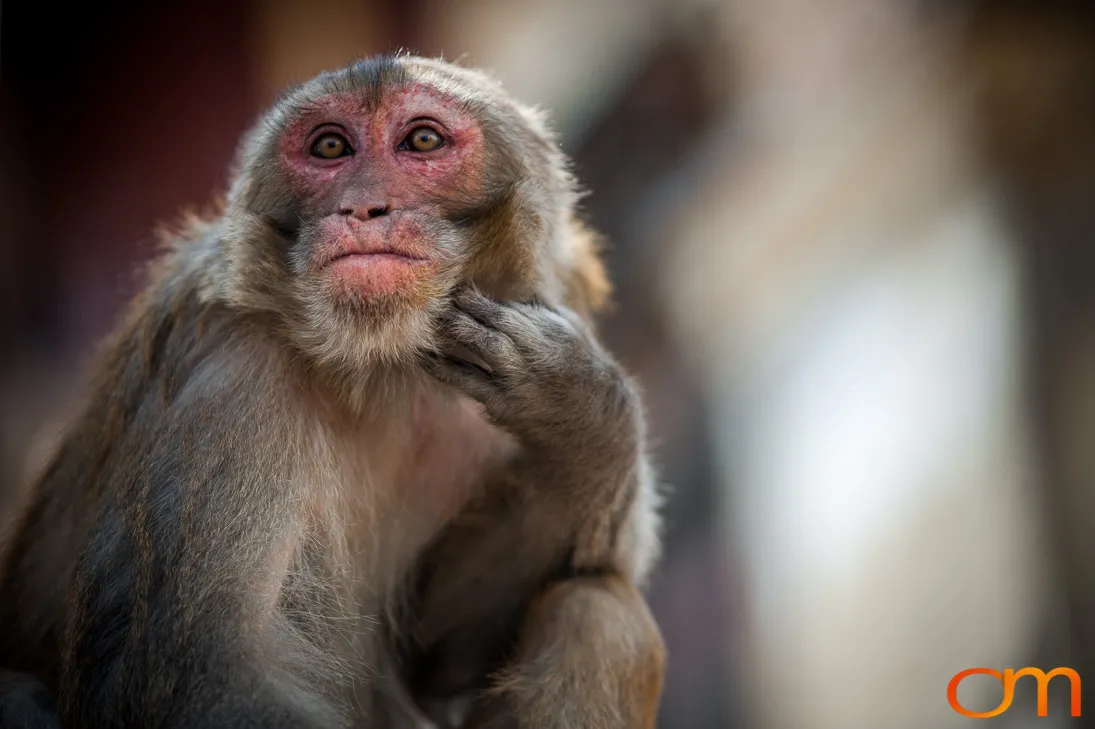
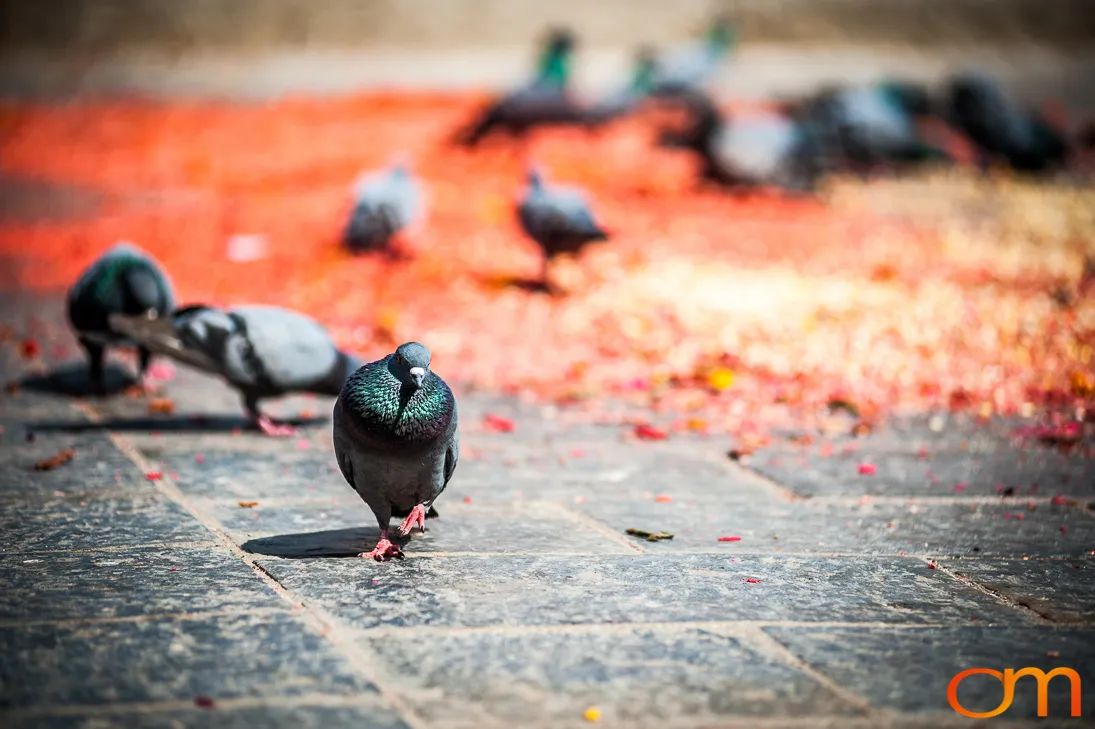
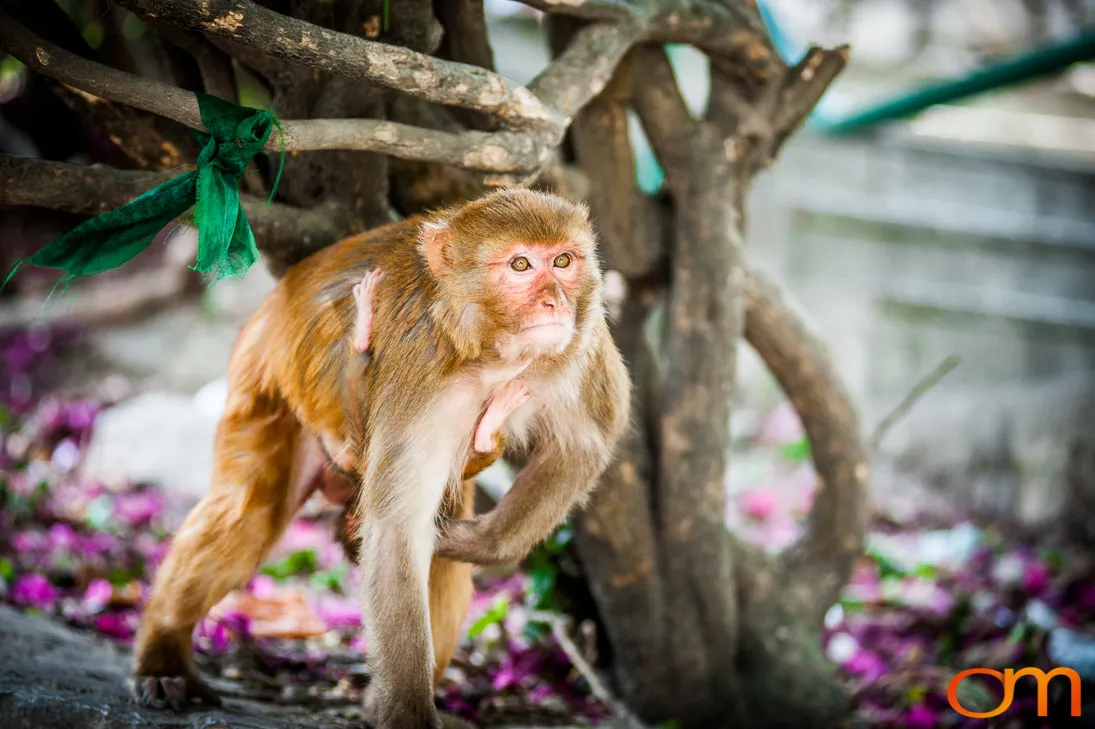
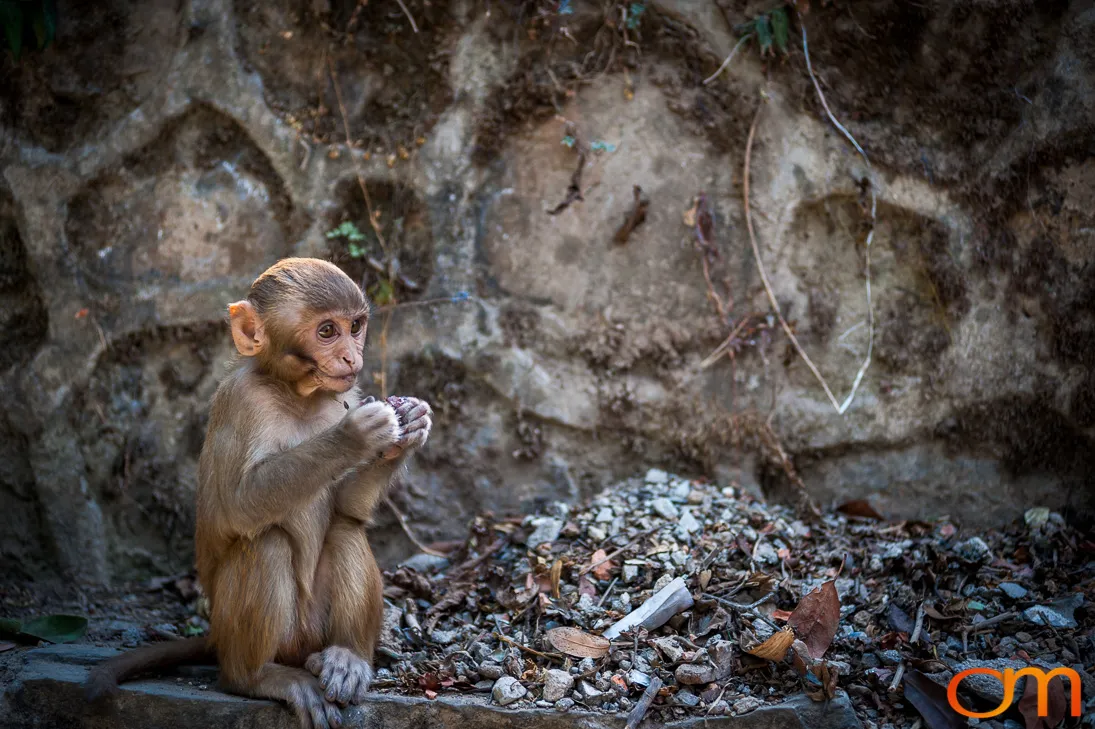
The free-ranging monkeys documented throughout the complex are rhesus macaques (Macaca mulatta). Their presence has contributed to the widespread English nickname “Monkey Temple,” although Swayambhunath or Swayambhu remains the appropriate name for the sacred site. The macaques live in close proximity to worshippers, residents, vendors, pigeons, and visitors, creating a highly visible human–primate interface.
Sacred origin traditions should be distinguished from documented history. The Swayambhu Purana describes a lotus arising from a lake that once filled the Kathmandu Valley and connects the bodhisattva Manjushri with the valley’s transformation. This account remains important within religious tradition but is not a verified construction history.
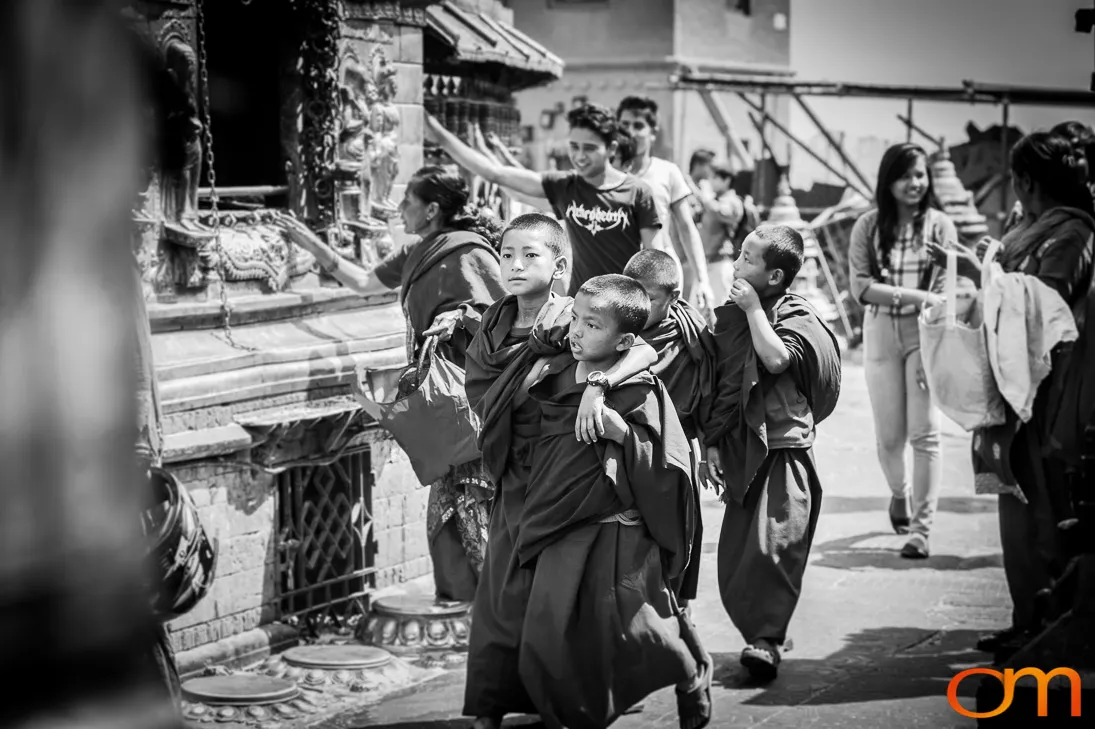
These photographs were made on April 23, 2016, nearly one year after the earthquake of April 25, 2015. The earthquake and subsequent aftershocks damaged or destroyed structures within the Swayambhu Monument Zone. The photographs document continued worship, devotional practices, visitors, monks, and rhesus macaques during Nepal’s early heritage-recovery period.