Agra
Taj Mahal and Parchin Kari: Marble Inlay in Agra
September 2004
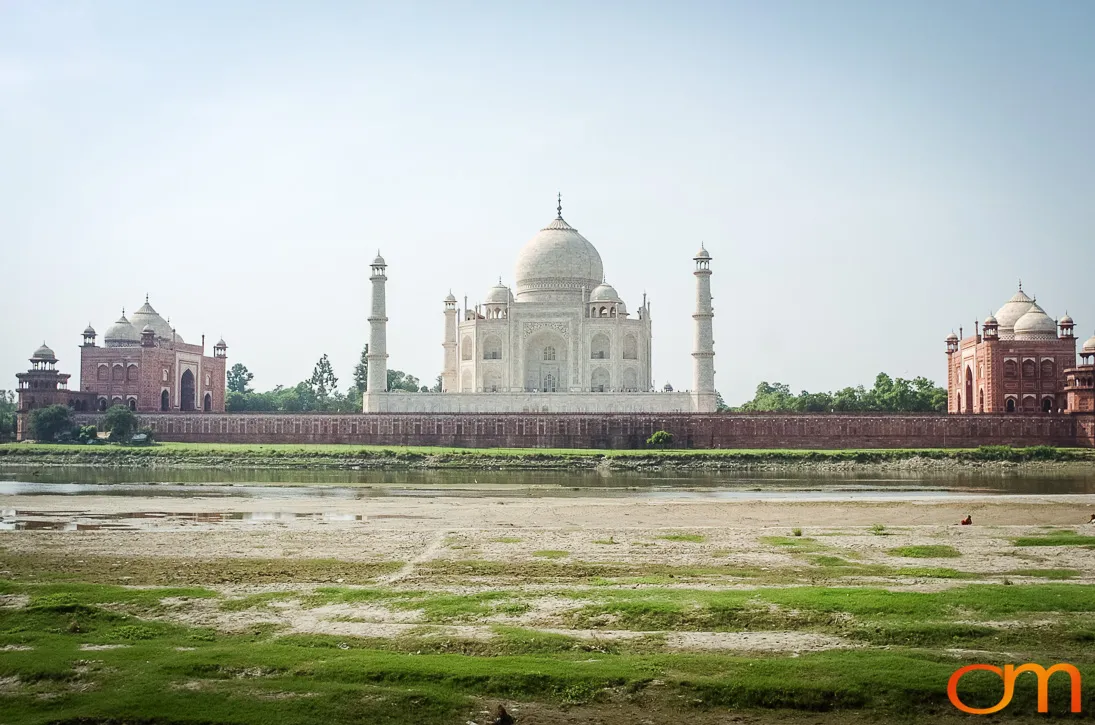
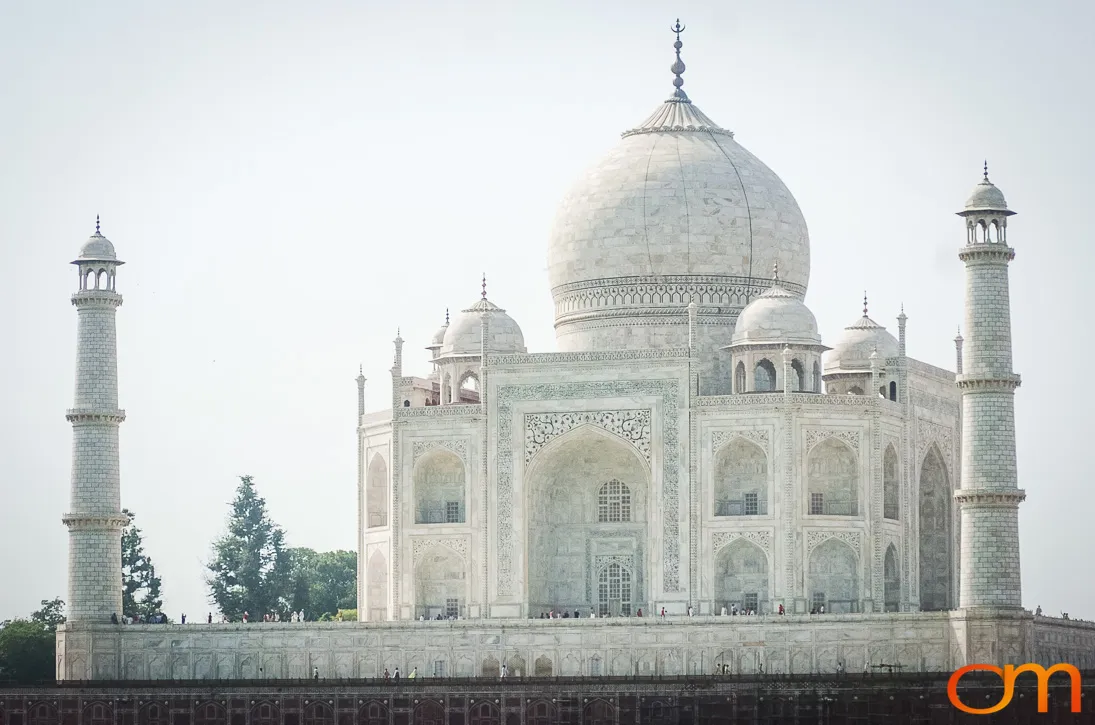
The Taj Mahal stands on the right bank of the Yamuna River in Agra, Uttar Pradesh. Mughal emperor Shah Jahan commissioned the mausoleum after his wife, Mumtaz Mahal, died during childbirth in 1631. Construction began in 1632, and the principal mausoleum was completed in 1648. The mosque, guest house, main gateway, outer courtyard, and other elements of the complex were completed by approximately 1653.
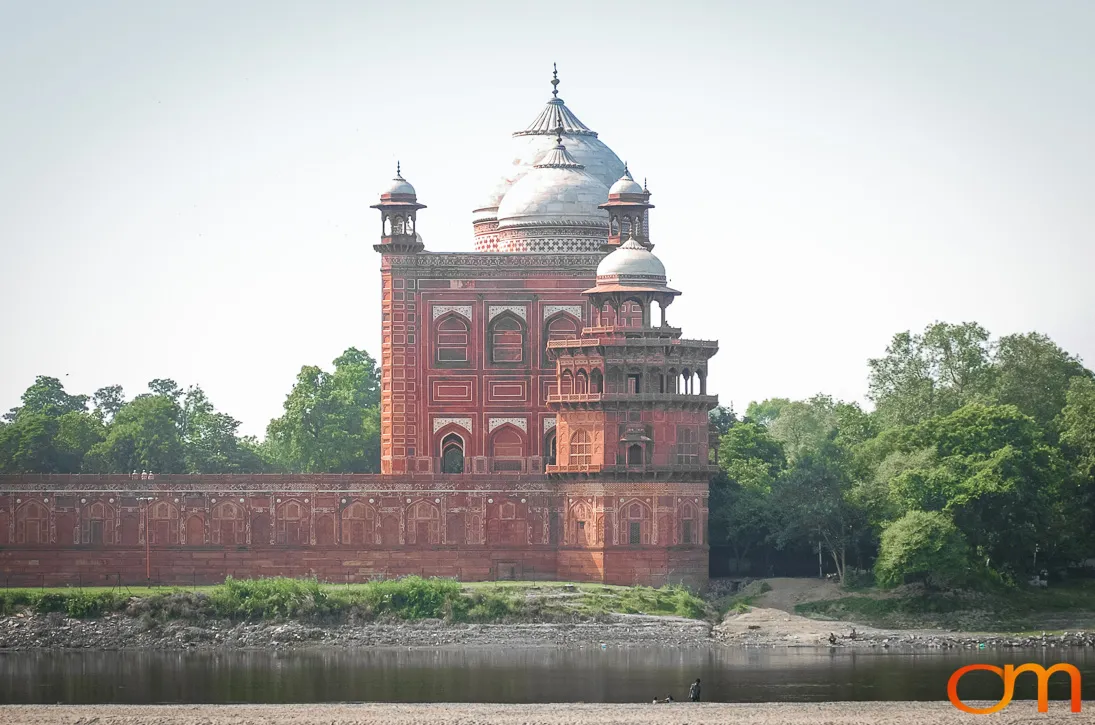
The central mausoleum is faced in white marble and stands on a raised platform surrounded by four minarets. Other major structures within the complex were constructed primarily from brick and lime mortar faced with red sandstone, marble, and decorative inlay. The red sandstone mosque and matching guest house occupy opposite sides of the marble tomb, reinforcing the complex’s carefully controlled symmetry.
UNESCO identifies Ustad Ahmad Lahori as the Taj Mahal’s main architect. However, the monument was the product of a much larger imperial undertaking. Masons, stonecutters, inlayers, carvers, painters, calligraphers, dome builders, and other artisans were recruited from throughout the Mughal Empire, Central Asia, and Iran. The resulting complex is regarded as one of the principal achievements of Mughal architecture.
The memorial chamber contains the cenotaphs of Mumtaz Mahal and Shah Jahan, but these are symbolic monuments rather than the actual burial places. Their graves are located in a lower crypt. Mumtaz Mahal’s cenotaph occupies the center of the chamber, while Shah Jahan’s later cenotaph was placed beside it, creating one of the few departures from the complex’s otherwise rigorous symmetry.
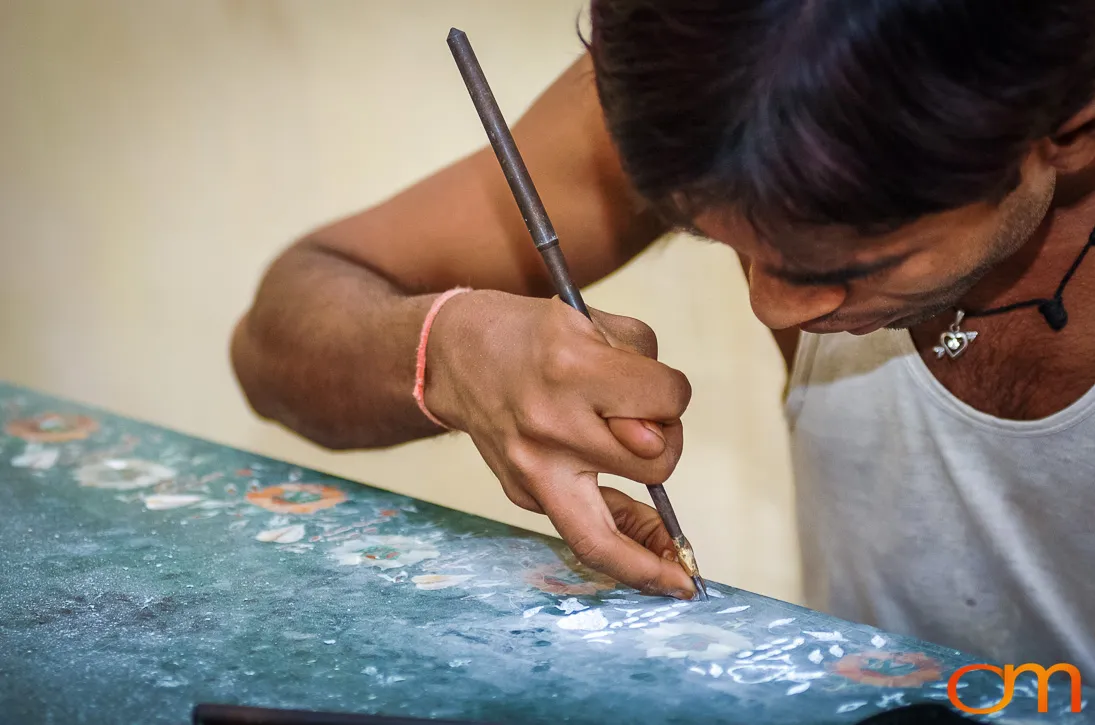
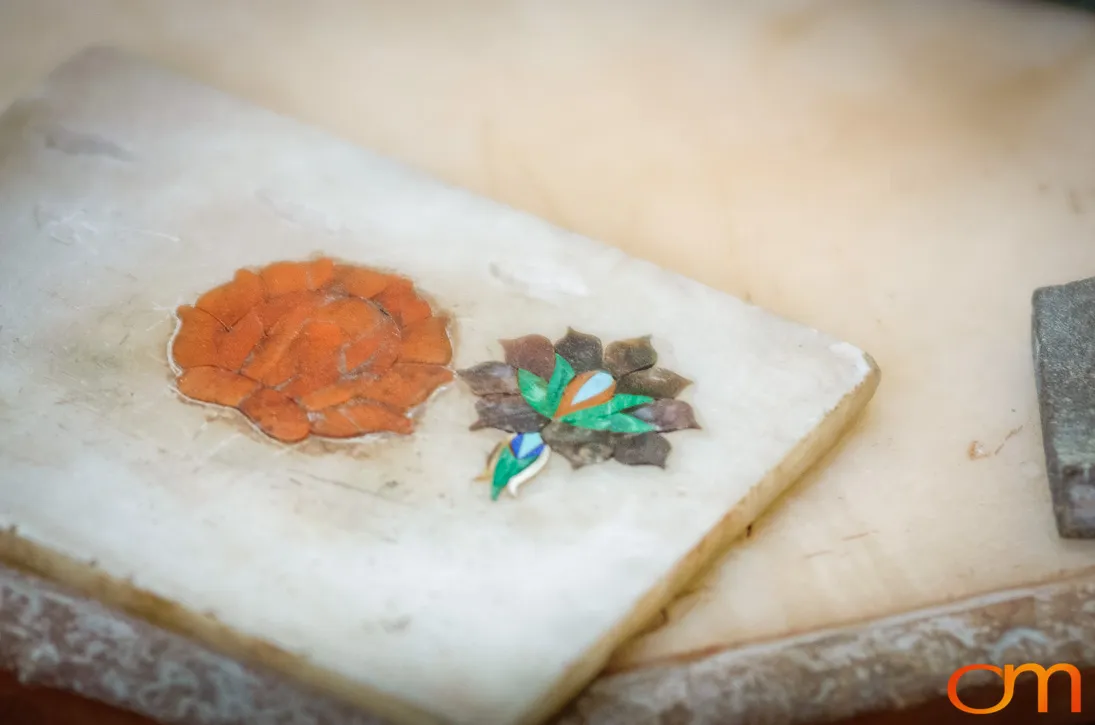
The marble surfaces are decorated with relief carving, calligraphy, and stone inlay known in South Asia as parchin kari, also spelled pachikari or pacchikari. The technique is frequently described using the Italian term pietra dura, although Mughal parchin kari developed within its own artistic and architectural context. Floral and geometric compositions are formed by setting carefully shaped pieces of colored marble and semiprecious stone into shallow recesses carved into the marble surface.
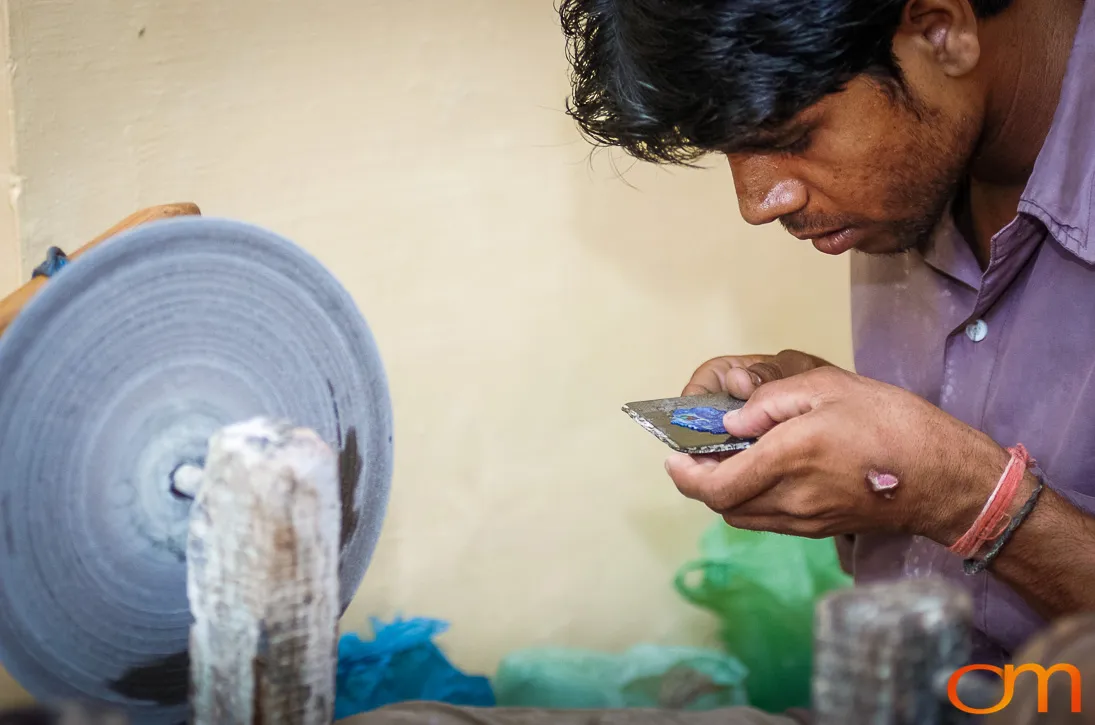
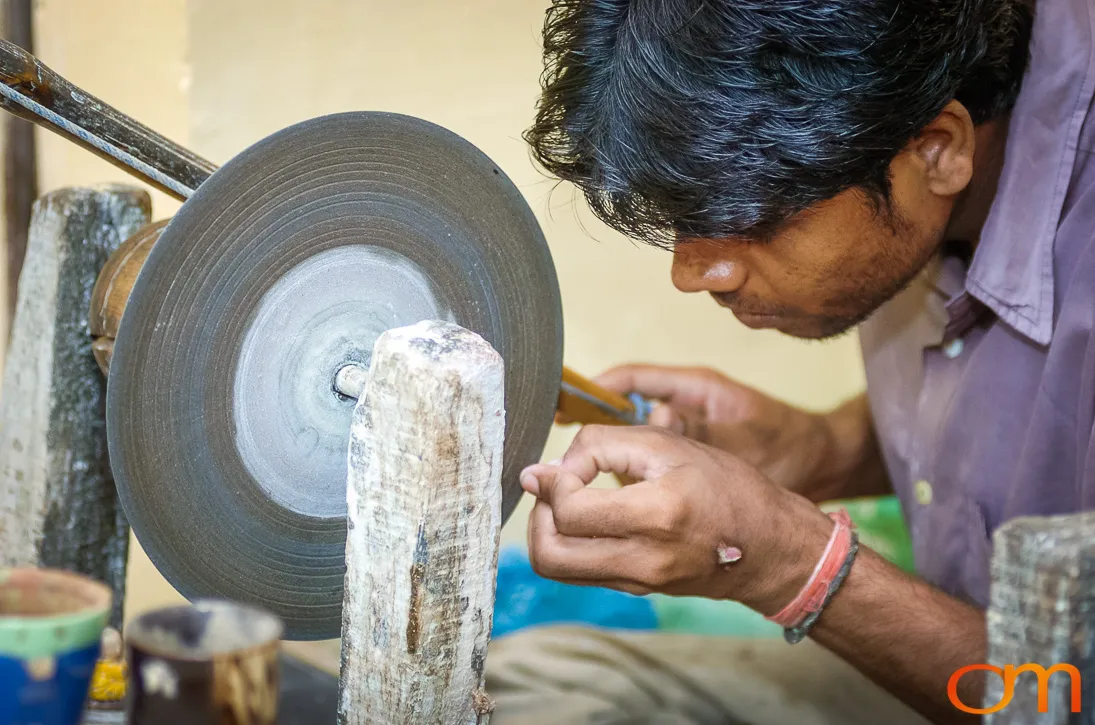
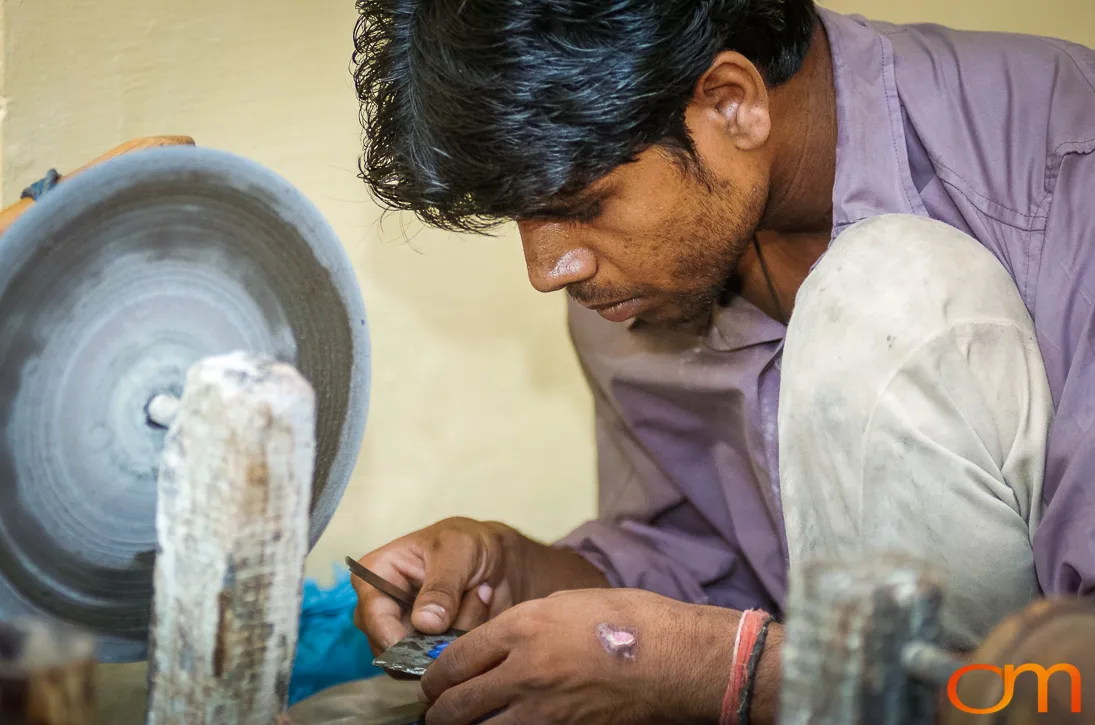
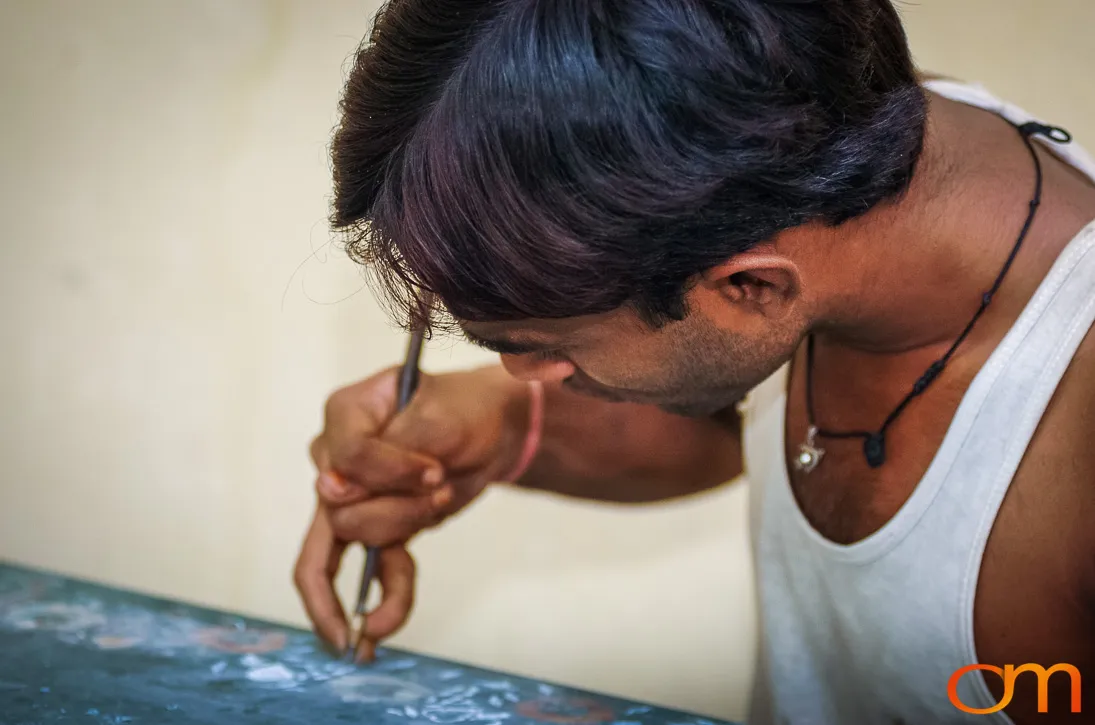
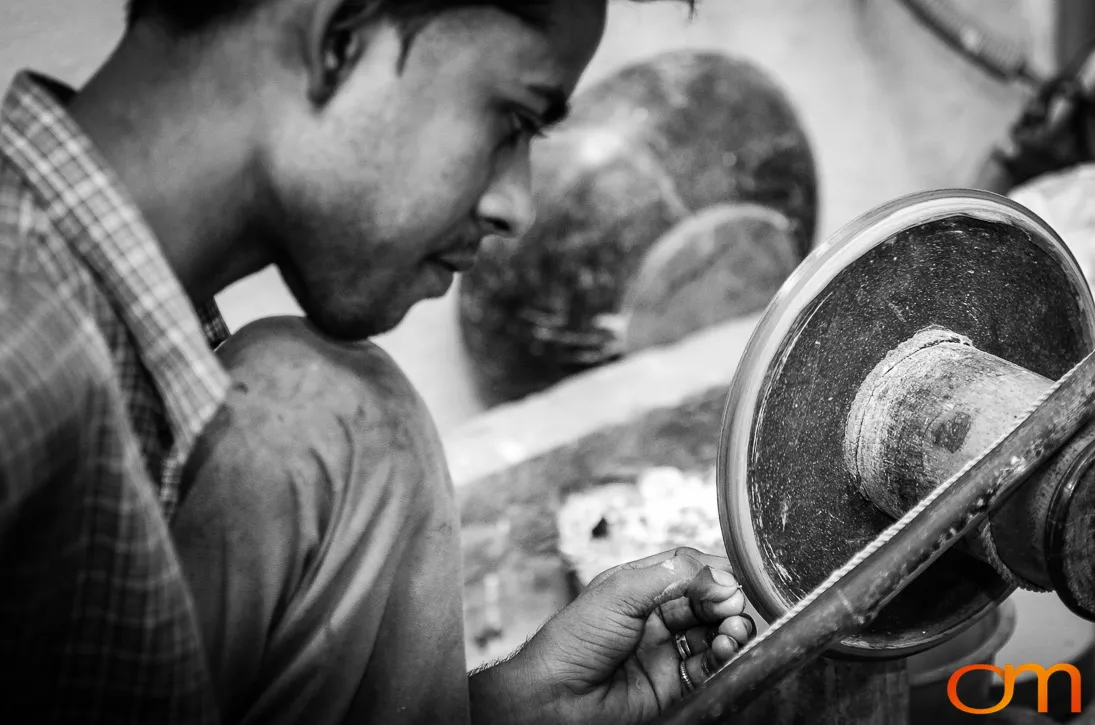
In contemporary Agra workshops, artisans may shape small pieces of stone against manually operated emery wheels, transfer designs to marble, carve recesses, fit the individual pieces into the surface, and polish the completed work. The process requires different skills for designing, cutting, fitting, and finishing. These methods preserve an important association with Agra’s historic marble-inlay traditions, although modern materials, tools, and workshop practices should not be assumed to be identical to those used during the seventeenth century.
The Taj Mahal was inscribed as a UNESCO World Heritage Site in 1983. In 2007, it was also selected as one of the New7Wonders of the World through a separately organized international public-voting campaign. The New7Wonders recognition is independent of UNESCO.