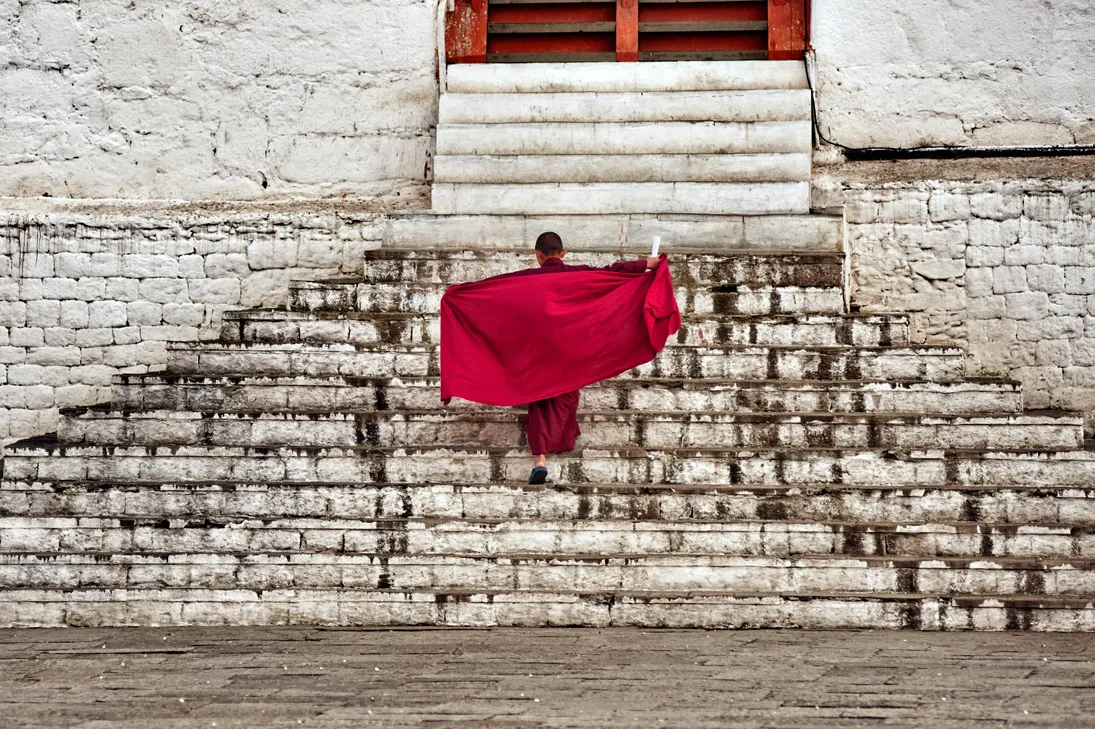
Thimphu
Tashichho Dzong, Thimphu
December 2010
Tashichho Dzong stands on the western bank of the Wang Chhu at the northern edge of Thimphu. Its name is commonly translated as the “Fortress of the Glorious Religion.” A predecessor known as Do Ngon Dzong was founded in 1216 by Gyalwa Lhanangpa on a nearby ridge. During the 17th century, Zhabdrung Ngawang Namgyel established Tashichho Dzong as an important seat of the Drukpa Kagyu Buddhist tradition.
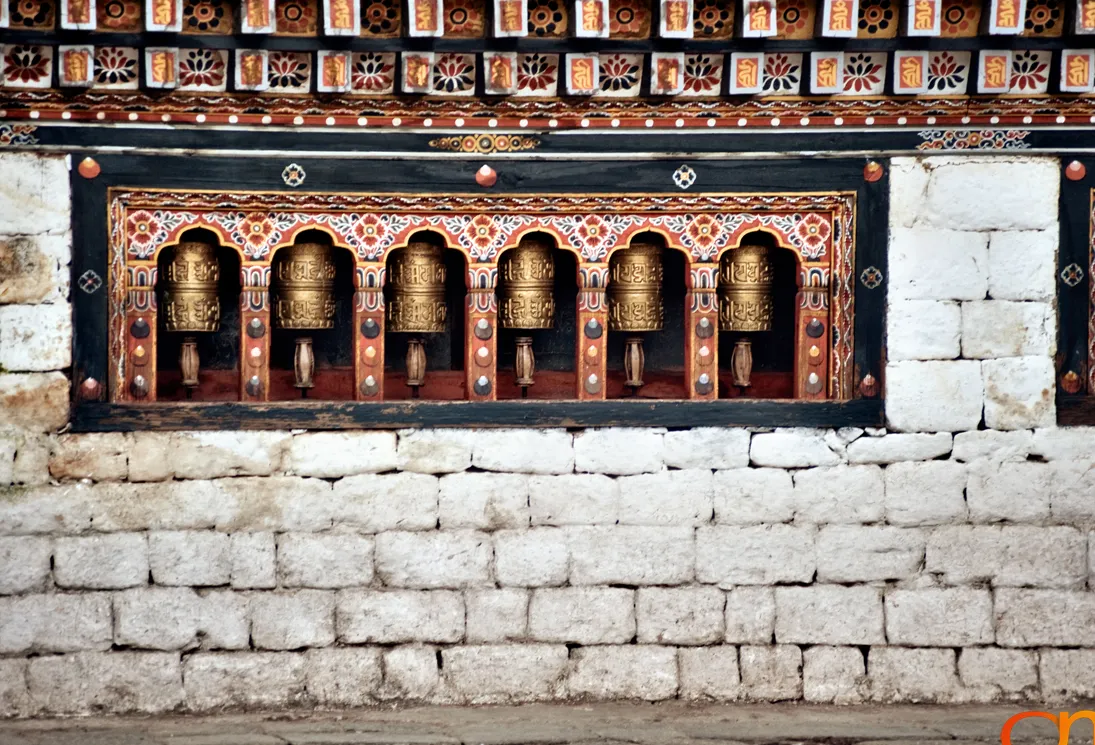
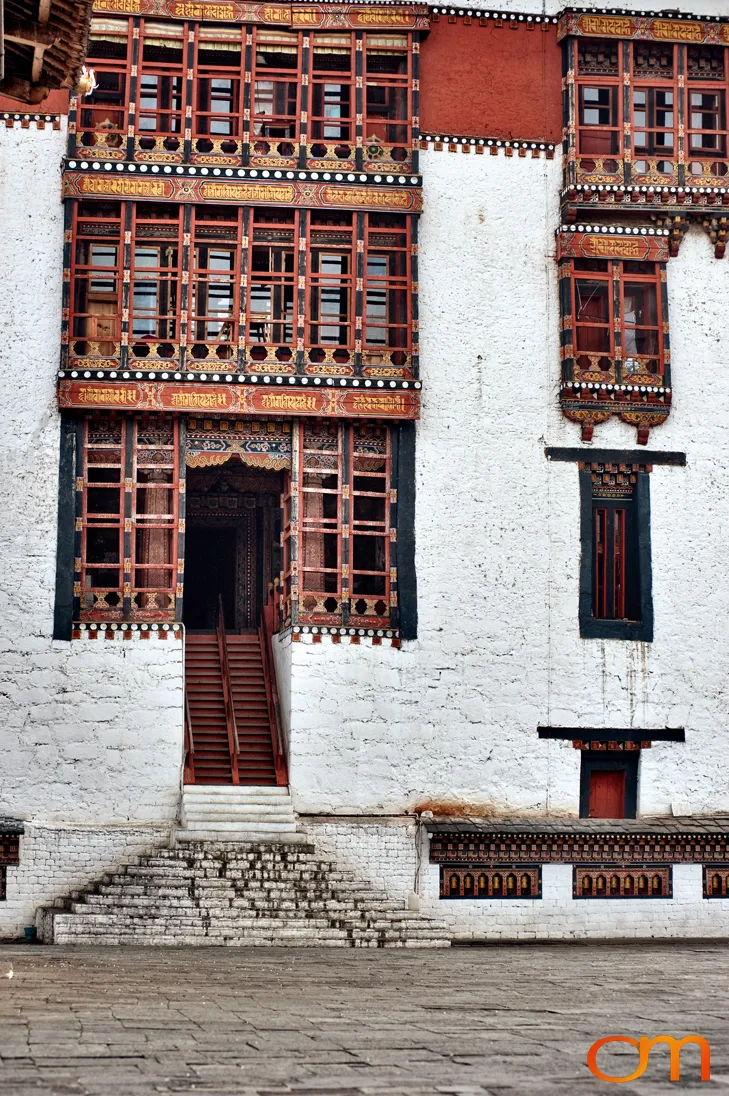
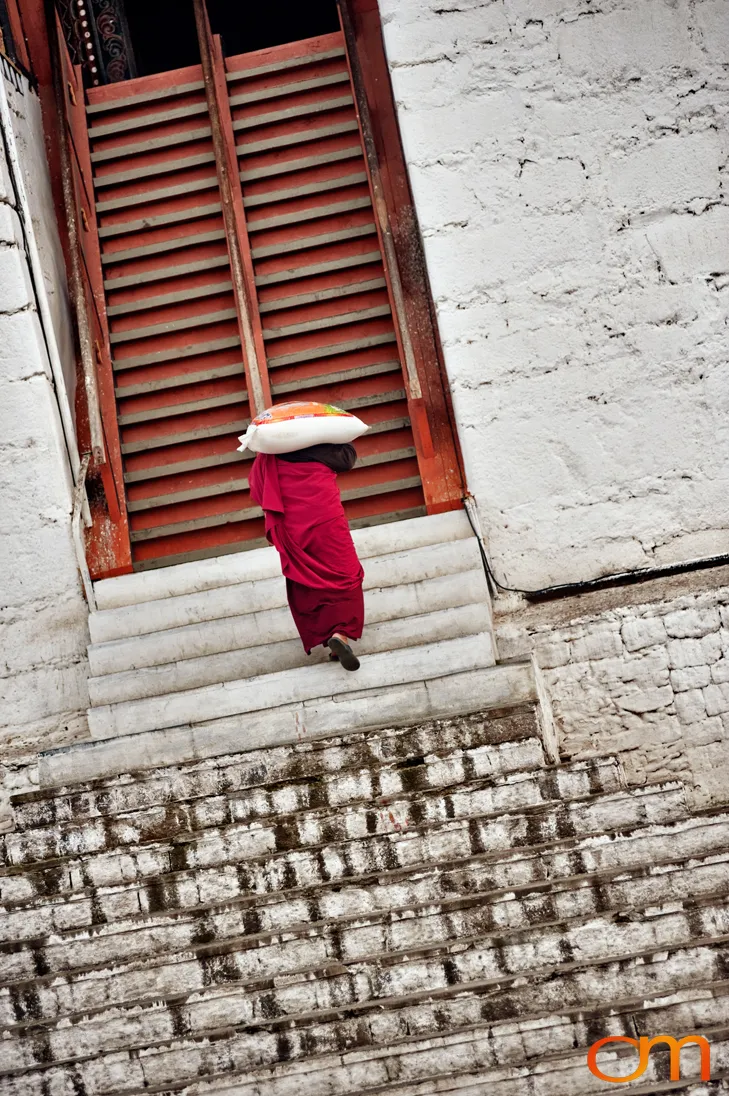
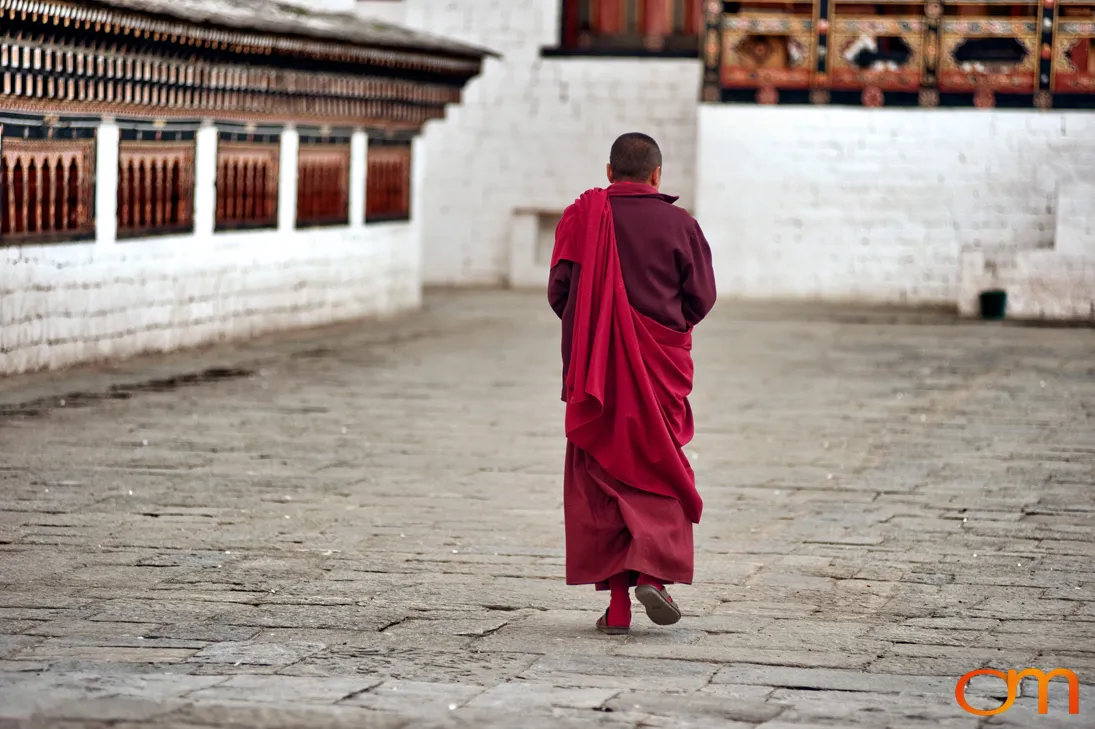
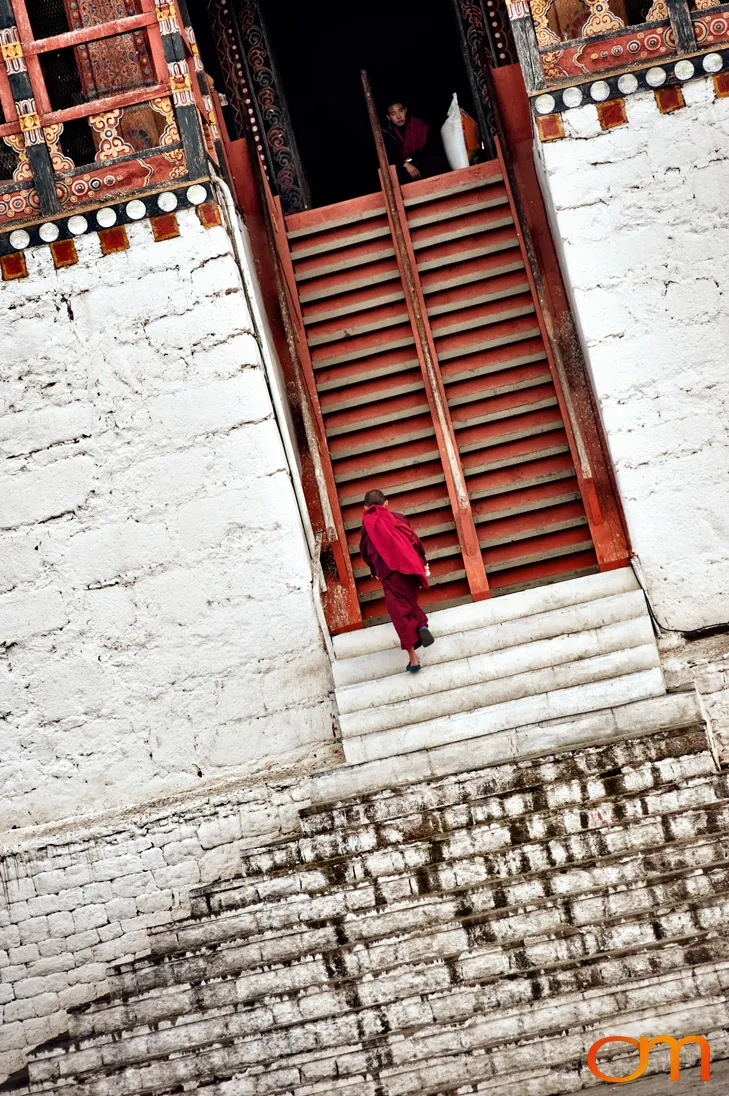
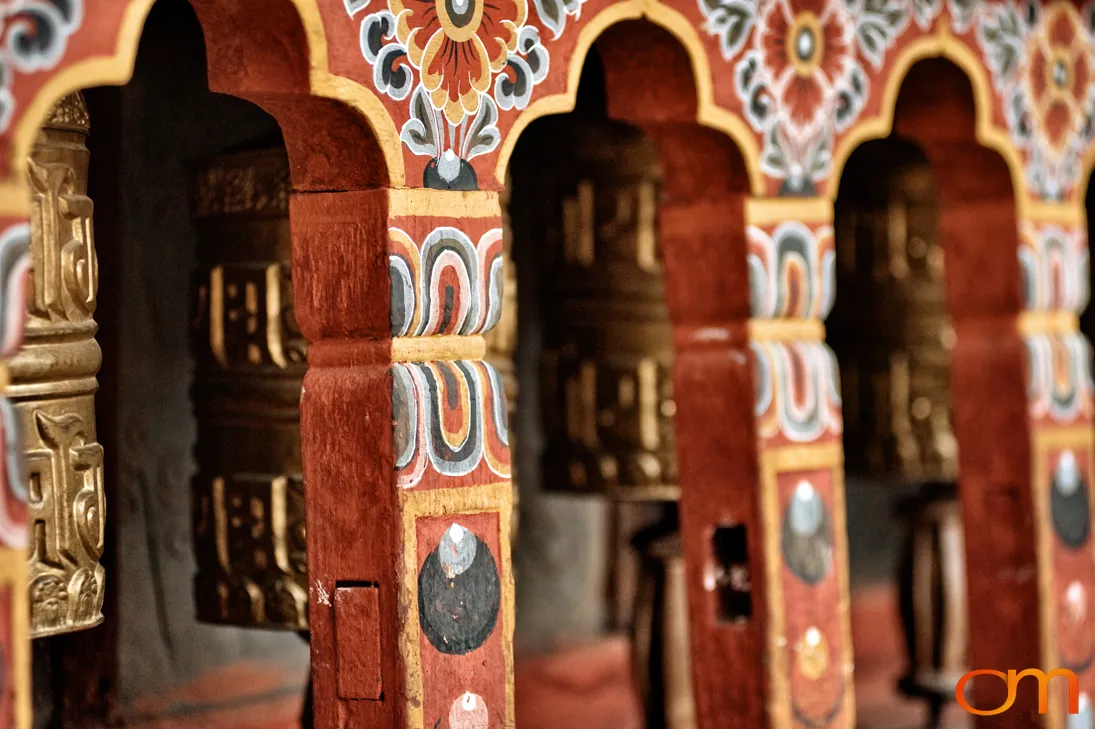
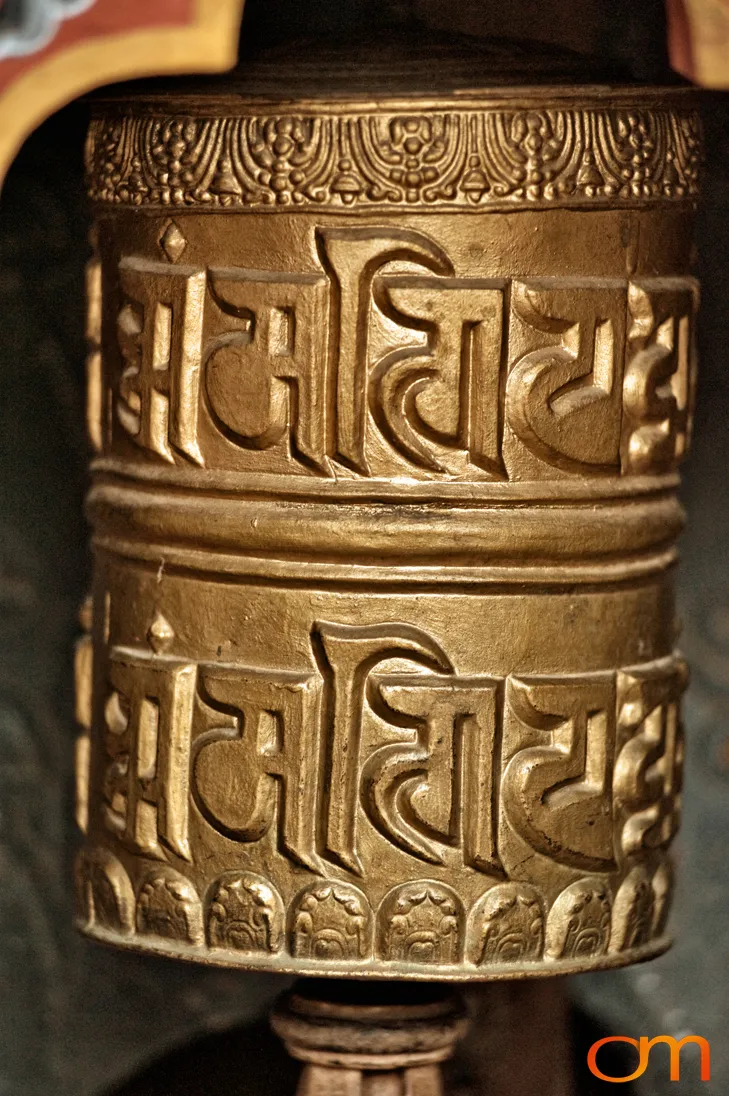
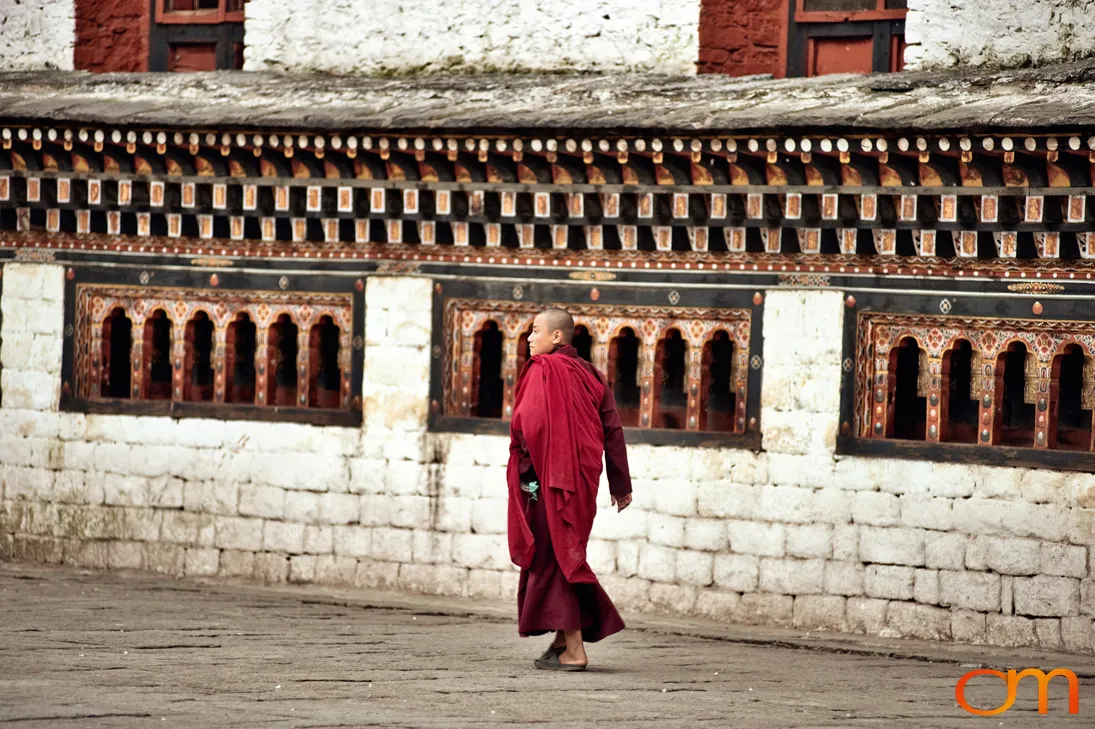
The dzong was repeatedly rebuilt following fires and other damage. Beginning in 1962, King Jigme Dorji Wangchuck ordered a major reconstruction and expansion to accommodate Bhutan’s national government. Its traditional architecture includes whitewashed masonry walls, painted timberwork, courtyards, temples, tiered roofs, and prayer wheels.
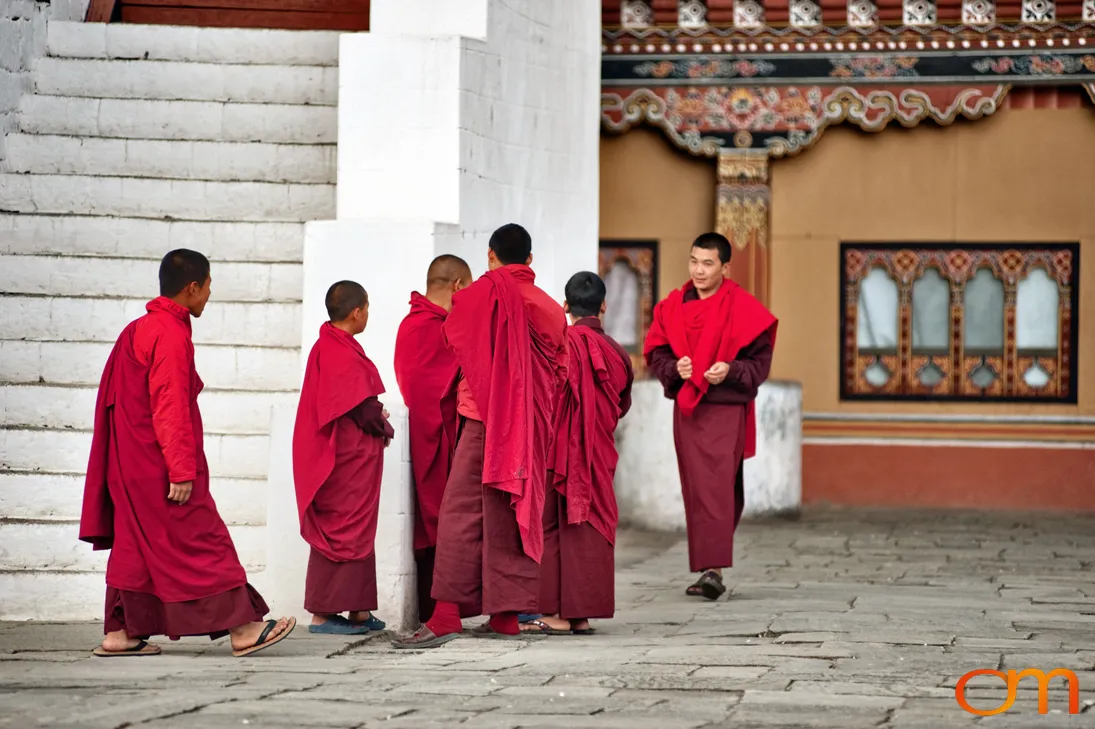
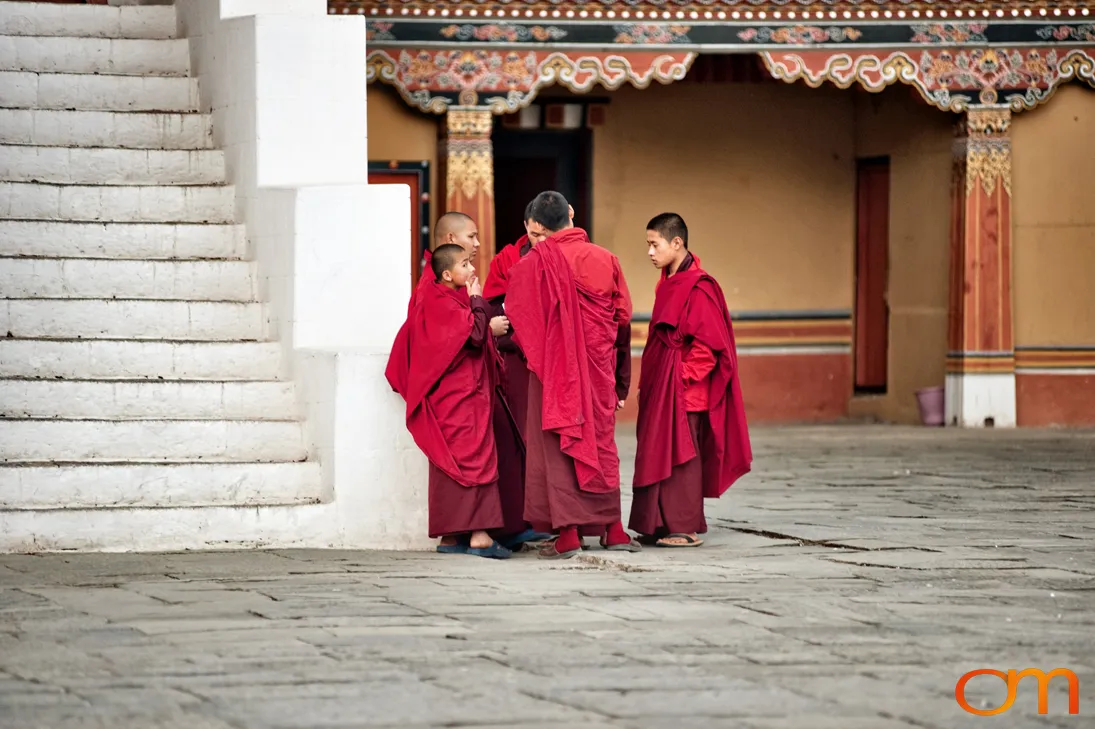
Tashichho Dzong continues to house the throne room and offices of the King. It also serves as the summer residence of the Je Khenpo and Bhutan’s Central Monastic Body, which moves between Thimphu and Punakha each year. Its continuing governmental and monastic functions reflect the historic relationship between Bhutan’s temporal and religious institutions.