New Zealand
Geothermal Activity in Rotorua and the Taupō Volcanic Zone
June 2015
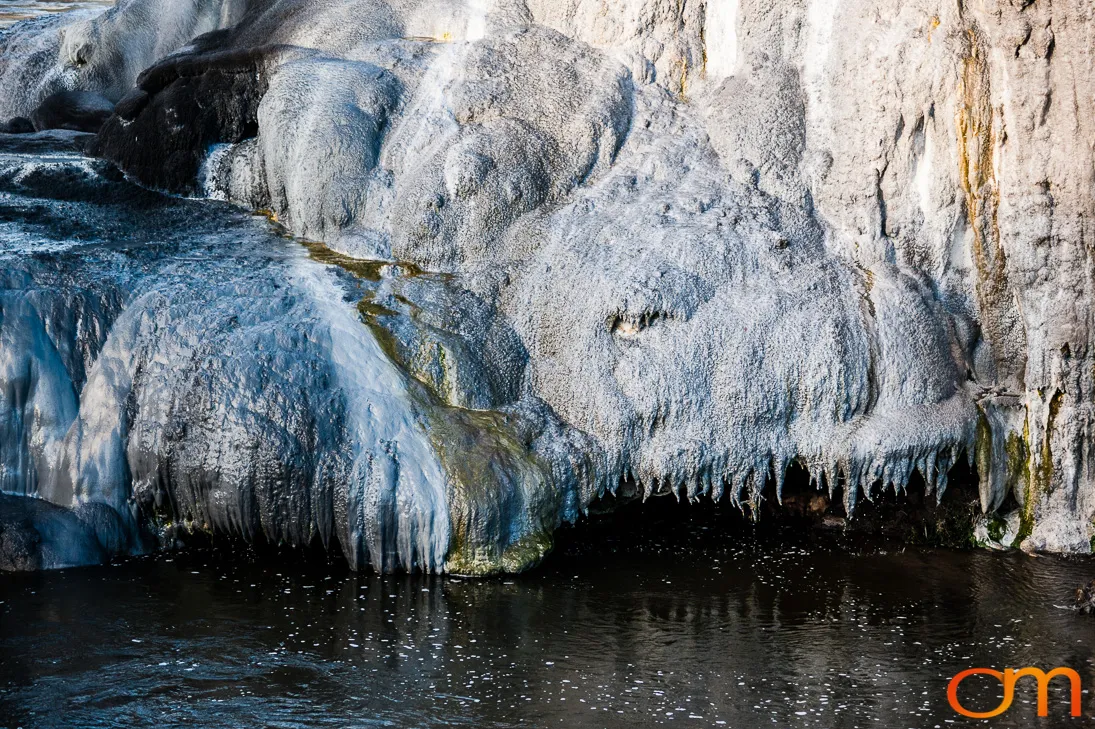
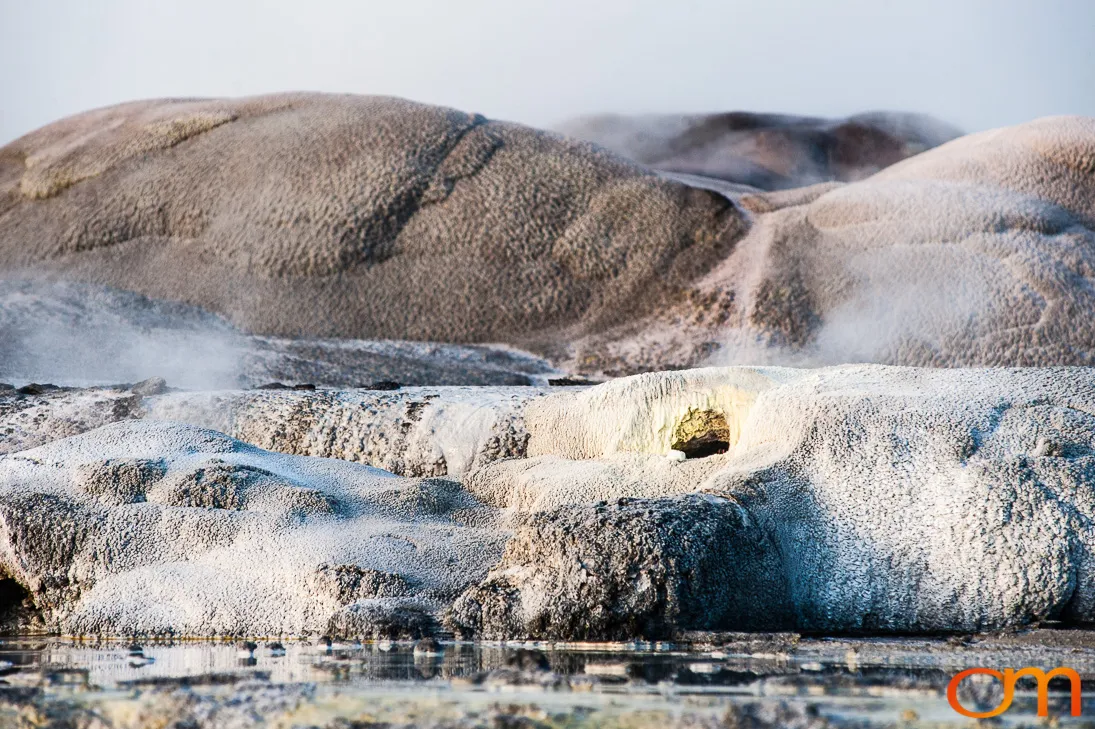
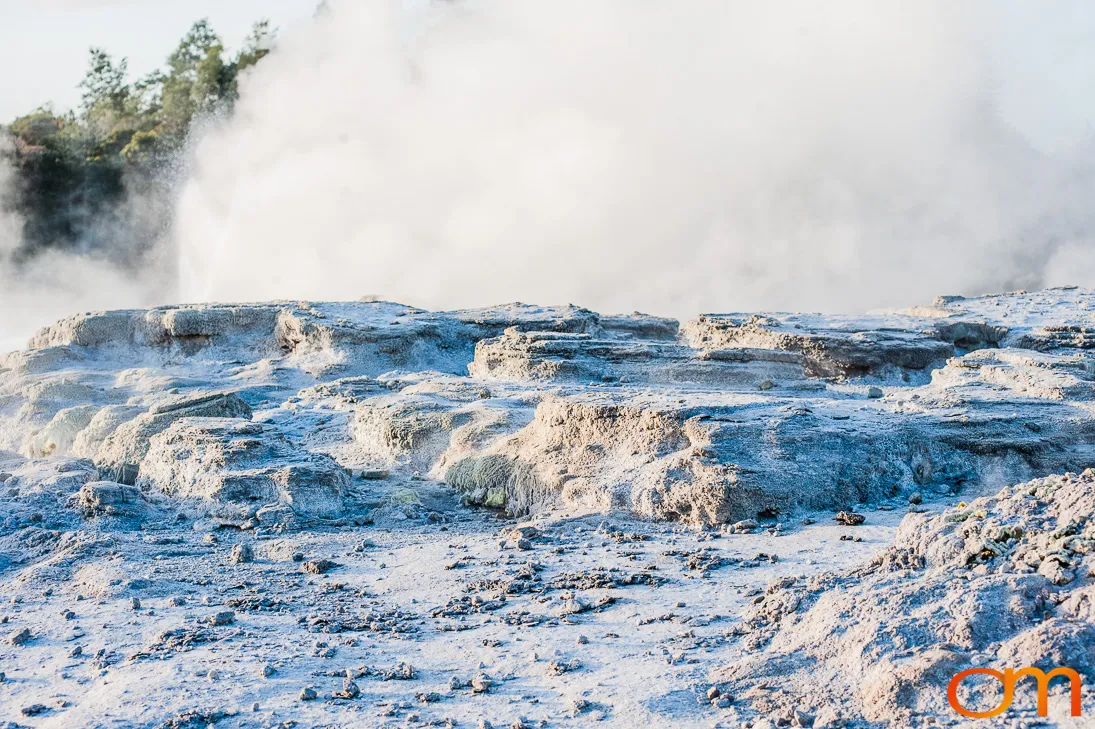
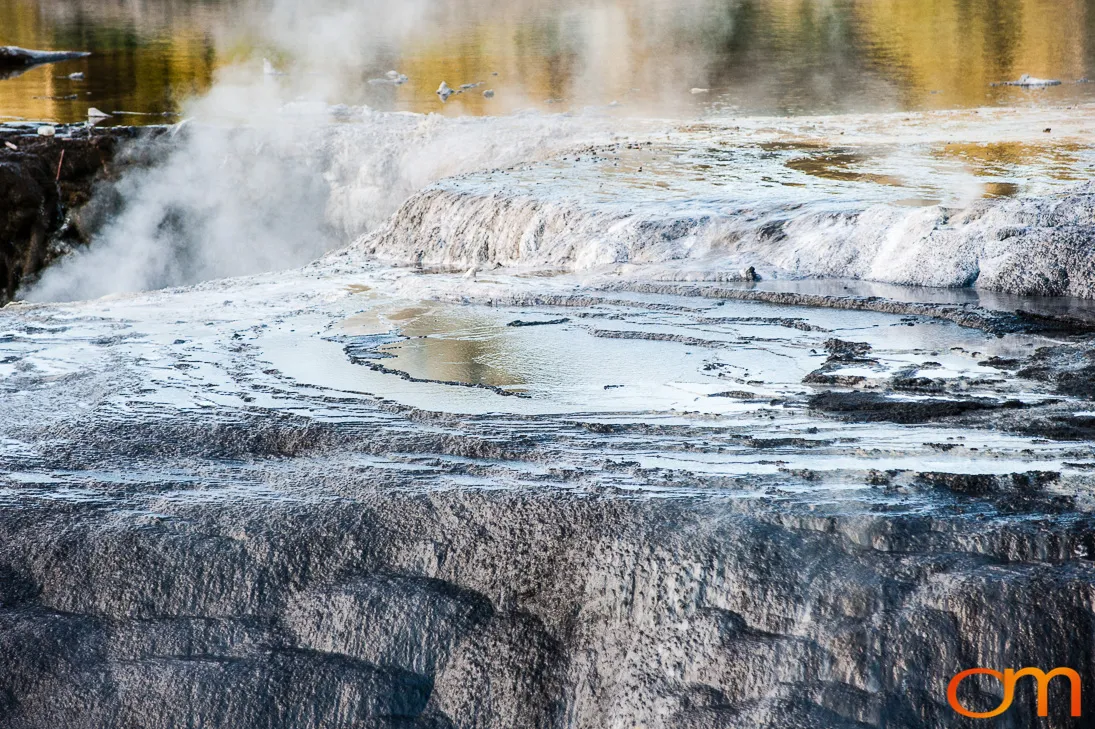
Rotorua lies within New Zealand’s Taupō Volcanic Zone, a highly active volcanic region extending through much of the central North Island. Heat from volcanic systems beneath the region warms circulating groundwater, producing hot springs, geysers, fumaroles, and bubbling mud pools.
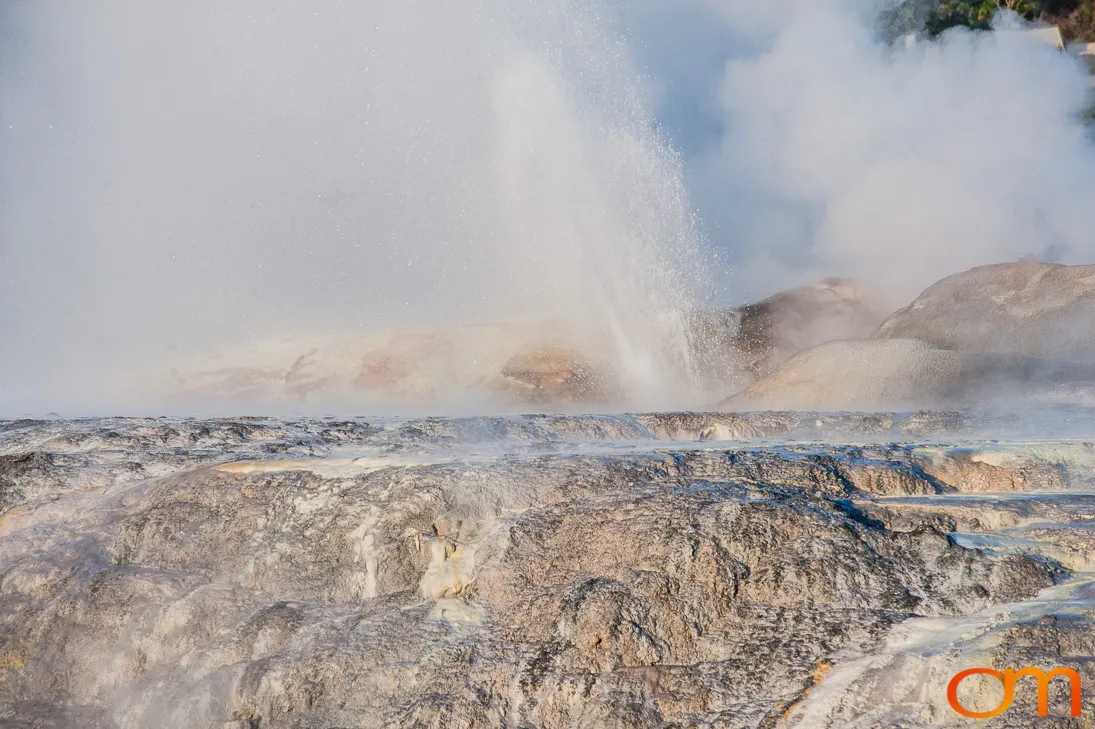
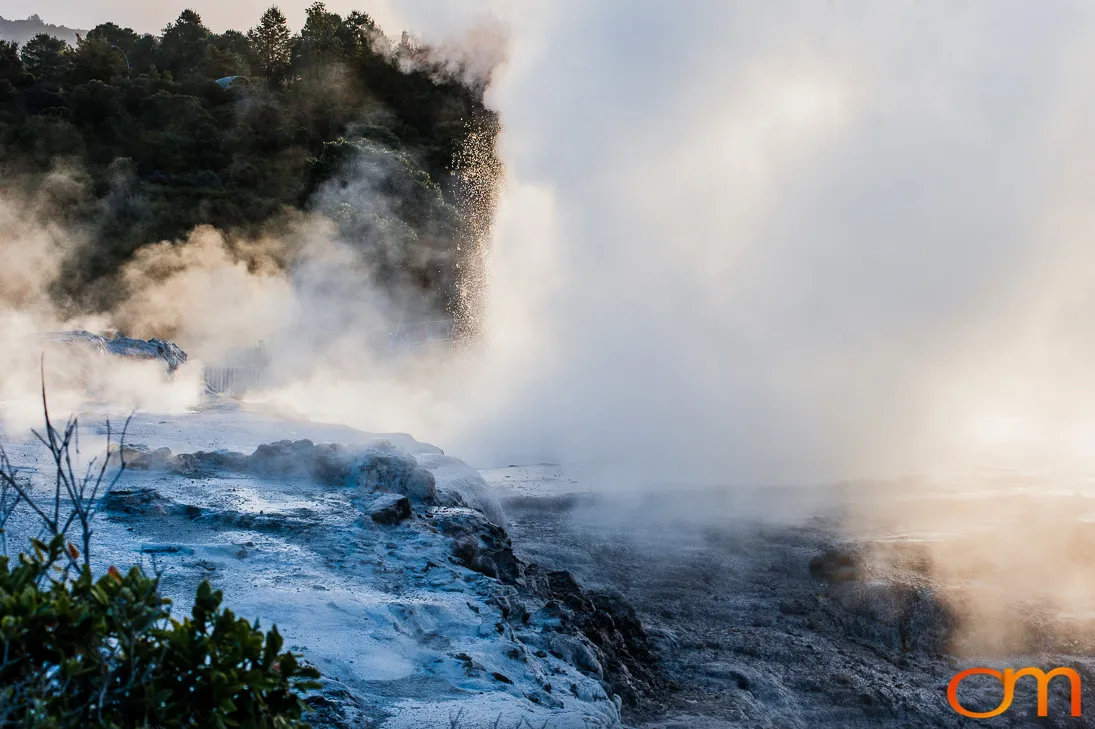
Geysers form where groundwater is heated within a confined underground system. As temperatures and pressure increase, water and steam are forced through narrow openings and expelled at the surface. The timing and height of eruptions depend on the structure of each geyser’s underground plumbing and the supply of heat and water.
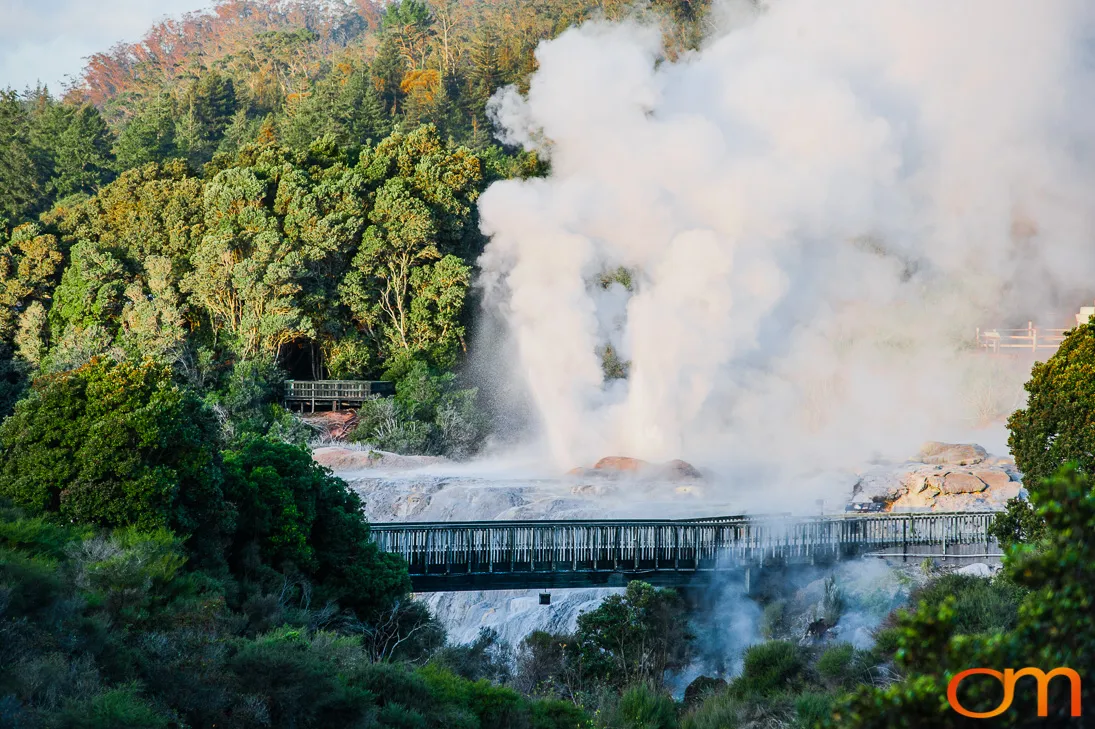
Pōhutu Geyser, in the Whakarewarewa geothermal field at Rotorua, can send water and steam as high as approximately 30 metres (98 feet). It is the largest active geyser in the Southern Hemisphere and commonly erupts more than 15 times in a day.
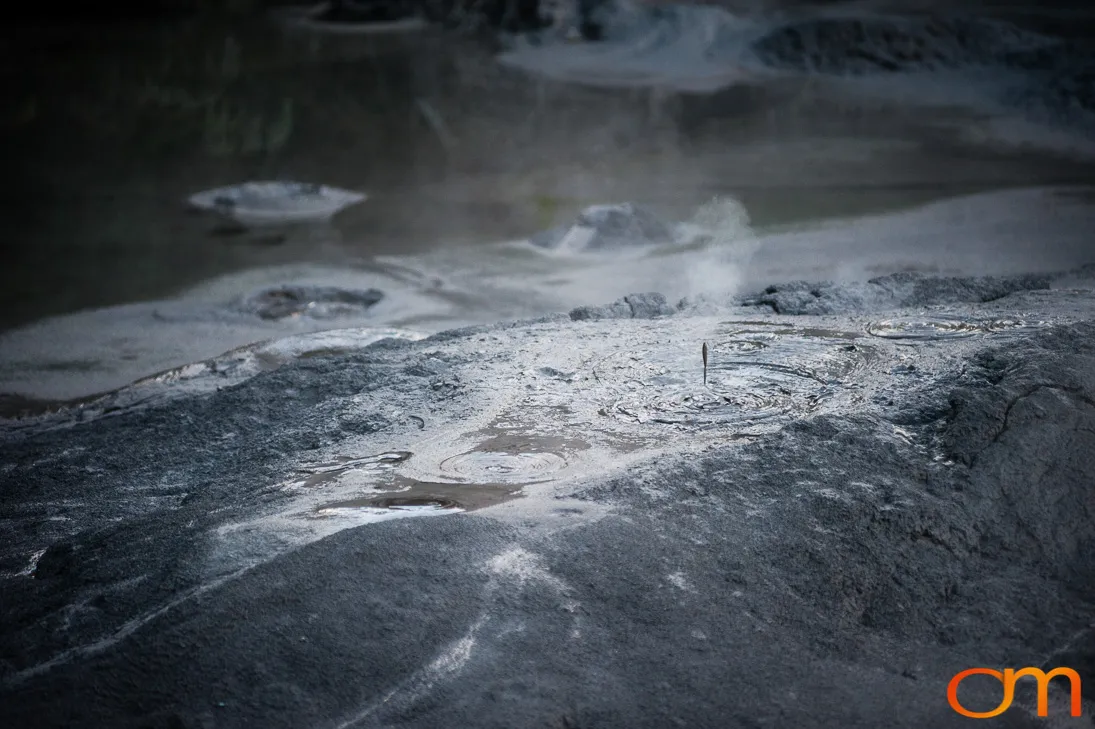
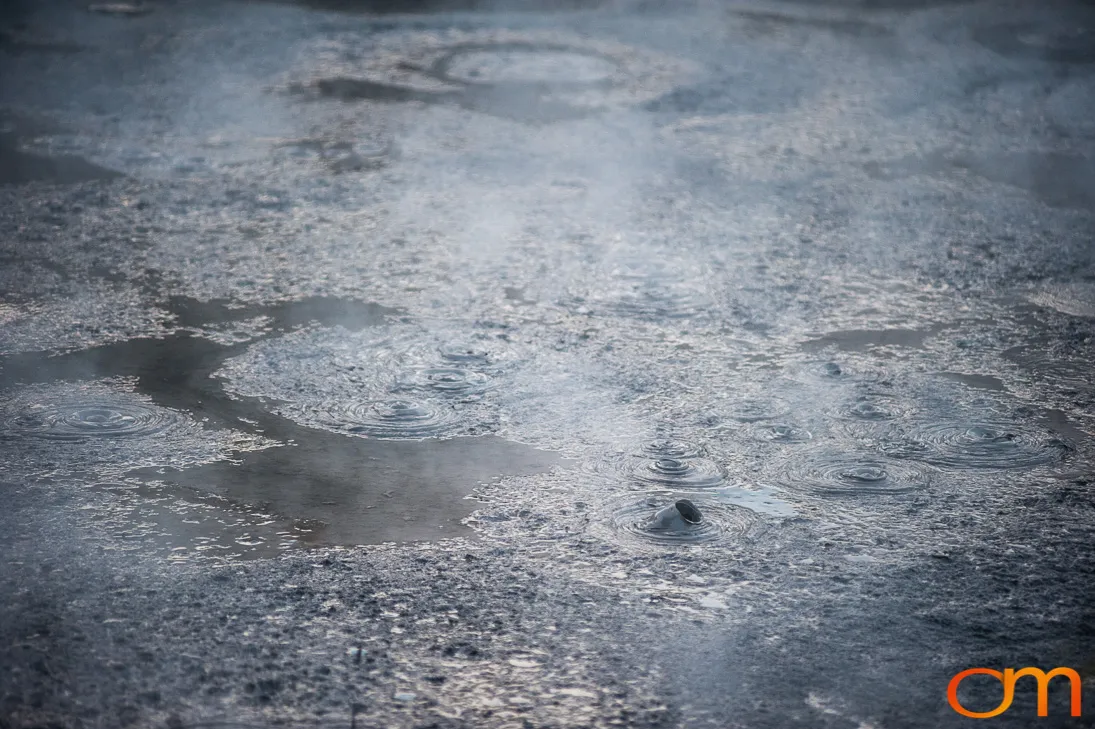
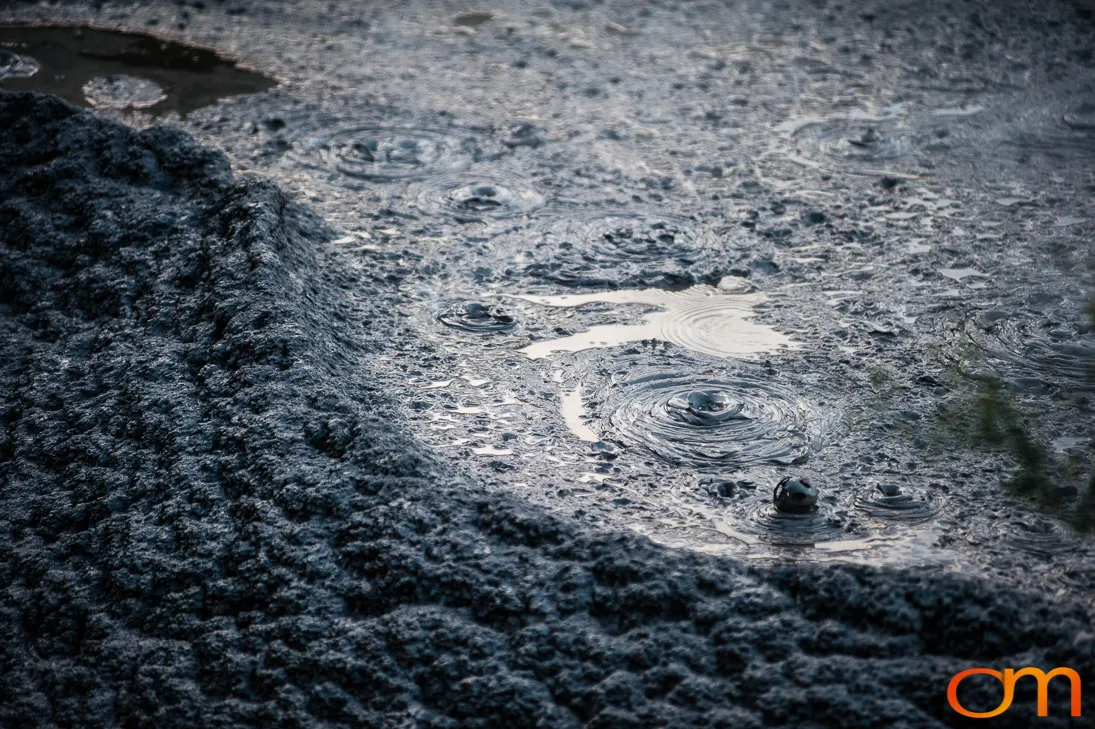
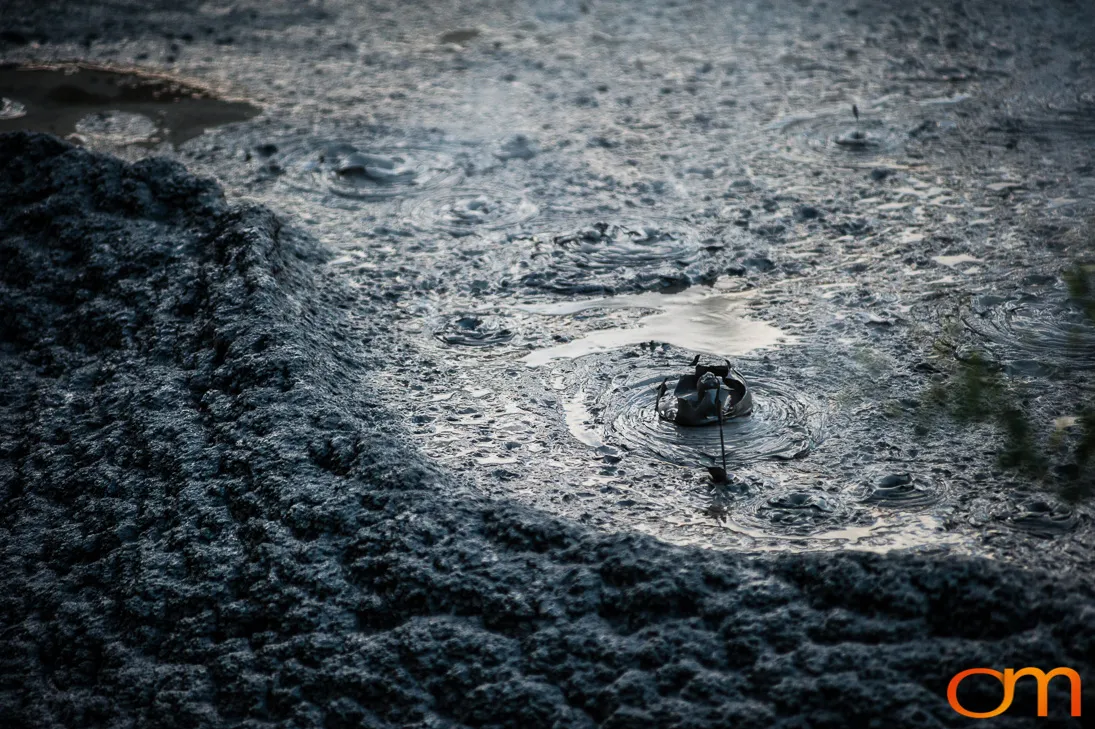
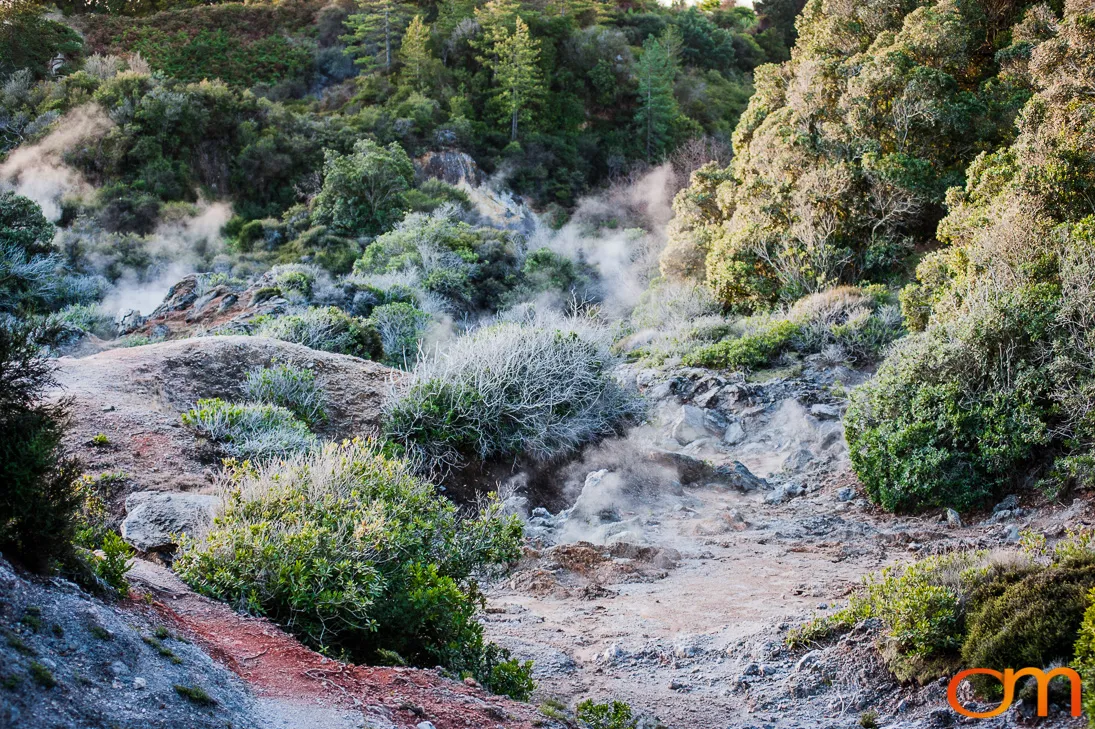
Fumaroles are openings that release steam and volcanic gases from below the ground. Mud pools develop where acidic geothermal fluids and gases alter volcanic rock into clay. Rising steam and gas then agitate the waterlogged clay, producing the characteristic bubbling and bursting surface documented in these 2015 photographs.