Munnar
Tea Harvesting in Munnar
September 2004
Munnar is located in the Idukki district of Kerala within the Western Ghats of southern India. The town stands at approximately 5,250 feet (1,600 meters) above sea level, while the surrounding plantation landscape extends across hills and valleys at varying elevations. Tea cultivation has become one of the region’s defining industries and visual characteristics.
Development of the Munnar Tea Estates
Commercial plantation development in the Kannan Devan Hills began during the late nineteenth century. In 1877, the Poonjar royal family leased approximately 136,600 acres of land to John Daniel Munro. Two years later, Munro formed the North Travancore Land Planting and Agricultural Society.
Early planters experimented with coffee, cardamom, cinchona, sisal, and other crops. Tea eventually became the dominant plantation crop. European planter A. H. Sharp is credited with establishing Munnar’s first documented tea planting in 1880, when he planted approximately 50 acres at Parvathy, an area that later became part of the Sevenmallay Estate.
During the 1890s, Finlay Muir and Company acquired numerous independent estates, and the Kannan Devan Hills Produce Company was established to manage plantation operations. The Tata Group entered a partnership with Finlay in 1964, and Tata Tea was formed in 1983.
On April 1, 2005, Kanan Devan Hills Plantations Company Private Limited, commonly known as KDHP, assumed control of most of Tata Tea’s plantations in Munnar. The new company was organized through a participatory management model, with more than 12,500 employees holding shares at the time of its formation.
A company assessment for the 2023 financial year described KDHP as operating seven tea estates covering nearly 9,000 hectares of cultivated land in Munnar, together with 16 factories producing both CTC and orthodox teas. These figures apply specifically to KDHP and should not be interpreted as the total size or production of every tea estate in the Munnar region.
Harvesting Tea
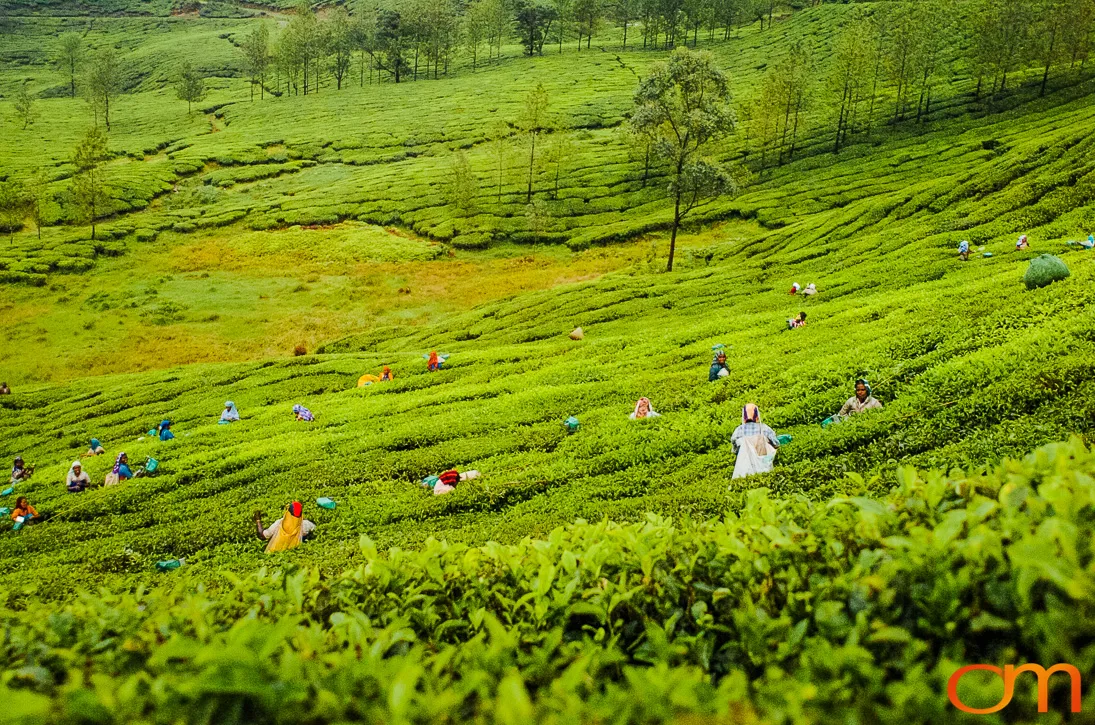
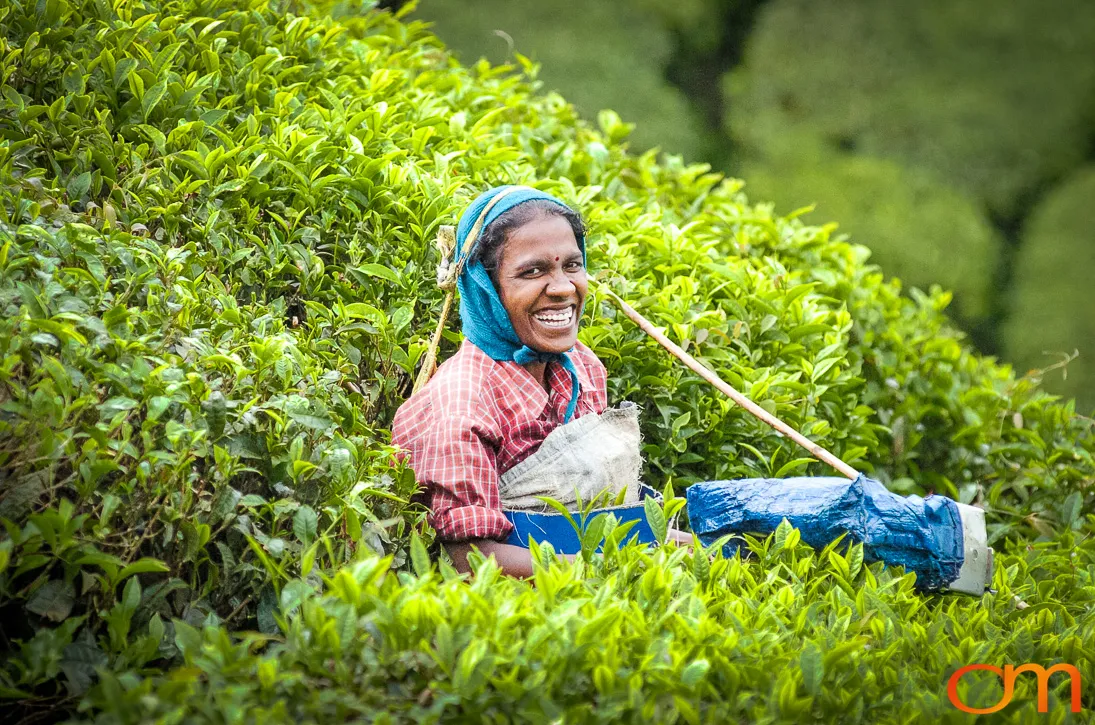
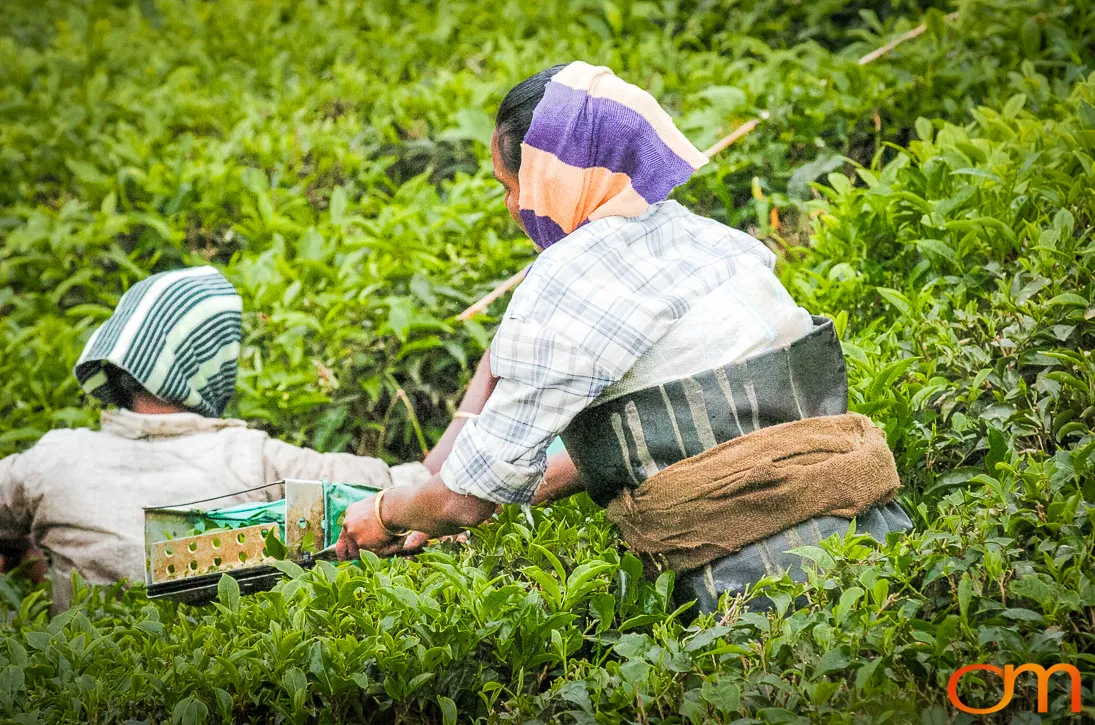
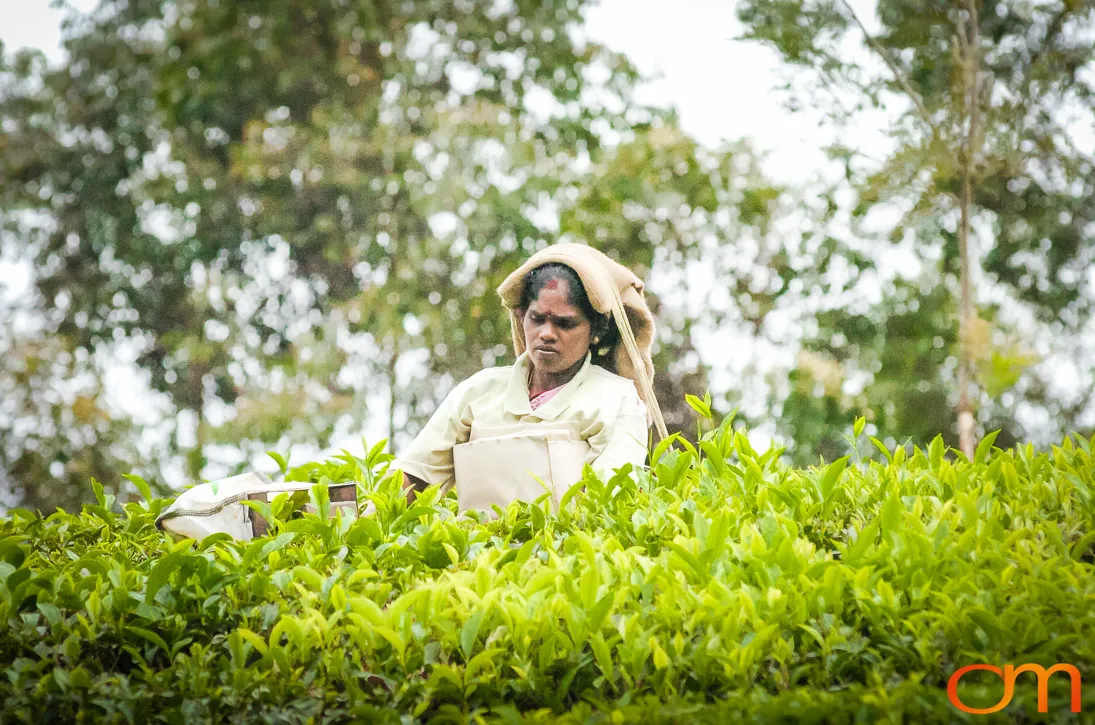
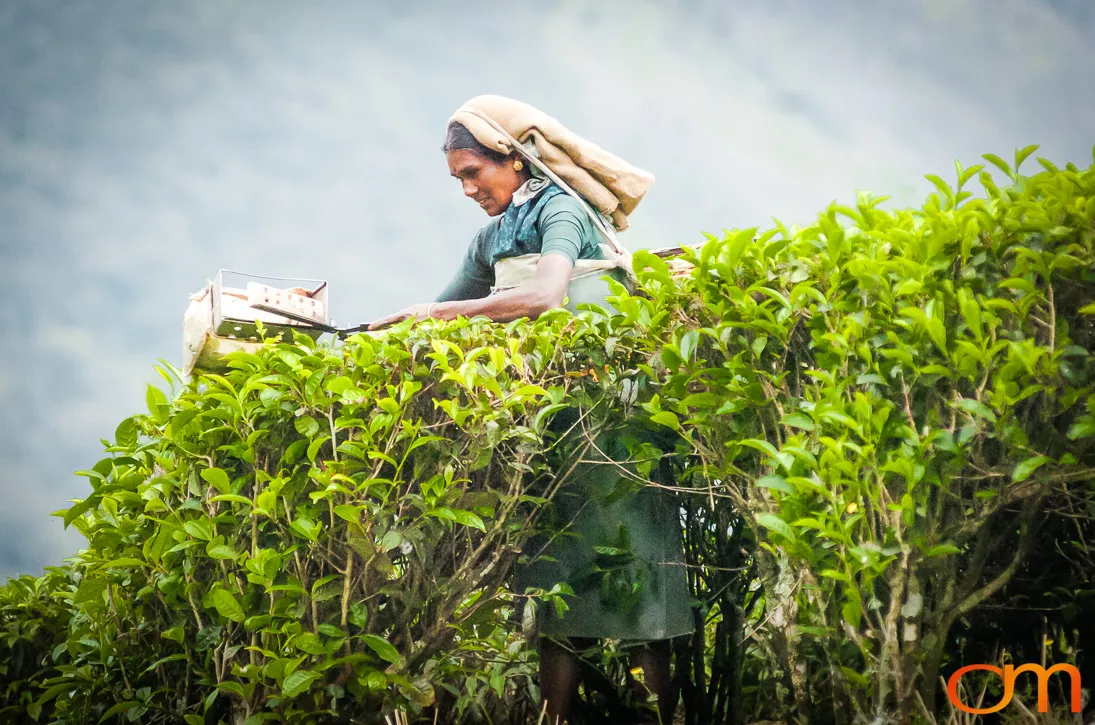
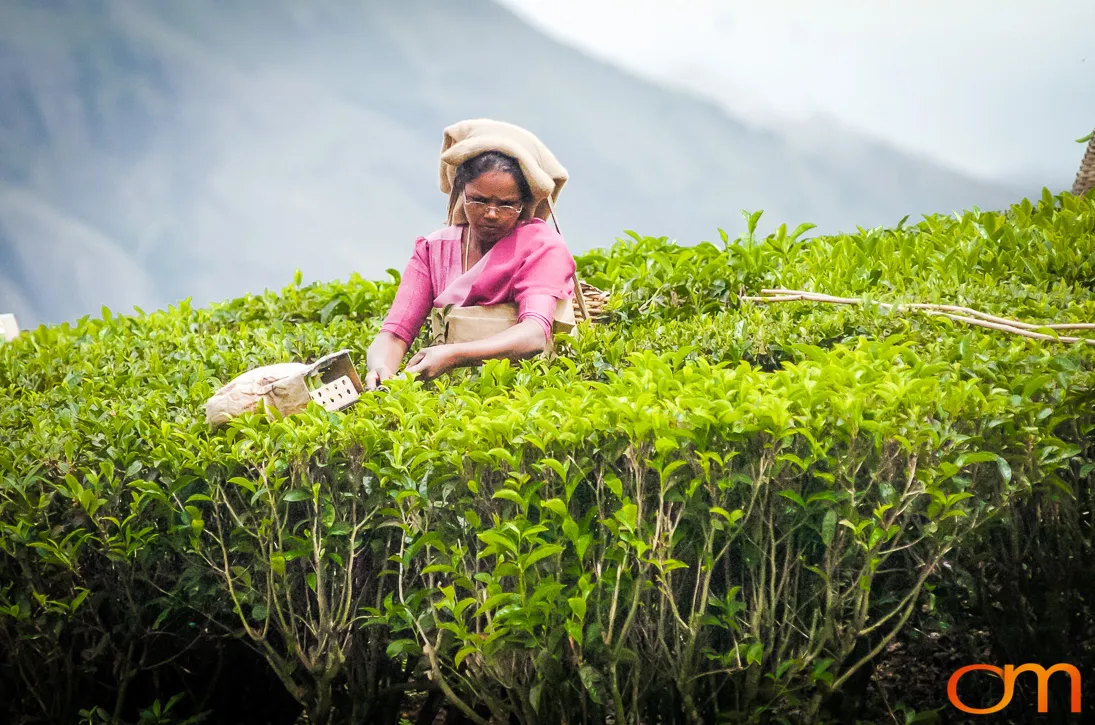
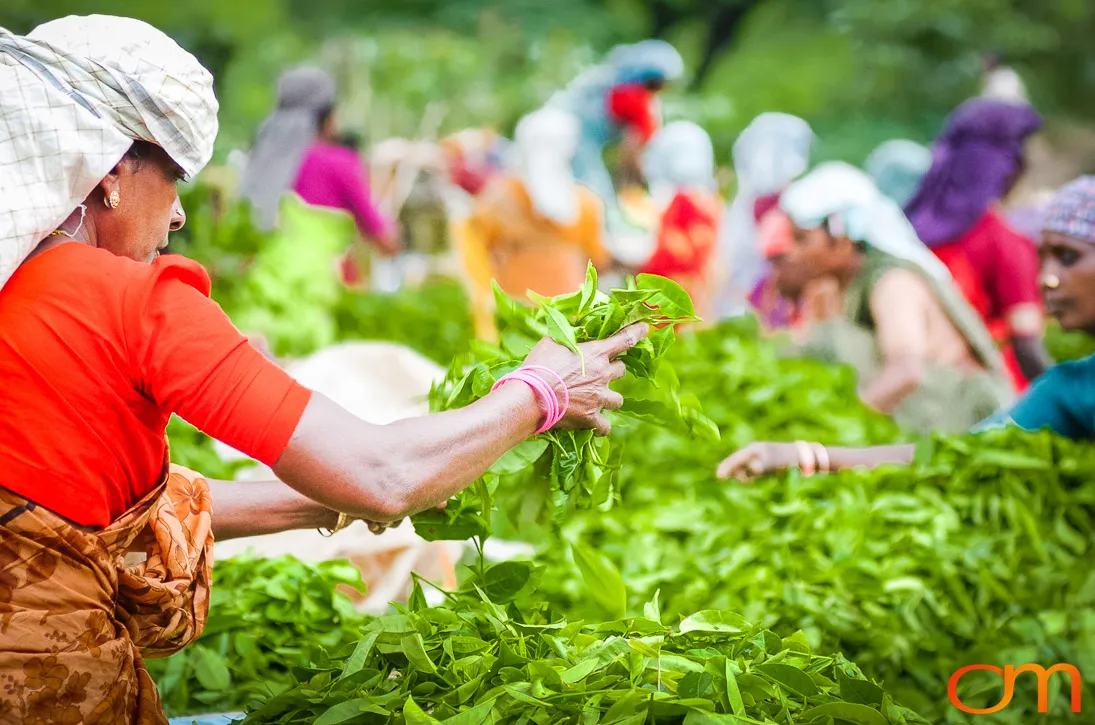
Tea is produced from the leaves and shoots of Camellia sinensis, an evergreen plant cultivated in tea-growing regions around the world. Workers harvesting tea by hand select tender new growth from the upper surface of the bushes. The harvested leaves are collected and transported for processing.
Black, green, oolong, and white teas can all be produced from Camellia sinensis. Differences in growing conditions, the leaves selected, and the methods used after harvesting influence the tea’s flavor, aroma, color, and appearance.
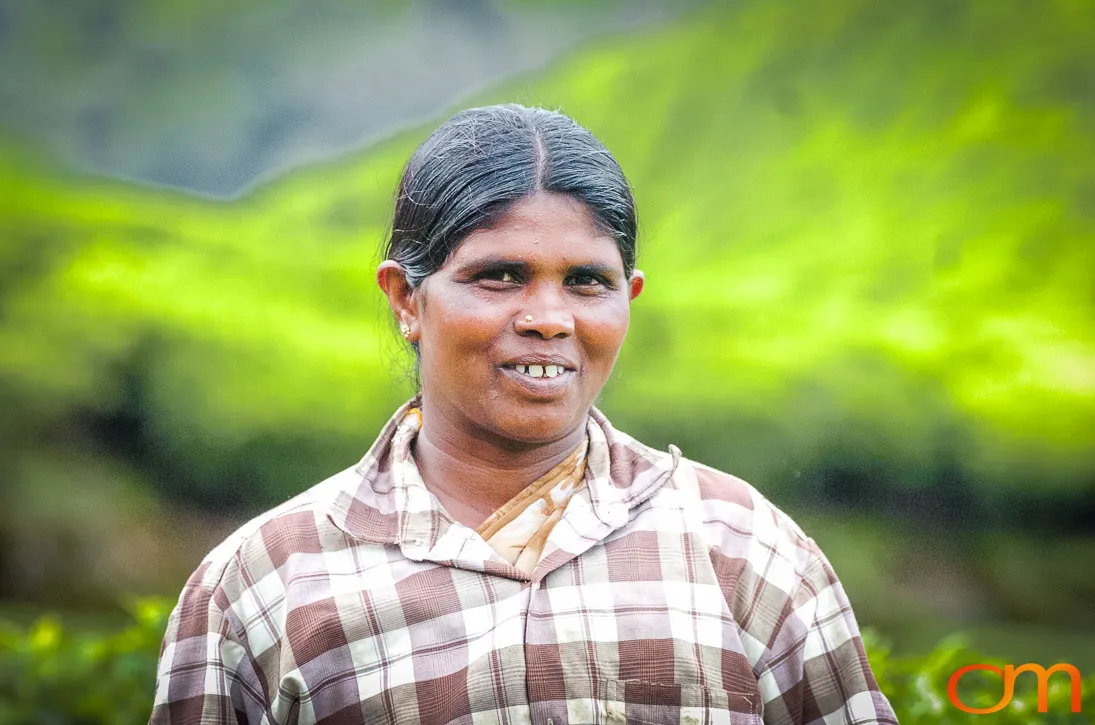
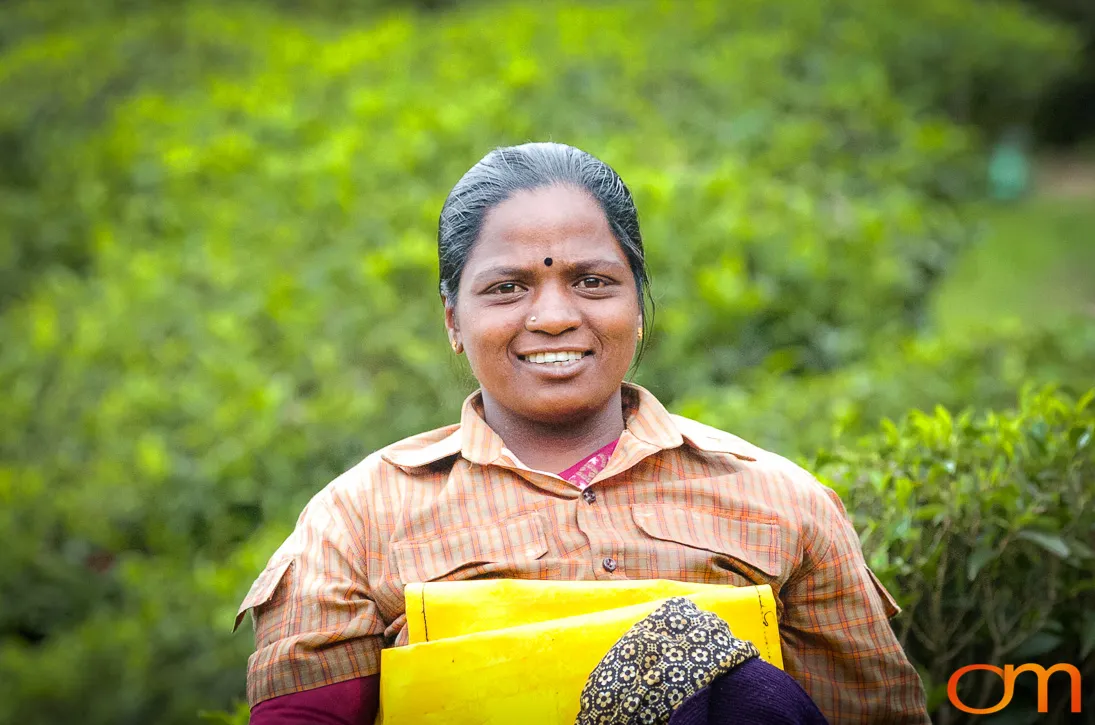
Women have historically formed a visible and important part of the tea-plucking workforce in Munnar and other South Asian plantation regions. However, plantation employment also includes factory processing, transport, field maintenance, supervision, administration, and other work performed by people of different genders. There is no basis for claiming that only women work on Munnar’s tea estates or that leaves selected by women are inherently superior.
Field Documentation: 2004
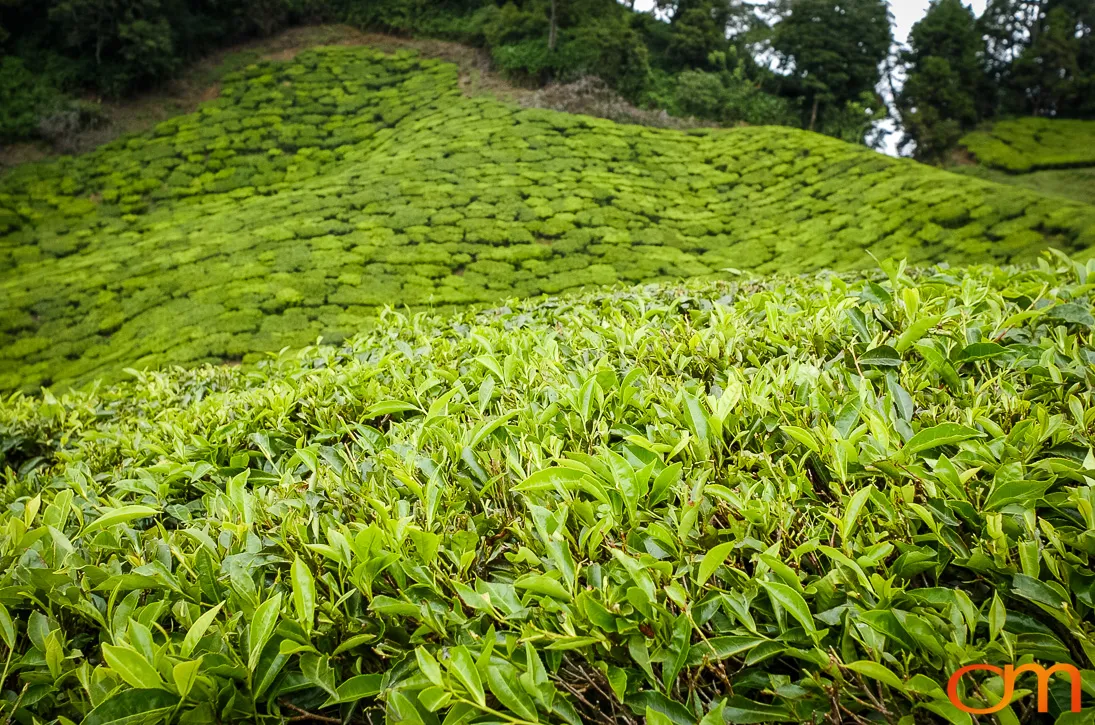
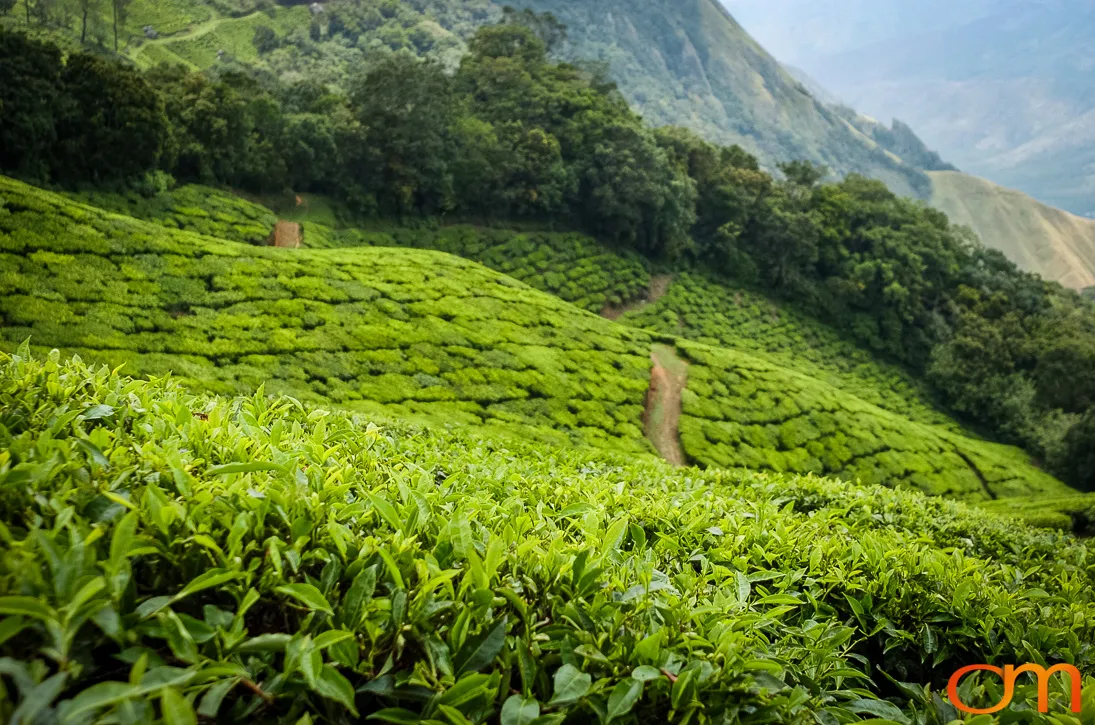
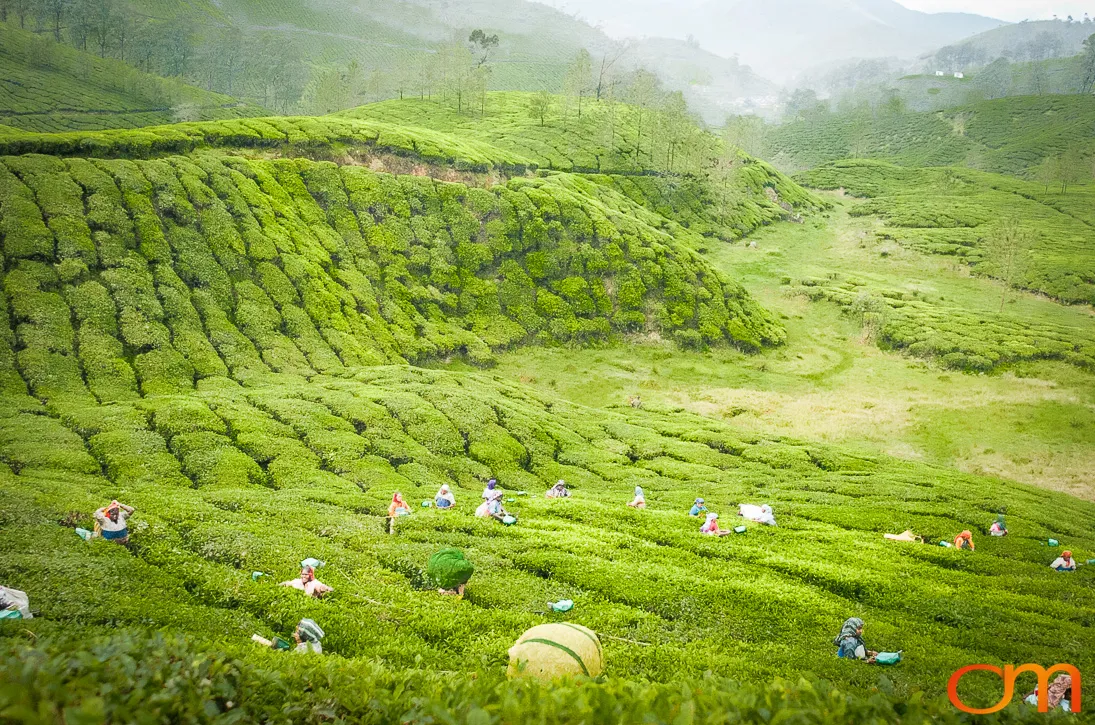
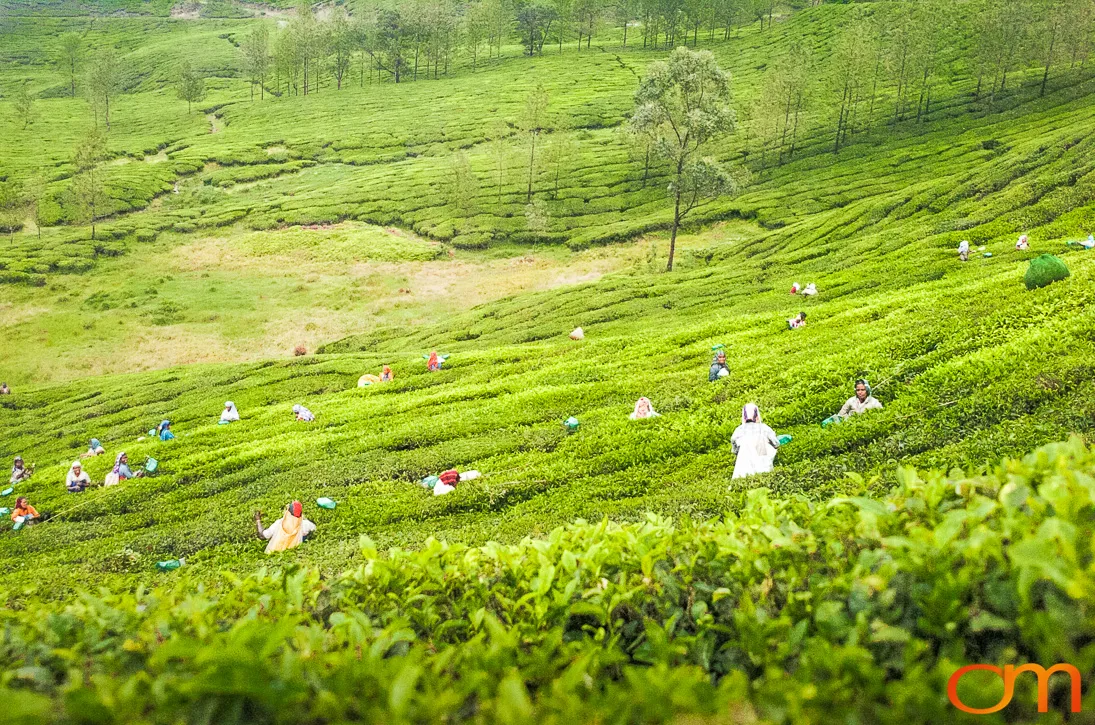
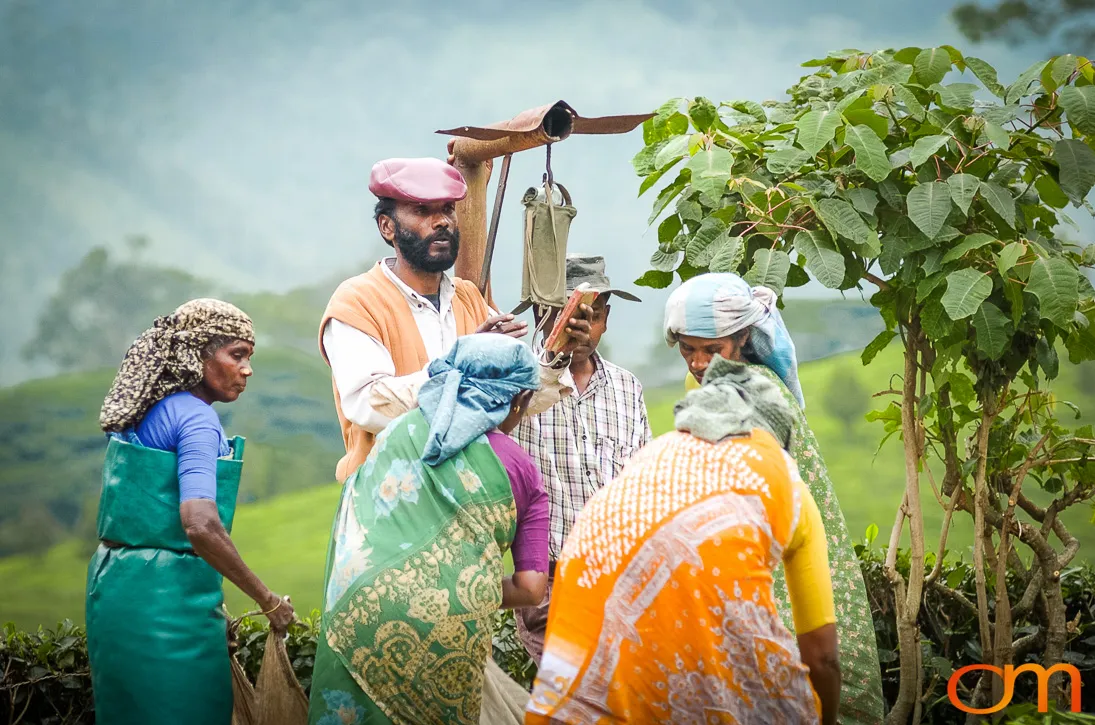
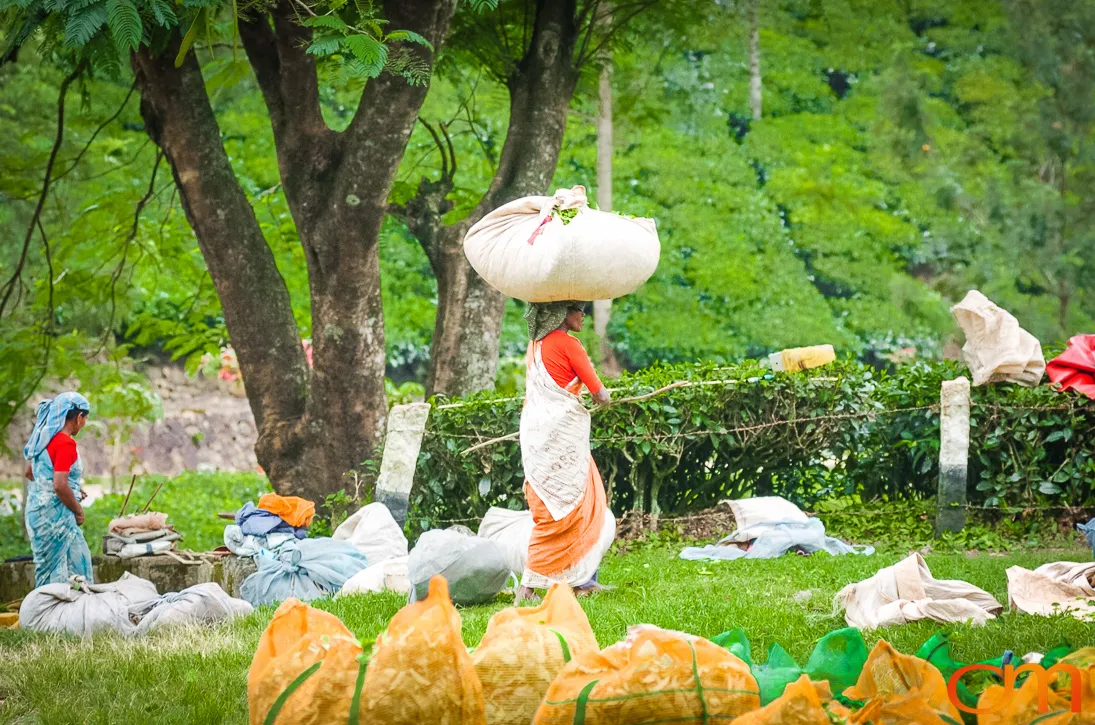
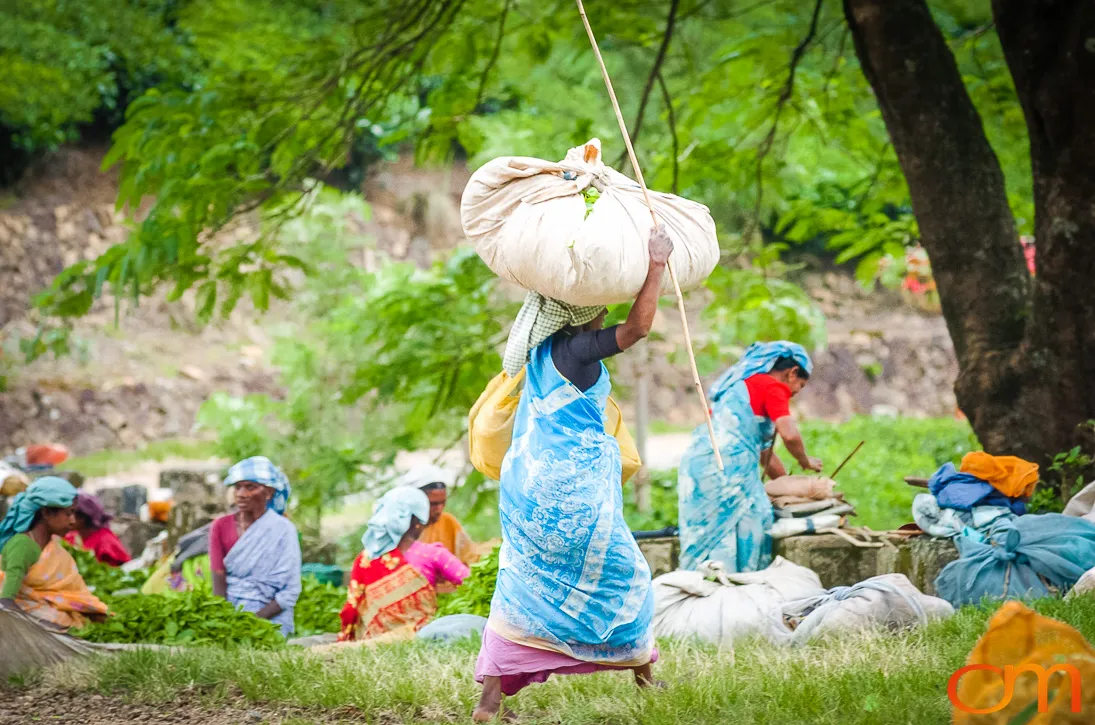
The accompanying photographs were made in Munnar in 2004. They document women manually harvesting tea, gathering freshly picked leaves, participating in field collection and weighing, and carrying filled sacks from the harvesting area.
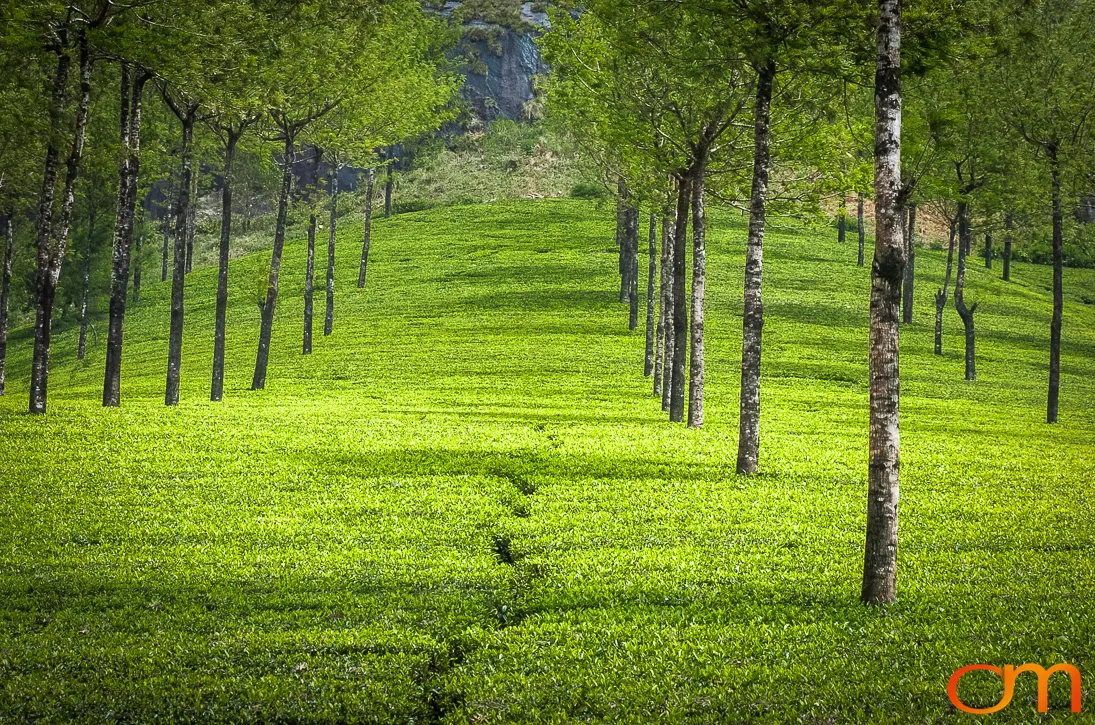
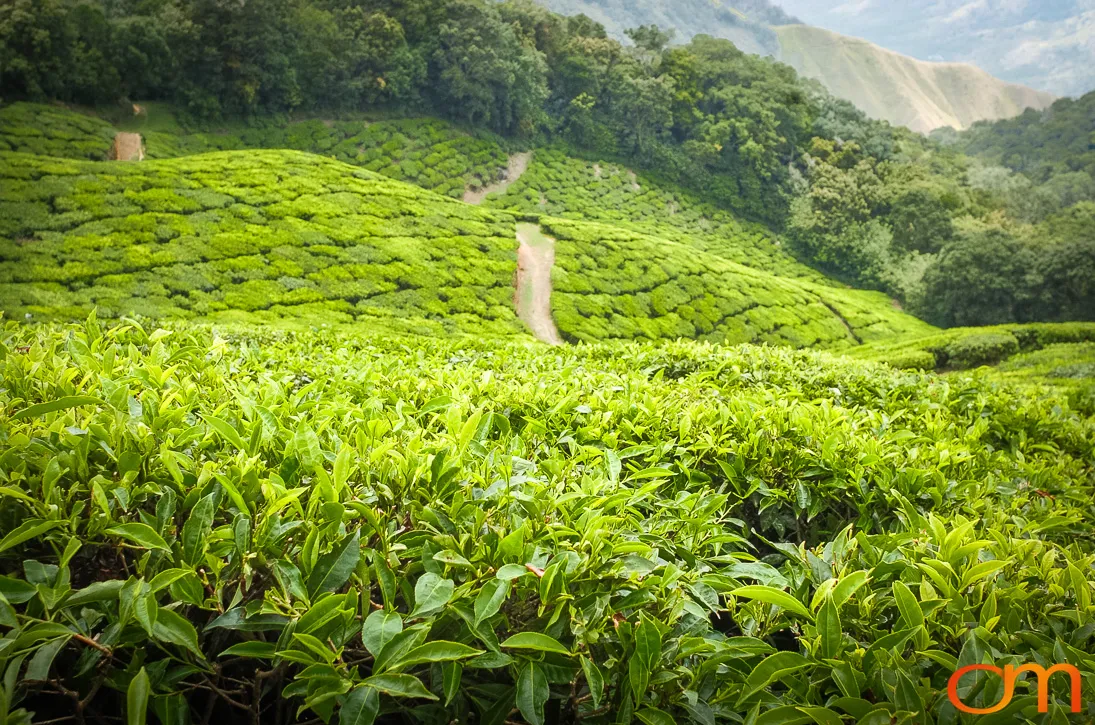
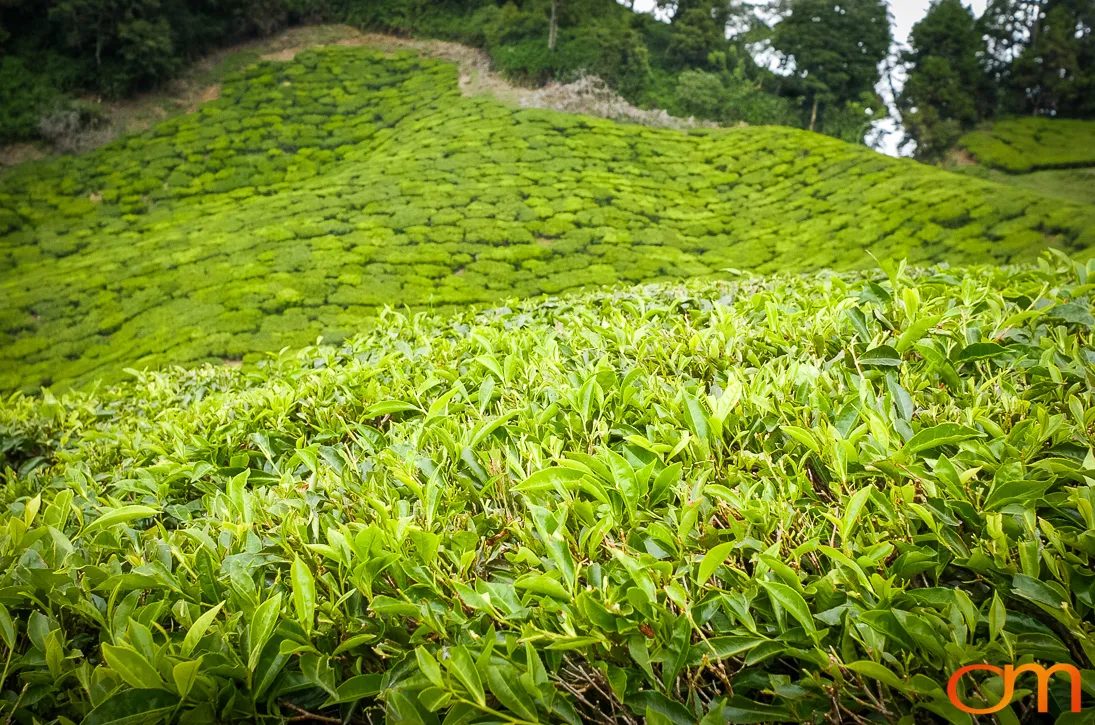
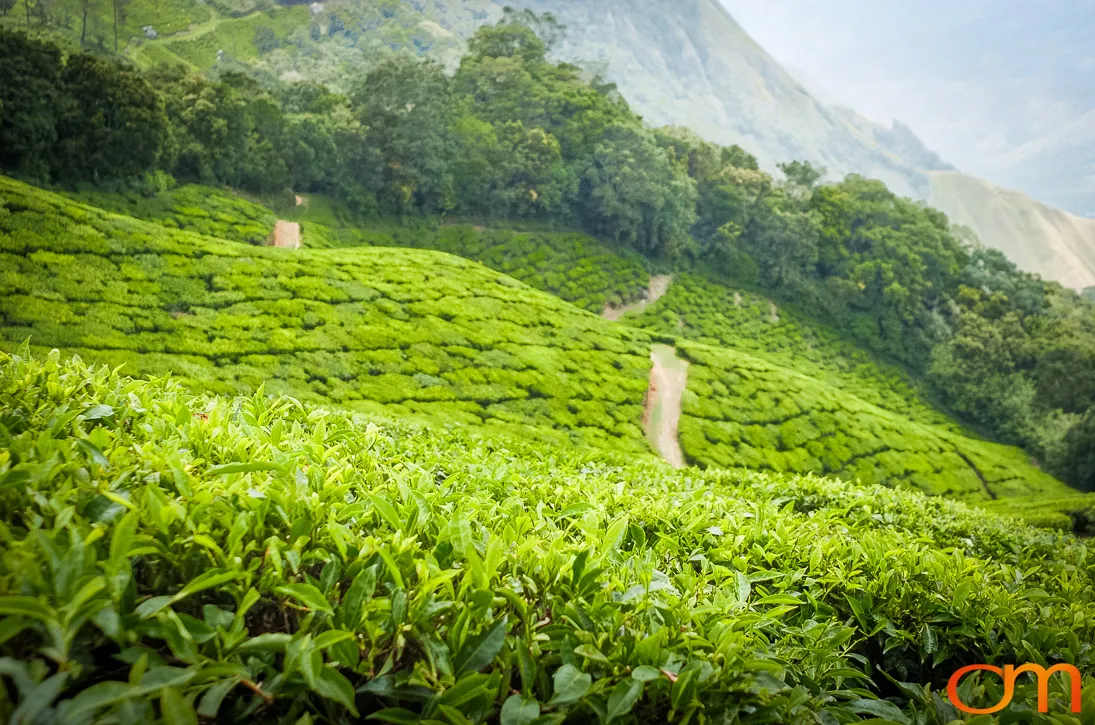
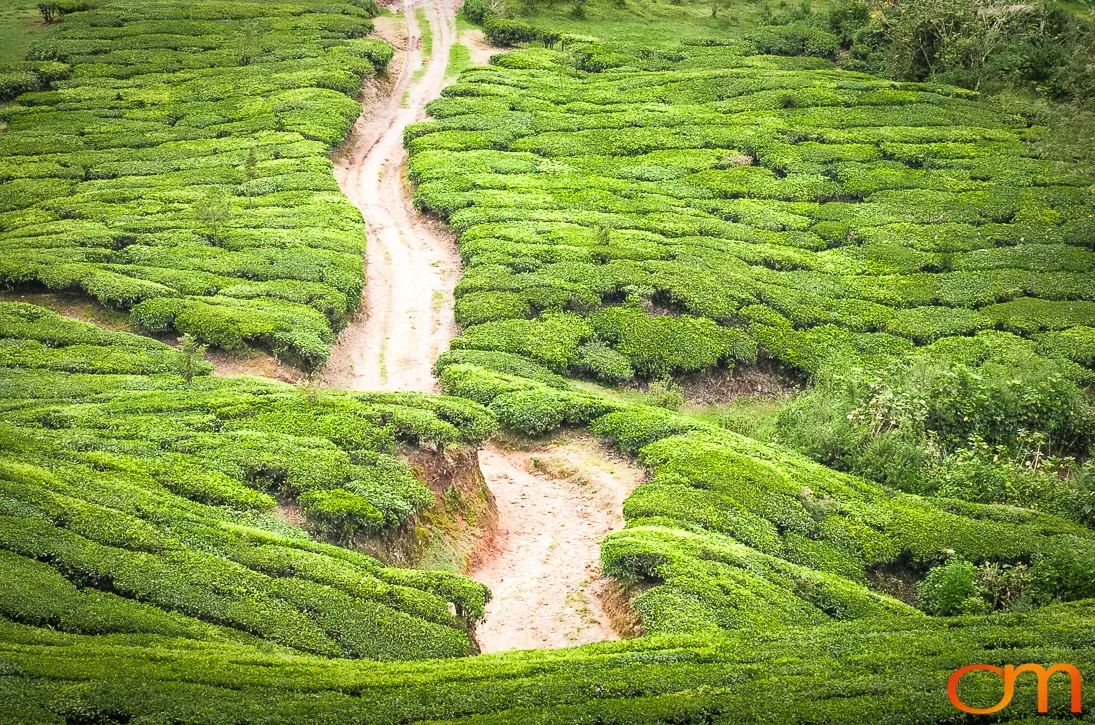
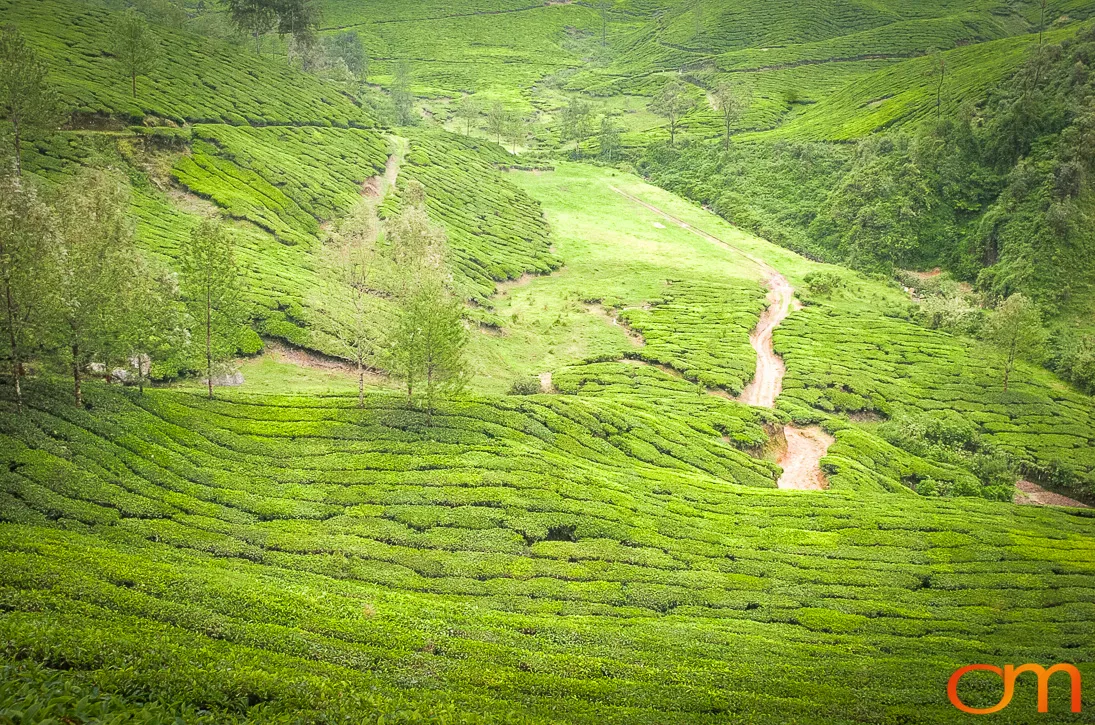
The images also record the physical organization of the plantation landscape. Closely maintained tea bushes follow the contours of the hills, while pathways provide access between planting areas and collection points.
These photographs were taken shortly before KDHP began operating in April 2005. They therefore preserve a view of tea cultivation and plantation labor during an important transition in Munnar’s corporate history. Because the individual estate has not been identified, the workers and fields should not be attributed to Tata Tea, KDHP, or another company without additional documentation.
- The name Munnar means “three rivers,” referring to the Muthirapuzha, Nallathanni, and Kundala waterways associated with the town.
- A. H. Sharp’s approximately 50-acre planting at Parvathy in 1880 is generally credited as the beginning of commercial tea cultivation in Munnar.
- Black, green, white, and oolong teas can all come from the same plant species, Camellia sinensis.
- The 2004 photographs predate the beginning of KDHP’s operations by less than one year.
- A 2023 assessment reported that approximately three-quarters of KDHP’s tea bushes were more than 80 years old, requiring an ongoing replanting program.