Florida
The American Alligator
November 2013
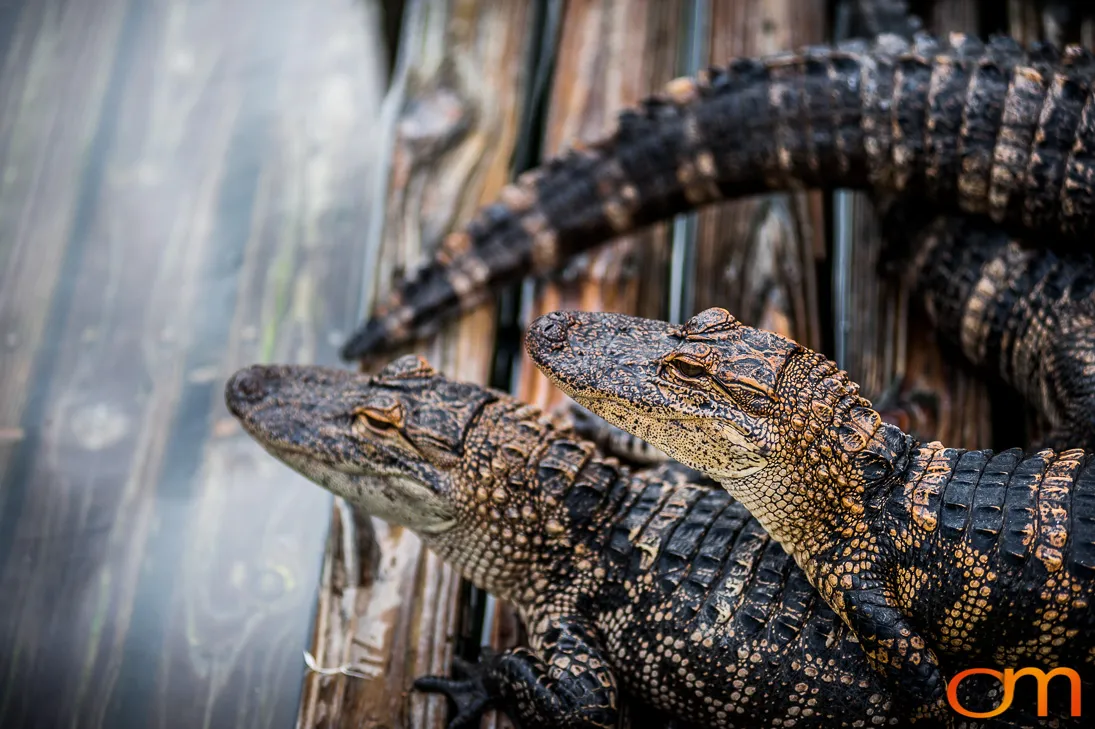
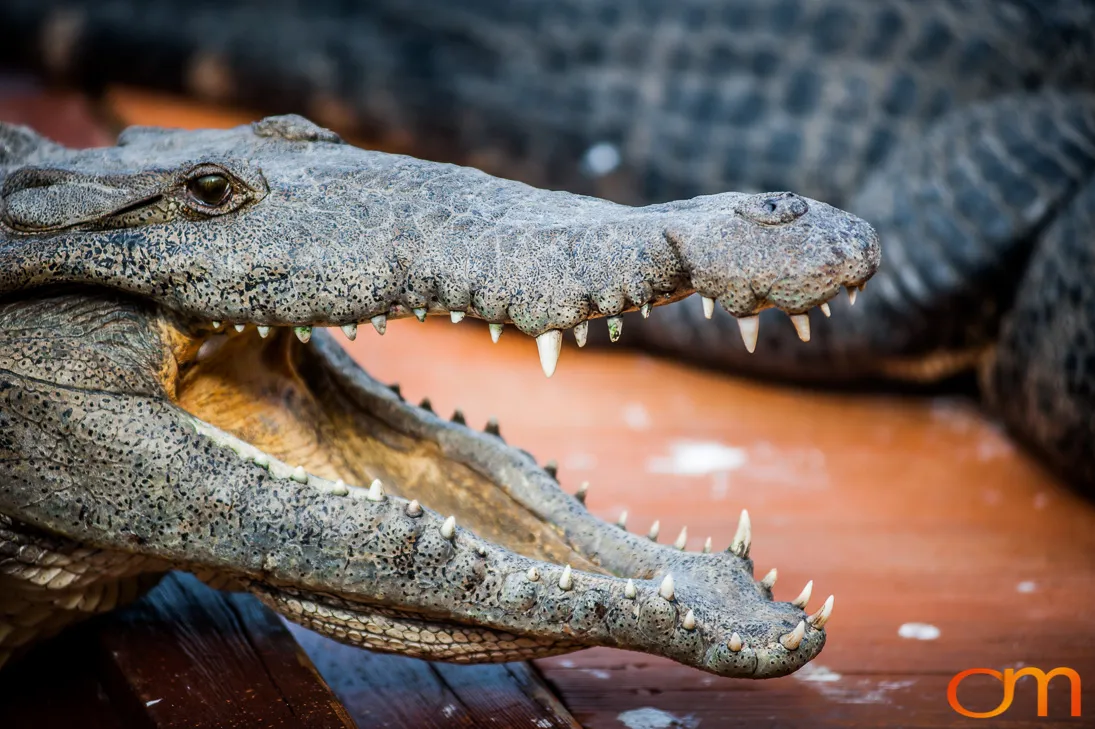
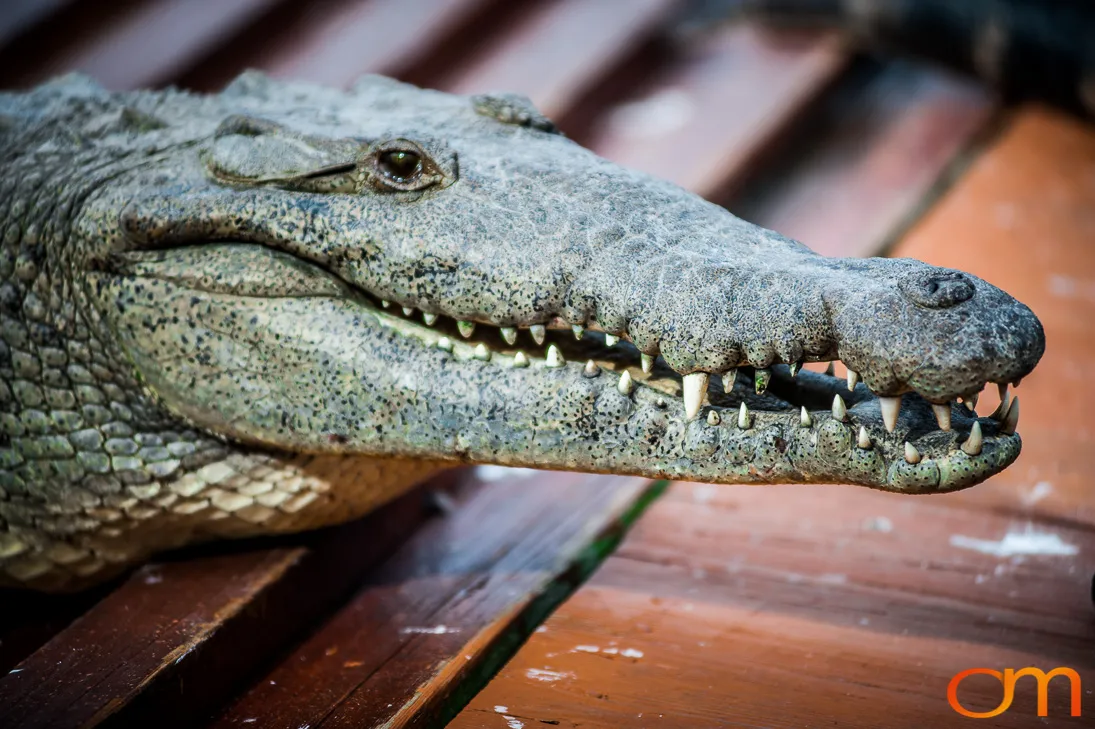
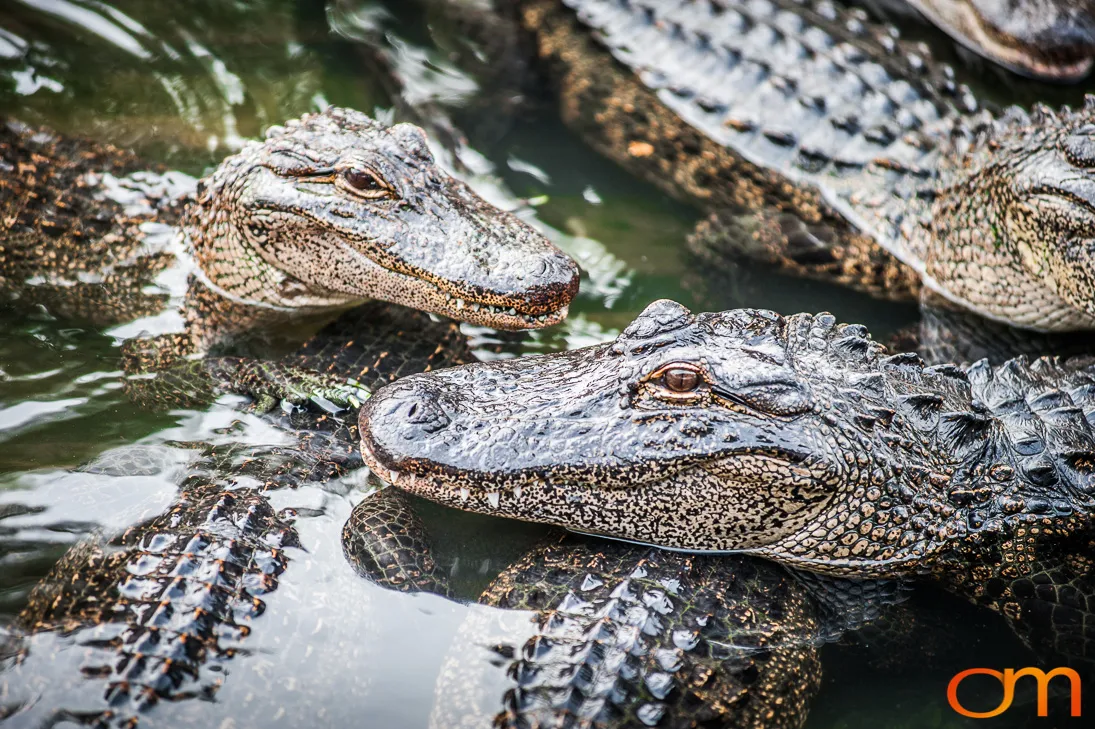
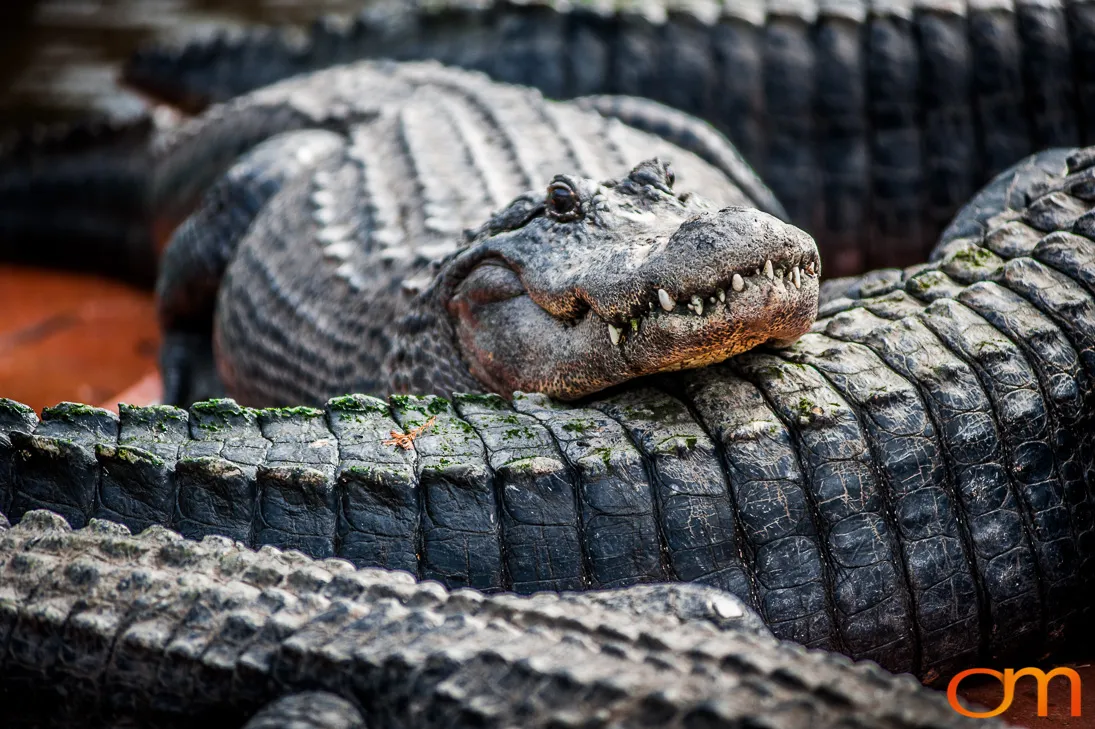
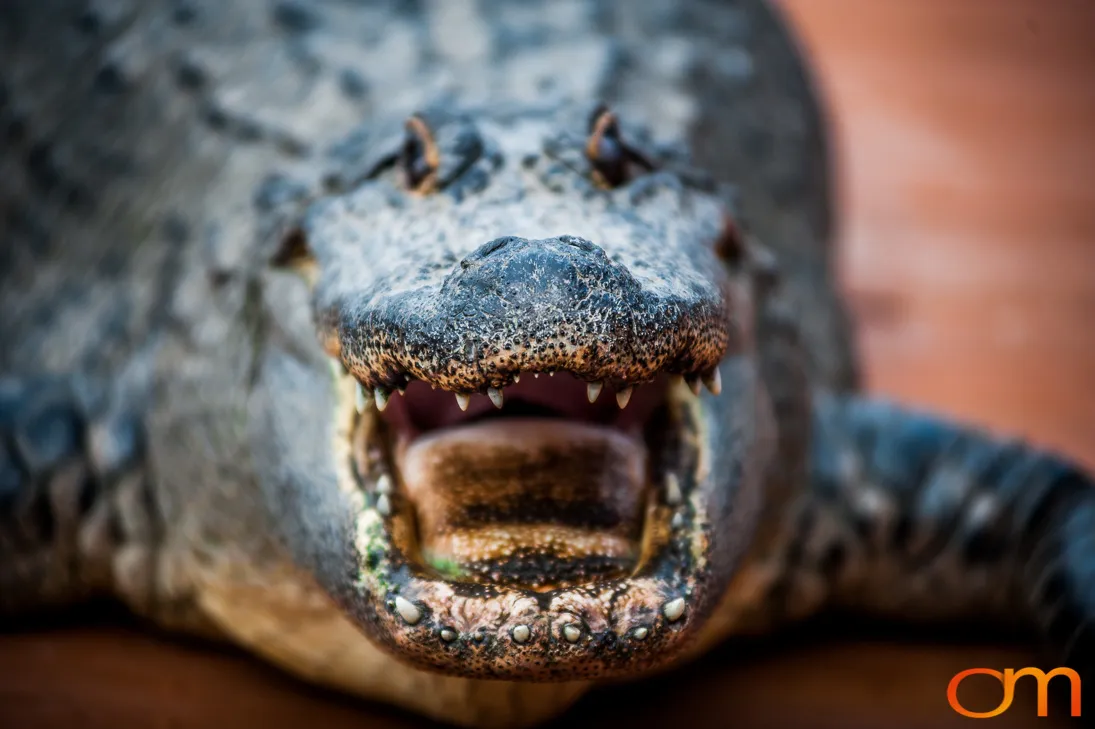
The American alligator (Alligator mississippiensis) is a large crocodilian native to the southeastern United States. Its range extends from coastal North Carolina through Florida and west to central Texas. It primarily occupies freshwater wetlands—including swamps, marshes, lakes, ponds, rivers and slow-moving waterways, but can also tolerate brackish water.
Its dark body is protected by keratinized scales and scutes, with bony plates called osteoderms beneath many of the scutes along the back. Exceptionally large adults can exceed 12 feet (3.7 m) and 1,000 pounds (454 kg), although females are generally smaller. Individuals may live for several decades, with lifespans reaching approximately 50 years.
Courtship begins in spring. Adults communicate through bellows, and males also perform conspicuous head-slap displays on the water. Females build mound nests from vegetation near water and usually lay their eggs in early summer. Heat generated by the decomposing plant material helps incubate the clutch. Nest temperature determines the sex of the hatchlings: cooler and very warm nests tend to produce more females, while intermediate temperatures produce more males. Females guard the nest and protect the young after hatching.
American alligators are also ecosystem engineers. Their trails and water-filled depressions, known as alligator holes, provide dry-season refuge for fish, birds and other wetland animals. After severe declines caused by habitat loss and unregulated hunting, legal protection and regulated management allowed the species to recover across much of its range. It is currently classified globally as Least Concern.