Puerto Rico
Arecibo Observatory: The 305-Meter Radio Telescope
November 2007
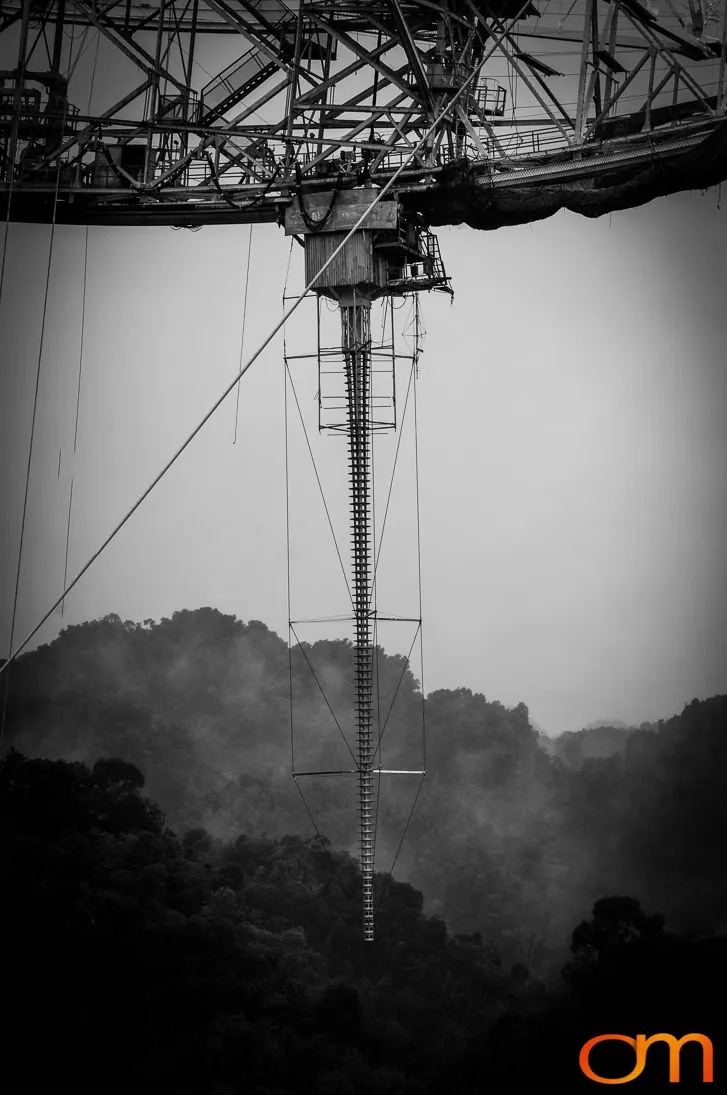
Photographed in 2007, the Arecibo Observatory in Puerto Rico was then home to one of the world’s most important radio telescopes. Its 1,000-foot-wide (305 m) spherical reflector was constructed within a natural limestone depression and began operating in 1963. A suspended instrument platform carried receivers and radar transmitters approximately 492 feet (150 m) above the dish.
For 53 years, Arecibo was the world’s largest single-aperture radio telescope. Researchers used the facility for radio astronomy, planetary radar and studies of Earth’s upper atmosphere. Access was awarded through a scientific proposal-review process.
Arecibo contributed to major advances in planetary science. In 1965, Gordon Pettengill and Rolf Dyce used radar observations to determine that Mercury rotates approximately once every 59 days, correcting the earlier belief that its rotation matched its 88-day orbit. Radar observations made at Arecibo in 1989 also produced detailed images of the near-Earth asteroid later named 4769 Castalia, enabling one of the earliest three-dimensional asteroid shape models.
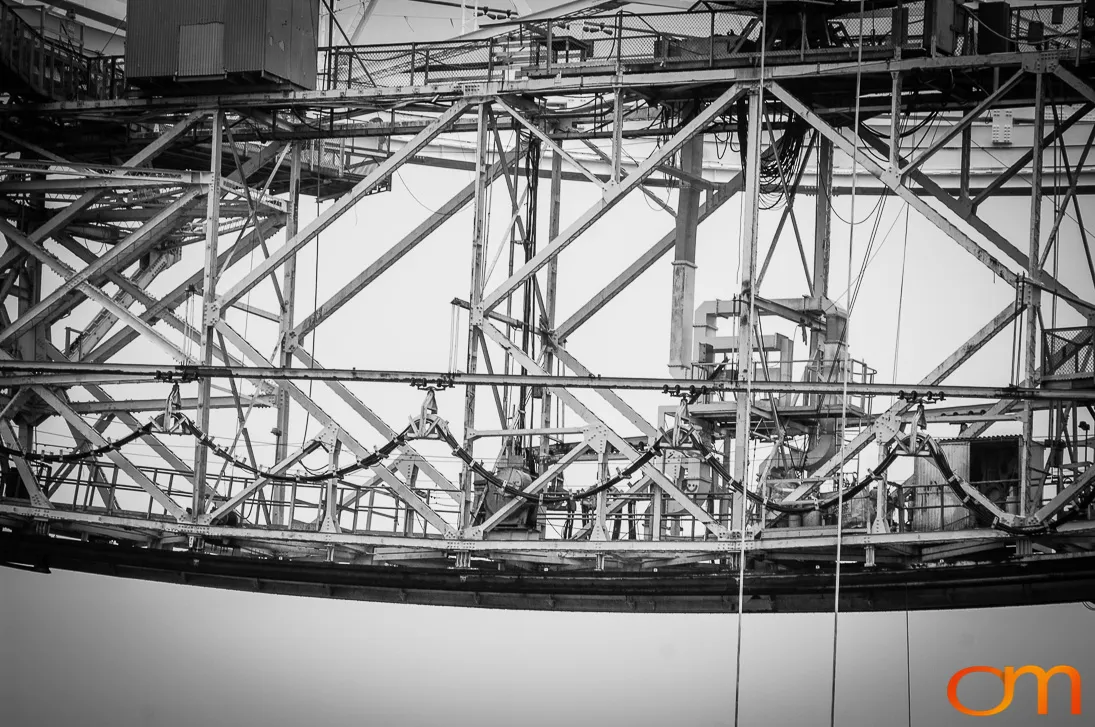
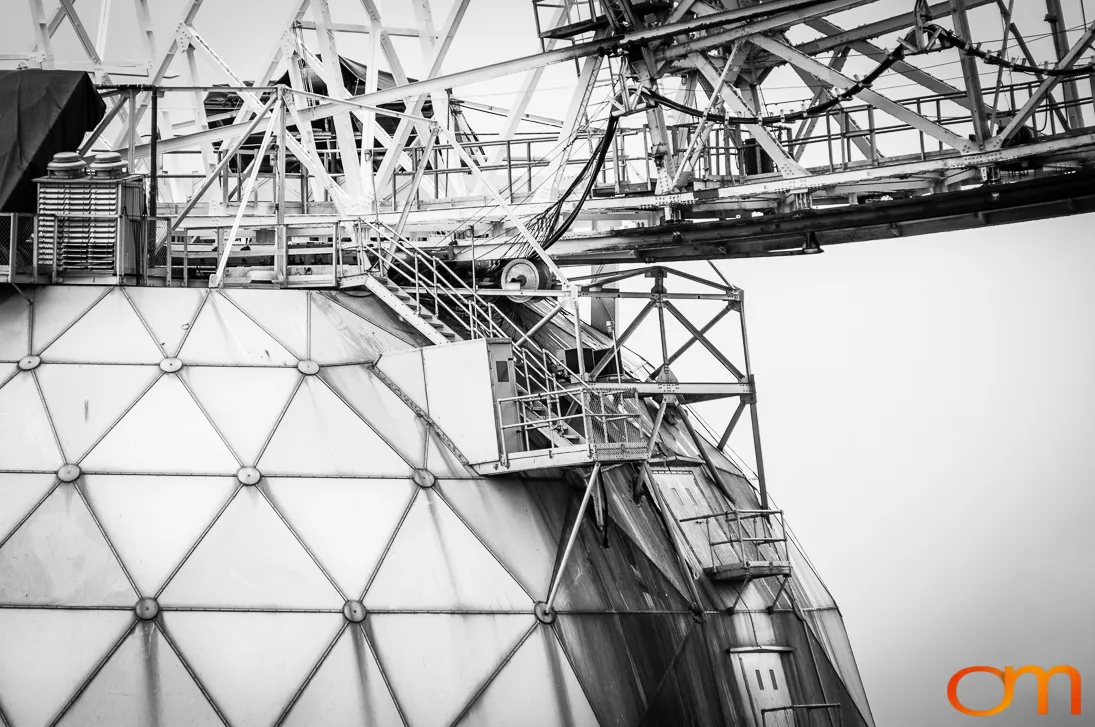
The photographs document the telescope’s suspended platform and Gregorian dome before the structure was lost. Following two major support-cable failures in 2020, the platform collapsed onto the reflector dish on December 1, 2020. The 305-meter telescope was not rebuilt. The wider observatory site has since been retained for education, community engagement and limited scientific activities.