Amritsar
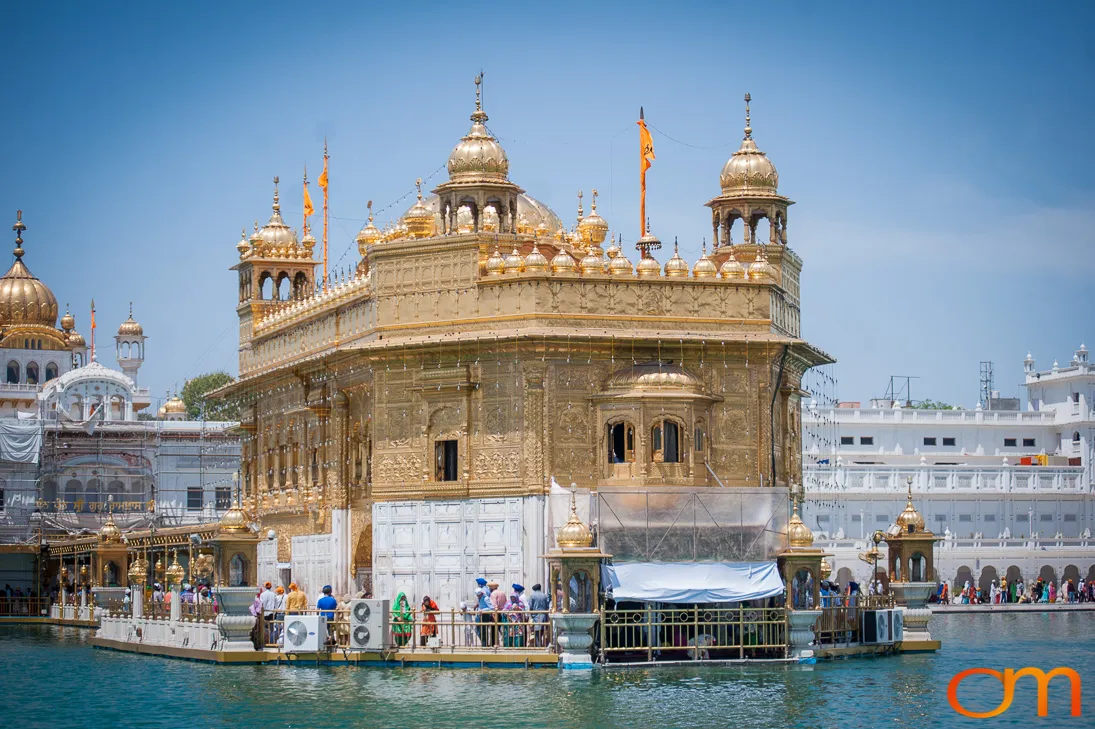
Sri Harmandir Sahib: The Golden Temple of Amritsar
April 2016
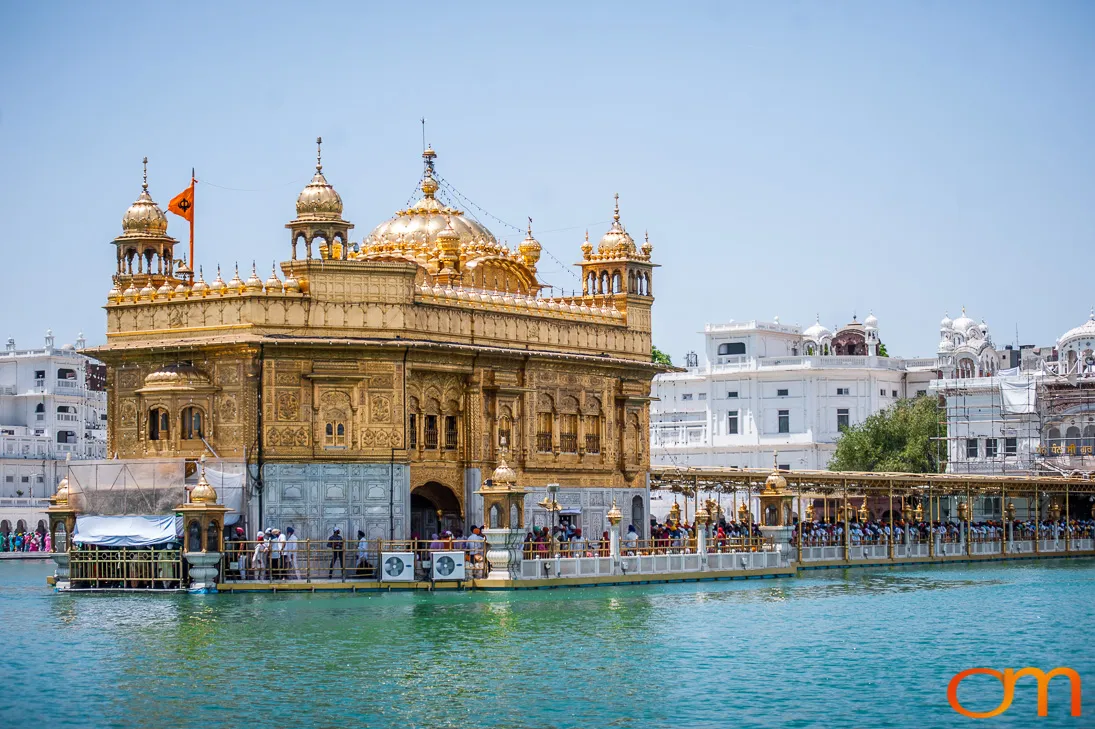
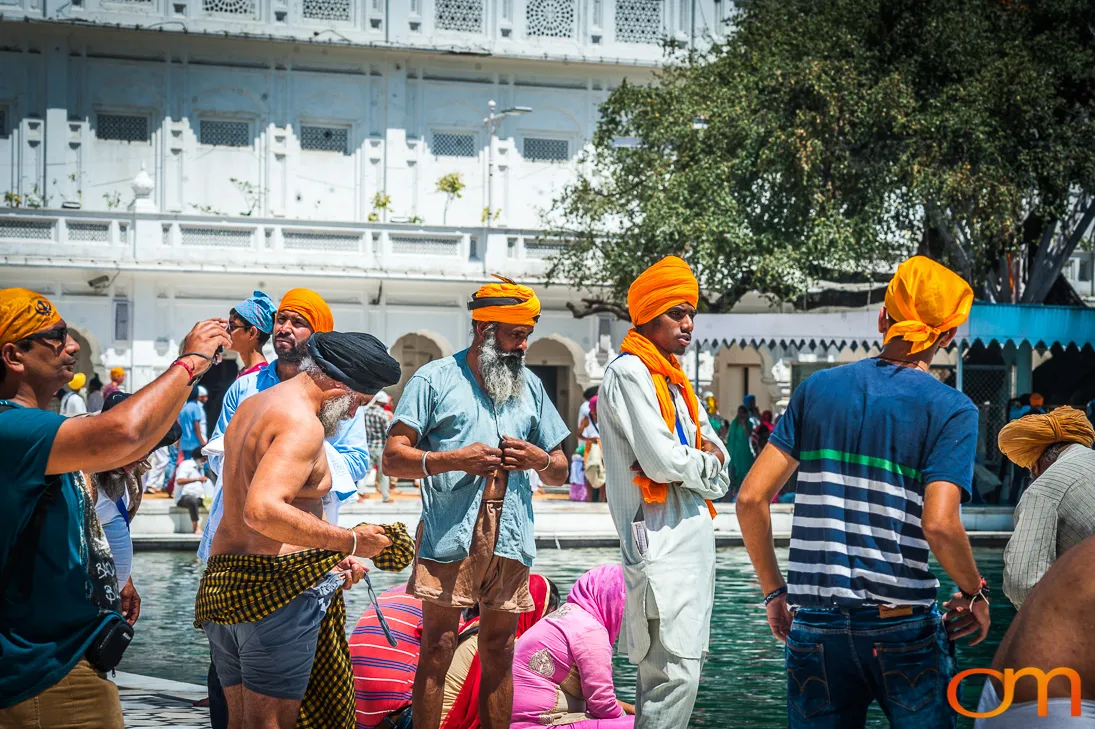
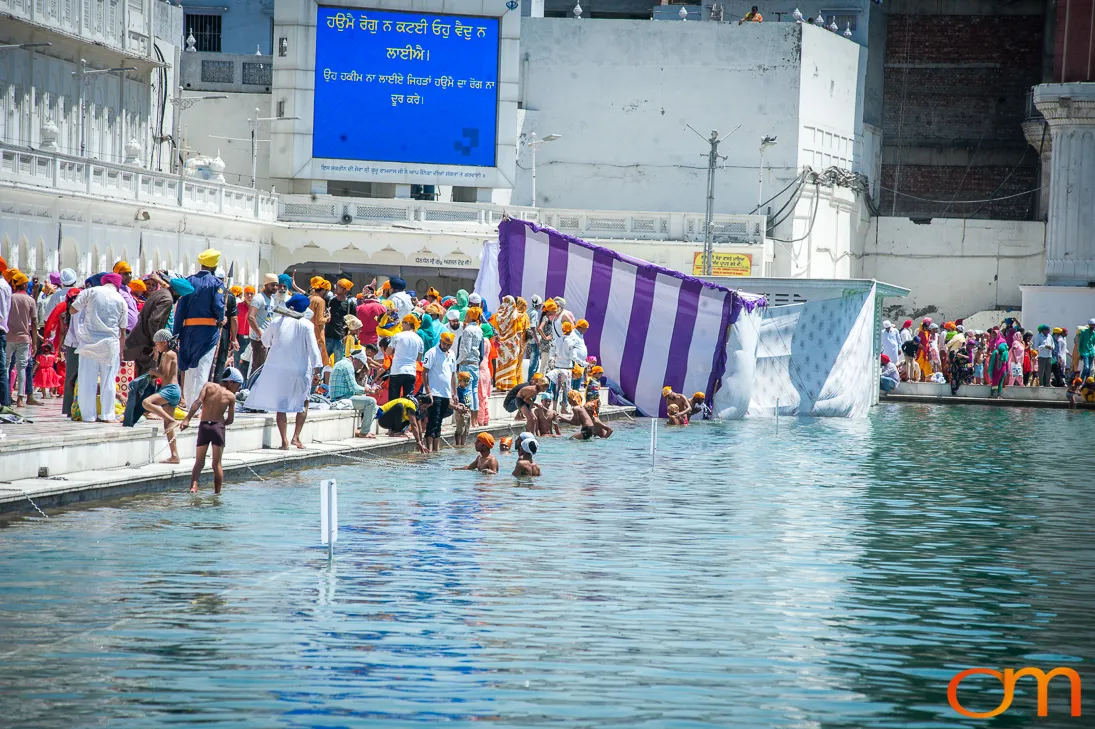
Sri Harmandir Sahib, also known as Sri Darbar Sahib and the Golden Temple, stands in Amritsar, Punjab, and is the central sacred shrine of Sikhism. The complex developed around the Amrit Sarovar, an excavated sacred pool whose name means “Pool of Nectar.” The city of Amritsar later took its name from the sarovar.
Guru Ram Das, the fourth Sikh Guru, began developing the settlement and sacred pool during the sixteenth century. Guru Arjan, the fifth Sikh Guru, oversaw construction of the shrine at the center of the pool. In 1604, the Adi Granth, the foundational Sikh scripture that later formed the basis of the Guru Granth Sahib, was installed within the sanctuary.
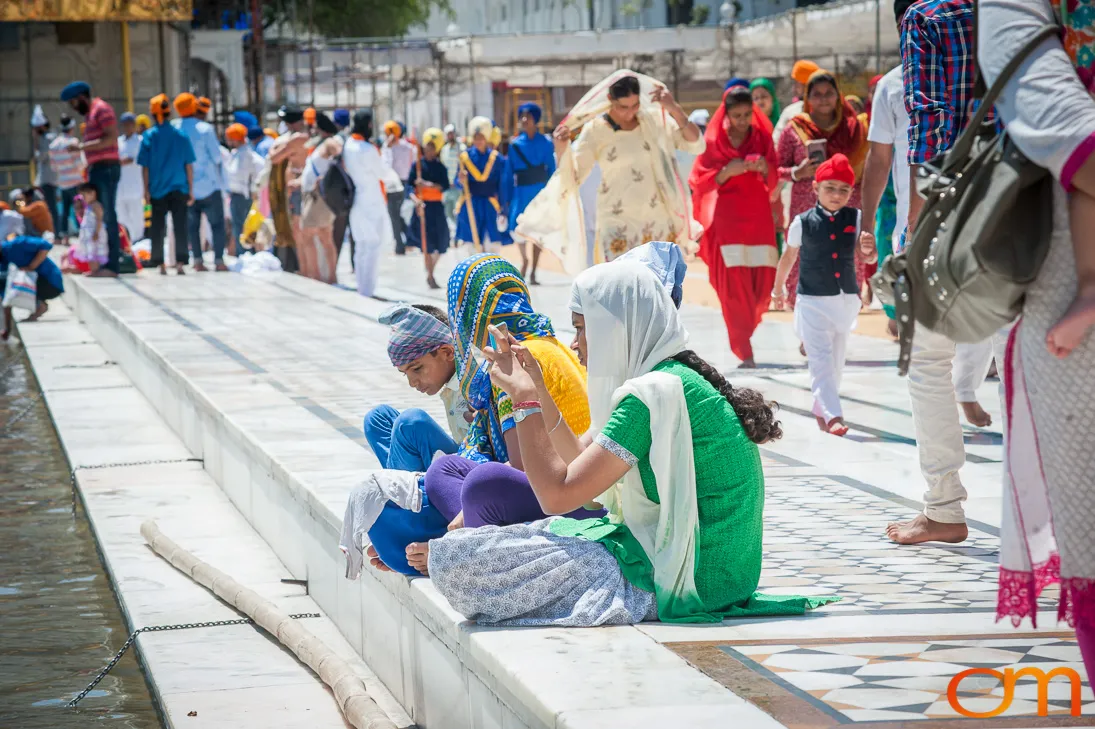
The shrine is reached by a causeway crossing the sarovar. Its four entrances symbolize openness and welcome people regardless of caste, religion, gender, or social status. The sanctuary is also positioned below the level of the surrounding marble walkway, reflecting the Sikh principle of humility.
Sri Harmandir Sahib was repeatedly attacked, damaged, and reconstructed during the eighteenth century. Afghan forces destroyed the shrine and desecrated the sarovar in 1762, but the Sikh community rebuilt the complex. During the early nineteenth century, Maharaja Ranjit Singh sponsored extensive marblework, decorative improvements, and gilding. The gold-covered upper sections gave the shrine its distinctive appearance and its widely used English name, the Golden Temple.
The complex includes a langar, or community kitchen, where free vegetarian meals are served to visitors without distinction. Guests sit together in rows known as pangat, while volunteers prepare food, serve meals, wash dishes, and maintain the complex as acts of seva, or selfless service. The langar is one of the largest community kitchens in the world.
The Guru Granth Sahib is ceremonially carried in a palki, or palanquin, from the Akal Takht to the sanctuary each morning and returned at night. Gurbani kirtan, the musical recitation of Sikh sacred hymns, forms a central part of daily worship.
Visitor Etiquette
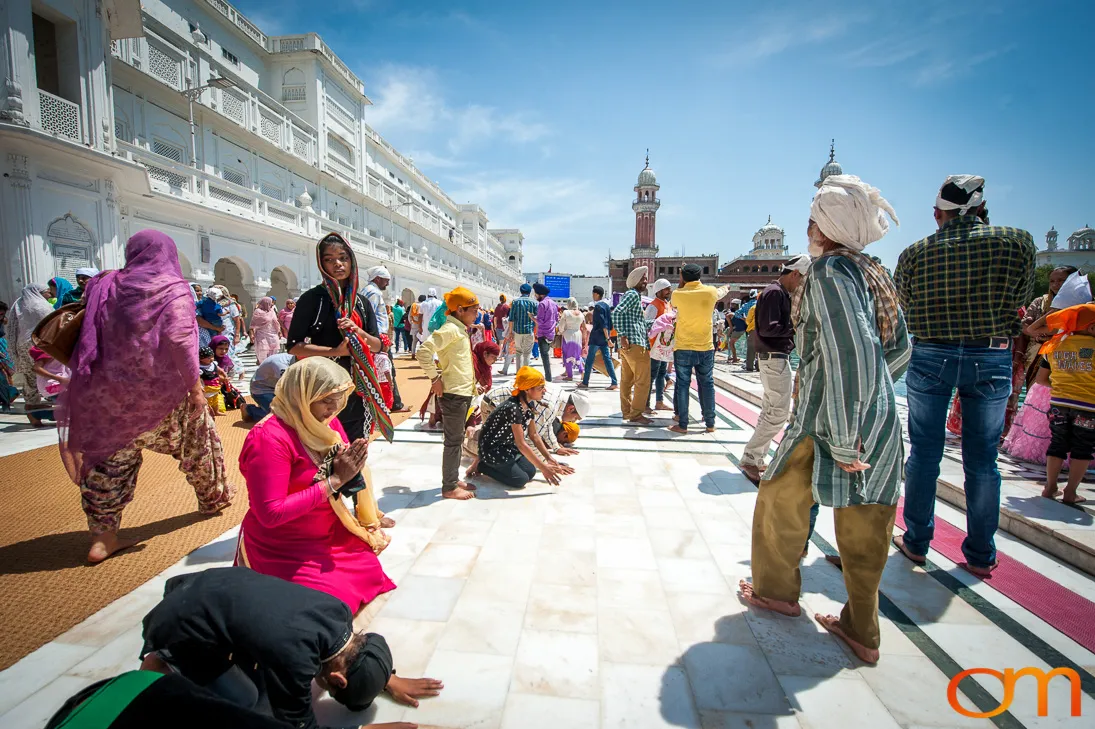
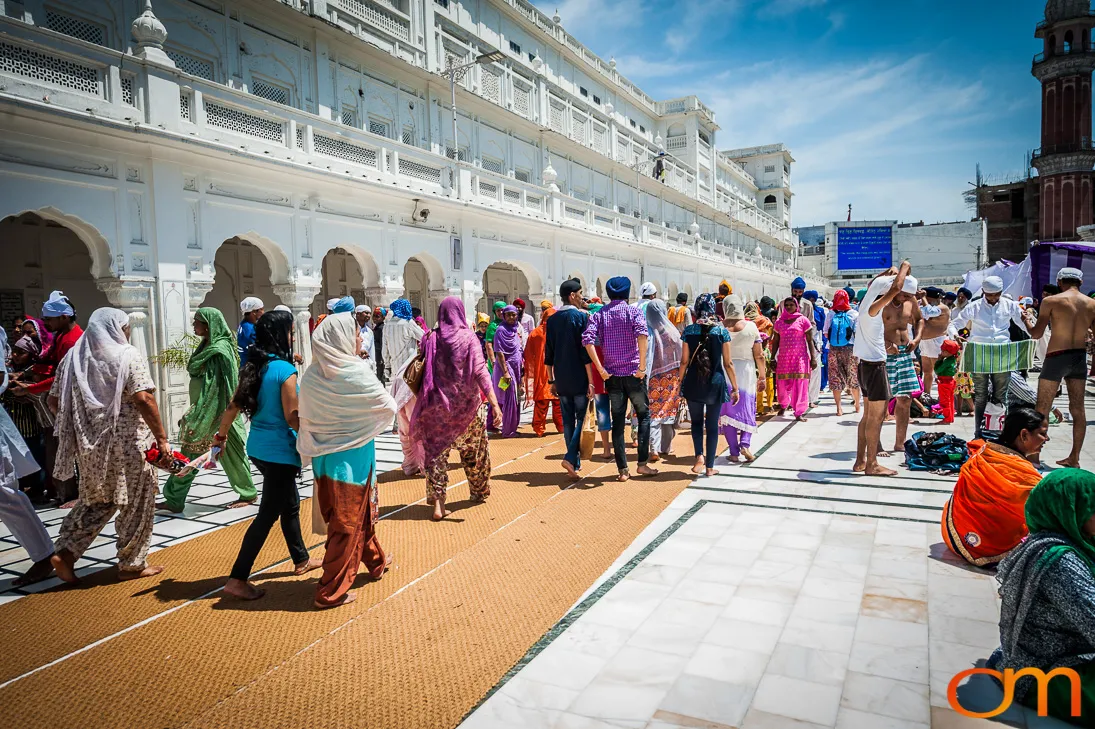
- Remove footwear before entering the complex.
- Wash hands and pass through the foot-washing area at the entrance.
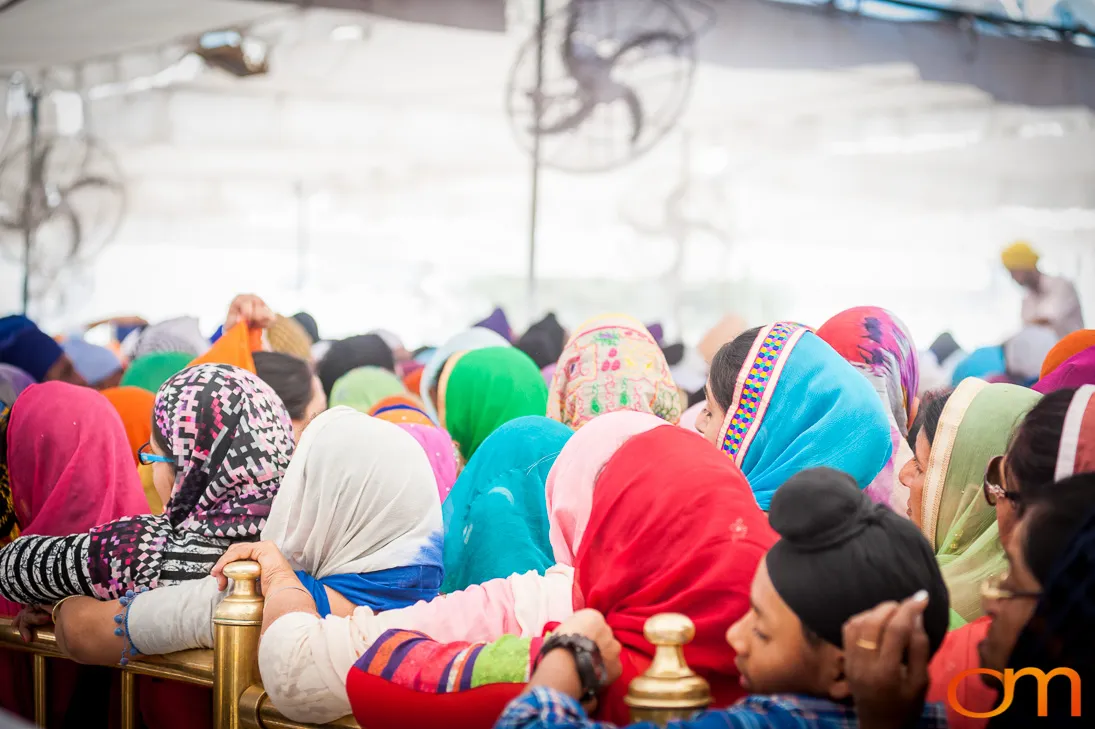
- Keep the head covered with a scarf or another appropriate covering.
- Wear modest clothing.
- Do not bring or use tobacco, alcohol, or other intoxicants.
- Follow posted guidance concerning photography and conduct within sacred areas.