India
Tilaka & Piercings
September 2004
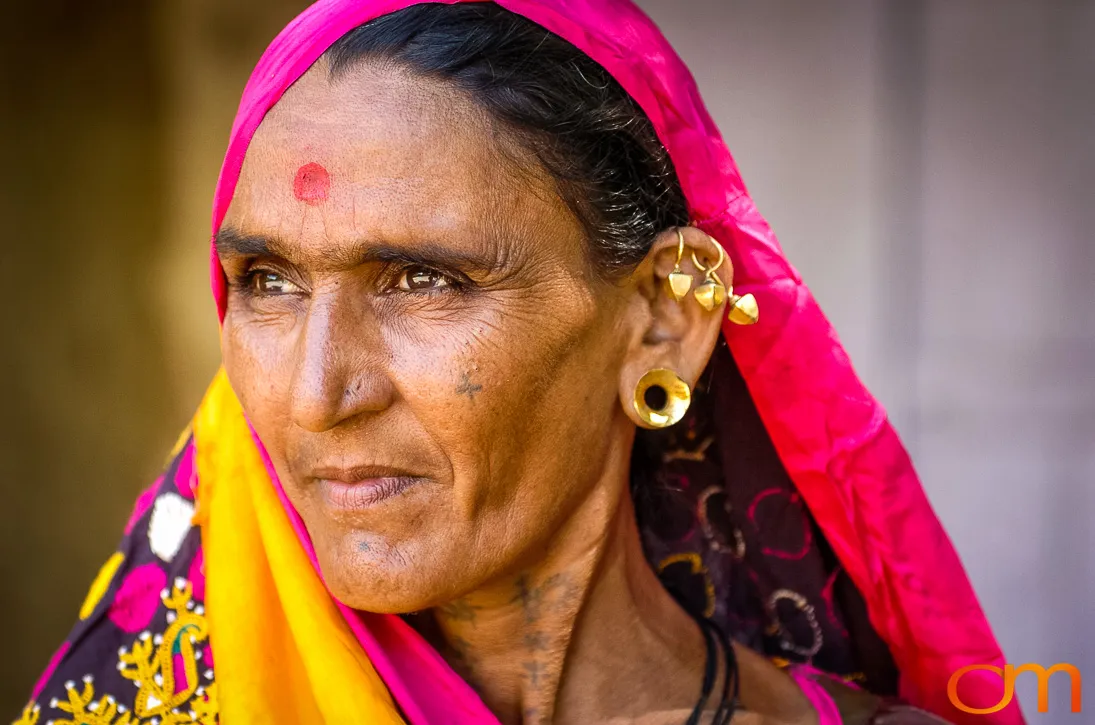
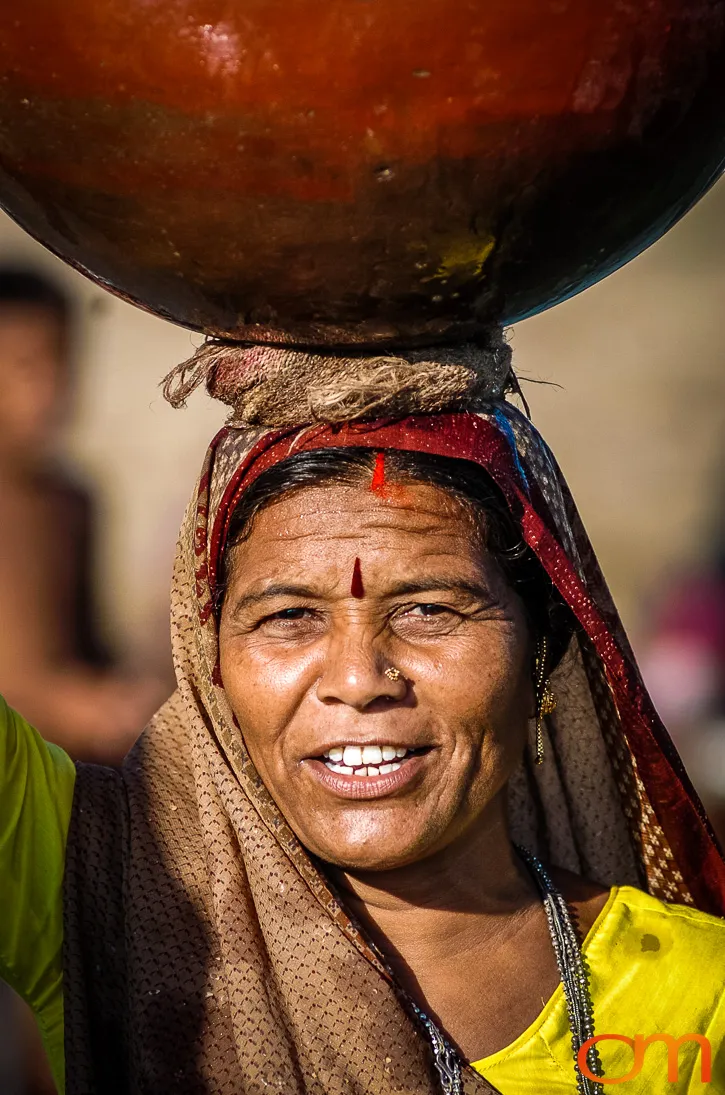
Forehead marks in India may express religious affiliation, participation in ritual, blessing, cultural identity, or personal adornment. A tilaka, also written tilak, is usually applied to the forehead and may also be placed on other parts of the body. Materials include sacred ash, clay, sandalwood paste, turmeric, and kumkum.
Forms vary among traditions. Shaiva devotees may wear three horizontal lines of sacred ash, known as tripundra, while Vaishnava traditions include vertical or U-shaped marks such as the urdhva pundra. Even within Vaishnavism, the shape and materials may identify a particular lineage or community.
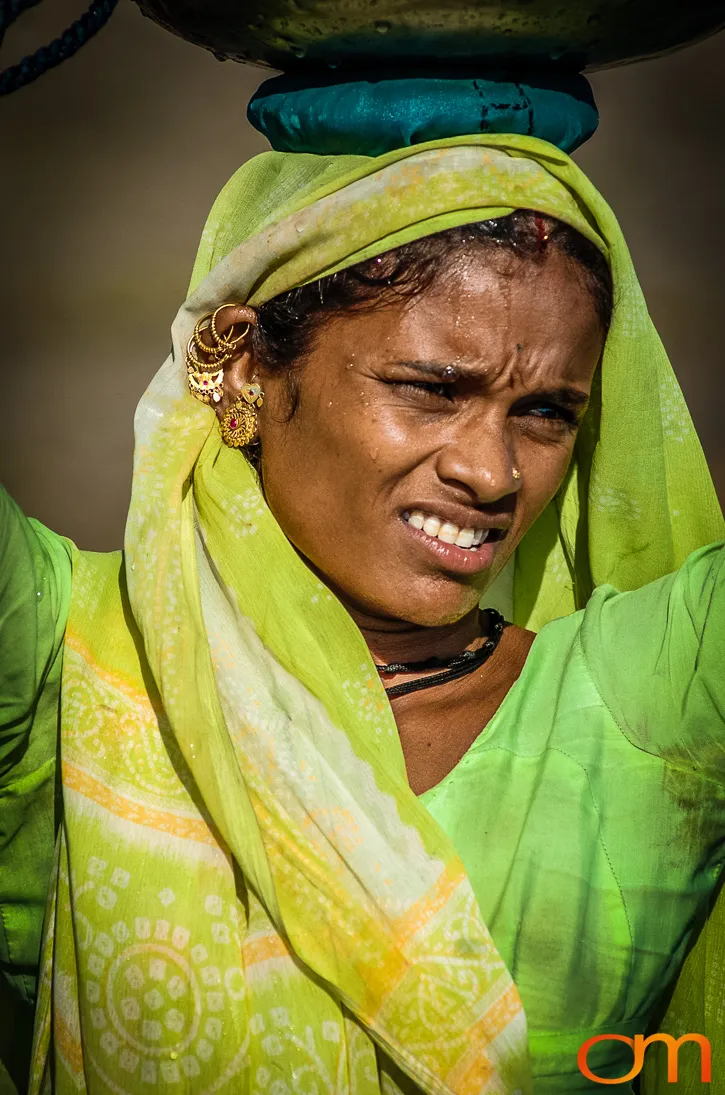
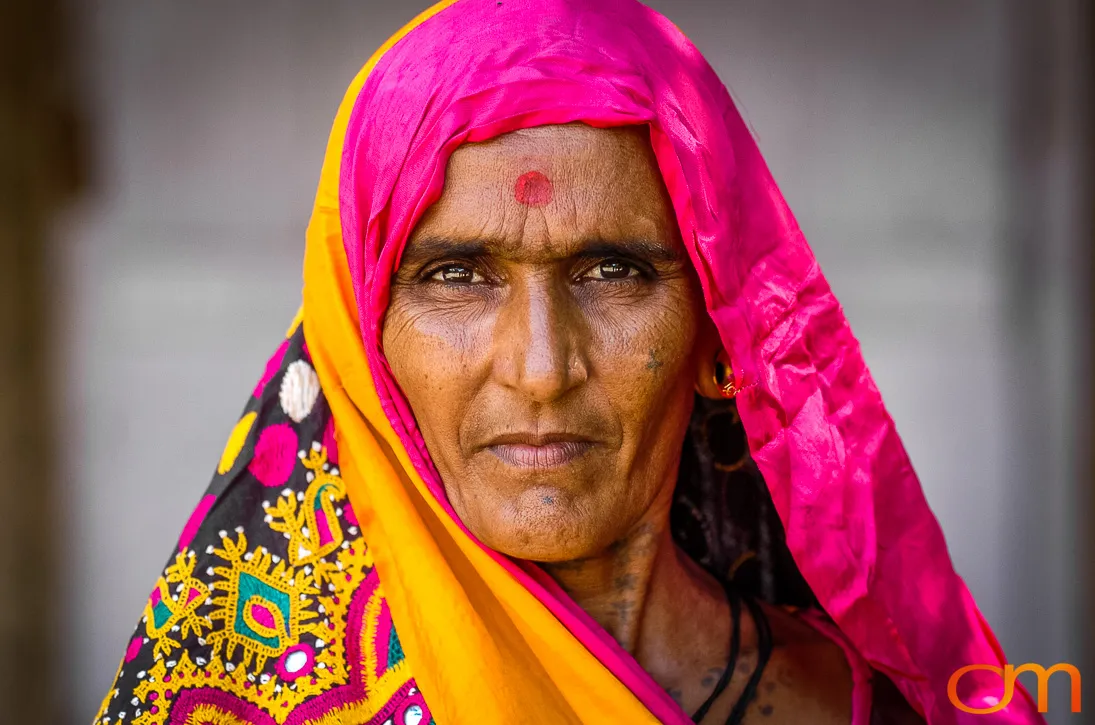
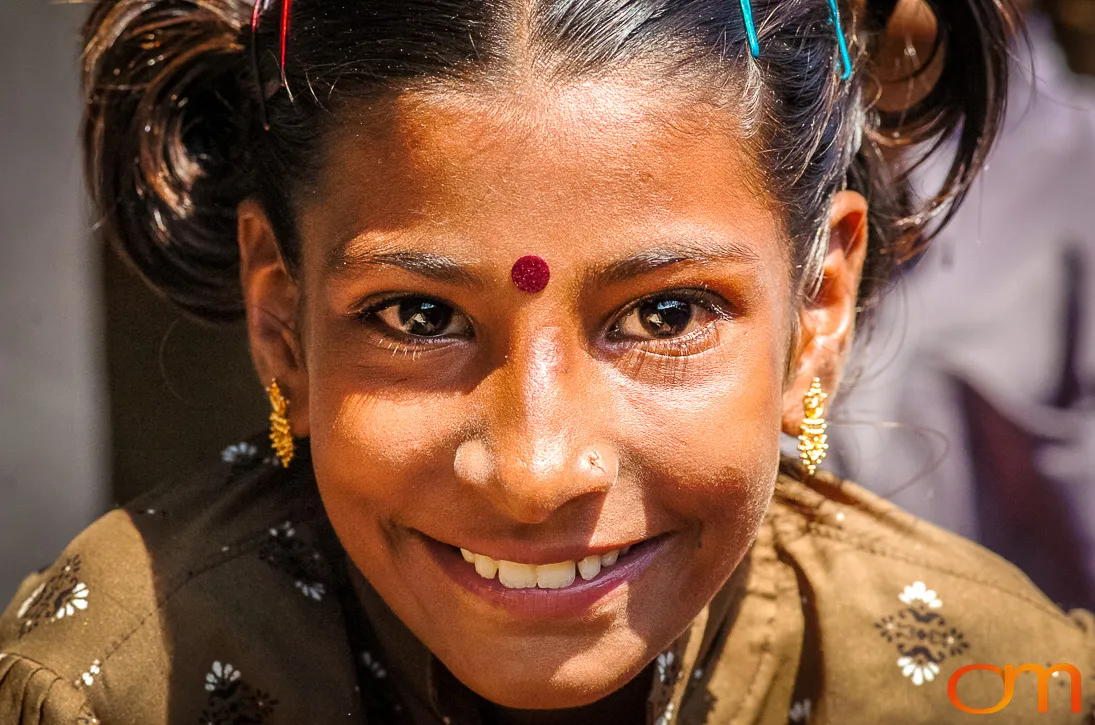
A circular forehead dot may instead be a bindi, a related but distinct form of adornment commonly worn by women. Depending on the wearer and community, a bindi may carry religious, auspicious, marital, cultural, or decorative meaning. Sindoor, when placed in the parting of the hair as a marriage marker in some Hindu communities, is another separate custom. Because these practices overlap and have changed over time, a photograph alone cannot reliably establish the meaning of a forehead mark or the wearer’s marital status.
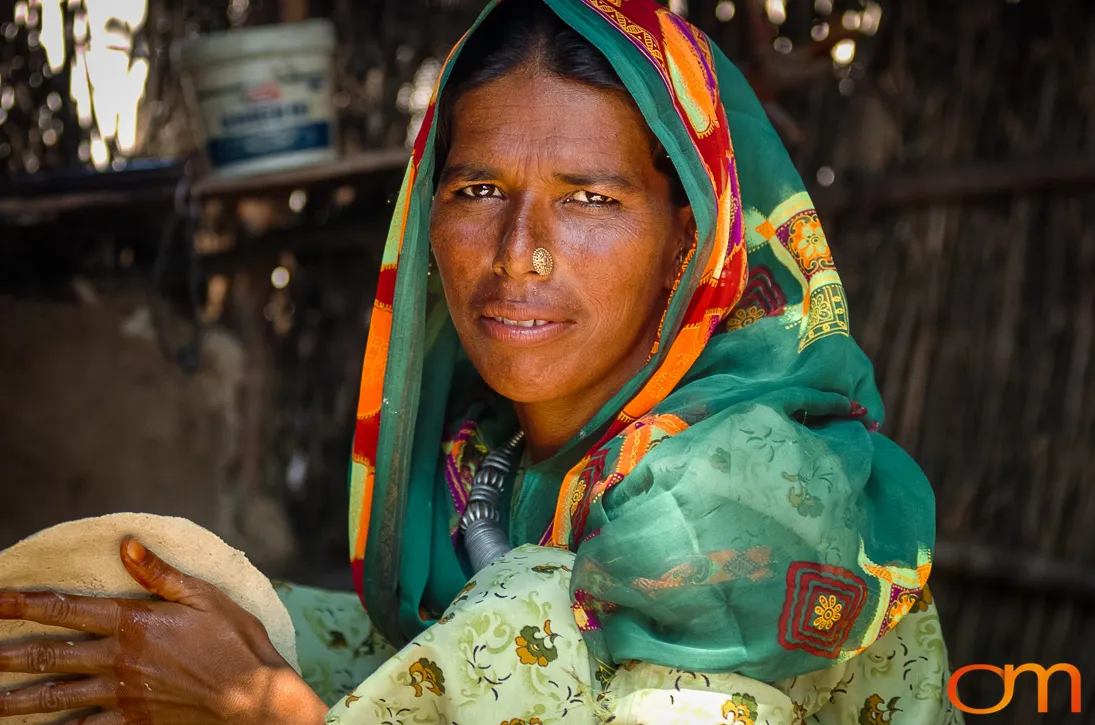
Nose and ear jewelry also carry varied social, ceremonial, and decorative meanings. The term nath is used for certain Indian nose rings, which range from small ornaments to elaborate jeweled forms. In some traditions, a nath has been associated with marriage and worn in the left nostril, but this is not a rule throughout India.
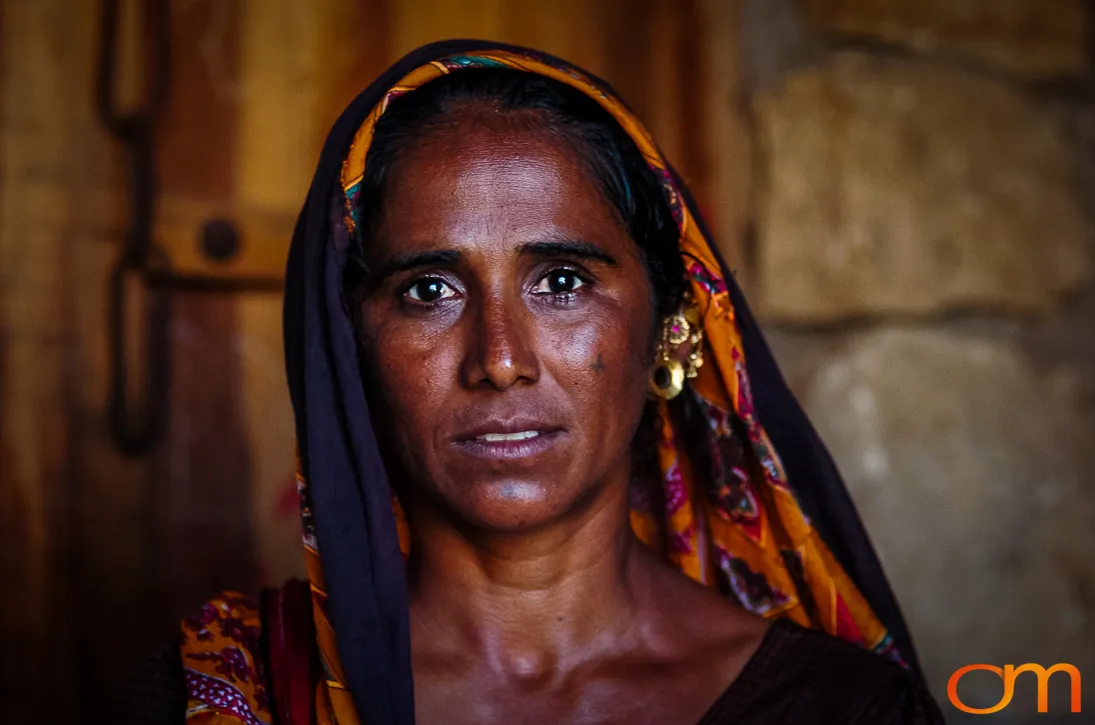
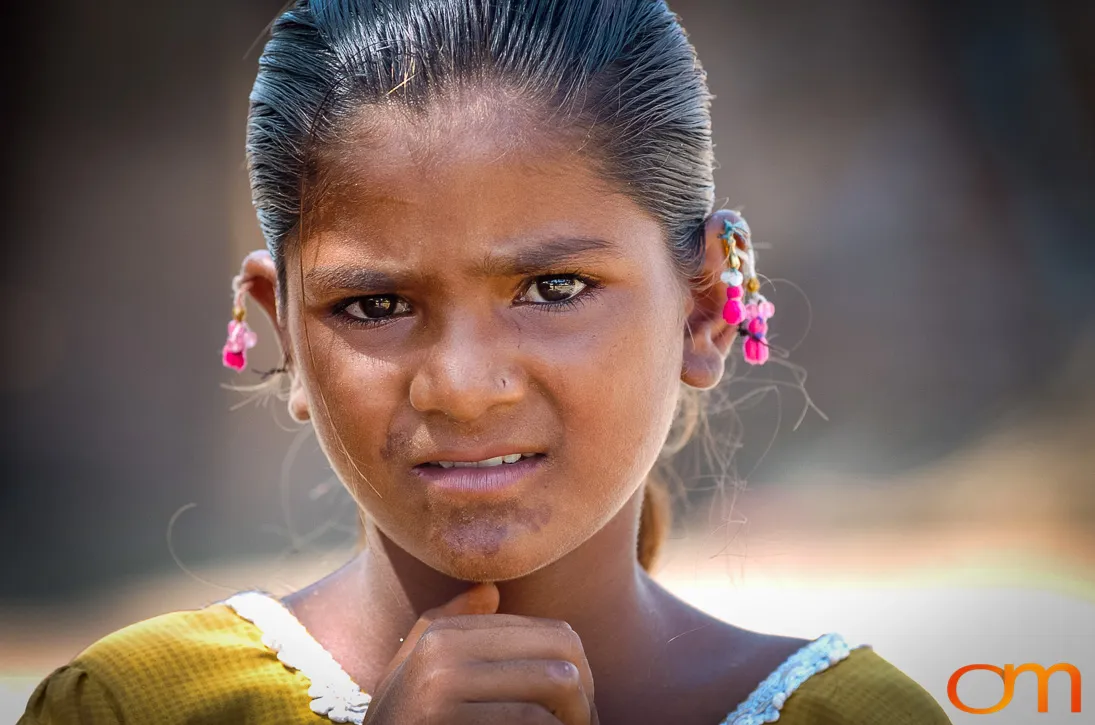
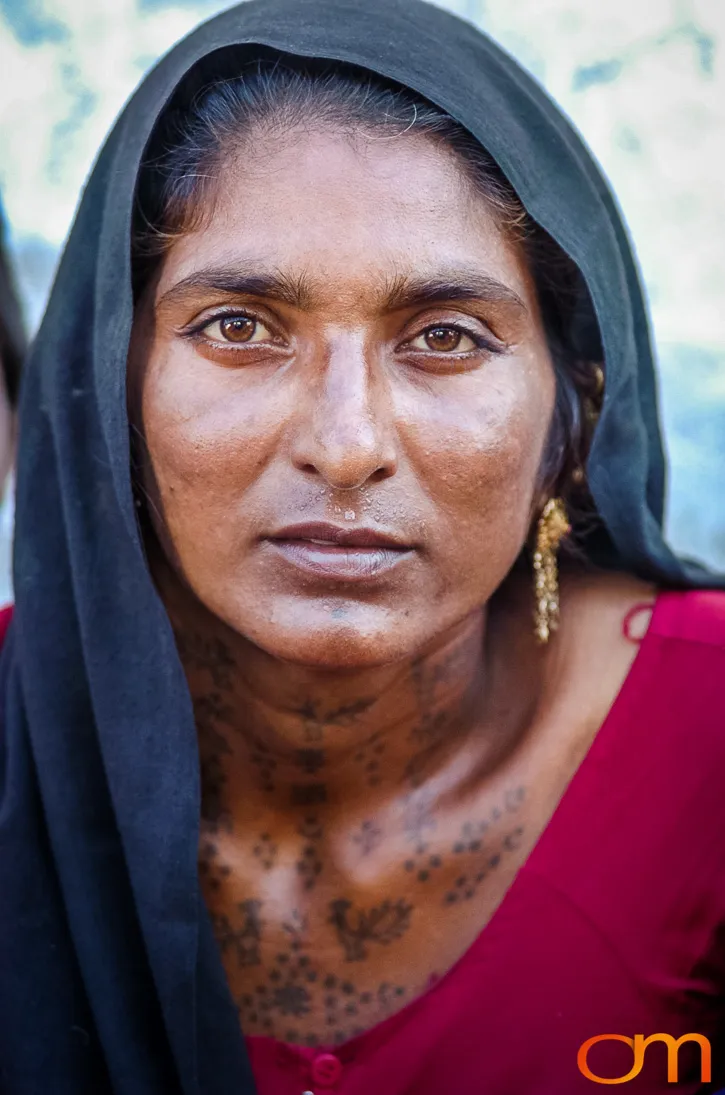
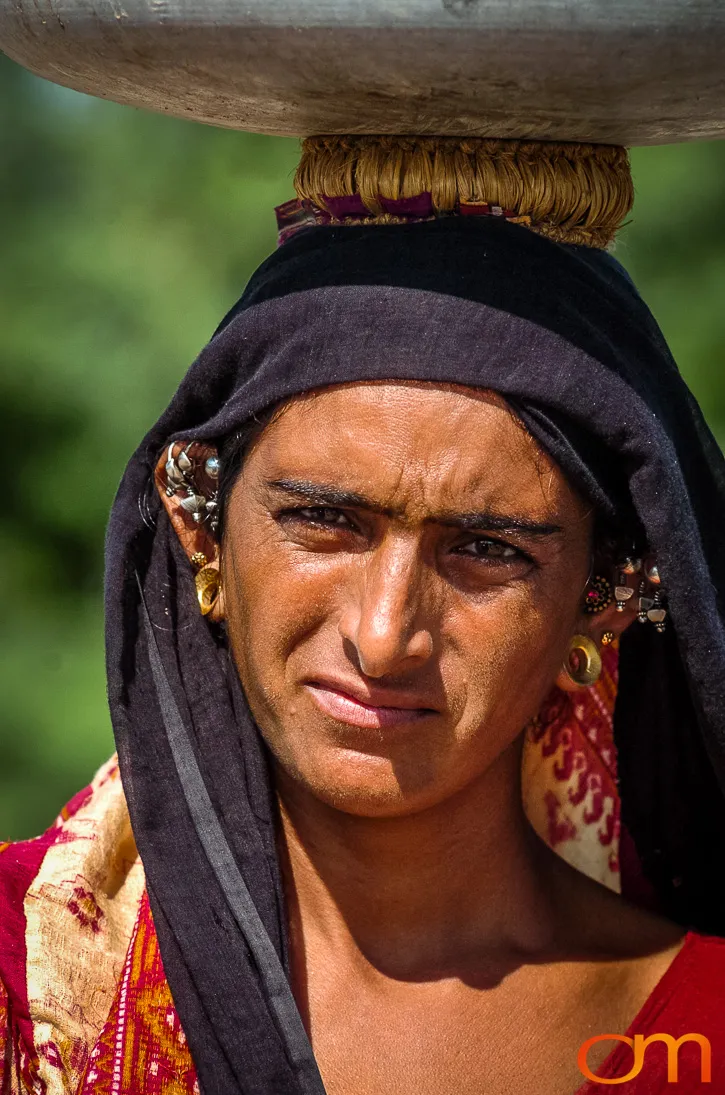
Ear piercing may be incorporated into karnavedha, a Hindu childhood rite practiced by some families, while in other contexts pierced ears primarily serve as personal or cultural adornment.
Photographed in India in 2004, these portraits document individual variation in forehead marks, nose studs and rings, earrings, and visible facial and neck tattooing. Without detailed field notes identifying the subjects’ communities and the terminology they used, the images should remain presented as visual documentation rather than evidence of a particular religious lineage, caste, marital status, or ethnic identity.