Vava'u
Humpback Whales of Tonga
September 2006
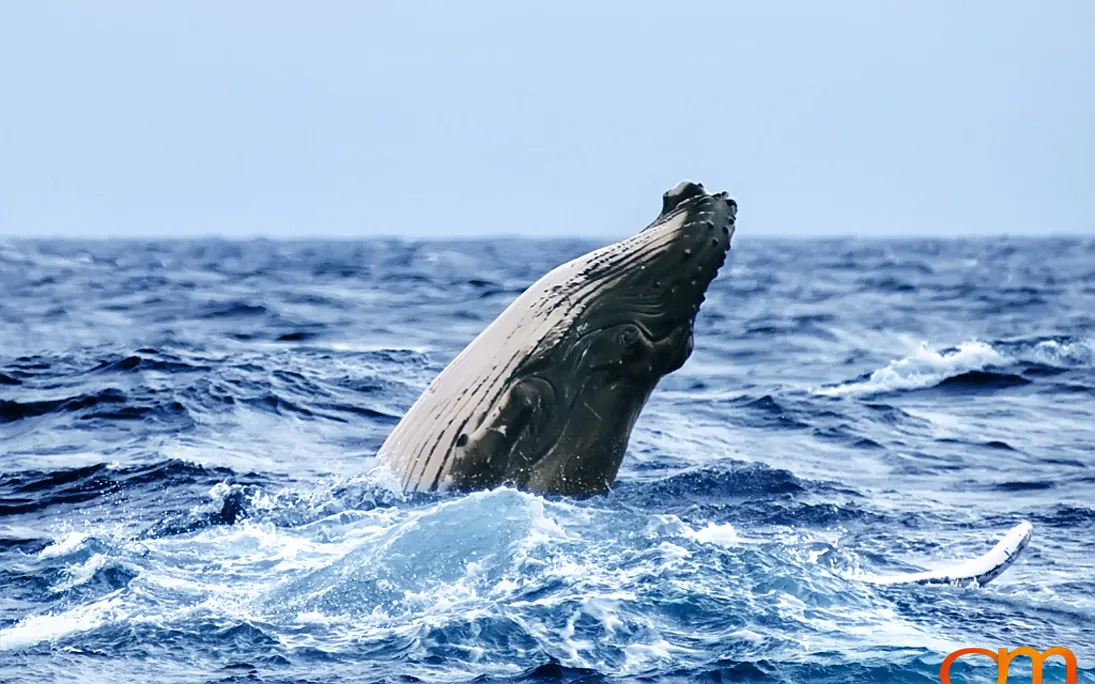
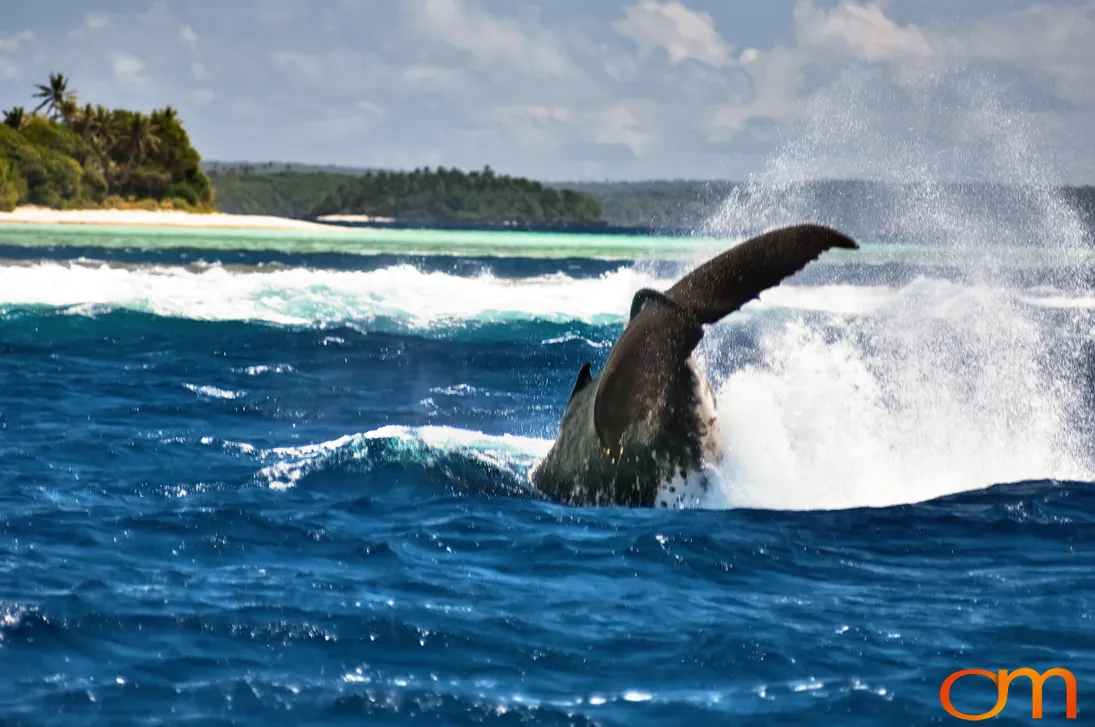
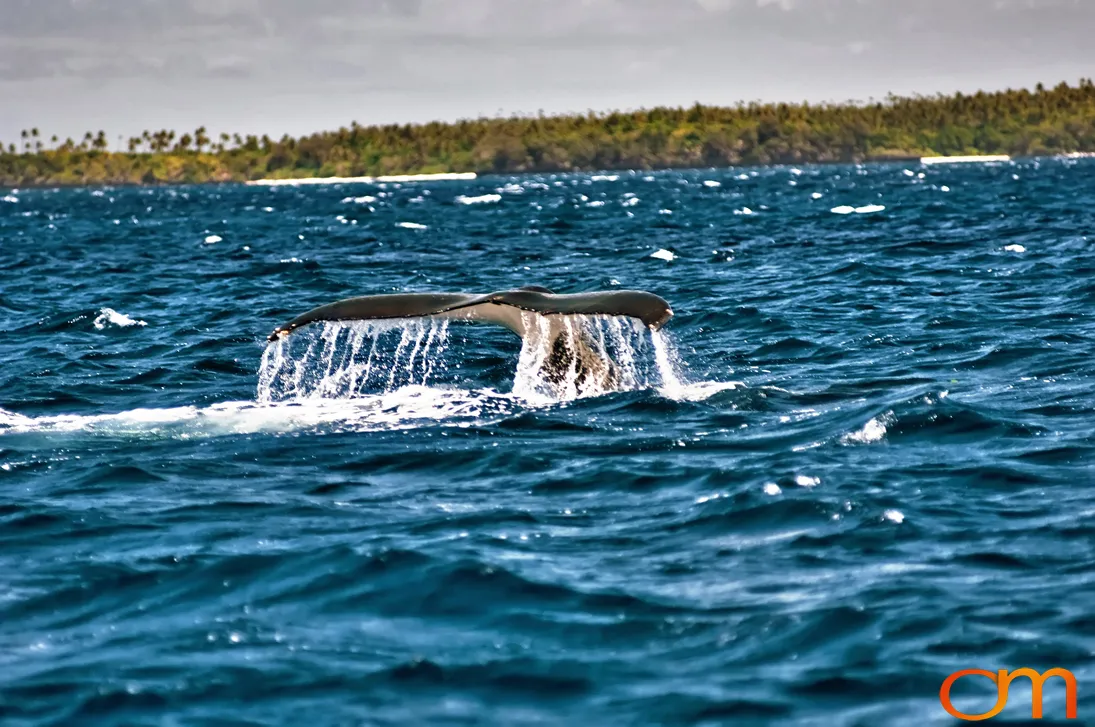
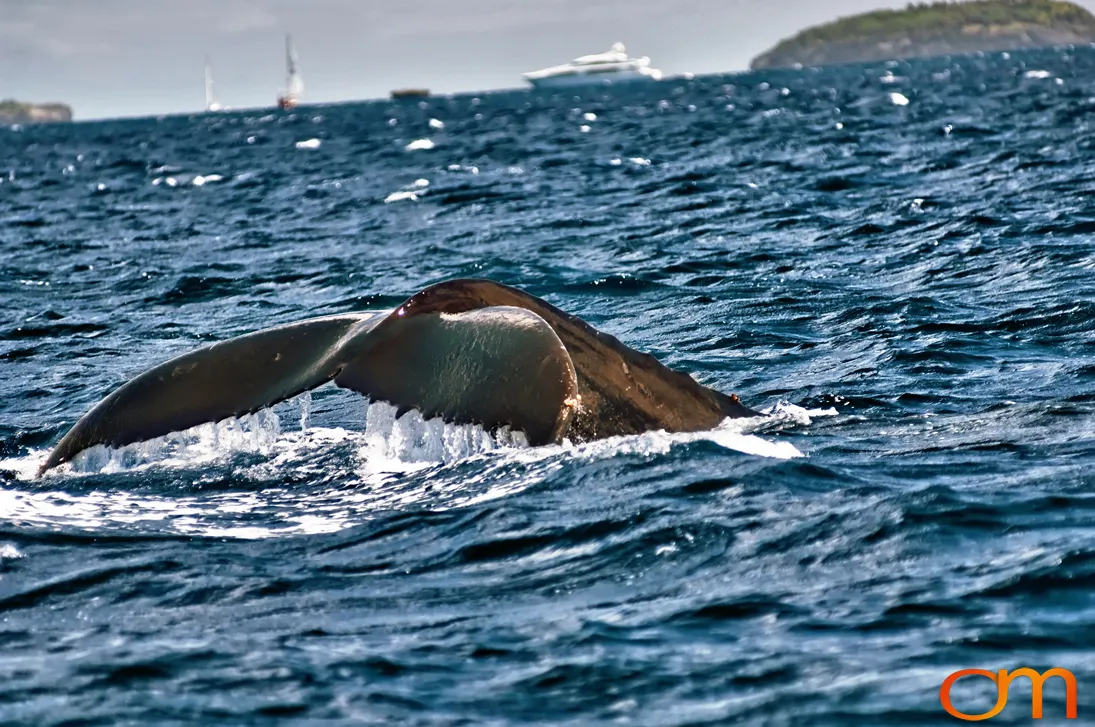
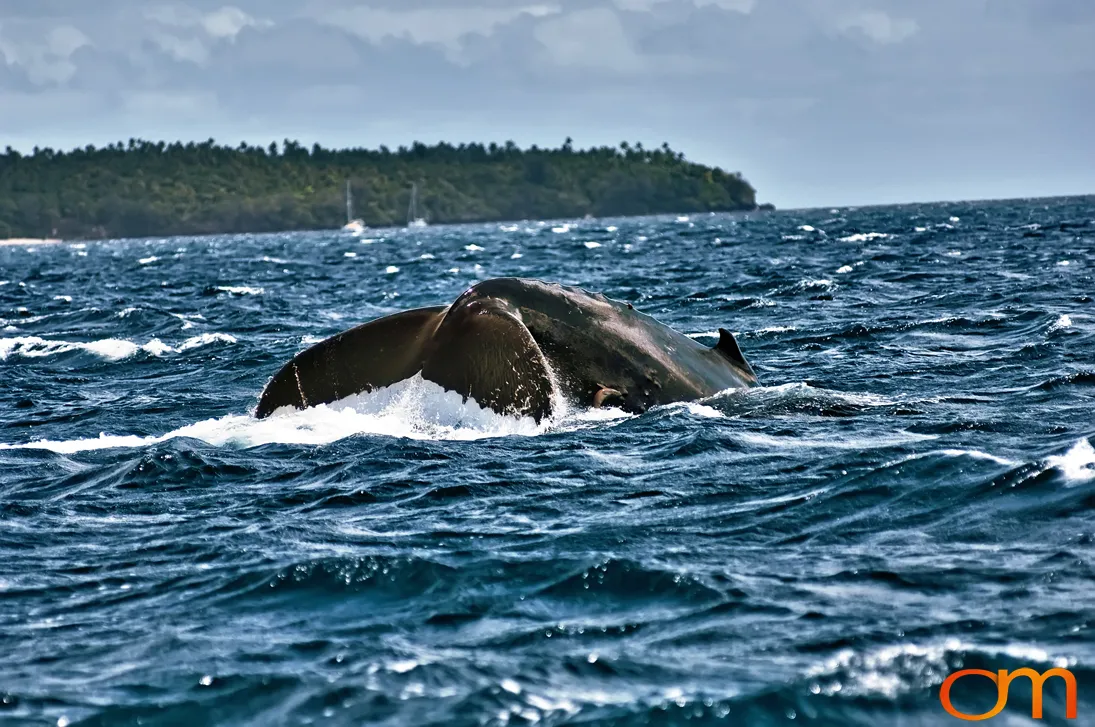
Each austral winter, humpback whales (Megaptera novaeangliae) migrate from feeding areas in Antarctic and sub-Antarctic waters to tropical breeding grounds across Oceania. Whales using Tongan waters are generally present from July through October, when they mate, give birth and nurse their calves.
Humpback whales are baleen whales that feed primarily during the productive summer months at high latitudes. During migration and on the breeding grounds, they generally eat little and rely largely on stored body fat, although occasional feeding outside their main feeding areas has been documented.
Females usually give birth to a single calf after a gestation of approximately 11 months and produce a calf every two to three years on average. Mothers and calves often remain in relatively shallow, sheltered water while calves nurse and develop the strength required for the return migration.
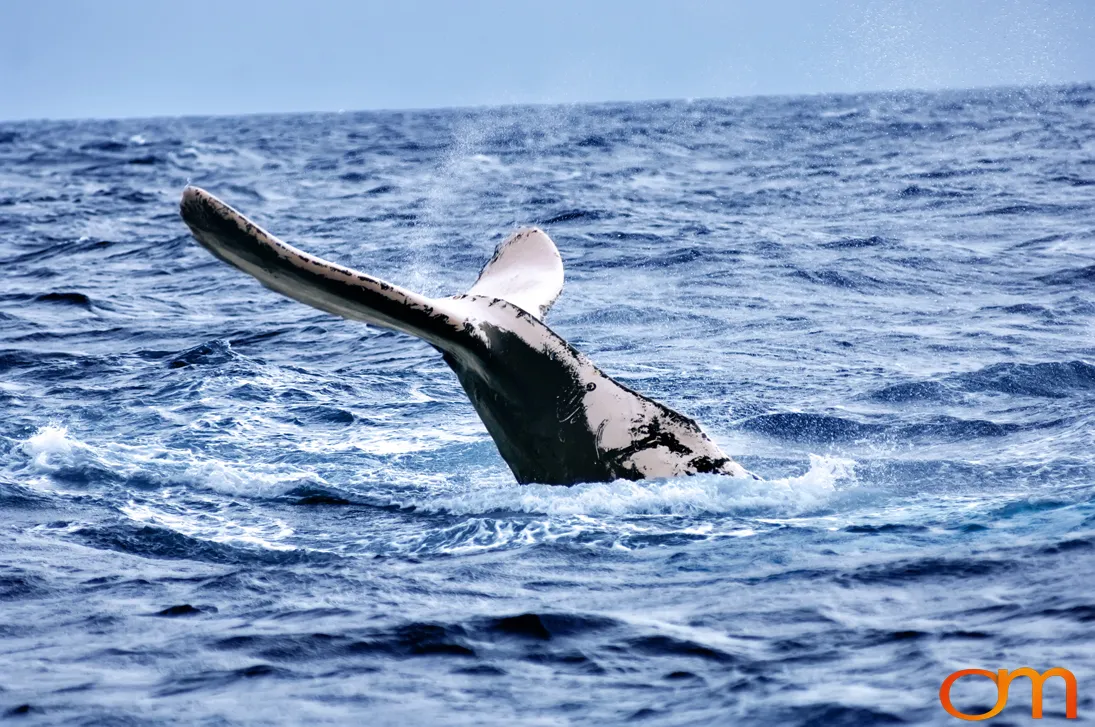
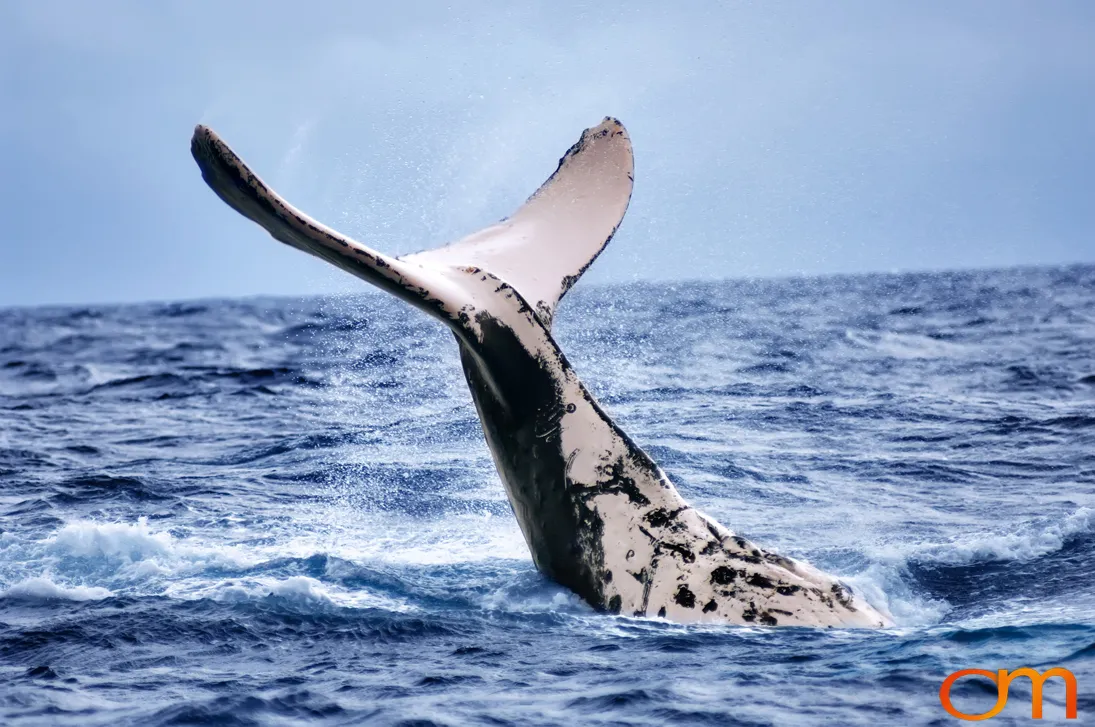
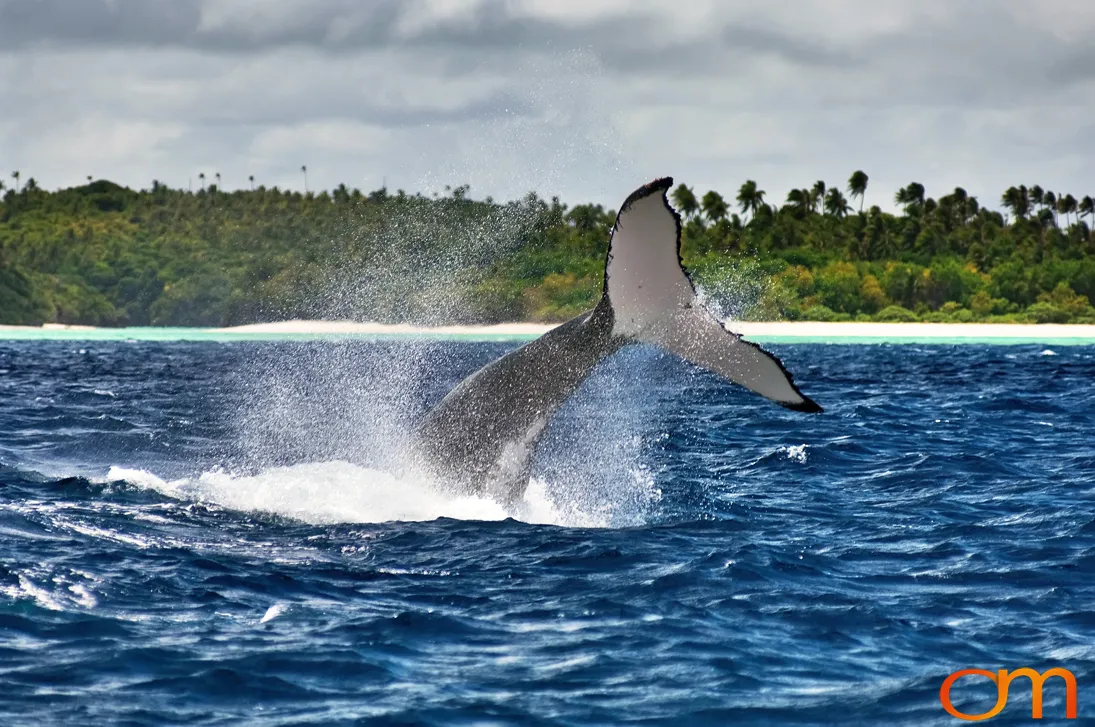
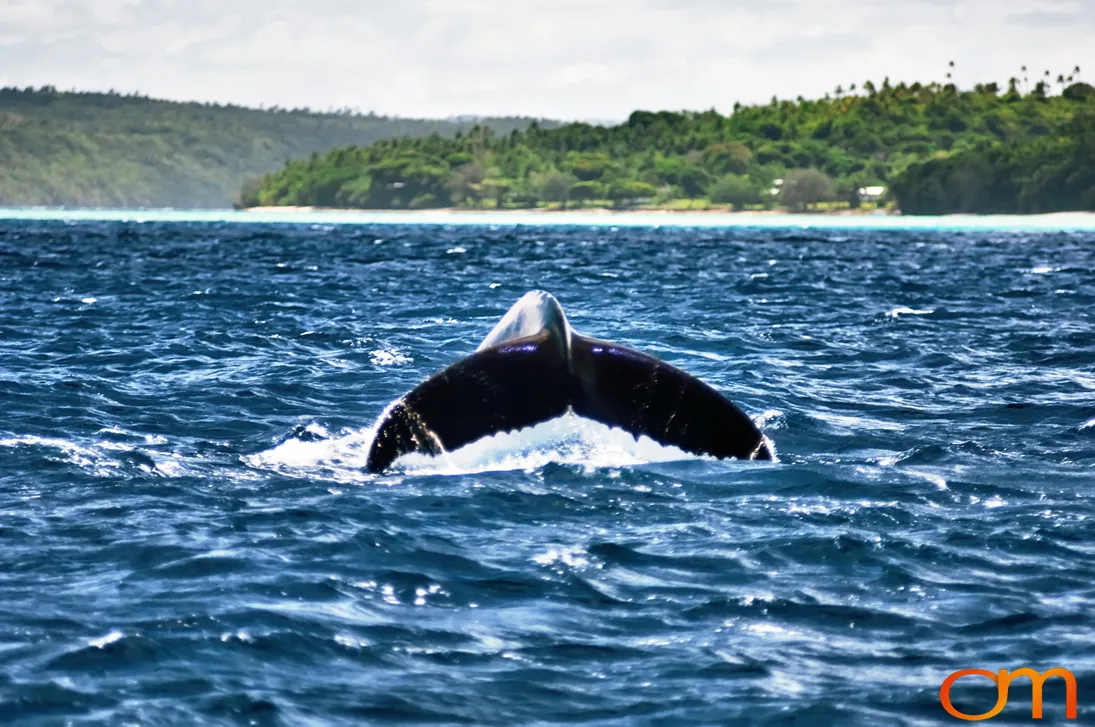
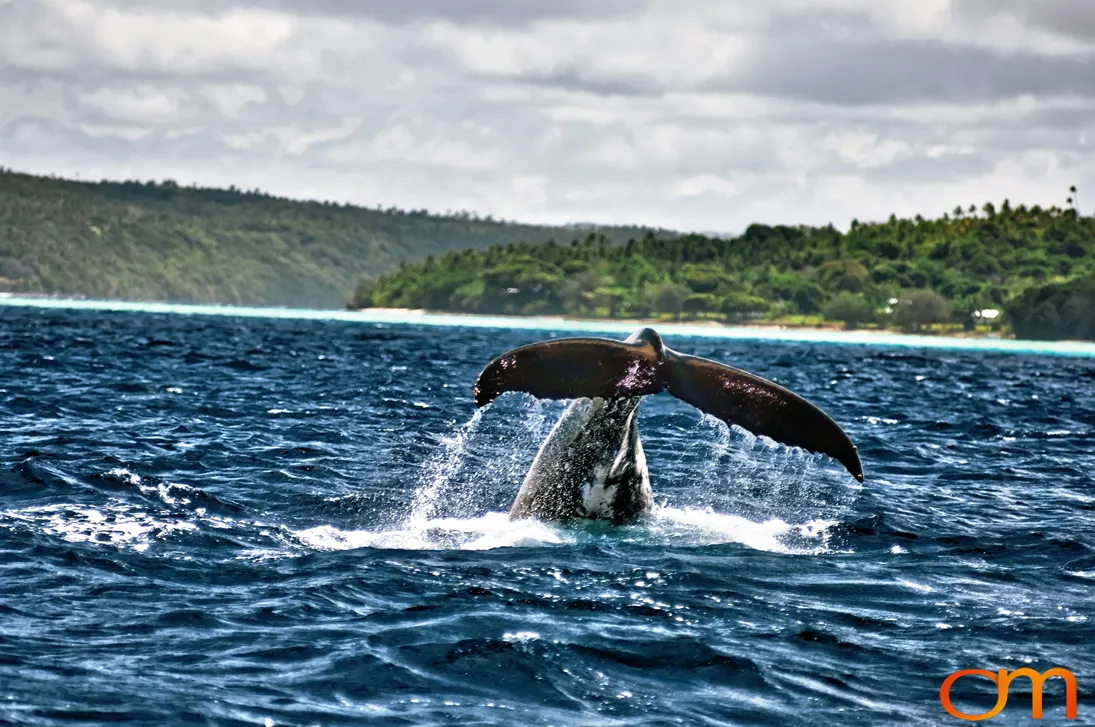
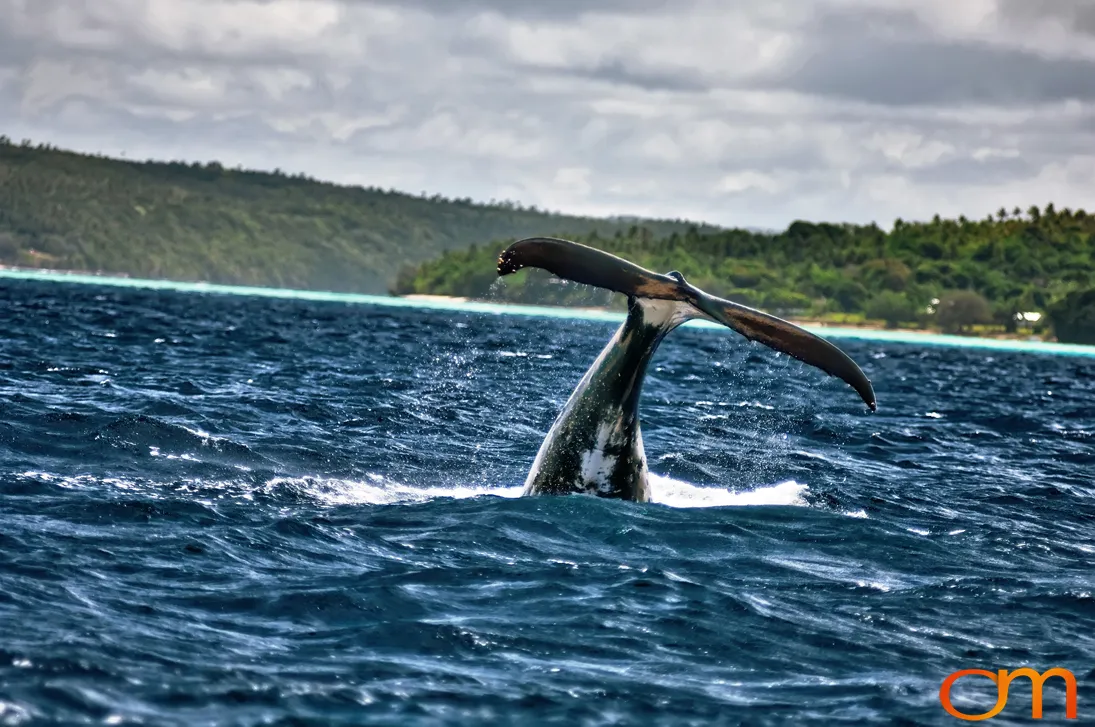
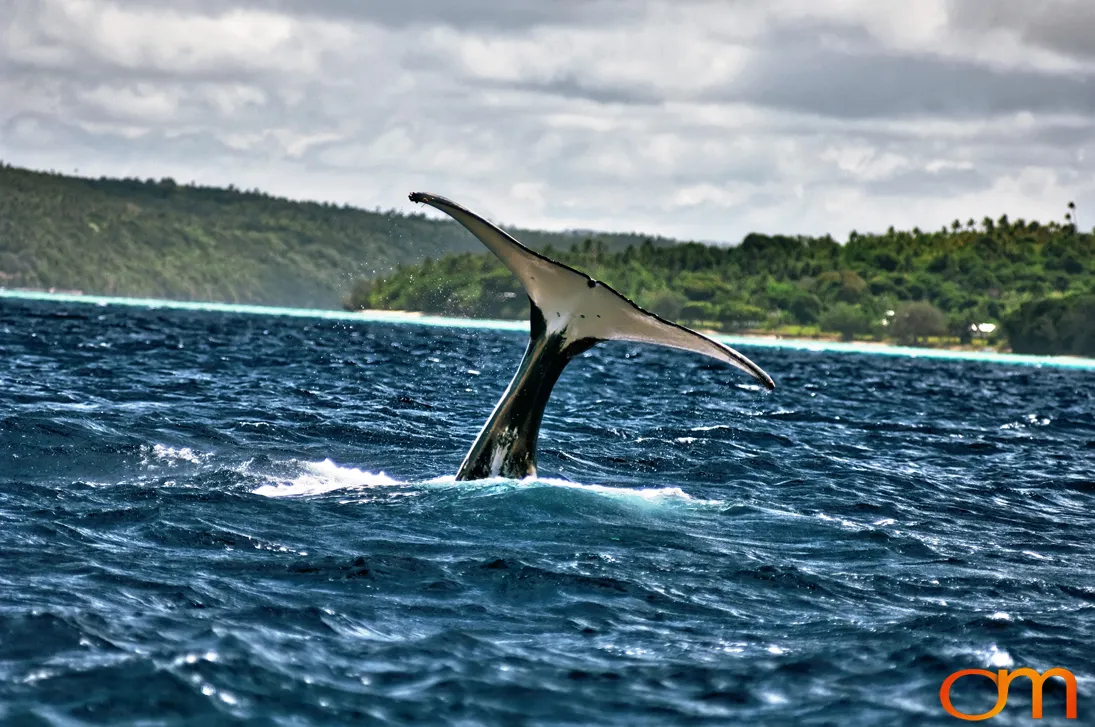
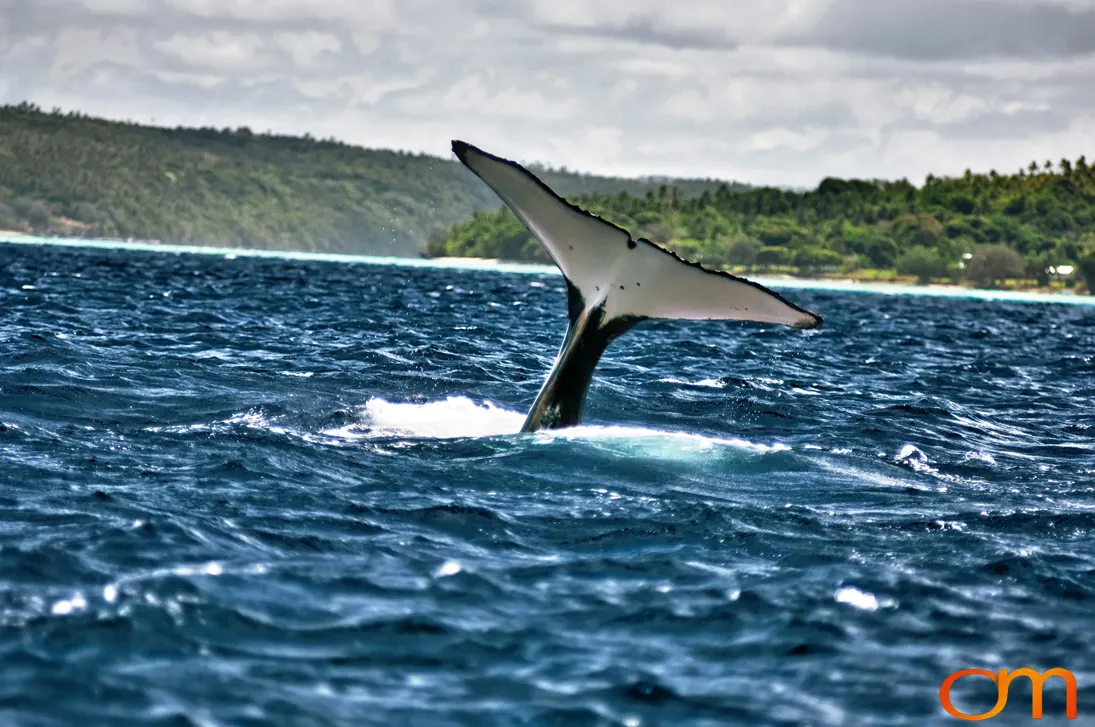
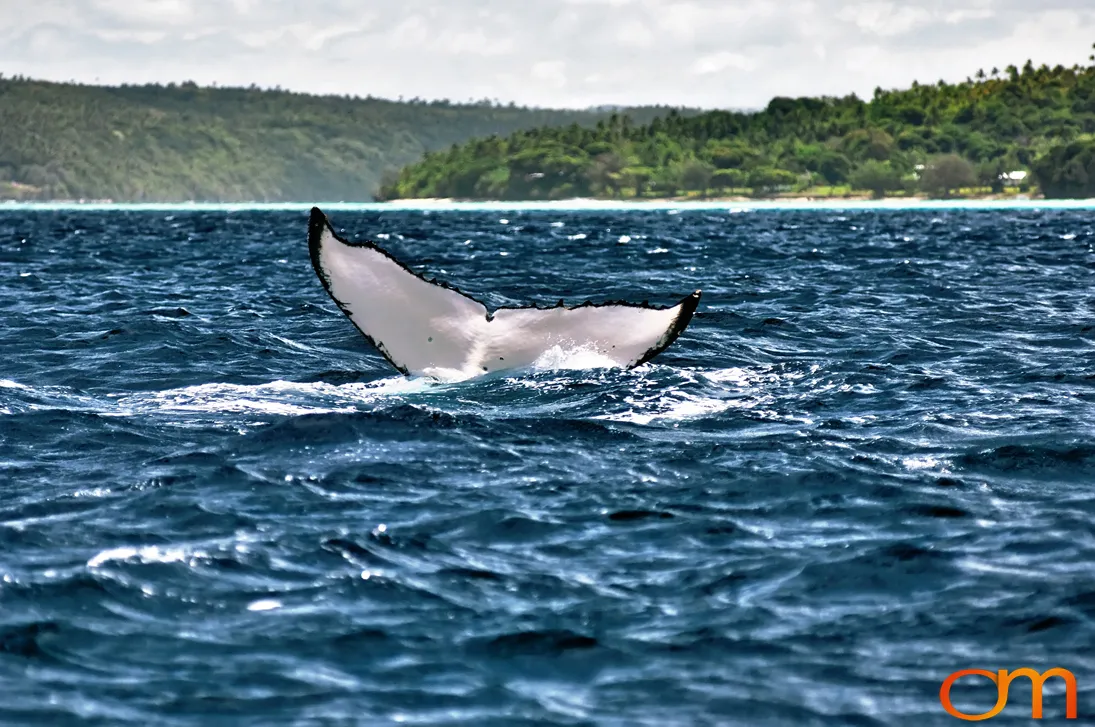
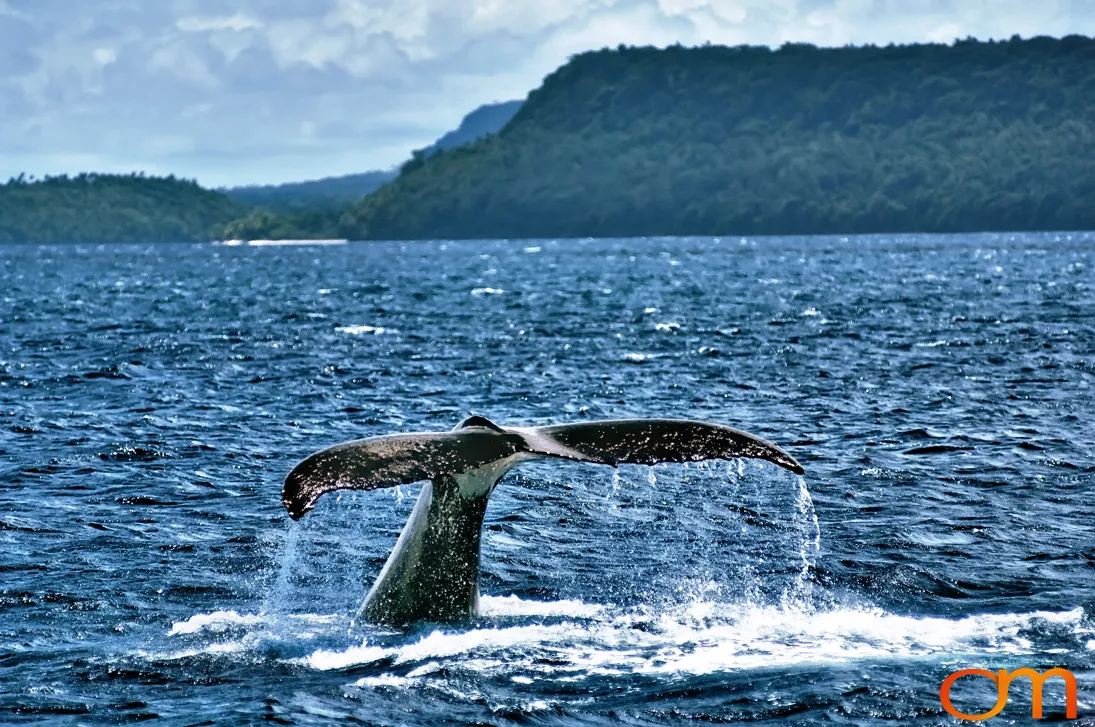
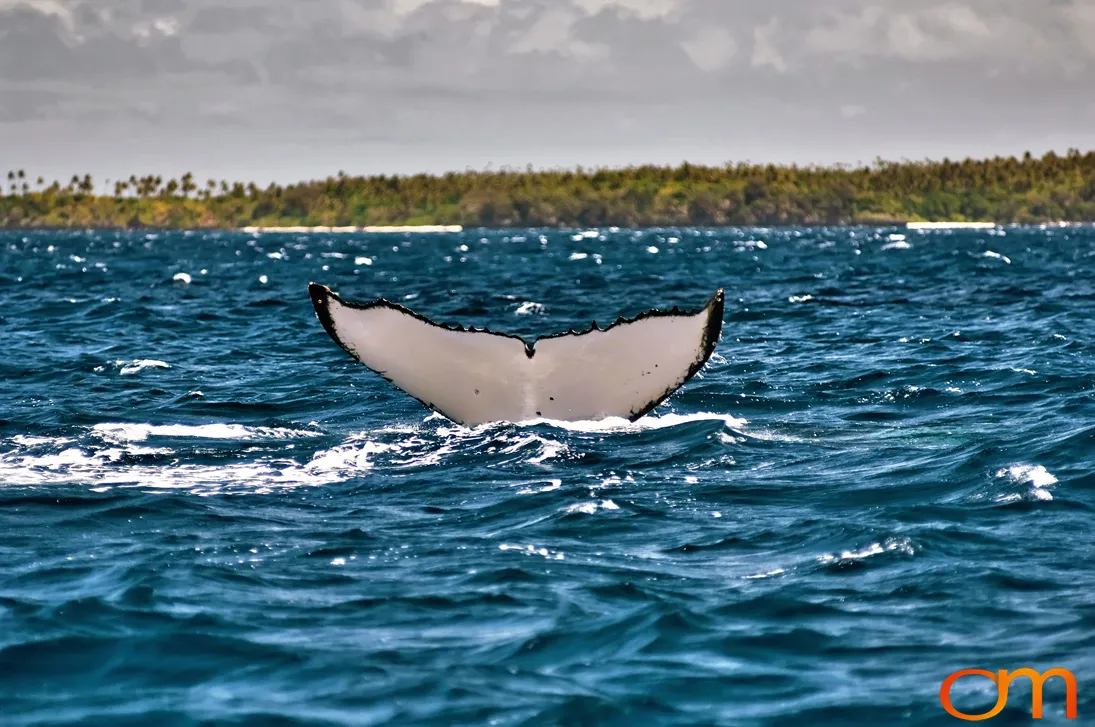
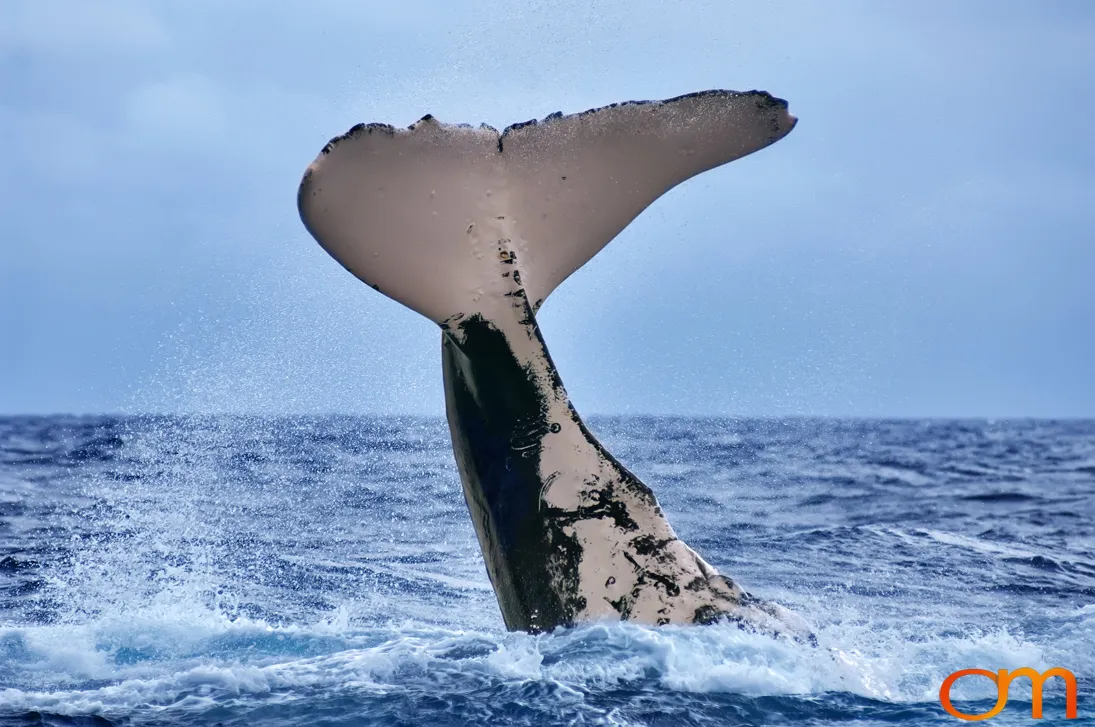
Male humpbacks produce long, structured songs on the breeding grounds. These songs are shared across a population but gradually change during and between breeding seasons. The black-and-white pigmentation, scars and serrated edges of each whale’s tail flukes also form a distinctive pattern, allowing researchers to identify individuals and document their movements over time.