Bhutan
Tsa Tsa: Miniature Buddhist Votive Objects
December 2010
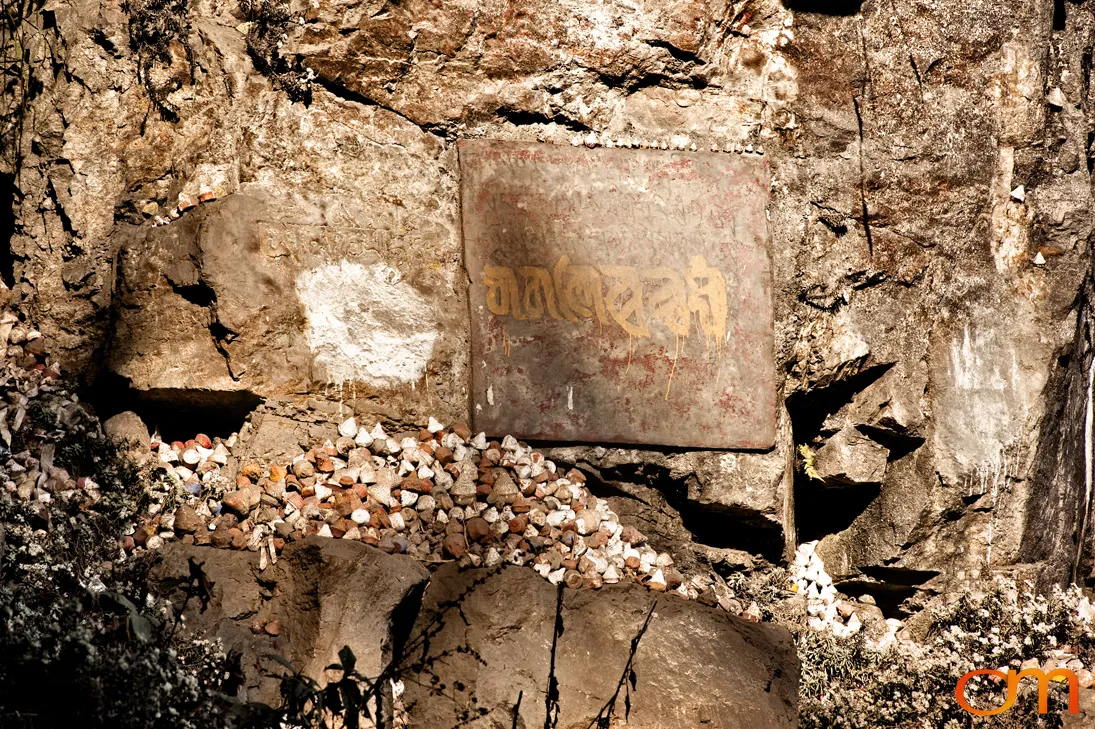
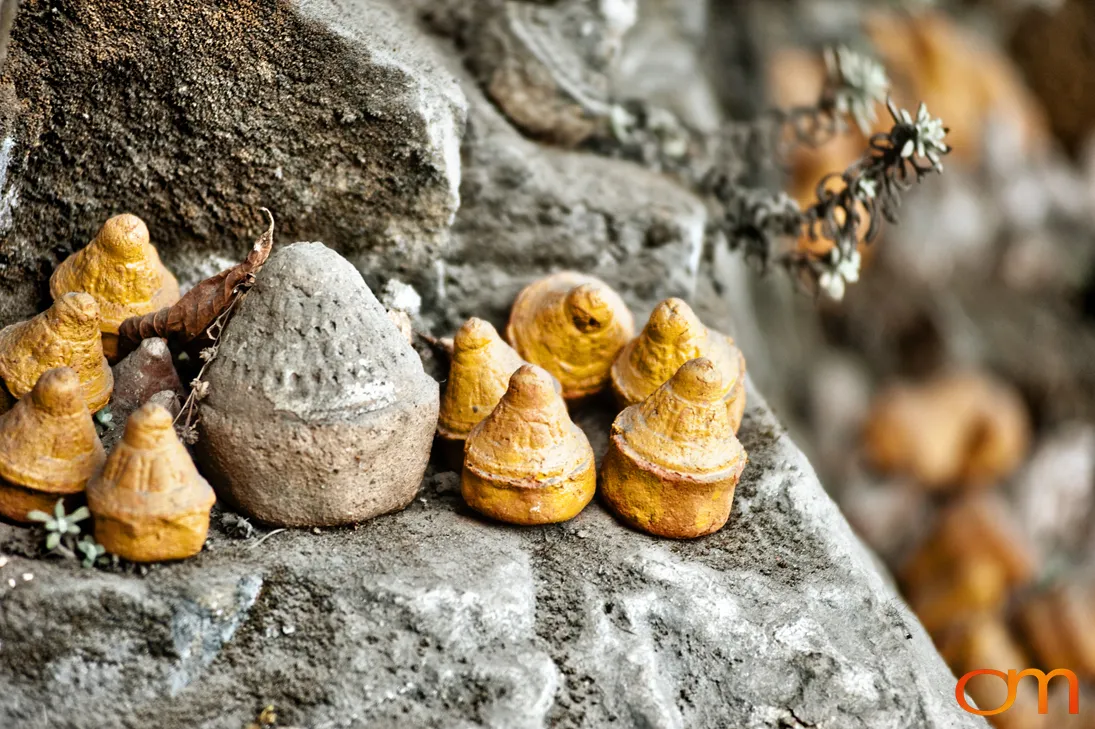
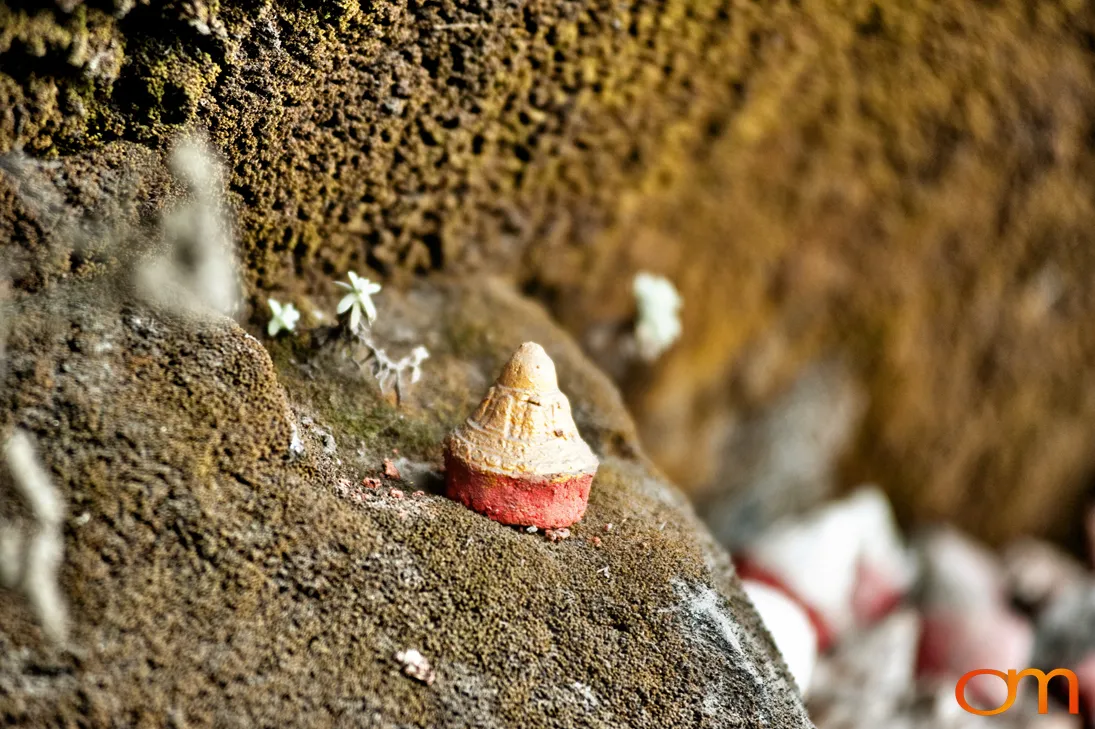
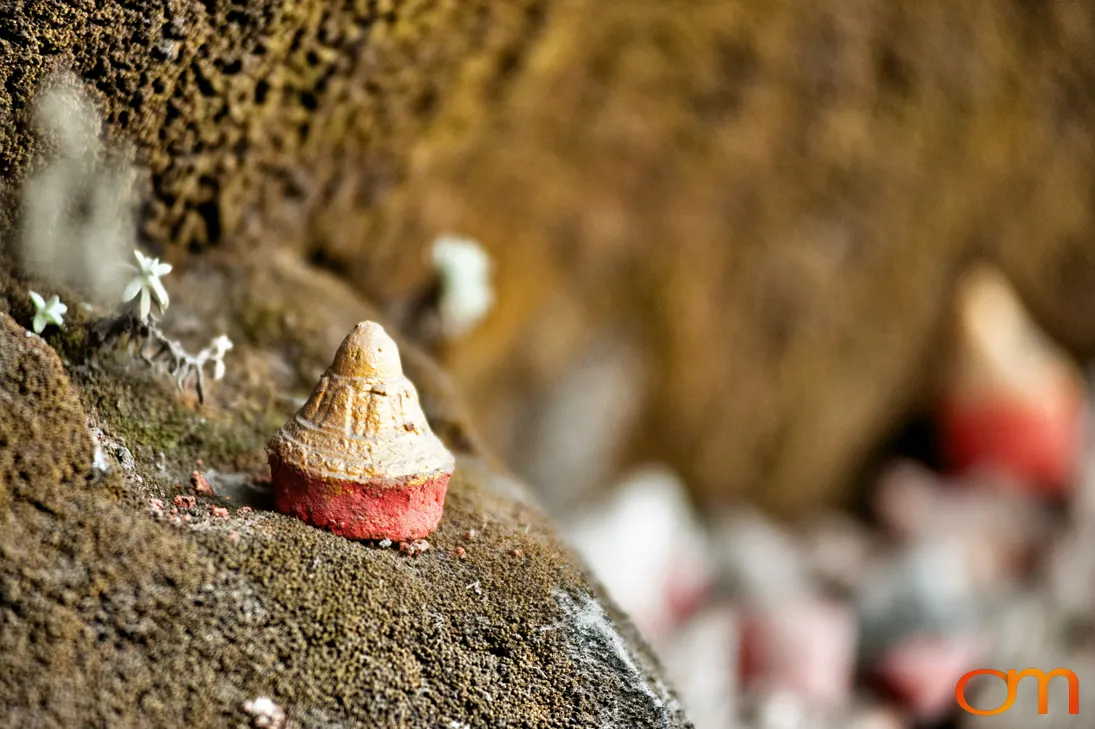
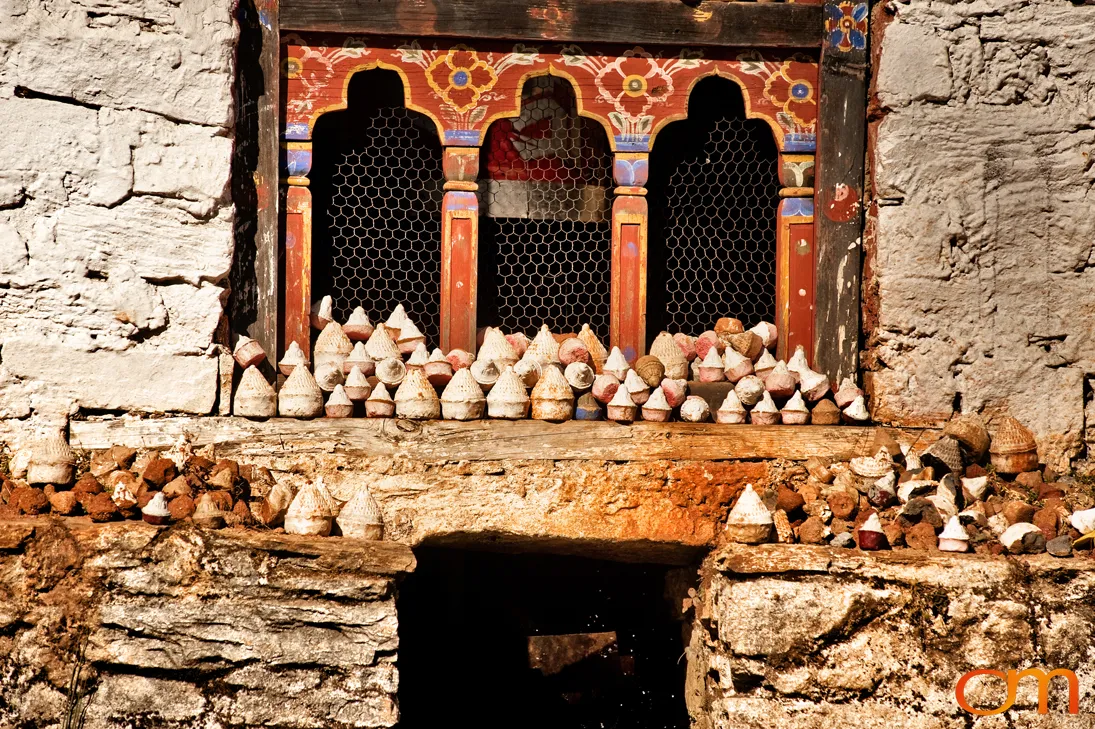
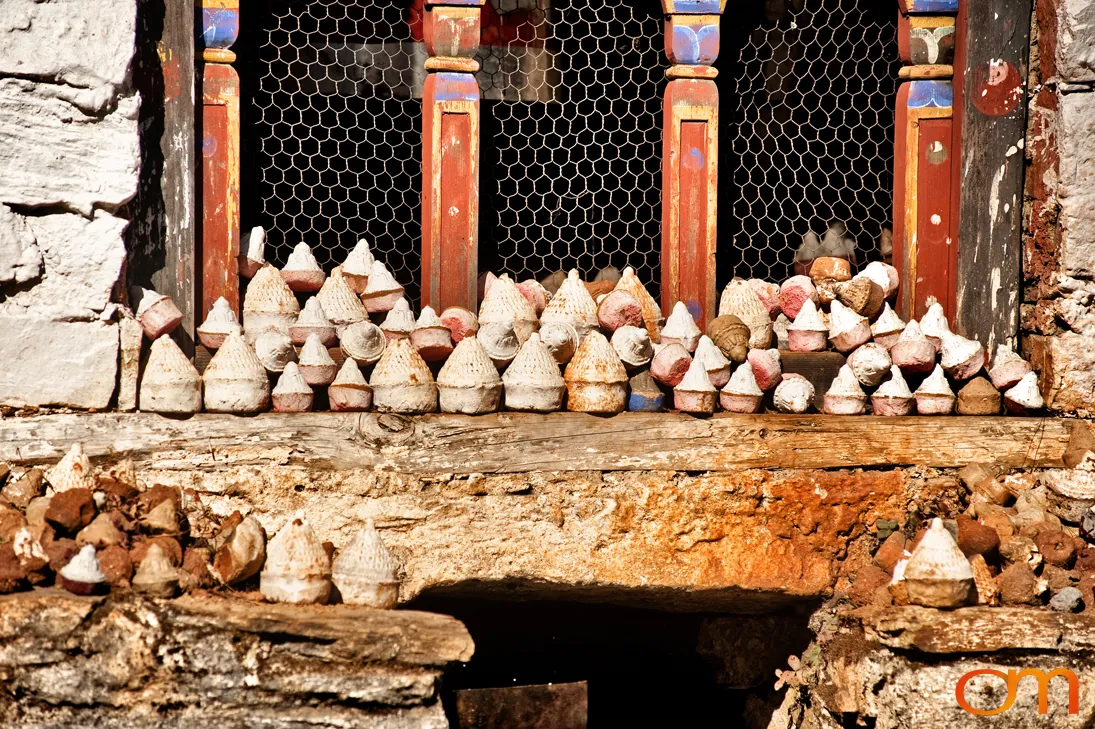
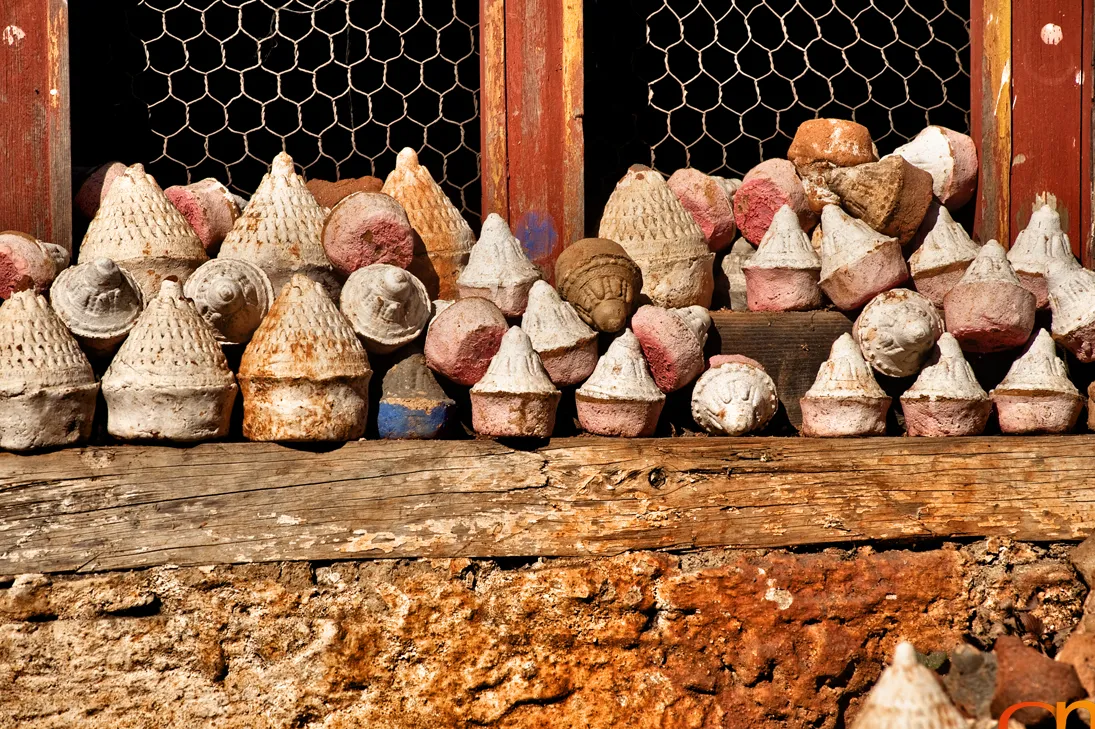
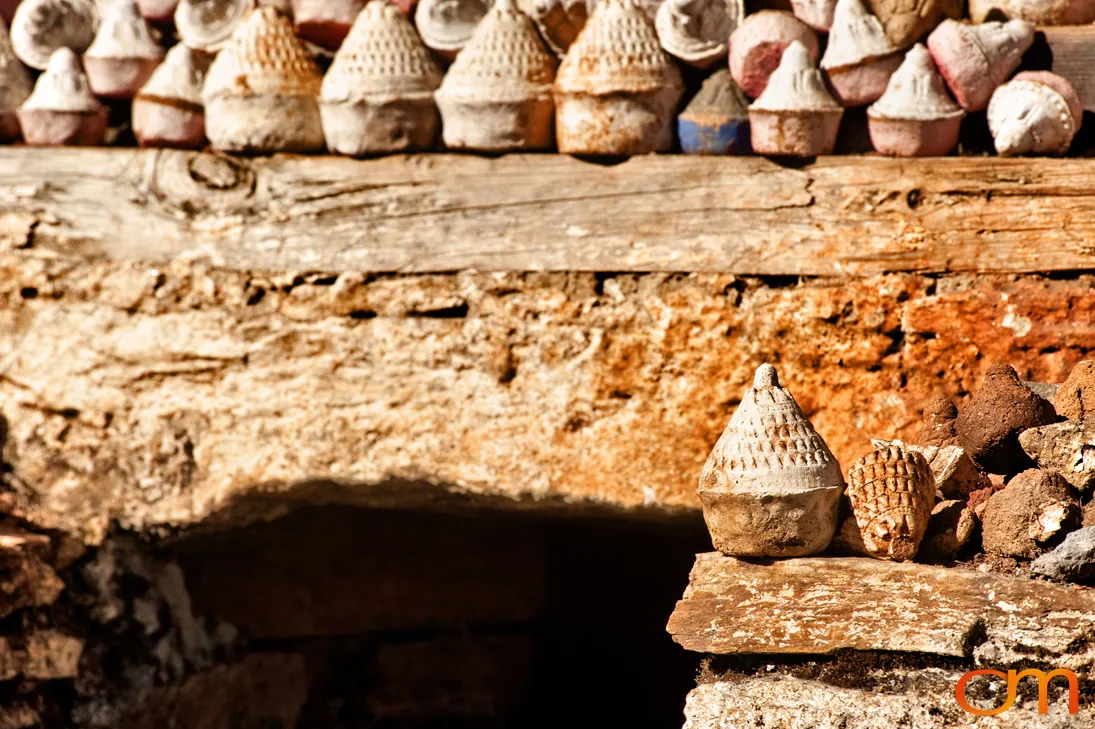
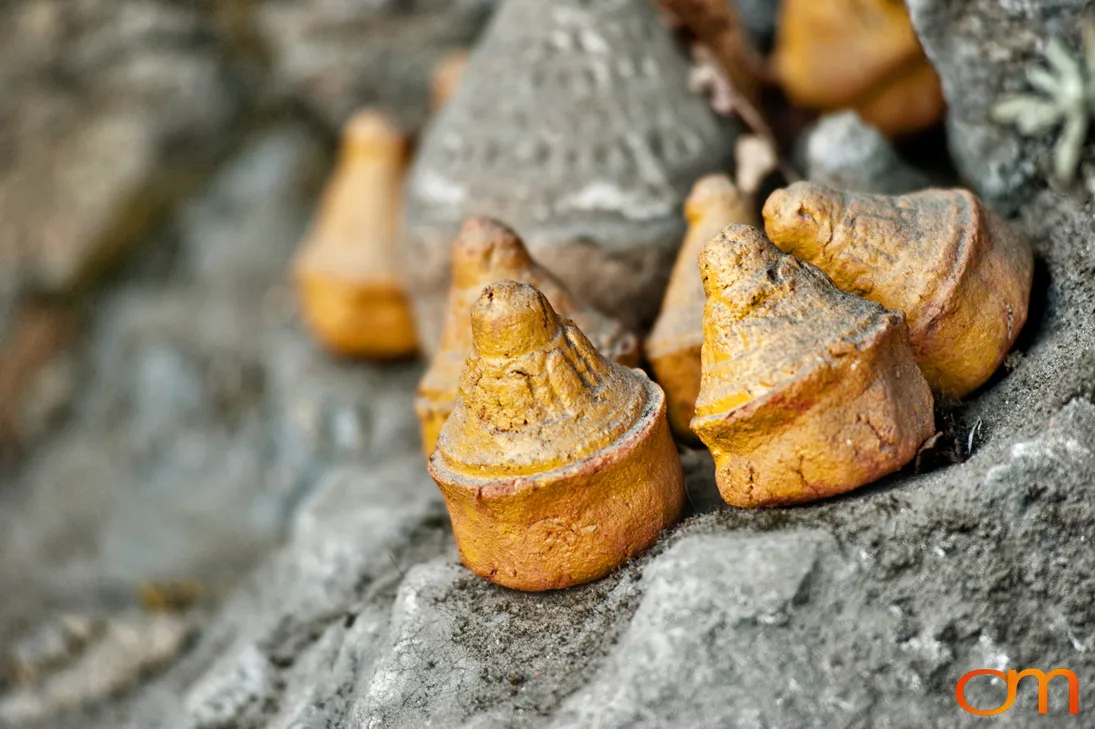
Tsa tsa are small molded votive objects used in Tibetan and Himalayan Buddhist traditions. Usually made by pressing clay into a mold, they may take the form of miniature stupas or depict buddhas, bodhisattvas, deities, auspicious symbols, and sacred inscriptions. They may be sun-dried, fired, or painted.
Making tsa tsa is a devotional practice associated with merit-making, purification, pilgrimage, consecration, and funerary rites. After consecration, they may be placed inside stupas and shrines or deposited at temples and other sacred places. Some examples incorporate medicinal substances or cremated remains into the clay, while some hollow forms contain printed prayers or other sacred contents.
The practice developed from earlier Indian Buddhist votive traditions and became established in Tibet by the late tenth and eleventh centuries. Tsa tsa deposited at religious sites are consecrated objects and should be treated respectfully without being removed or displaced.