Ephesus: A Hellenistic and Roman Metropolis

Ephesus

Ephesus: A Hellenistic and Roman Metropolis

July 2006

Ephesus, Efes in Turkish, near Selçuk in western Türkiye preserves a sequence of settlements rather than a city founded once at a single coastal location. As the shoreline of the Kaystros estuary shifted westward, the settlement moved with it. Around 300 BCE, King Lysimachus established a planned Hellenistic city whose street grid and fortifications formed the basis of the later Roman metropolis. Ephesus eventually became the capital of the Roman province of Asia and an important port, administrative center, and place of pilgrimage.

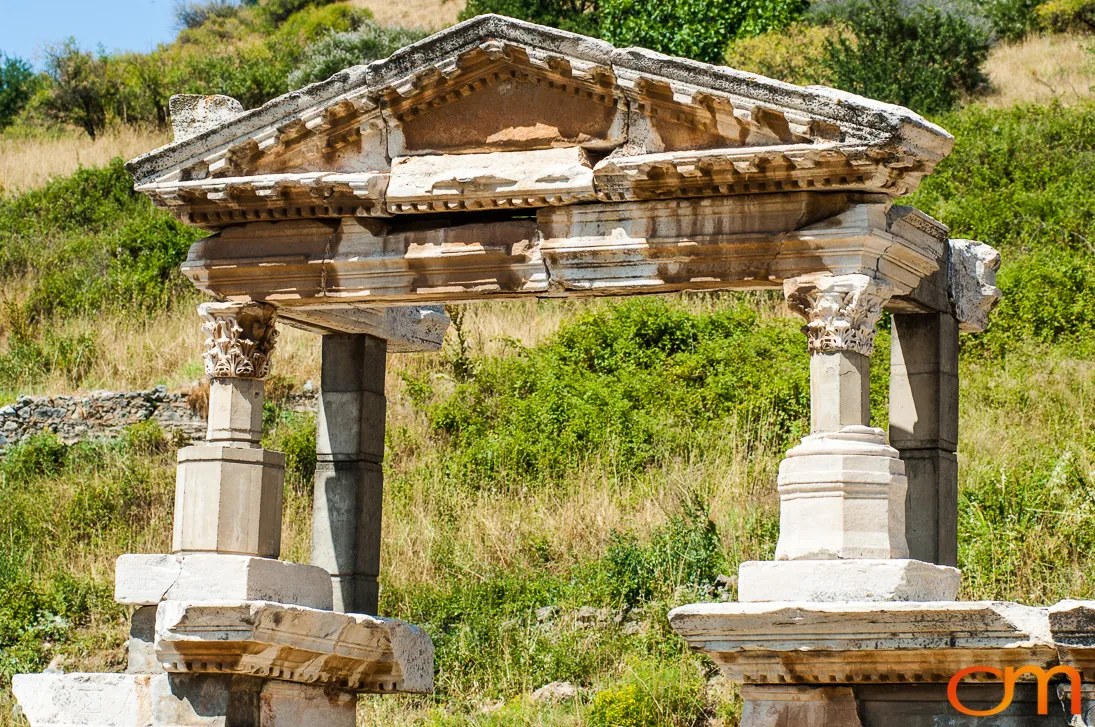
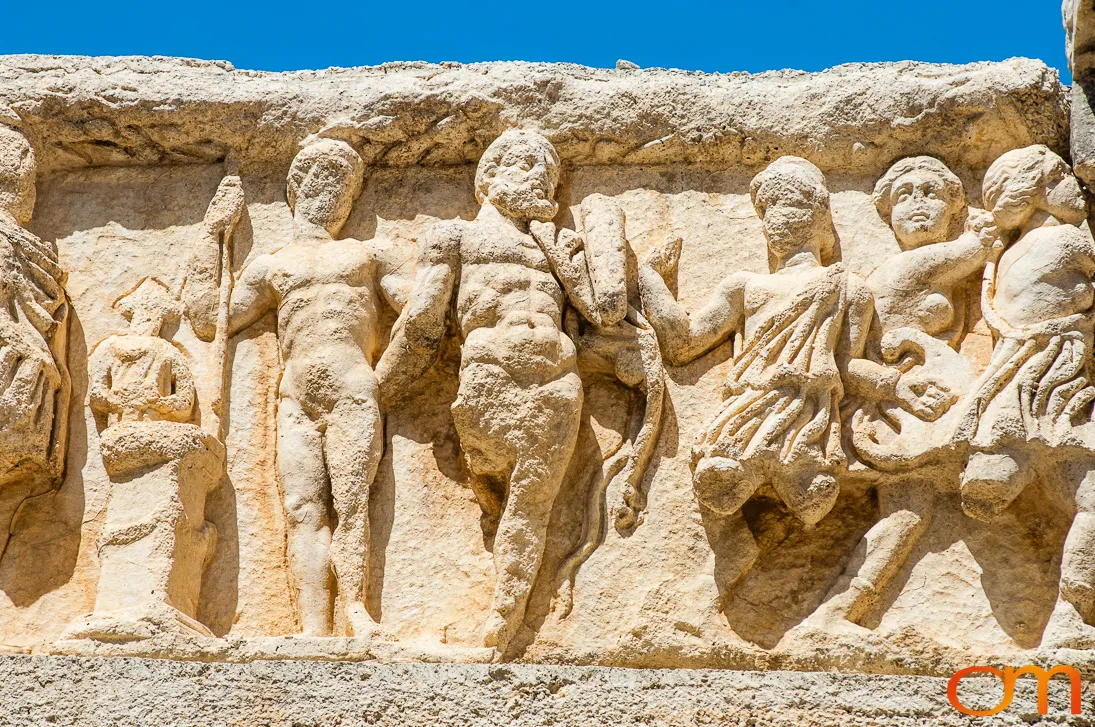
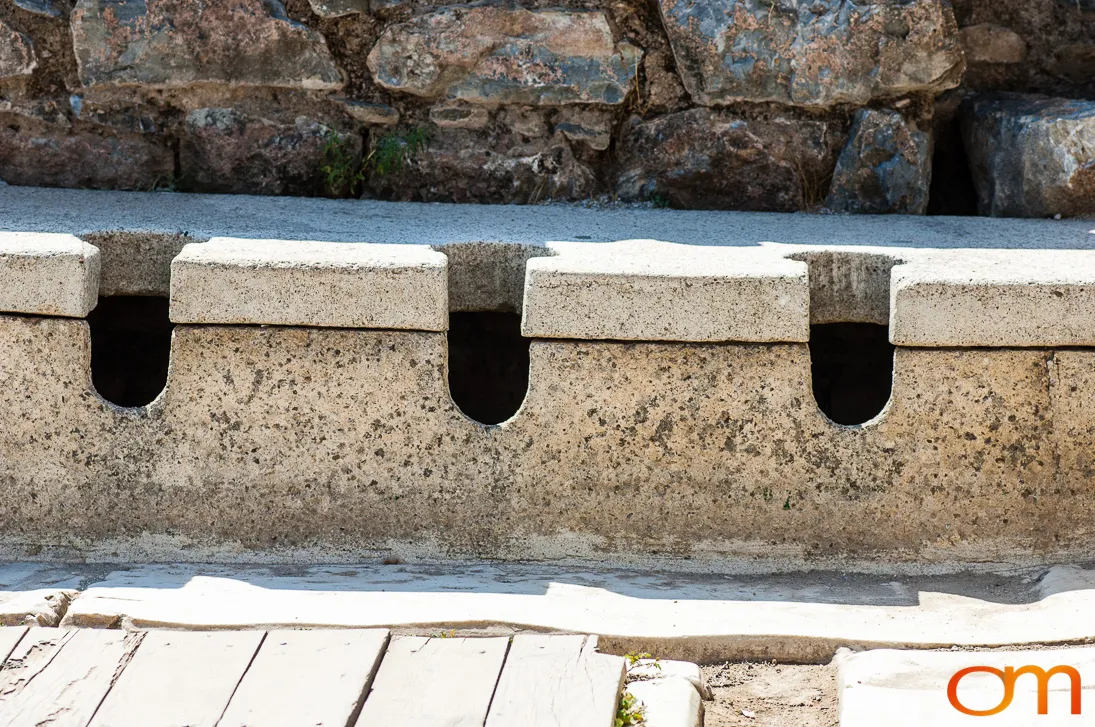
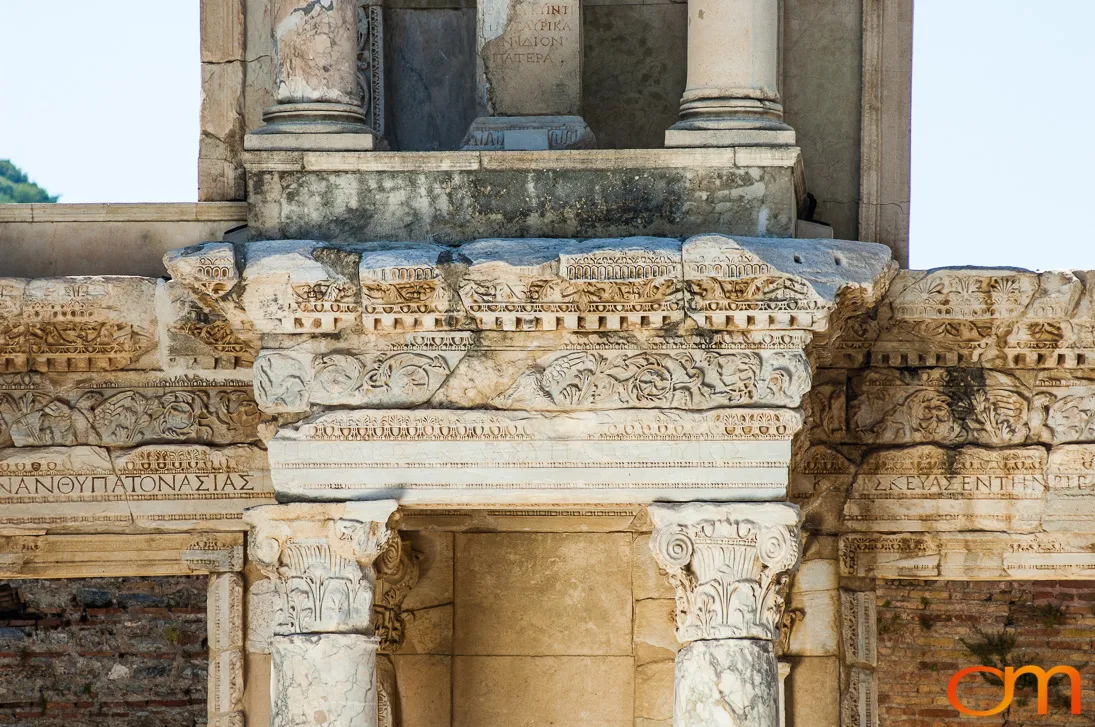
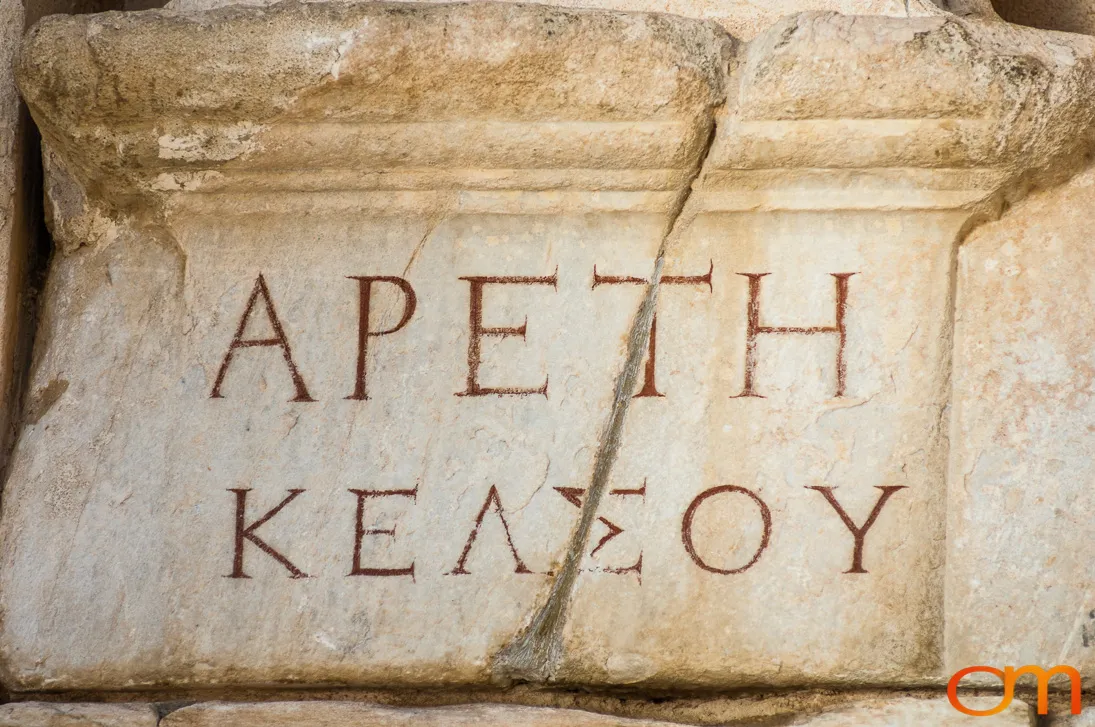
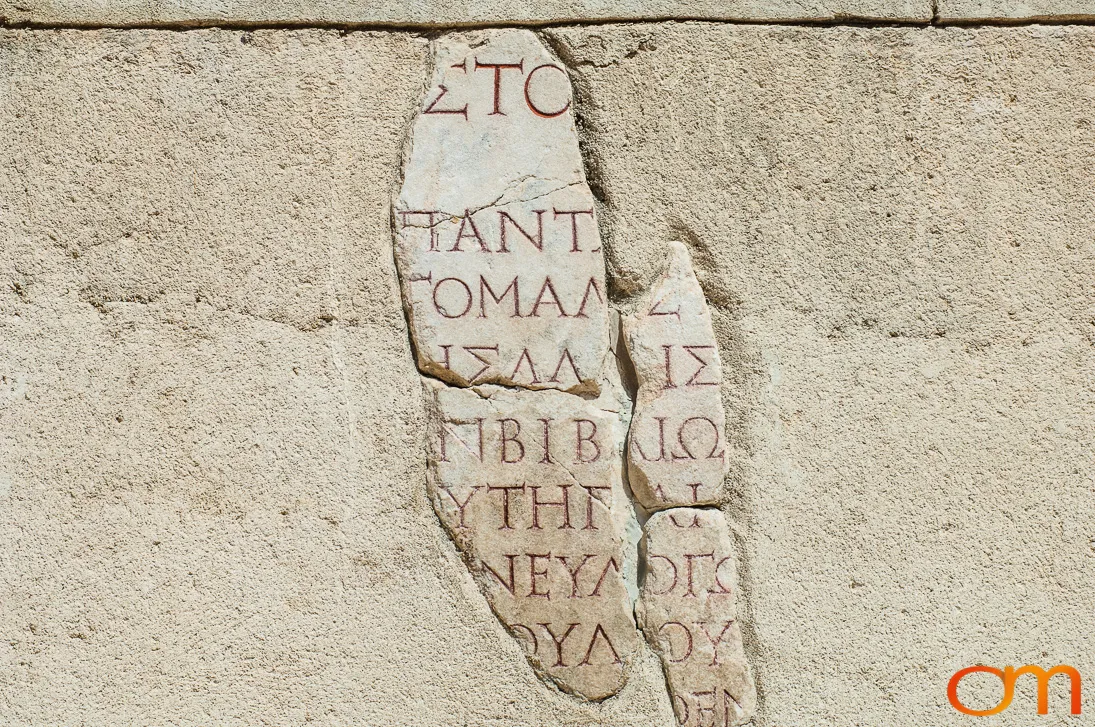
The surviving site records urban life through monumental streets, theatres, baths, public latrines, fountains, temples, residences, inscriptions, and the Library of Celsus. Built during the second century CE, the library also served as the funerary monument of Tiberius Julius Celsus Polemaeanus, whose sarcophagus was placed beneath the building. Its collection is commonly estimated at approximately 12,000 scrolls.

Nearby, the Temple of Artemis was one of the Seven Wonders of the Ancient World, although only foundations and architectural fragments survive. Ephesus also became an important center of early Christianity and hosted the Council of Ephesus in 431 CE. A shrine on Mount Koressos near the ancient city is traditionally identified as the House of the Virgin Mary. Popes Paul VI, John Paul II, and Benedict XVI visited the shrine in 1967, 1979, and 2006.

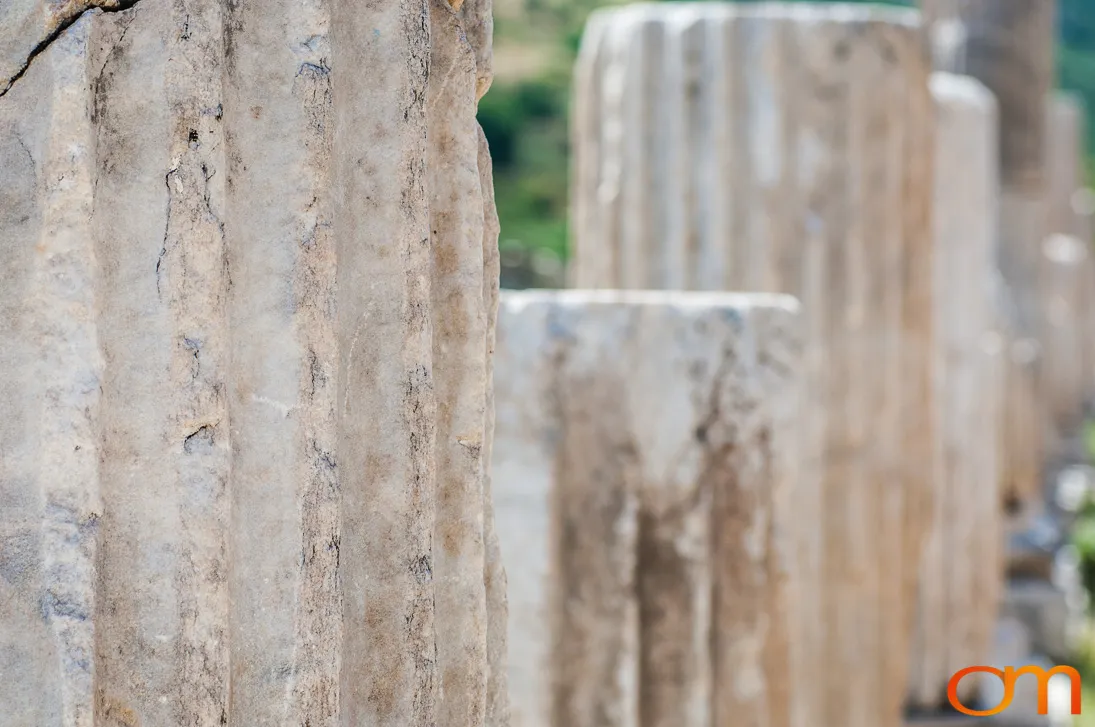
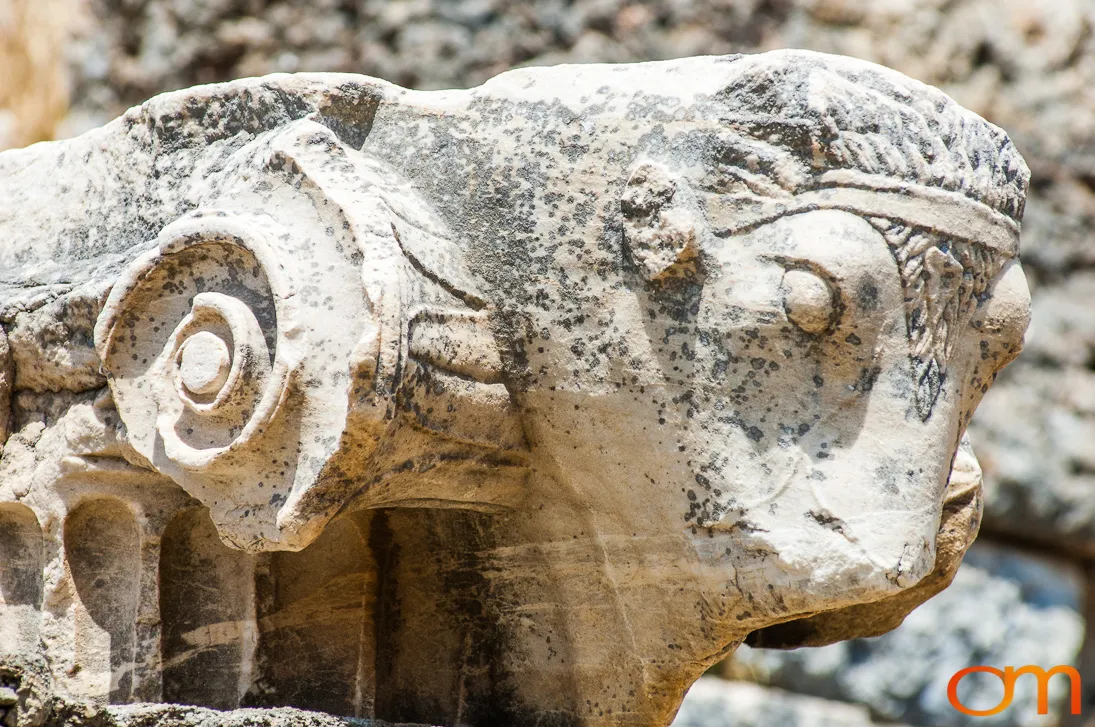
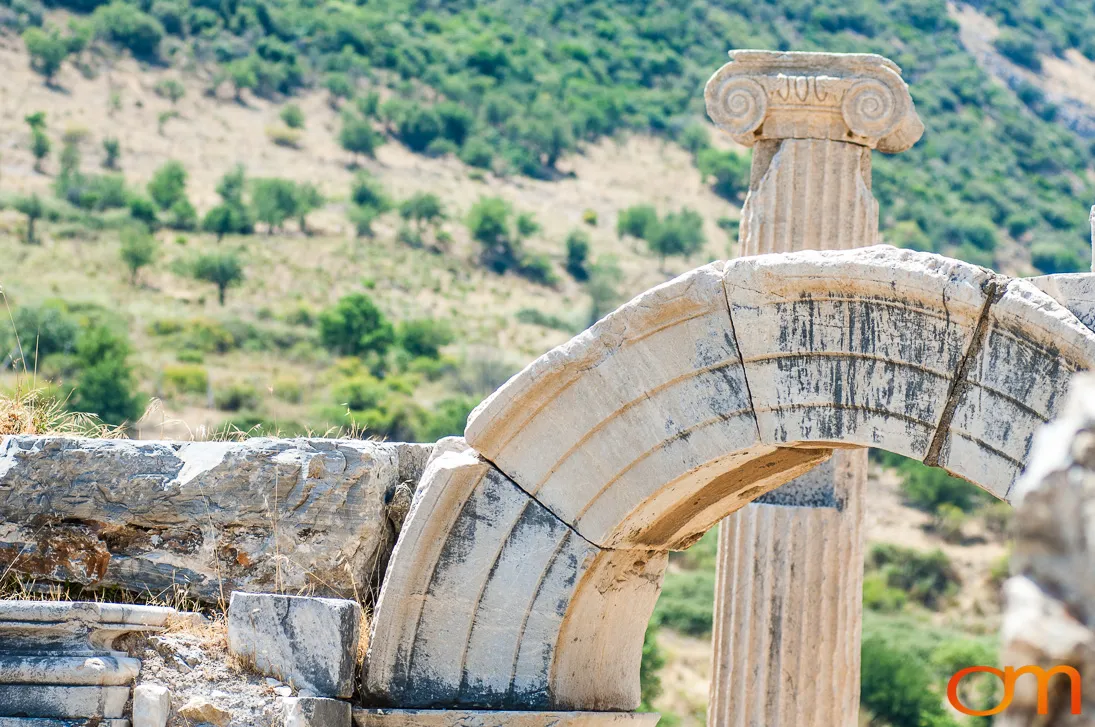
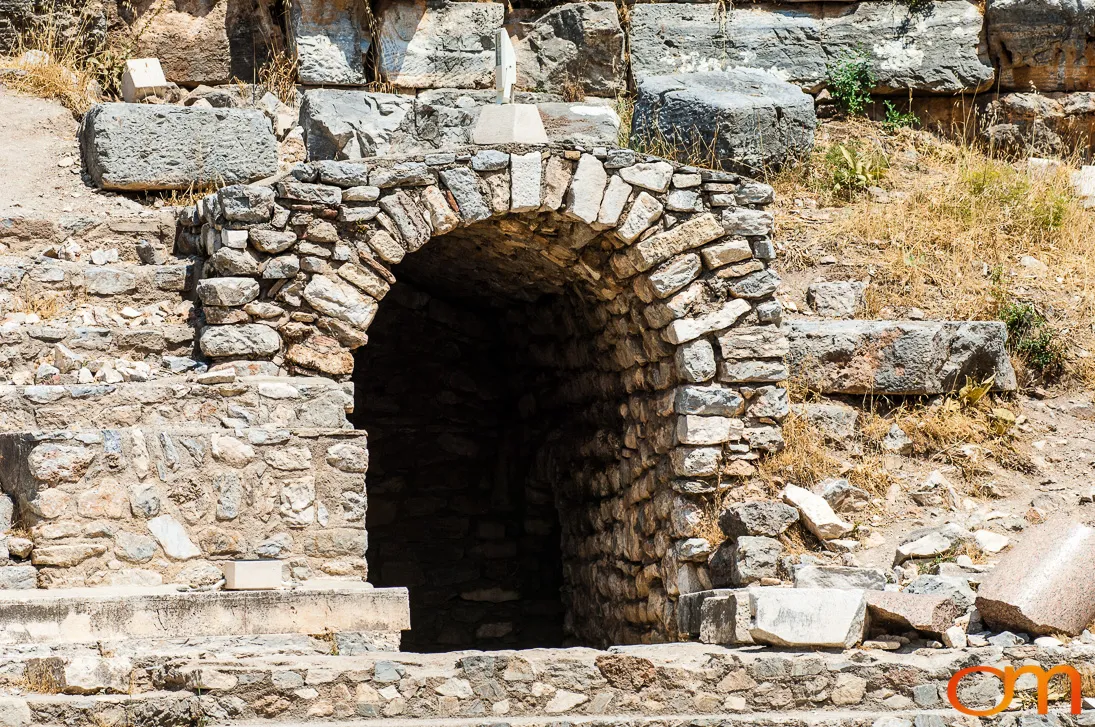
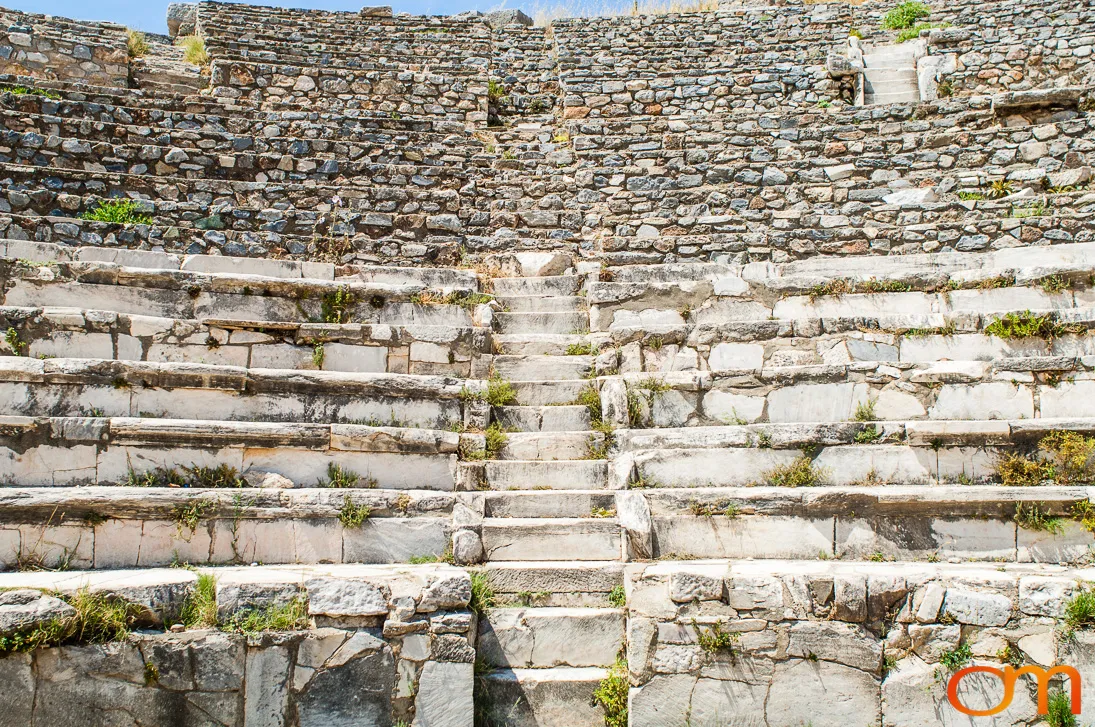
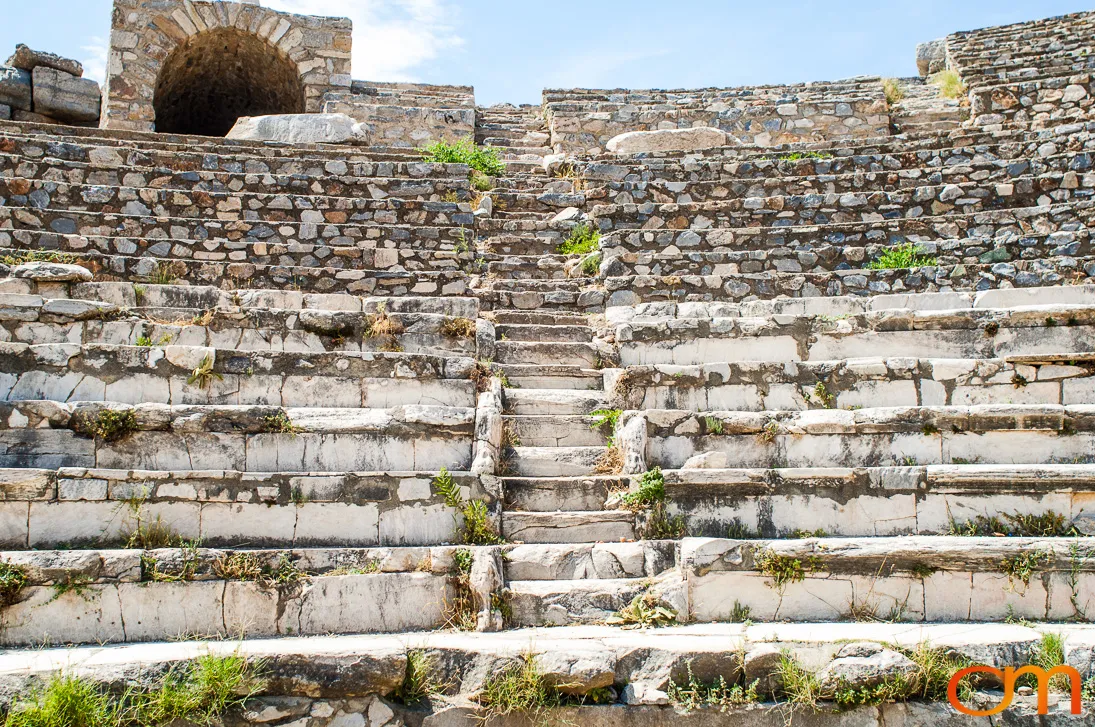
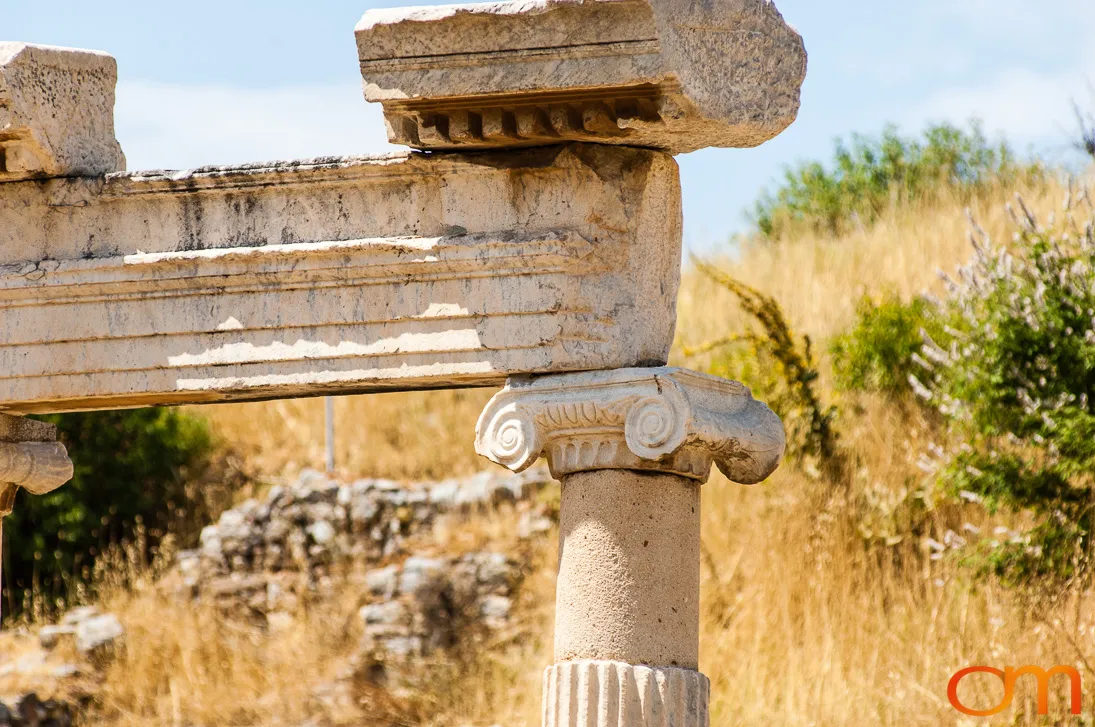
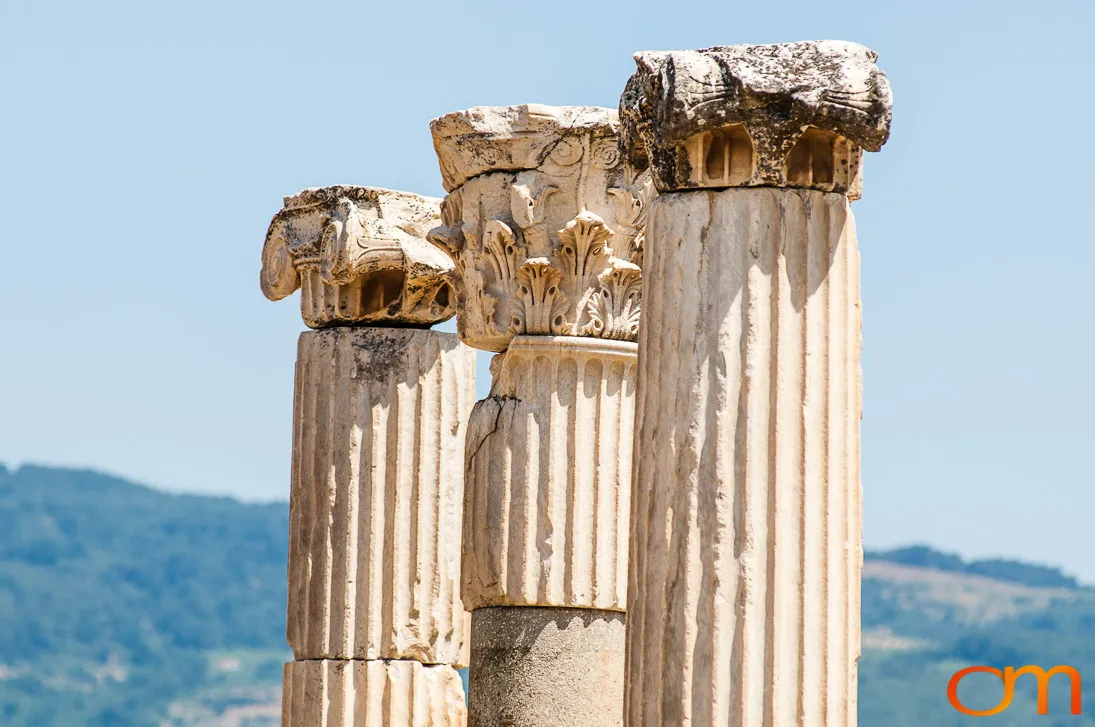
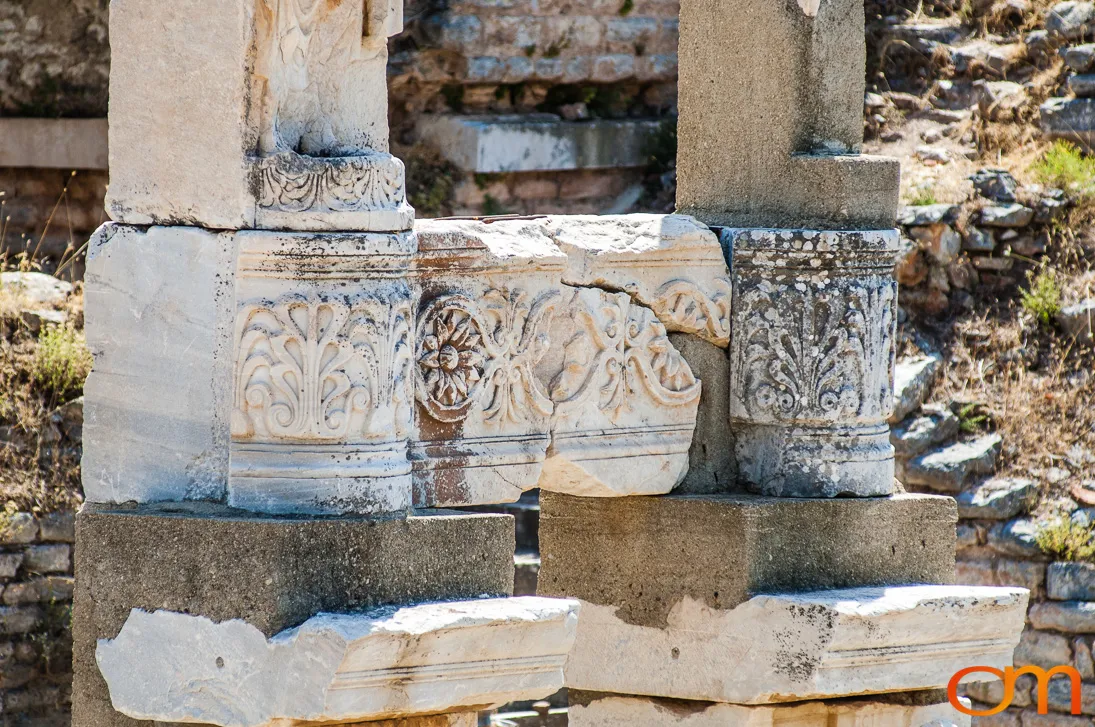
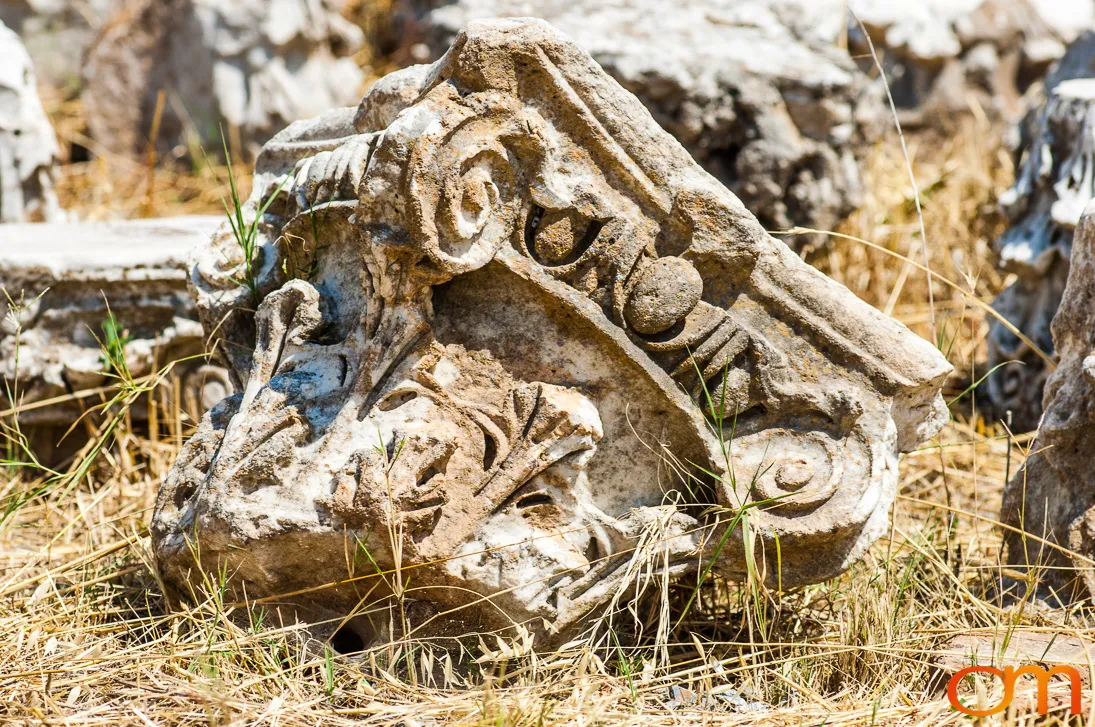
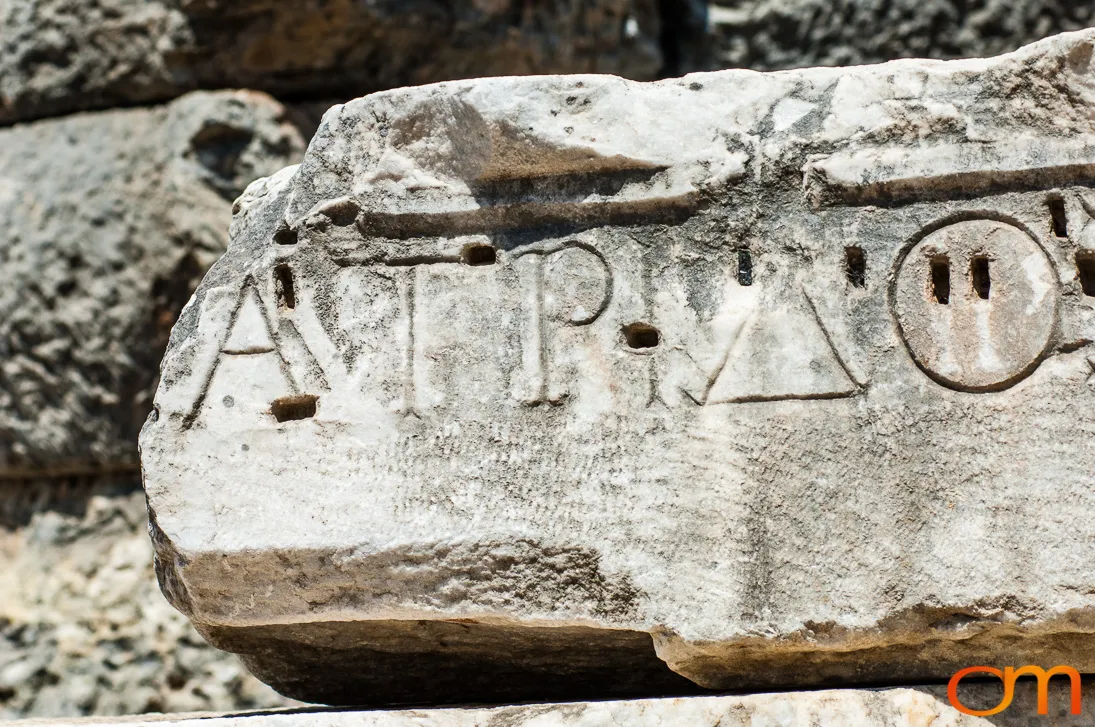
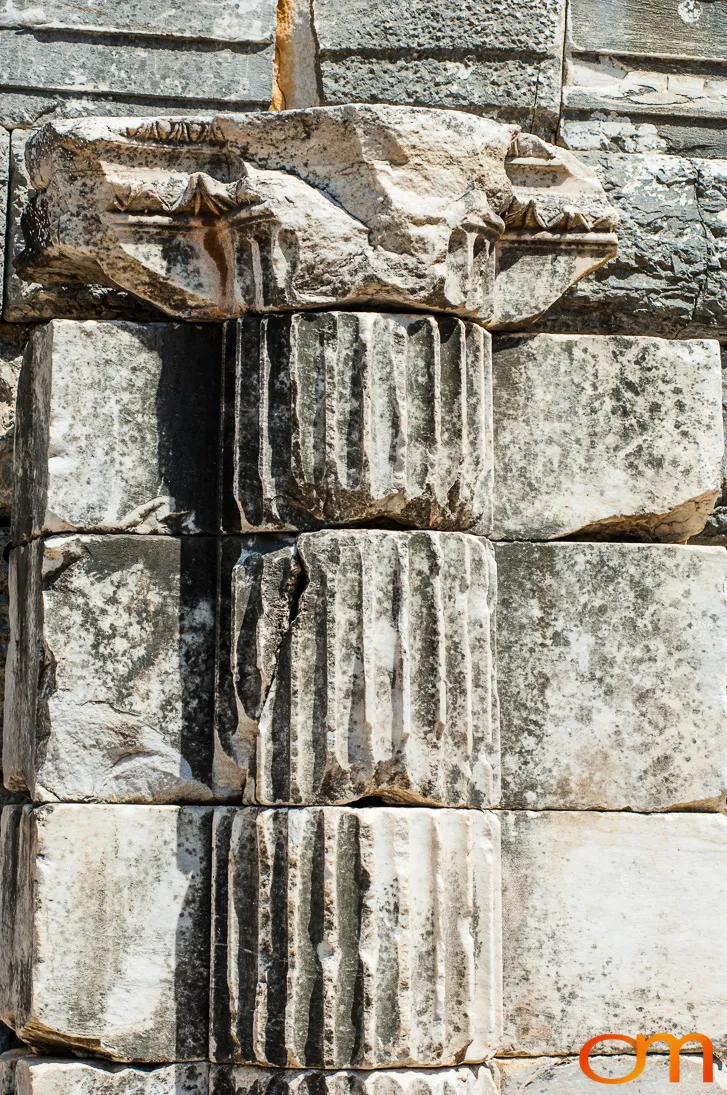
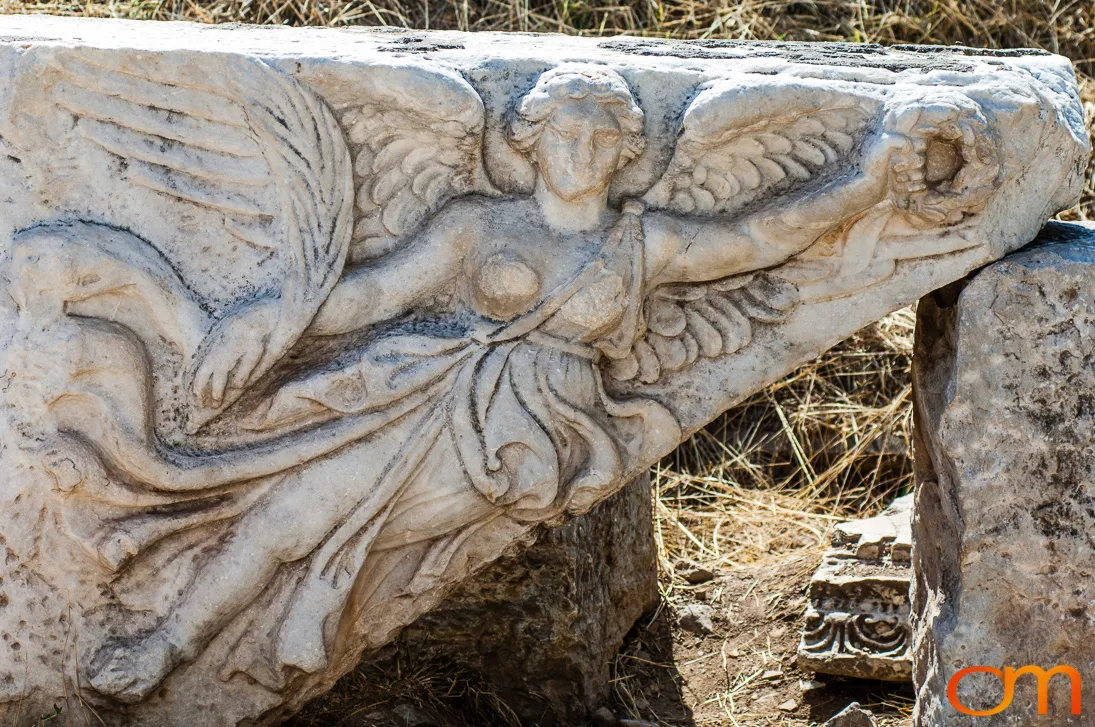
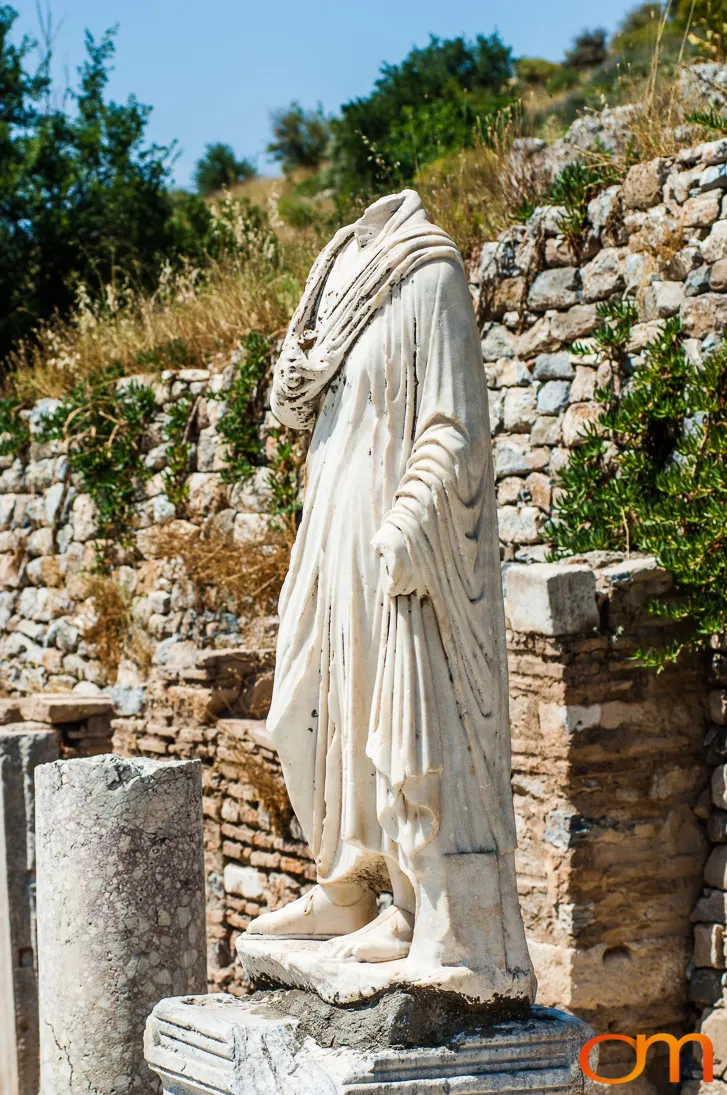
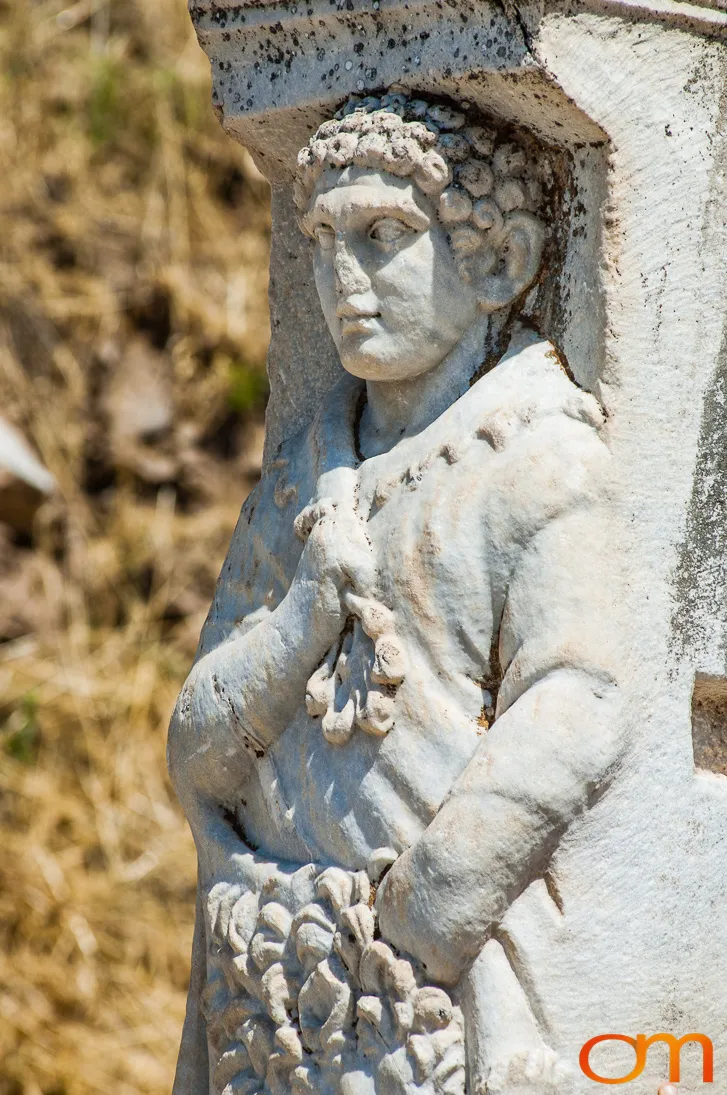
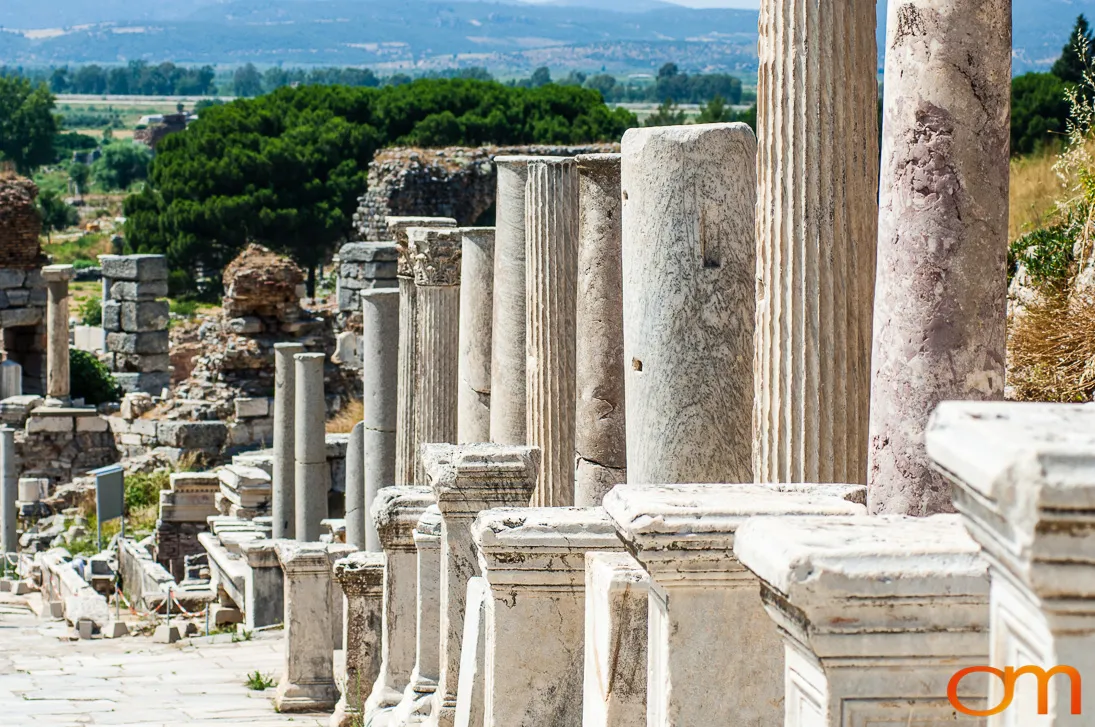
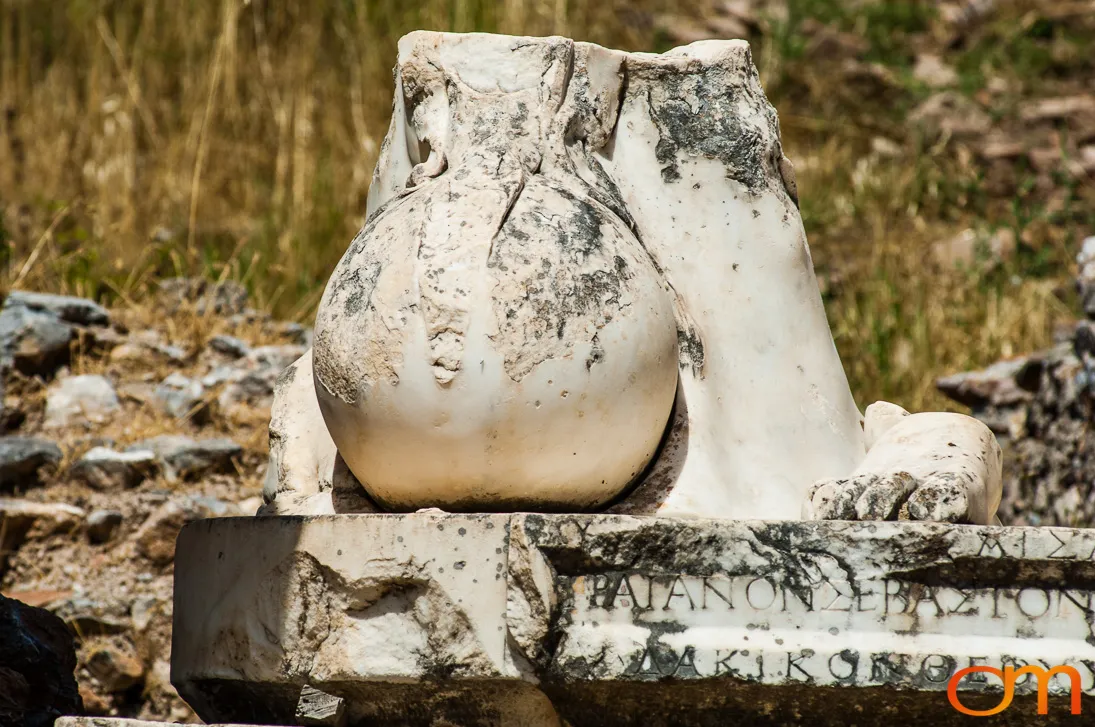
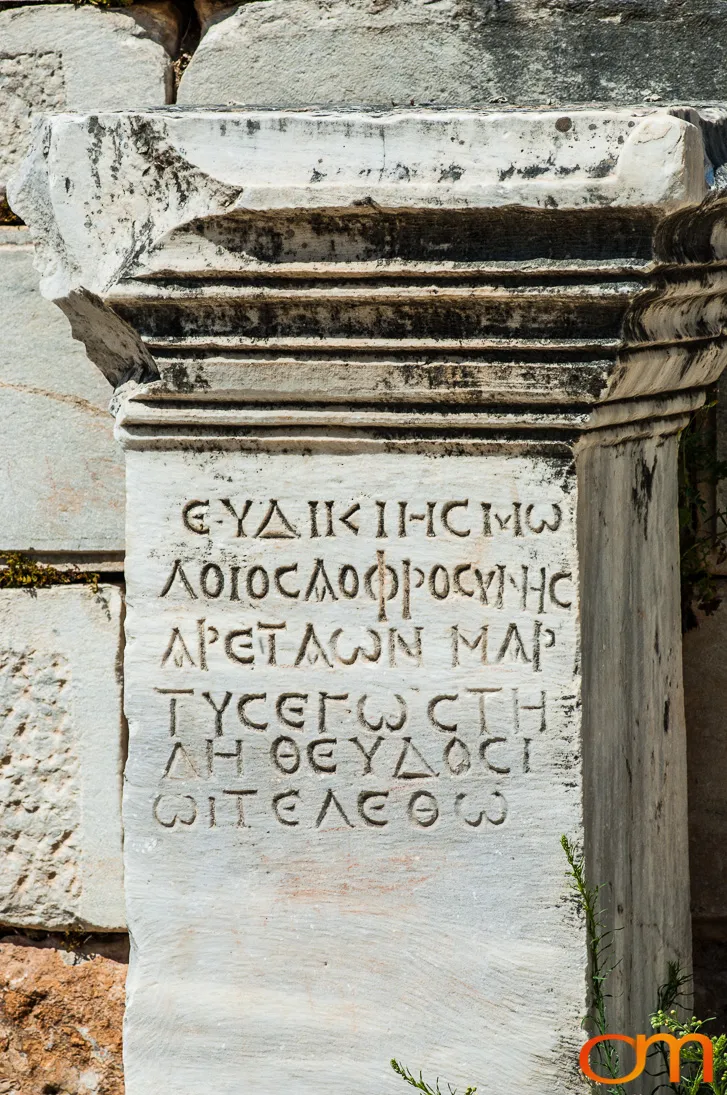
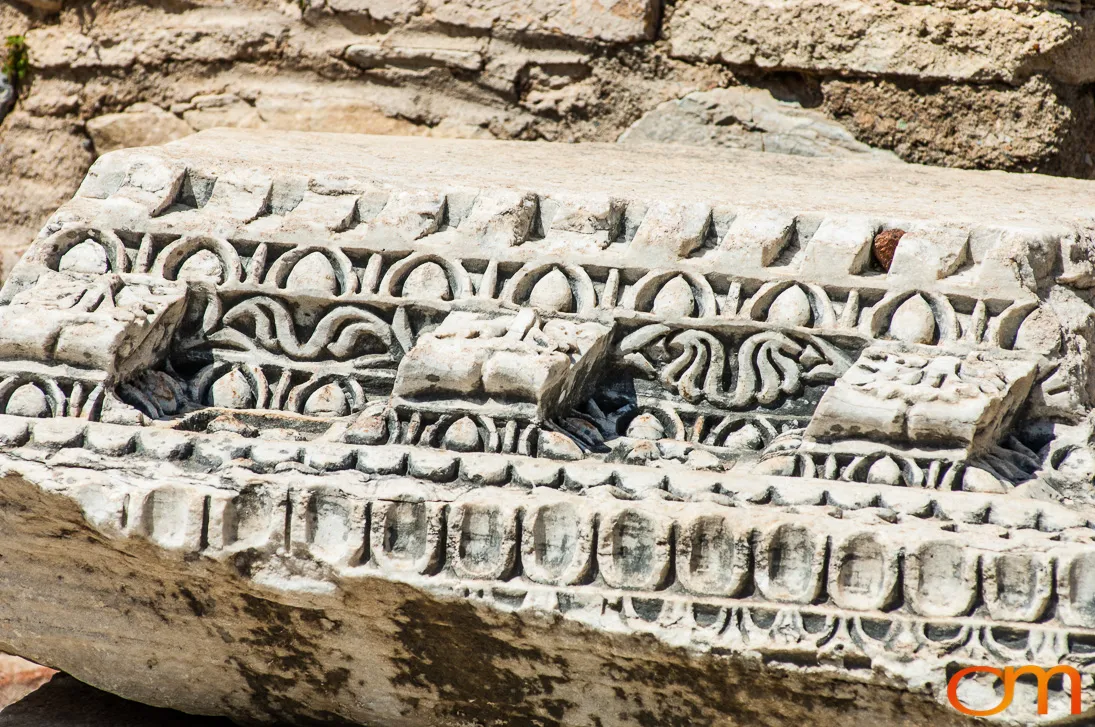
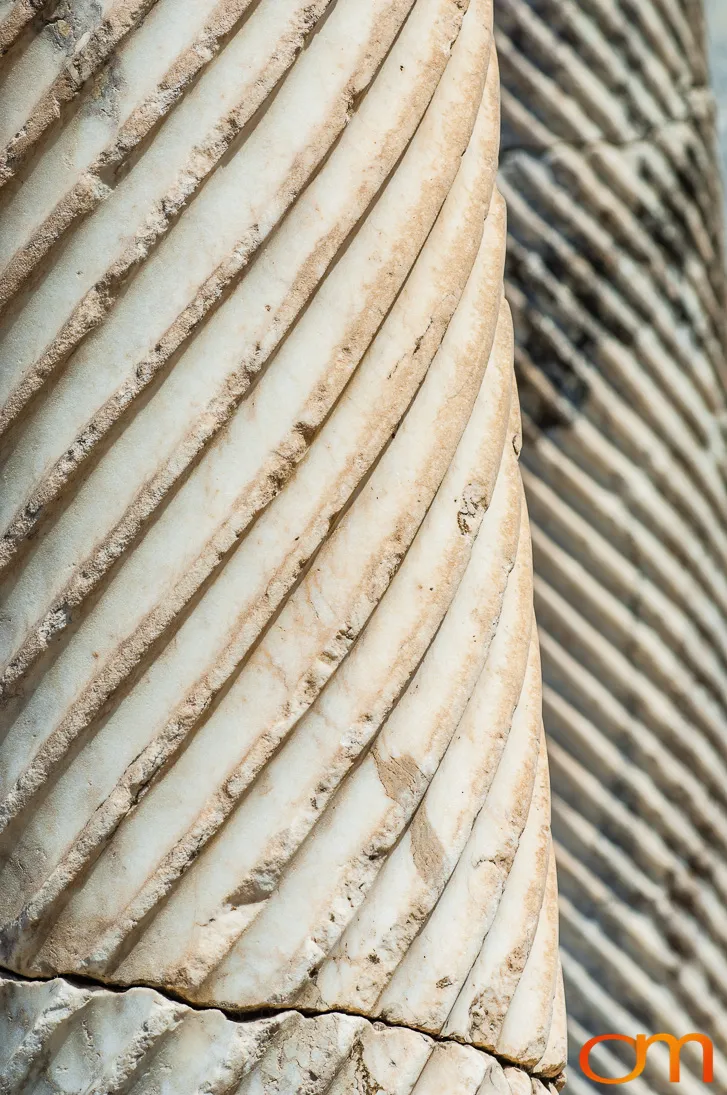
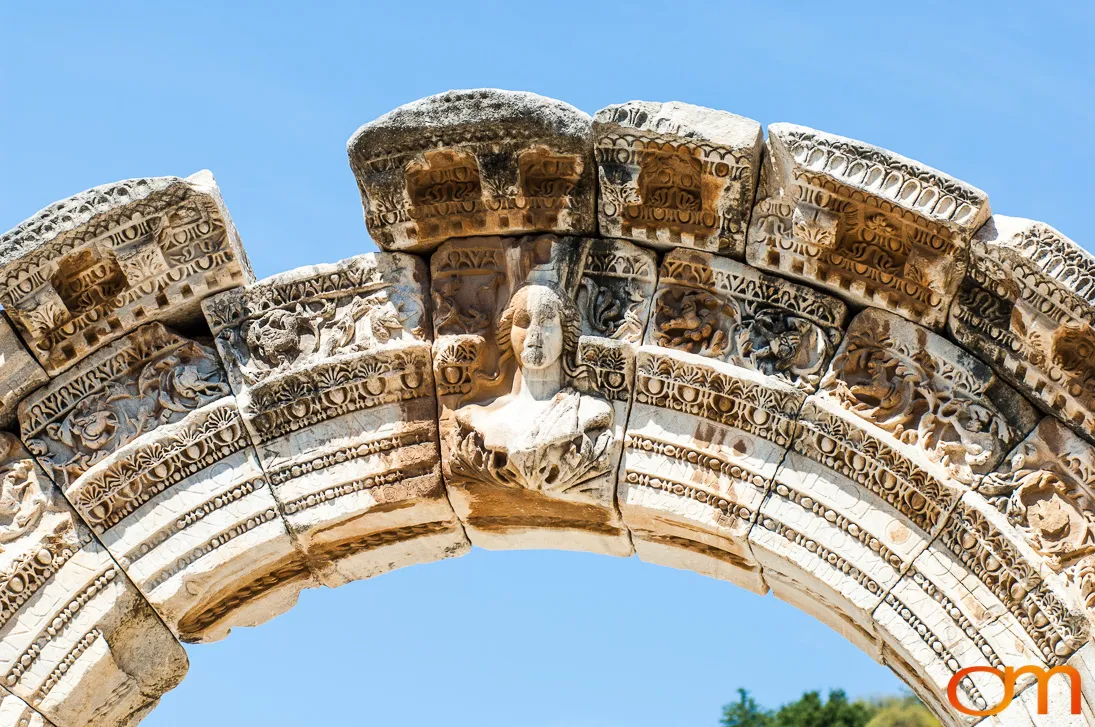
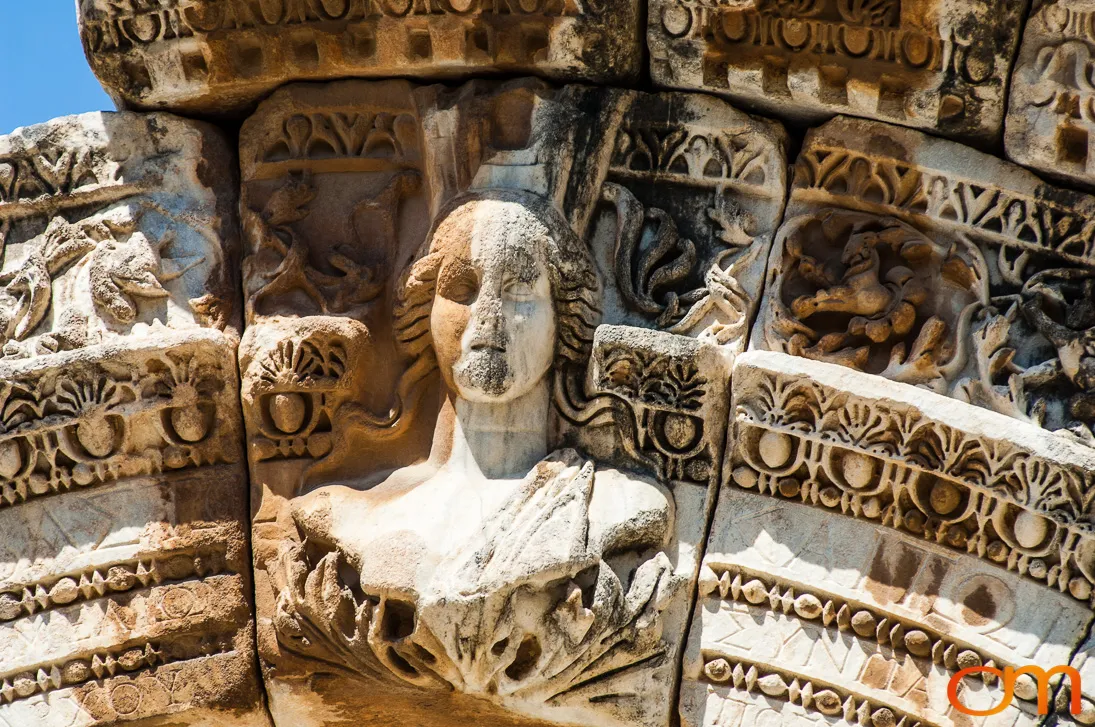
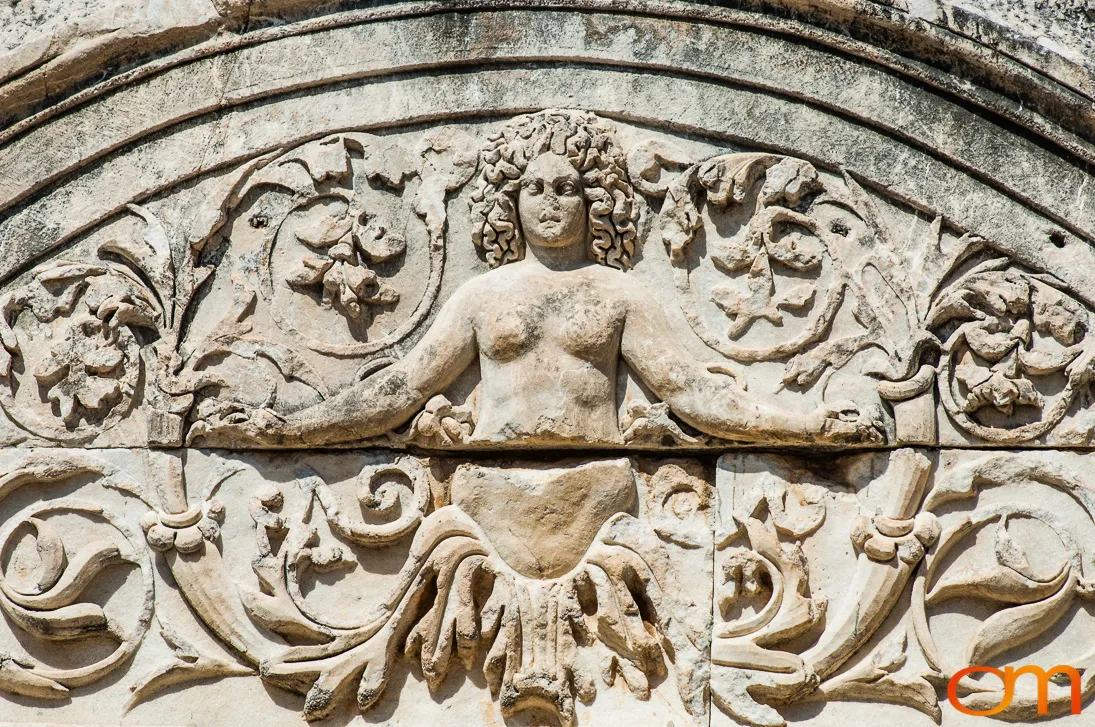
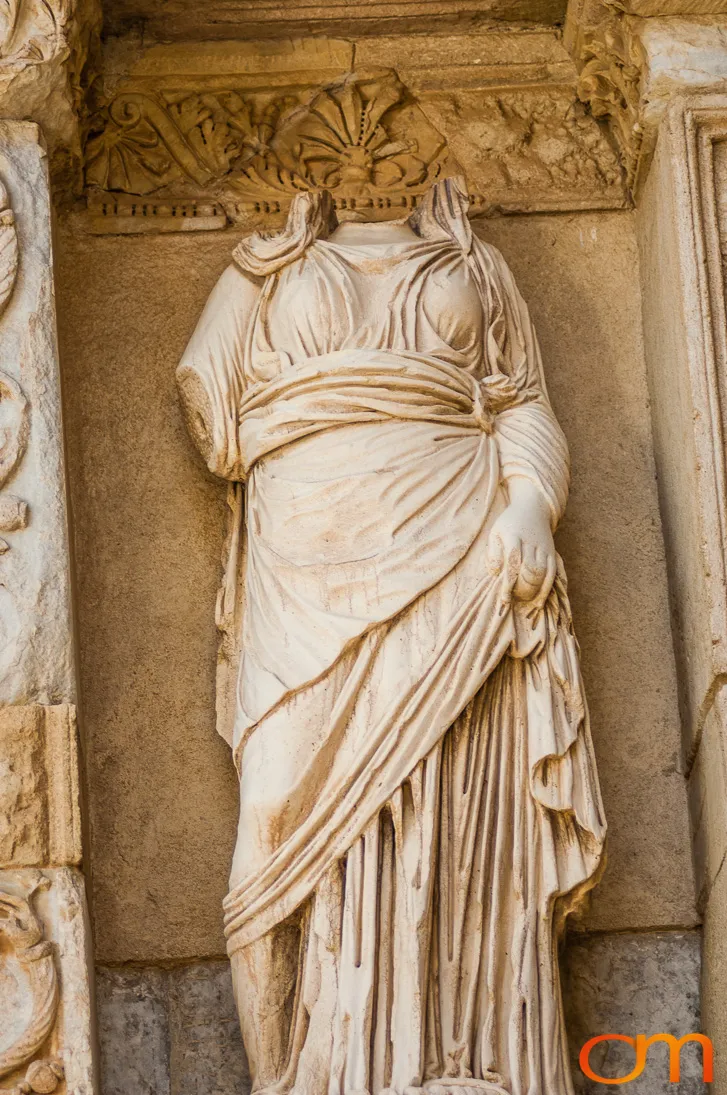
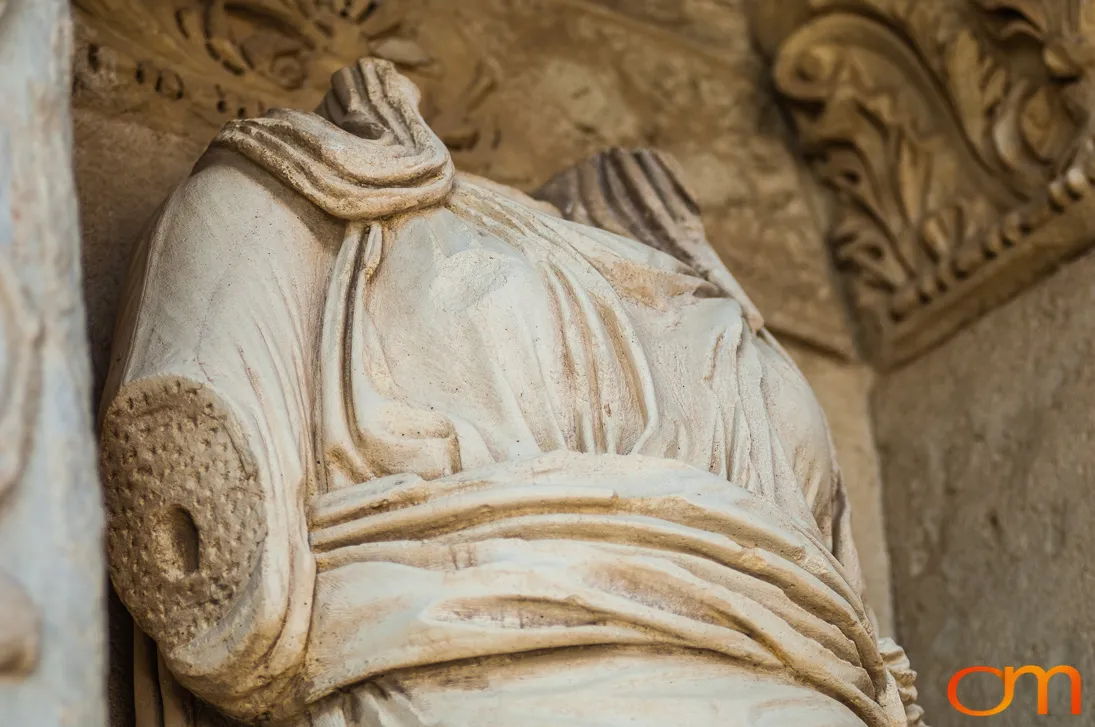
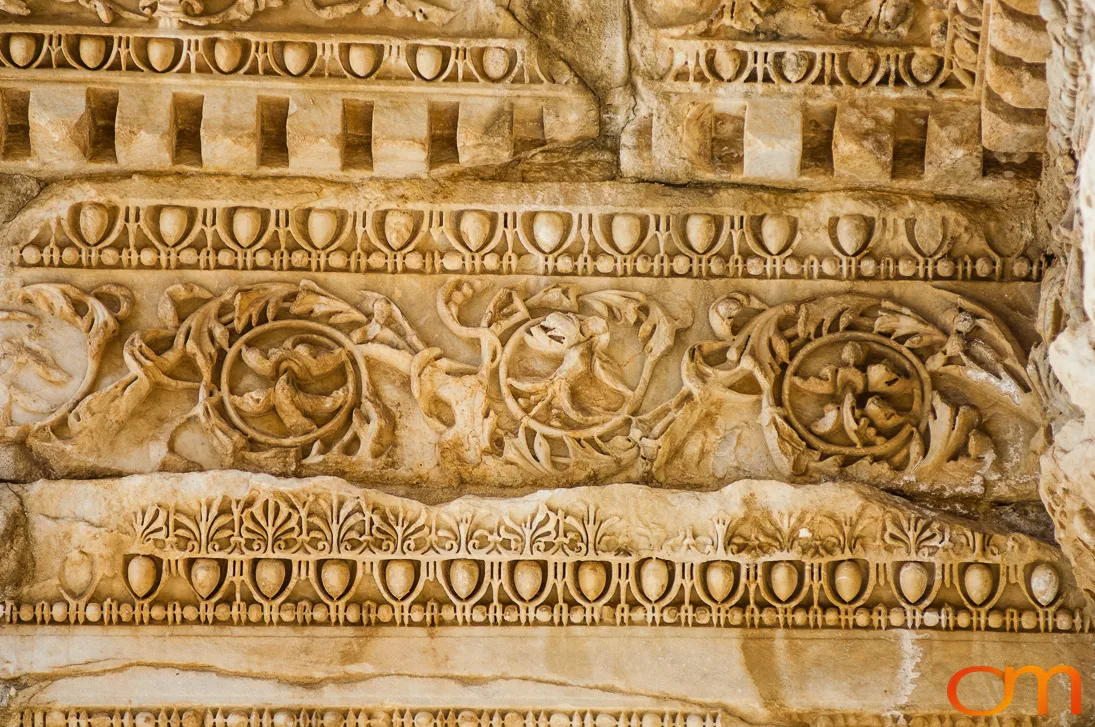
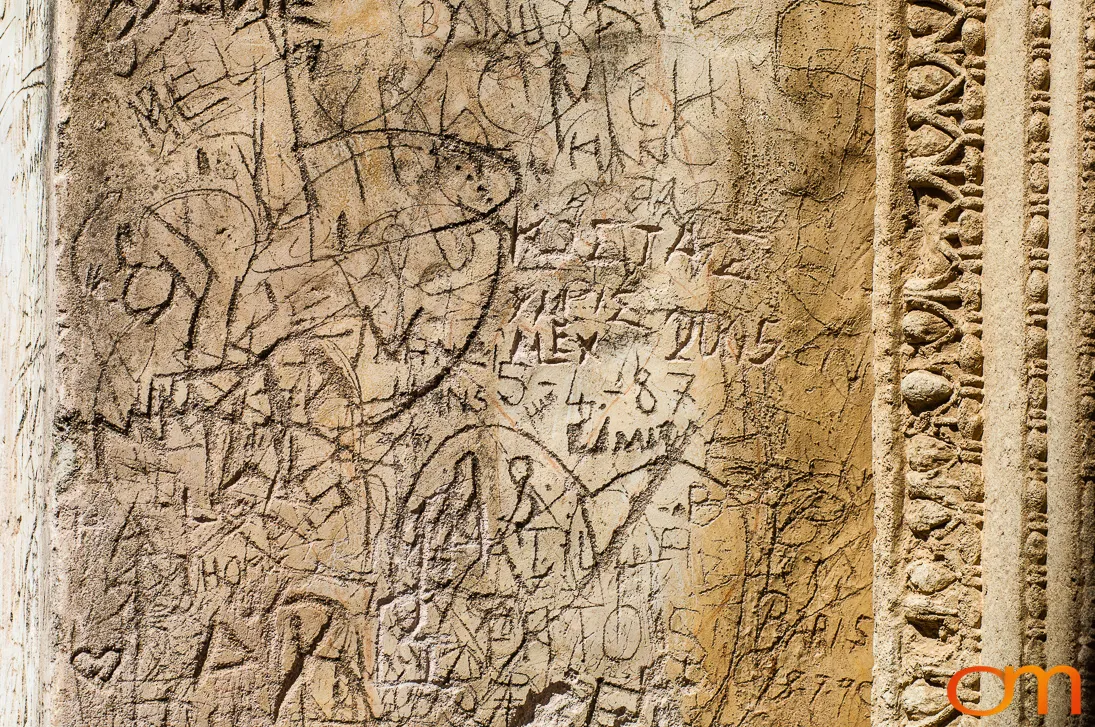
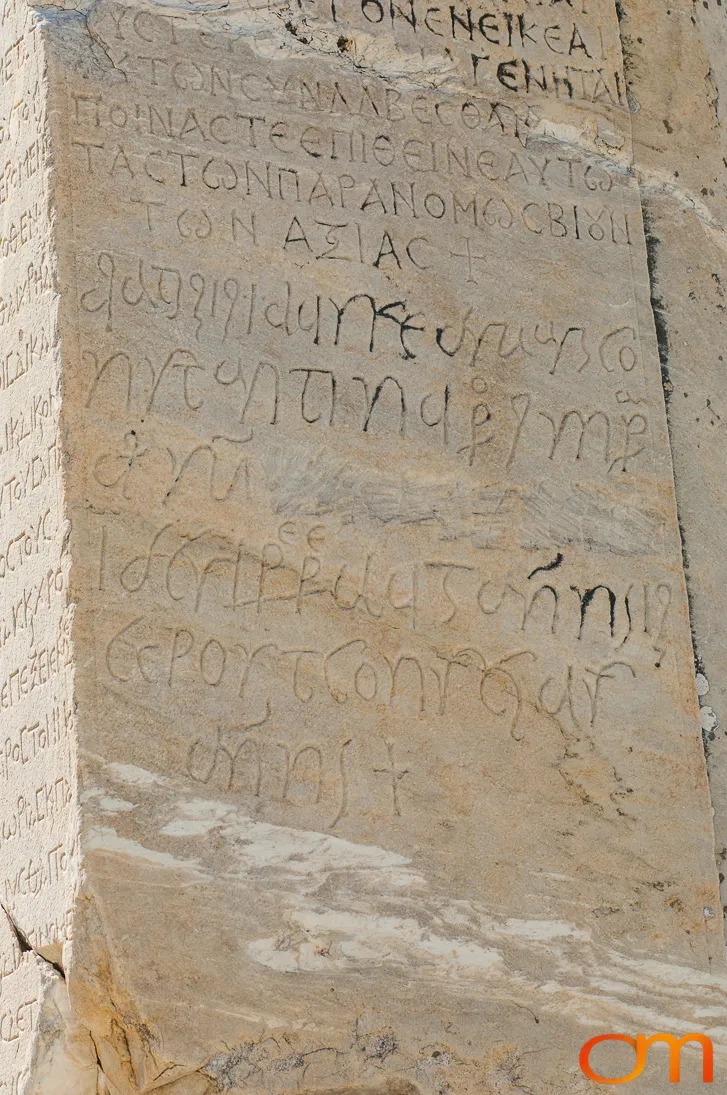
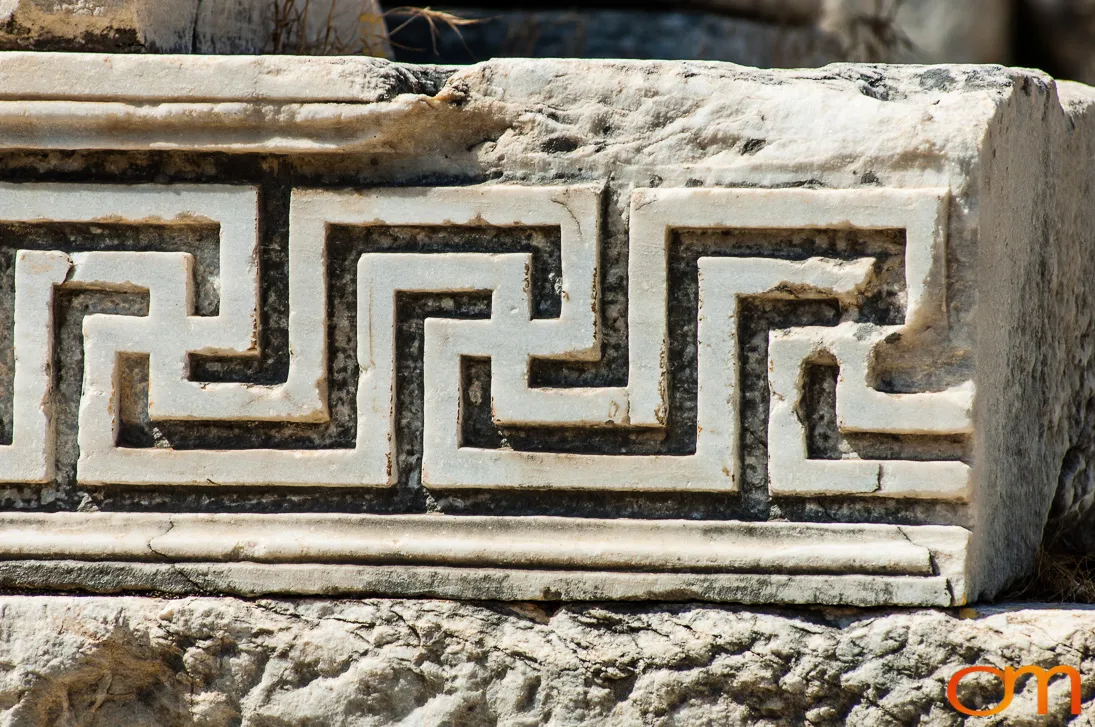
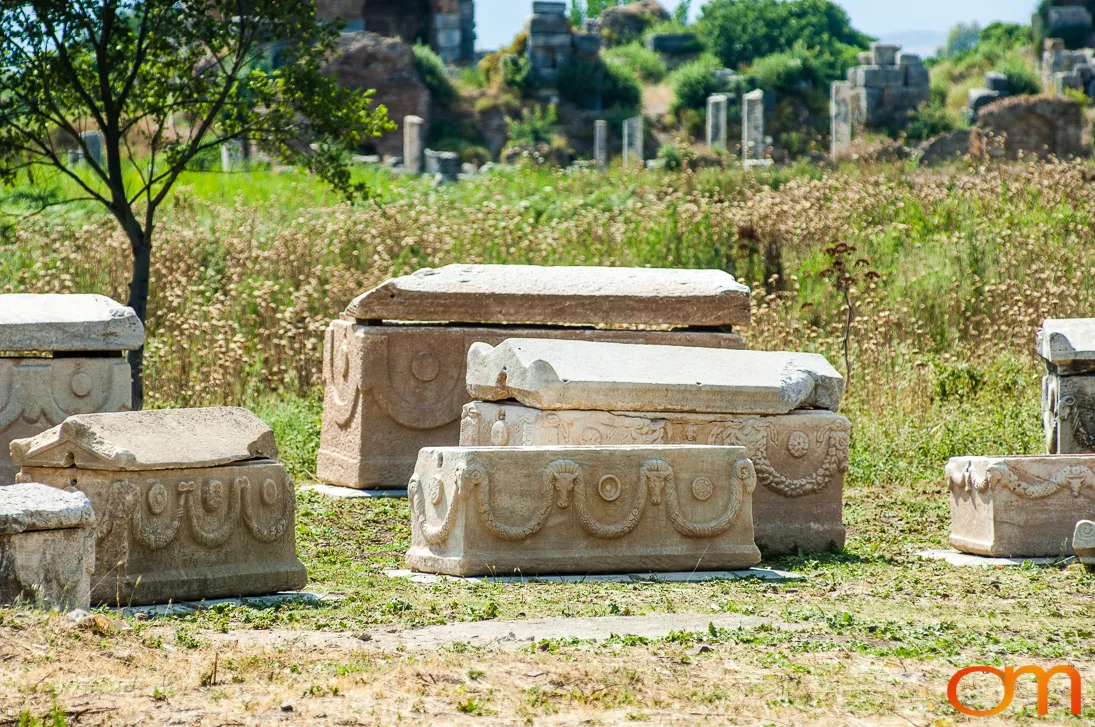
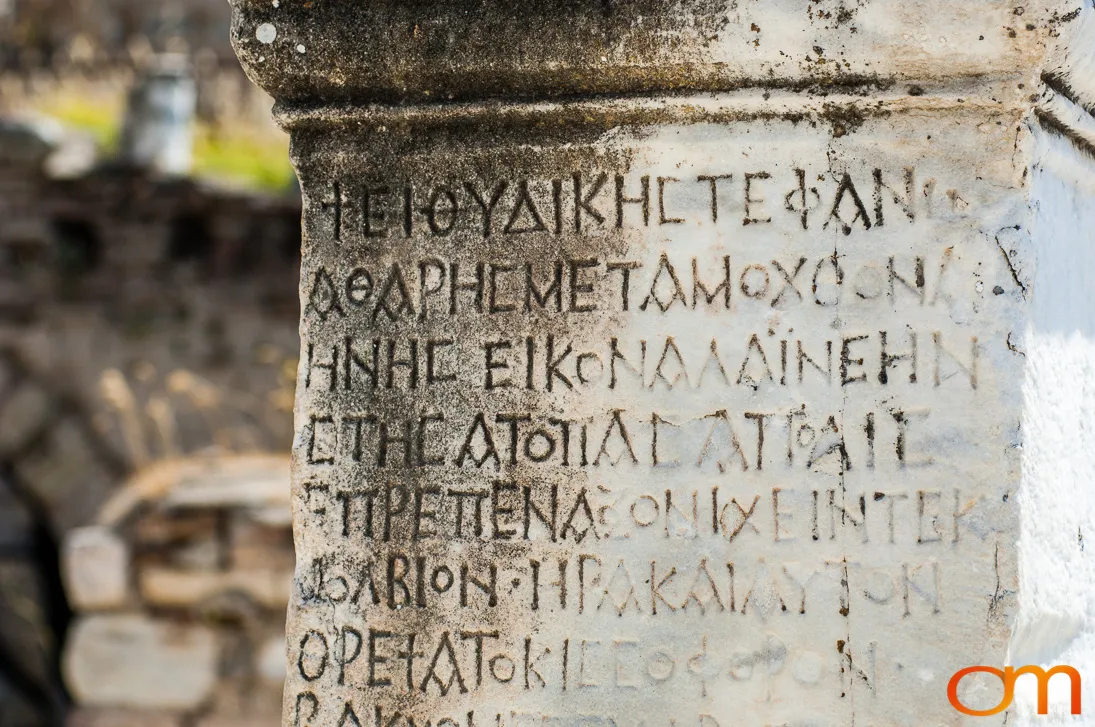
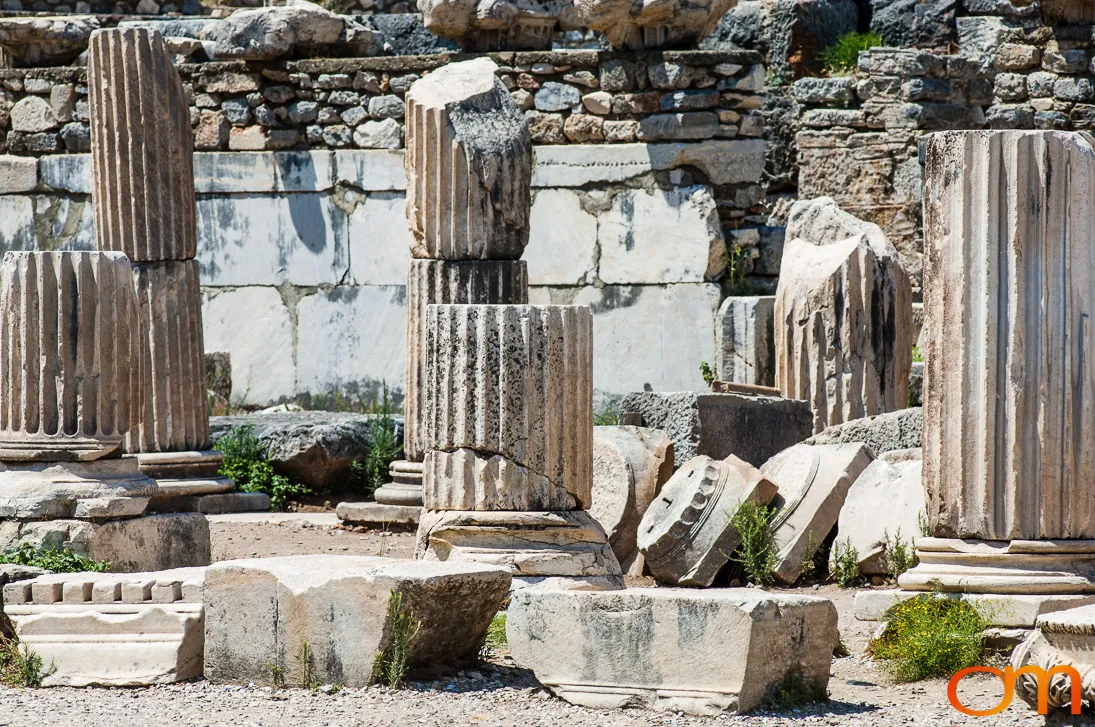
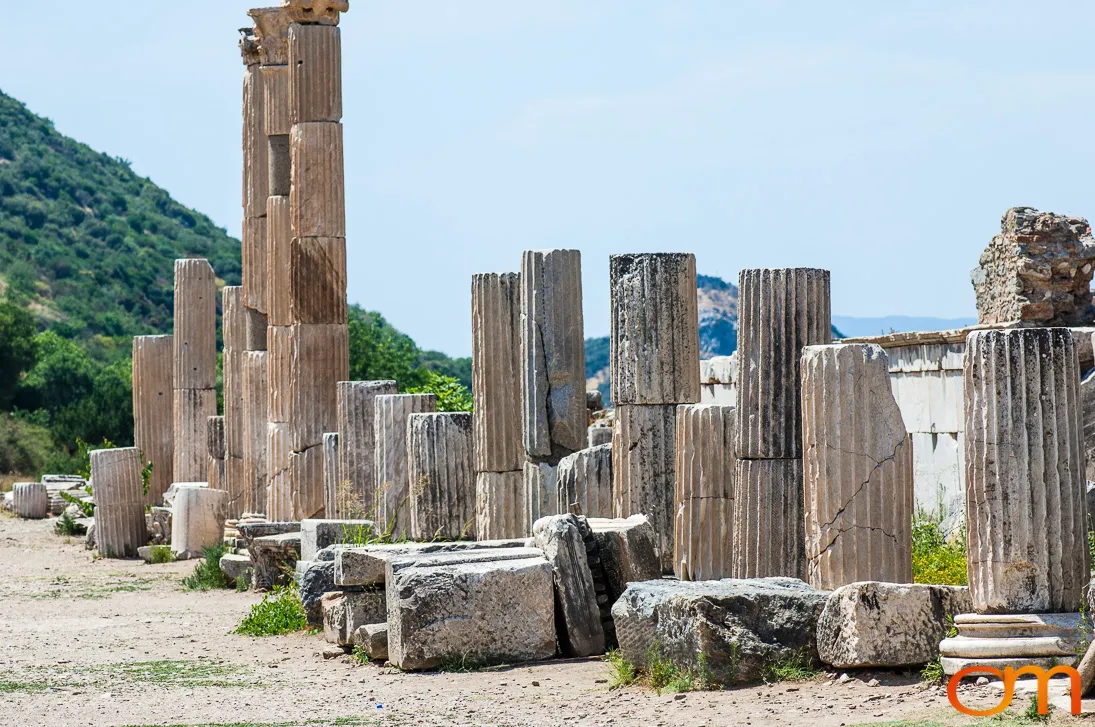
UNESCO inscribed Ephesus on the World Heritage List in 2015. The 2006 photographs document its marble columns, carved reliefs, inscriptions, theatre seating, public latrines, and dispersed architectural fragments.
Ephesus: A Hellenistic and Roman Metropolis

All Stories →

Fact check: Accuracy matters. If something looks incorrect, please suggest a correction.