Selçuk
White Storks Nesting in Selçuk
July 2006
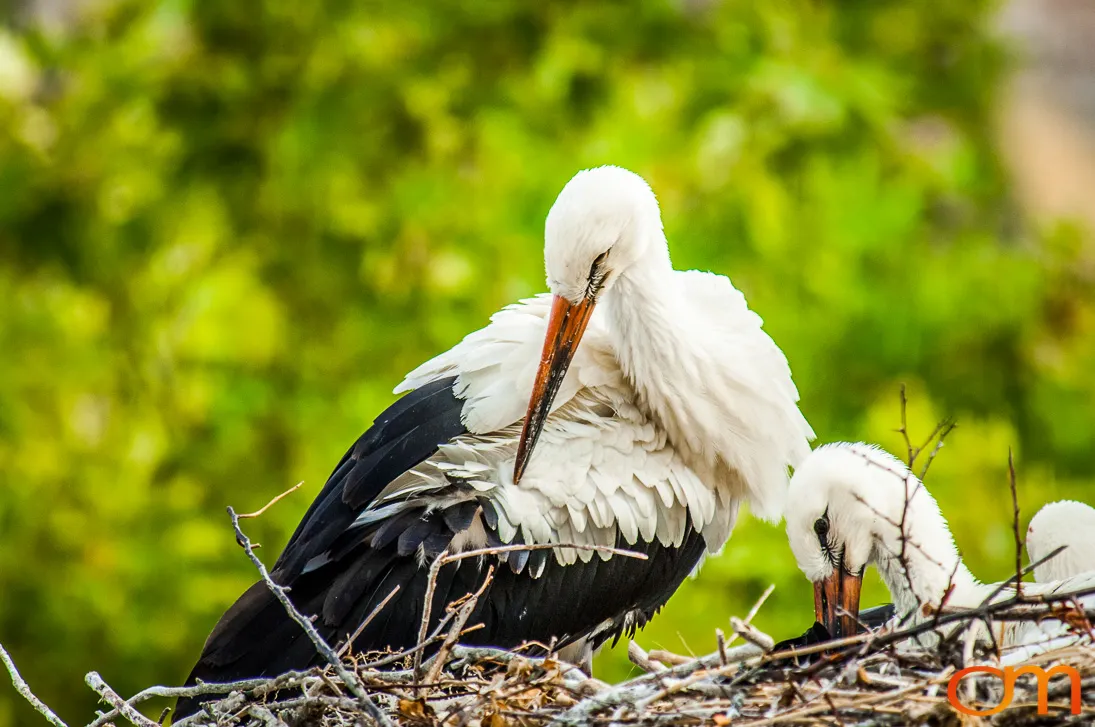
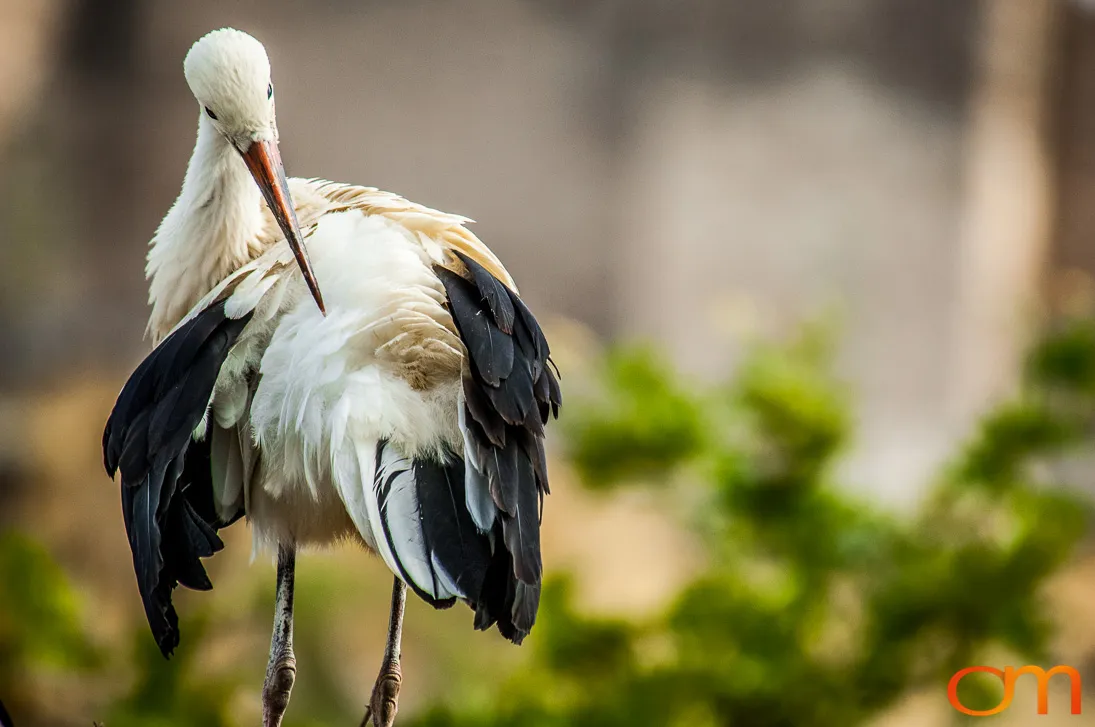
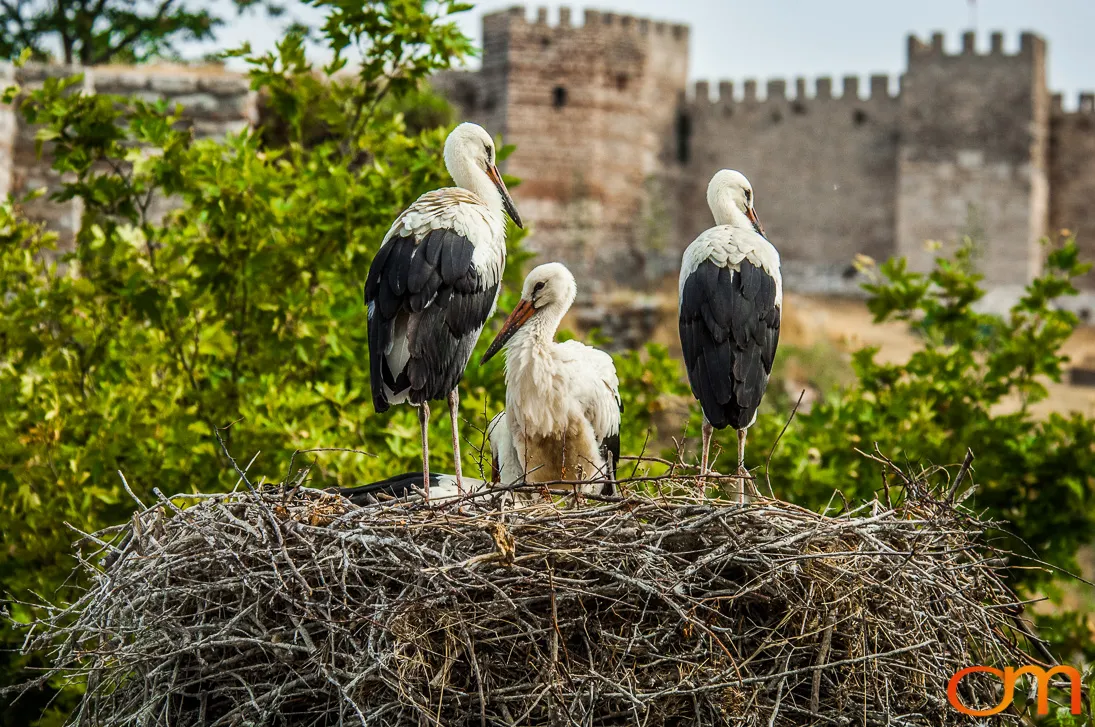
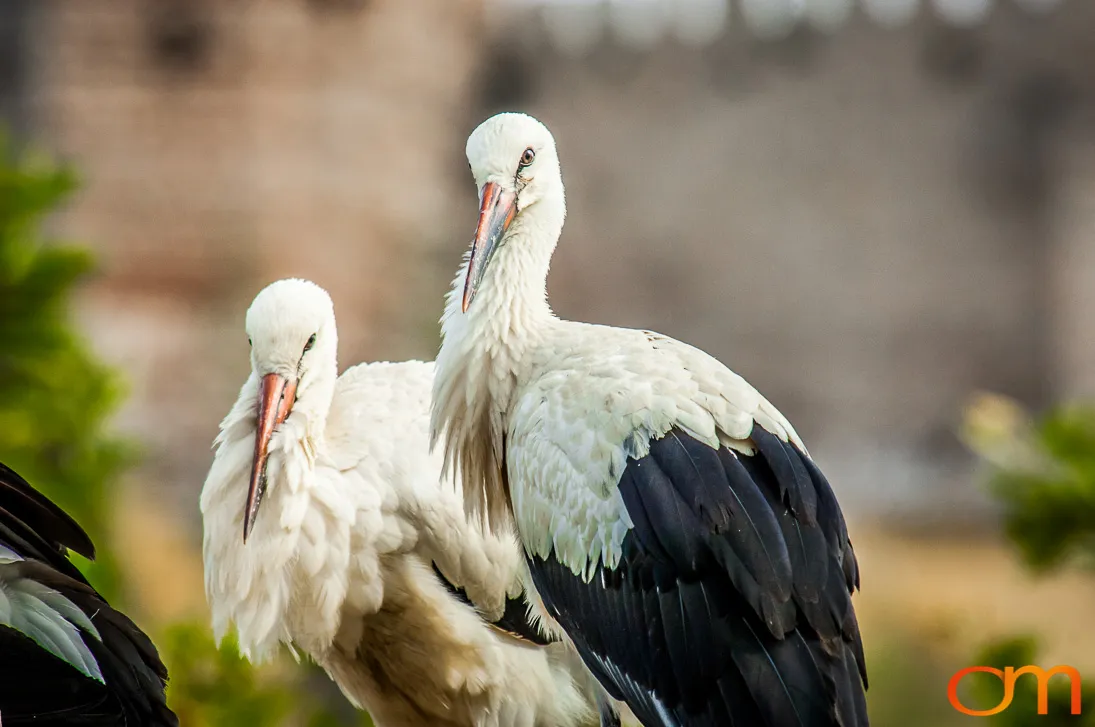
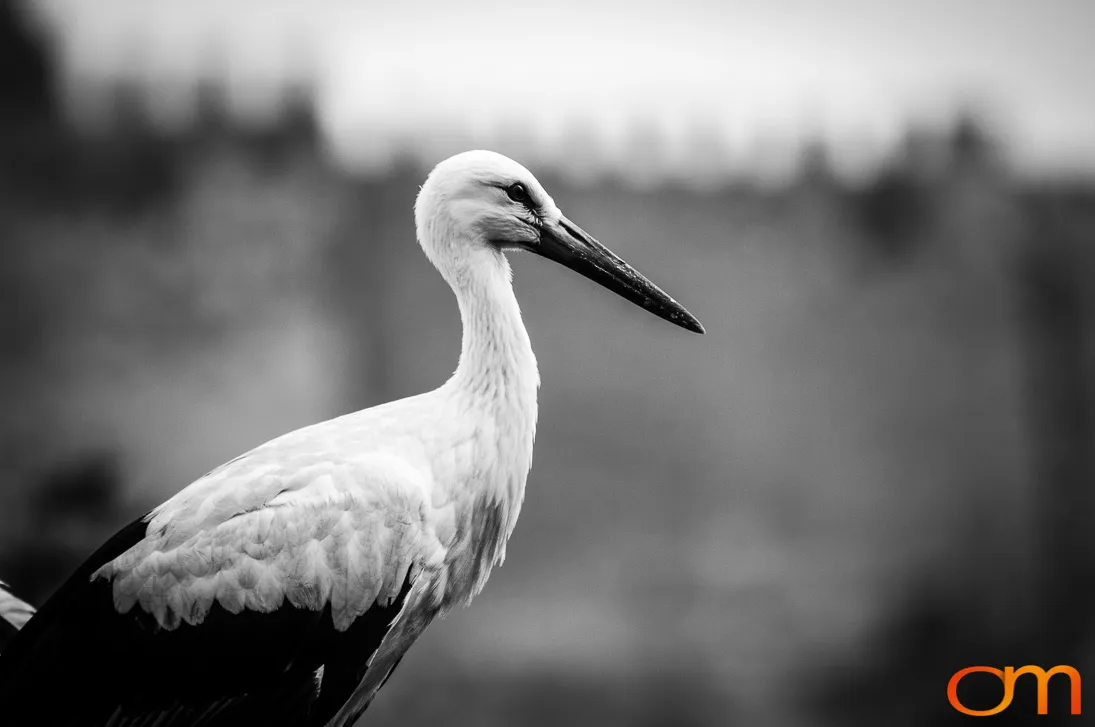
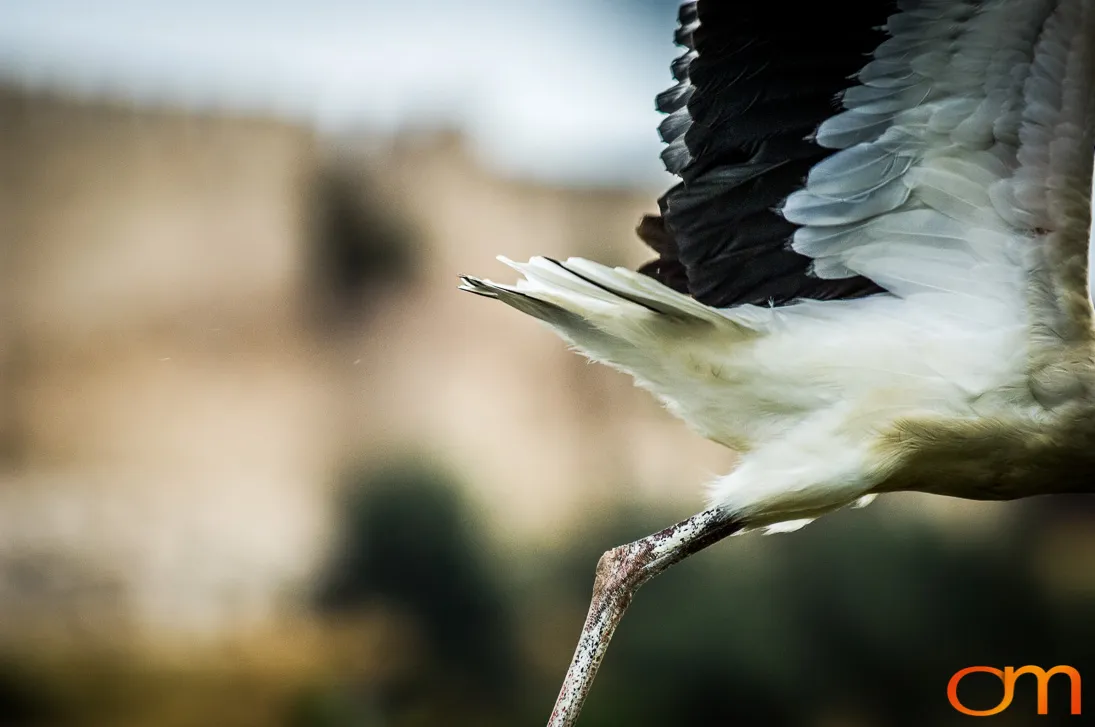
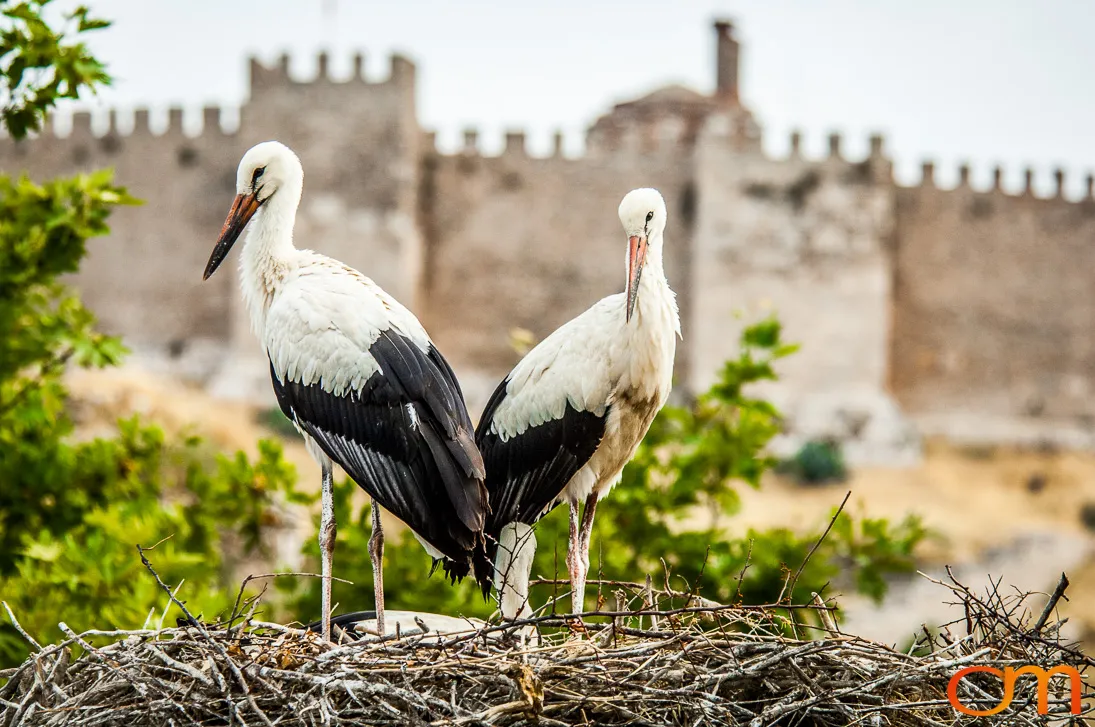
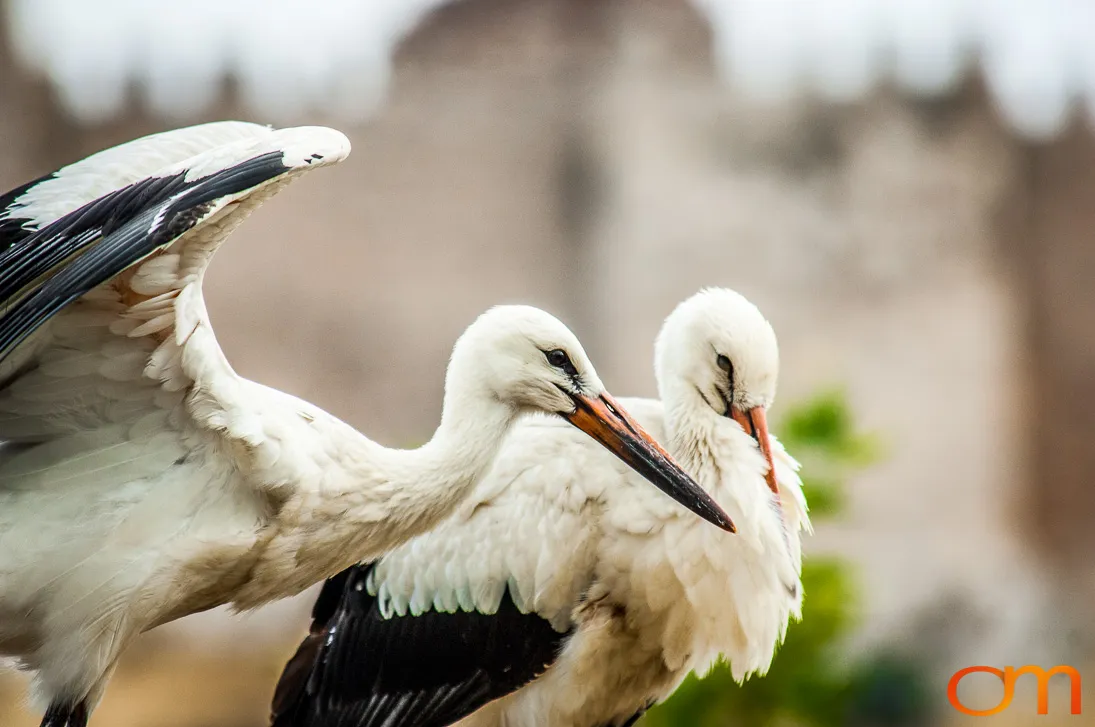
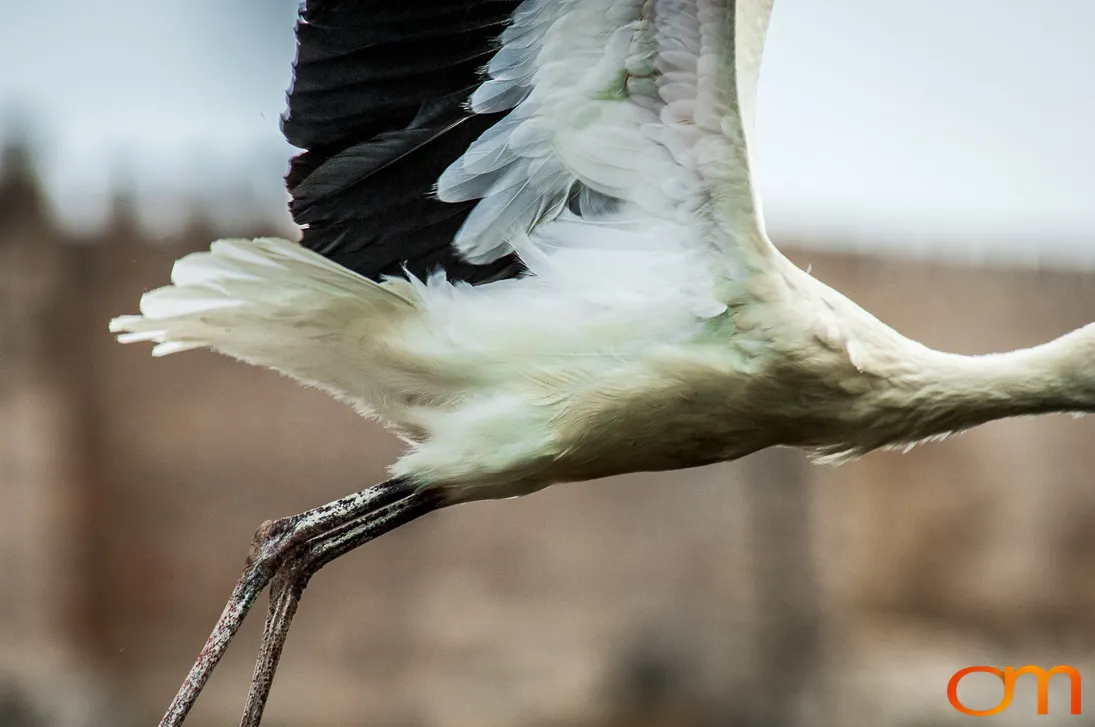
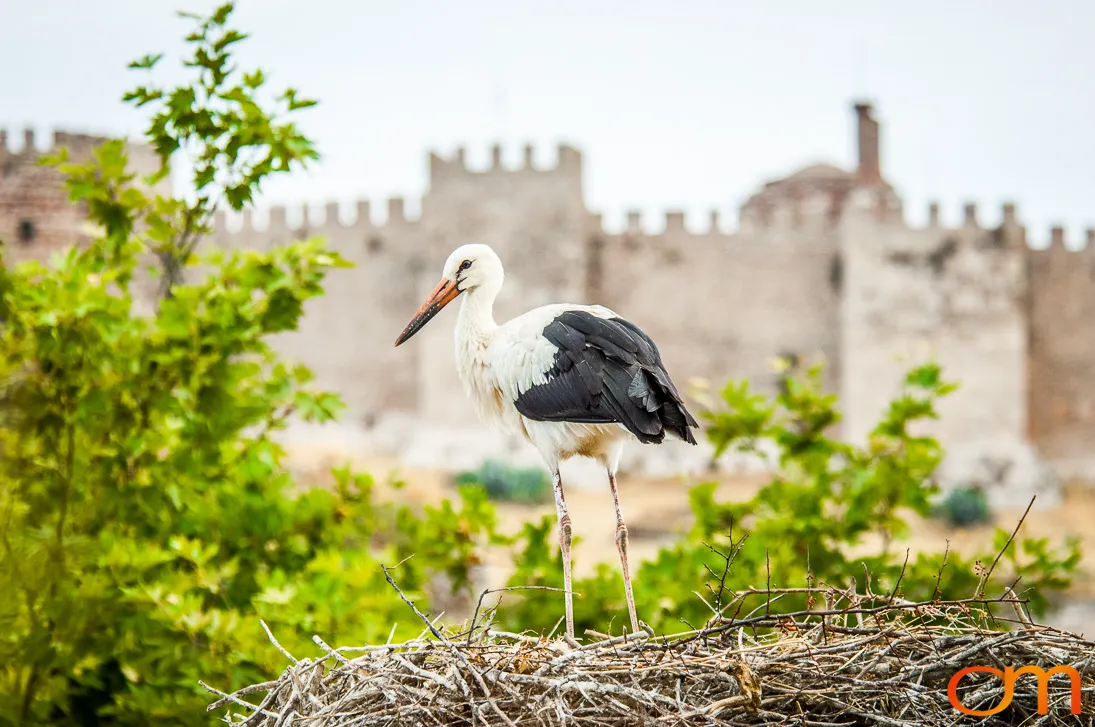
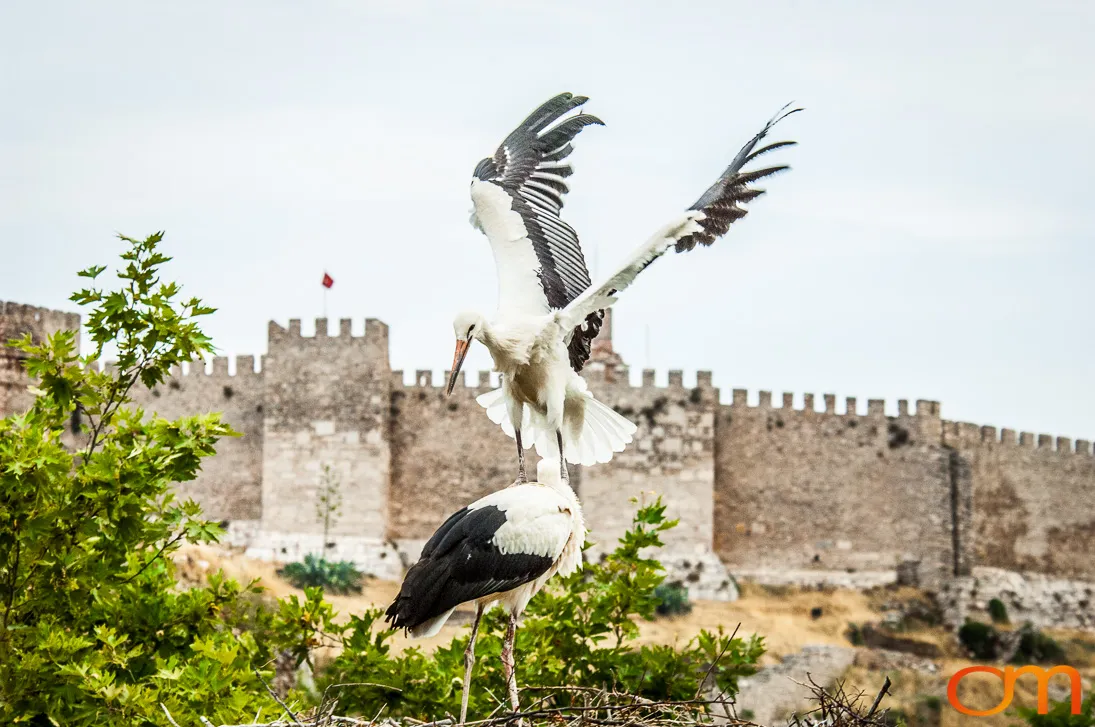
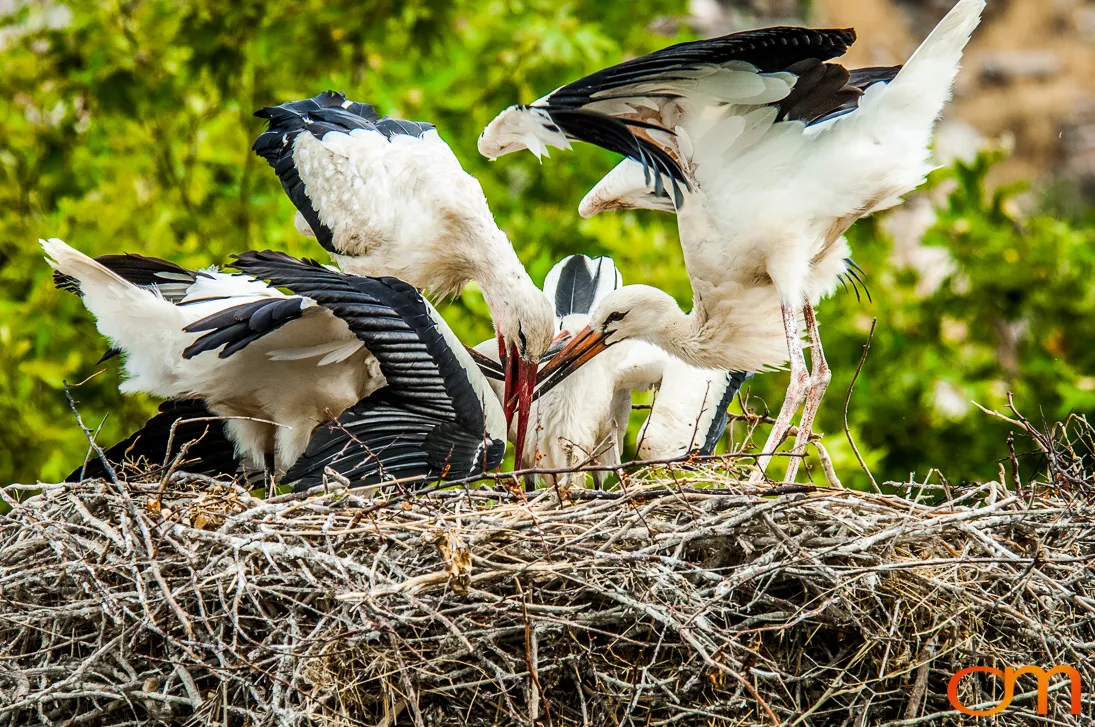
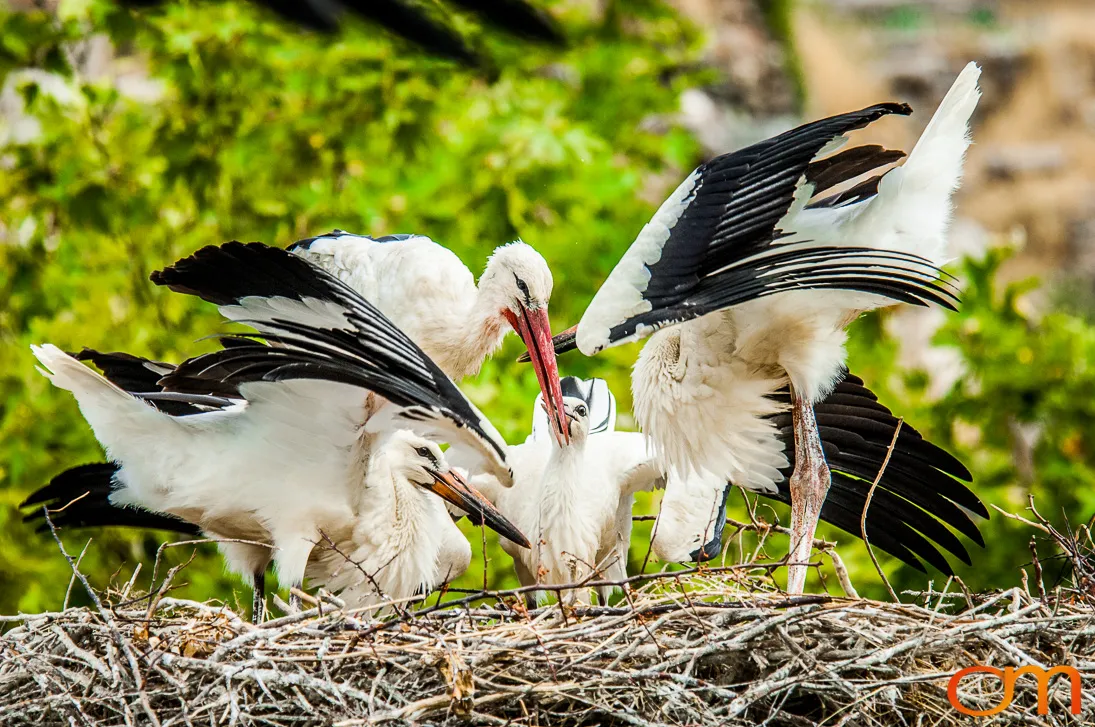
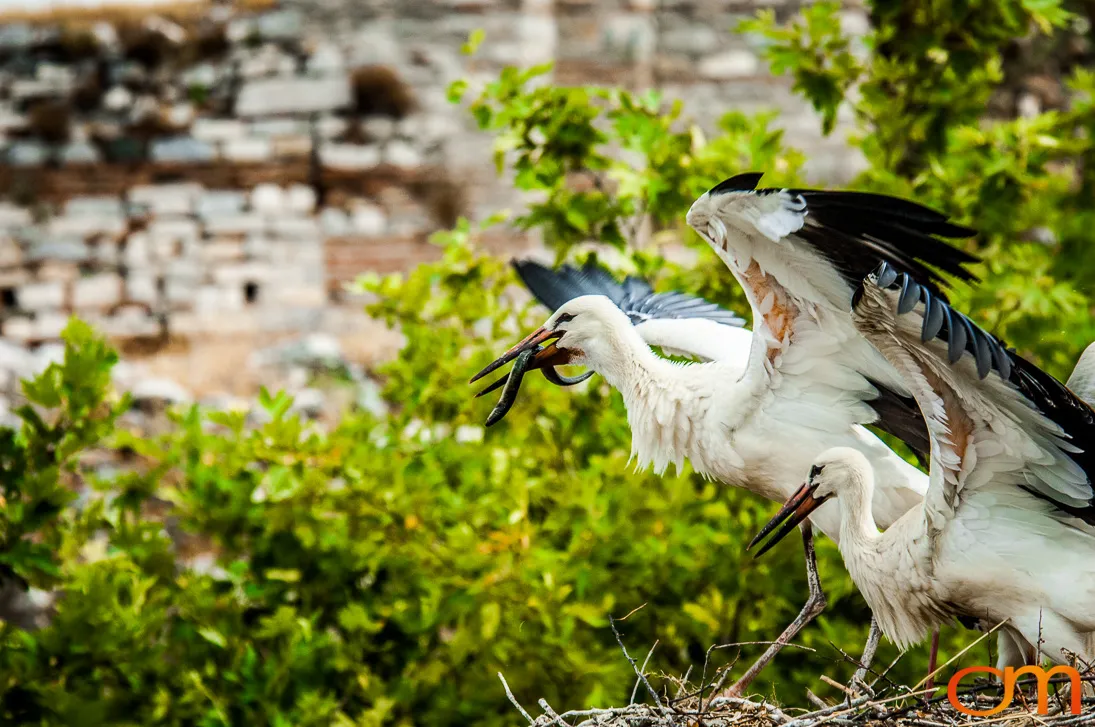
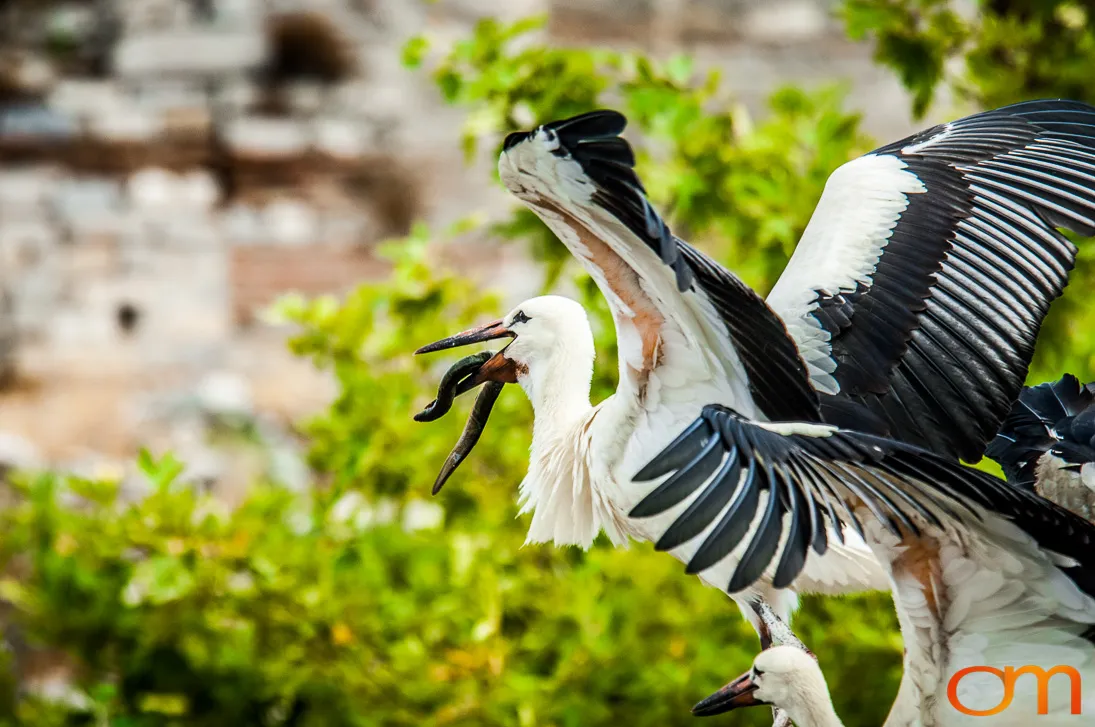
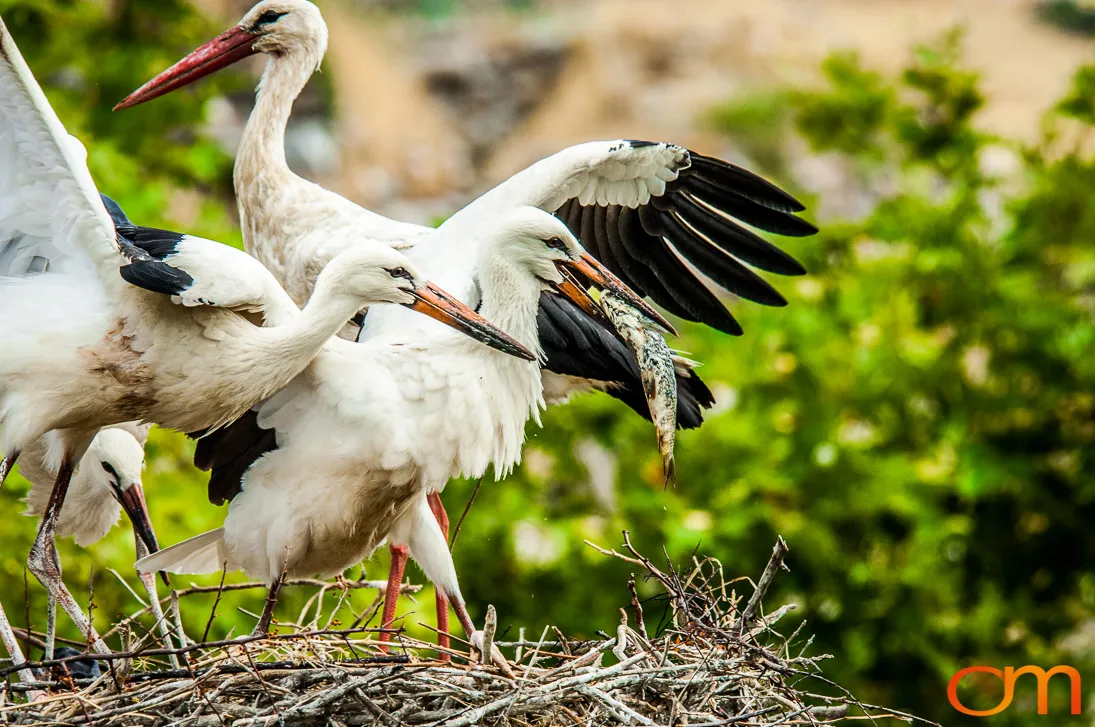
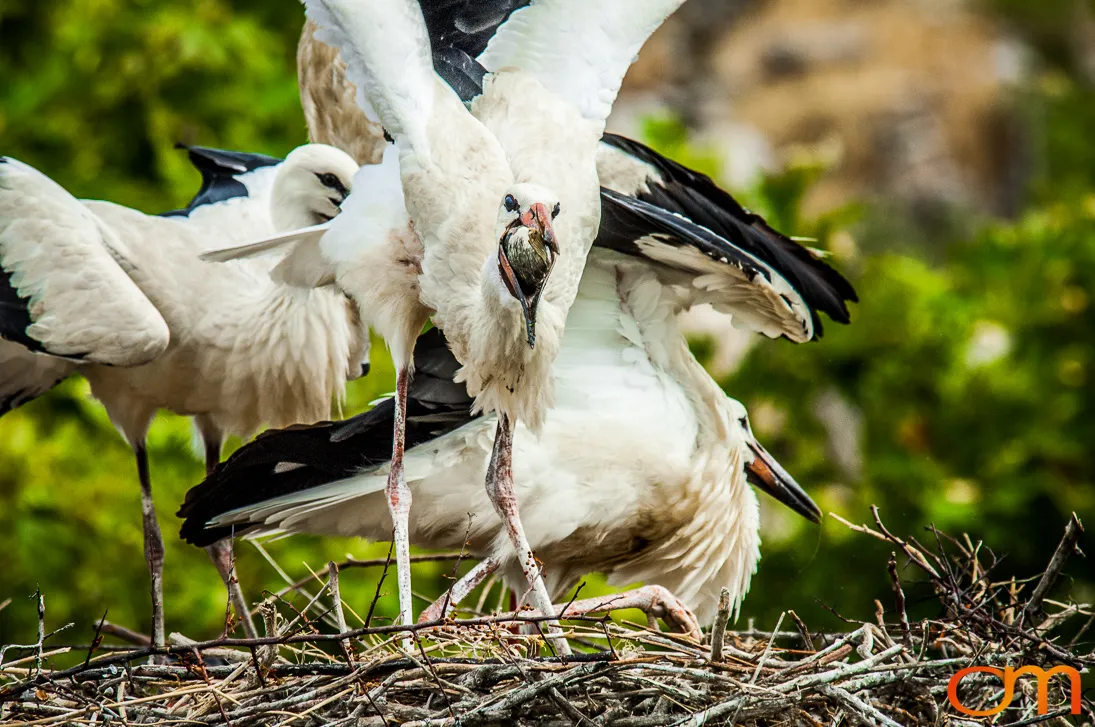
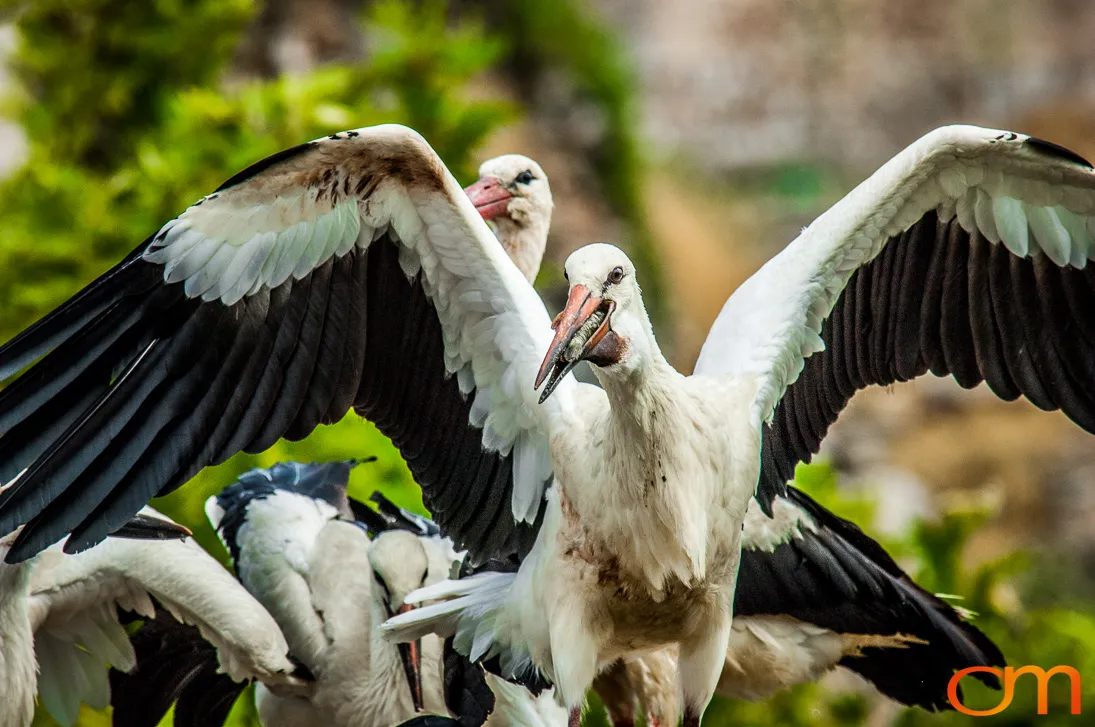
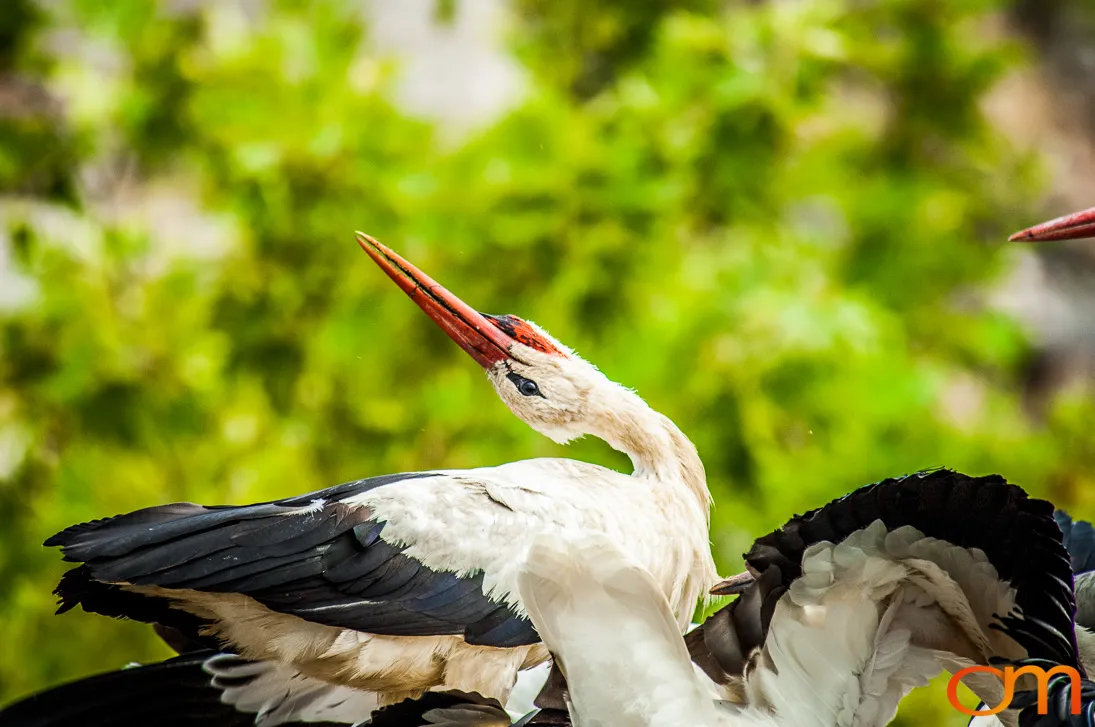
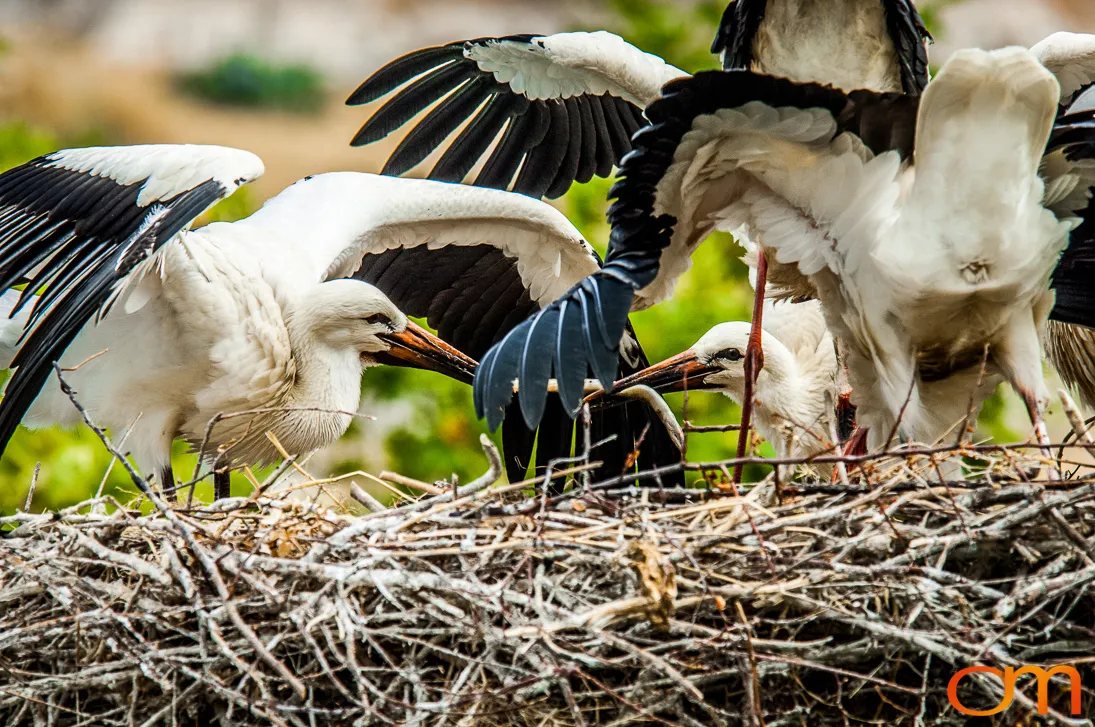
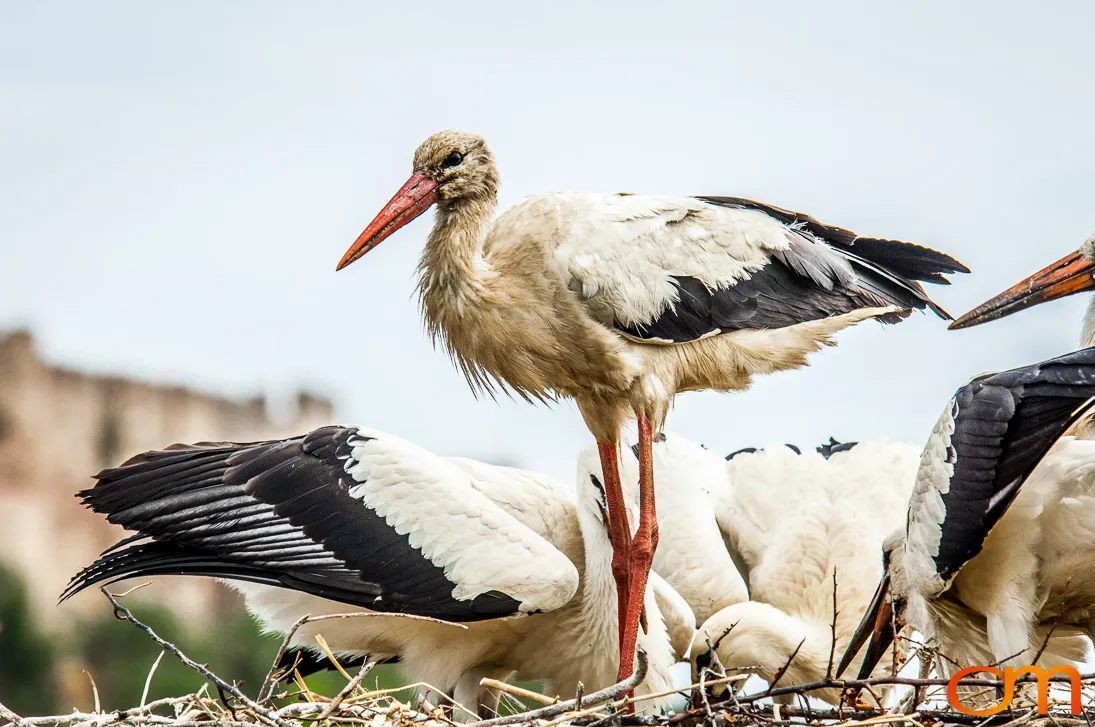
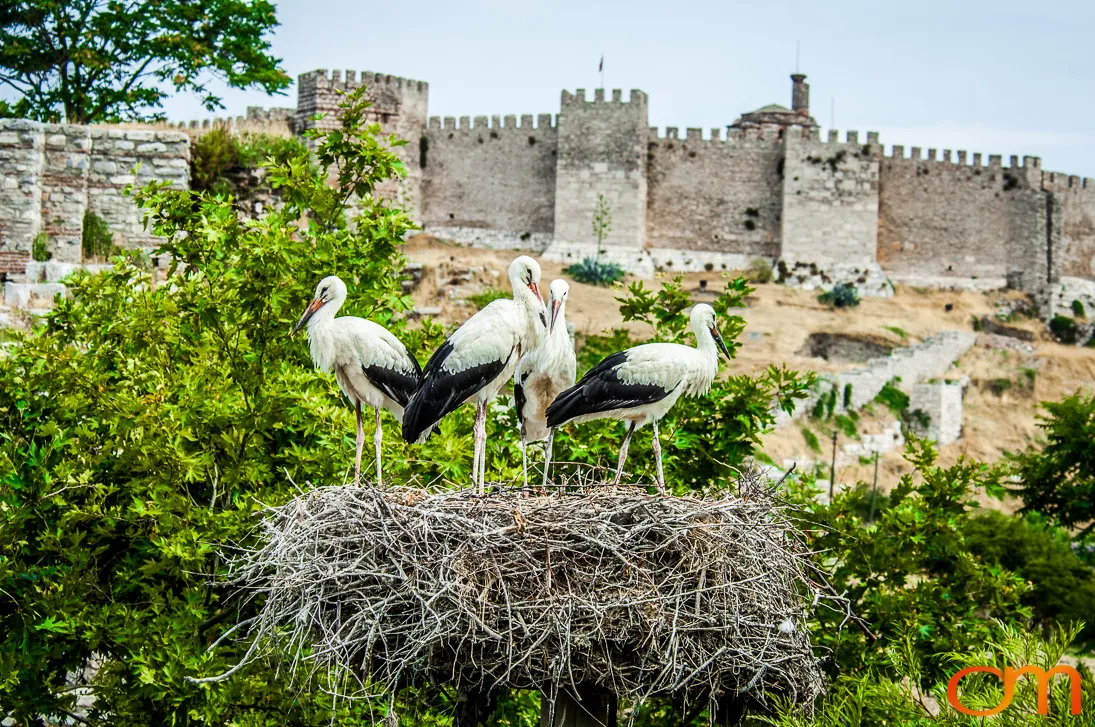
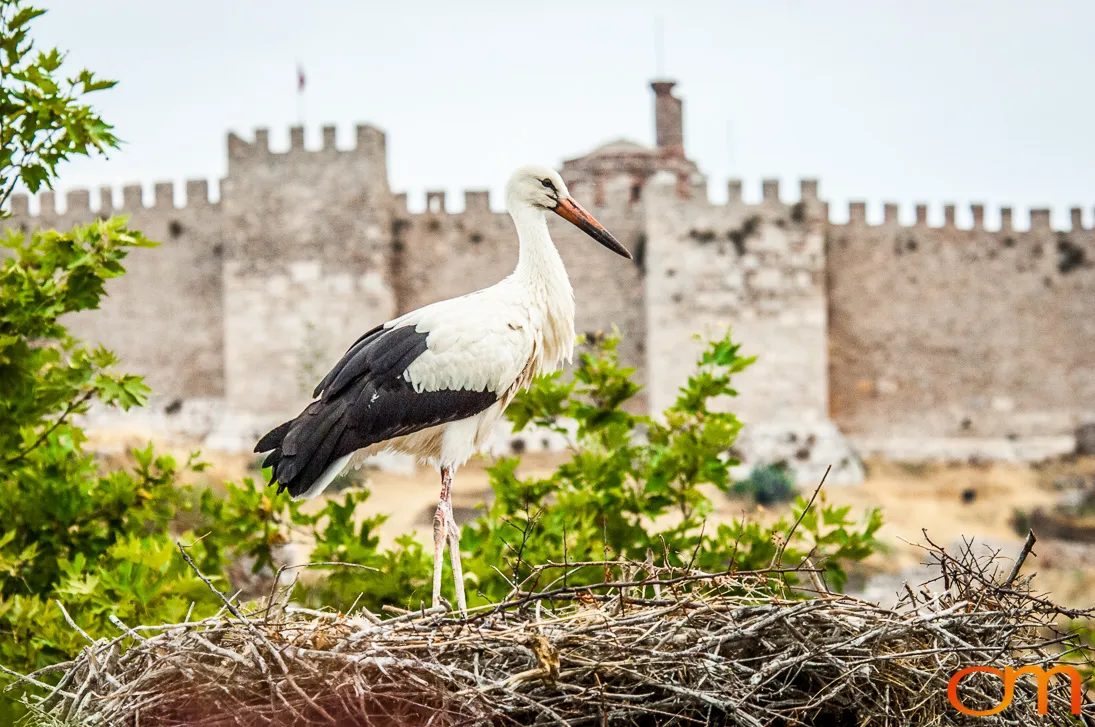
Selçuk, in İzmir Province near Türkiye’s Aegean coast, supports a long-established breeding population of white storks (Ciconia ciconia). These photographs, taken in 2006, document adults and young in a large stick nest, with the walls of Ayasuluk Castle behind them.
White storks feed in open farmland, grasslands, wetlands, and shallow water. They commonly build their nests in trees or on elevated human-made structures, including rooftops, chimneys, utility poles, and purpose-built nesting platforms. Pairs often return to the same breeding area and may reuse substantial nests over successive seasons. Both adults share responsibility for incubating the eggs and feeding the young.
The species may nest alone or in loose groups rather than following one fixed breeding pattern. Most populations are migratory, using rising columns of warm air to soar along predominantly land-based routes between Eurasian breeding areas and wintering grounds in Africa.
Developments Since the Photographs Were Taken
Beginning in 2010, researchers and municipal partners in Selçuk ringed hundreds of young storks to study their movements. Local conservation work has also included maintaining nests, installing safer nesting platforms, and removing plastic, cord, and other hazardous material. The white stork is now recognized as one of Selçuk’s symbols.