Ambae
Traditional Mat Weaving on Ambae
December 2006
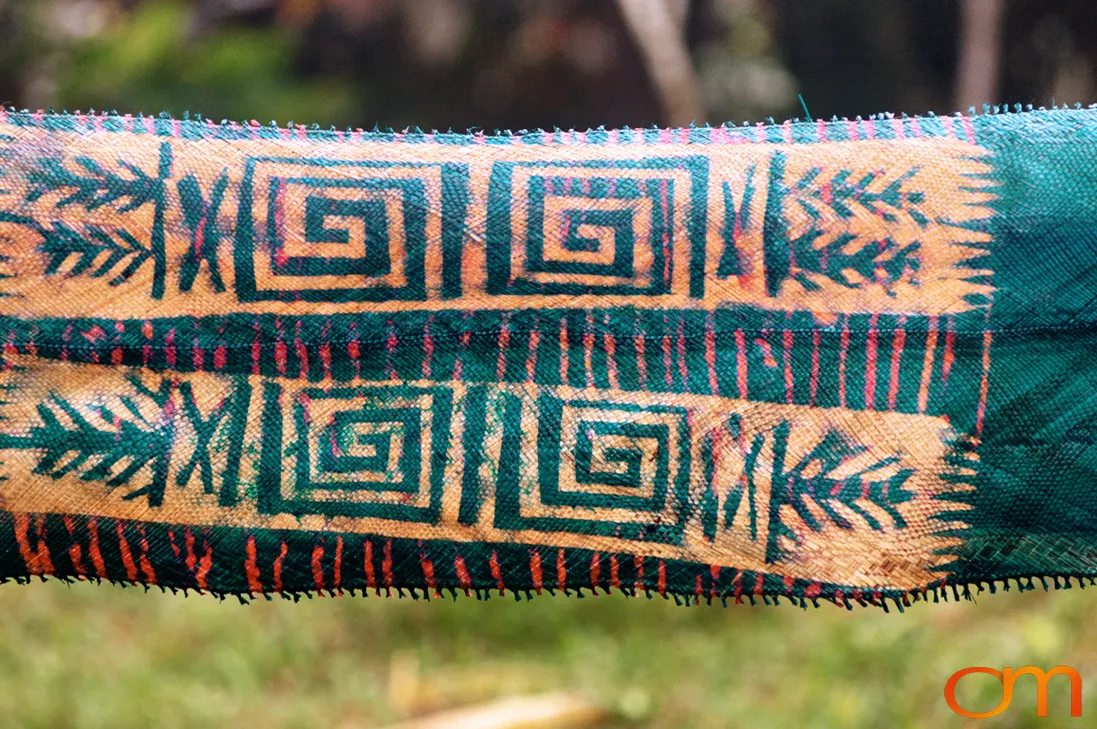
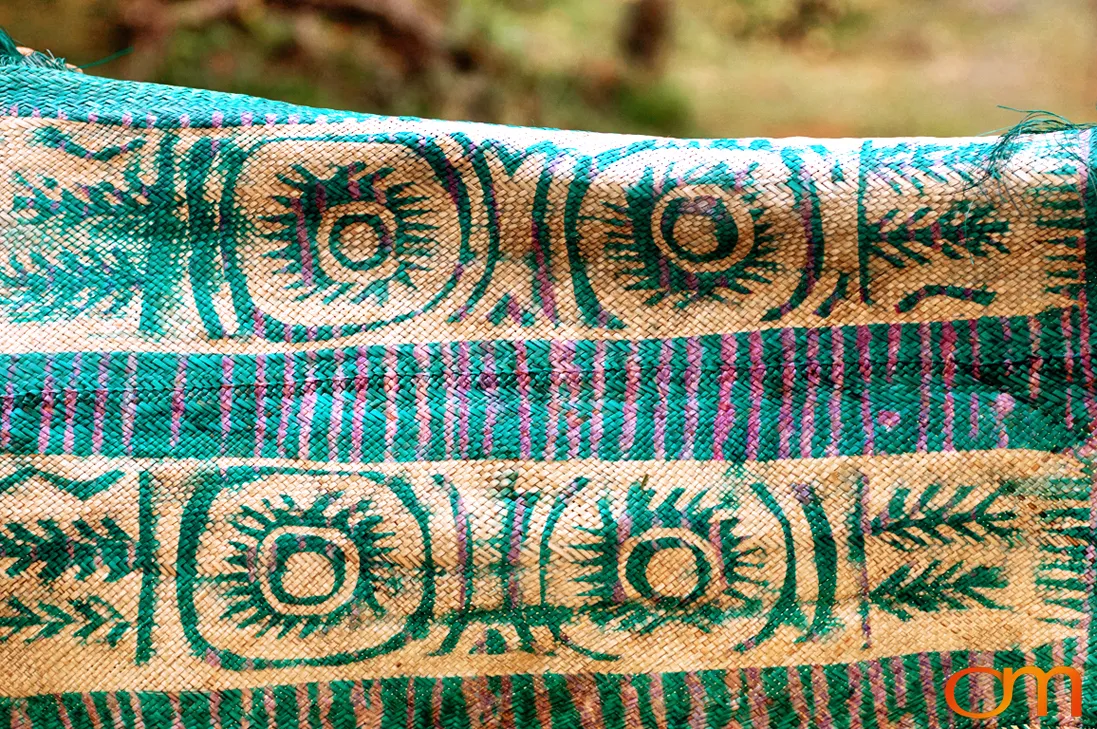
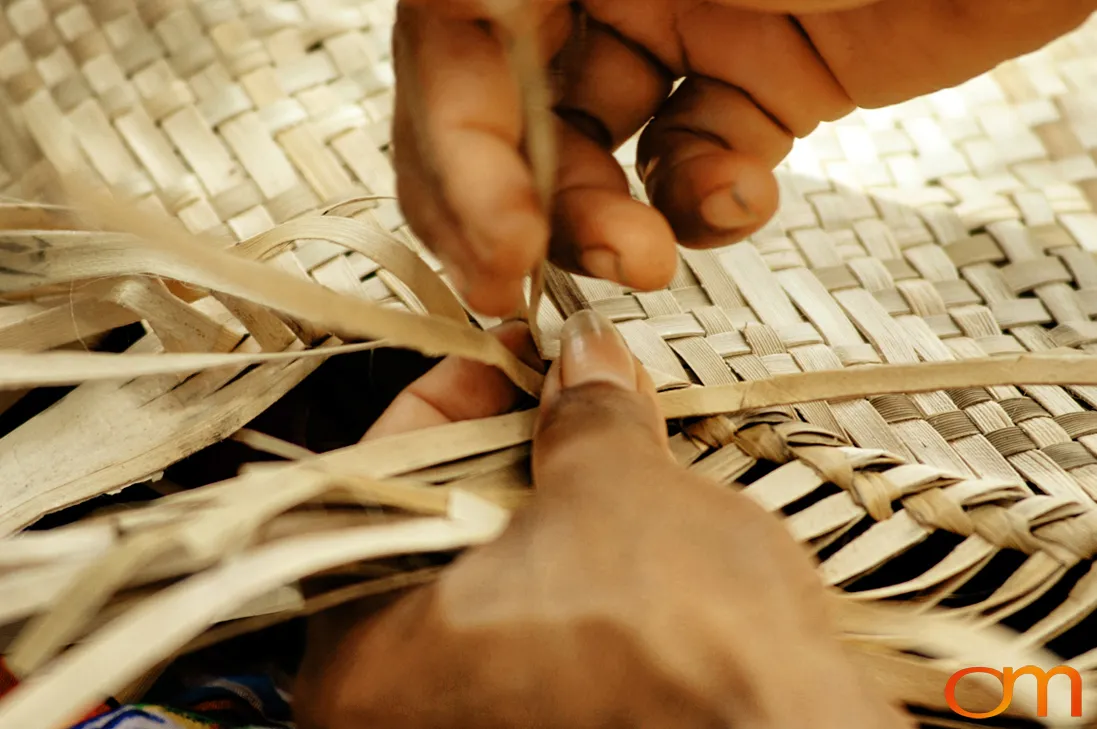
Pandanus mats are important forms of material culture on Ambae and elsewhere in Vanuatu. They may be used as clothing, household furnishings, ceremonial objects, and valued items of customary exchange. Their size, fineness, decoration, and value vary according to their intended purpose.
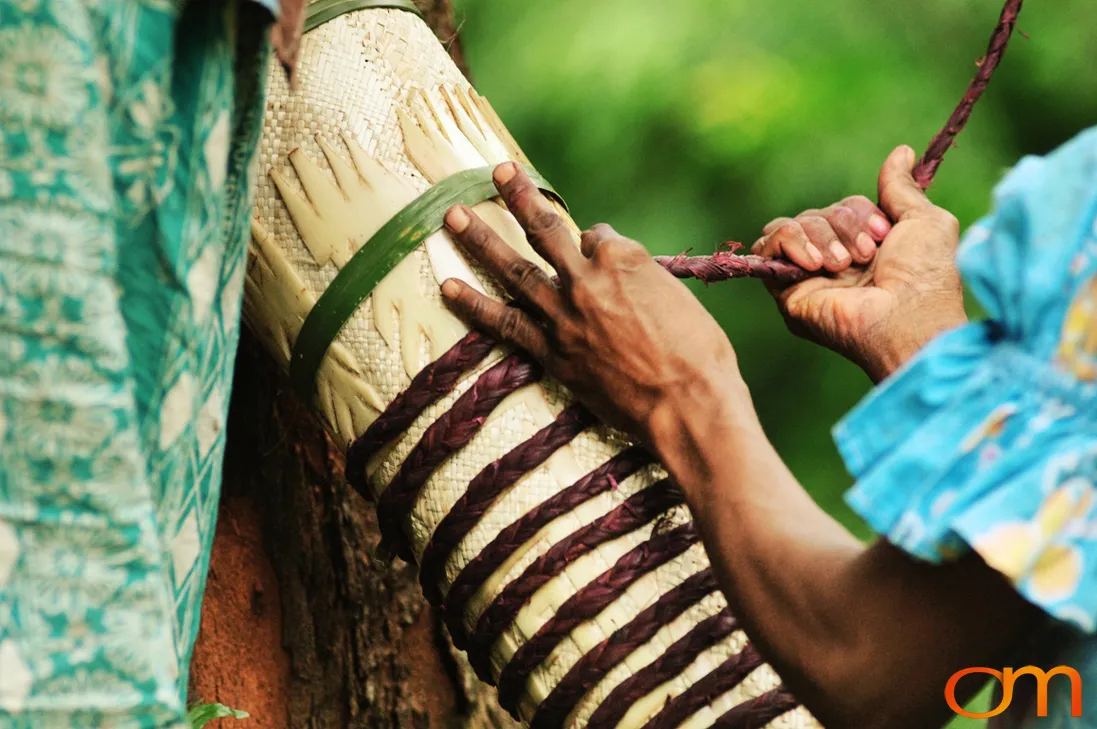
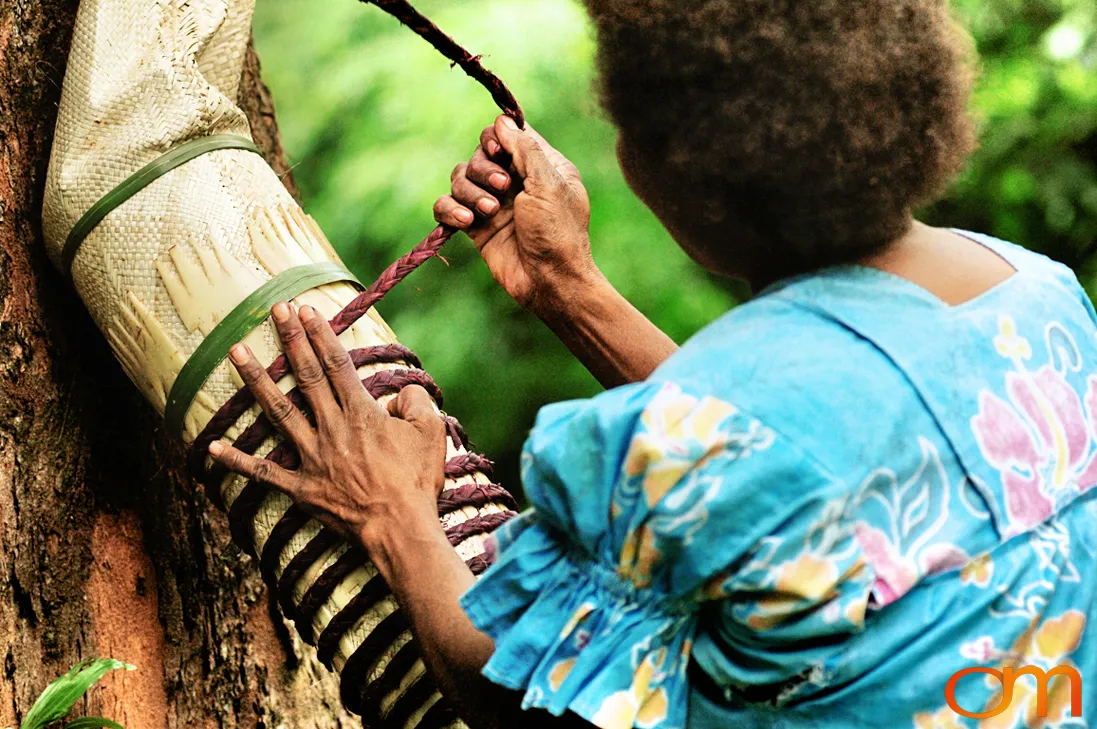
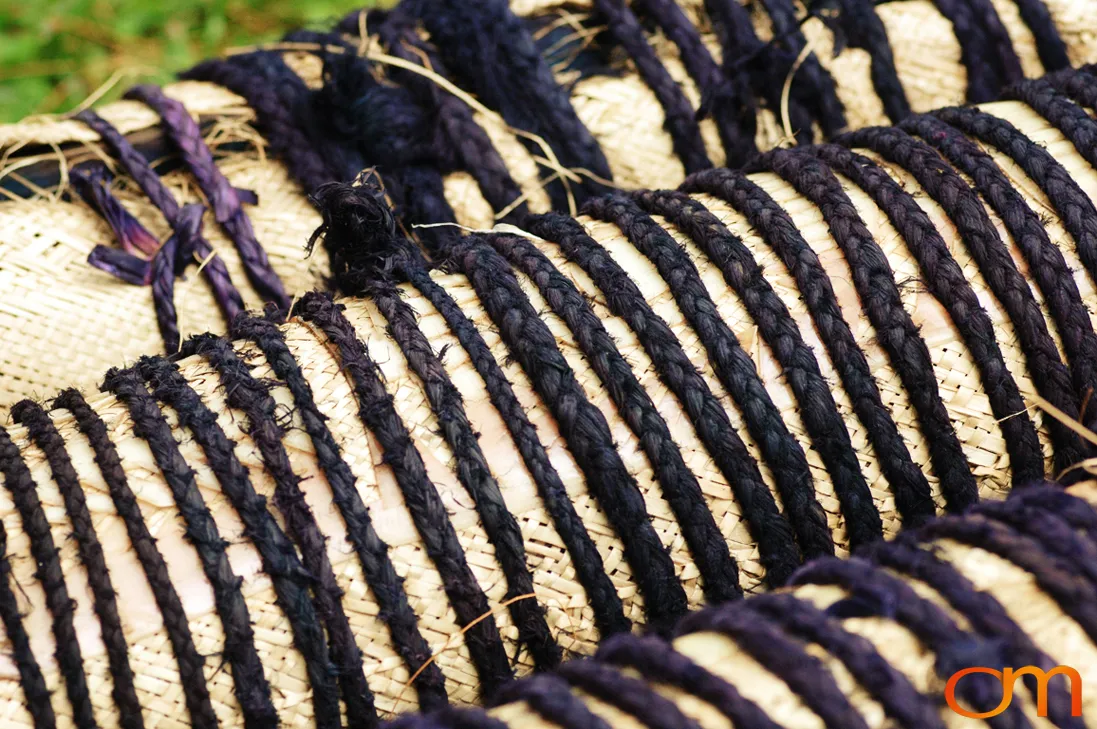
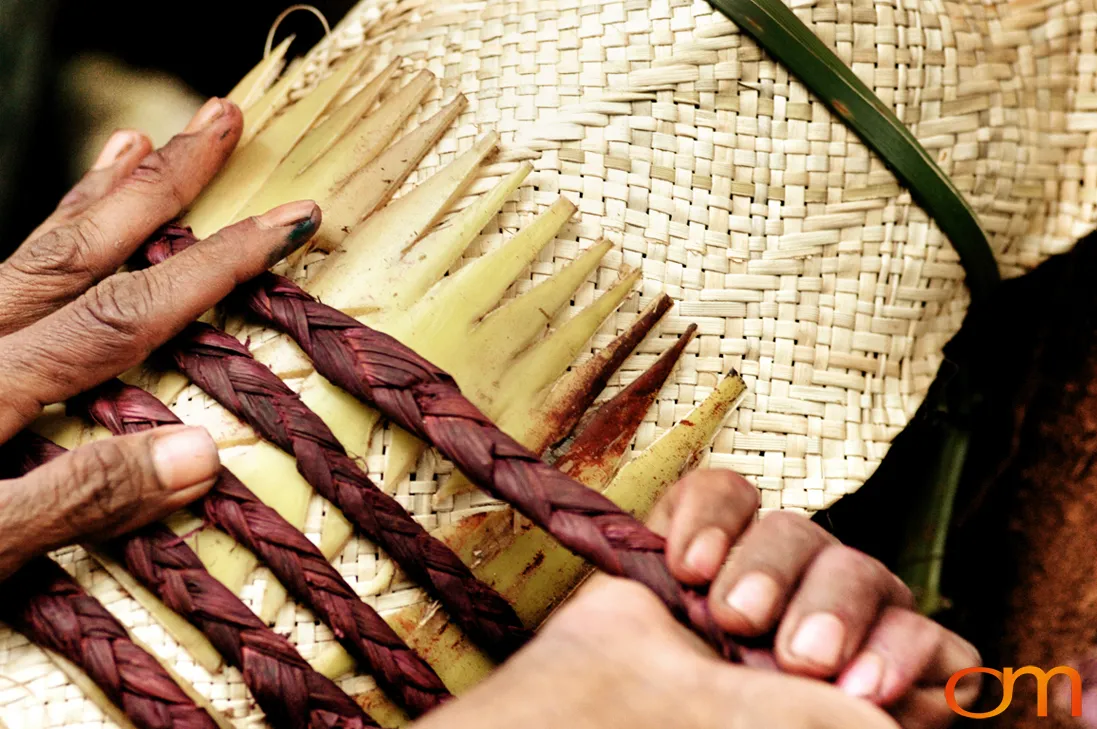
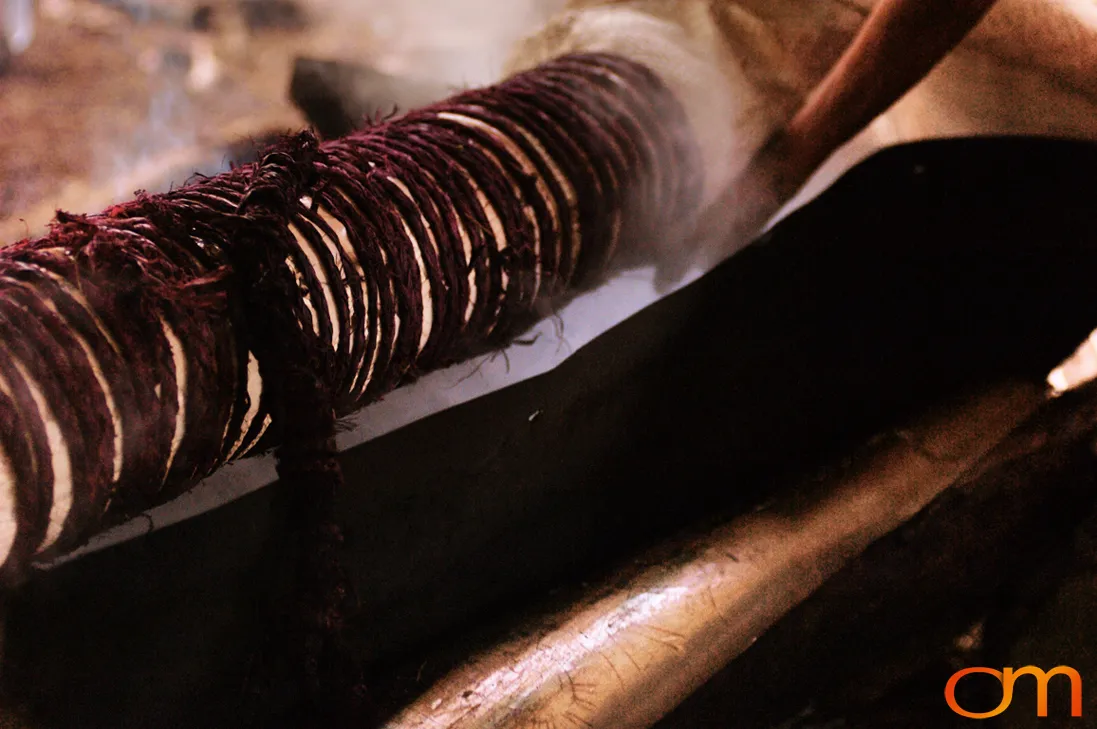
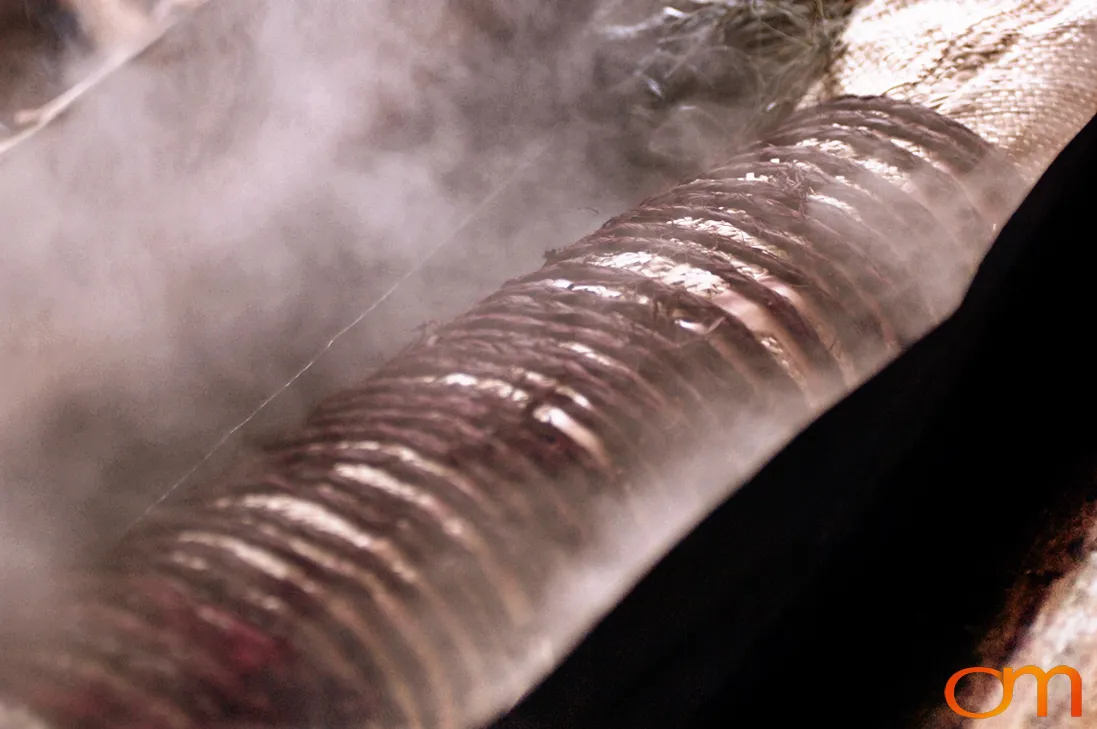
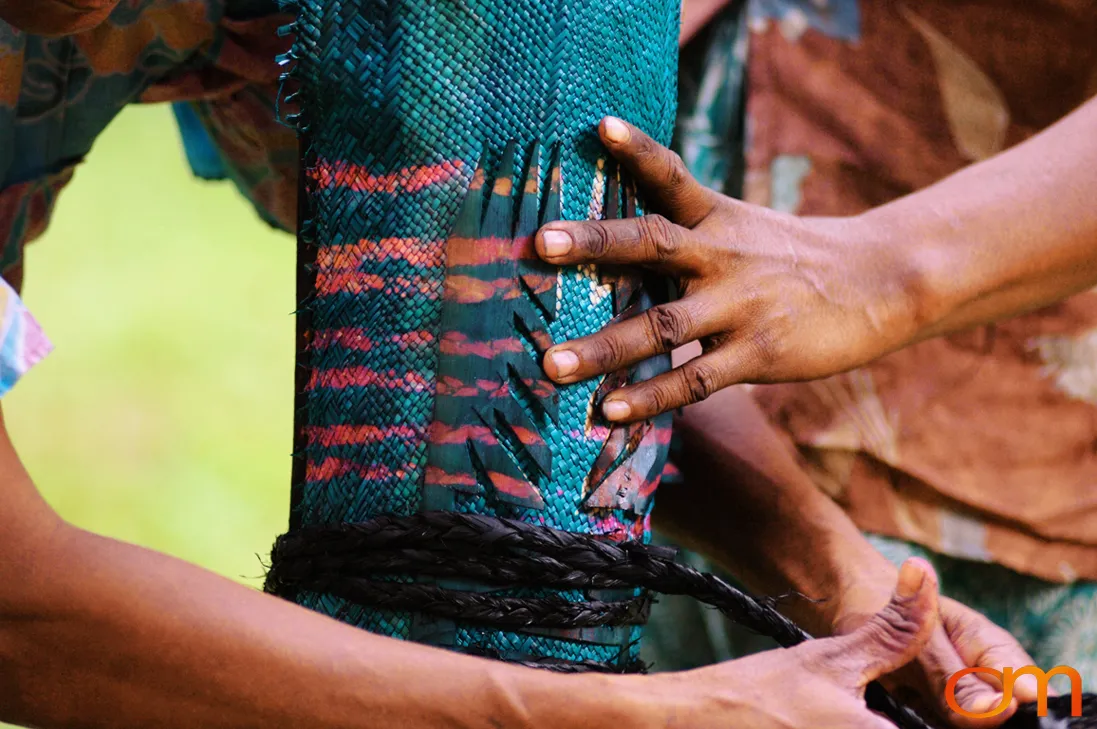
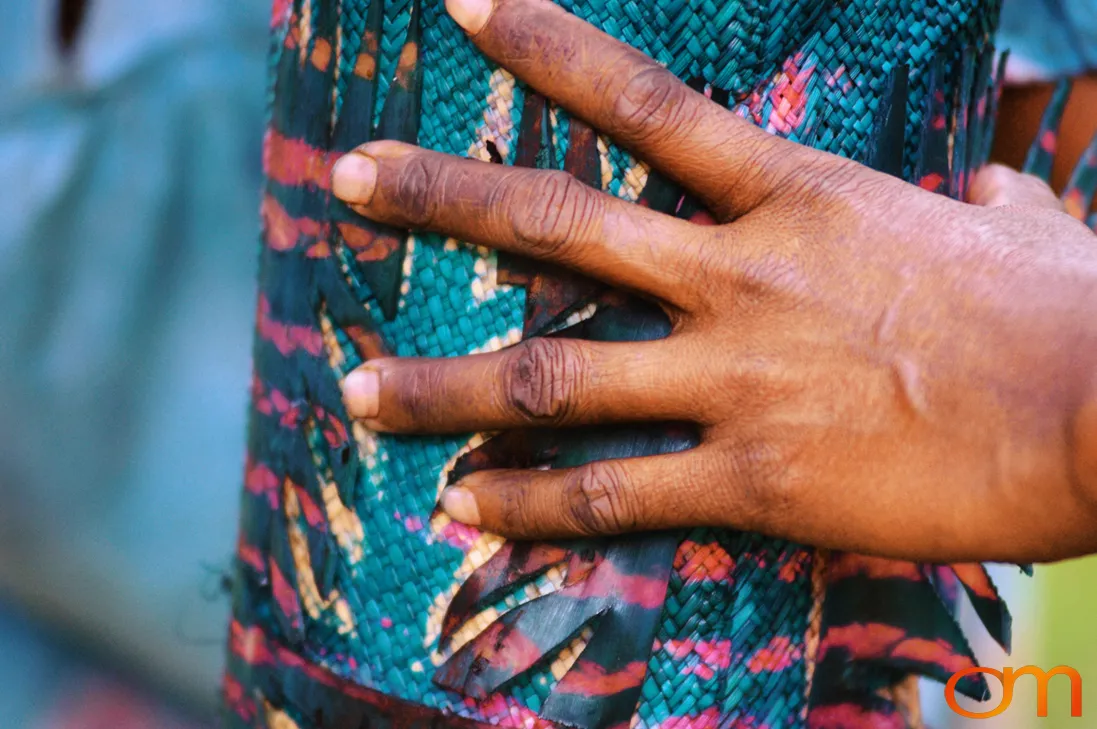
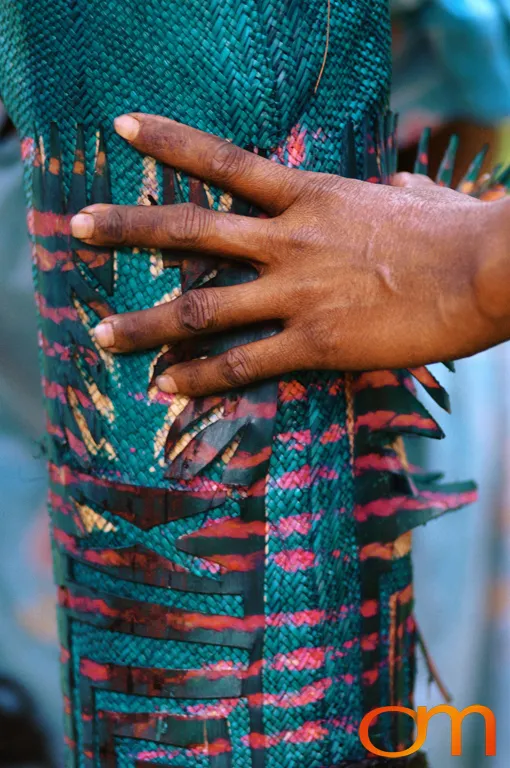
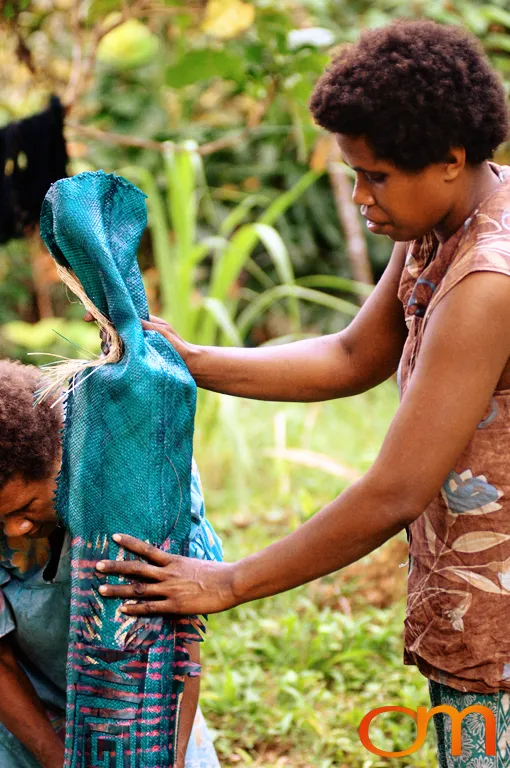
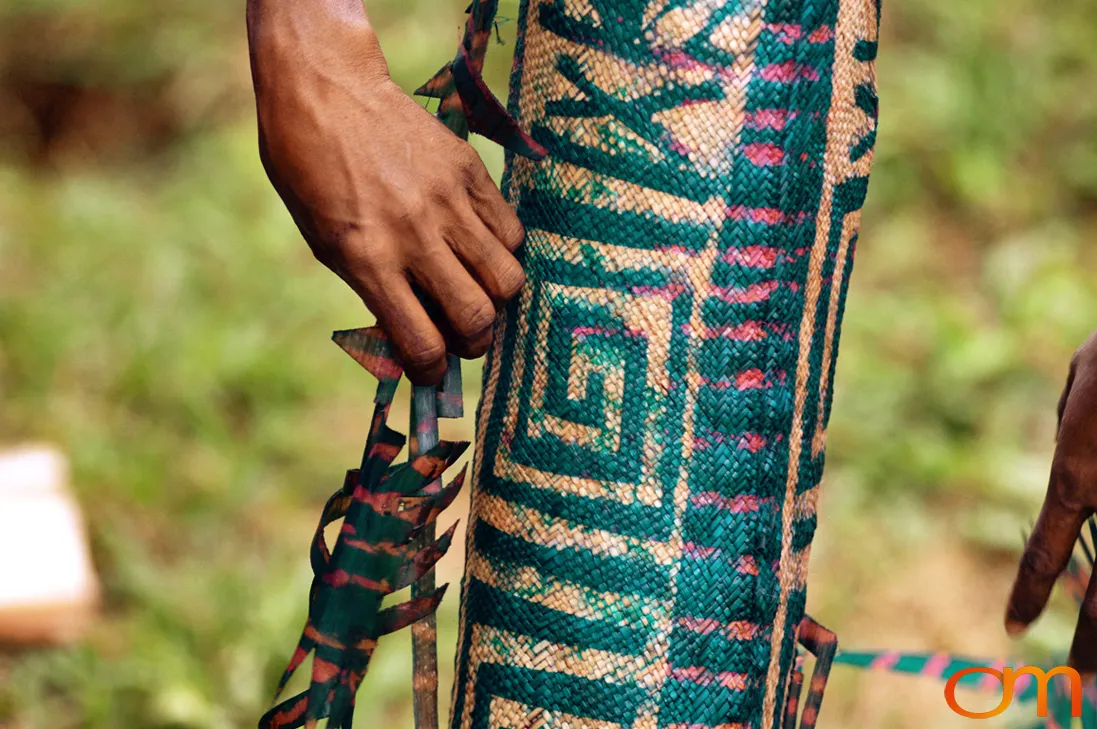
Women traditionally prepare and plait dried pandanus leaves to create an undyed mat, sometimes described as a “white mat.” In the process documented on Ambae in 2006, the completed mat was wrapped tightly around a pole. Stencils cut from the outer sheath of a banana plant were placed over the rolled mat and secured with plant-fibre bindings to create the decorative pattern.
The wrapped mat was then lowered into a long metal trough containing dye and water heated over a fire. Both plant-based and commercially produced dyes could be used. After the desired color developed, the bindings and stencils were removed, revealing the contrasting design. The mat was then unrolled, dried, and prepared for use.
Mats form part of customary ceremonies and exchanges associated with marriage, death, social relationships, and systems of rank. Their production preserves specialized knowledge of pandanus preparation, plaiting, stencil cutting, dyeing, and pattern design.