Varanasi
Varanasi
September 2004
Varanasi, also known as Kashi, Banaras, and Benares, stands beside the Ganges River in Uttar Pradesh, India. Archaeological and historical evidence documents more than 3,000 years of habitation, placing it among the world’s oldest continuously inhabited cities. Within Hindu sacred geography, Varanasi is traditionally counted among seven especially holy cities and is closely associated with the deity Shiva. A traditional, though not conclusively established, explanation derives the name Varanasi from the Varuna and Asi waterways.
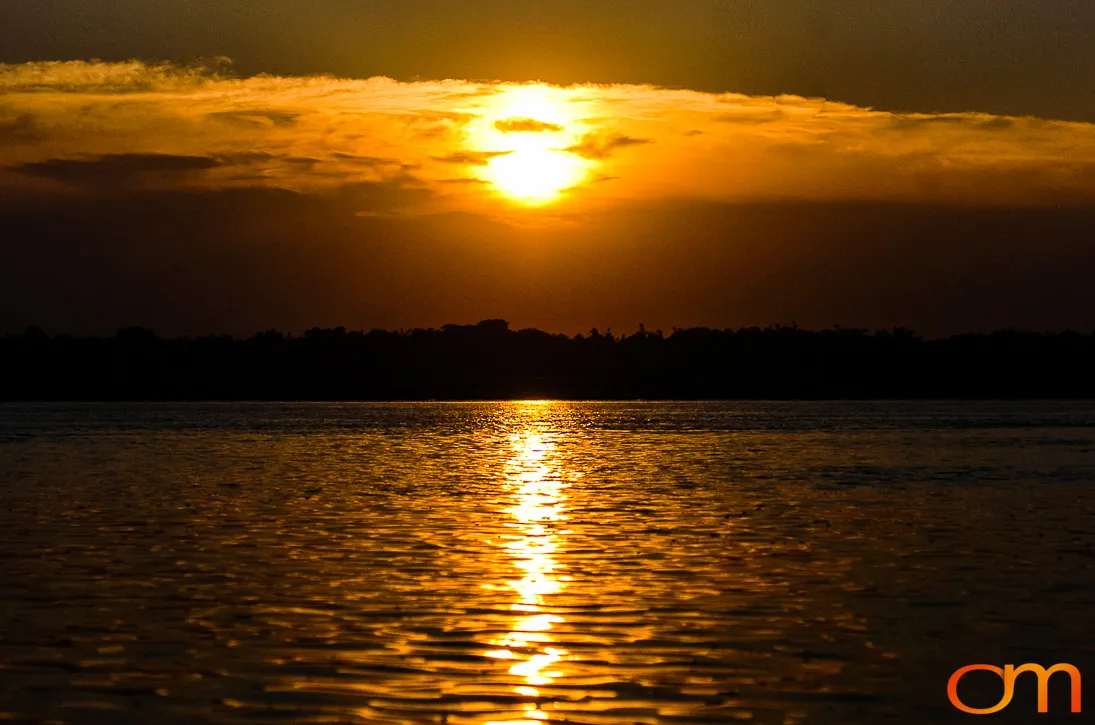
Varanasi’s historic riverfront extends for approximately 4 miles (6.5 kilometers) and includes more than 80 named ghats. Ghats are stepped embankments connecting the city with the river. Although sacred waterfront locations existed earlier, construction of the stone steps began around the 14th century. Palaces, temples, monasteries, schools, and accommodations for pilgrims were later built above them by patrons from different parts of India. The Ganges makes an unusual northward turn at Varanasi, producing the riverfront’s distinctive crescent shape.
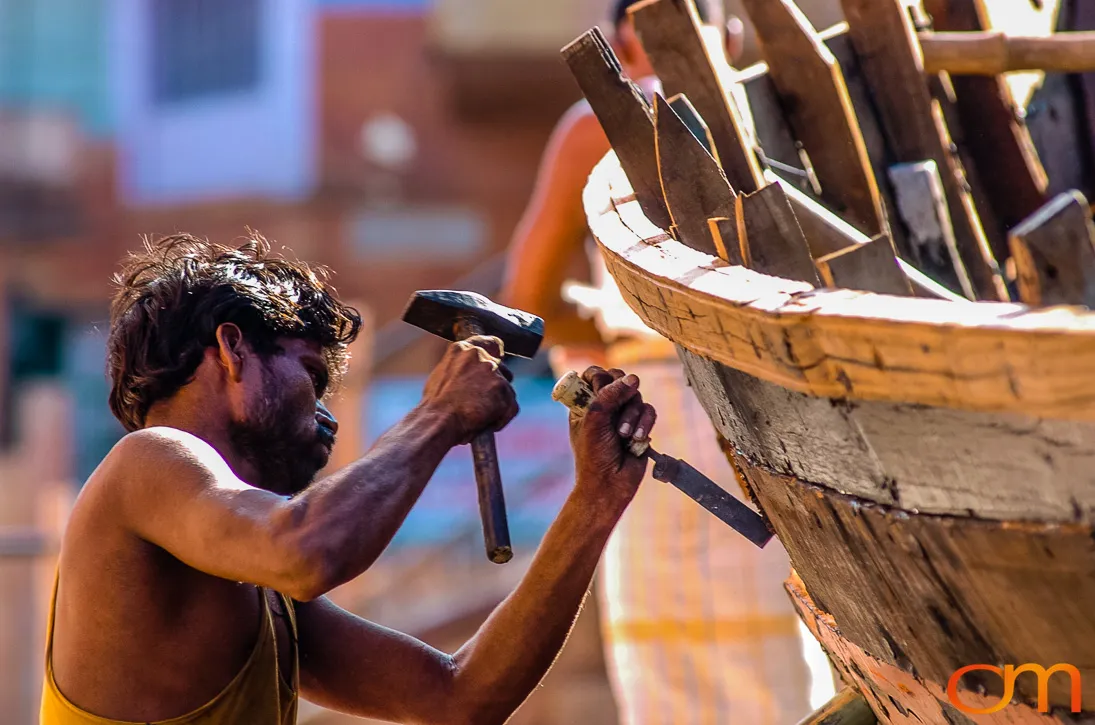
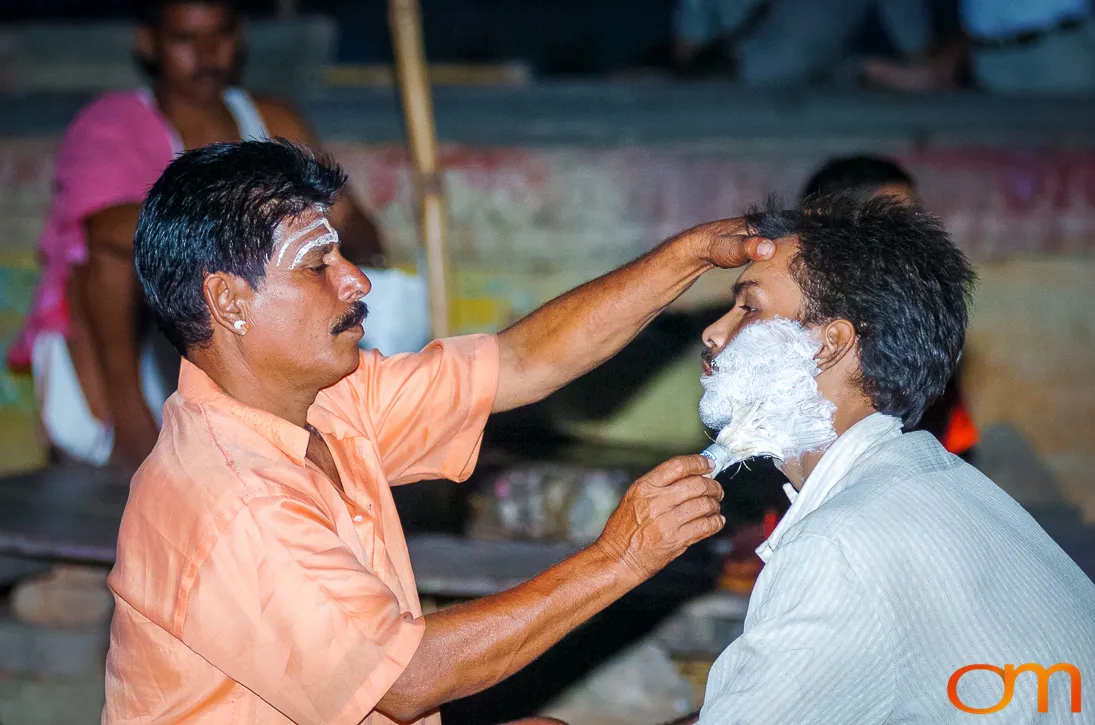
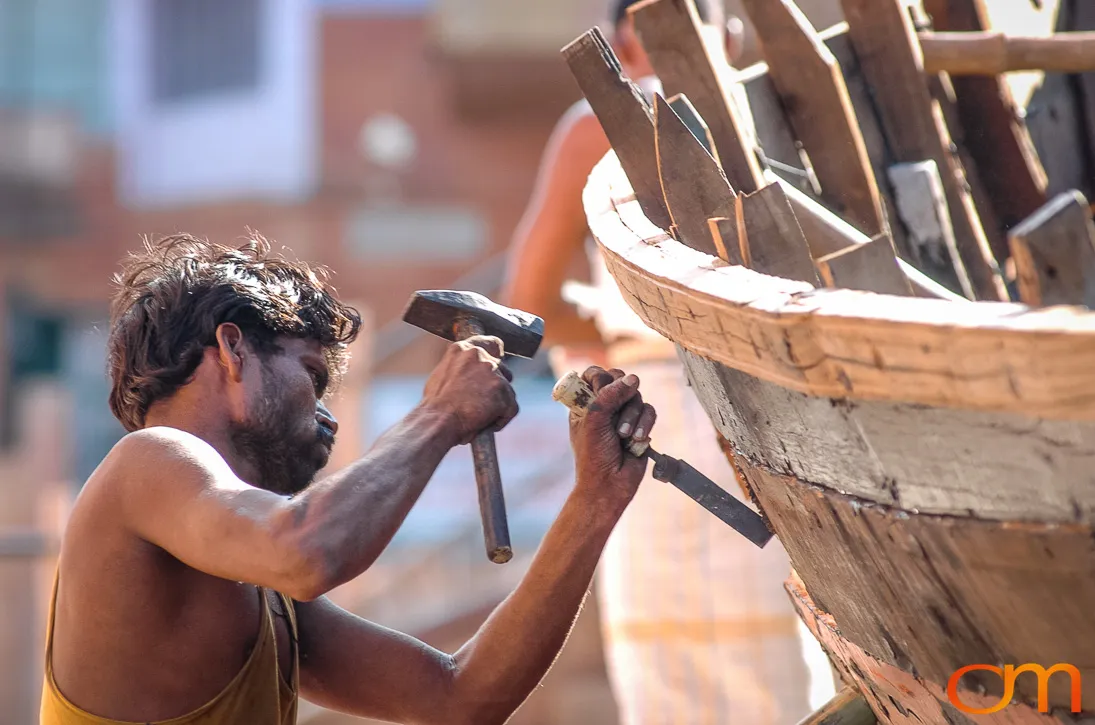
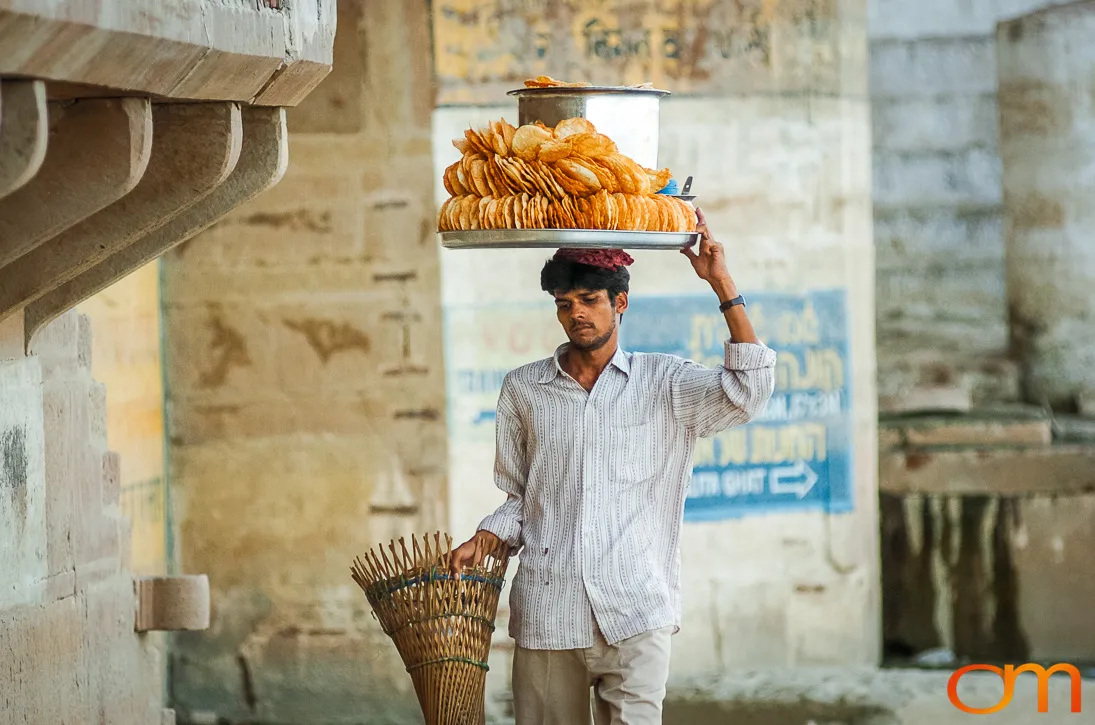
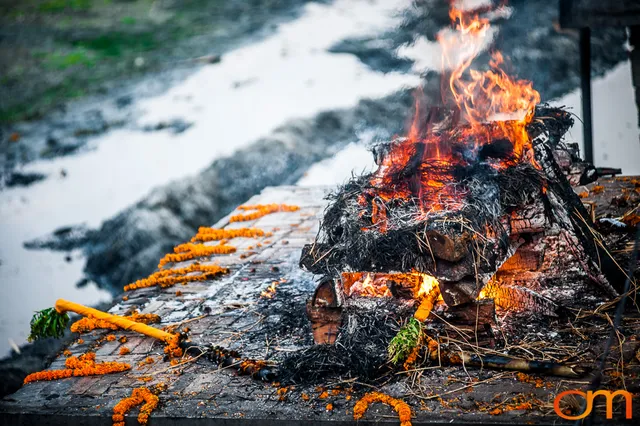
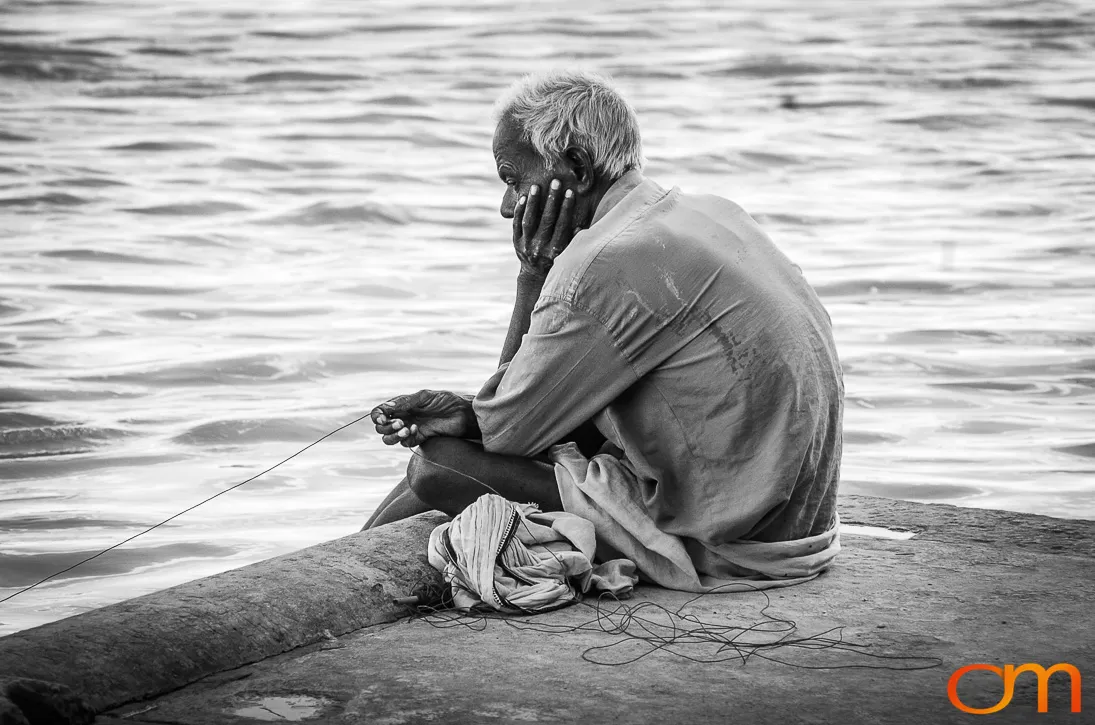
The ghats serve both religious and everyday purposes. They are used for ritual bathing, prayer, offerings, festivals, cremation, transportation, trade, and other forms of riverfront work. For many Hindus, the Ganges—known in India as the Ganga—is personified as a goddess and regarded as spiritually purifying. Pilgrims may bathe in the river, offer flowers or lamps, pour water in prayer, and carry small quantities of Ganga water home for later rituals.
Ritual bathing is associated with purification, while death, cremation, and the immersion of ashes at Varanasi are connected in some Hindu traditions with moksha: liberation from samsara, the cycle of death and rebirth.
The wider Varanasi region is also important to other religious traditions. Nearby Sarnath is associated with the Buddha’s first sermon, while Varanasi has longstanding connections with Jain history and pilgrimage.