Gujarat
Women of Gujarat: Textiles and Tattoos
September 2004
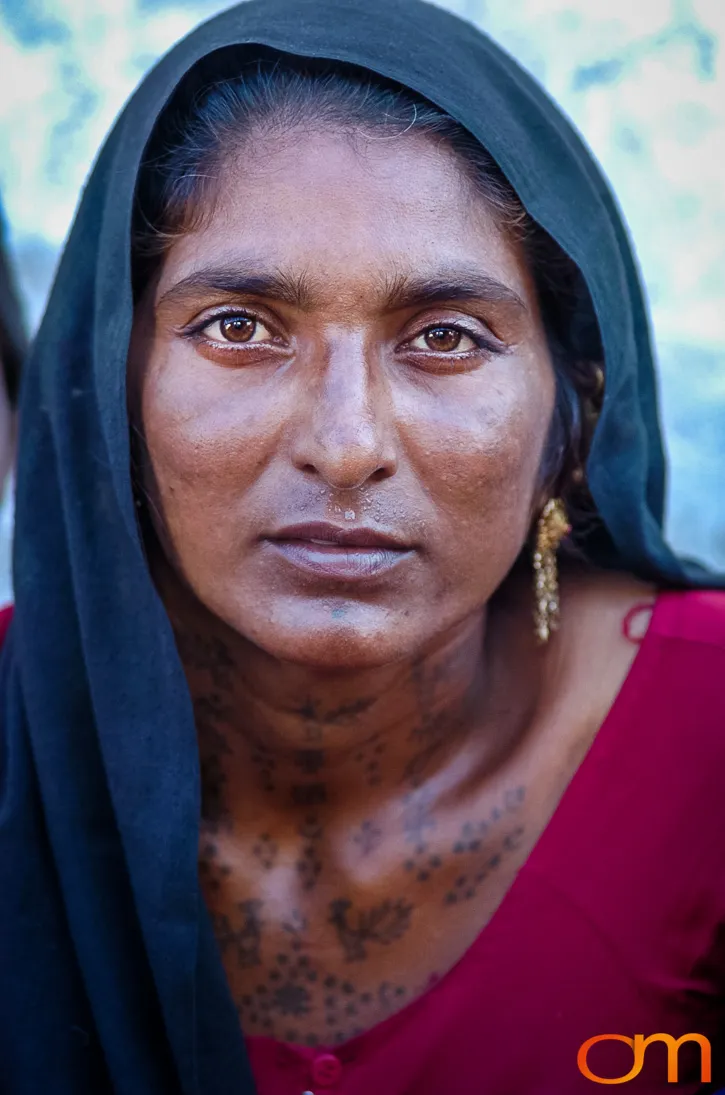
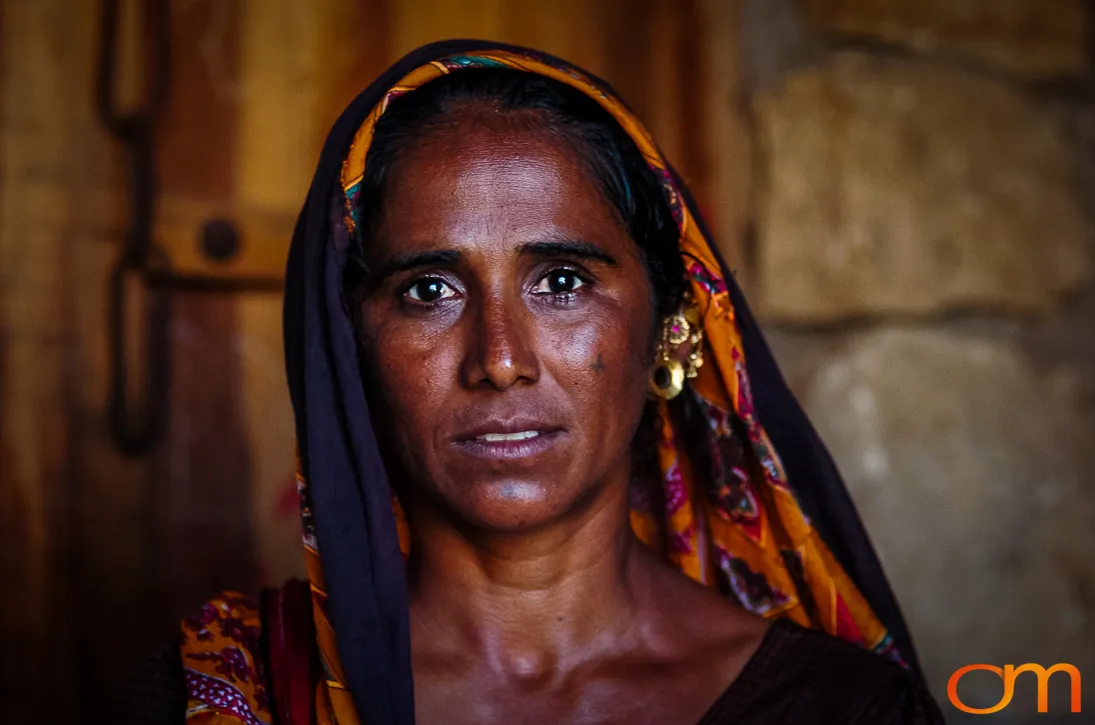
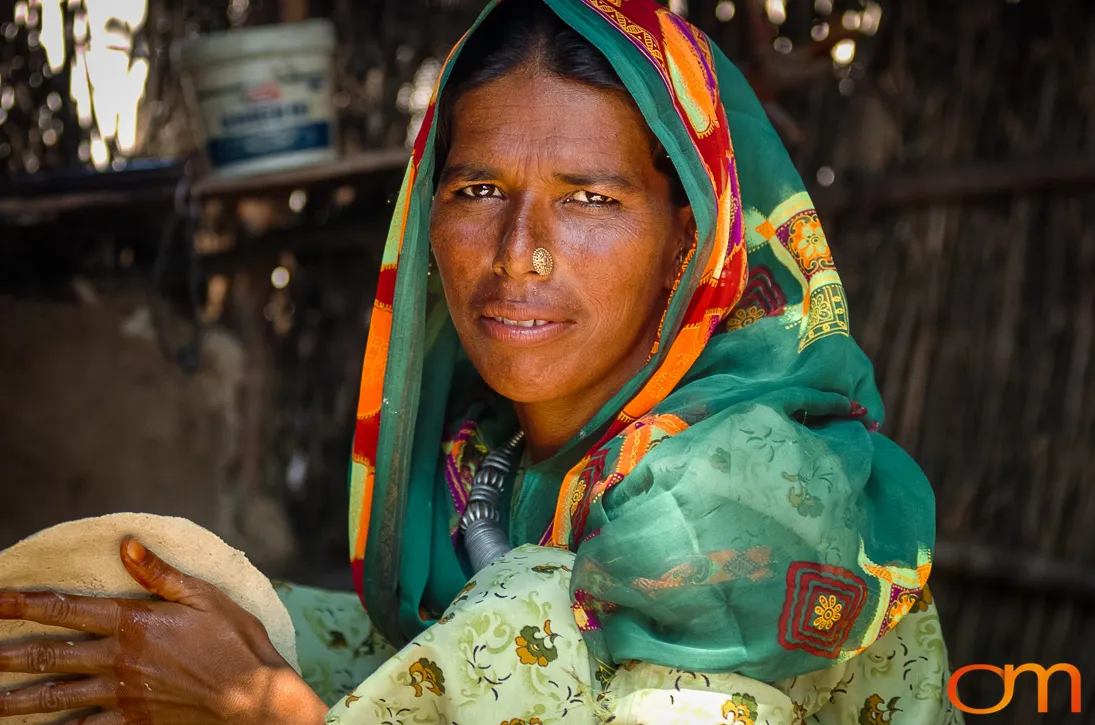
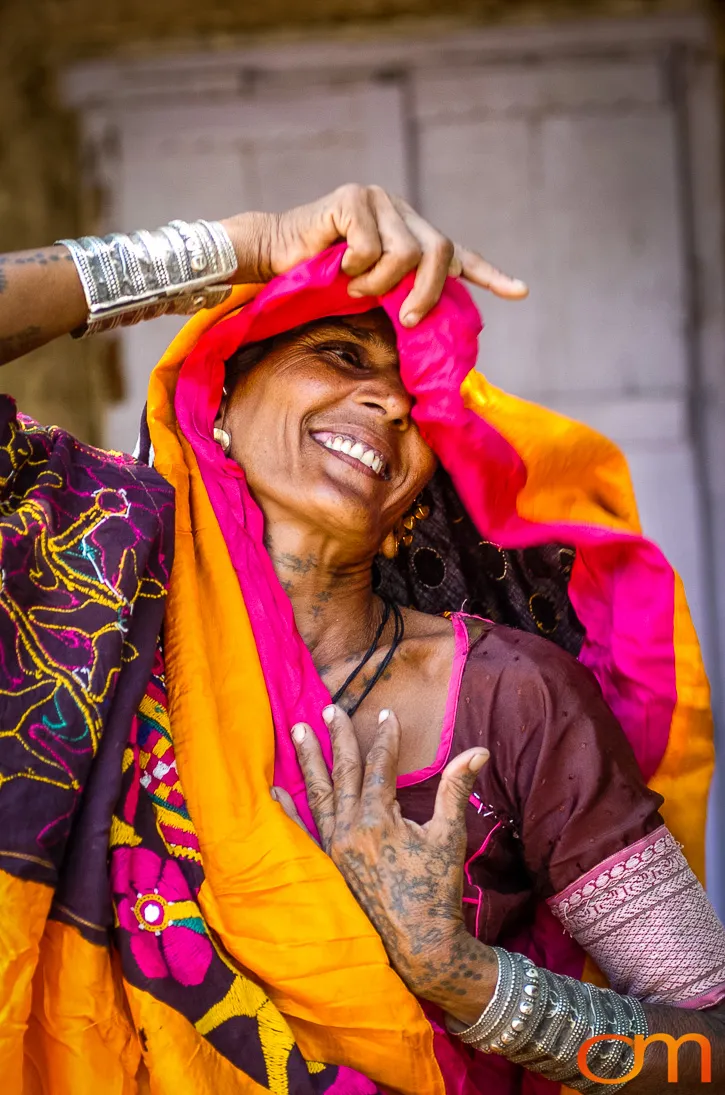
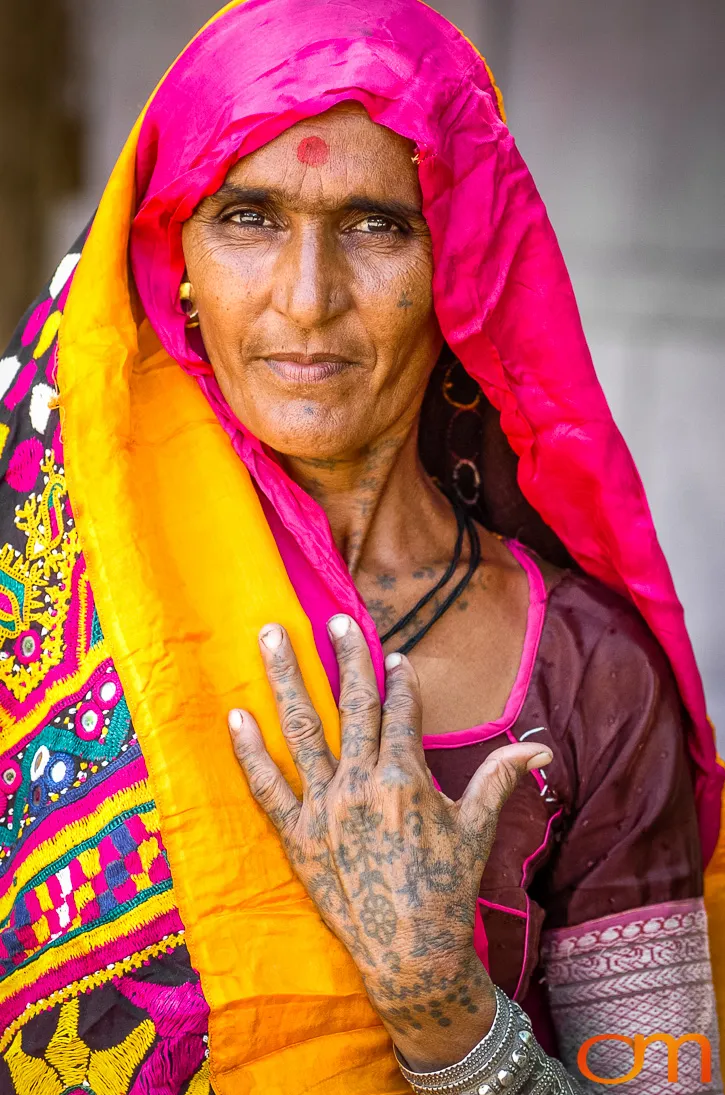
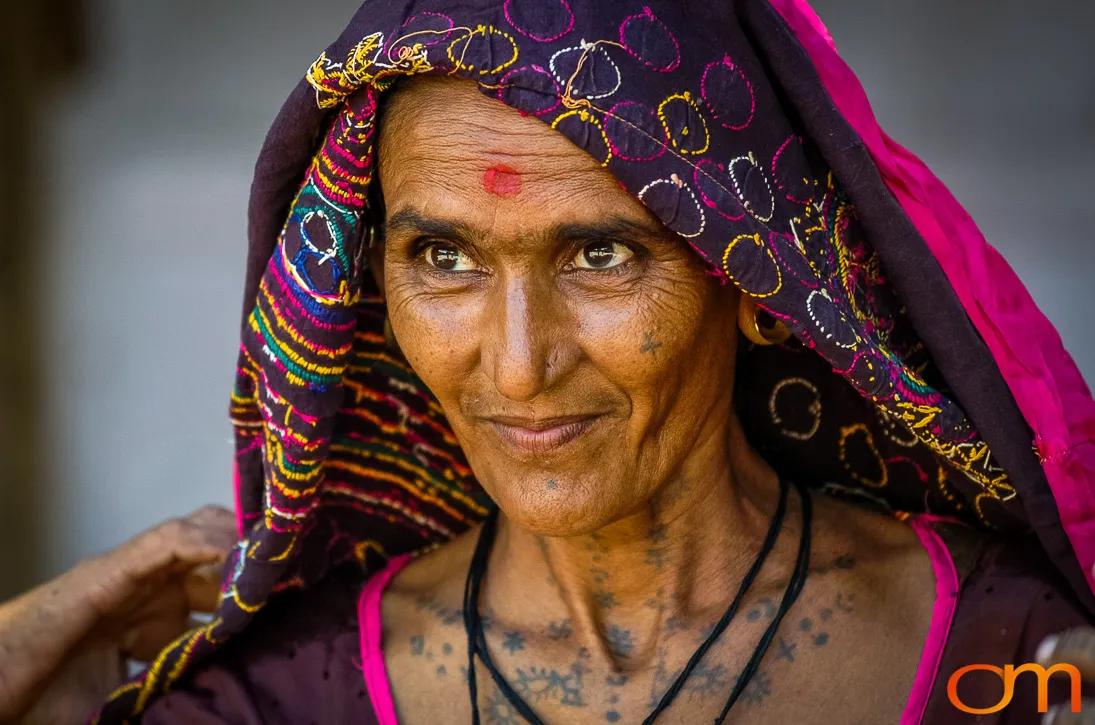
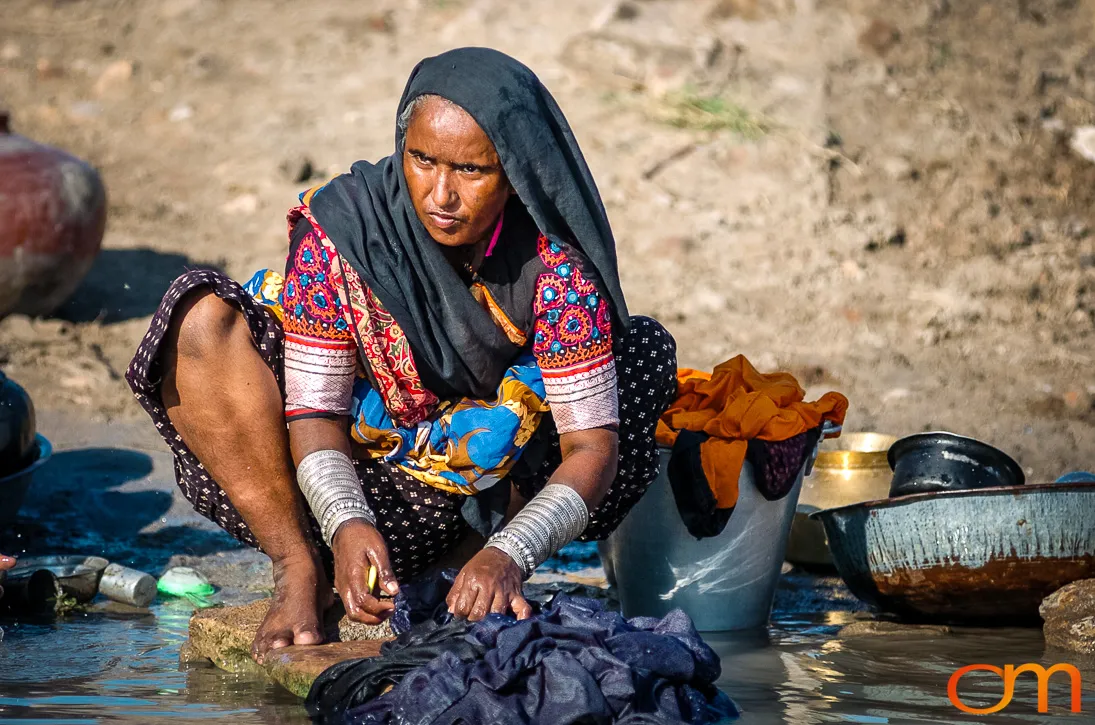
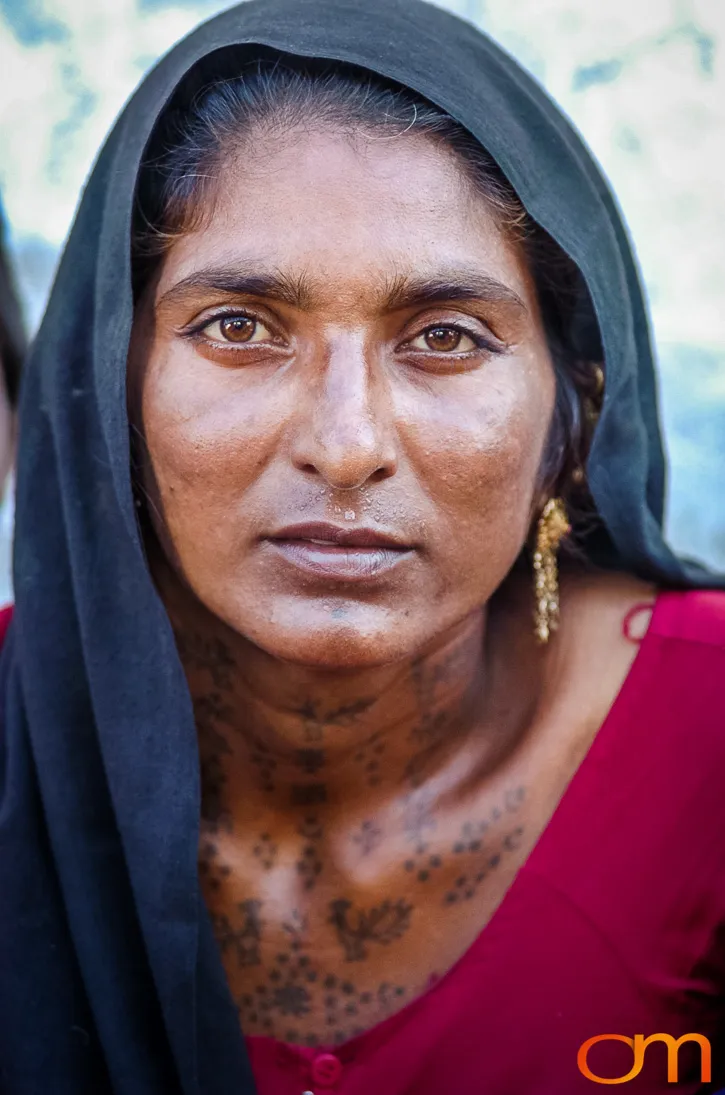
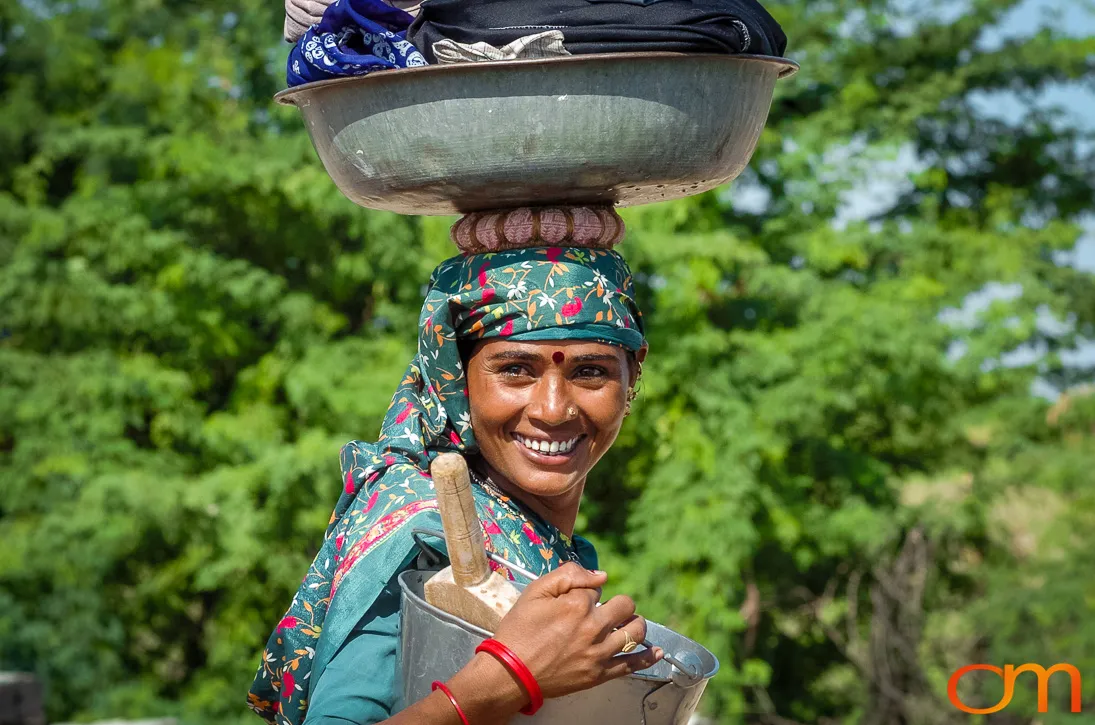
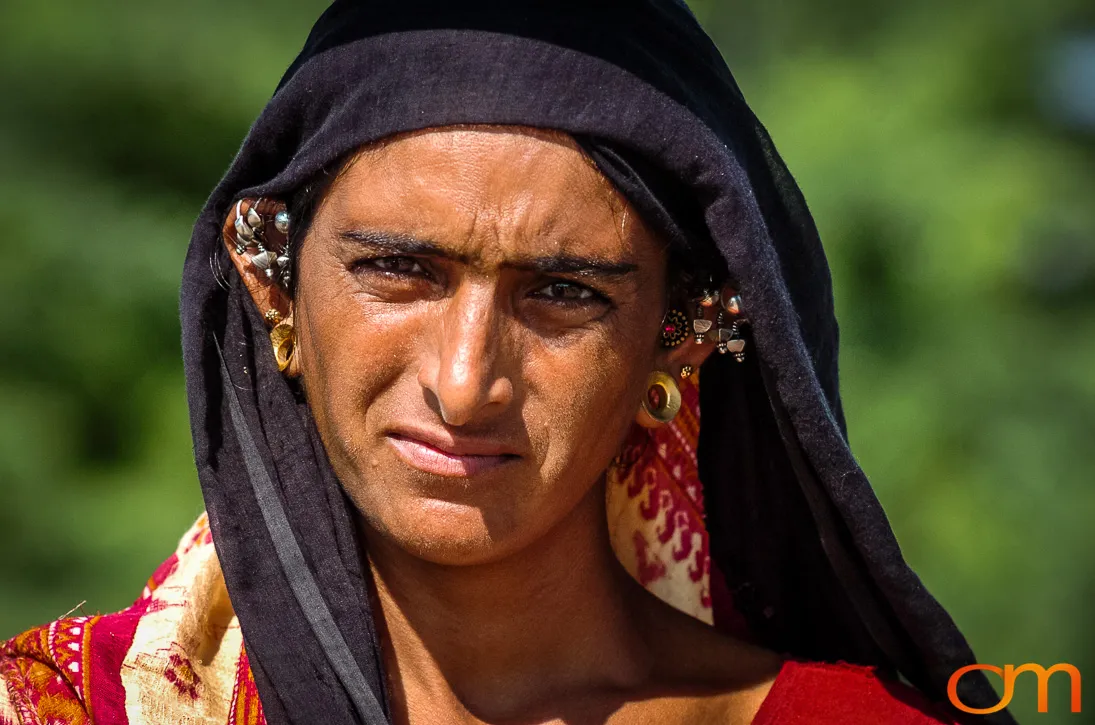
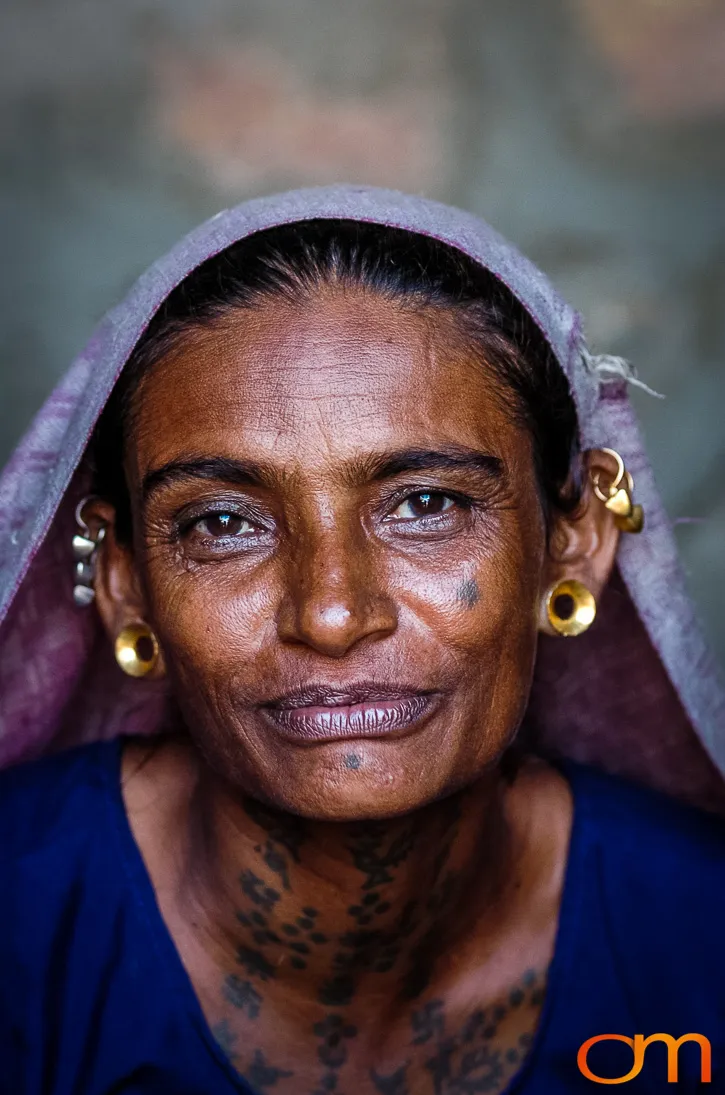
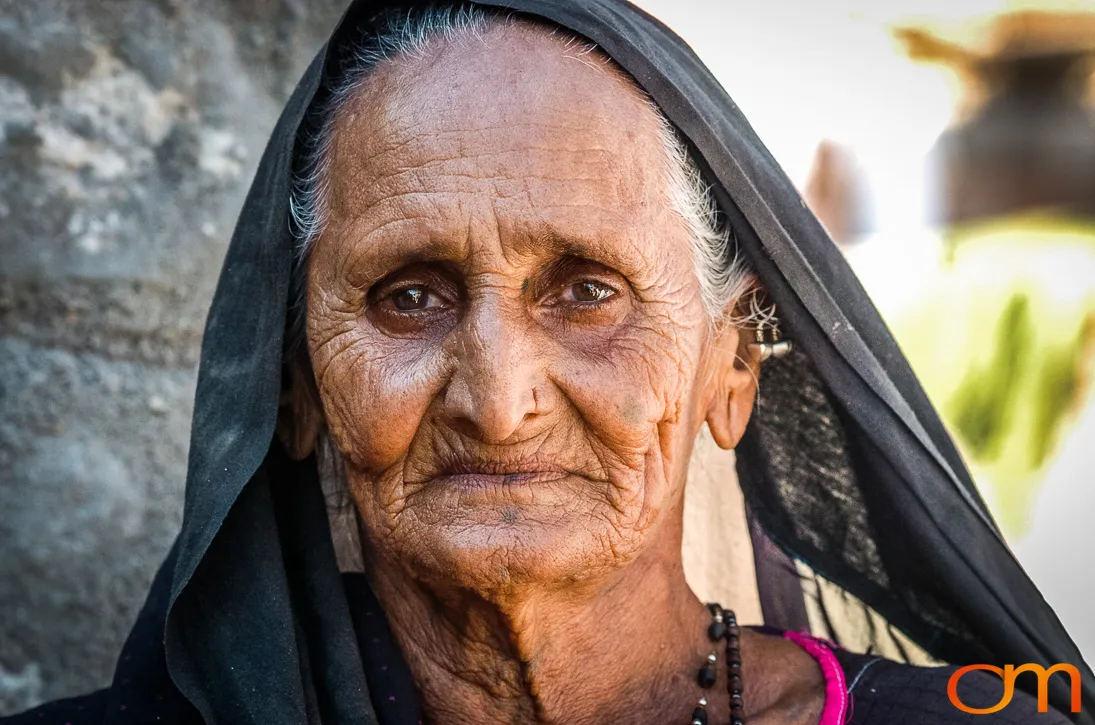
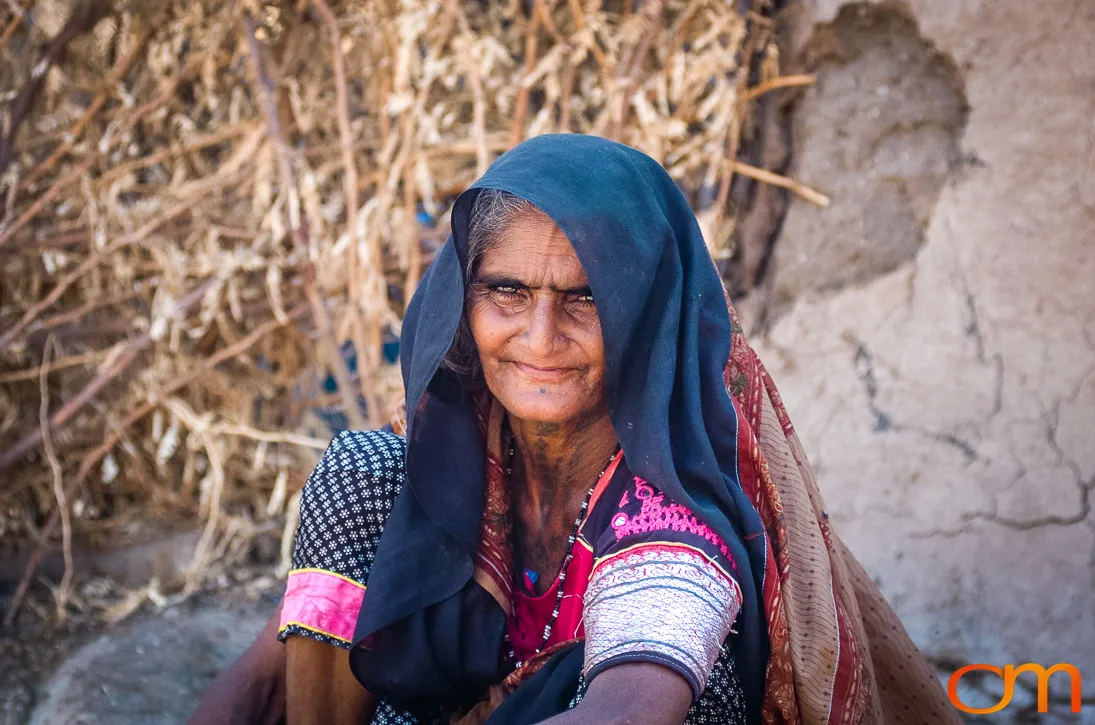
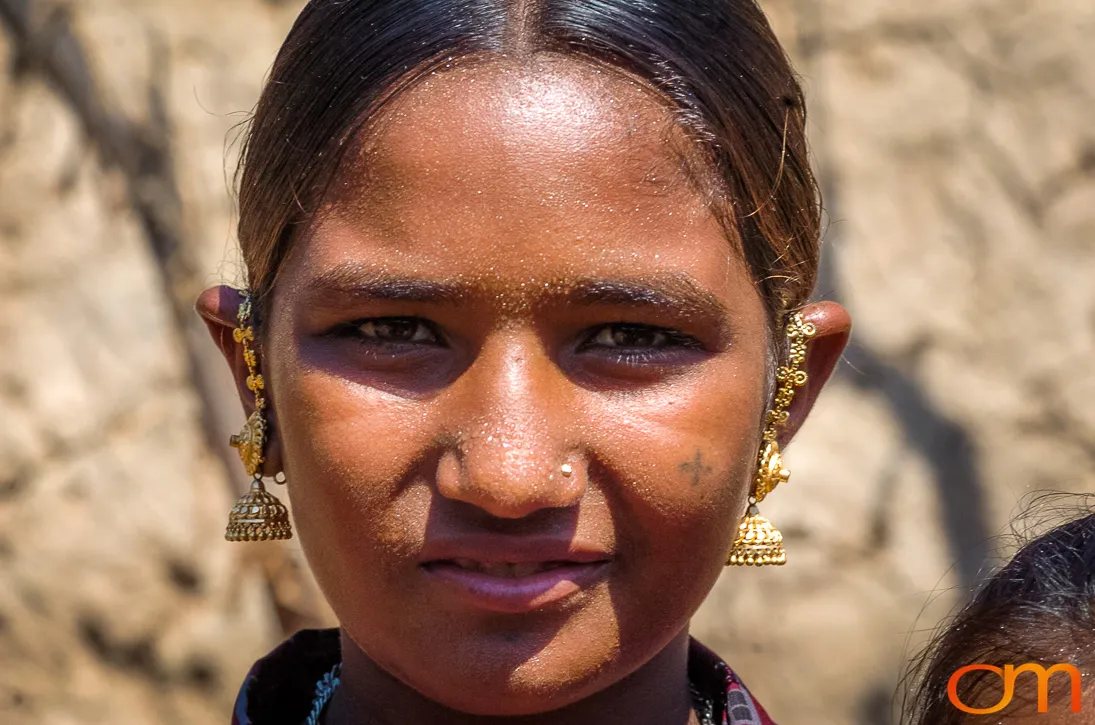
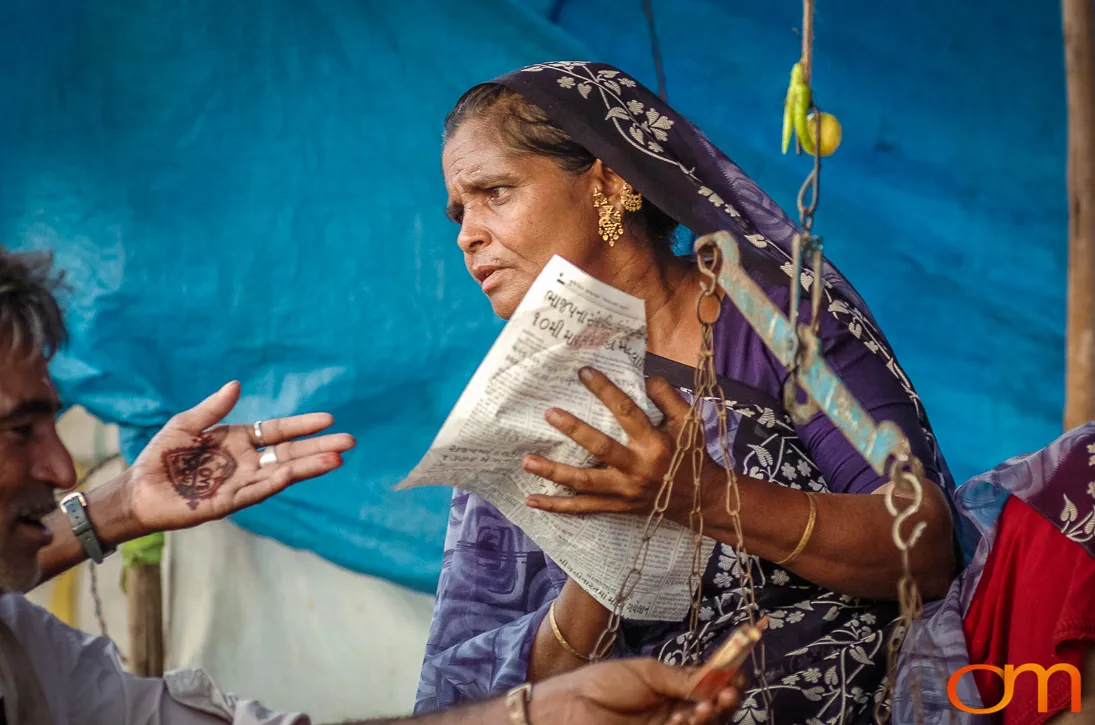
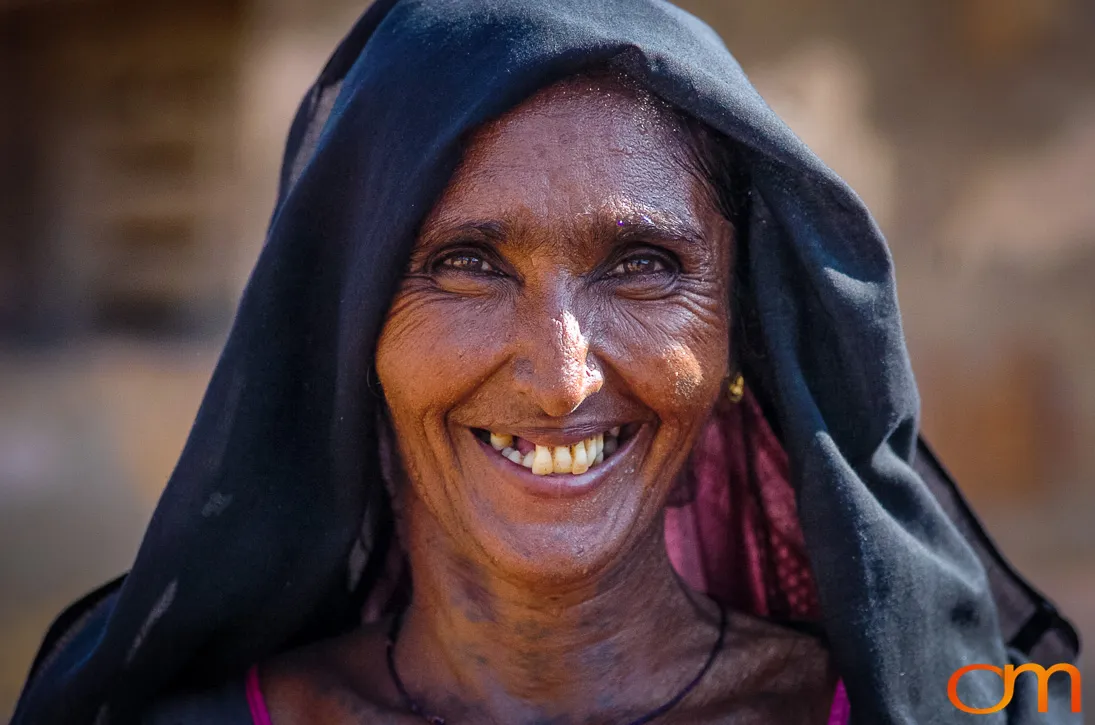
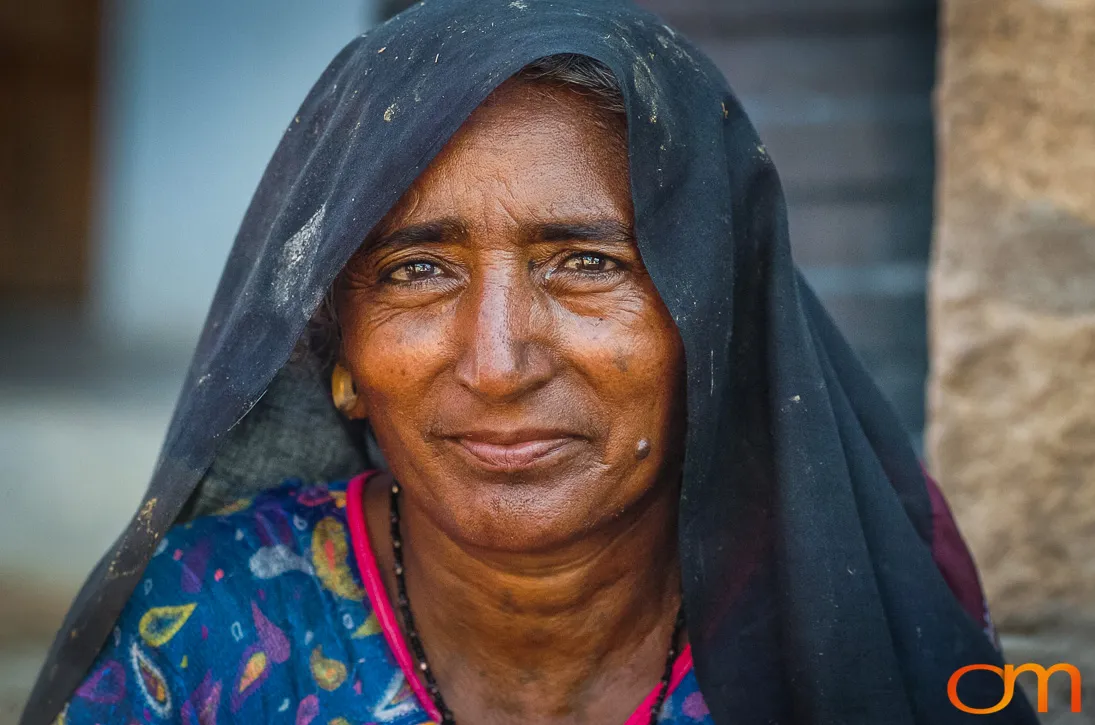
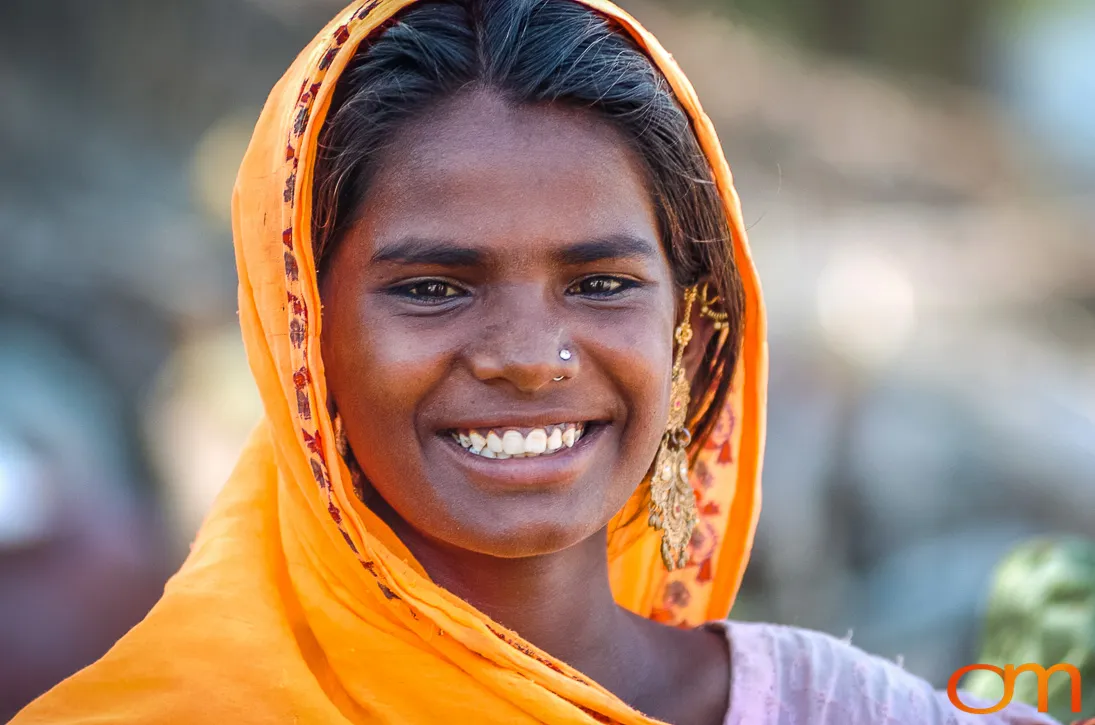
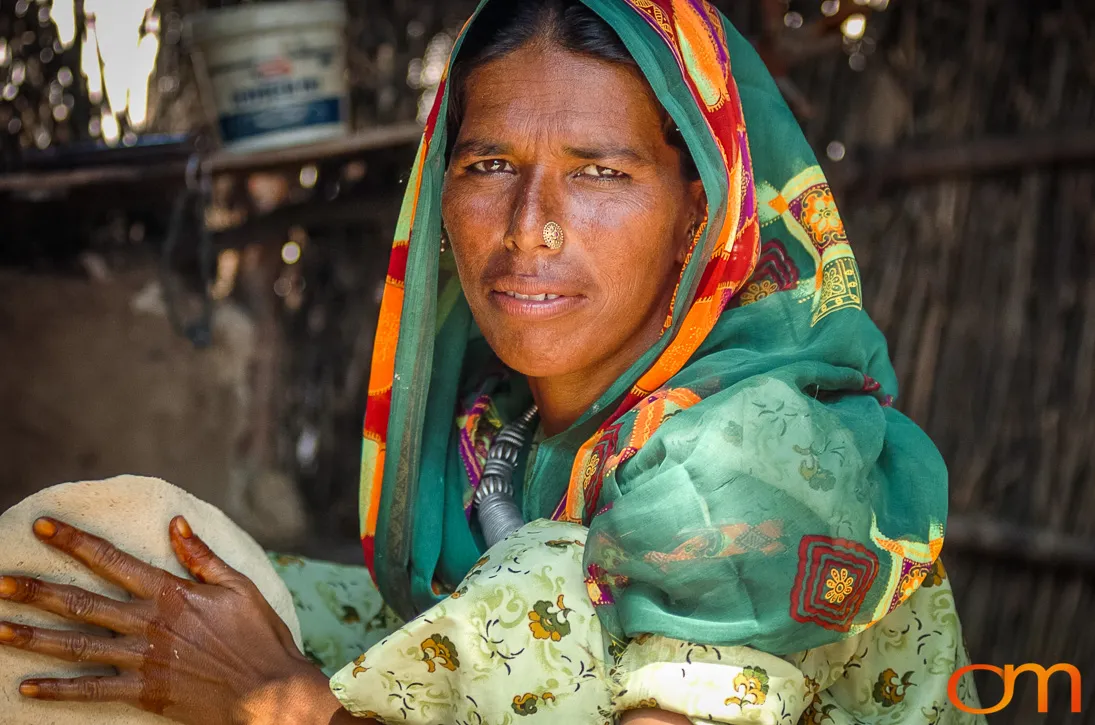
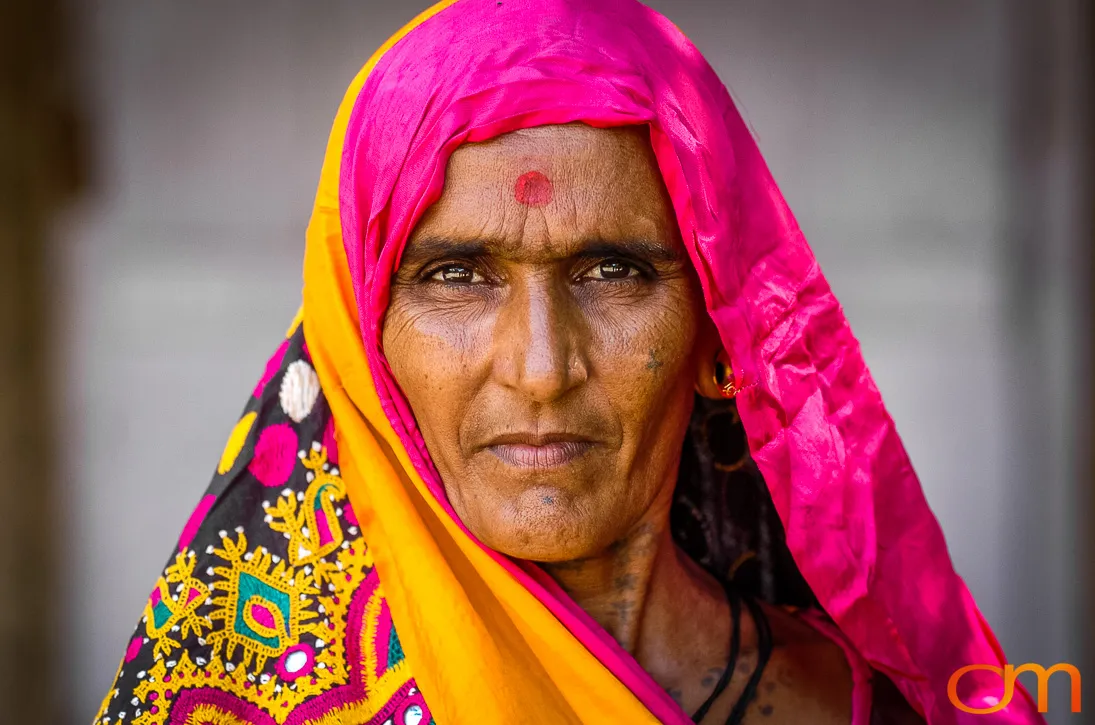
Photographs taken in a village near Zainabad, Gujarat, show women wearing traditional clothing and displaying tattoos on their faces, necks, arms, and hands. One woman modeled a vividly colored, heavily embroidered garment described at the time as an antique sari approximately 50 years old, suggesting a mid-20th-century date.
Historic textiles from Gujarat preserve evidence of regional fabrics, embroidery, mirror work, construction methods, community identity, and women’s craftsmanship. Many were reused, altered, or passed between generations, making precise dating difficult without information about their materials, makers, ownership, and original use.
Traditional tattooing was practiced by several rural, pastoral, and historically mobile communities in Gujarat, including Rabari and Mer groups. It is often described as trajva or trajuva, although terminology, designs, and meanings vary by community.
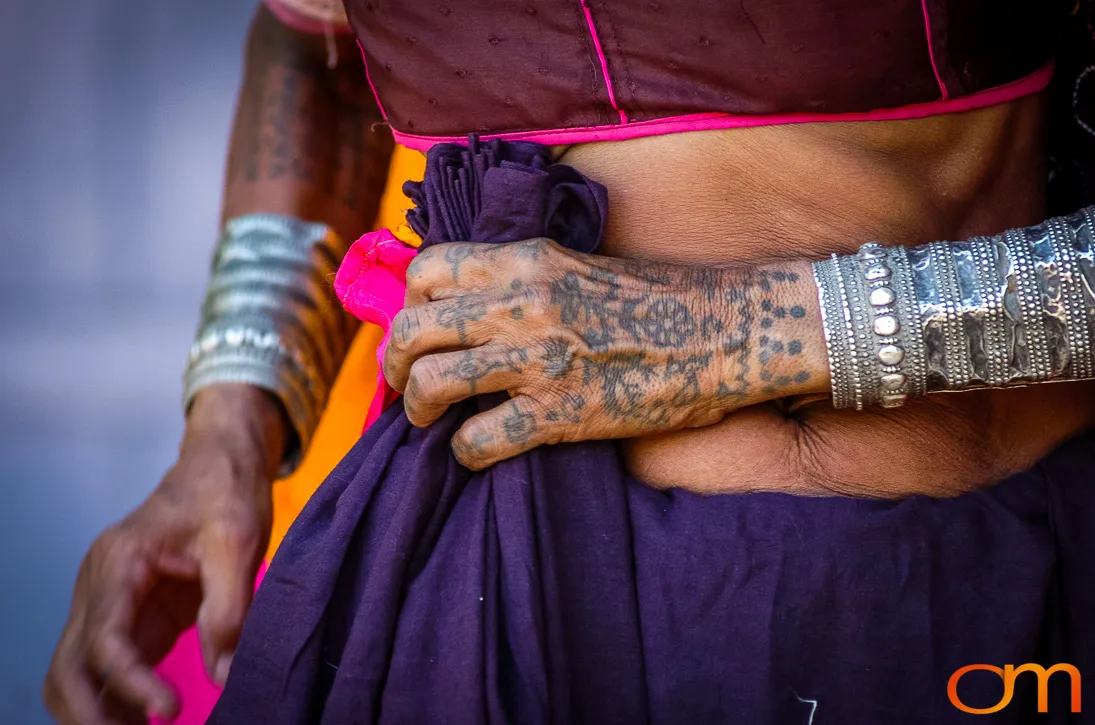
The tattoos were traditionally created by repeatedly pricking pigment into the skin with needles. Historical accounts describe pigments made from soot or lampblack mixed with plant extracts or other locally available liquids. Common placements included the face, chin, throat, neck, chest, arms, hands, legs, and feet.
The photographs show dots, lines, crosses, floral or star-like forms, and geometric patterns. Such markings could function as adornment, religious expression, community identity, protection, or markers of significant life stages. Documented Gujarati motifs include animals, plants, deities, religious symbols, household objects, and geometric forms. In some Mer and Rabari traditions, tattoos were also regarded as permanent possessions that remained with a woman after death.