Antarctica and the Sub-Antarctic
Adélie Penguins
December 2008
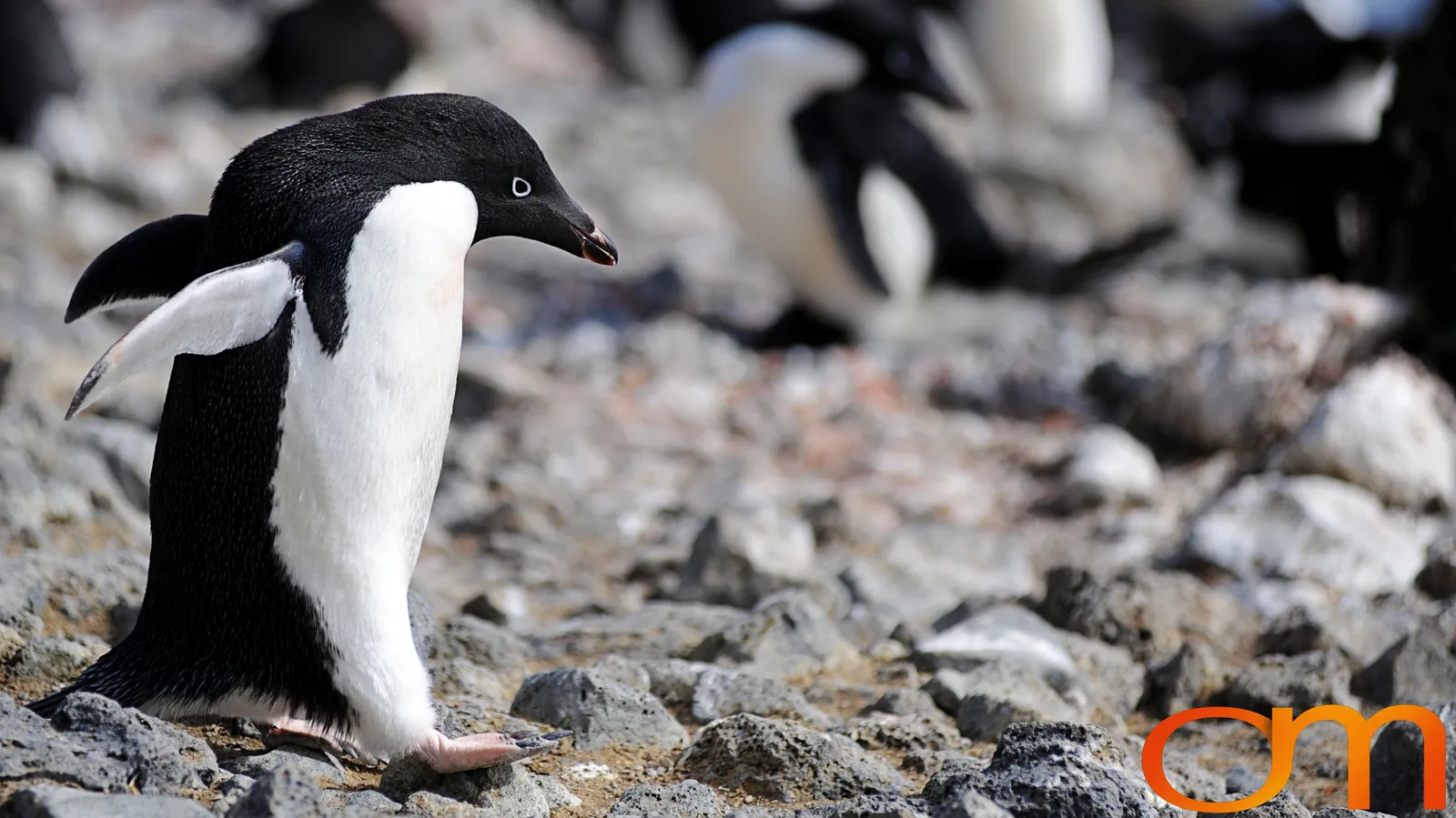
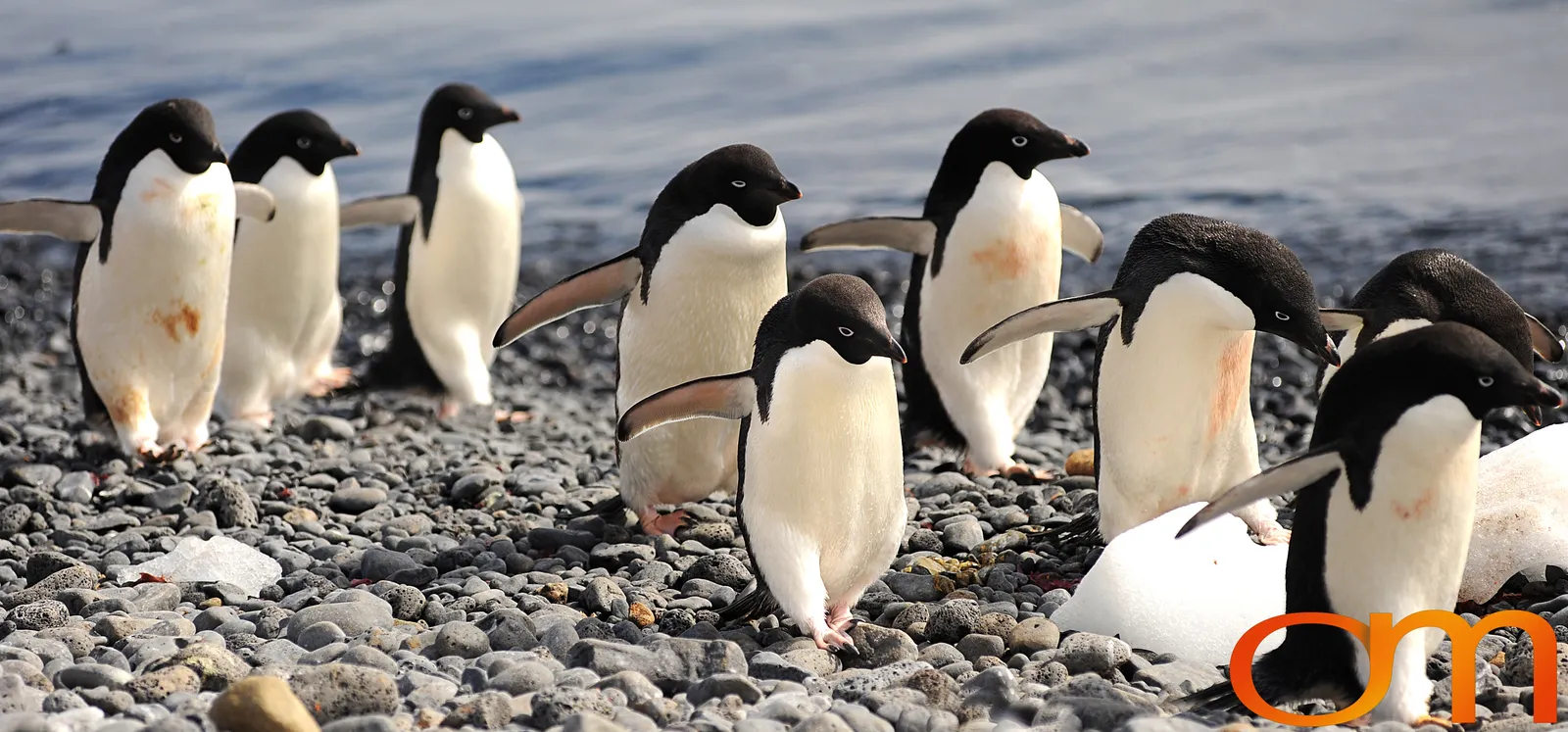
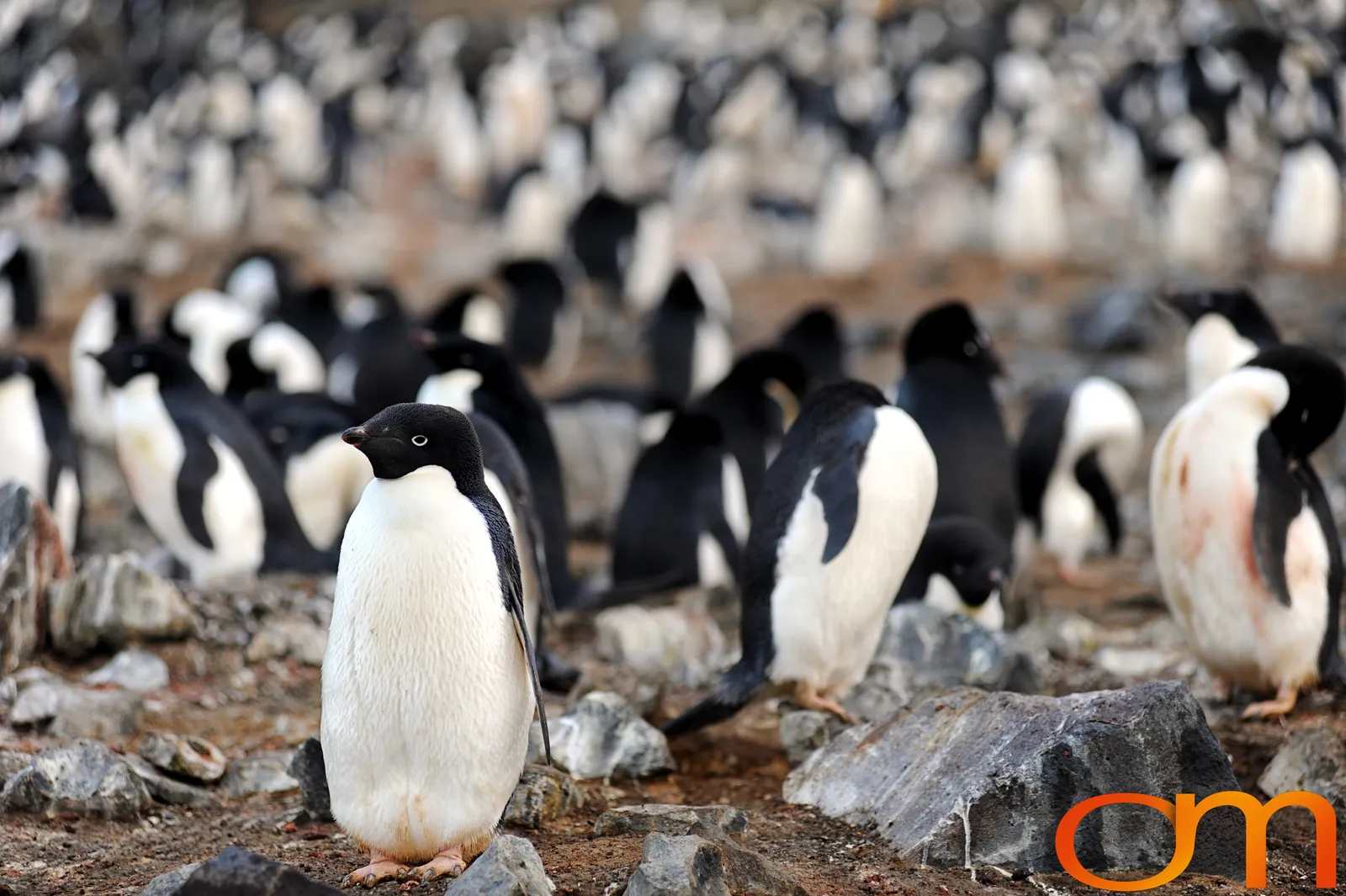
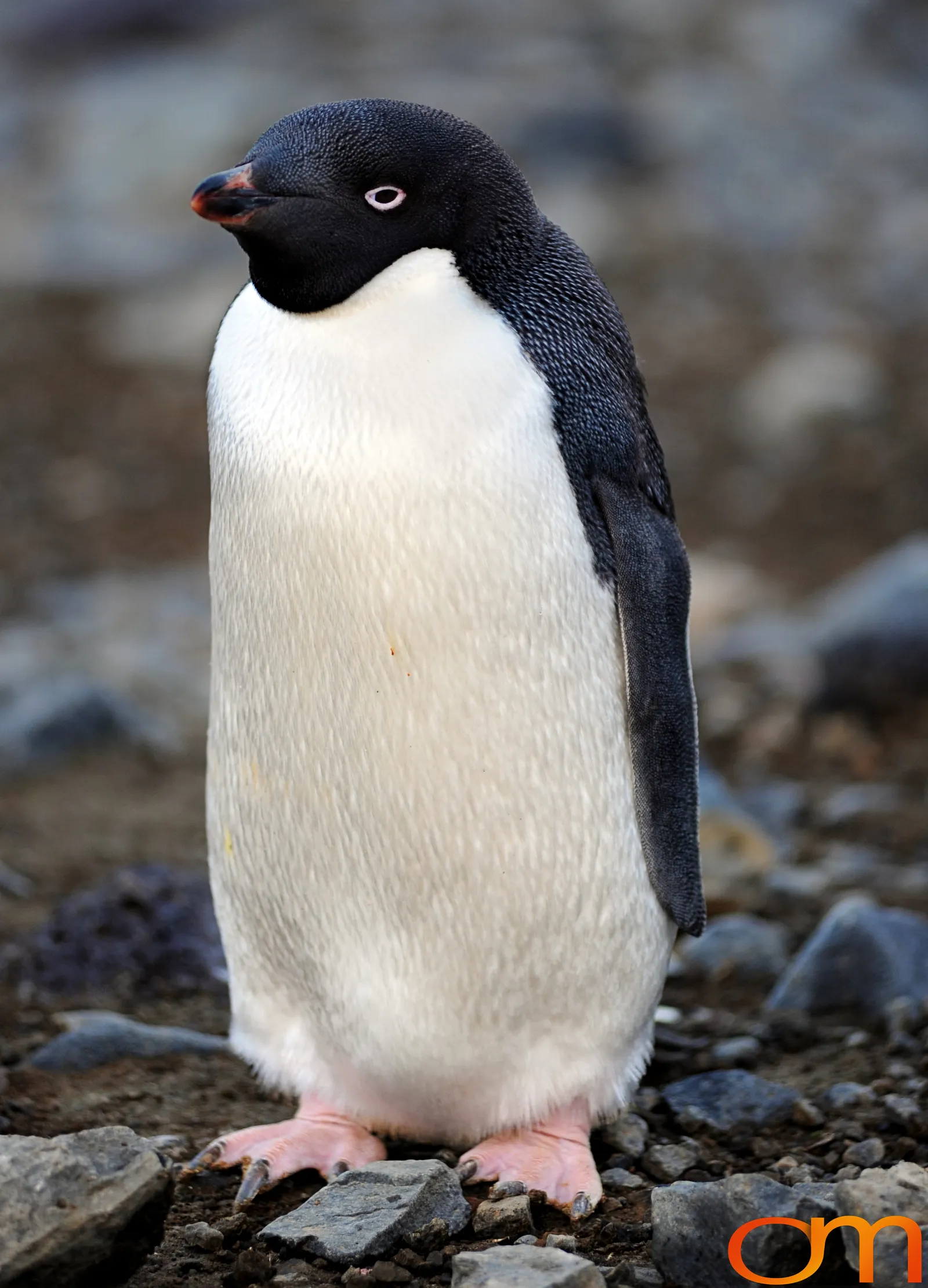
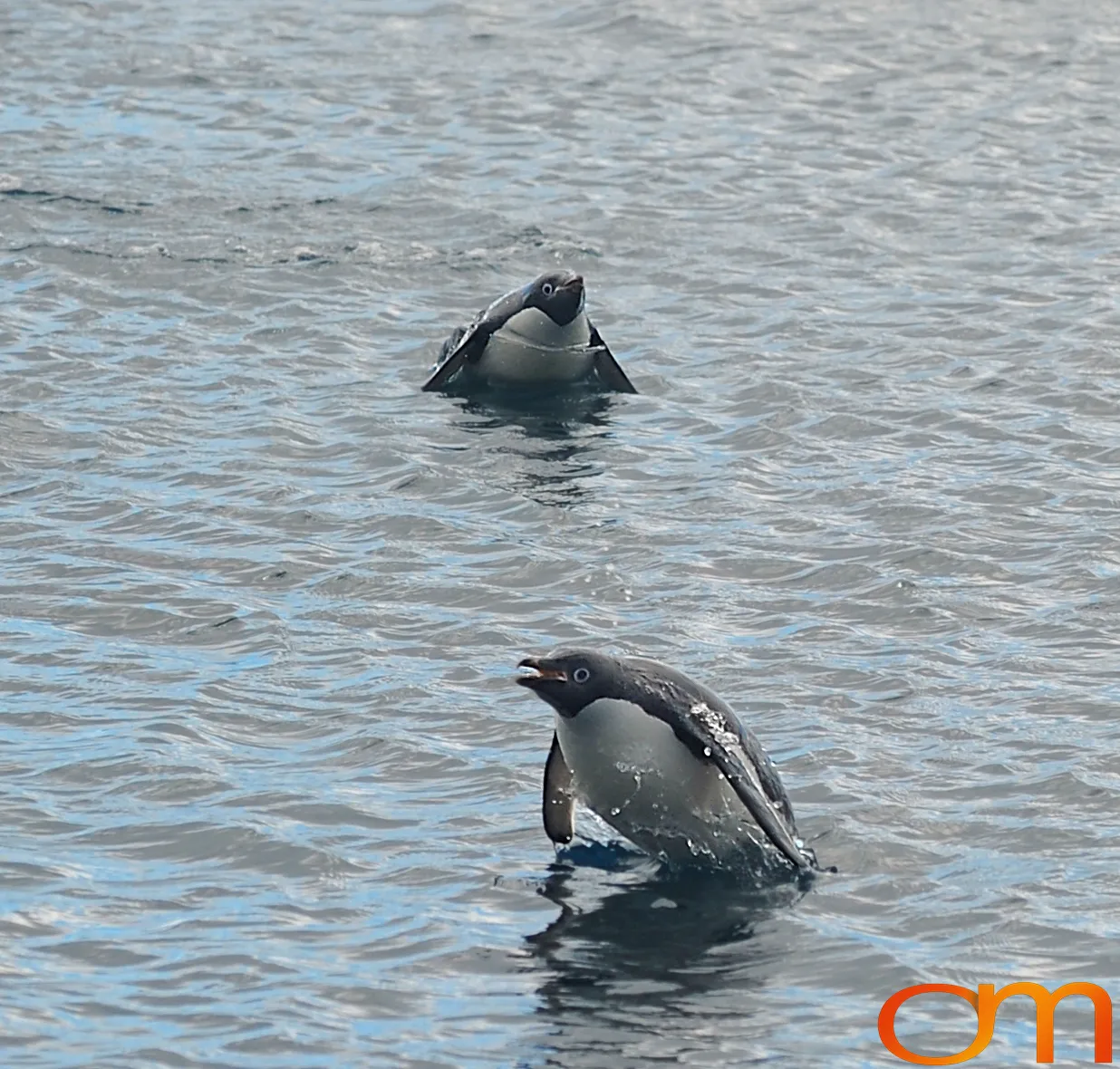
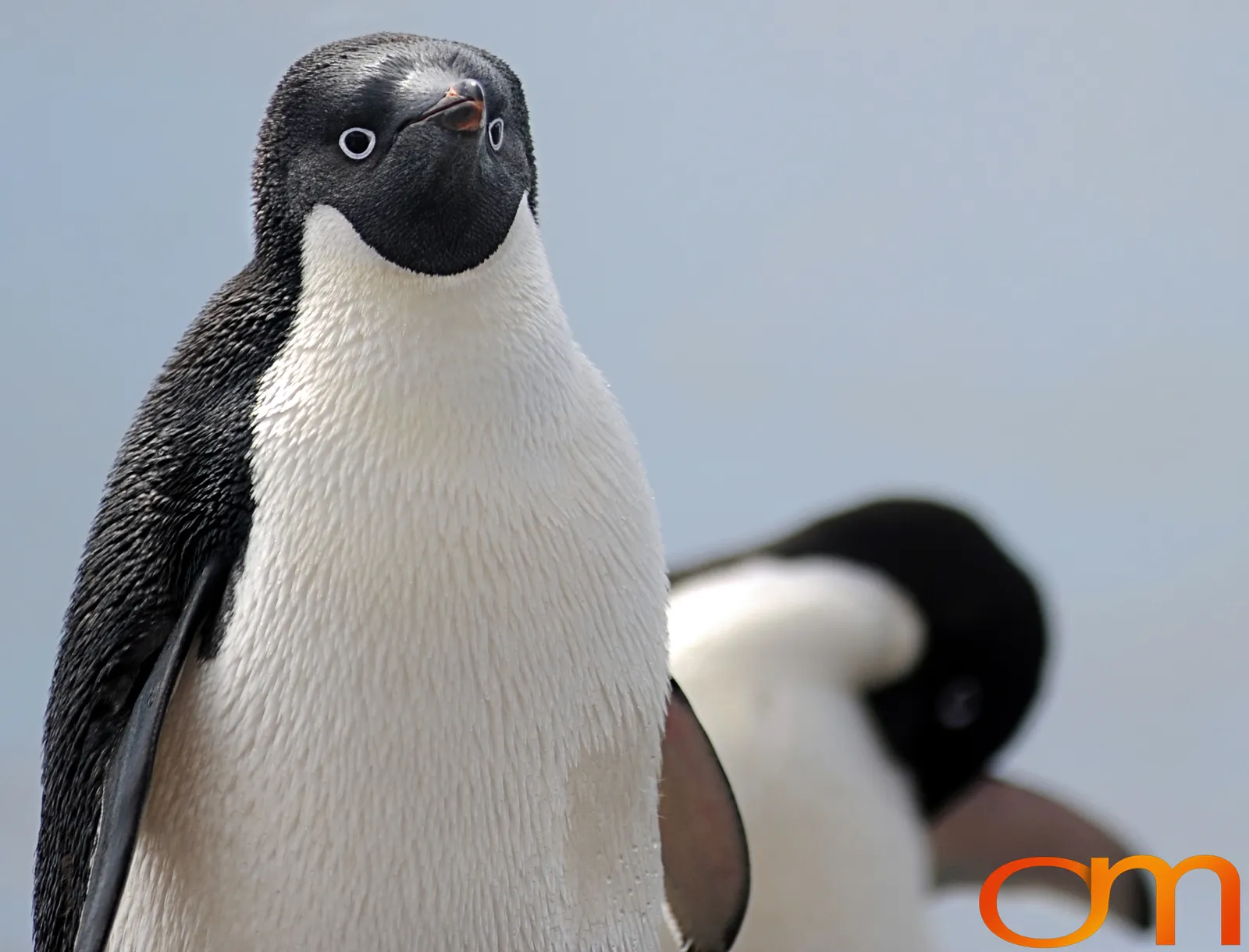
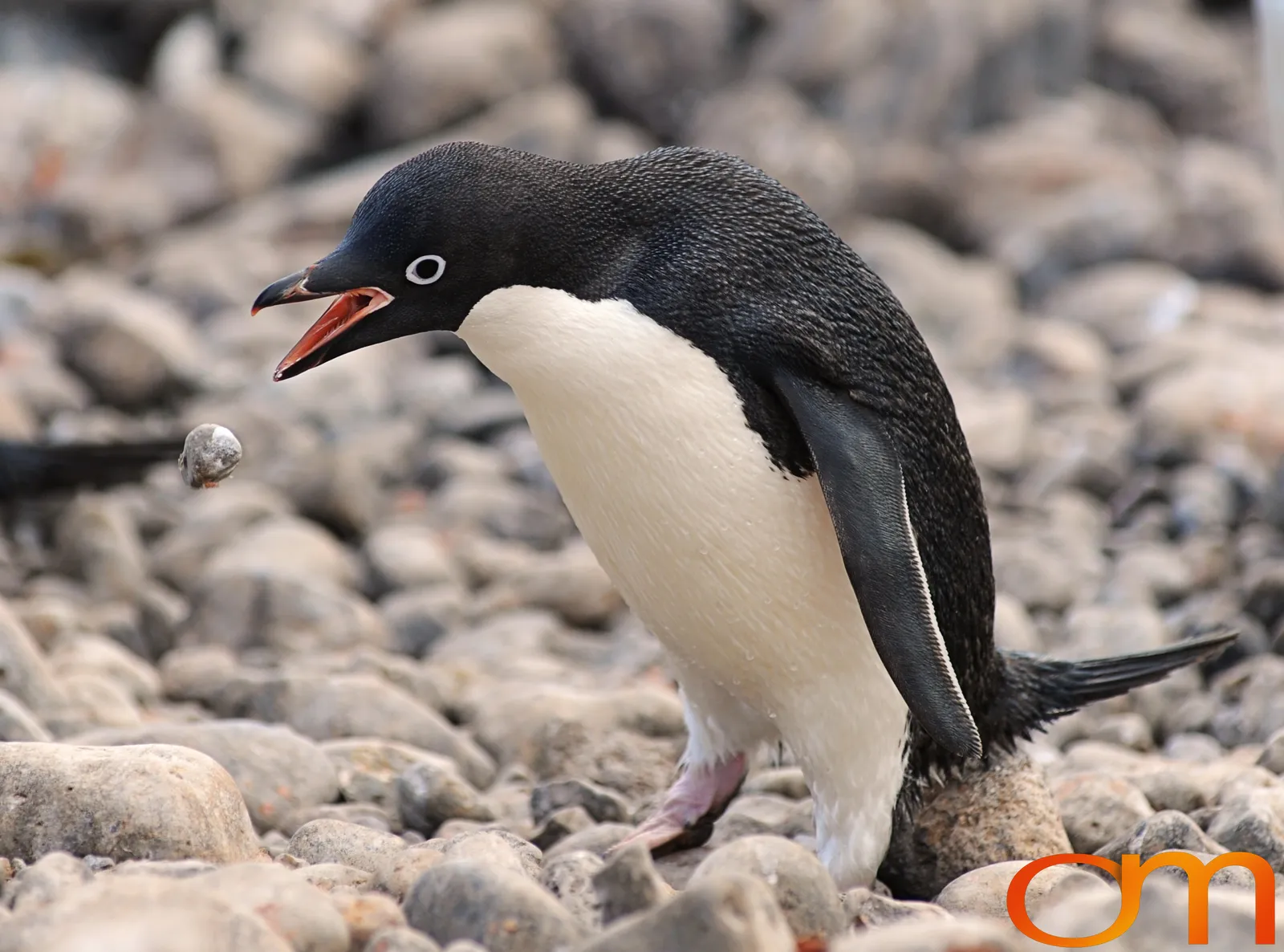
The Adélie penguin (Pygoscelis adeliae) breeds on ice-free coastal ground around Antarctica and on nearby islands where exposed rock is available. Adults stand approximately 28 inches (70 centimeters) tall and weigh 6.6 to 13.2 pounds (3 to 6 kilograms). Males and females are similar in appearance. Their black head, white underside, and narrow white ring surrounding each eye distinguish them from other Antarctic penguins. When snow covers the ice, Adélie penguins often travel by lying on their bellies and pushing with their feet and flippers, a form of movement known as tobogganing.
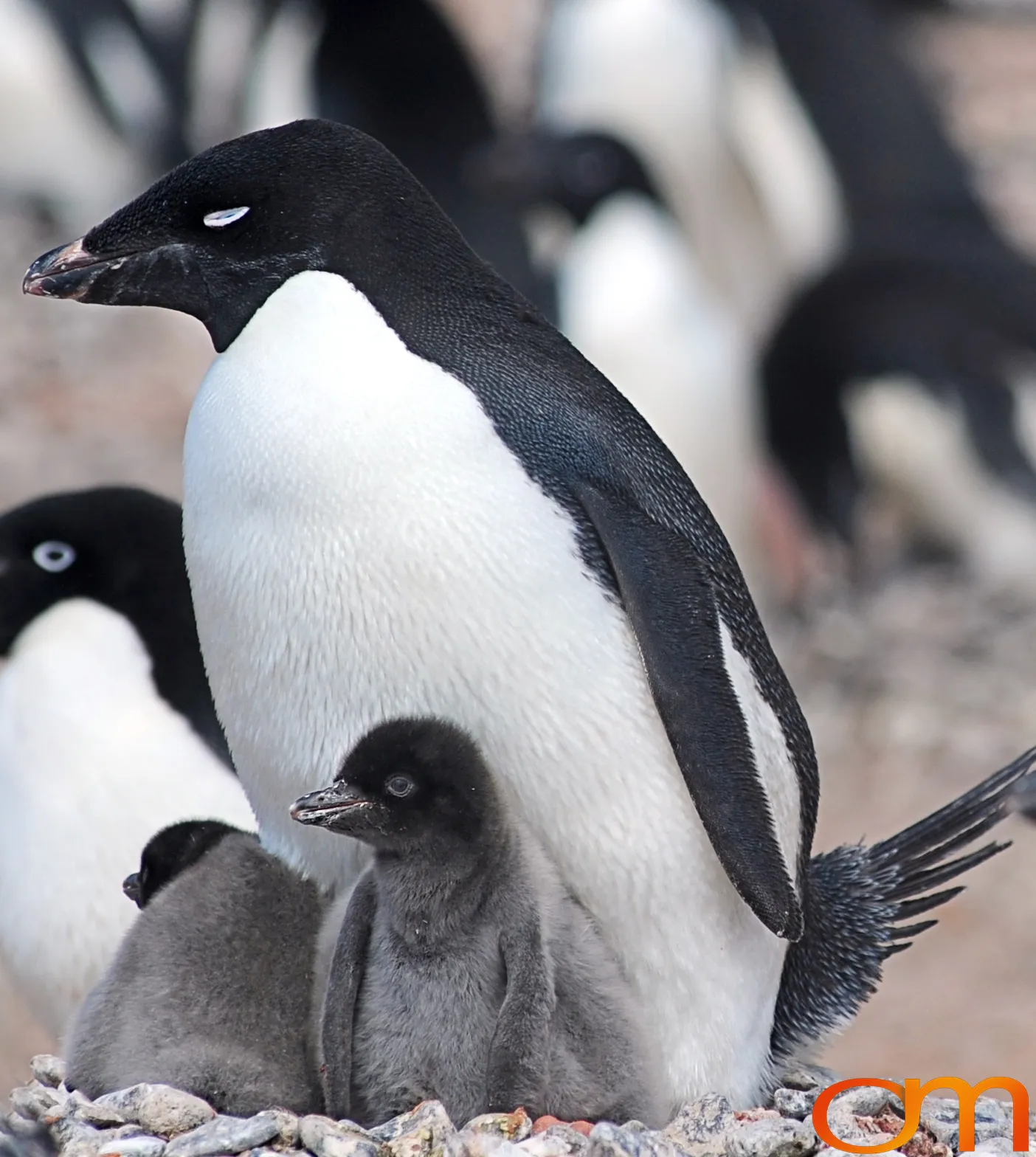
Adults generally return to their breeding grounds during October and November. Colony sizes vary widely, from small colonies to aggregations containing tens or hundreds of thousands of breeding pairs. Each pair constructs a shallow, raised nest from pebbles, often on sloping ground that allows snowmelt to drain away. The height and condition of the nest can affect breeding success because well-maintained pebble nests help keep eggs and chicks above snow, water, and wet ground. Penguins collect stones throughout the breeding season and sometimes take pebbles from neighboring nests.
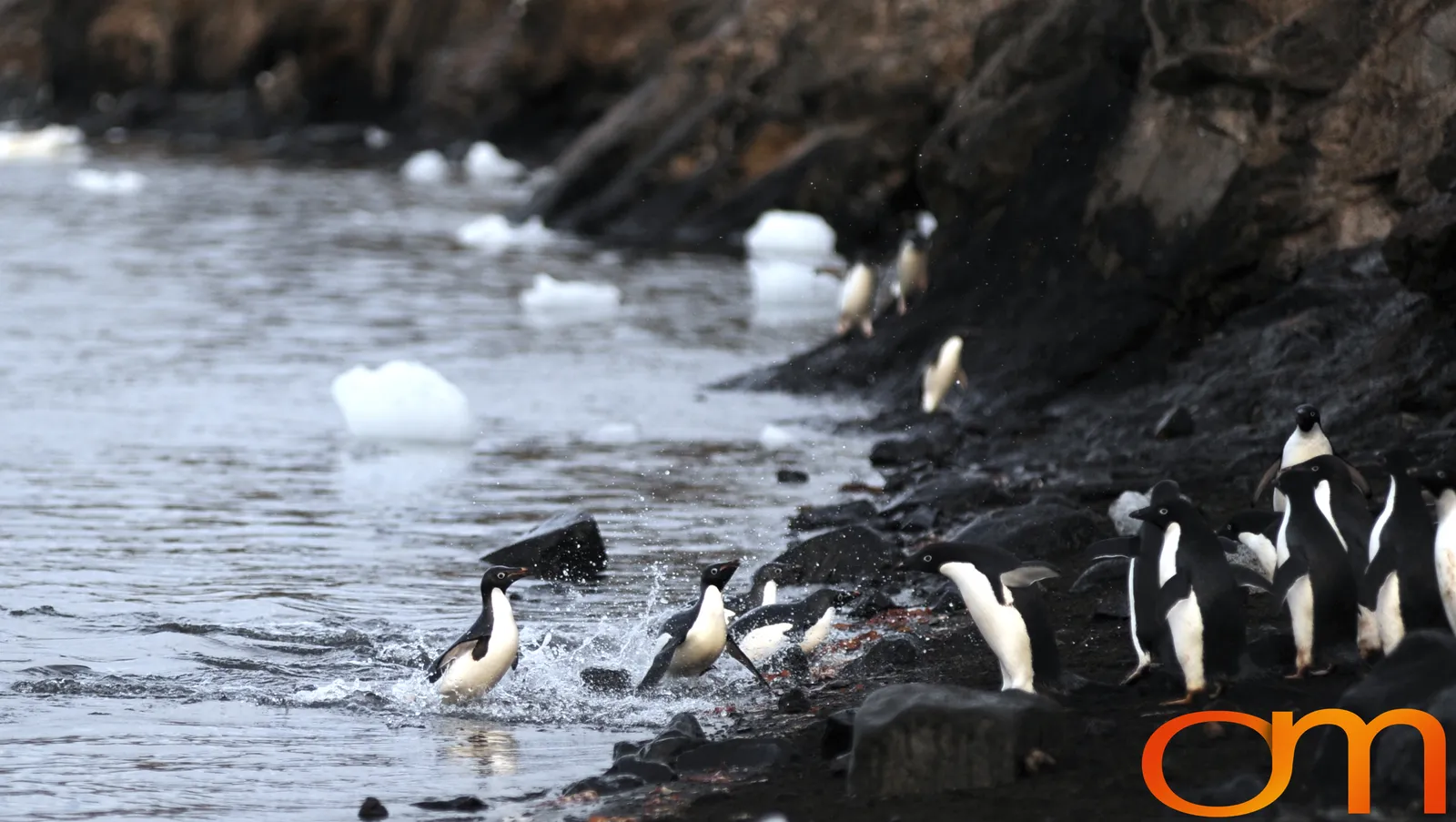
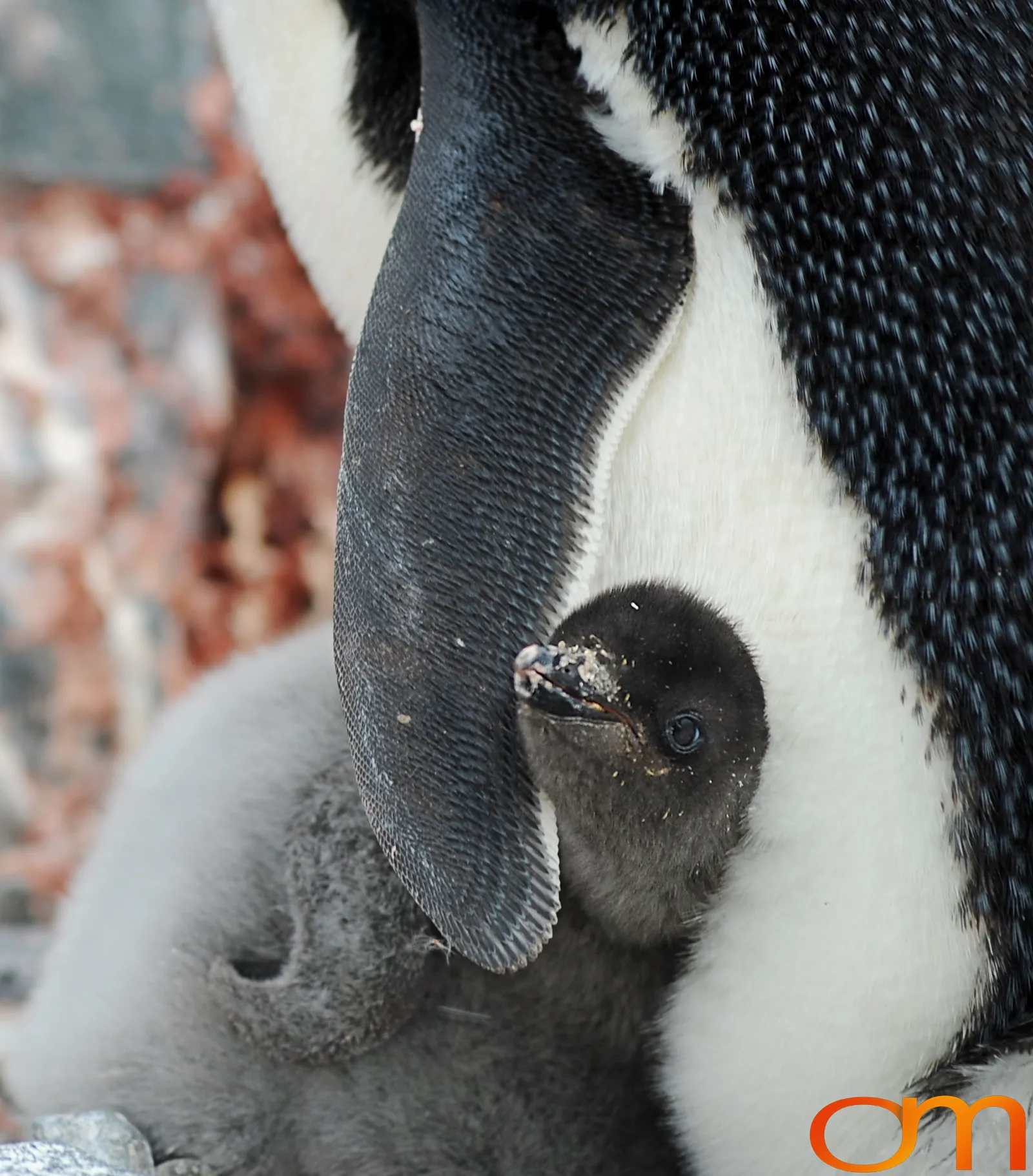
Females usually lay two eggs. Both parents alternate incubation shifts for approximately five weeks and later share responsibility for guarding and feeding the chicks. At around three weeks old, chicks begin gathering in groups called crèches while both parents forage at sea. Young penguins replace their down with waterproof feathers and generally enter the ocean at seven to nine weeks old.
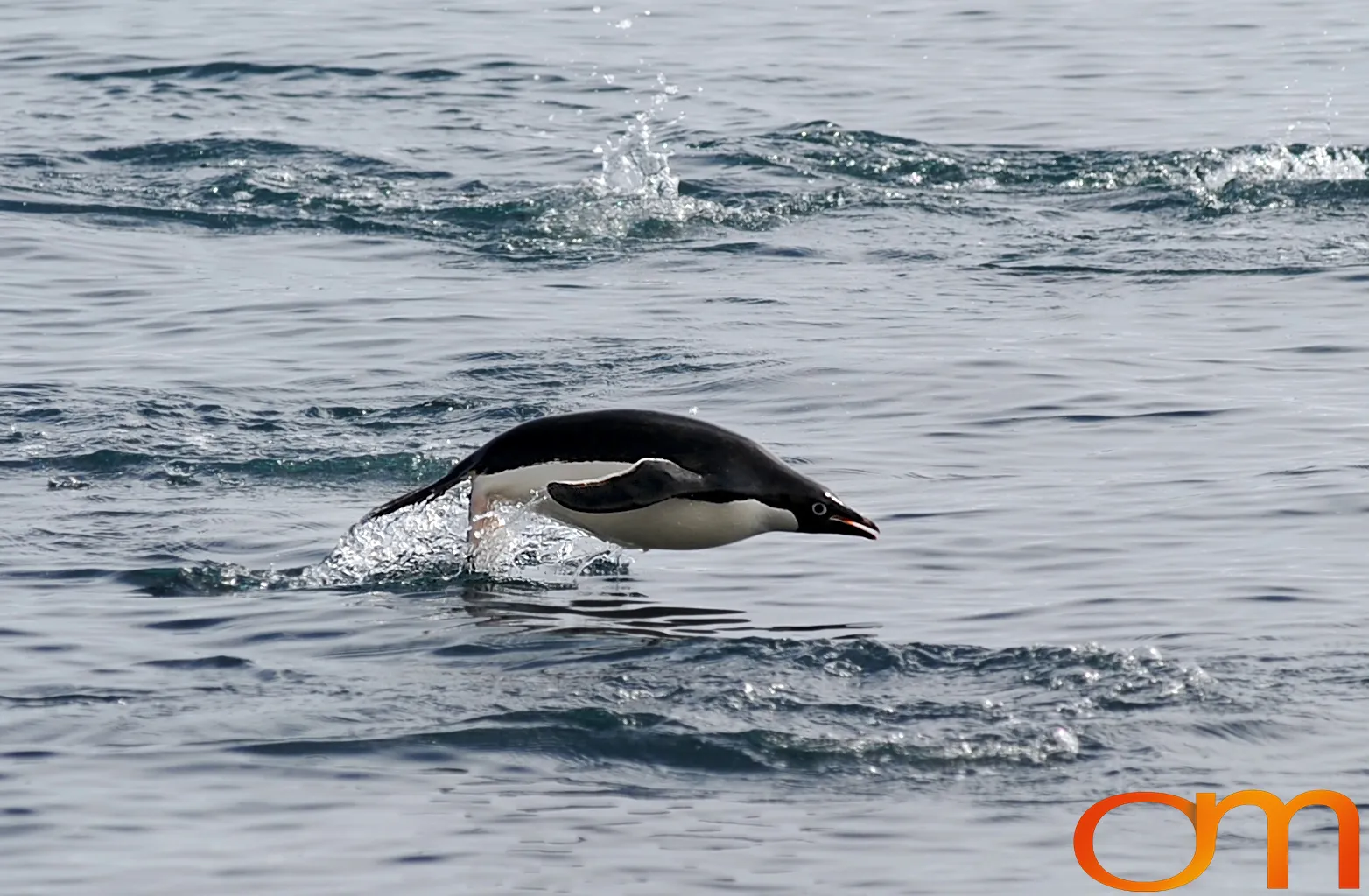
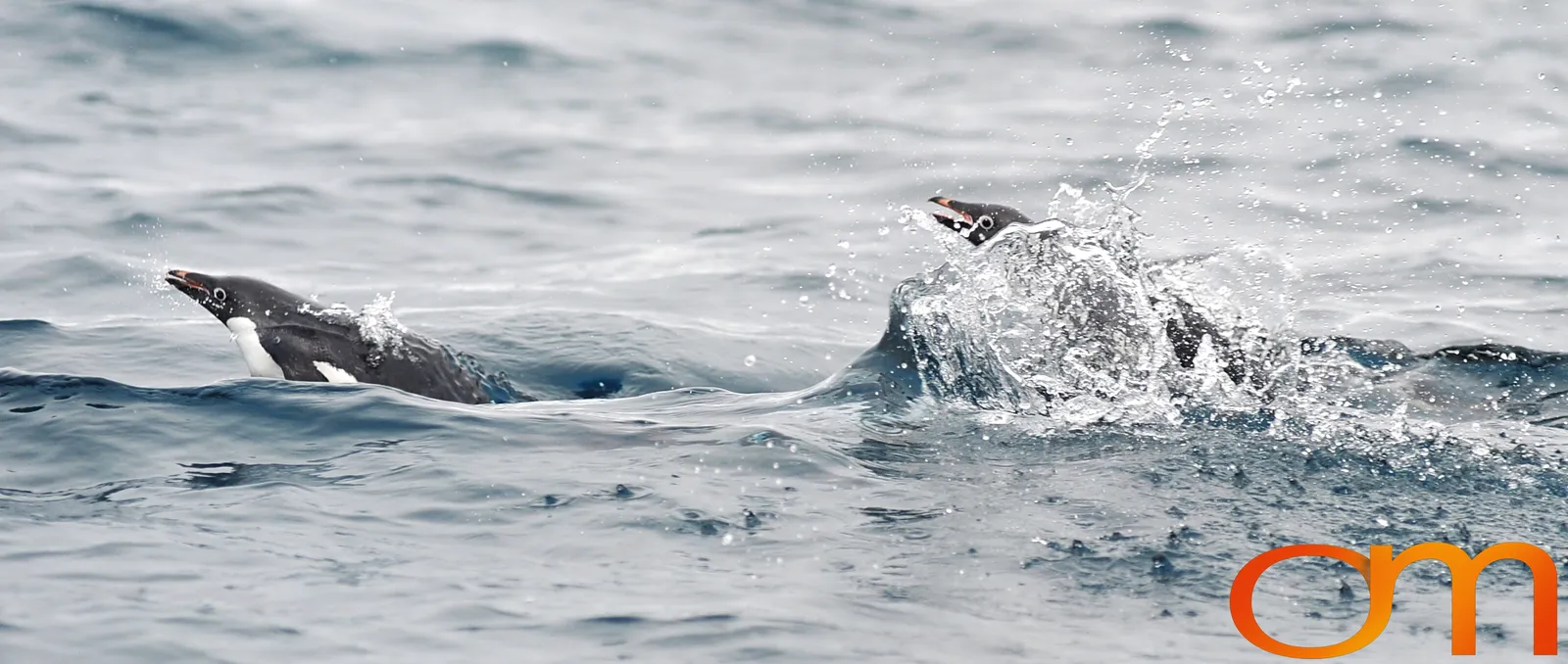
Adélie penguins feed primarily on krill, fish, amphipods, and other small marine animals. They usually forage within the upper 230 feet (70 meters) of the water but are capable of diving to depths of approximately 575 feet (175 meters). Outside the breeding season, they spend much of their time at sea among the pack ice and may travel more than 745 miles (1,200 kilometers) from their breeding colonies.