Antarctica and the Sub-Antarctic
Antarctica
December 2008
Antarctica is Earth’s southernmost and fifth-largest continent, covering approximately 5.5 million square miles (14.2 million square kilometers). Beneath its ice lies a rocky landmass crossed by mountain ranges, valleys, and deep basins.
The Antarctic Ice Sheet is the largest single mass of ice on Earth. It averages approximately 1.2 miles (1.9 kilometers) thick, reaches nearly 3 miles (4.8 kilometers) thick in some places, and contains about 60 percent of the world’s fresh water. Only about 0.4 percent of Antarctica’s surface is free of snow and ice, although estimates vary according to how exposed land is measured.
Antarctica is the coldest, driest, windiest, and highest continent by average elevation. Average annual temperatures range from approximately 14°F (−10°C) along the coast to −76°F (−60°C) across the highest parts of the interior. Winter temperatures over the elevated interior can fall below −112°F (−80°C). The lowest directly recorded surface temperature on Earth, −128.6°F (−89.2°C), was measured at Vostok Station in 1983.
Despite its immense ice cover, Antarctica is classified as a polar desert because it receives very little precipitation. Conditions vary considerably across the continent. Coastal areas receive more snowfall and experience milder temperatures than the high interior plateau.
Ice Along the Antarctic Coast
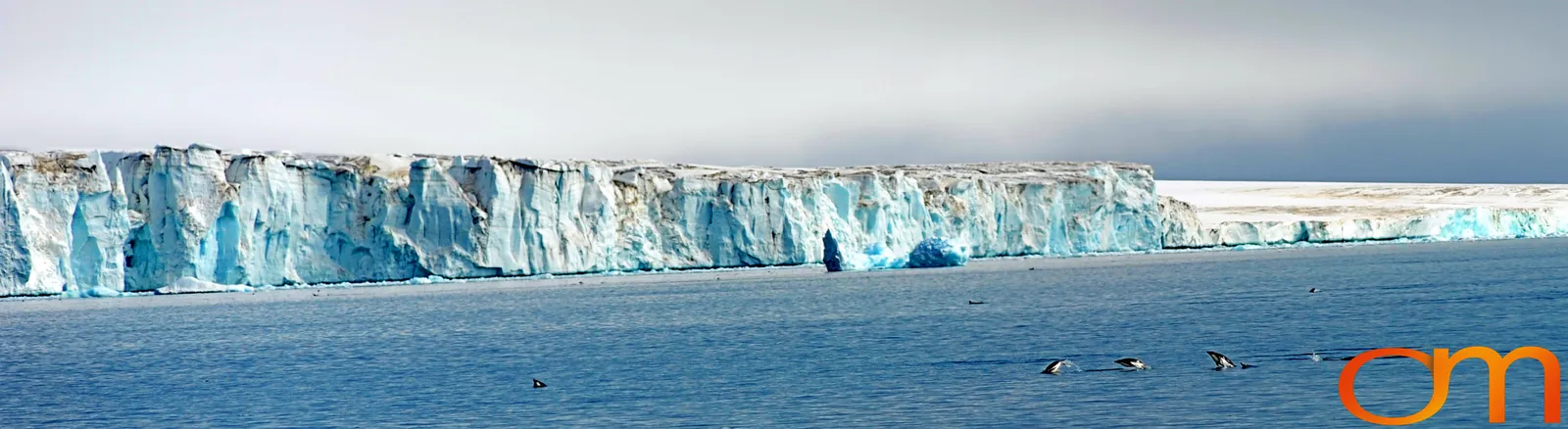
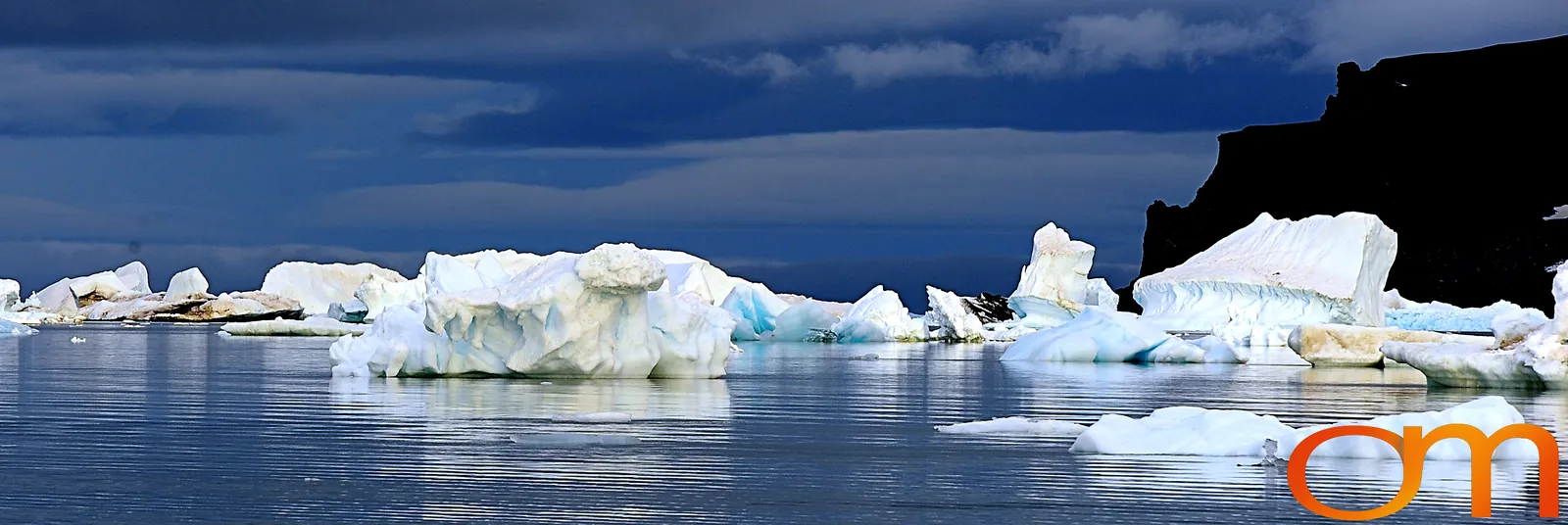
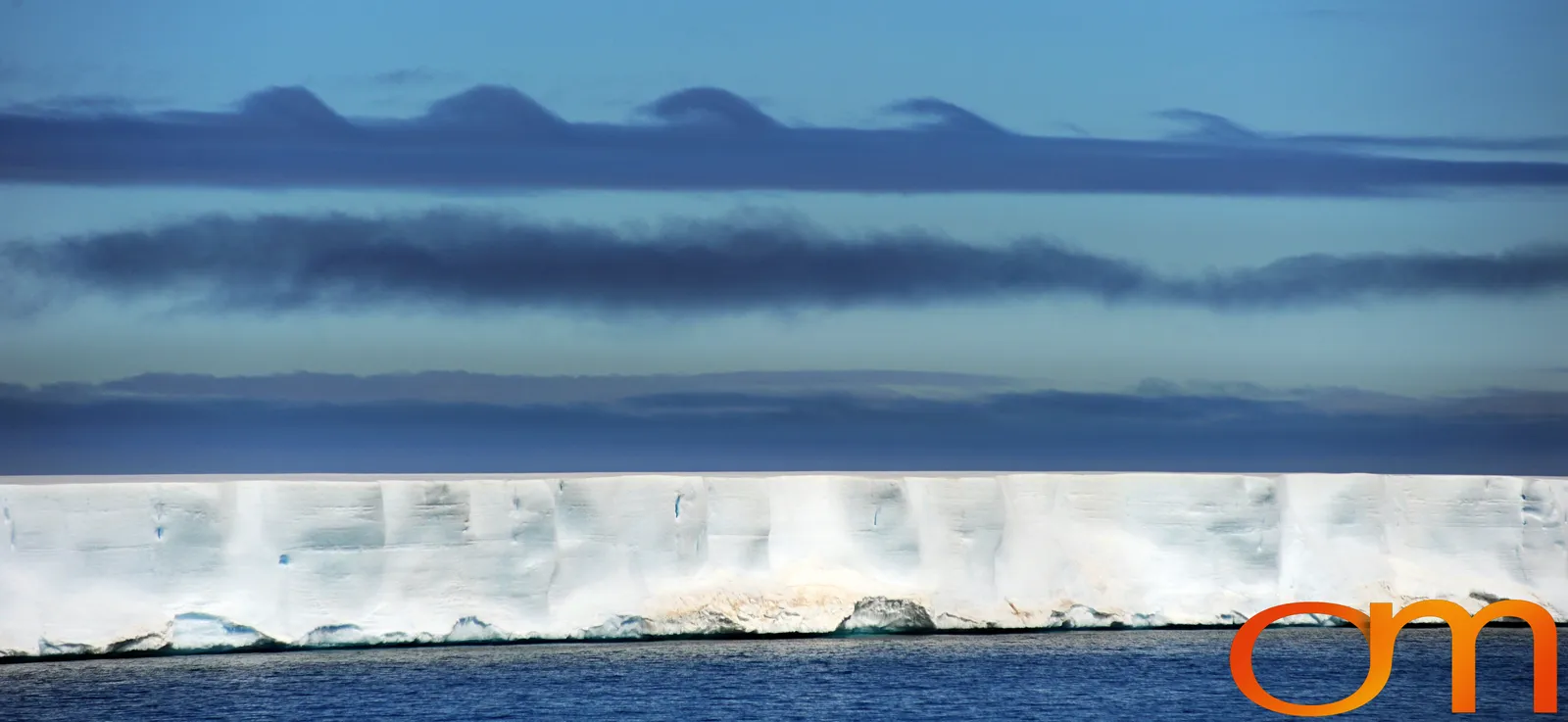
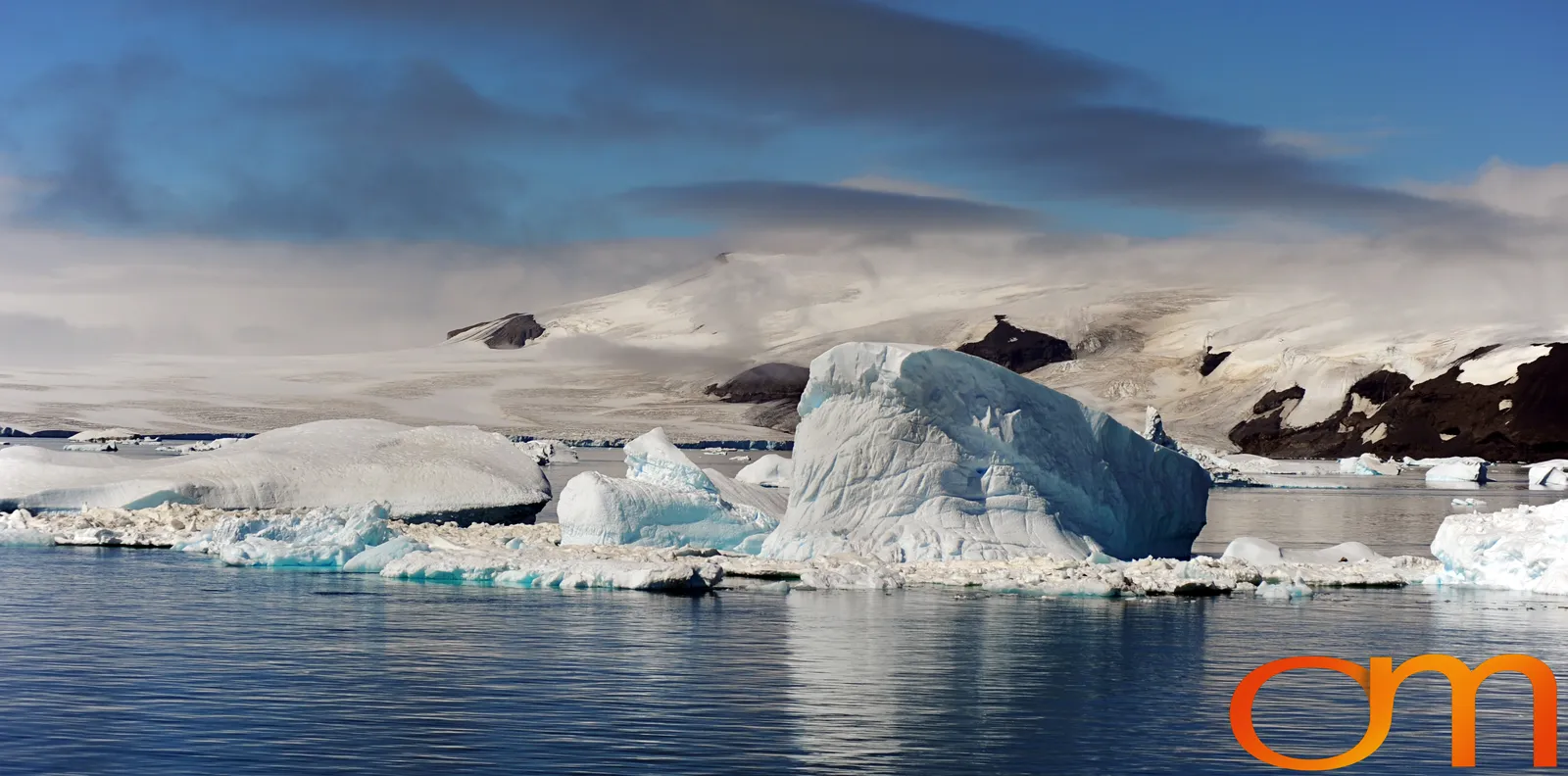
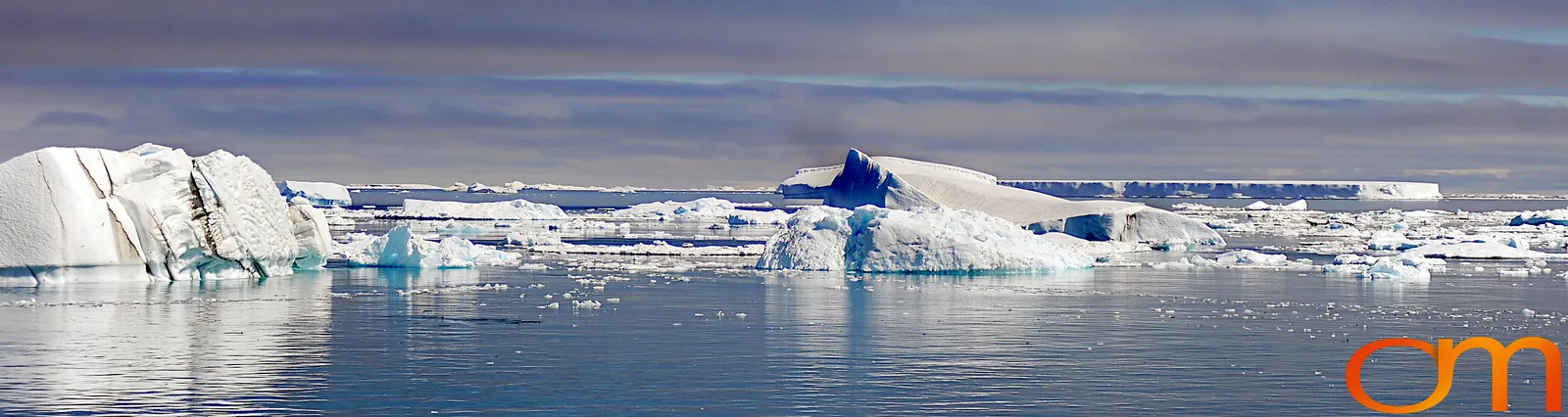
Antarctica’s coastal waters contain several distinct forms of ice. Glaciers flow from the continent toward the ocean, while ice shelves are floating extensions of land-based ice that remain connected to the coast. Icebergs form when sections of glaciers or ice shelves break away in a process known as calving.
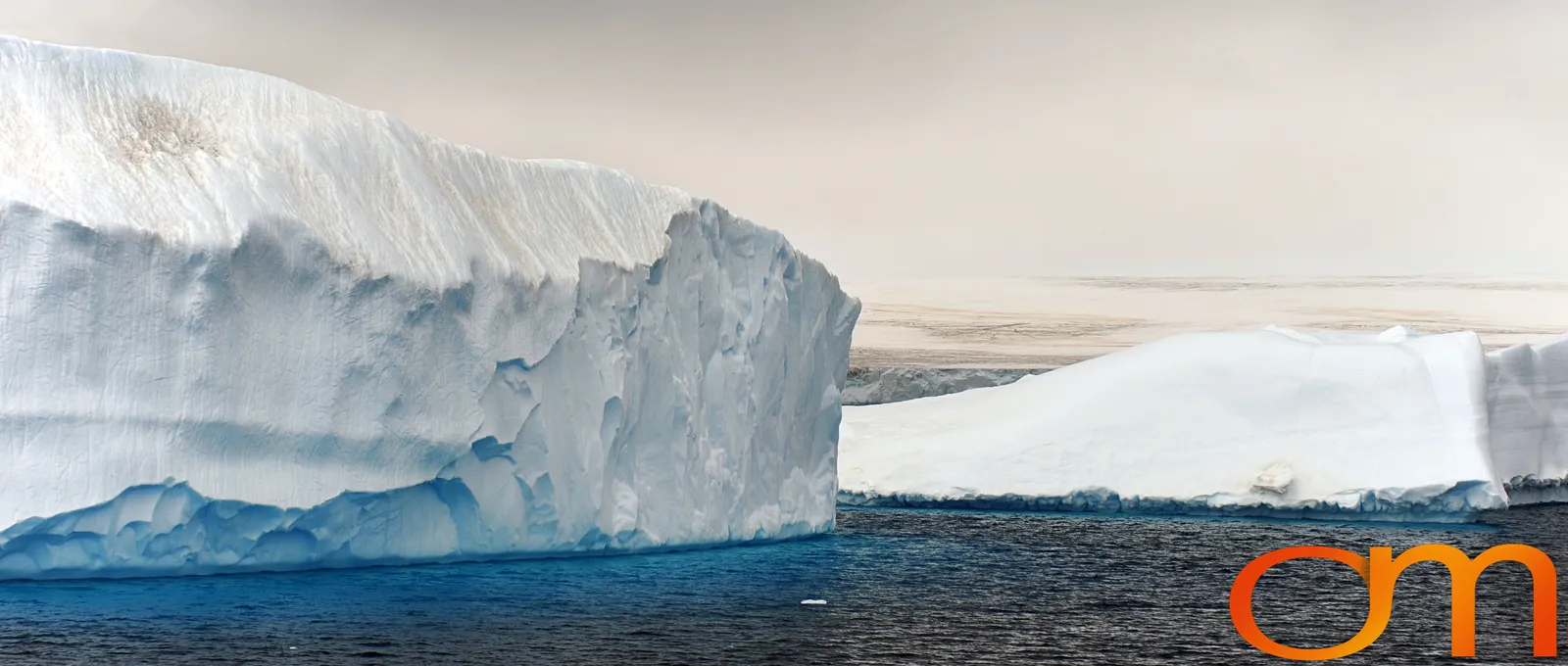
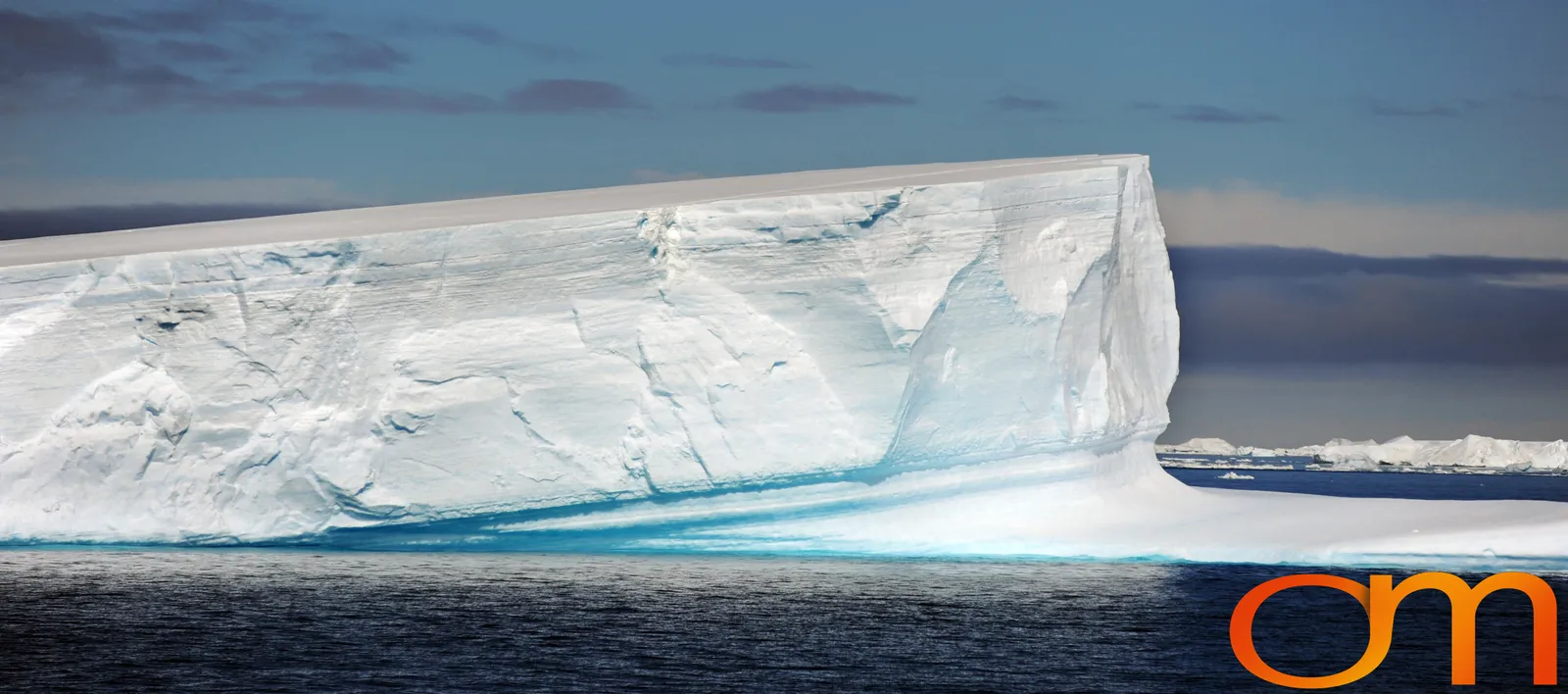
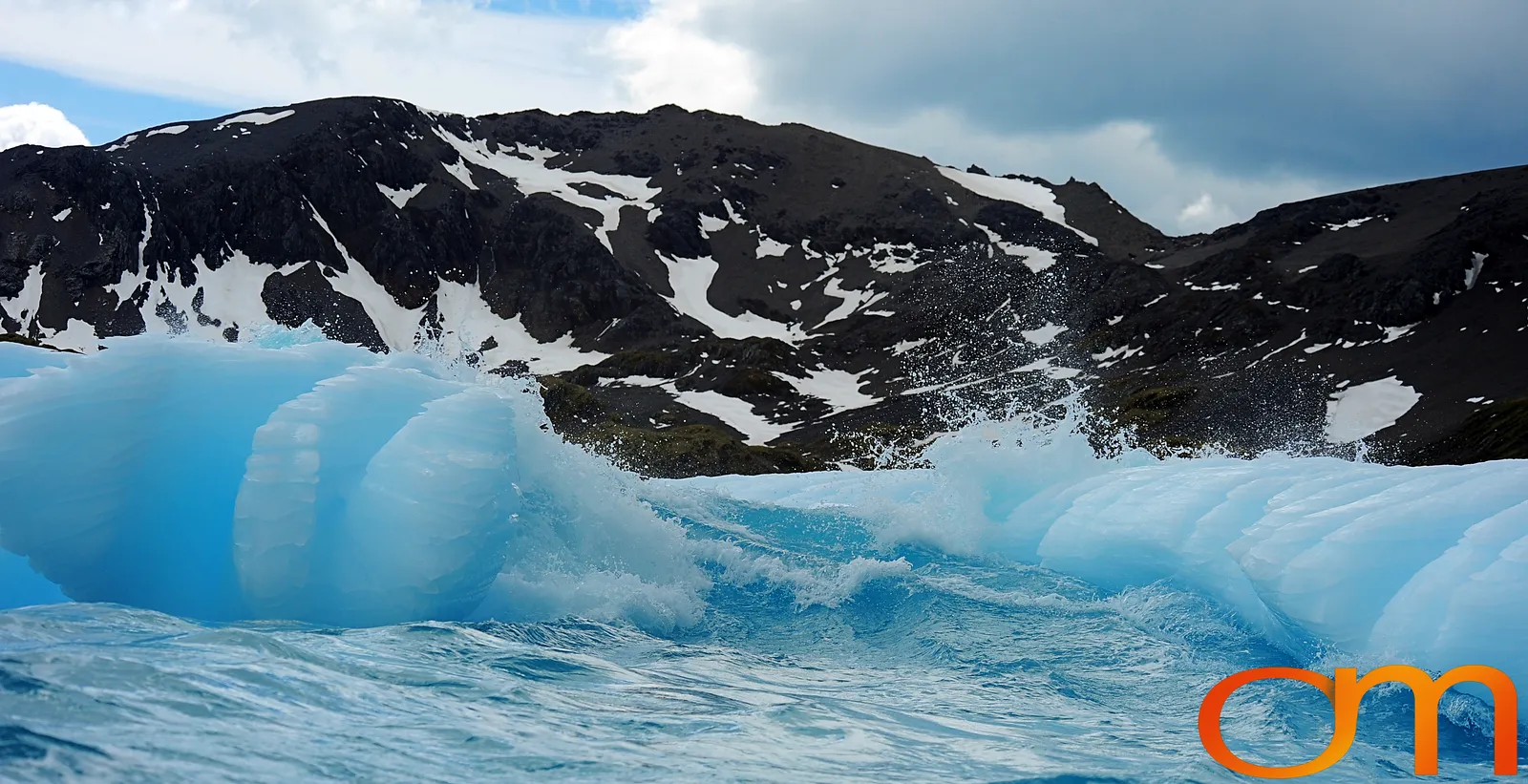
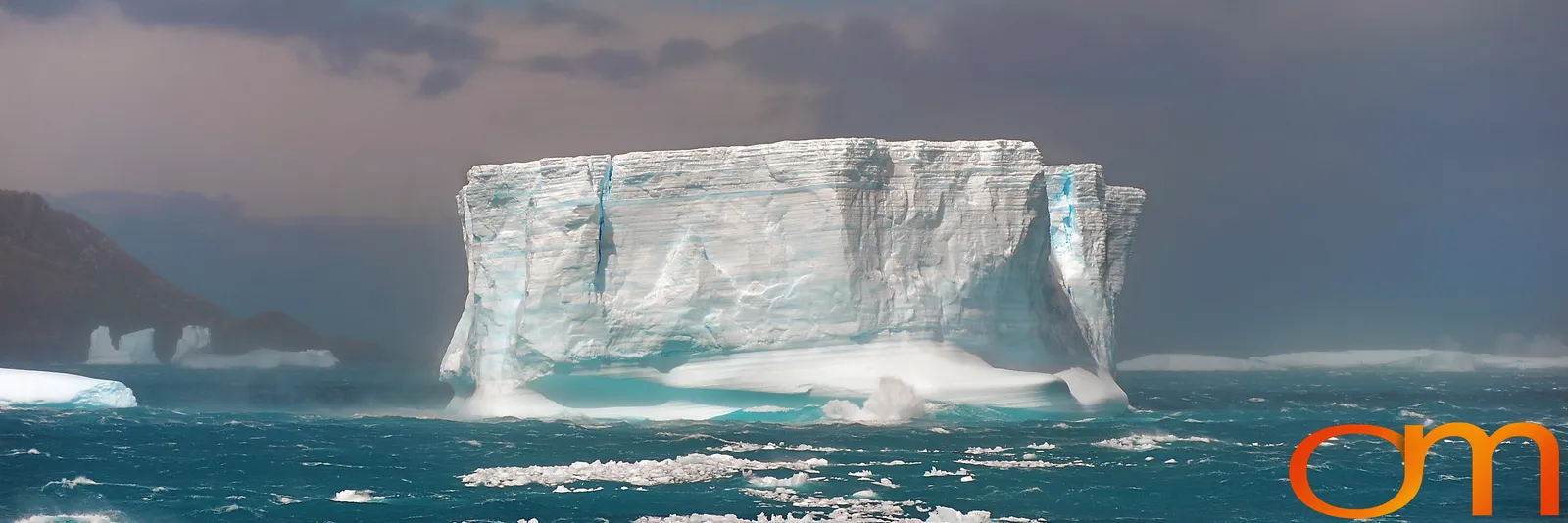
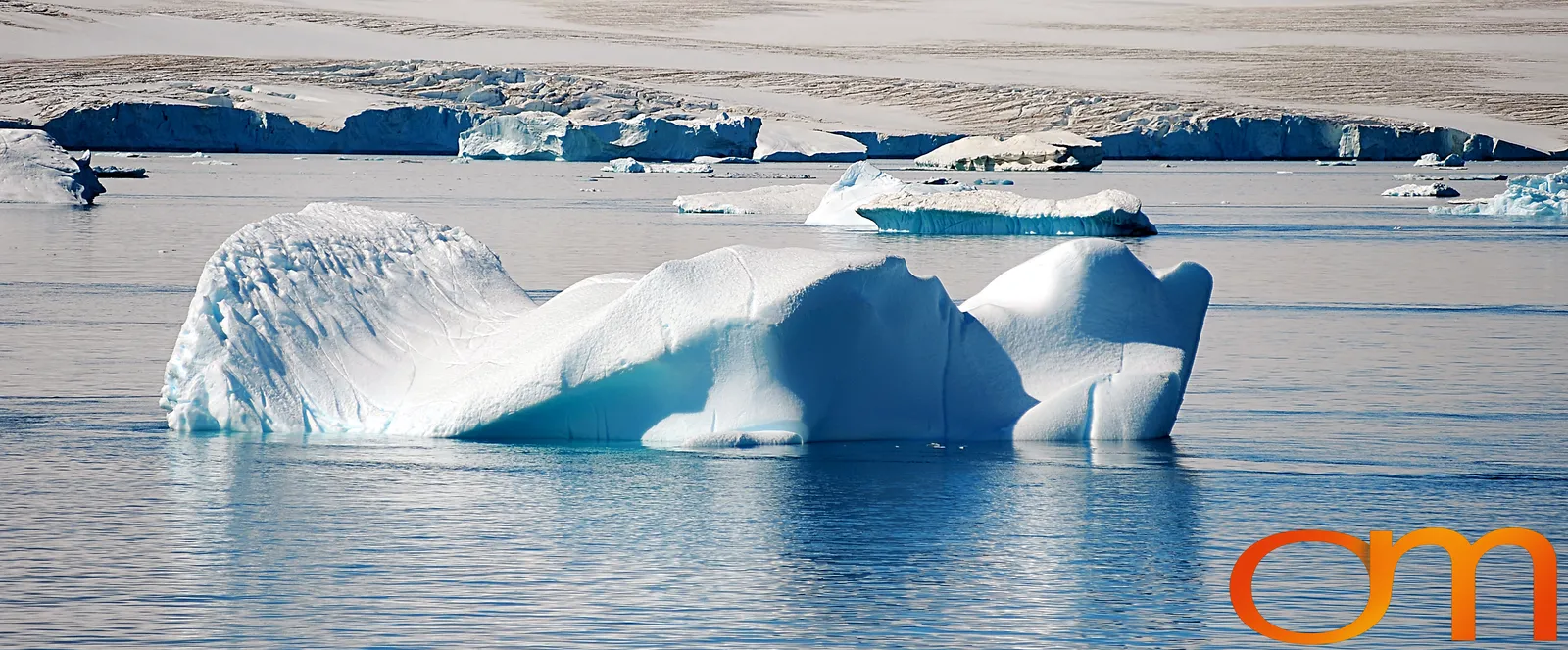
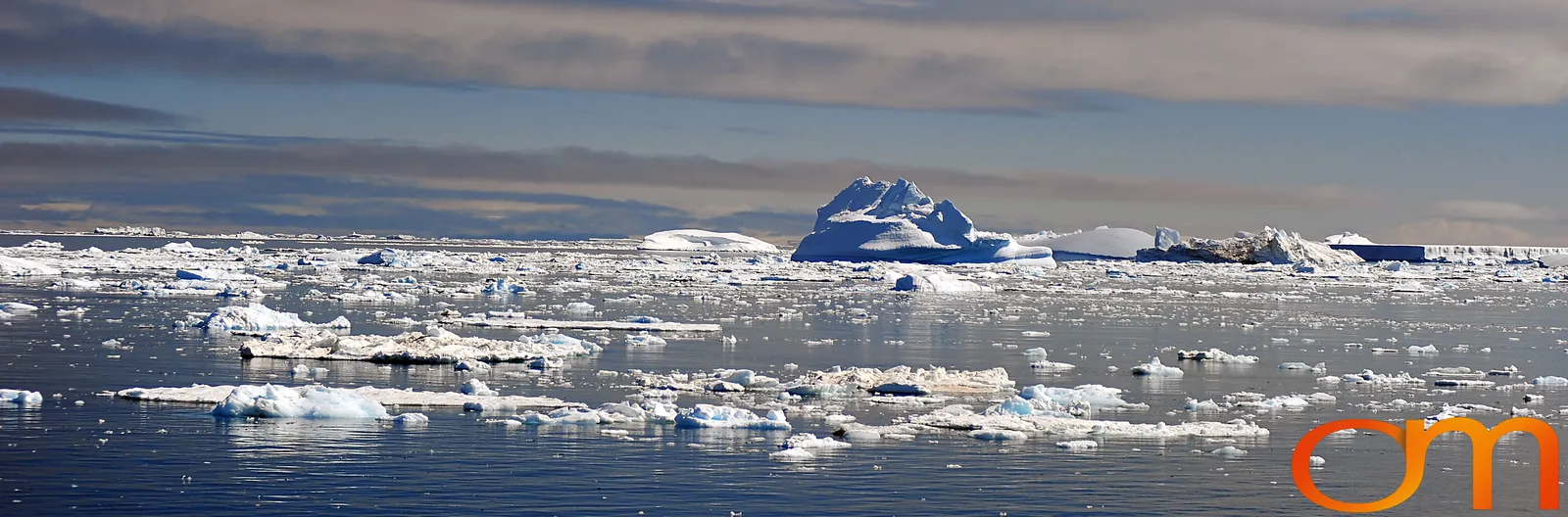
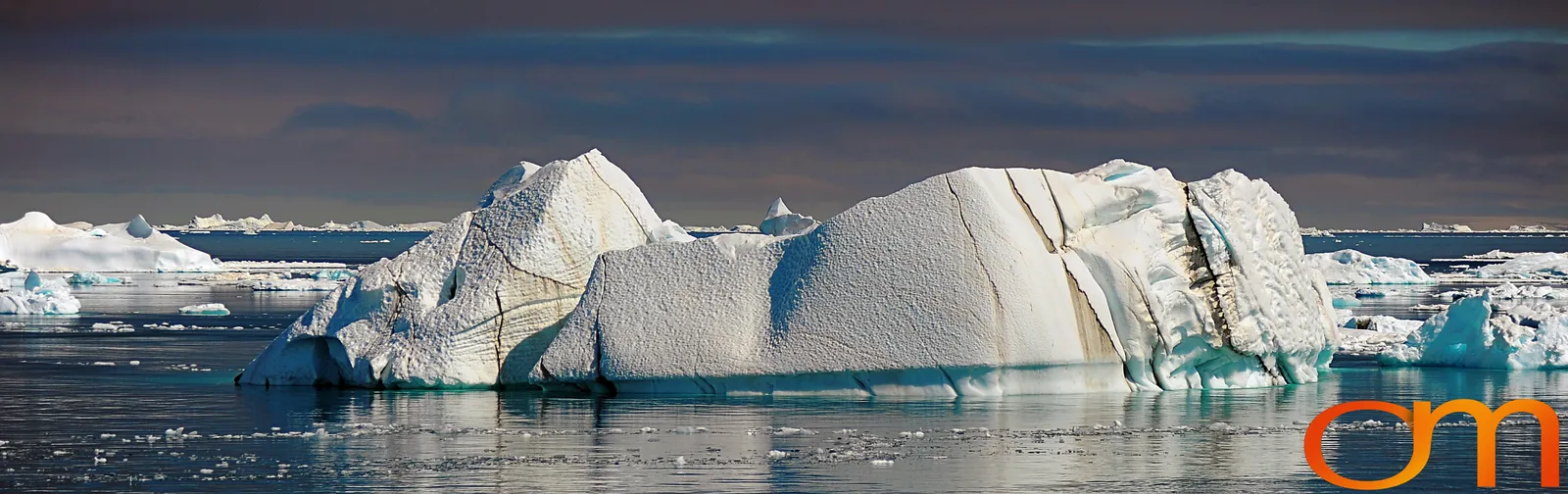
Icebergs vary greatly in size and shape. Large tabular icebergs have steep sides and relatively flat tops, while older icebergs may be sculpted into arches, pinnacles, and irregular forms by wind, waves, melting, and repeated breakage. Smaller fragments may be classified as bergy bits or growlers.
Because freshwater ice is slightly less dense than seawater, roughly 90 percent of a typical iceberg’s volume lies below the ocean surface. The exact proportion depends on the iceberg’s density, shape, and the surrounding water.
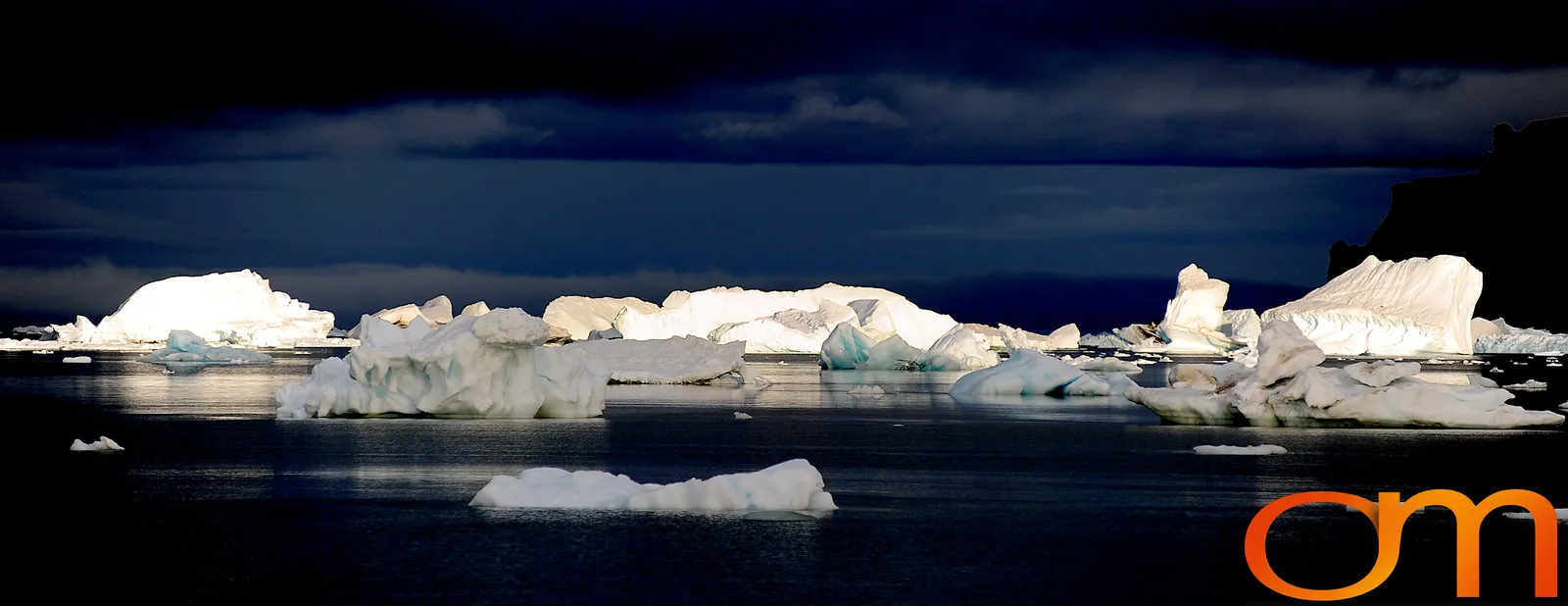
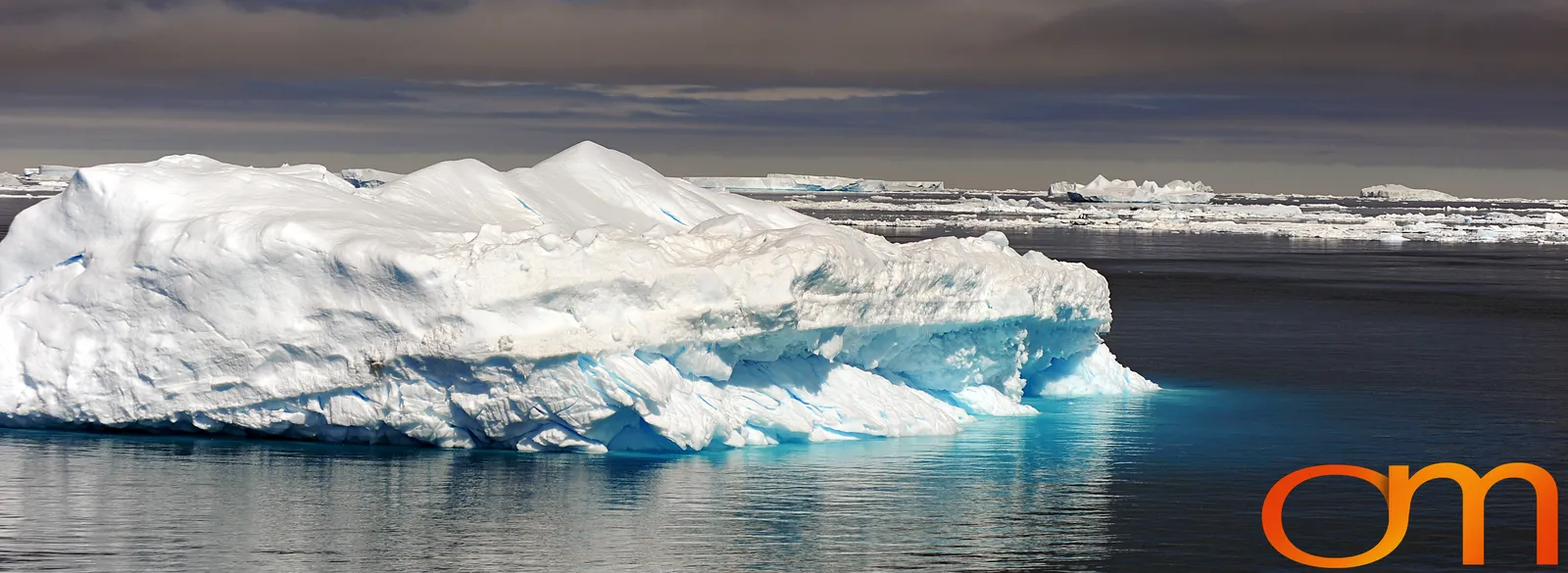
Sea ice is different from glacial ice. It forms when the surface of the ocean freezes, expands around Antarctica during the colder months, and retreats during the warmer season. Smaller fields of broken floating ice are often described as brash ice.
Ice and Antarctic Wildlife
Sea ice and the waters surrounding it support an interconnected ecosystem. Microscopic algae grow within and beneath the ice, contributing to food webs that include Antarctic krill, fish, penguins, seals, seabirds, and whales.
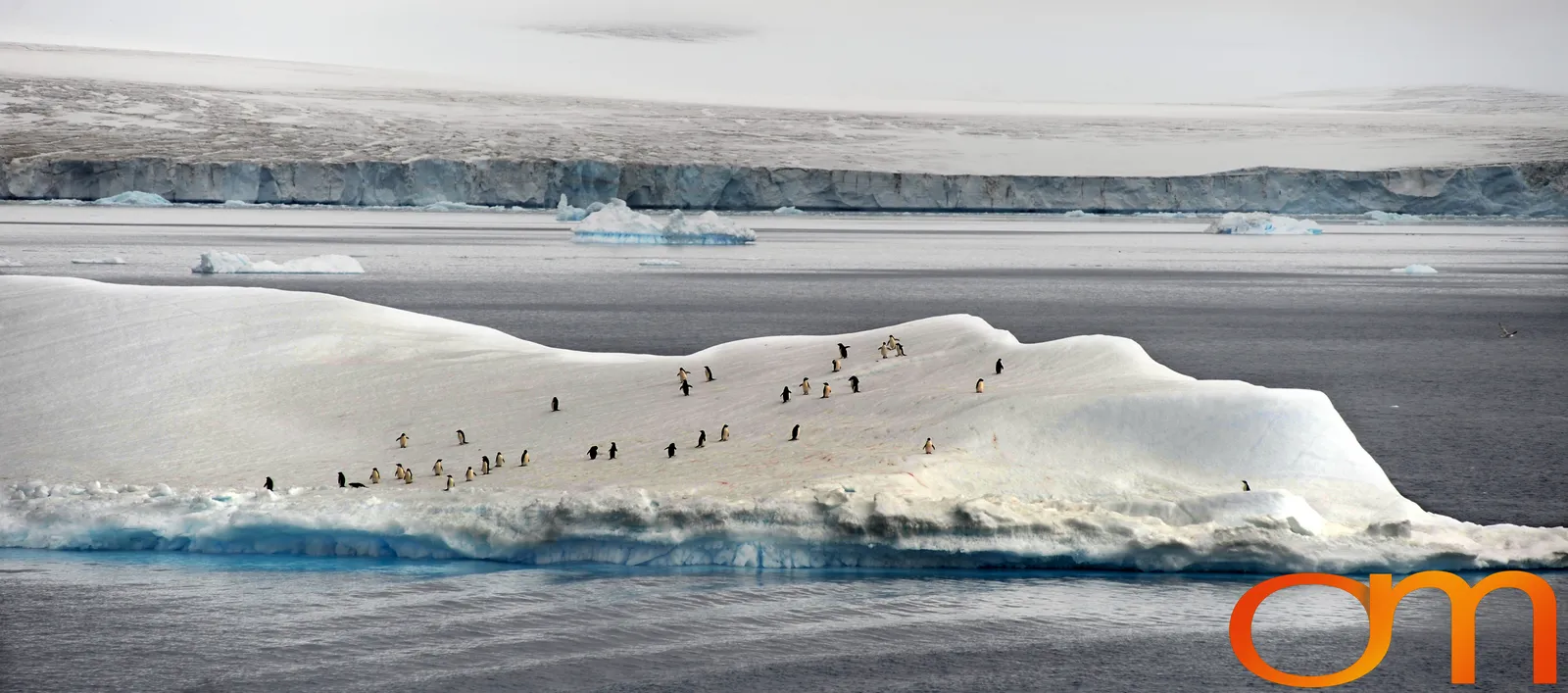
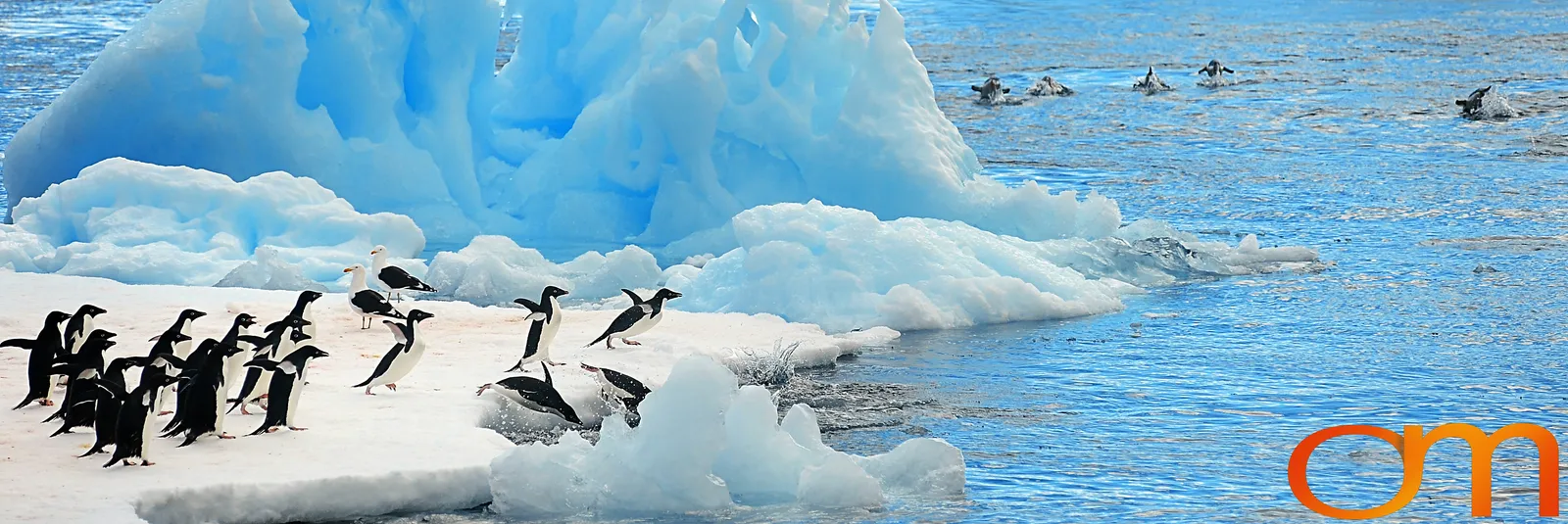
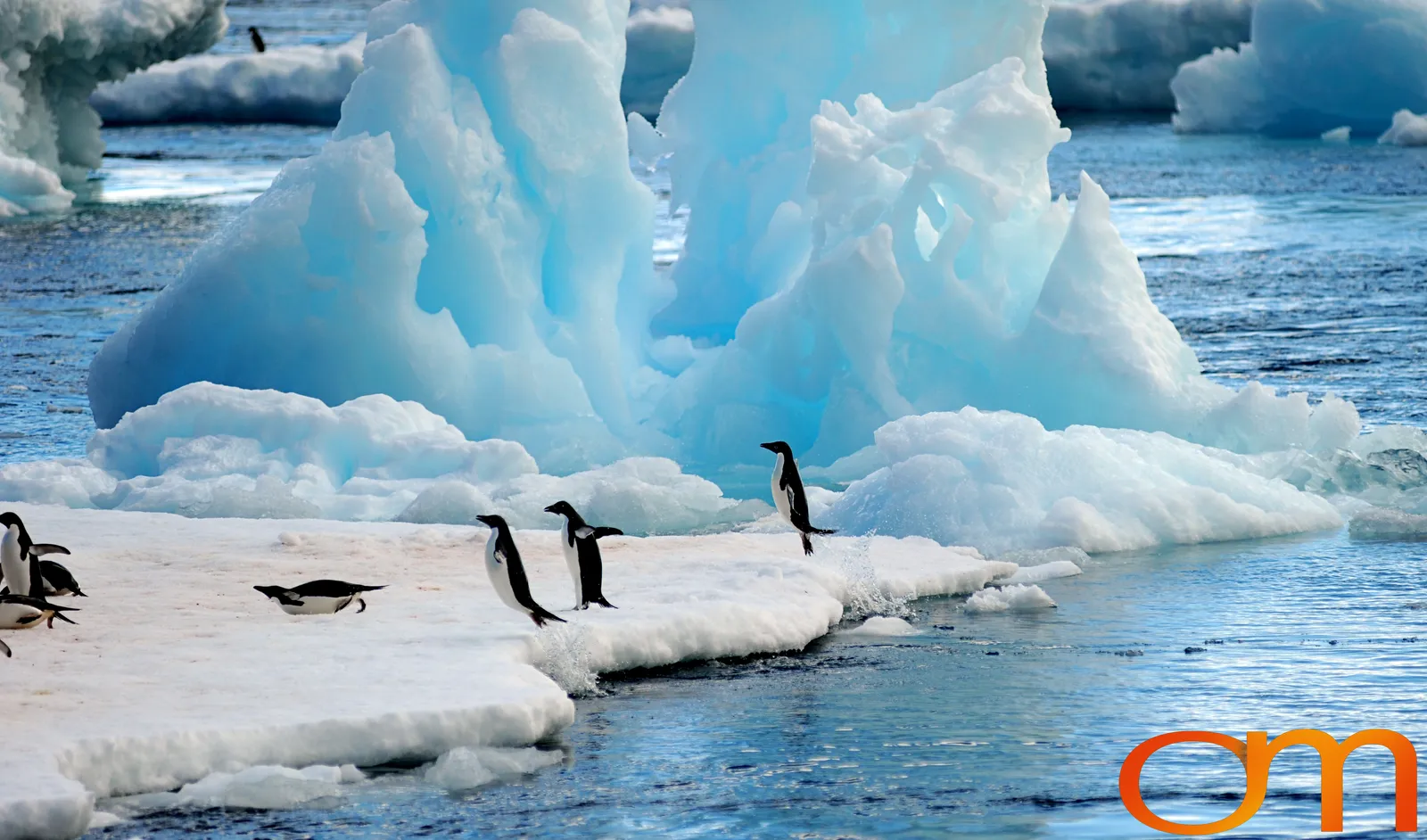
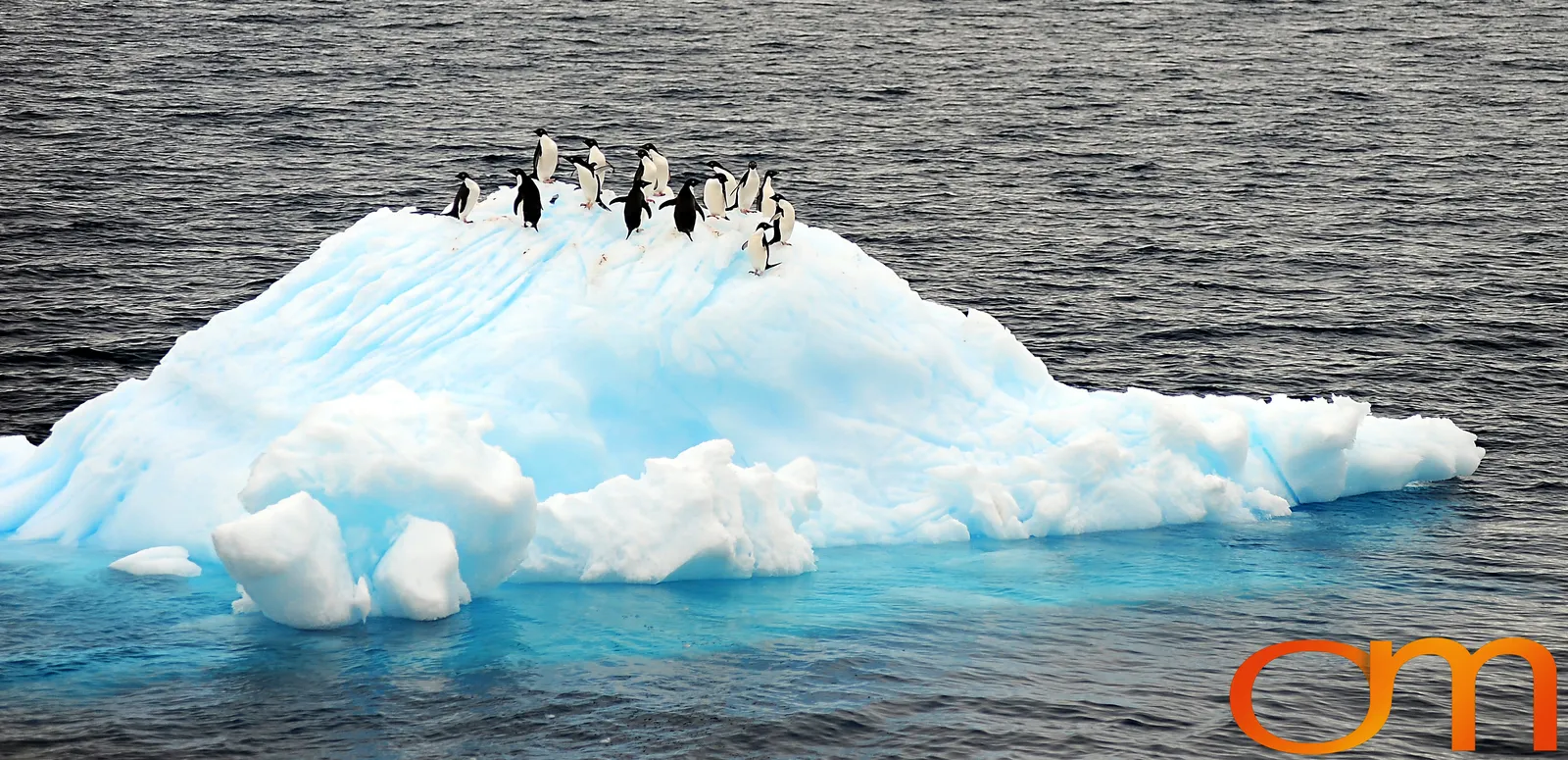
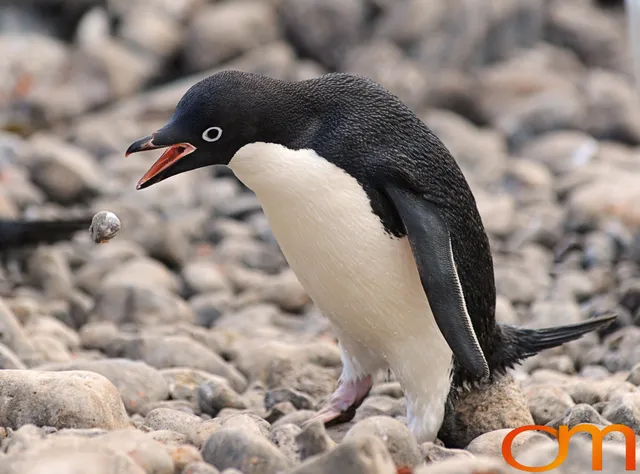
Different species use ice in different ways. Some penguins and seals depend on stable sea ice for breeding, molting, resting, or reaching feeding areas. The photographs from 2008 show penguins gathering and resting on floating ice within Antarctic coastal waters.
Scientific Importance
Antarctica and the Southern Ocean are central to research into climate, ocean circulation, atmospheric history, sea-level change, geology, and marine ecosystems.
Air bubbles preserved within ancient ice allow scientists to study past atmospheric conditions. Researchers also examine how ice shelves regulate the movement of land-based glaciers, how warming ocean water affects ice from below, and how changes in the Antarctic Ice Sheet may influence global sea levels.
The Southern Ocean connects the Atlantic, Pacific, and Indian Oceans. Its currents transport heat, carbon, oxygen, and nutrients around the planet, making the region an important part of Earth’s climate system.
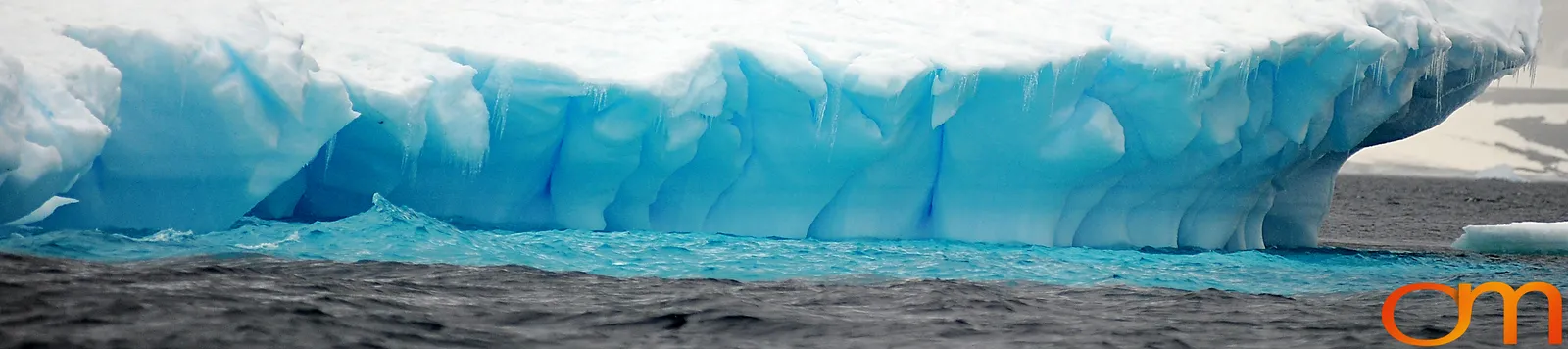
Field documentation: Antarctic coastal waters, 2008. The photographs document glacier fronts, tabular and sculpted icebergs, smaller floating ice fragments, sea ice, and penguins. Exact locations should be added when confirmed.
Antarctica: Quick Facts
Antarctica is a desert.
Deserts are defined by low precipitation rather than temperature. The Antarctic interior receives very little annual snowfall.
Most of the continent is hidden.
Mountain ranges, valleys, lakes, and deep basins lie beneath the Antarctic Ice Sheet.
Icebergs are made of fresh water.
They originate from snow that accumulated and compressed on land. Sea ice forms separately when ocean water freezes.
Most of an iceberg is underwater.
Roughly 90 percent of a typical iceberg’s volume lies below the ocean surface.
Blue ice is dense glacial ice.
As ice is compressed, many of its air bubbles are removed. Dense ice absorbs more red light, allowing blue wavelengths to remain more visible.
Tabular icebergs begin with flat tops.
These large, block-like icebergs usually break away from floating ice shelves before wind, waves, and melting reshape them.
Antarctica stores most of its water as ice.
The Antarctic Ice Sheet contains about 60 percent of the world’s fresh water.