South Georgia Island
Antarctic Fur Seals
December 2008
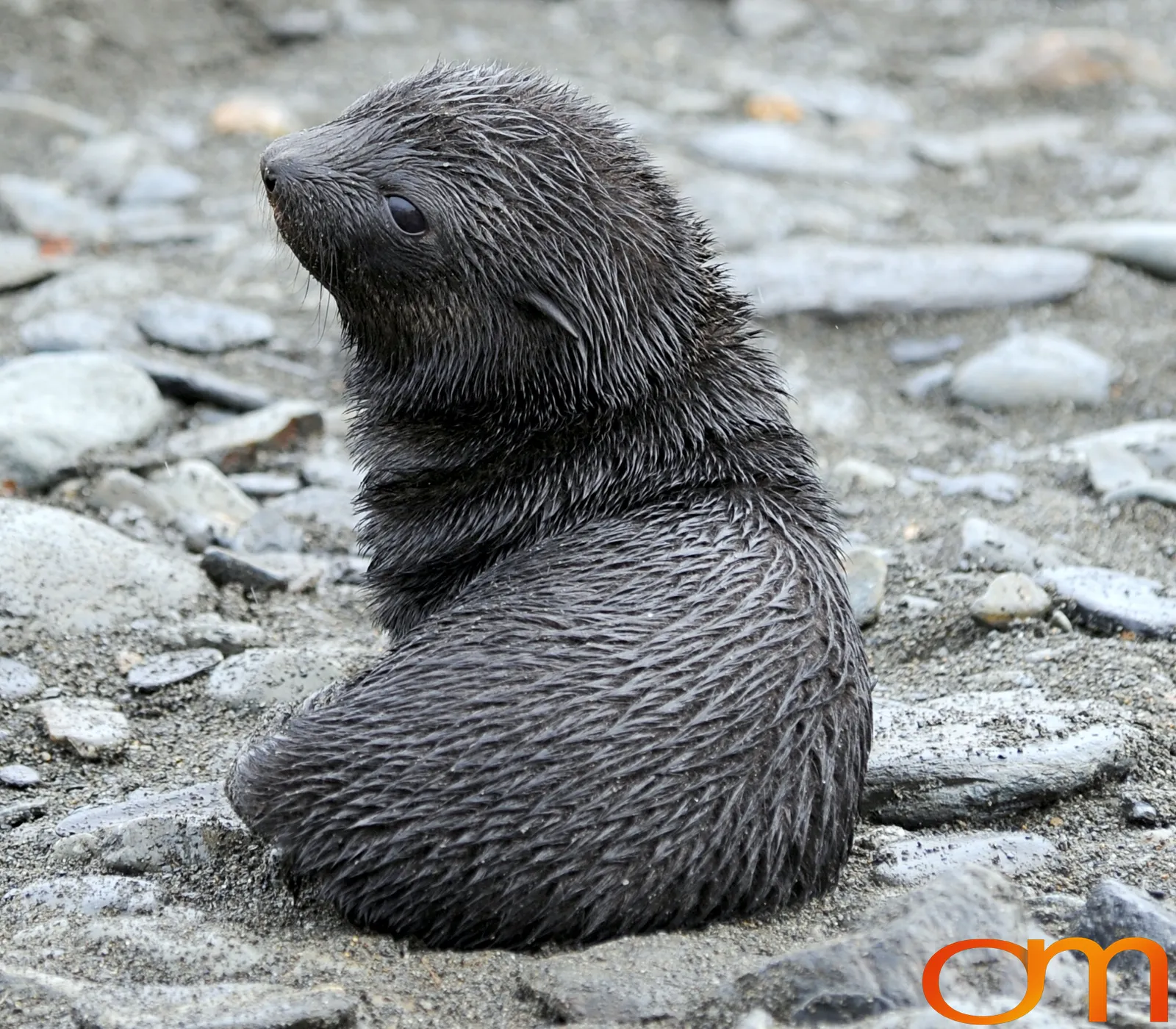
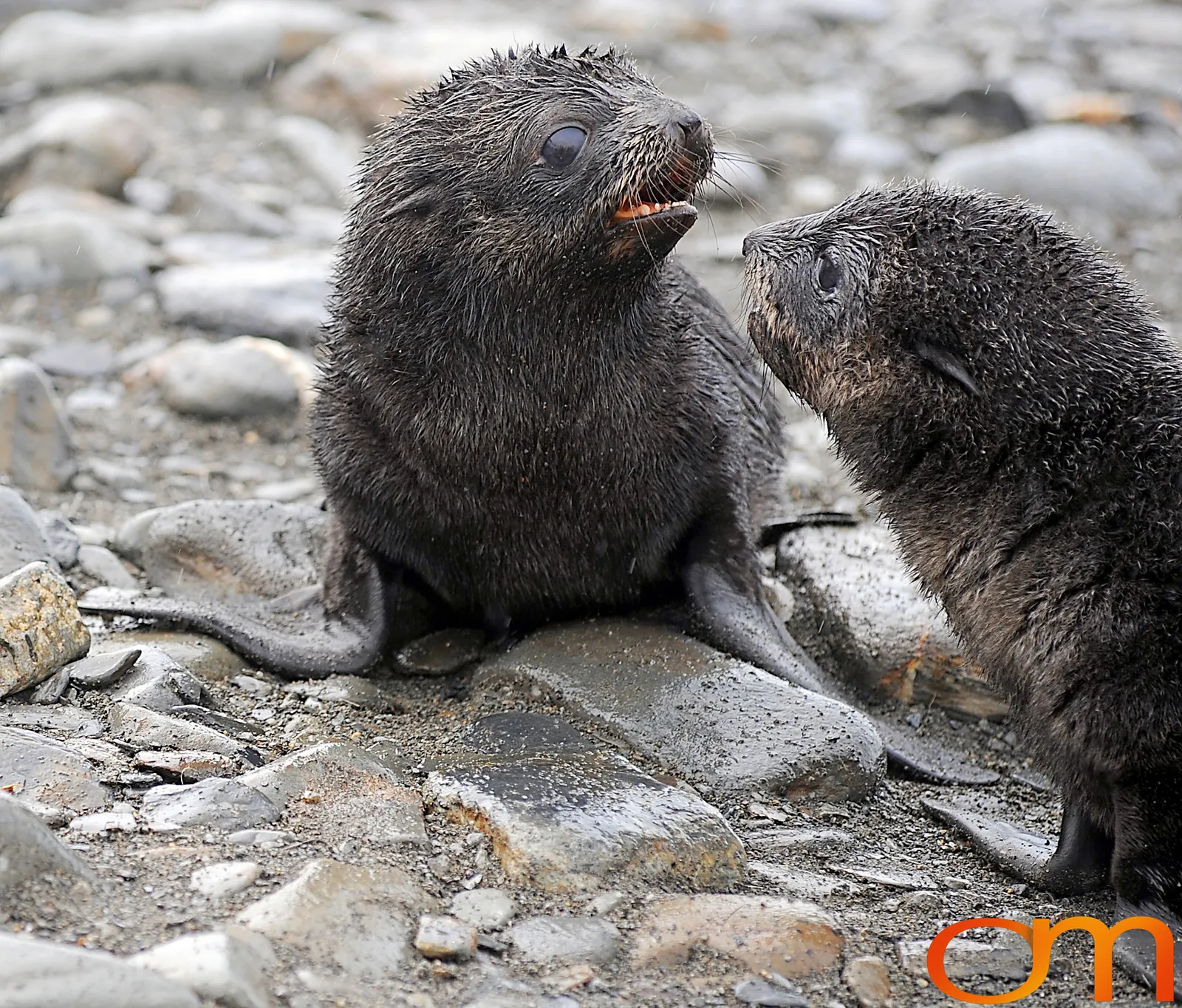
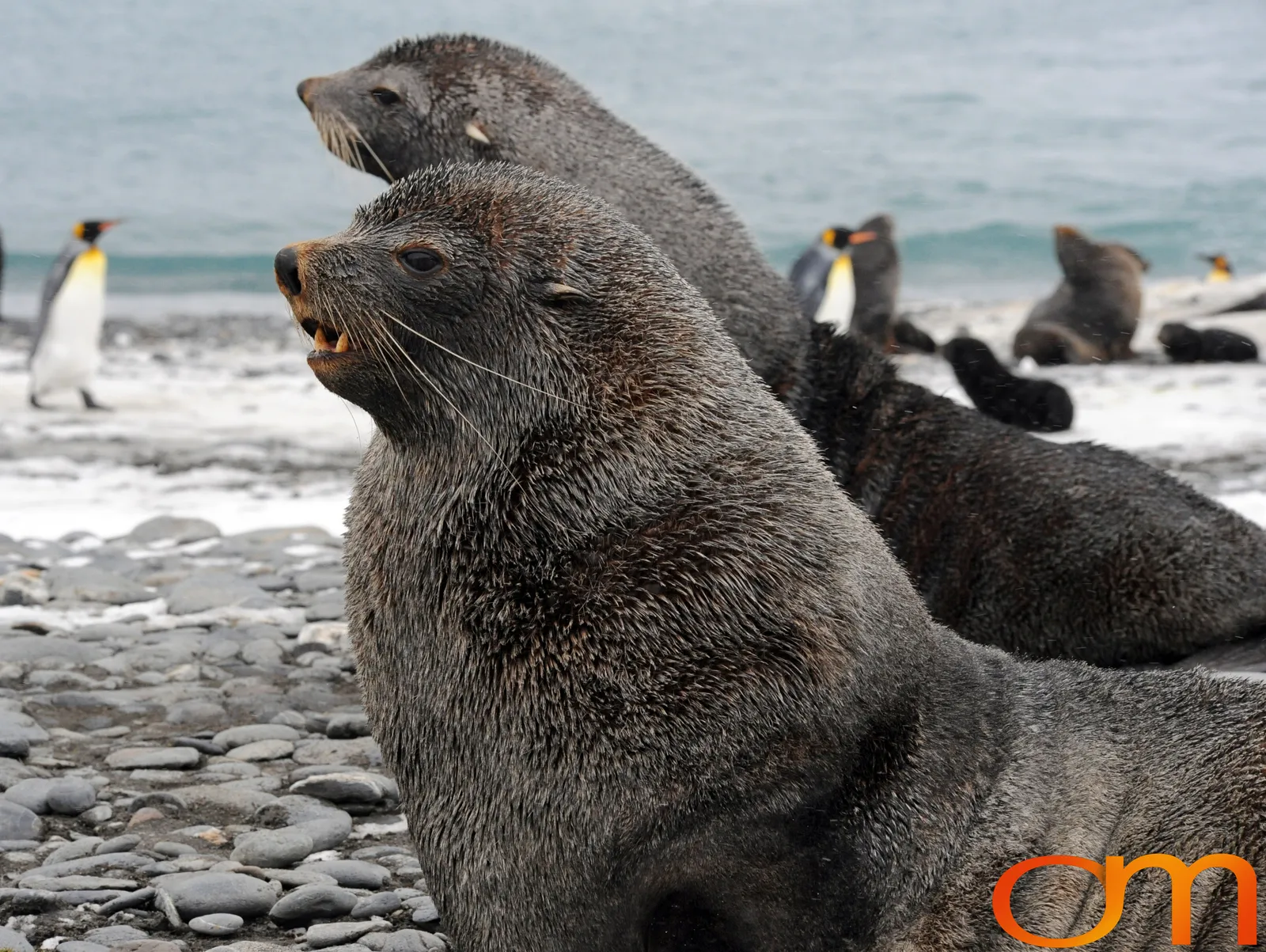
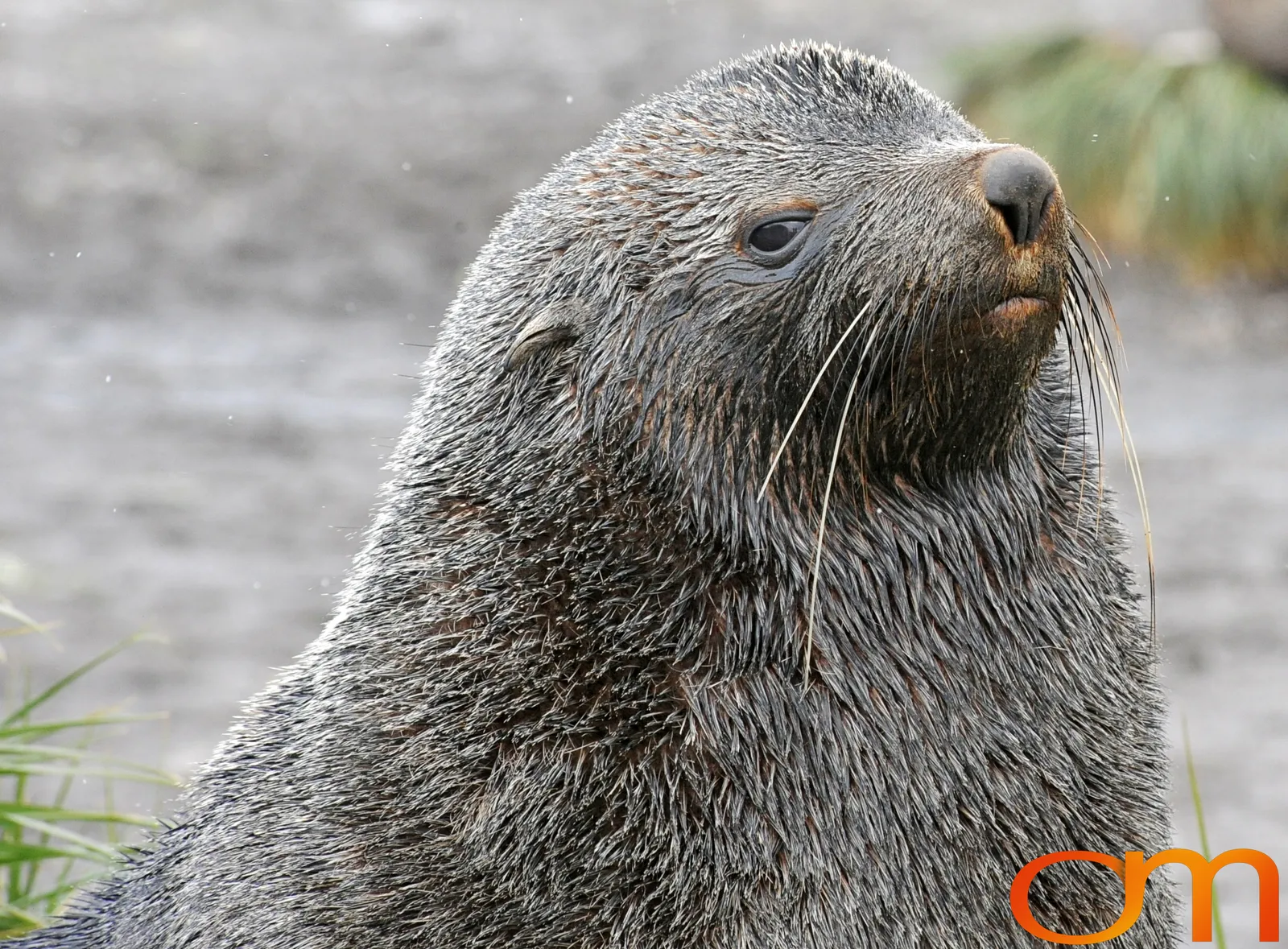
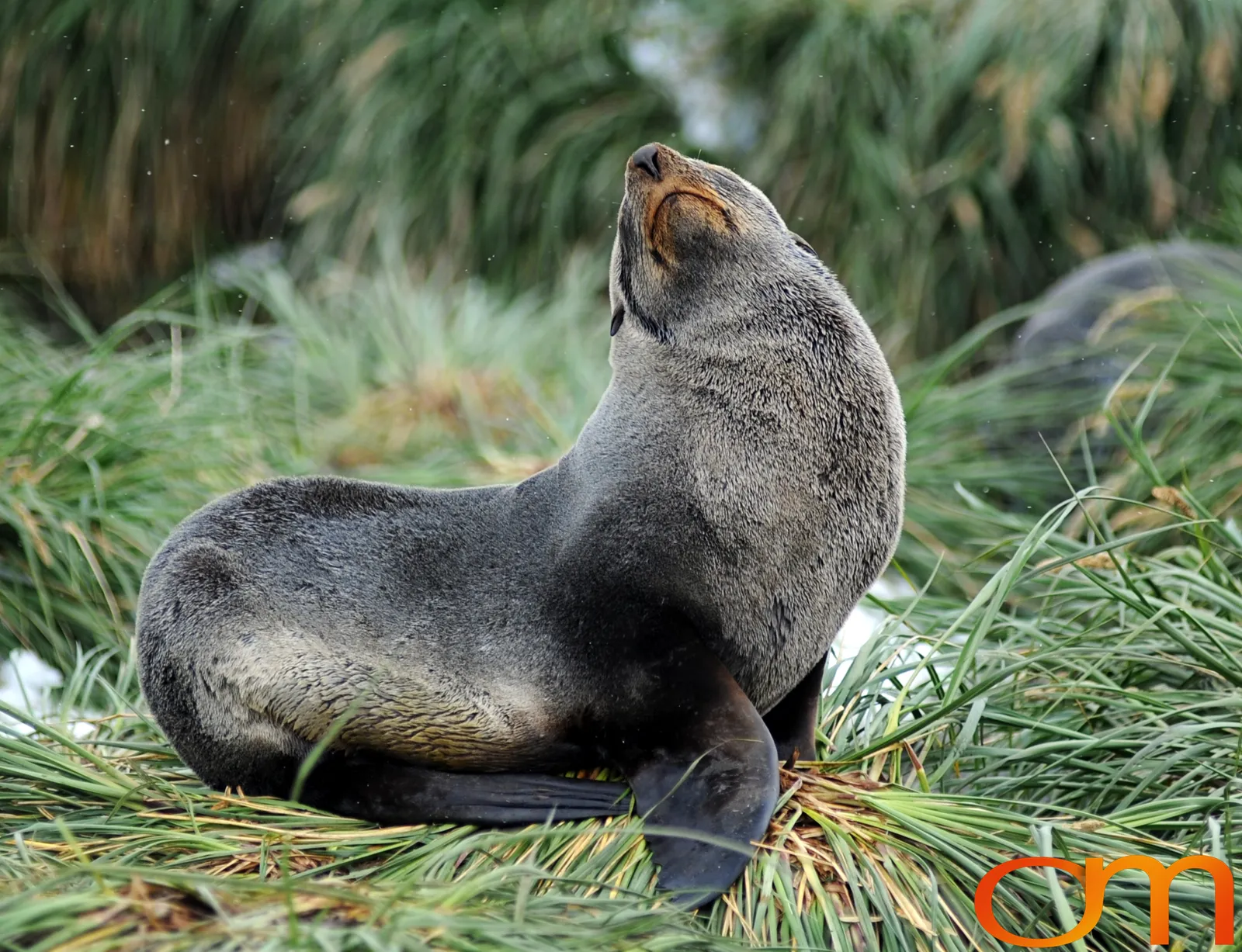
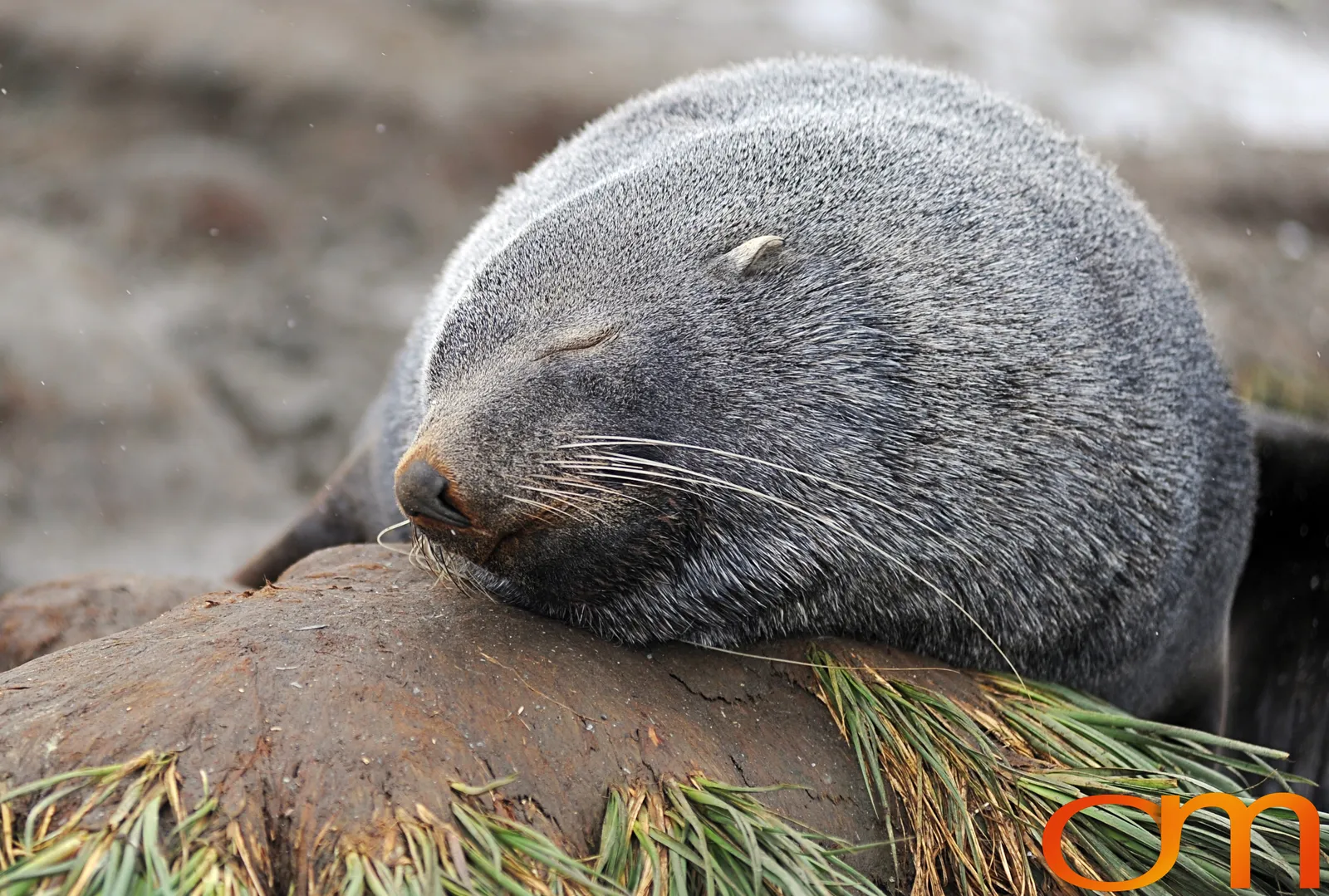
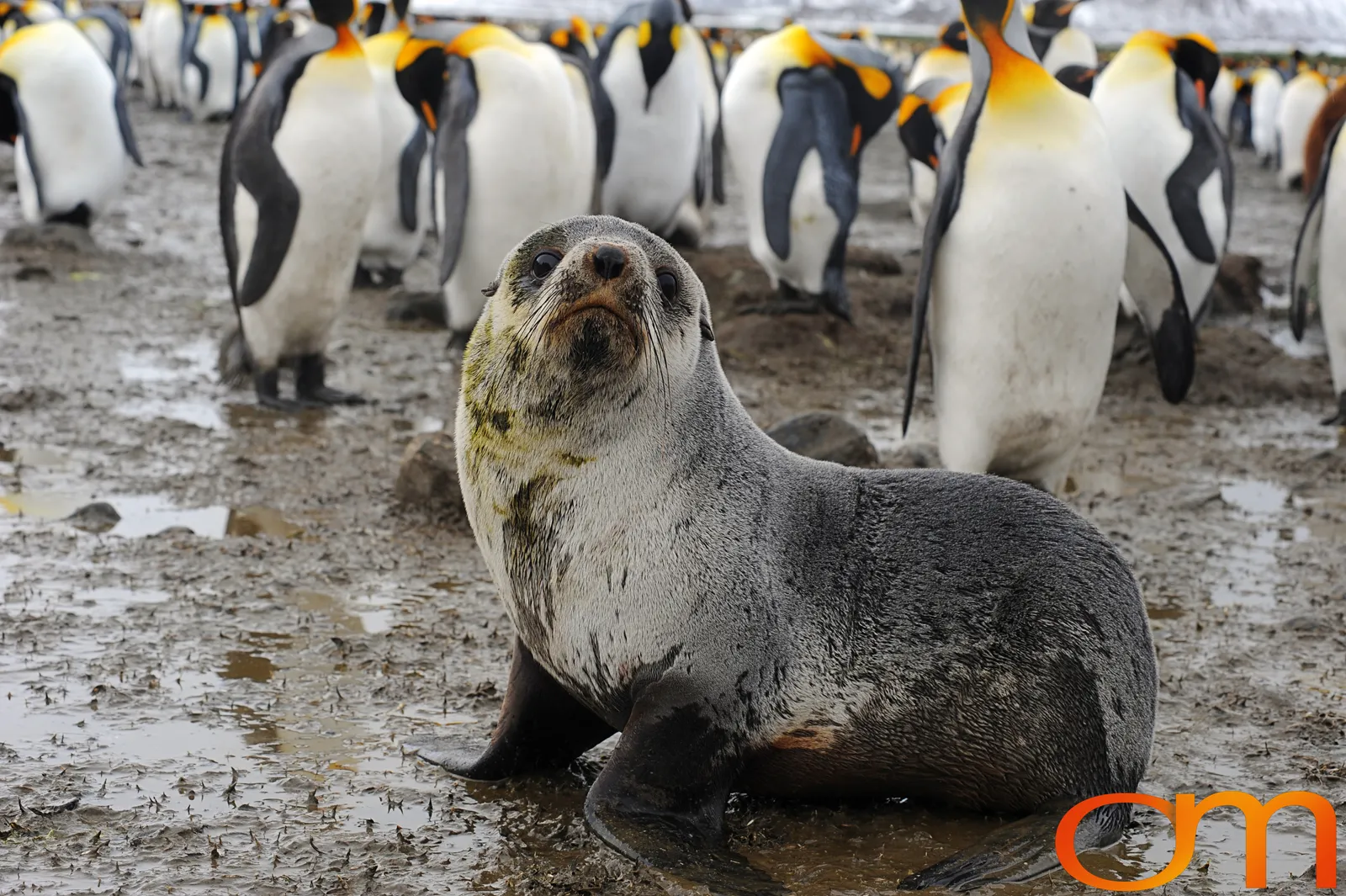
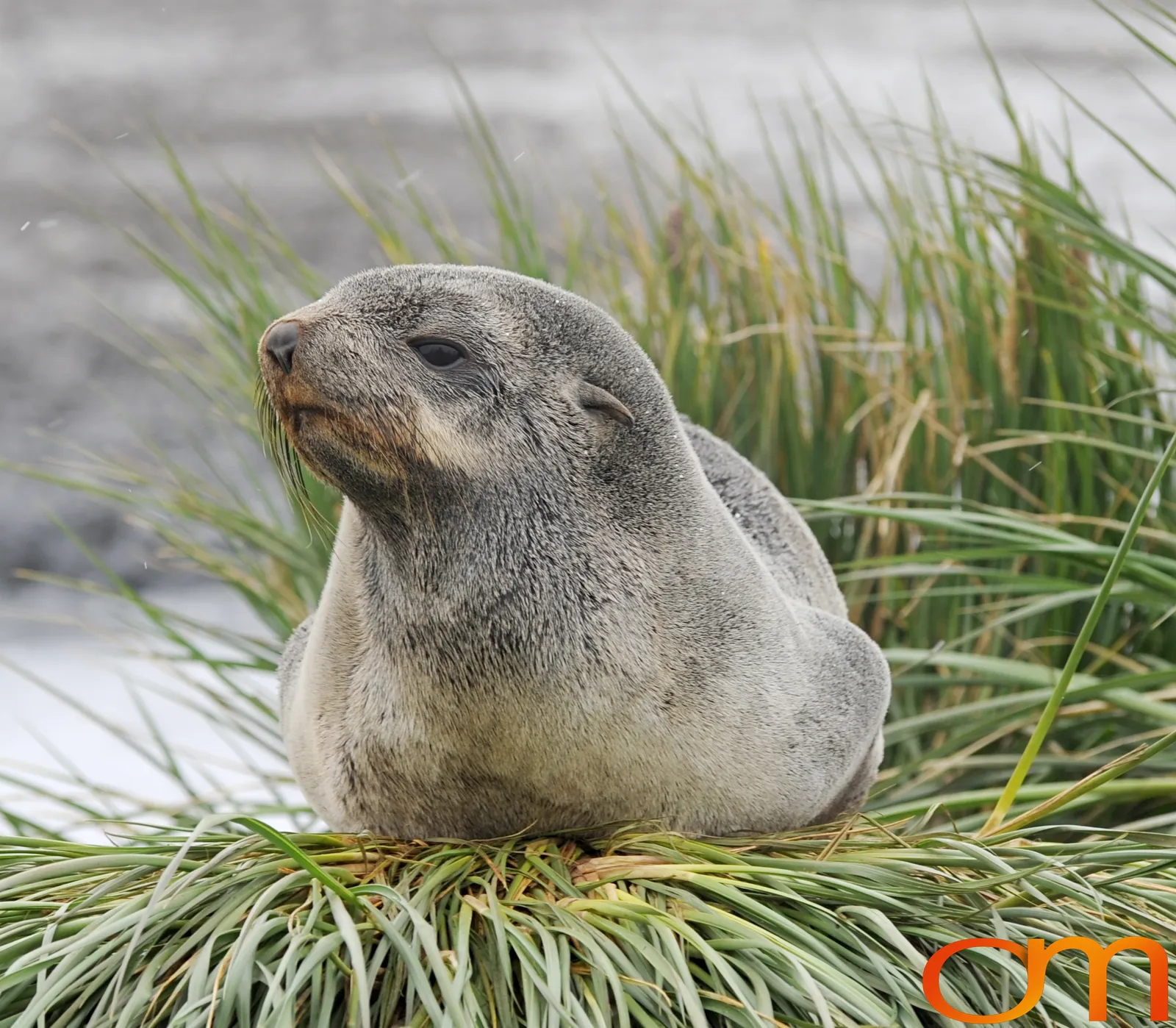
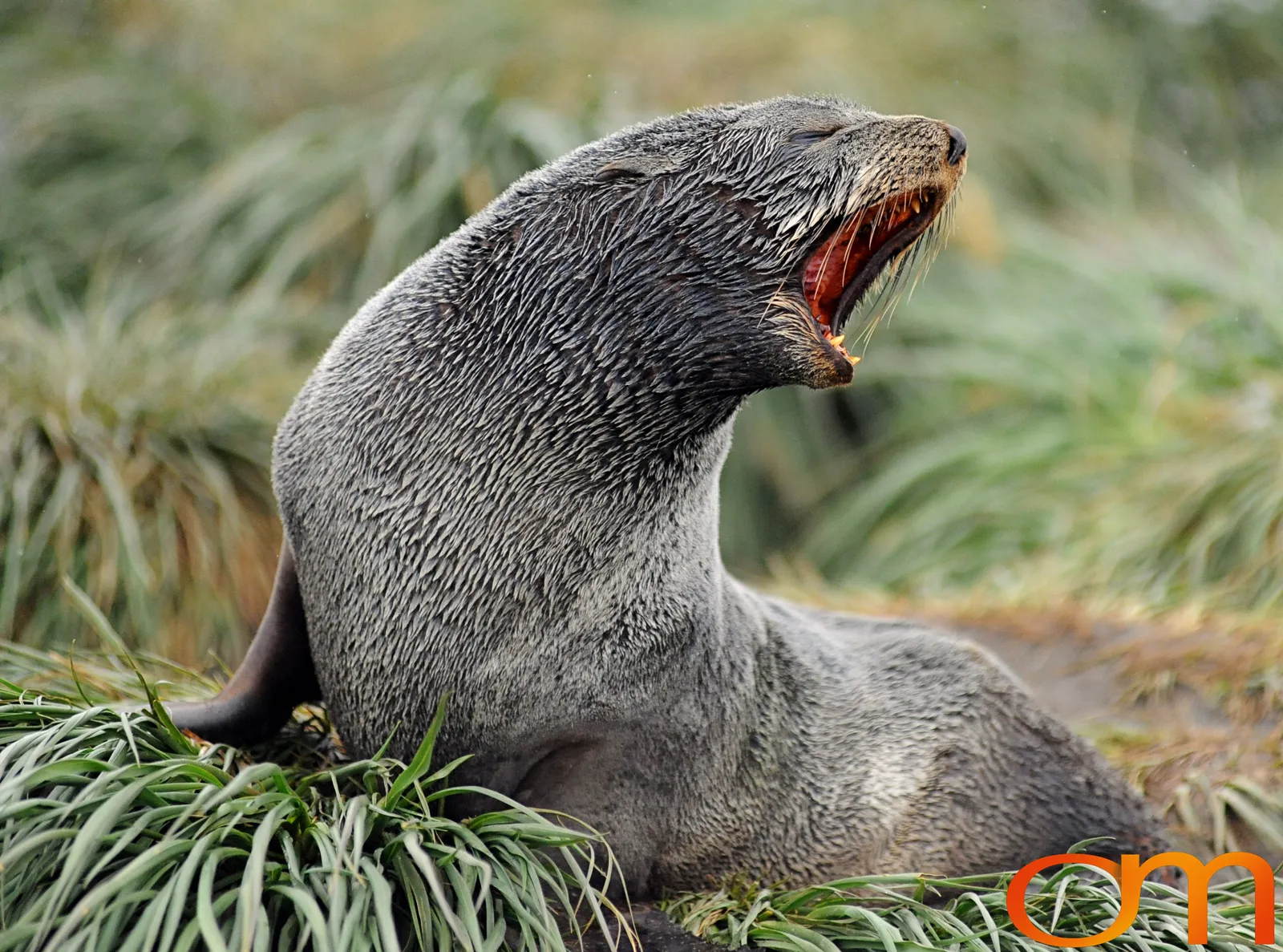
The Antarctic fur seal, Arctocephalus gazella, is an eared seal found throughout the Southern Ocean. Despite its name, most breeding colonies are located on sub-Antarctic islands, including South Georgia, the South Sandwich Islands, the South Orkney Islands, the South Shetland Islands, Bouvet Island, the Kerguelen Islands, Heard Island, and Macquarie Island. South Georgia supports the species’ largest breeding concentration.
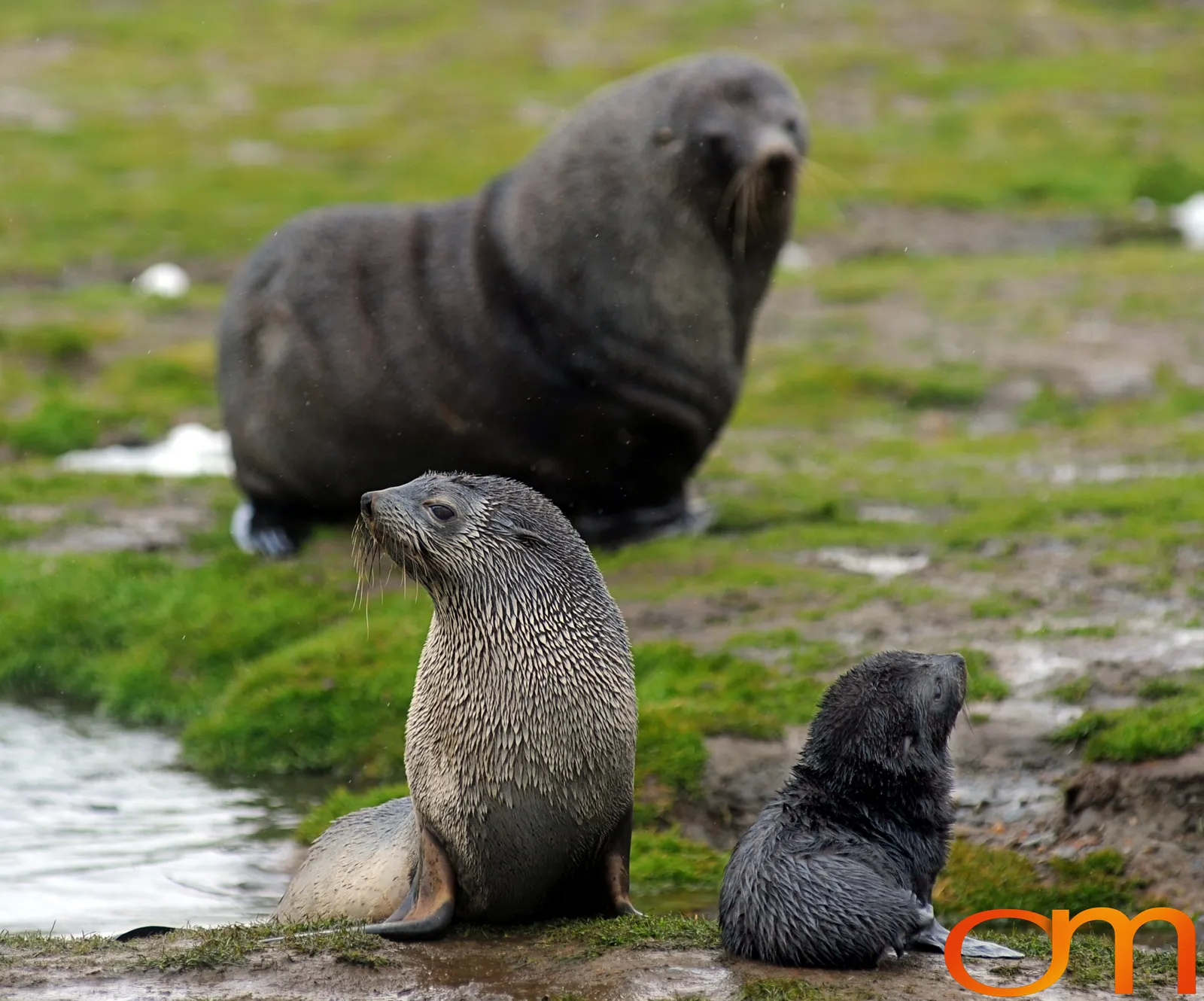
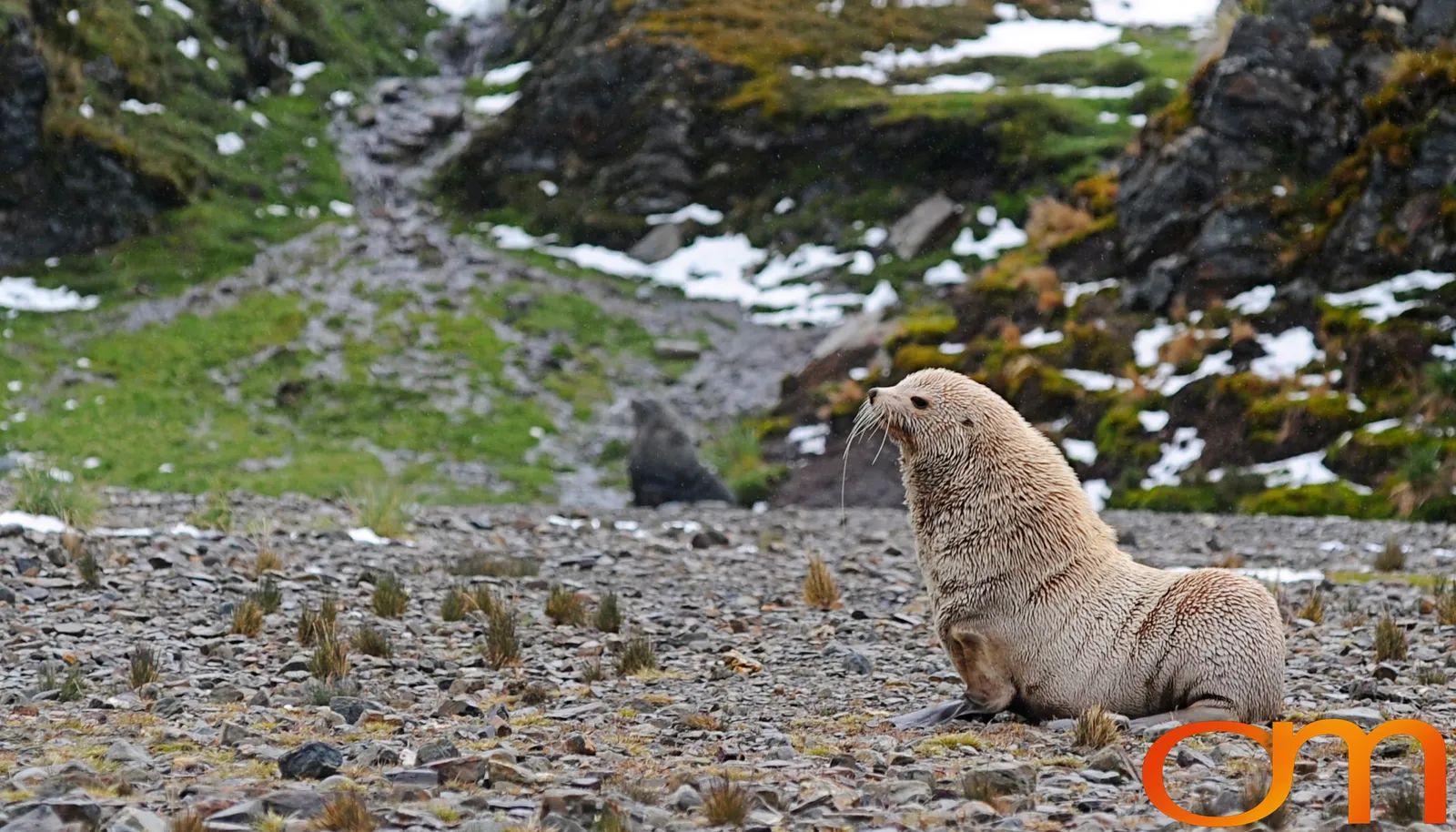
Antarctic fur seals display extreme sexual size differences. Adult males may reach approximately 440 pounds (200 kilograms) and 6.6 feet (2 meters) in length, while adult females commonly weigh around 88 pounds (40 kilograms). Unlike true seals, fur seals can rotate their hind flippers beneath their bodies and move on all four limbs while ashore. Their dense underfur provides much of their insulation, and occasional individuals have unusually pale or blond coats.
Diet varies by region. Antarctic fur seals at South Georgia feed primarily on Antarctic krill, while populations around Heard Island and Macquarie Island consume larger proportions of fish and squid. Females caring for pups make repeated feeding trips from their breeding beaches. At South Georgia, they commonly dive for two to five minutes and reach depths of approximately 98 feet (30 meters), although dives exceeding 328 feet (100 meters) have been recorded. Outside the breeding season, individuals may travel widely through the Southern Ocean in search of food.
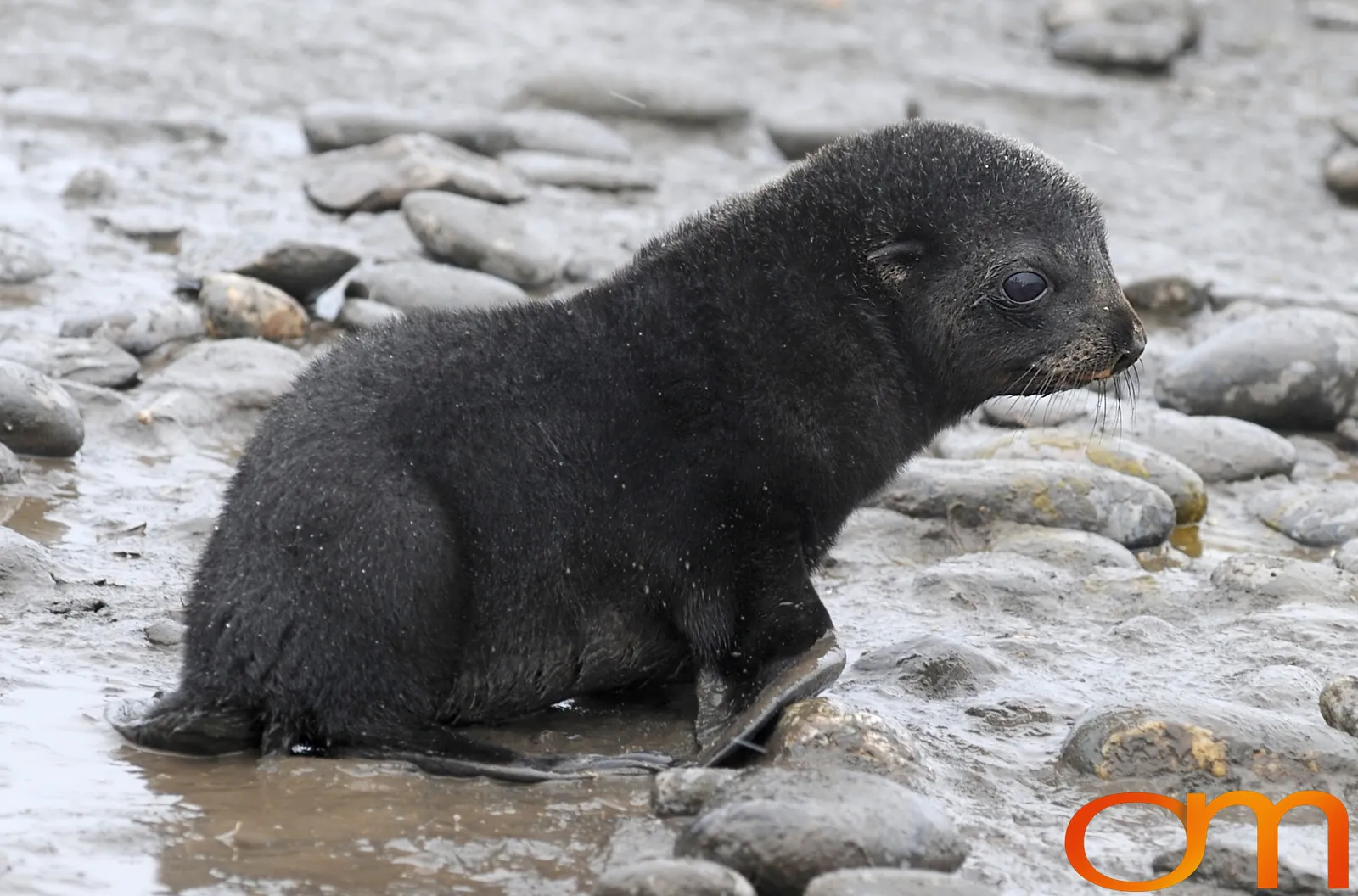
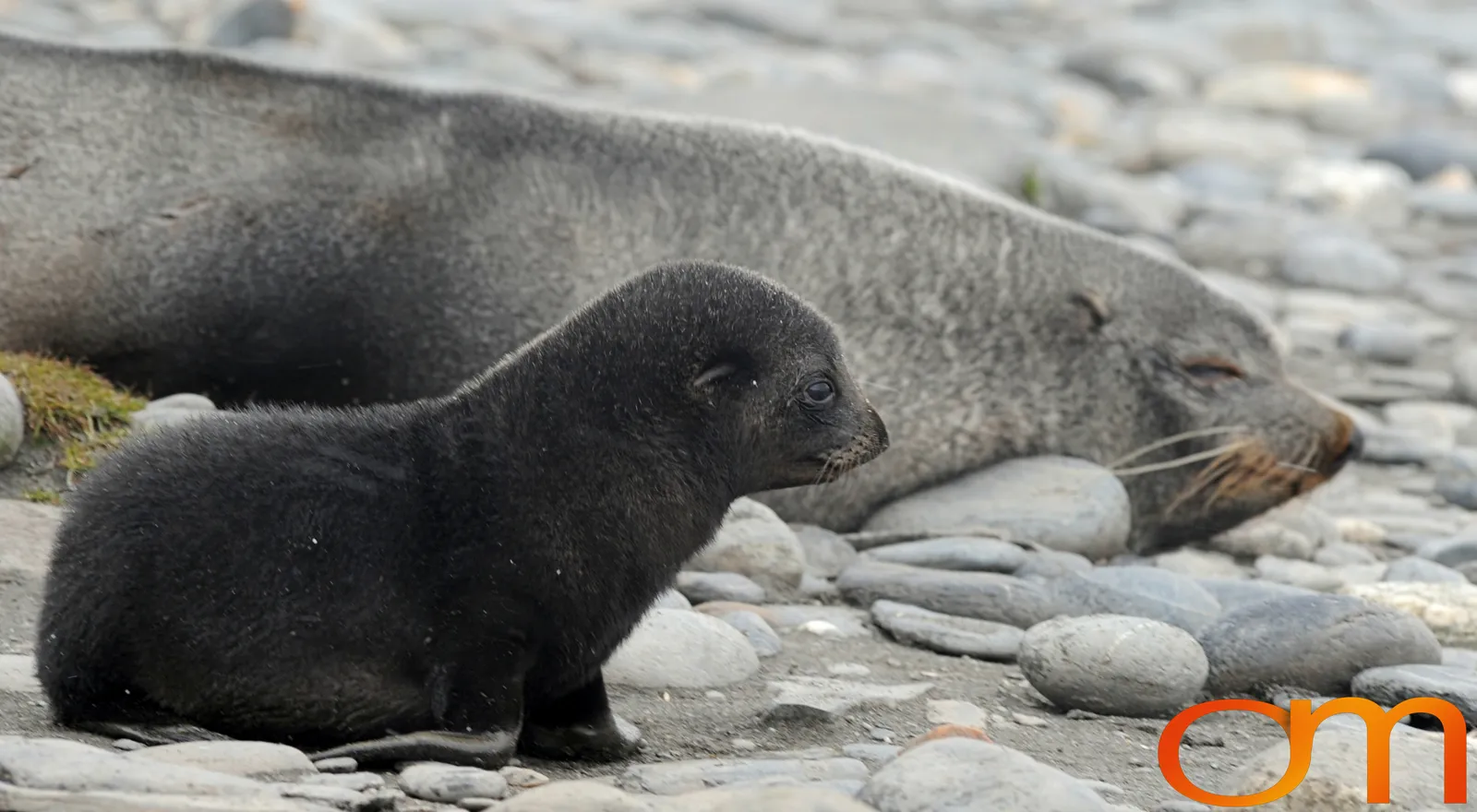
Breeding males establish and defend territories beginning in October or November. Females arrive between late November and early January and usually give birth to a single pup. Although females gather closely together at favorable breeding sites, they are not organized into conventional fixed harems. Mothers alternate between nursing their pups on land and feeding at sea. Pups are suckled for approximately four months before becoming progressively independent and spending increasing amounts of time at sea.
Commercial sealing nearly eliminated Antarctic fur seals from many islands during the eighteenth and nineteenth centuries. The species later made a substantial recovery, particularly around South Georgia. However, declining food availability, changing sea-ice conditions, climate change, and interactions with fisheries remain important conservation concerns.