Antarctica and the Sub-Antarctic
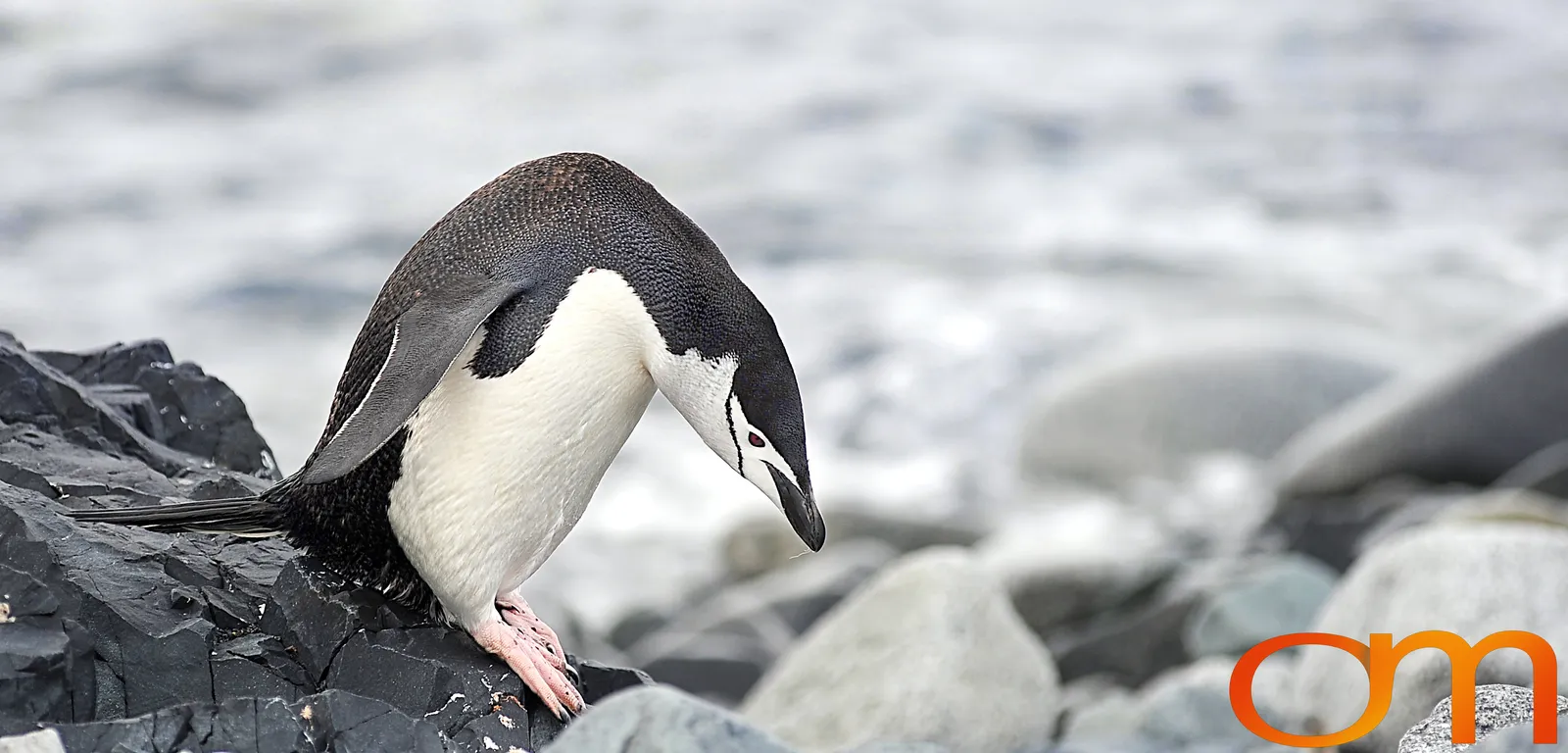
Chinstrap Penguins
December 2008
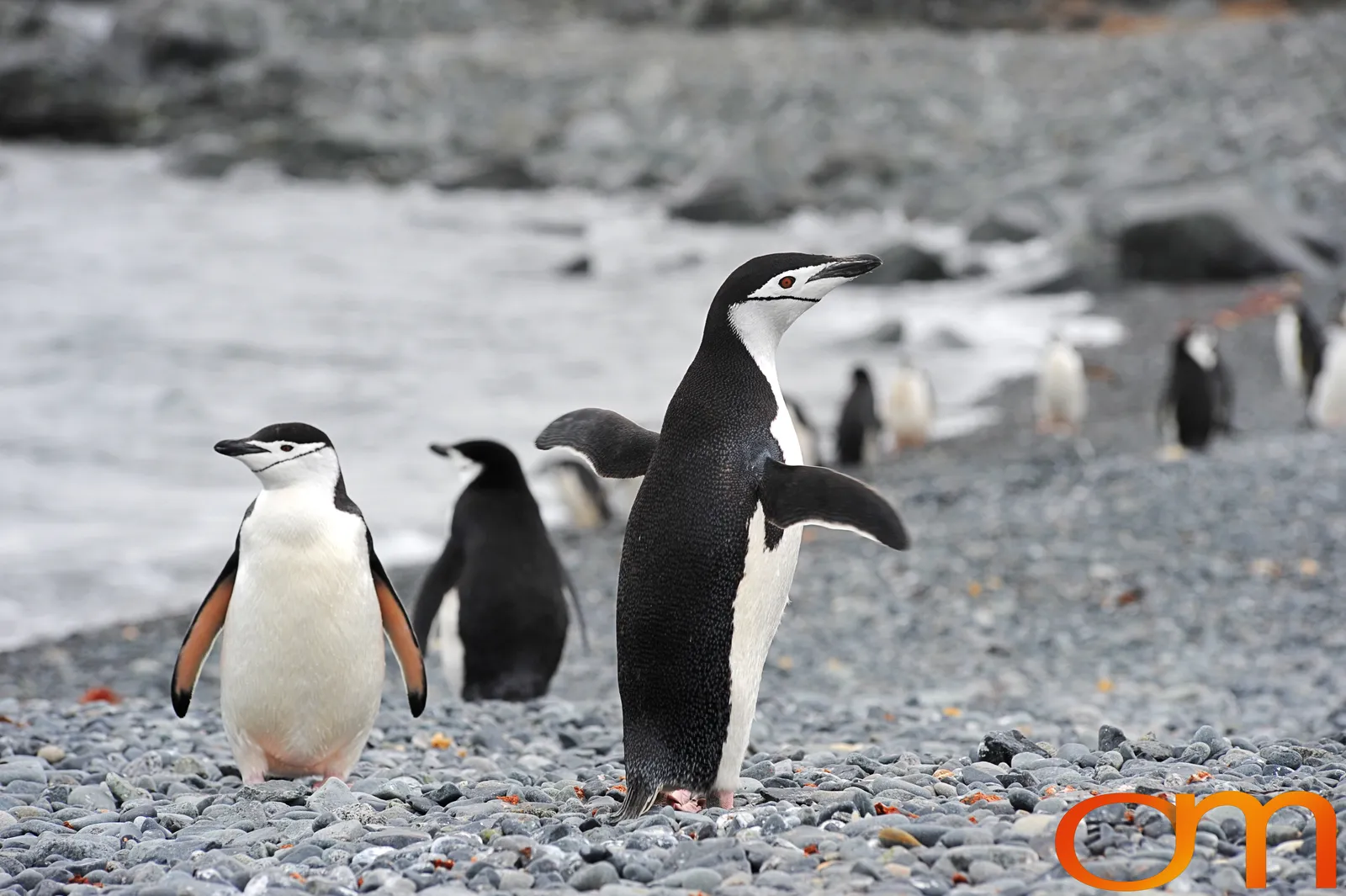
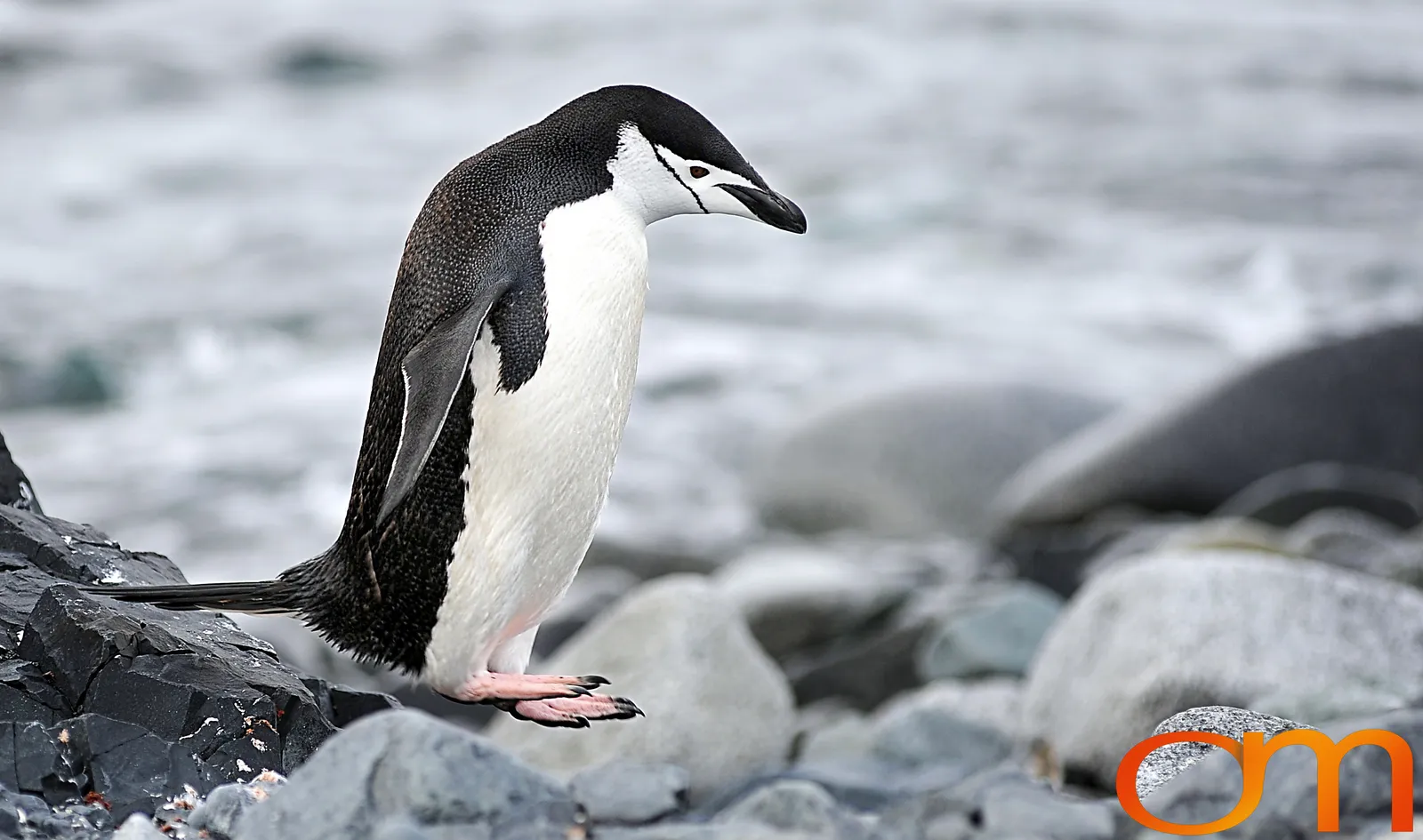
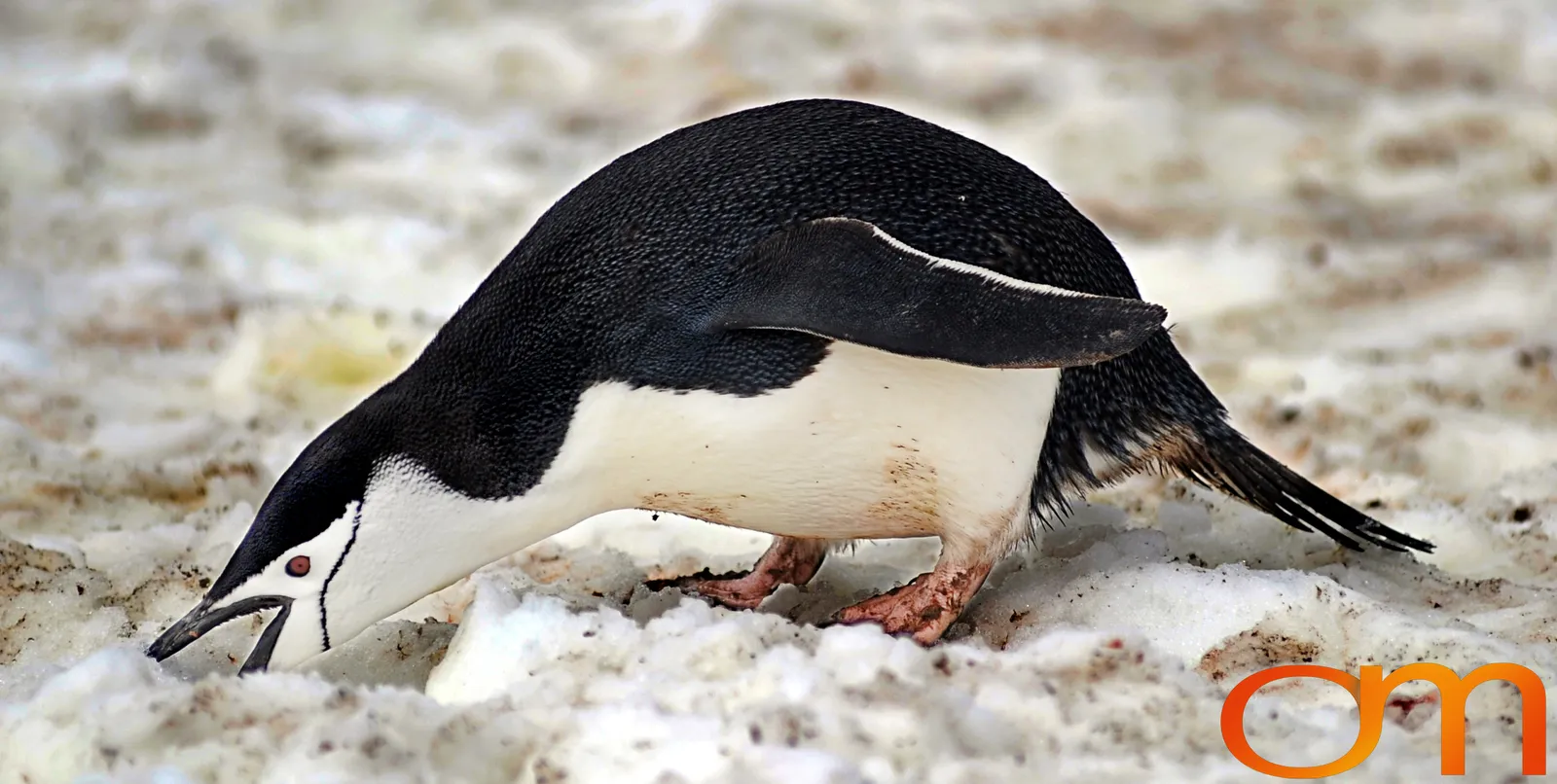
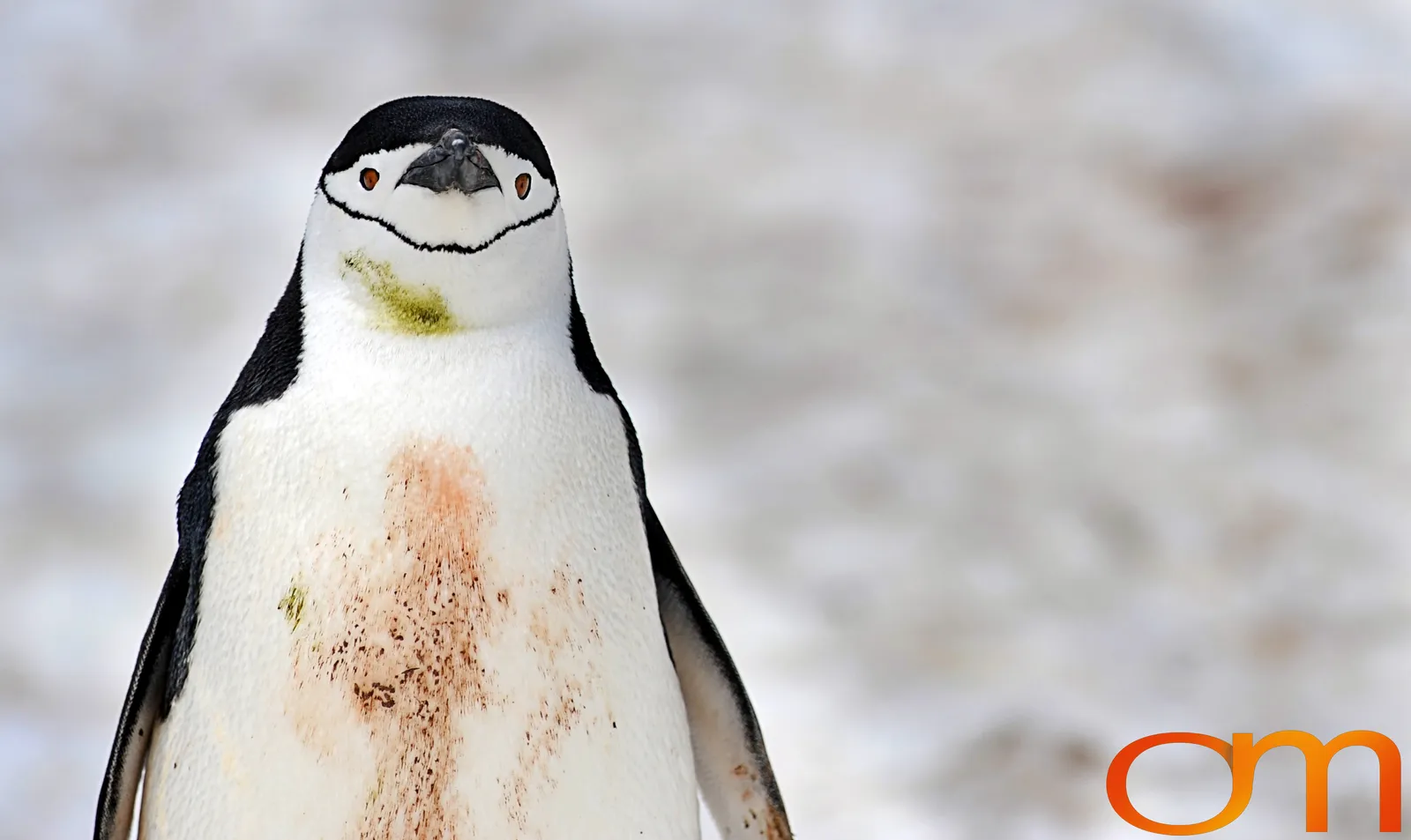
The chinstrap penguin (Pygoscelis antarcticus) is named for the narrow band of black feathers extending beneath its chin from one side of the head to the other. Adults stand approximately 27–30 inches (68–76 centimeters) tall and usually weigh 7–12 pounds (3.2–5.5 kilograms). Males and females have similar plumage, although males are generally larger and heavier.
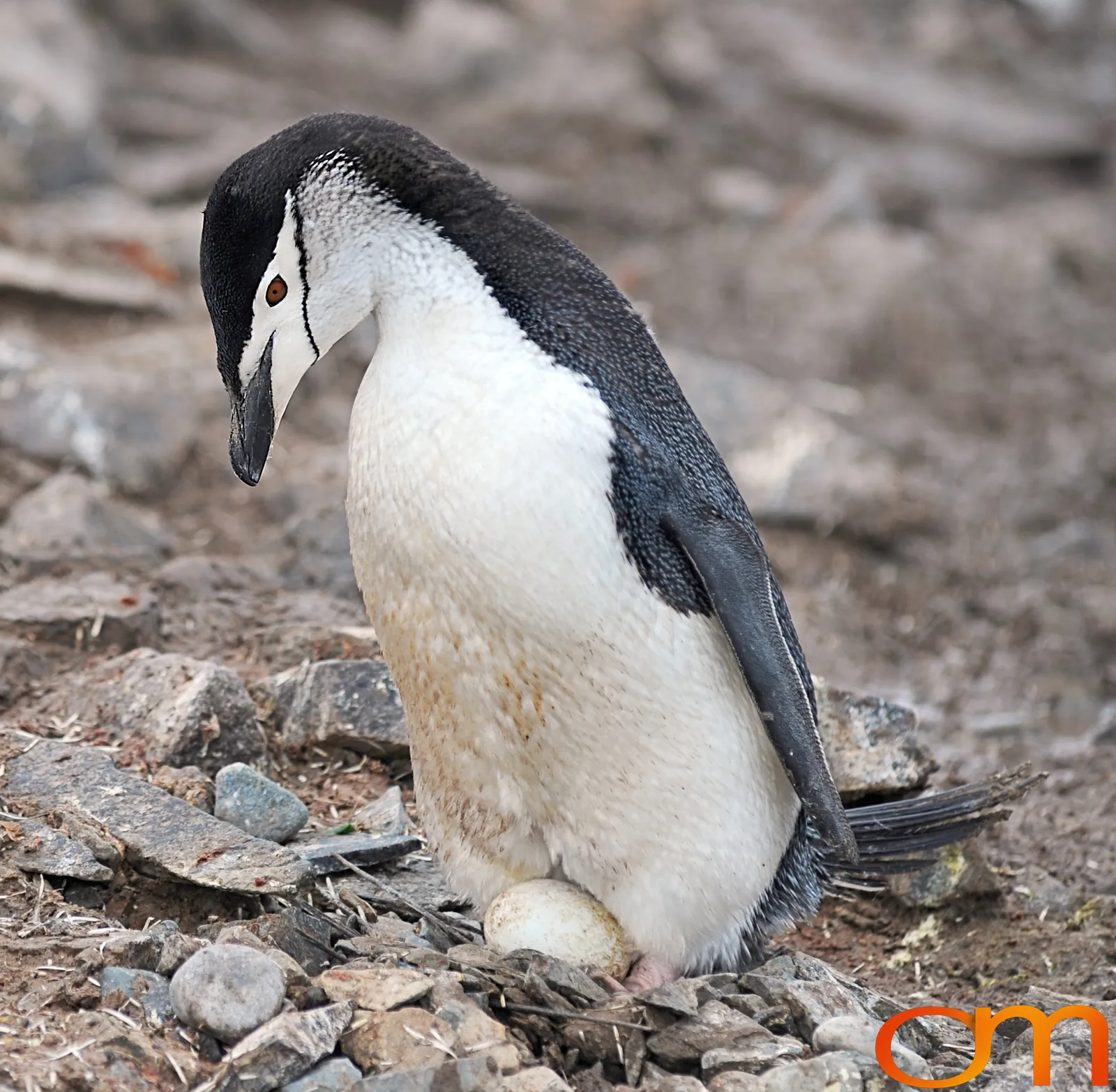
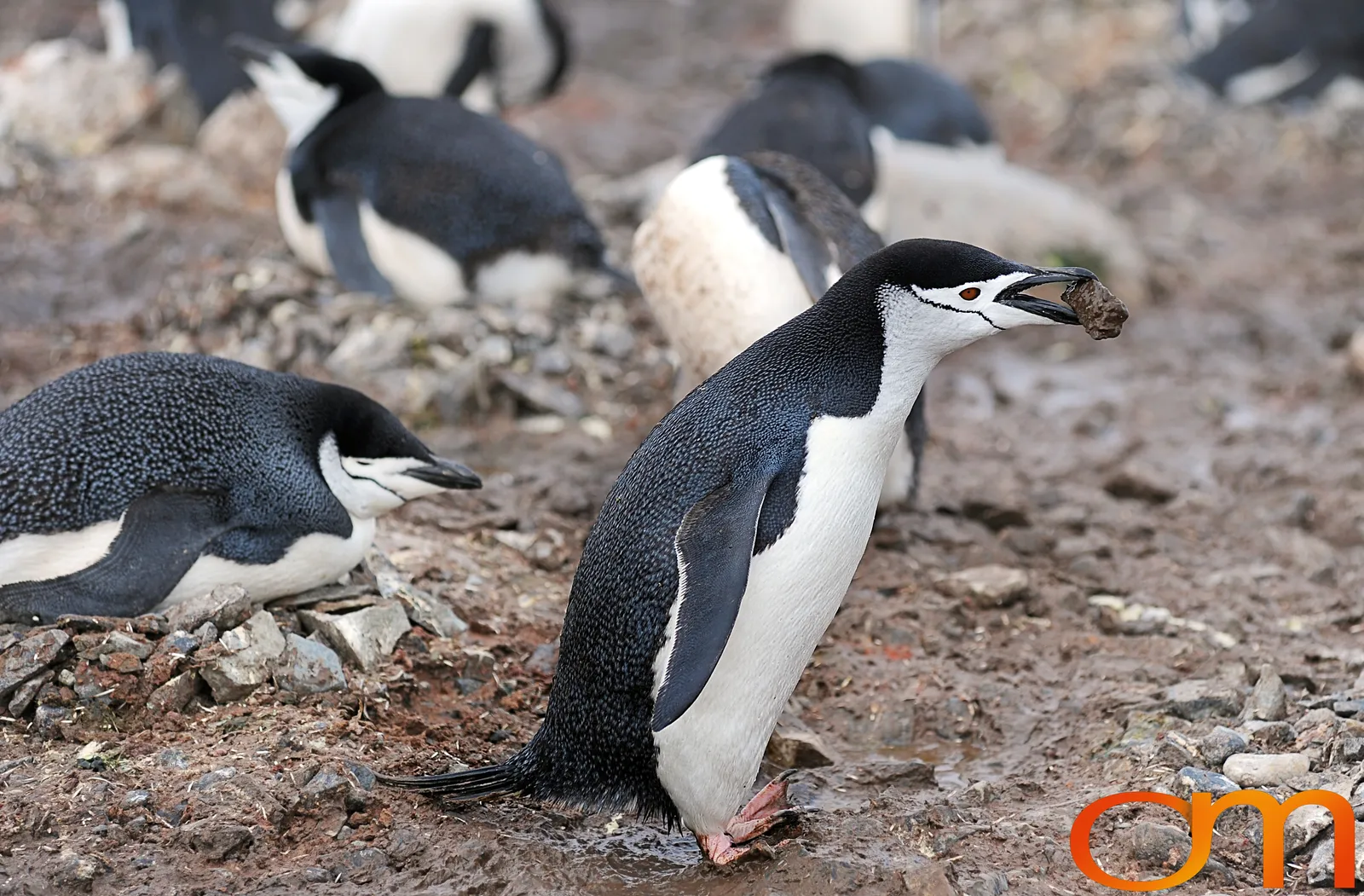
Chinstrap penguins breed primarily along the Antarctic Peninsula and on islands of the South Atlantic and Southern Ocean, including the South Shetland, South Orkney, and South Sandwich Islands. Colonies form on ice-free rocky slopes, headlands, and coastal outcrops. Each pair constructs a roughly circular nest from stones, and the female usually lays two eggs. Both parents incubate the eggs for approximately 33–36 days. Early incubation shifts may last five to ten days, becoming shorter as hatching approaches. Chicks typically fledge at seven to eight weeks of age.
During the breeding season, chinstrap penguins feed mainly on Antarctic krill, supplemented by fish and other marine prey. They pursue prey underwater using their flippers for propulsion and generally forage near their colonies while raising chicks. After breeding and molting, most leave their colonies and spend the austral winter at sea, often north of the pack-ice zone.
A study of nesting chinstrap penguins found that adults accumulated more than 11 hours of sleep each day through over 10,000 brief microsleeps. Individual sleep periods averaged approximately four seconds, allowing the birds to rest while continuing to guard their nests in crowded colonies.
Although the chinstrap penguin remains classified as Least Concern, population trends vary considerably by region. Many colonies along the western Antarctic Peninsula have declined substantially since the 1980s, while several large populations in the South Sandwich Islands have remained comparatively stable or increased.