Galapagos Islands
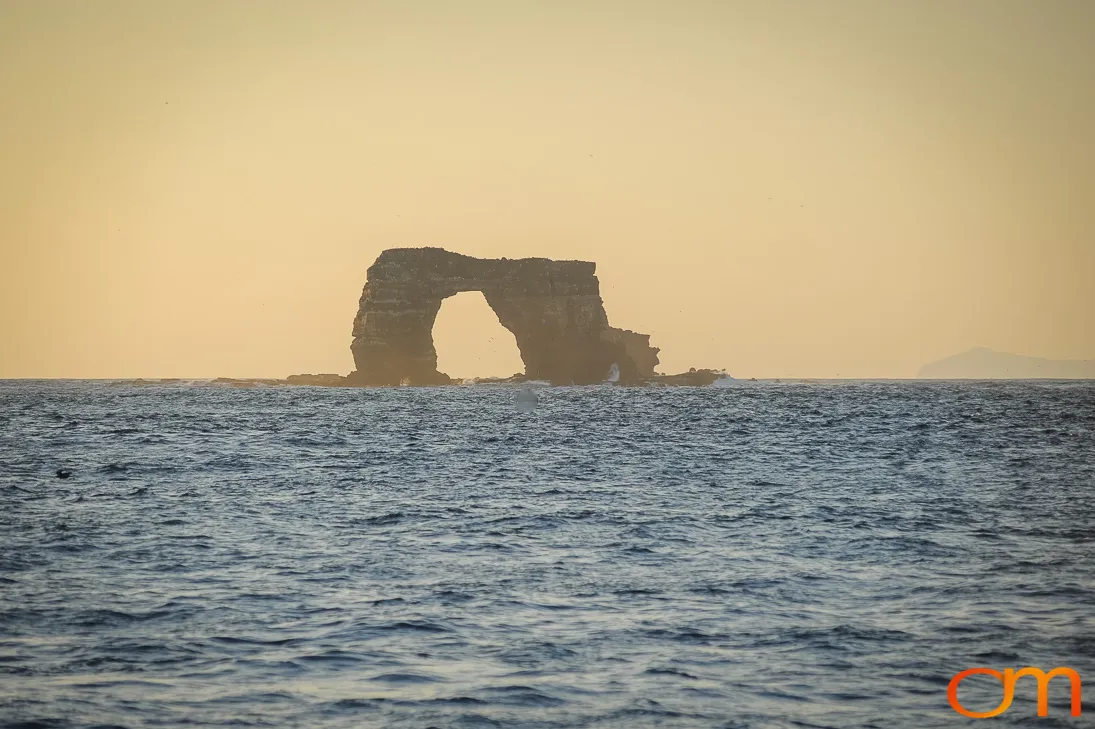
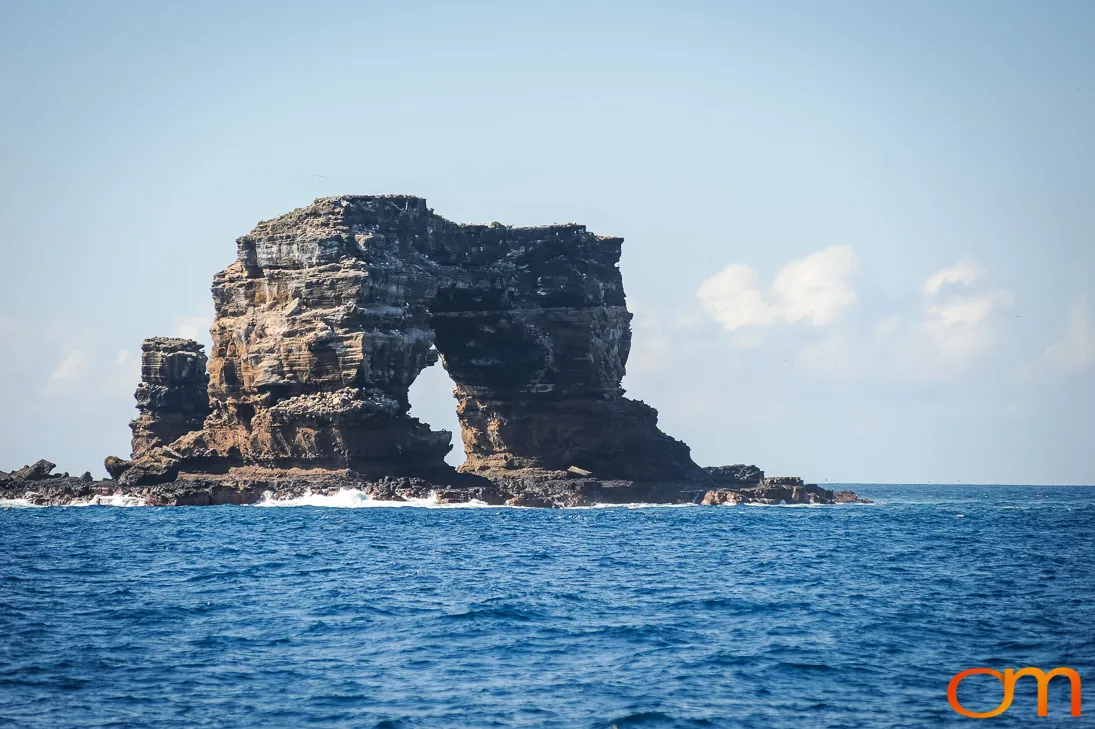
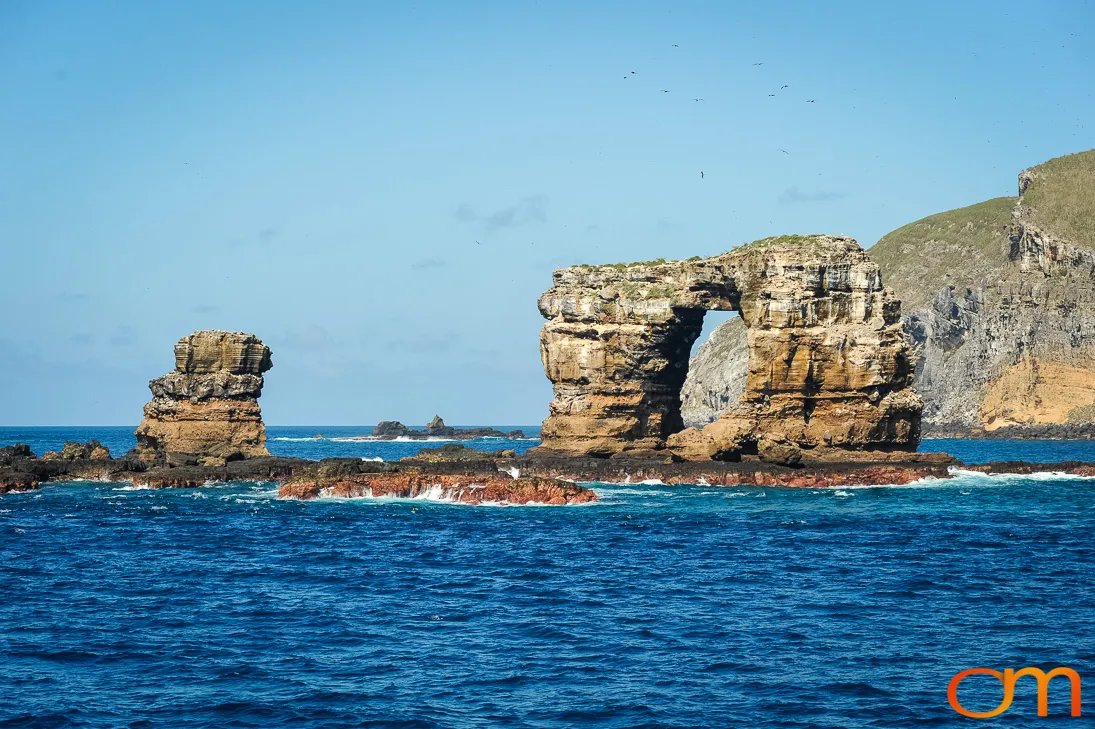
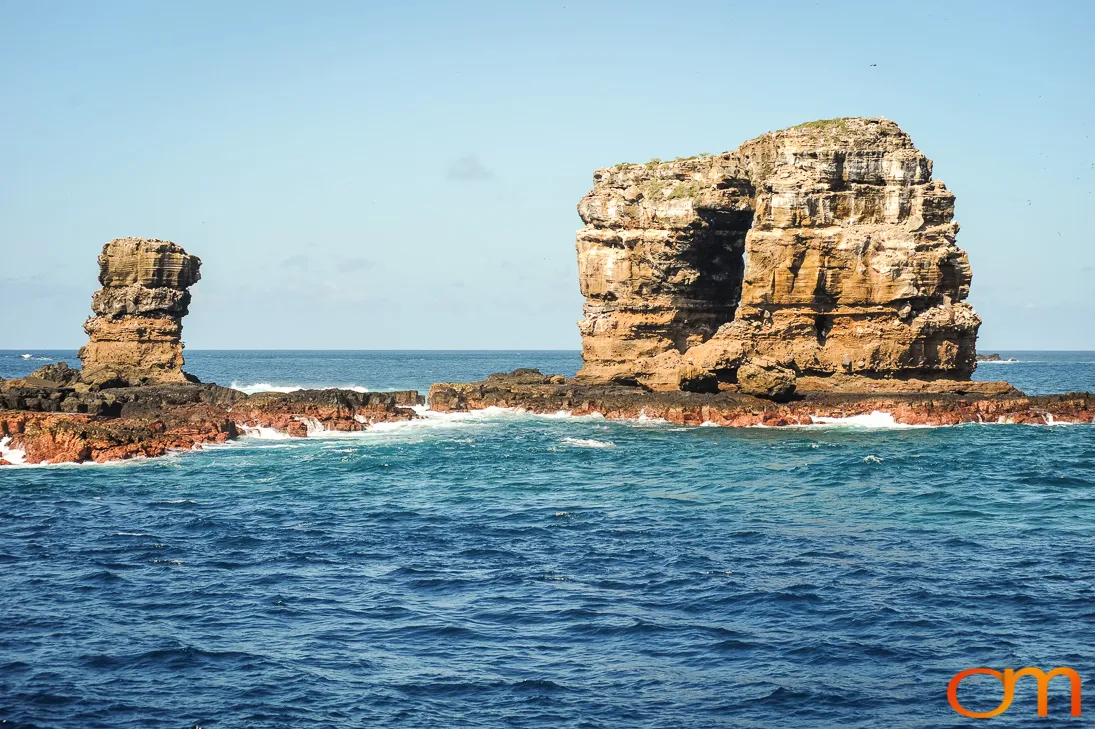
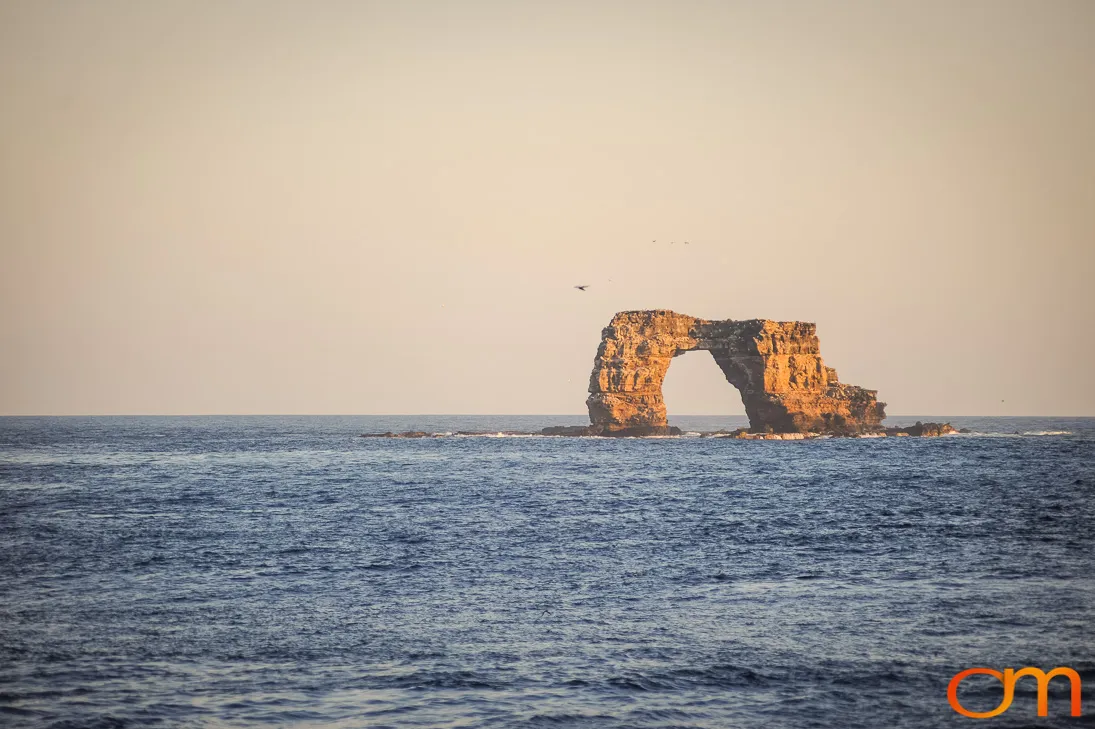
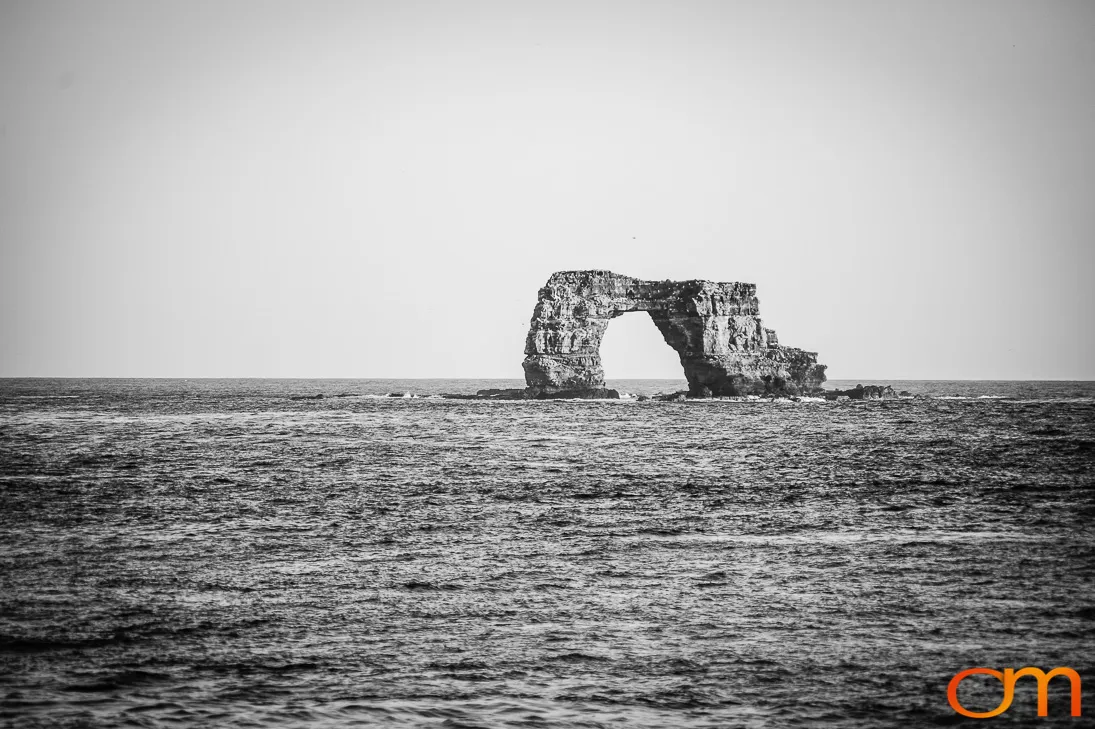
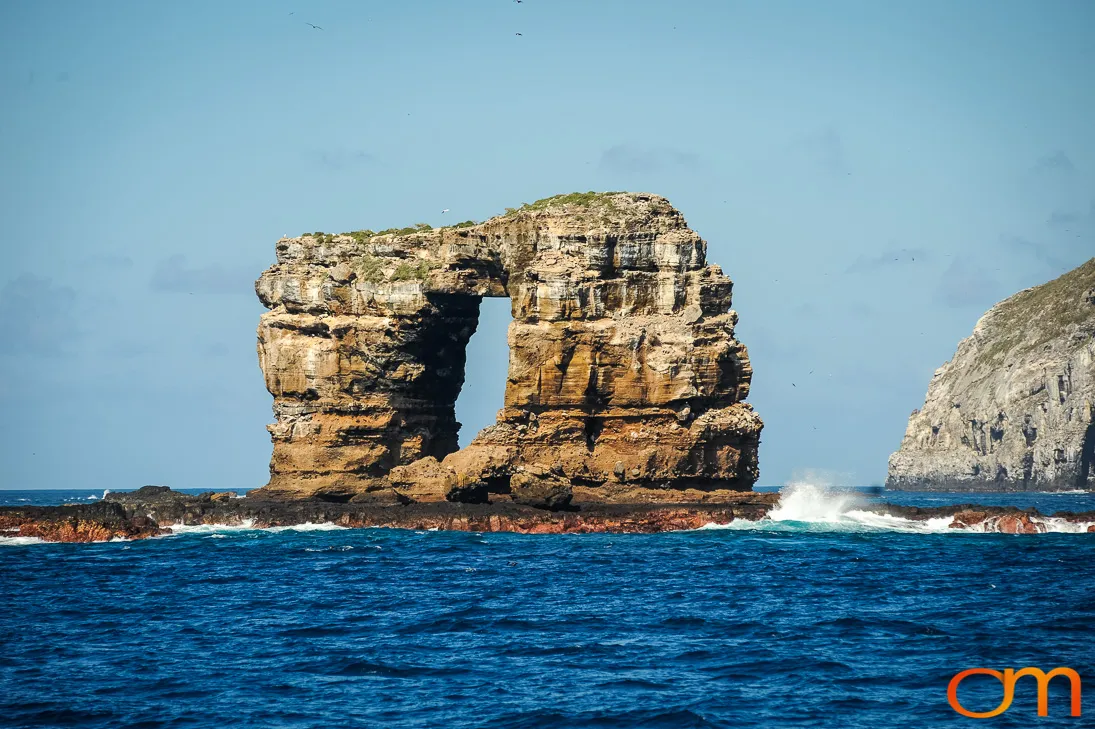
Darwin’s Arch Before Its 2021 Collapse
January 2009
Photographed in 2009, Darwin’s Arch was a natural rock arch southeast of Darwin Island in the northern Galápagos. The formation was named for English naturalist Charles Darwin, as was the nearby island.
The arch was an erosional remnant of the volcanic structure associated with Darwin Island. Most of the island is submerged: it is the summit of a massive extinct volcano rising more than 3,280 feet (1,000 m) from the seafloor. Estimates place the exposed island between approximately 400,000 and 1.6 million years old.
The surrounding submerged platform supports a productive marine ecosystem and is internationally known as a diving site, particularly for aggregations of scalloped hammerhead sharks and other large marine species.
Collapse of Darwin’s Arch
On May 17, 2021, the upper span of Darwin’s Arch collapsed into the Pacific Ocean through natural erosion. Two freestanding rock pillars remain. They are sometimes called the “Pillars of Evolution,” although this is an informal name.
These photographs preserve the appearance of Darwin’s Arch twelve years before its collapse.