Galapagos Islands
Galápagos Marine Iguana
January 2009
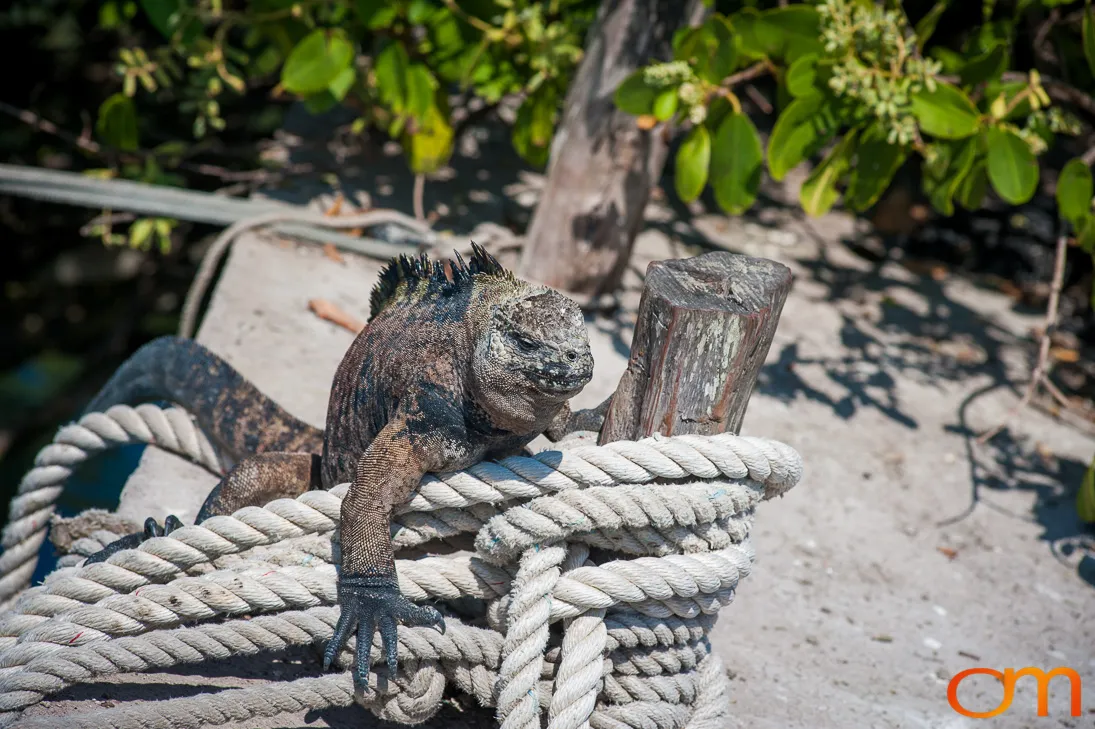
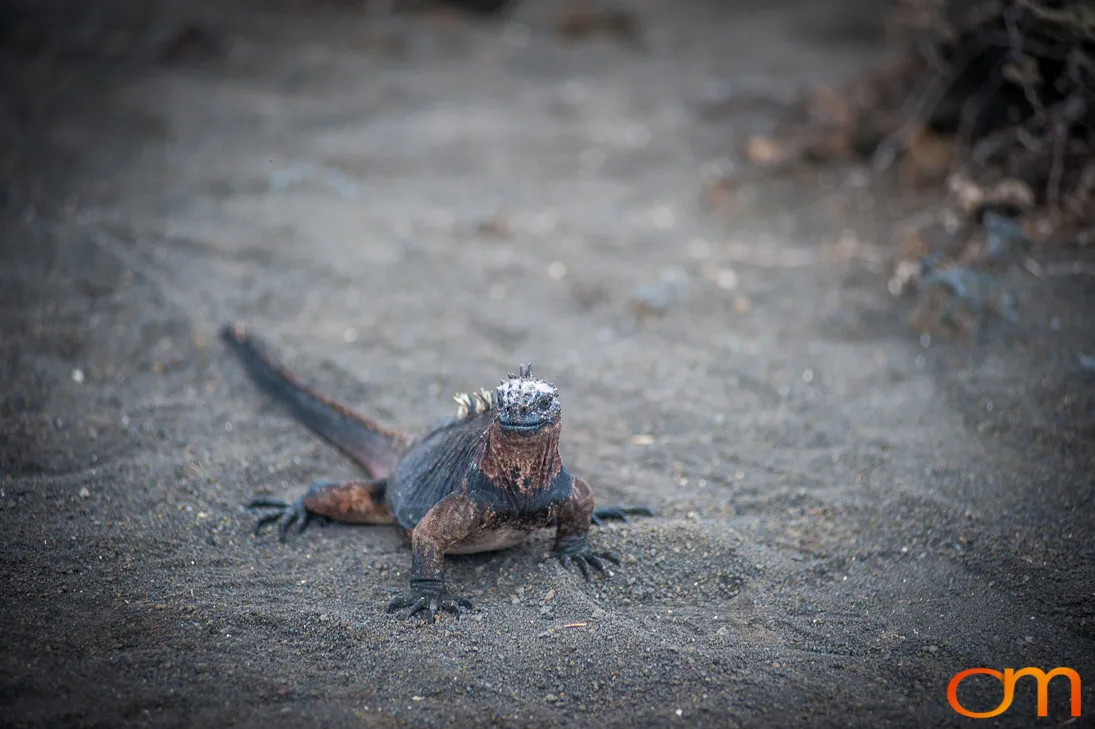
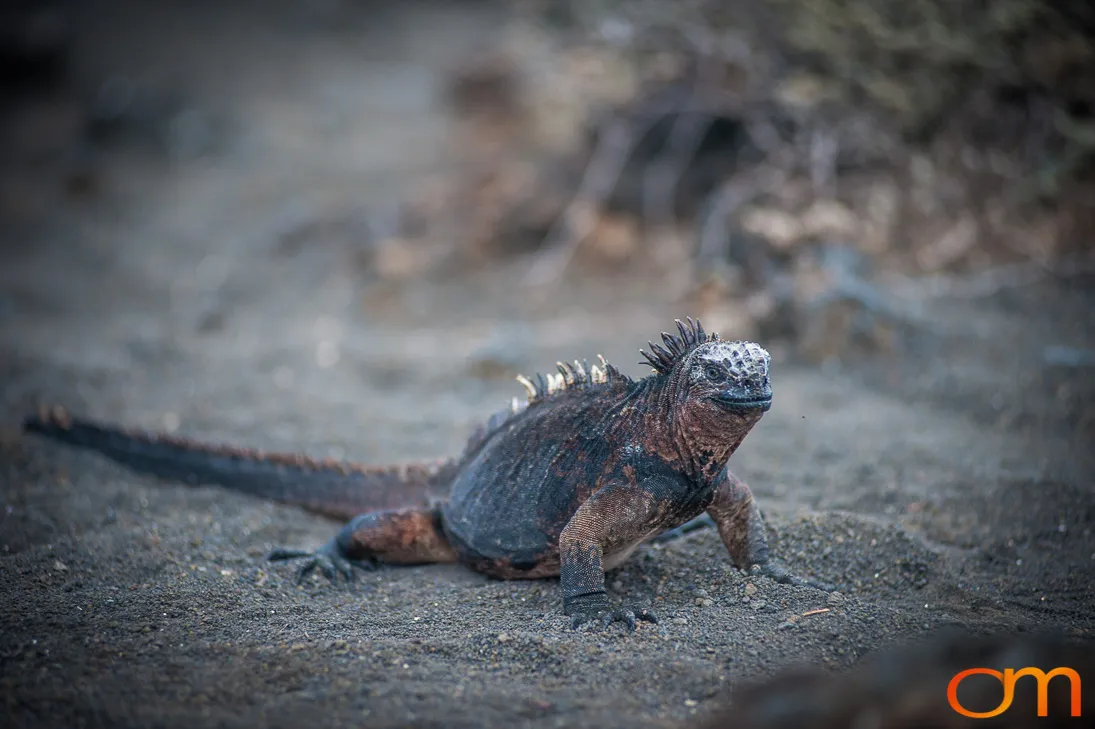
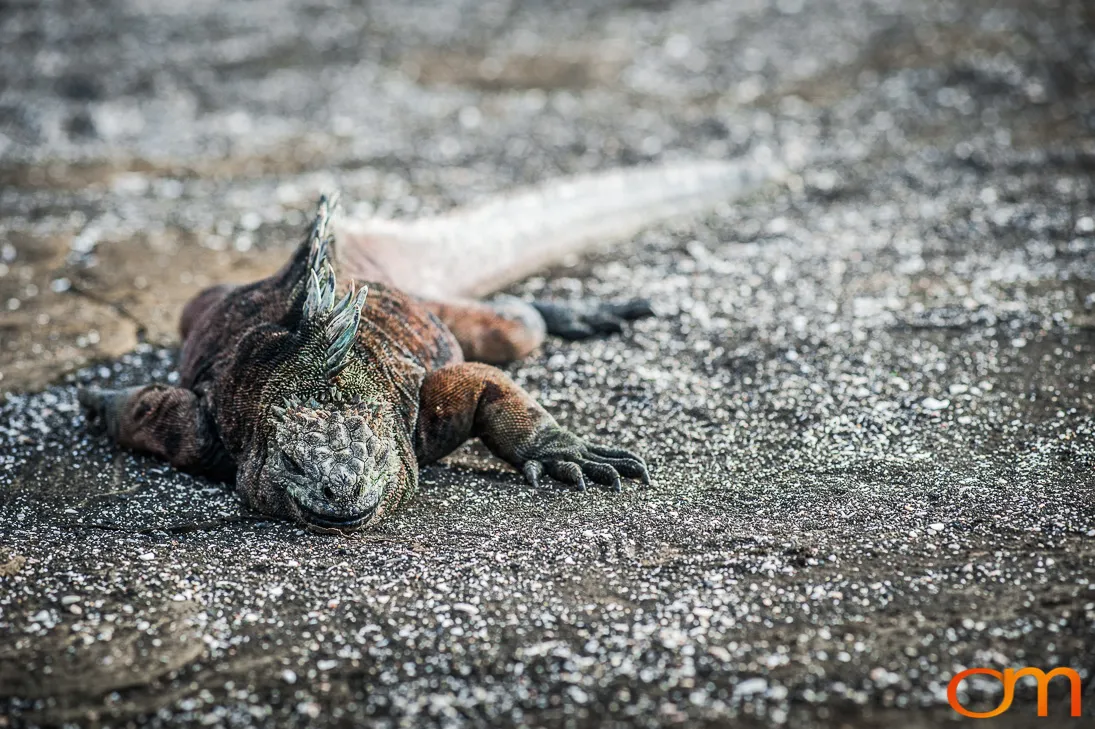
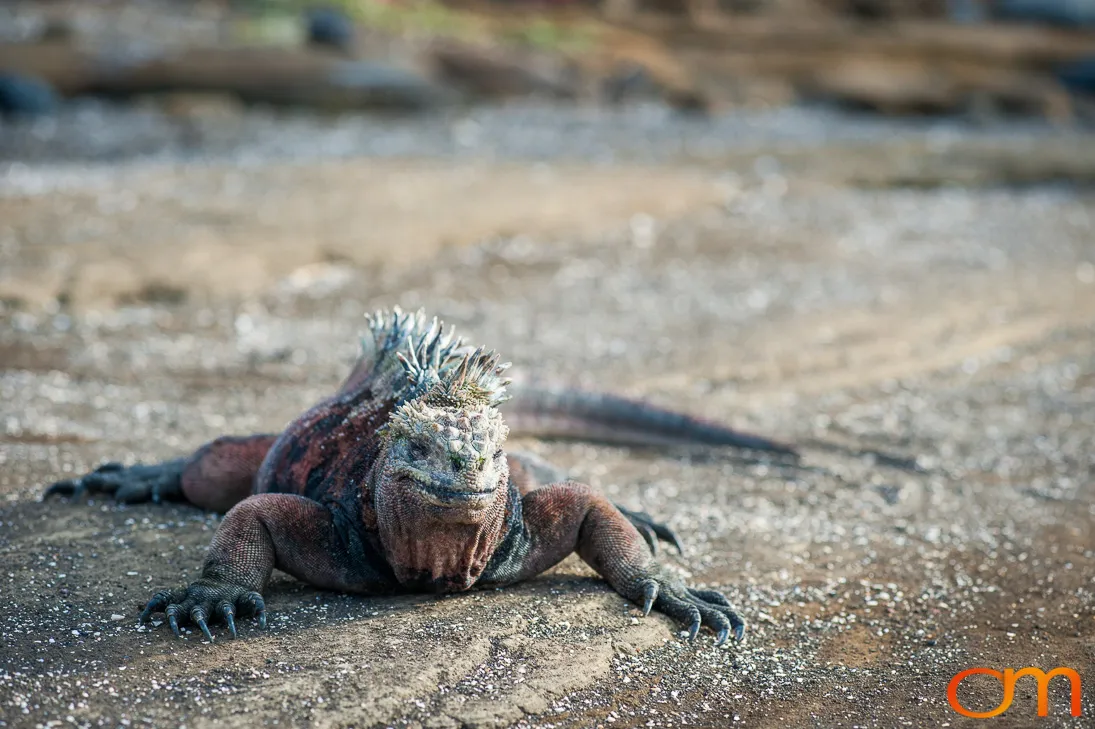
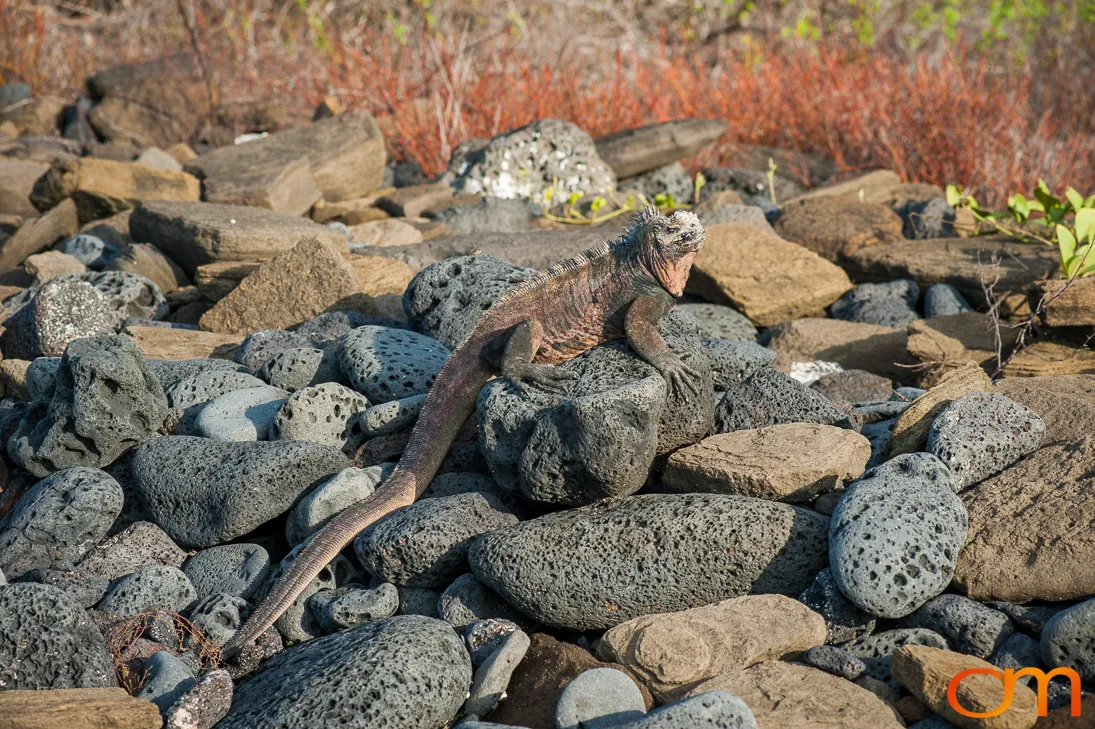
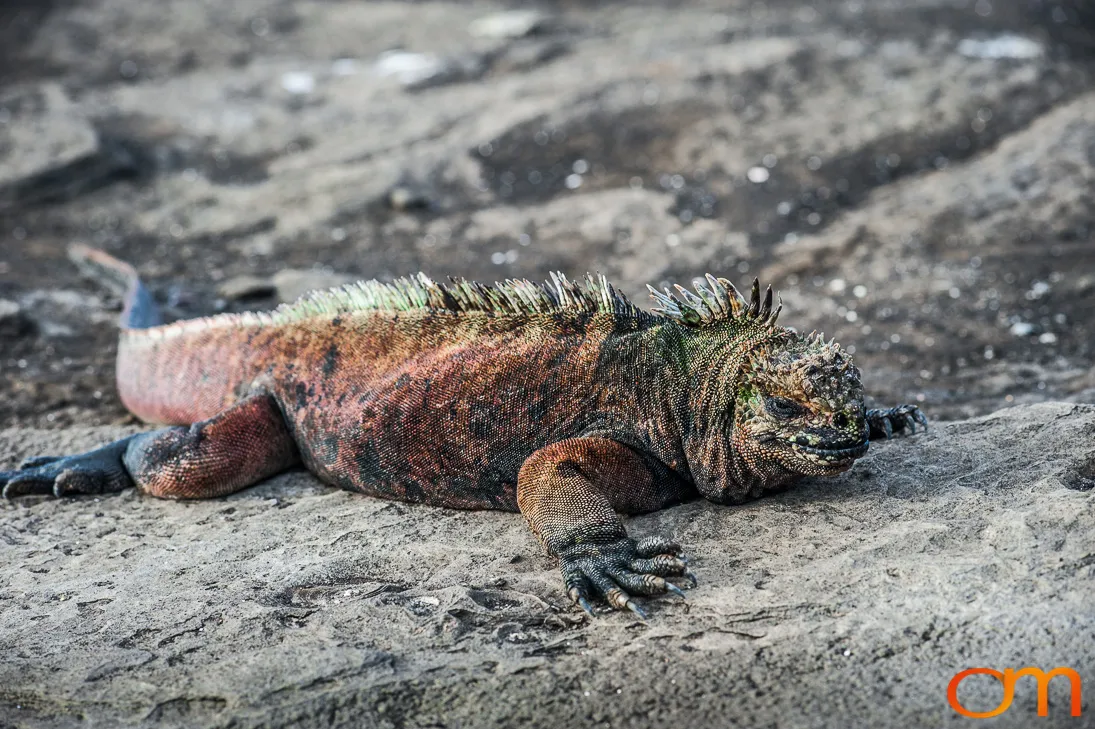
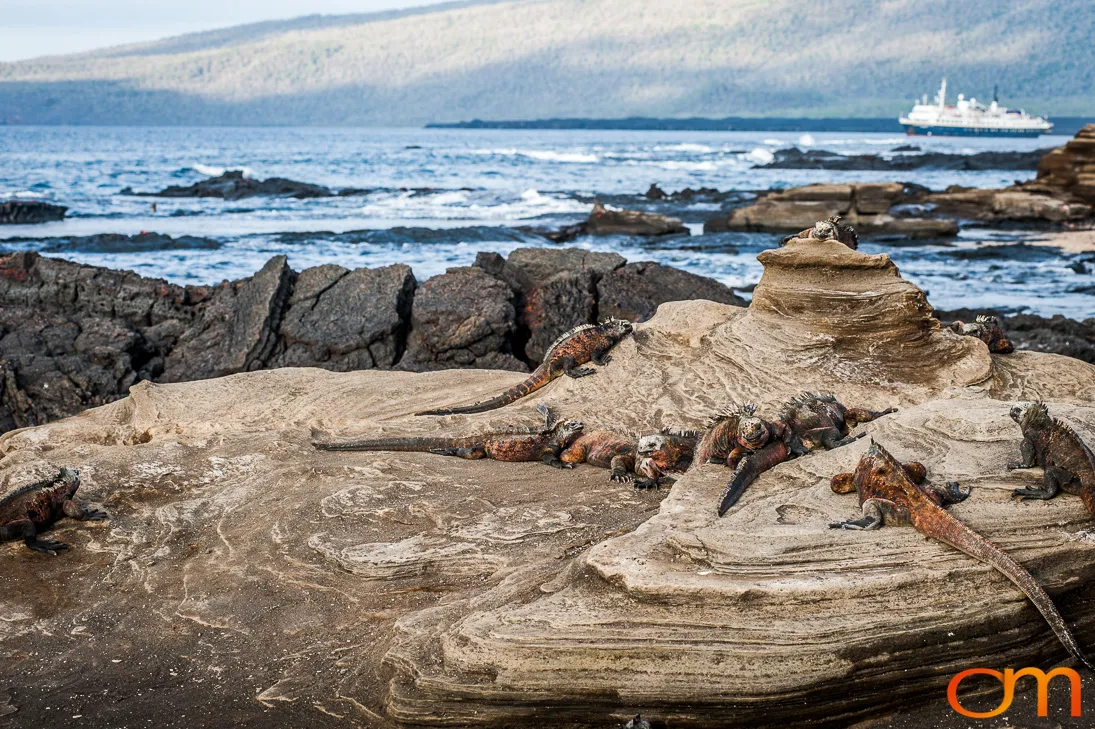
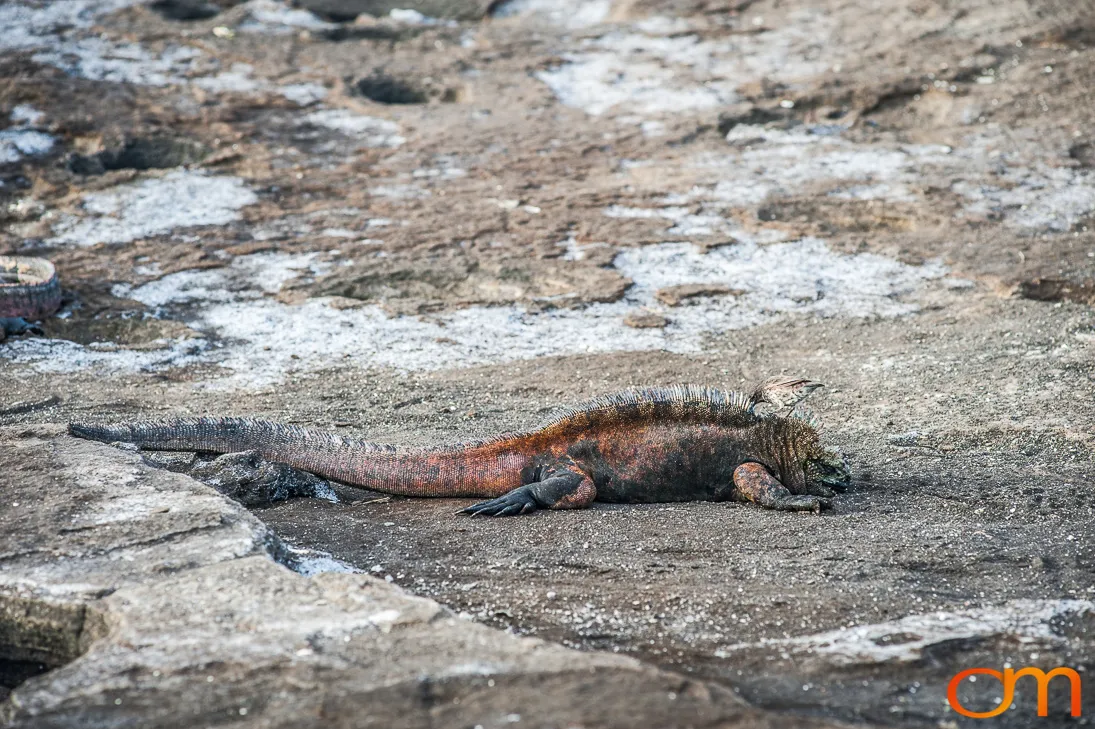
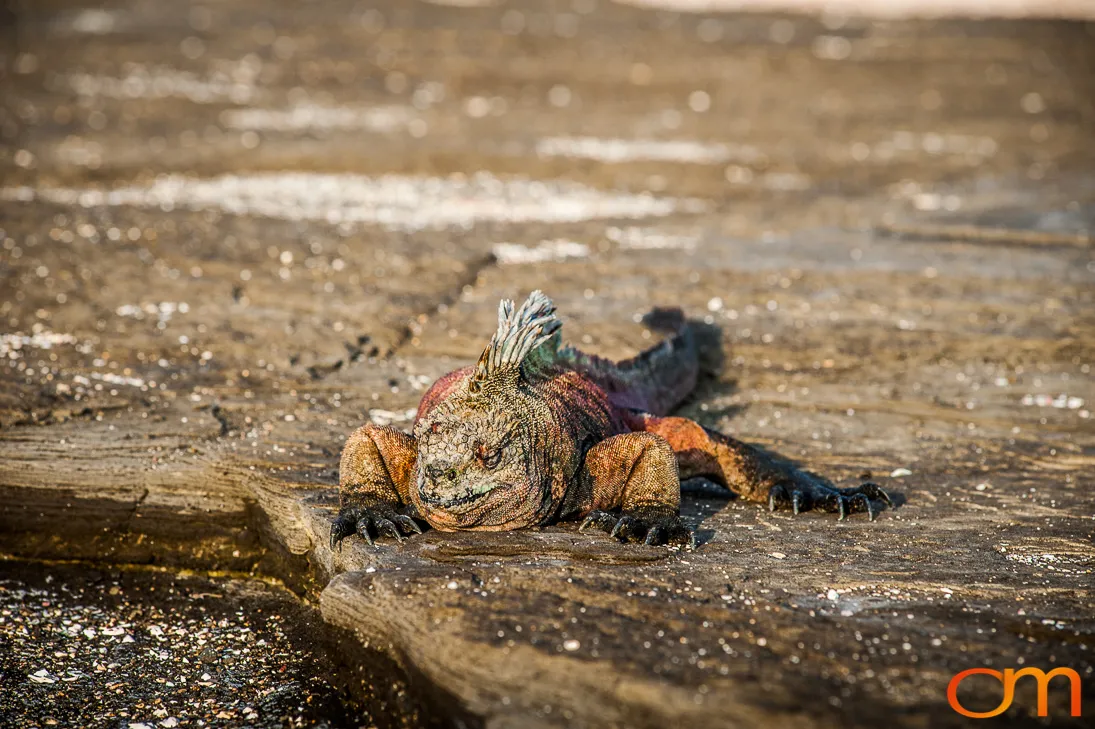
The marine iguana (Amblyrhynchus cristatus) is endemic to the Galápagos Archipelago and is the only living lizard known to forage in the ocean. It feeds primarily on red and green marine algae growing on intertidal and submerged rocks. Larger individuals may dive to feed, while smaller iguanas commonly graze in the intertidal zone at low tide.
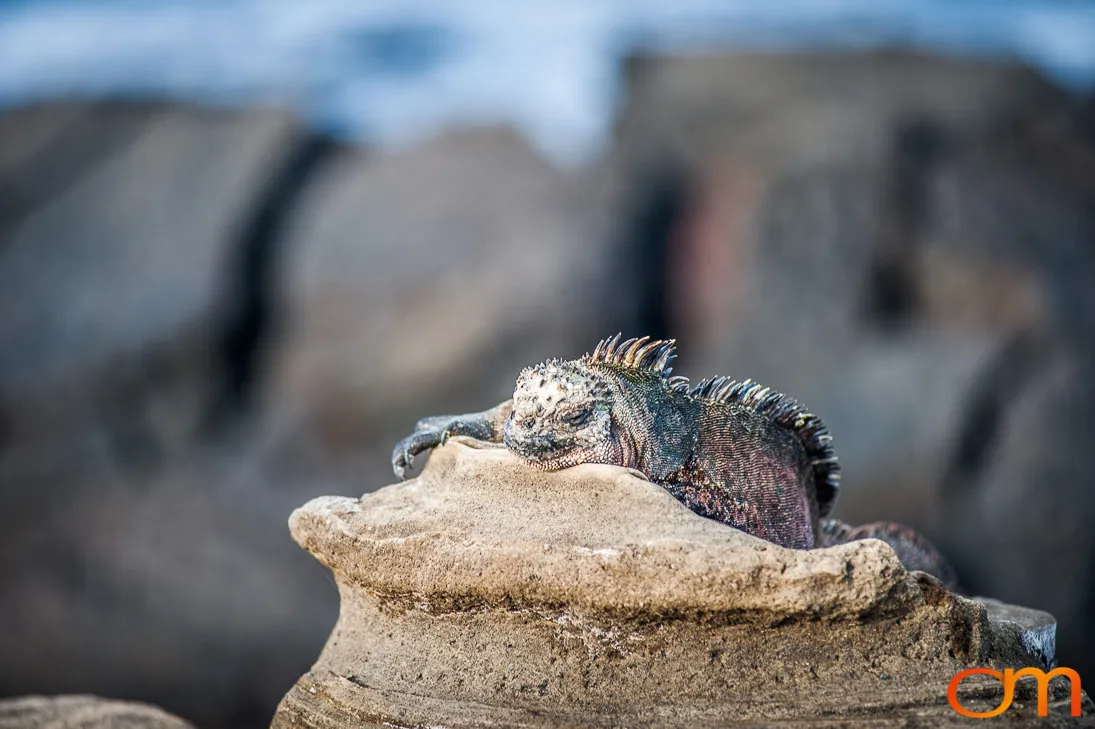
Its flattened tail provides propulsion in the water, while strong limbs and claws help it hold onto rocks exposed to waves and currents. A short, blunt snout and sharp teeth are adapted for grazing algae. Specialized nasal glands remove excess salt absorbed while feeding, which the iguana expels through its nostrils.
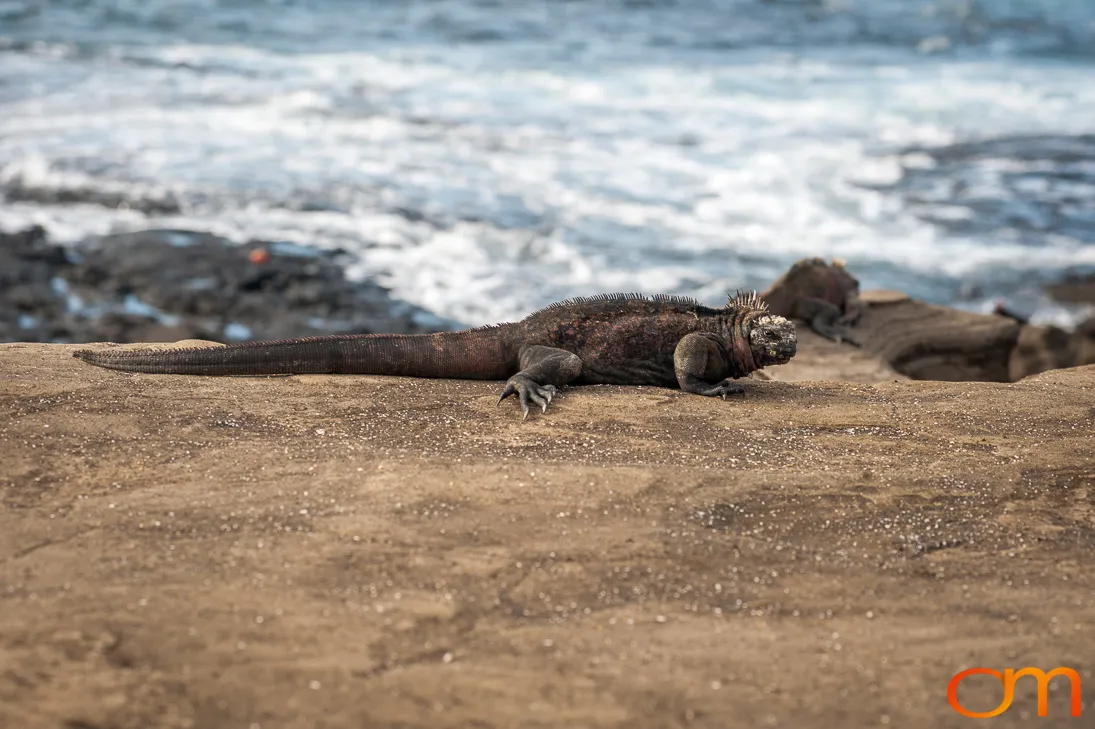
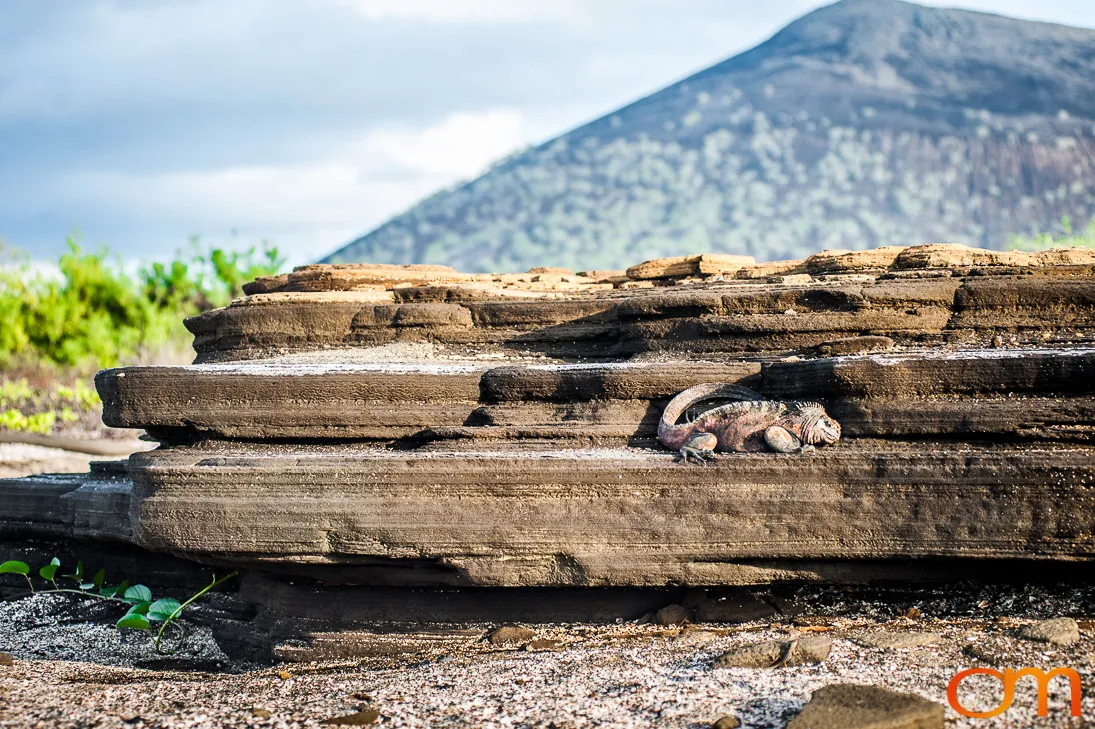
Marine iguanas are ectothermic. Because the waters surrounding the islands can rapidly lower their body temperature, they bask on sun-warmed rocks before and after feeding. During the annual breeding season, males defend mating territories. Females dig burrows in sand or volcanic ash and generally lay one to six eggs, which incubate for approximately three months.
The species is classified as Vulnerable by the International Union for Conservation of Nature. Important threats include introduced predators, habitat disturbance, and periodic El Niño conditions, when warmer, nutrient-poor water reduces the algae on which marine iguanas depend.