Galapagos Islands
Galápagos Giant Tortoises
January 2009
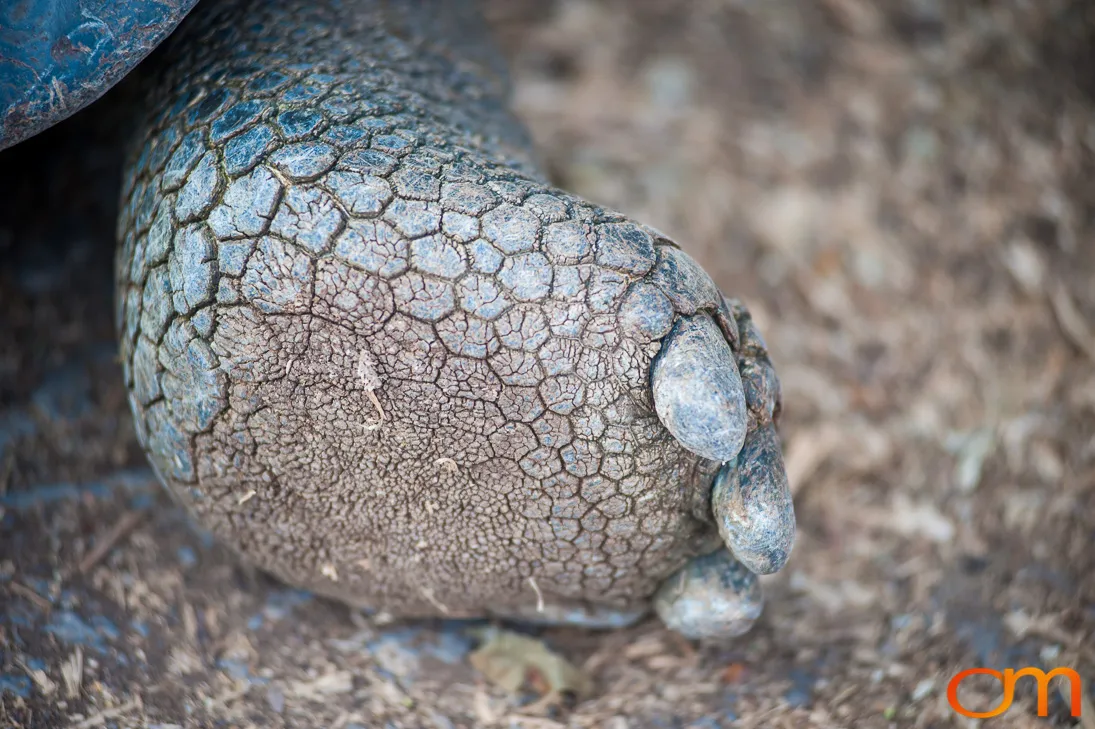
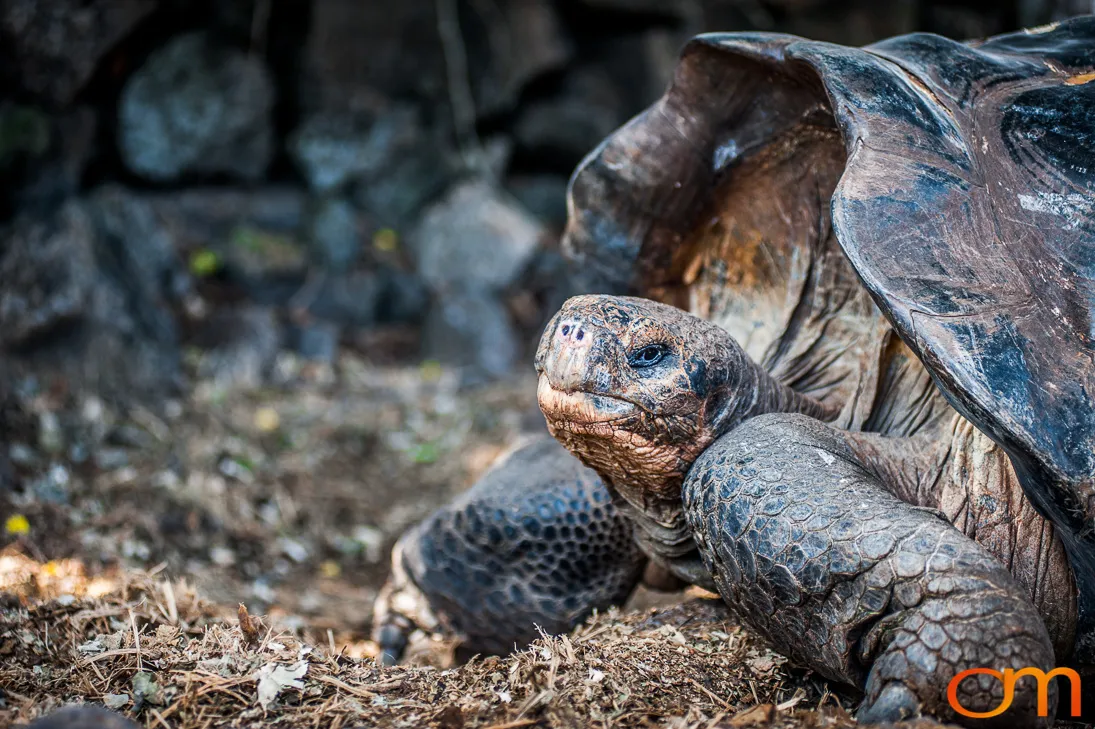
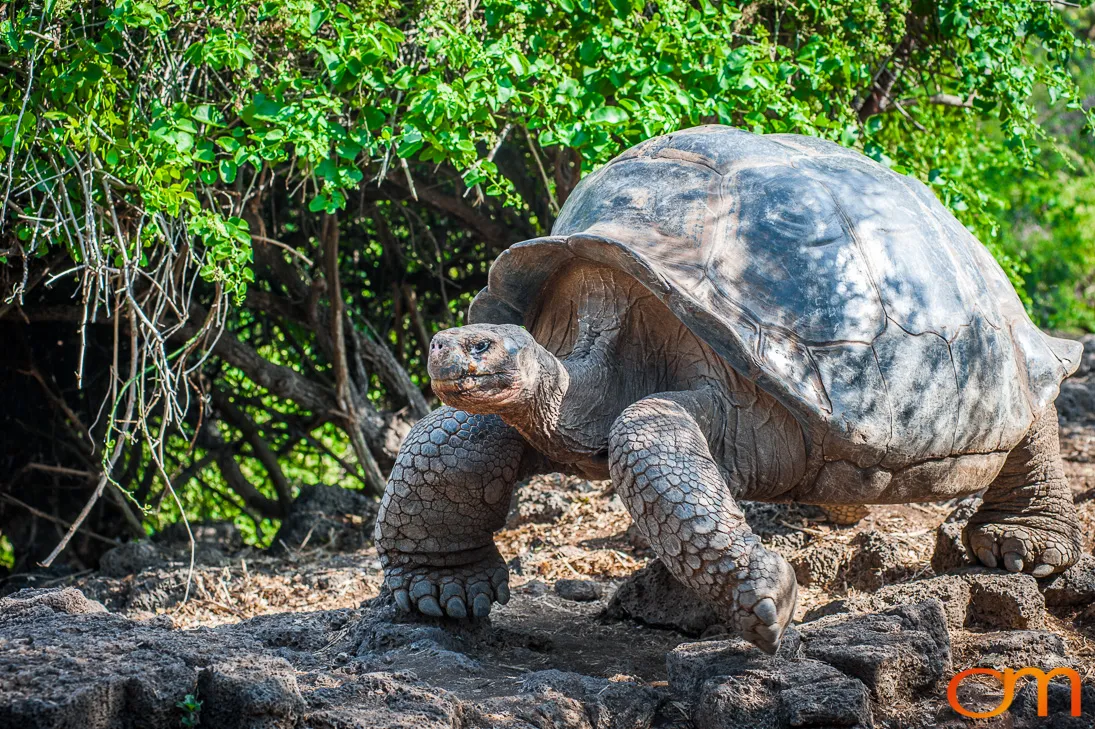
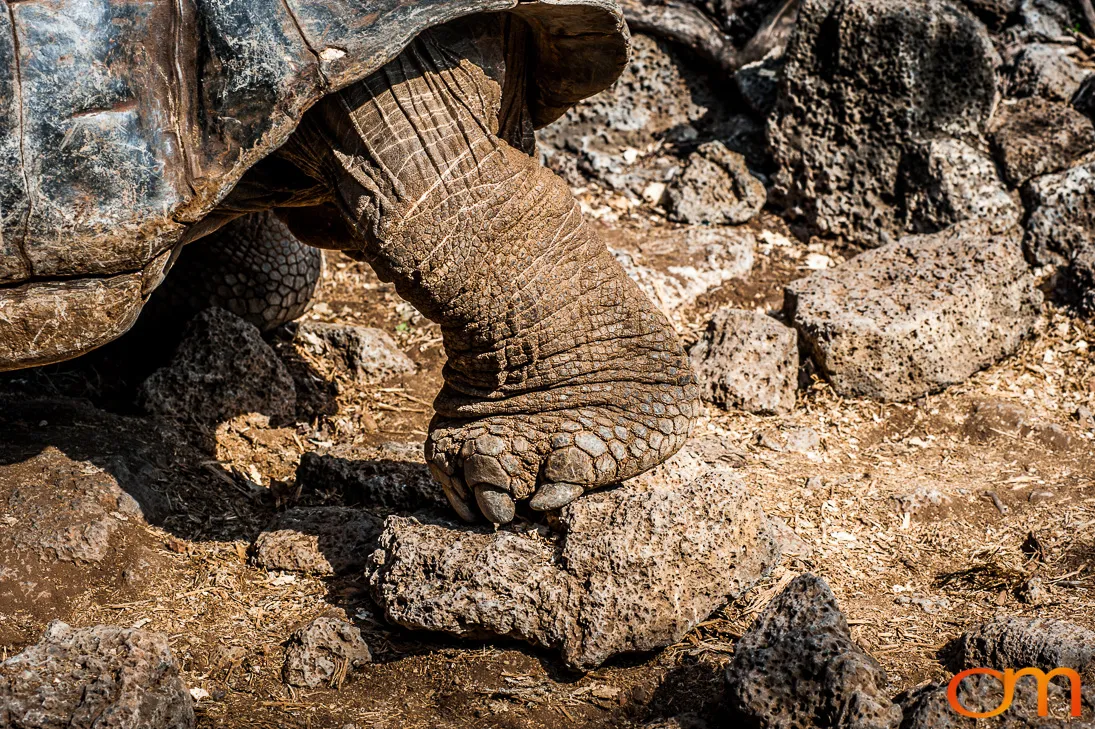
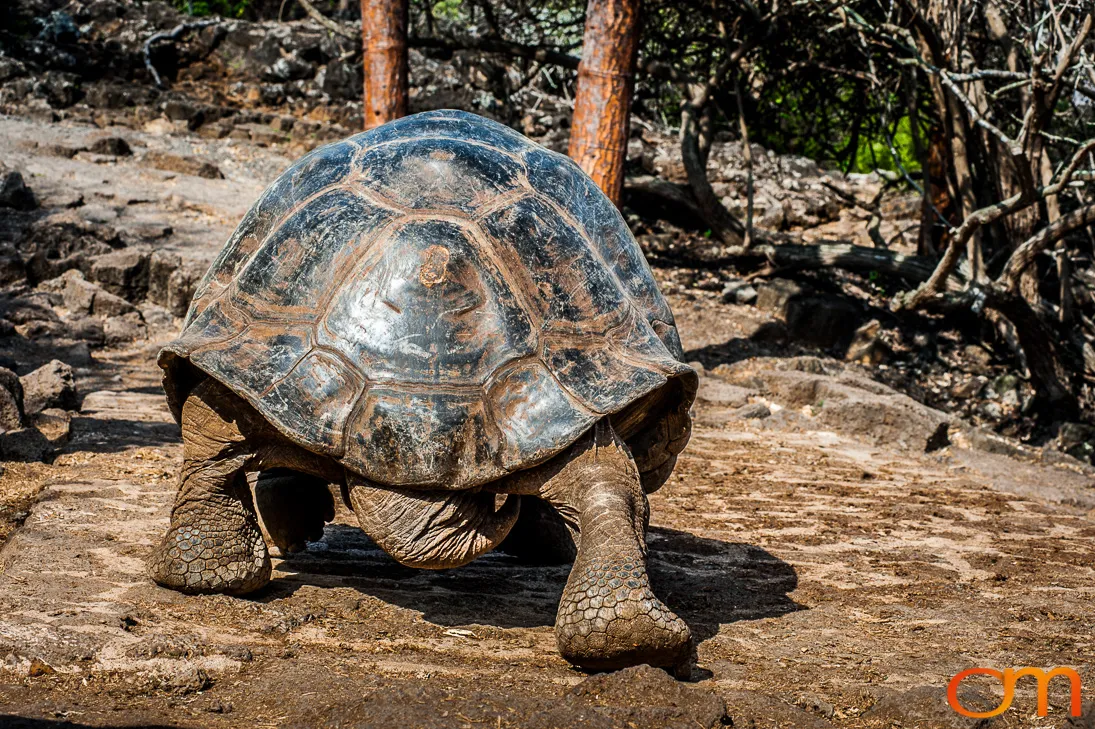
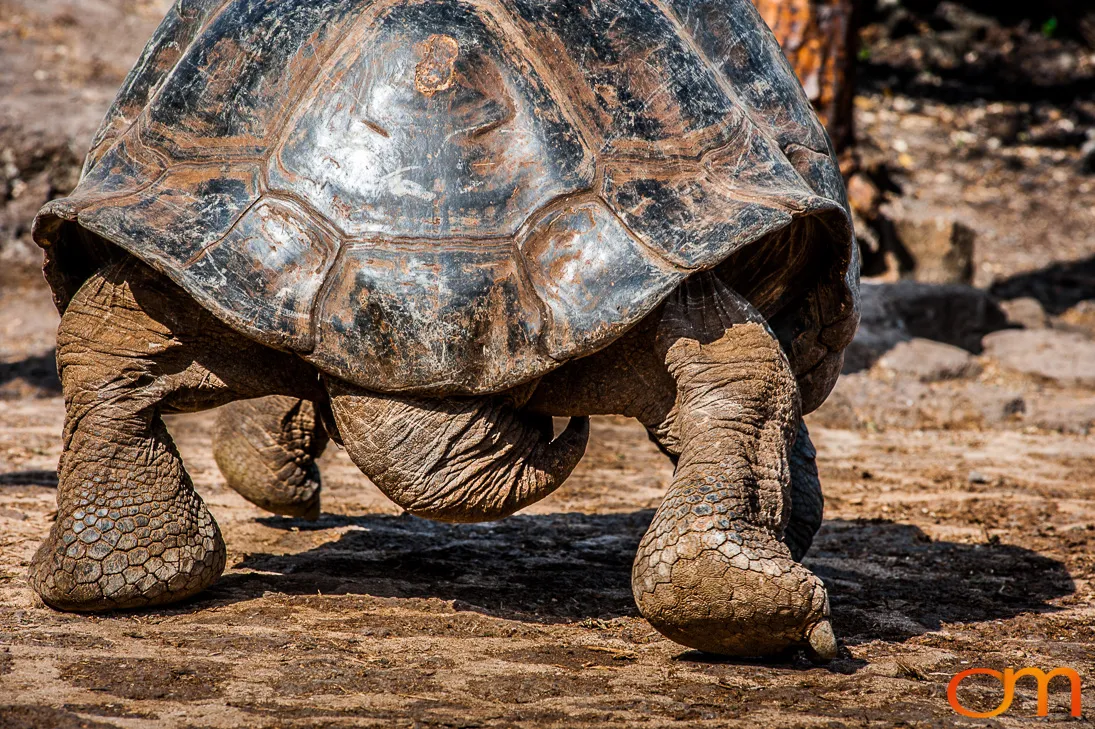
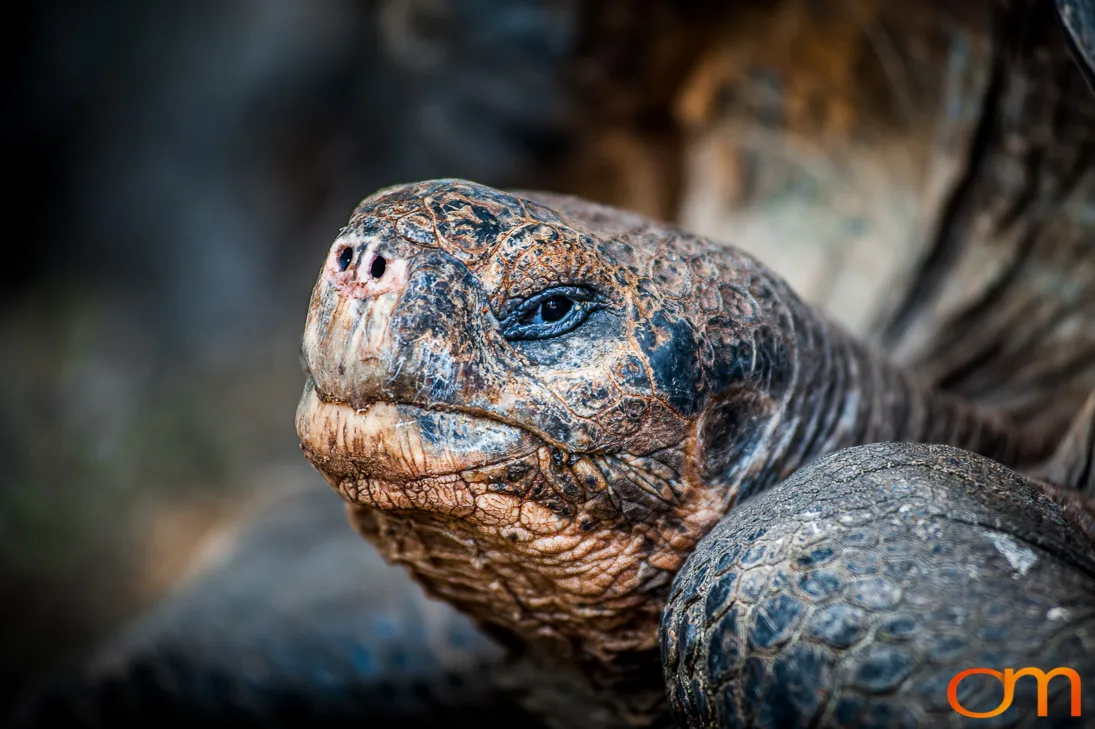
Galápagos giant tortoises are among the world’s largest living tortoises and can survive for well over a century. They belong to the genus Chelonoidis, with distinct populations evolving on different islands and volcanoes within the Galápagos Archipelago.
These primarily herbivorous reptiles feed on grasses, leaves, fruits, flowers and cacti. As ectotherms, they depend on environmental heat to regulate their body temperature, alternating between sun, shade and sheltered resting places rather than simply basking for several hours before they can move.
On some islands, adult tortoises migrate seasonally between lowland and highland habitats as rainfall and vegetation change. Their movements disperse seeds, redistribute nutrients and influence plant communities, making giant tortoises important ecosystem engineers.
Interactions between adults may include dominance displays in which tortoises extend their legs and necks, with the individual holding its head higher often prevailing. Females travel to warmer, drier lowlands to dig nests and lay eggs, but clutch size, nesting season and incubation time vary among populations and environmental conditions.
Galápagos giant tortoises were severely reduced by historical hunting, habitat alteration and introduced animals. Captive breeding, habitat restoration, invasive-species control and reintroduction programs have helped rebuild several populations, although all surviving species remain of conservation concern.