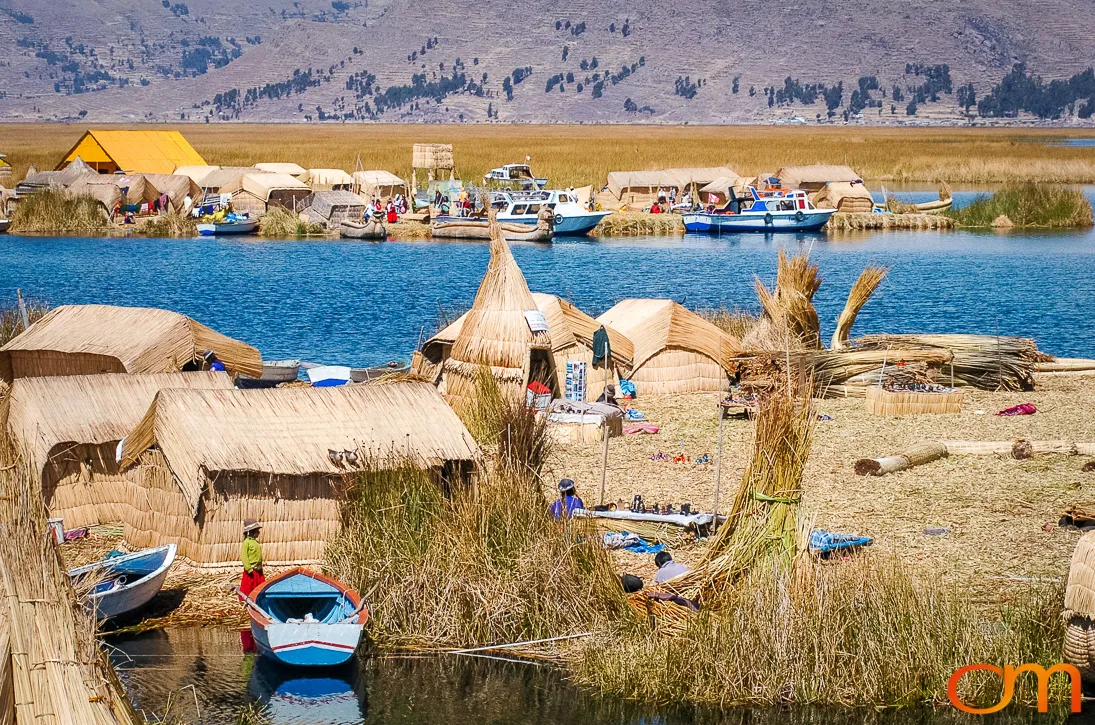
Uros Floating Islands
The Uros Floating Islands of Lake Titicaca
July 2004
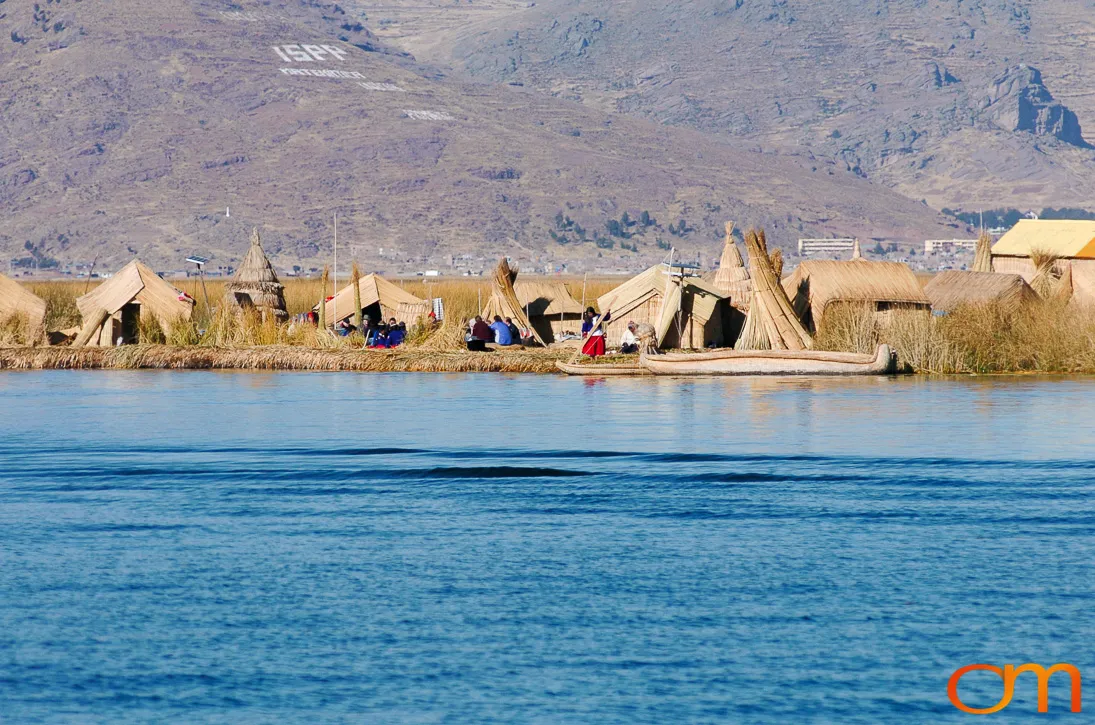
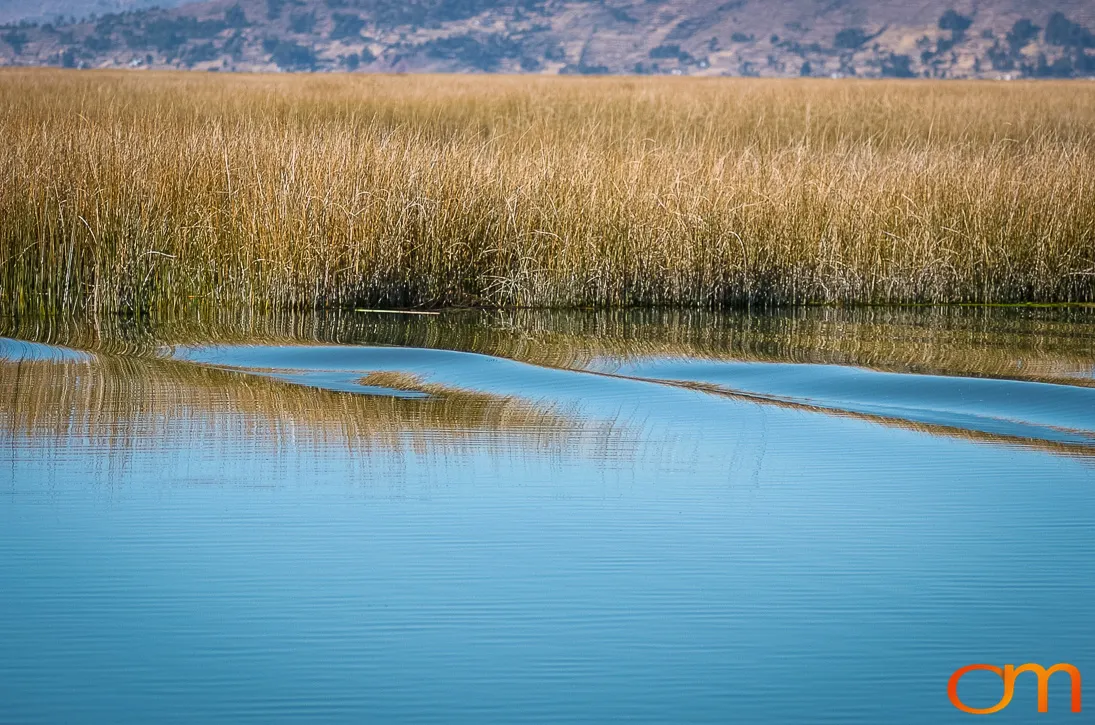
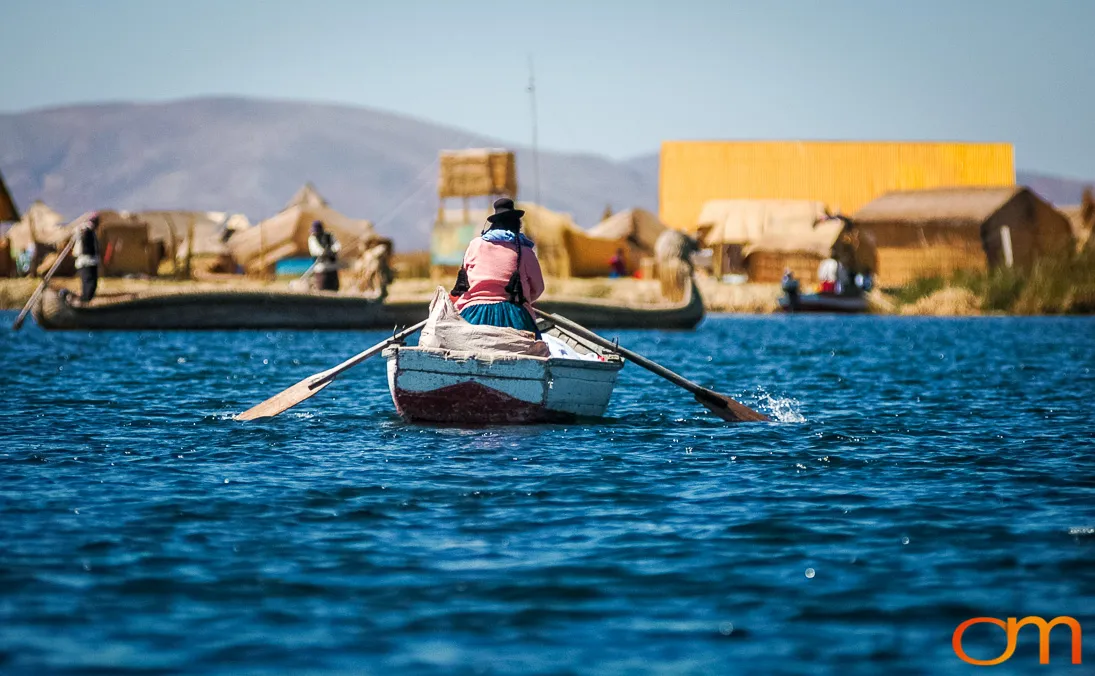
The Uros Floating Islands are human-made reed platforms located in the Bay of Puno on the Peruvian side of Lake Titicaca, approximately 12,500 feet (3,810 meters) above sea level. They are constructed and maintained by Uros communities using totora, an aquatic reed that grows in the lake’s shallow waters.
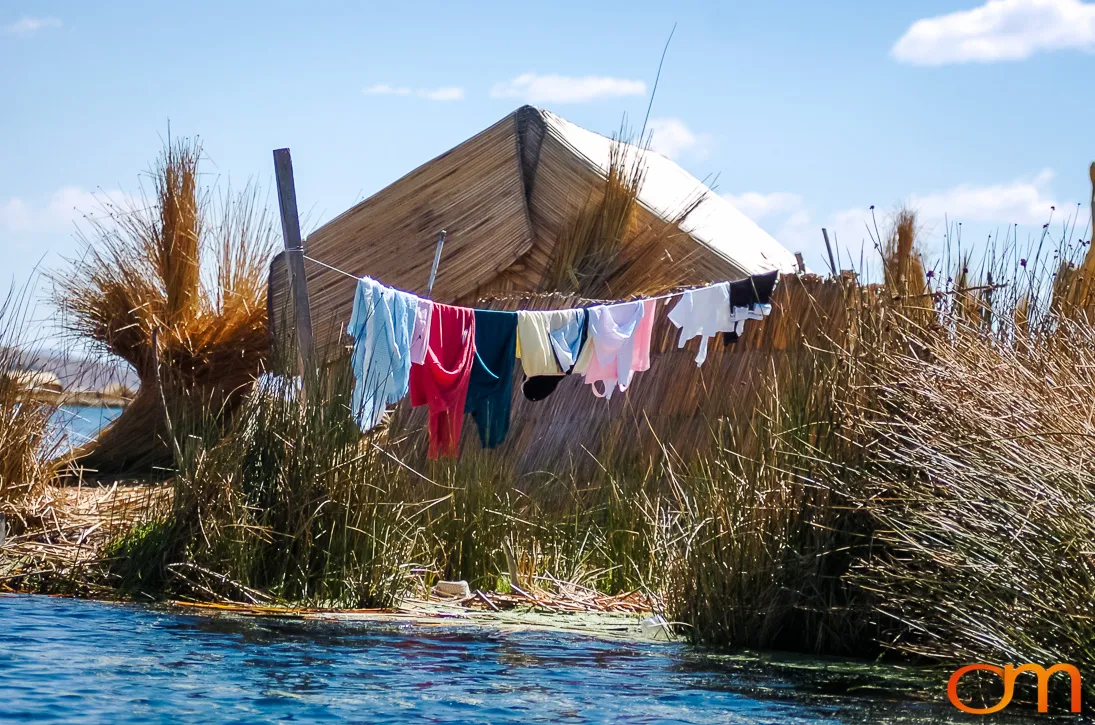
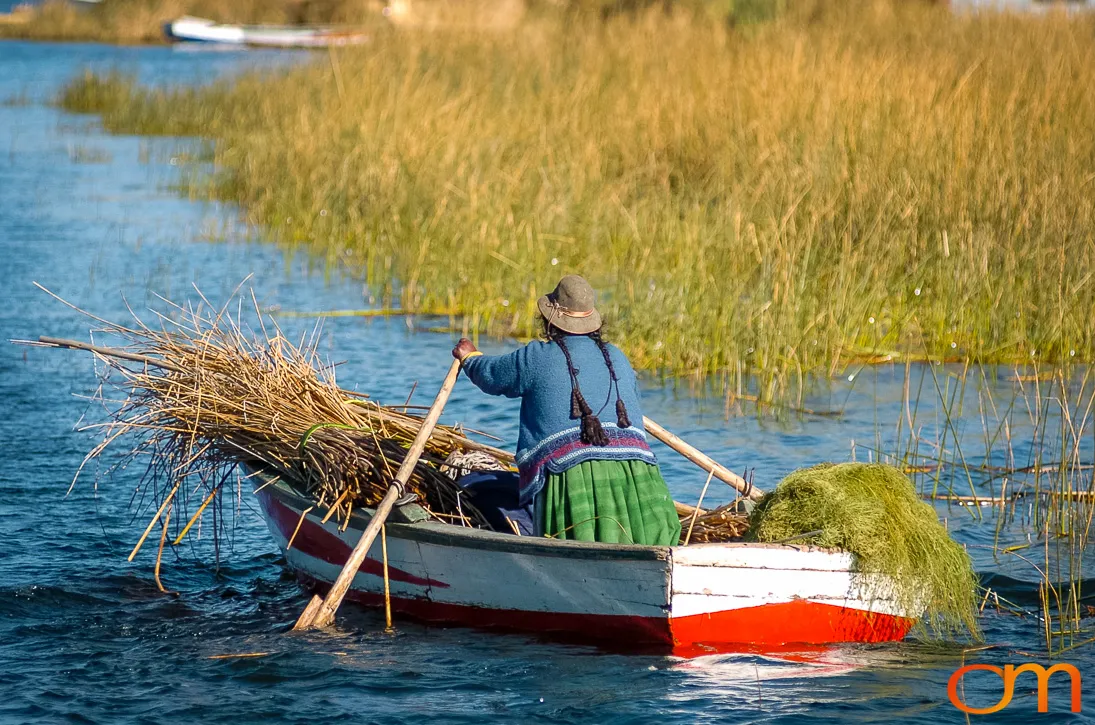
The foundation of each island is formed from buoyant blocks of interwoven totora roots and soil. Layers of cut reeds are placed across this base in alternating directions. Because the submerged material gradually decomposes, fresh totora must be added regularly to maintain the island’s surface.
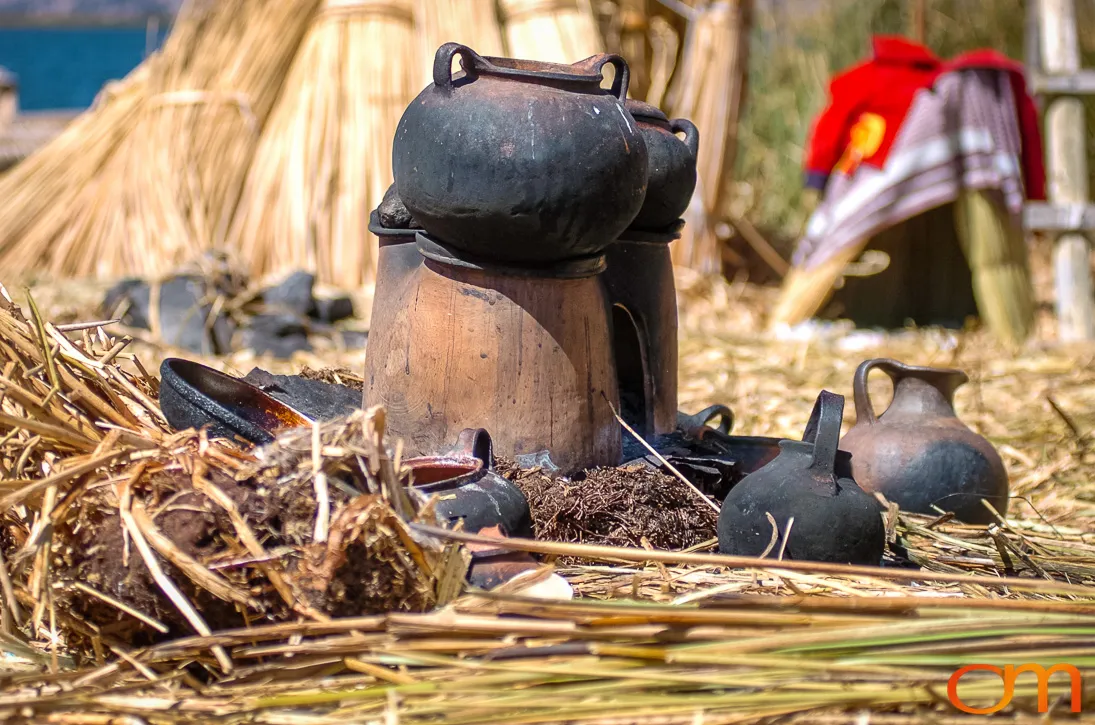
Totora has traditionally provided material for houses, boats, shelters, furnishings, fuel, food, and handicrafts. The islands demonstrate a specialized system of wetland resource use and construction adapted to Lake Titicaca’s high-altitude environment.
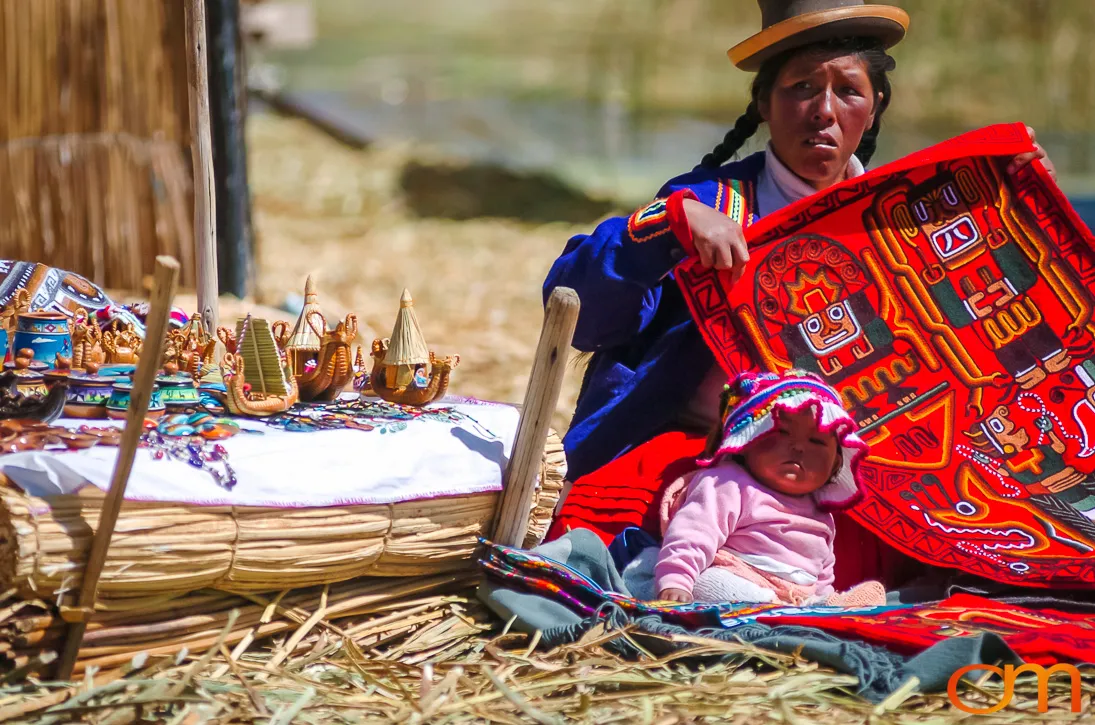
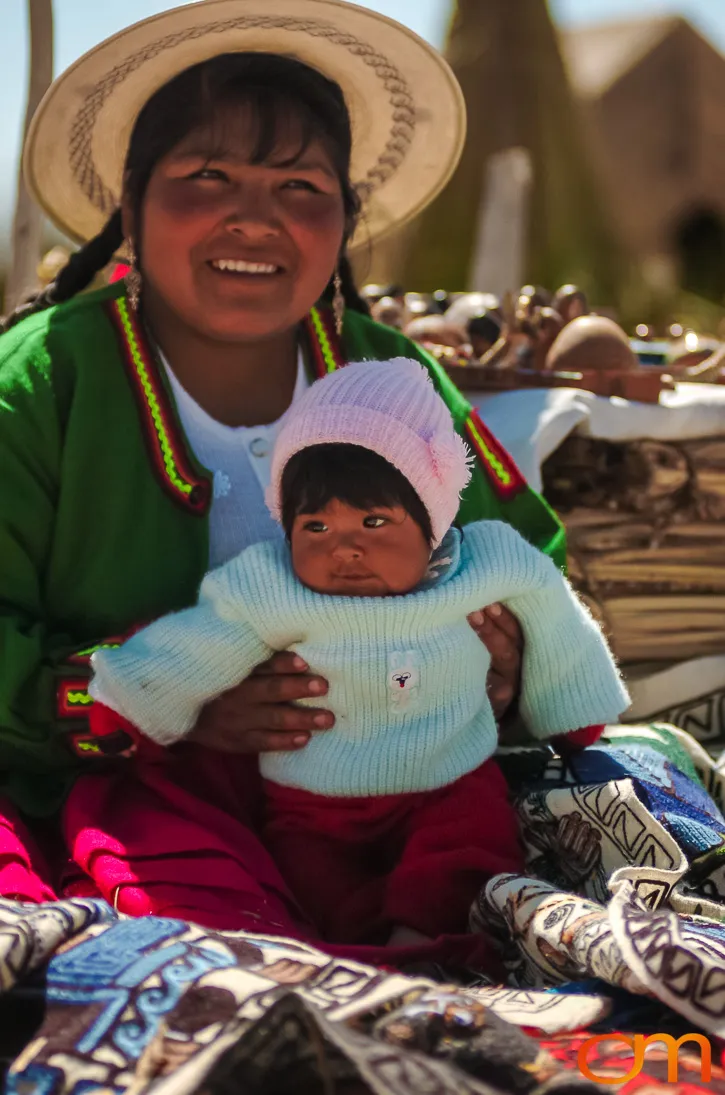
The Uros are an Indigenous people associated with the lakes and waterways of present-day Peru and Bolivia. Accounts commonly describe the floating settlements as places of refuge during periods of conflict, including Inca expansion, but the precise origin and chronology of the island-building tradition remain uncertain. The islands photographed in 2004 were both residential communities and places where families produced and sold reed and textile crafts.