Galapagos Islands
Sally Lightfoot Crabs of the Galápagos
January 2009
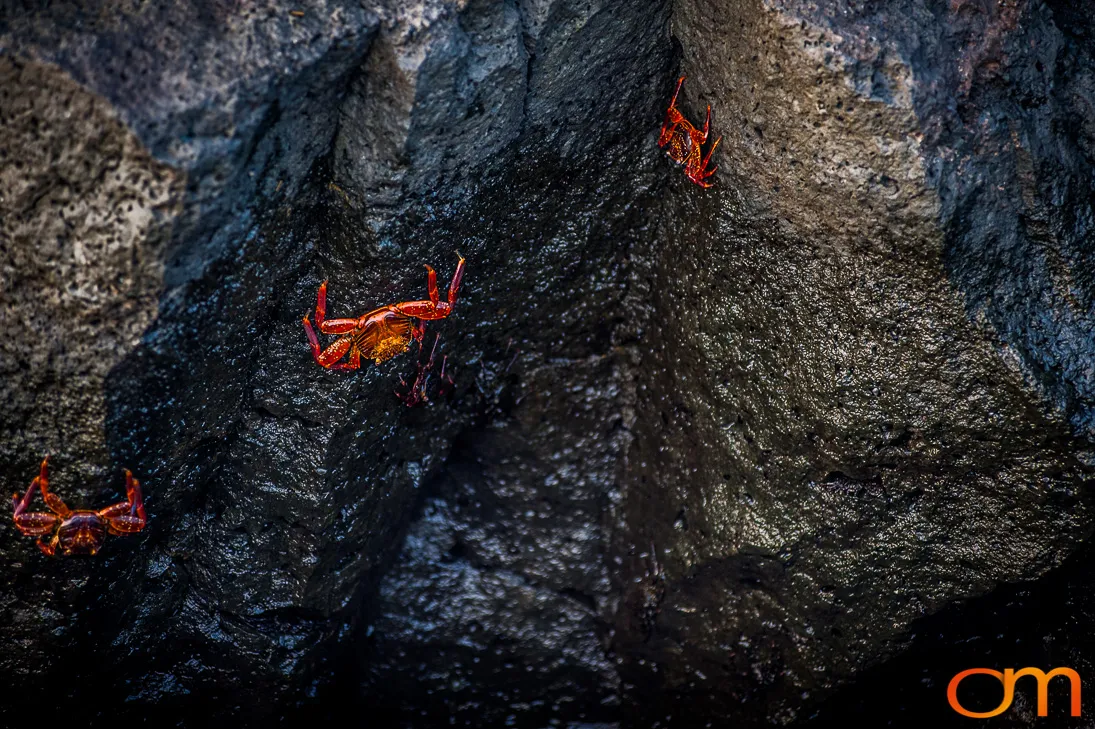
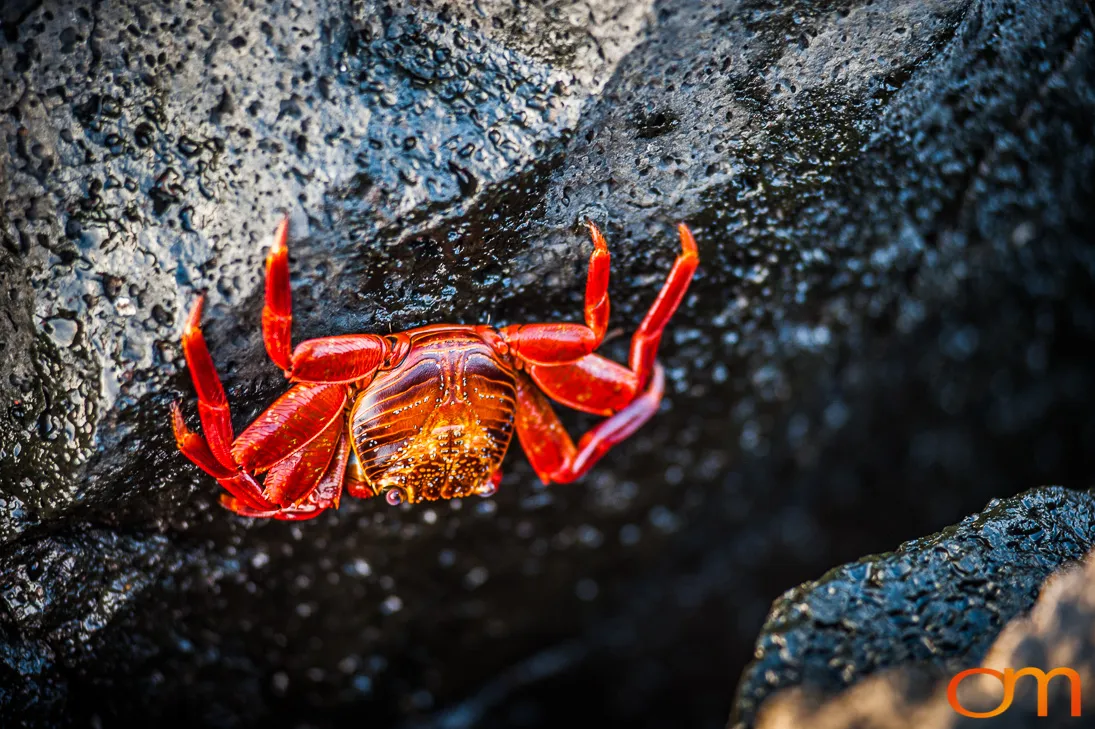
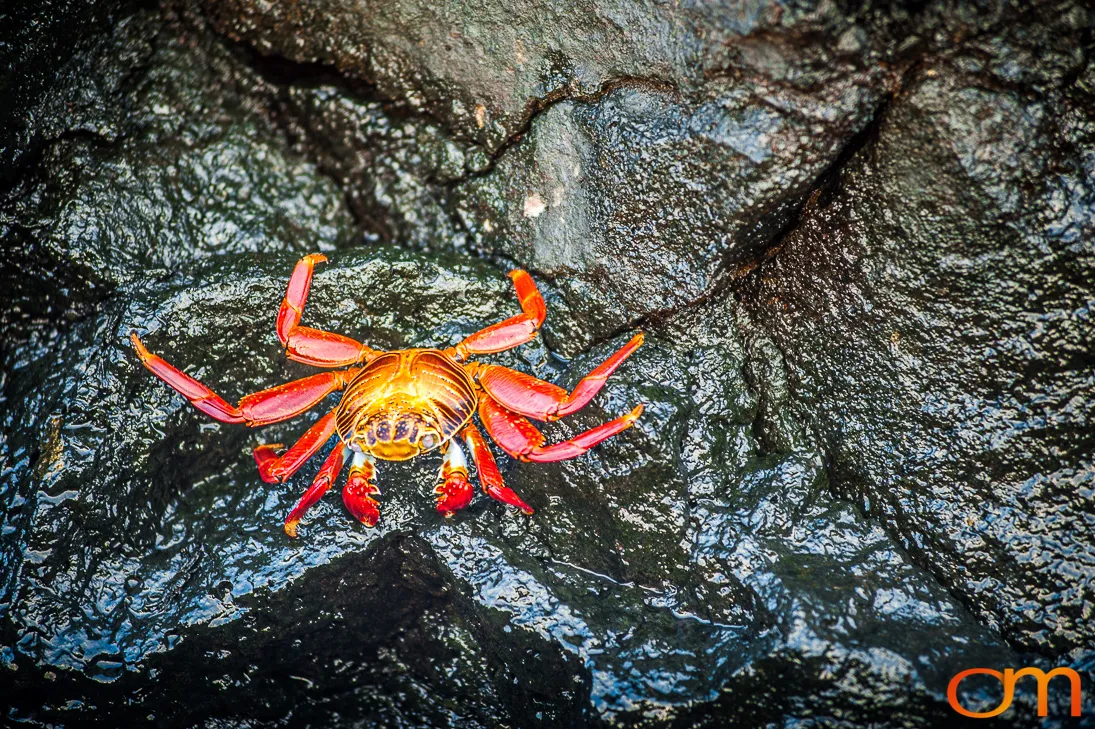
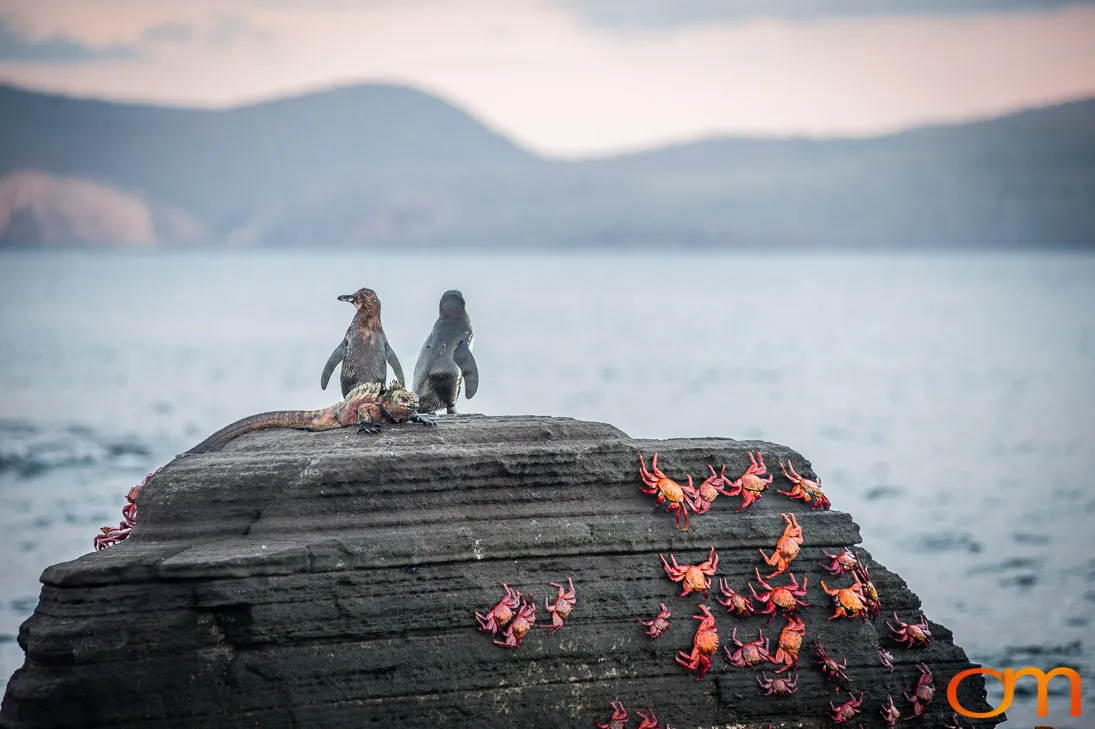
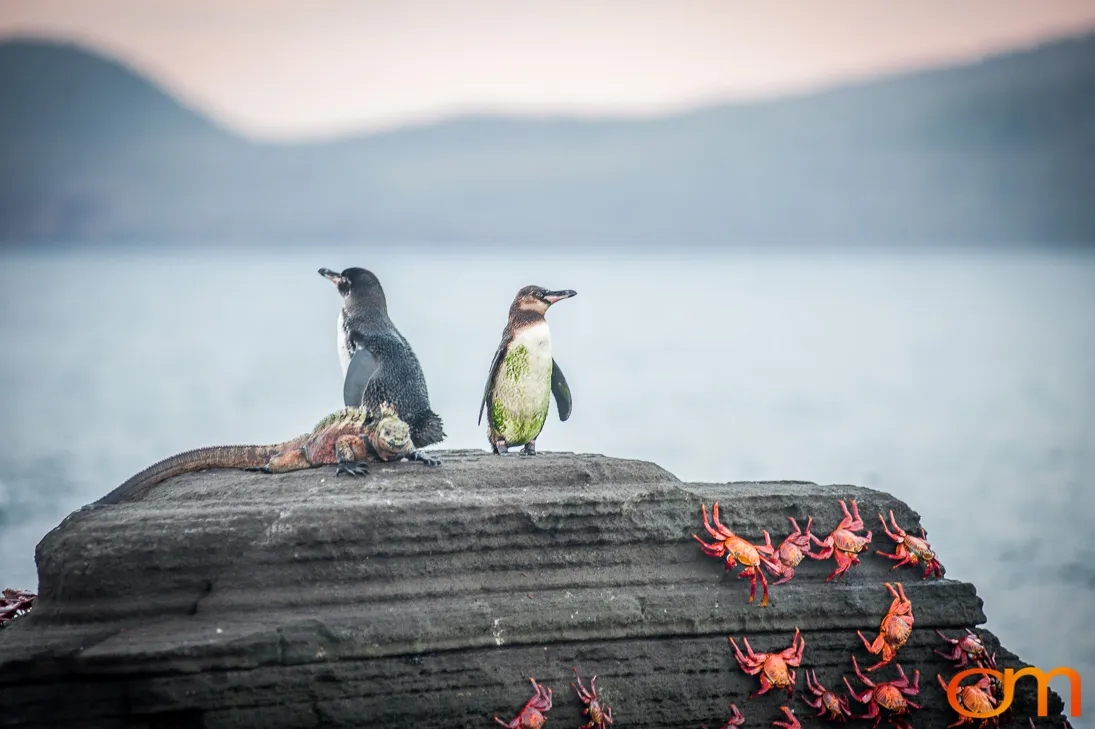
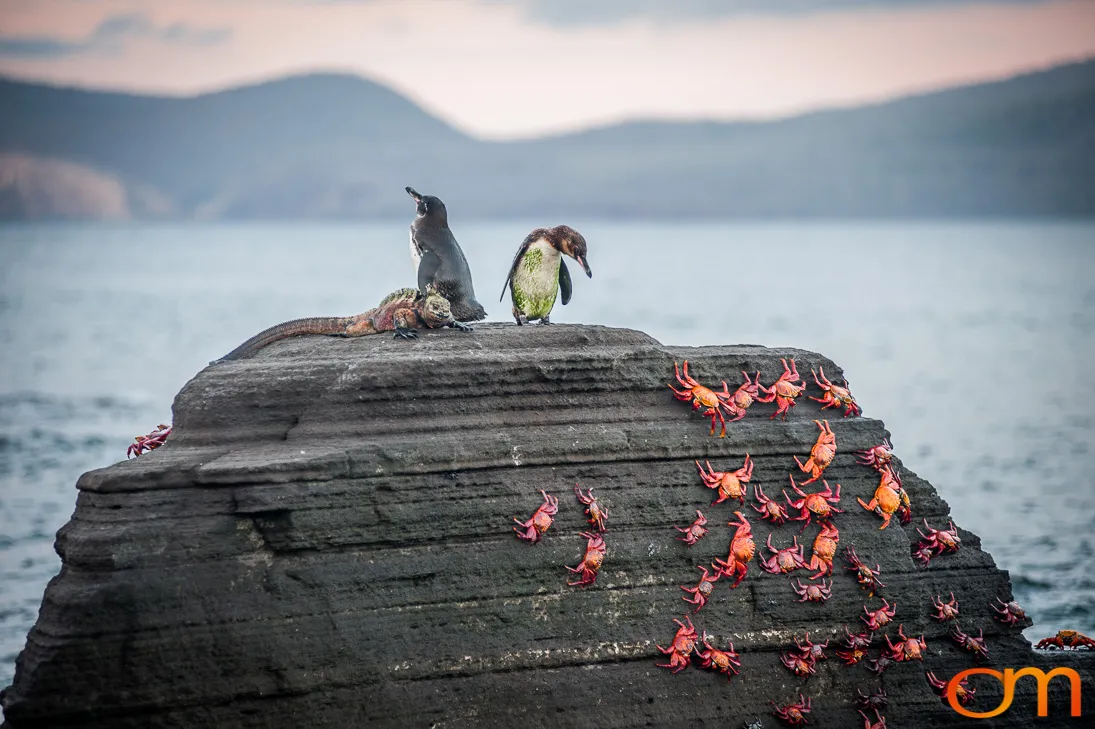
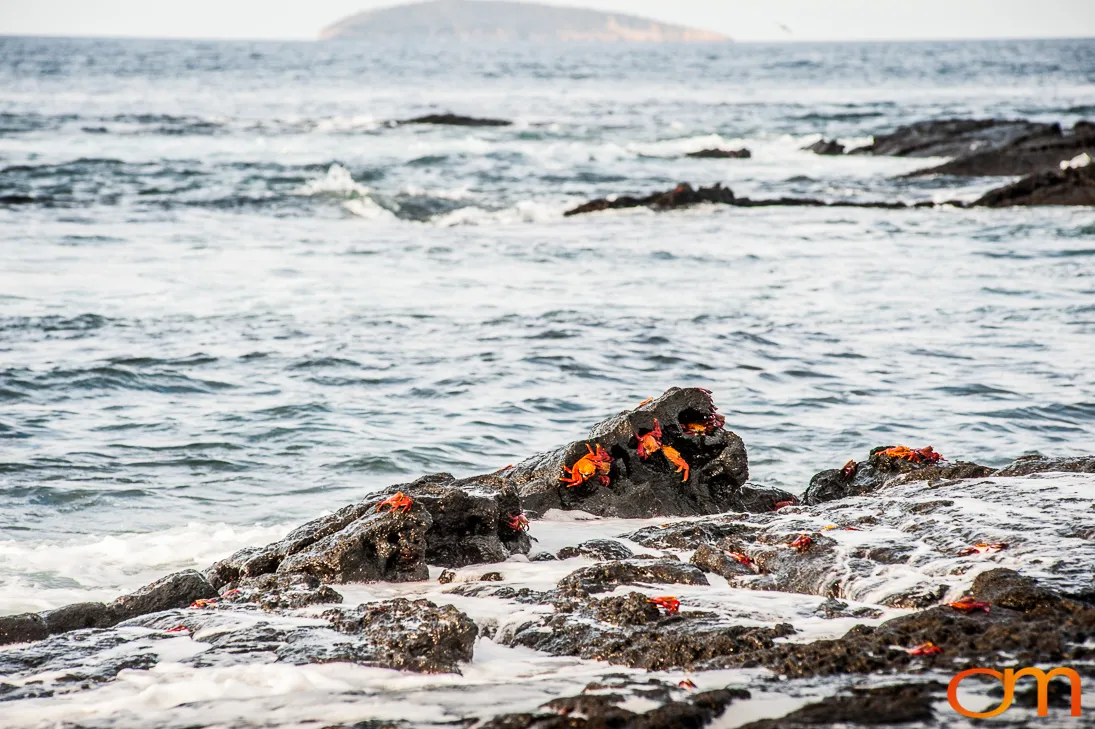
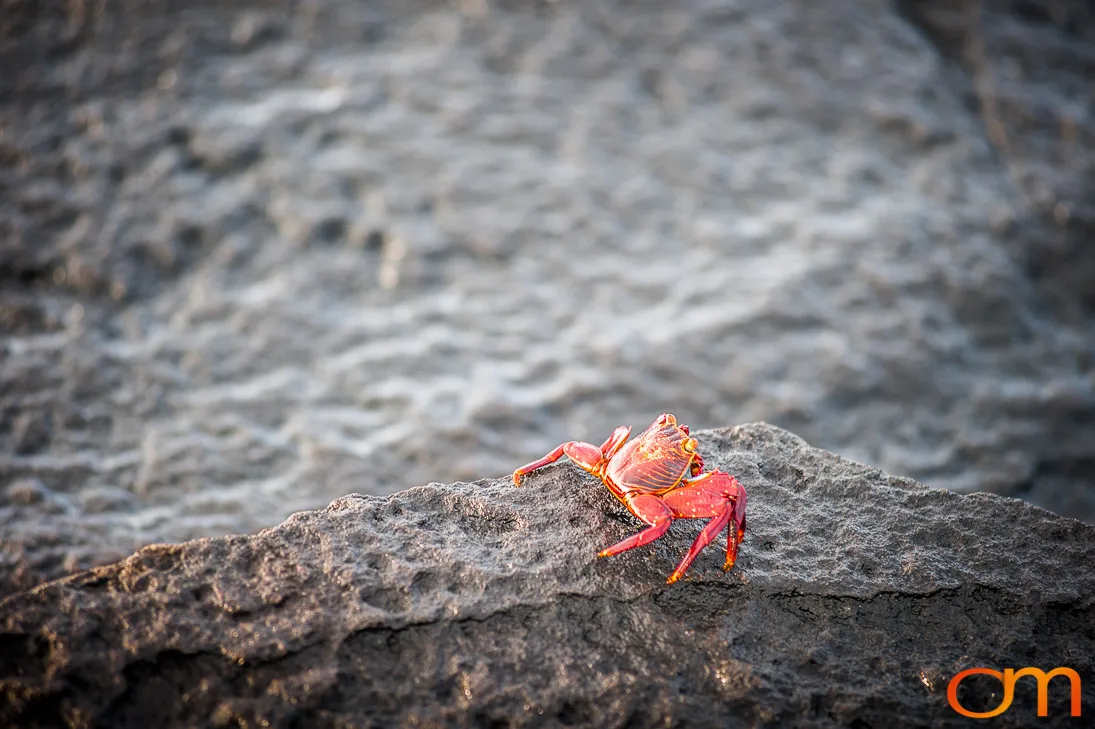
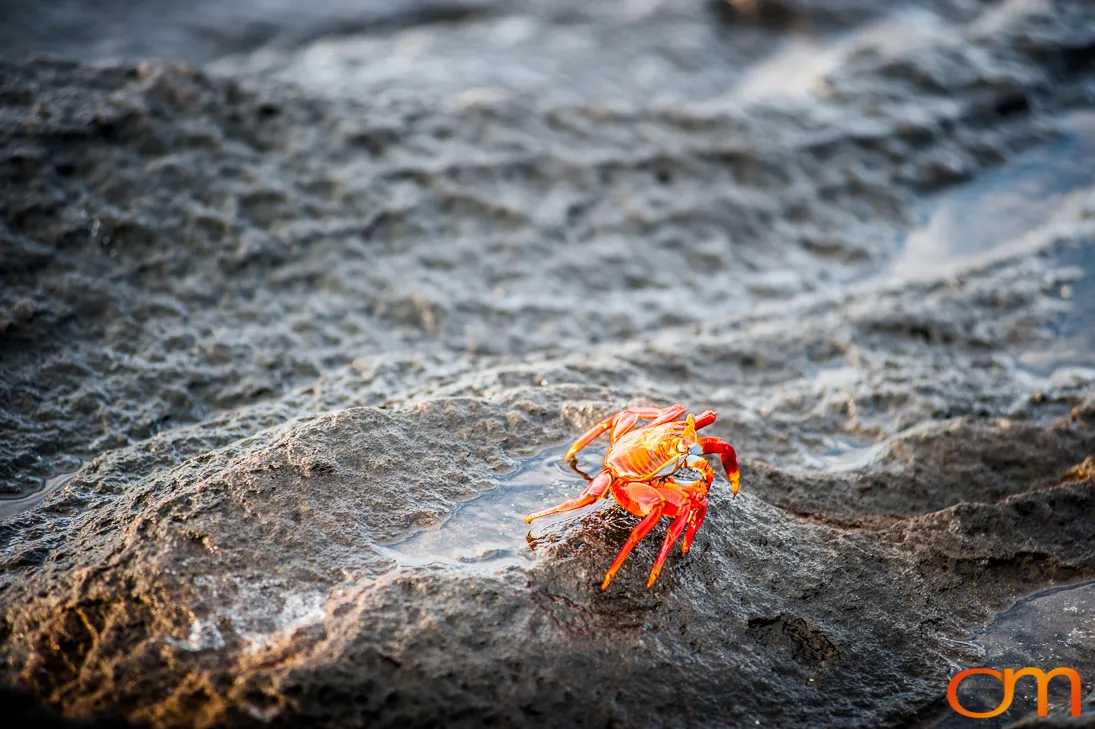
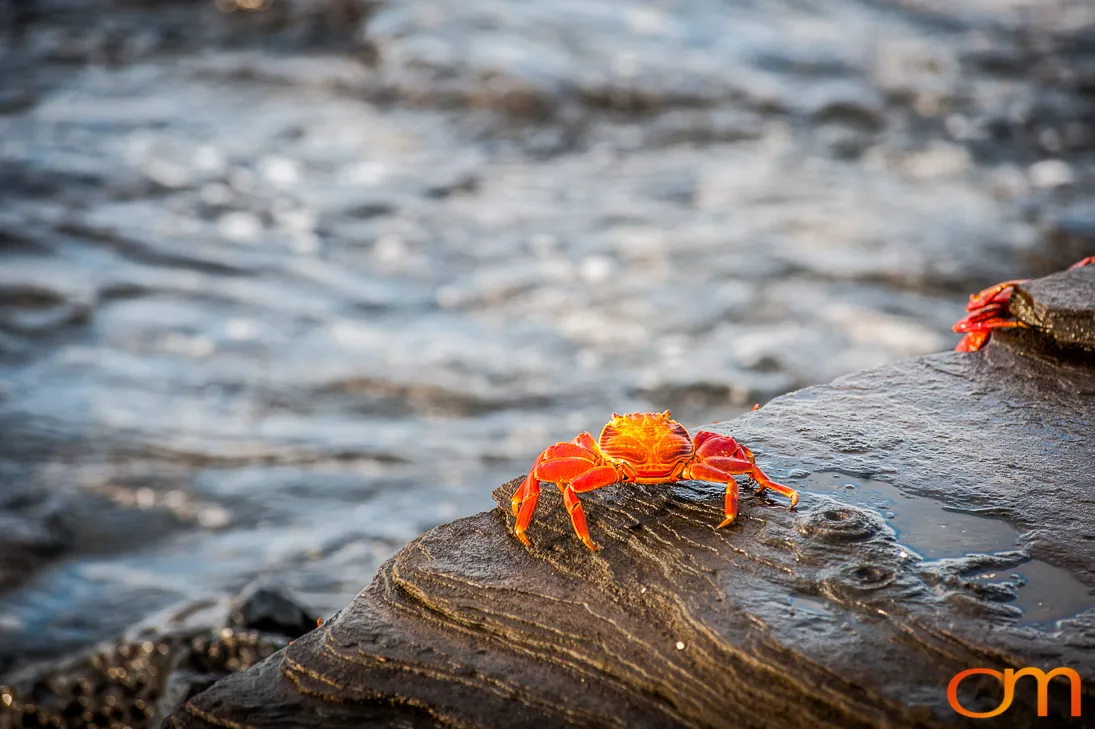
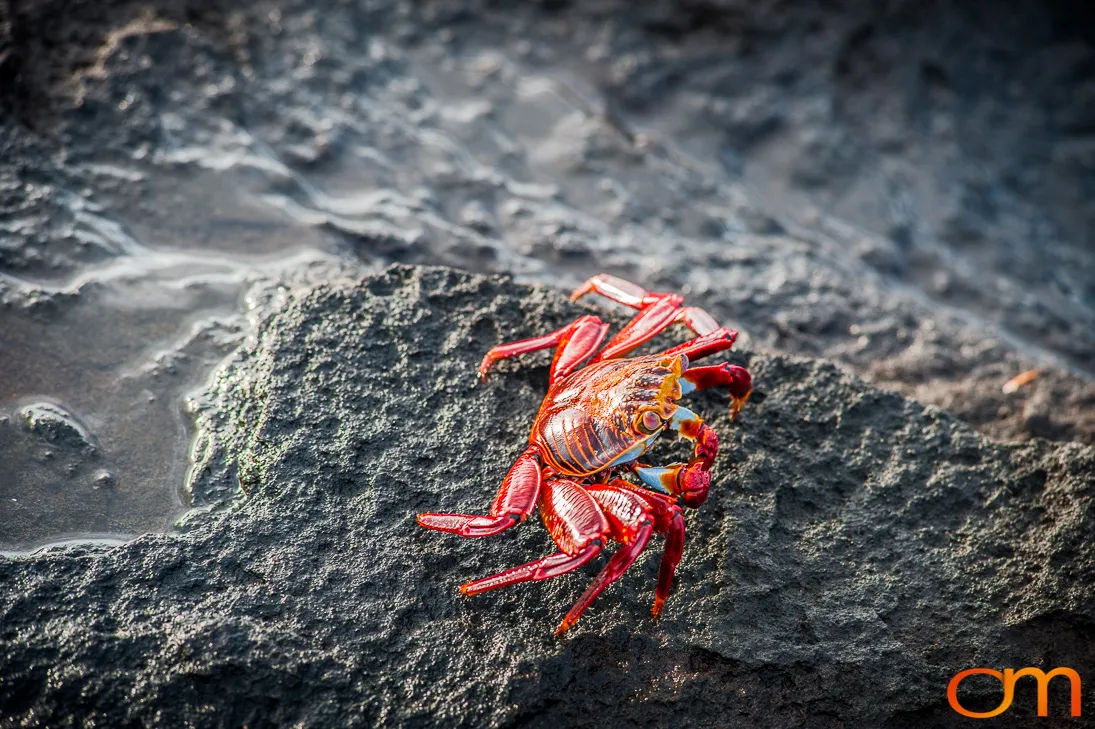
The Sally Lightfoot crab (Grapsus grapsus), also known locally as the zayapa, is common along the Galápagos Islands’ exposed rocky shores. The species also occurs elsewhere along the tropical and subtropical coasts of the Americas. Adults display vivid combinations of red, orange, yellow and blue, while younger crabs are generally darker and better camouflaged against volcanic rock. The carapace can reach approximately 2.9 inches (7.3 centimeters) across.
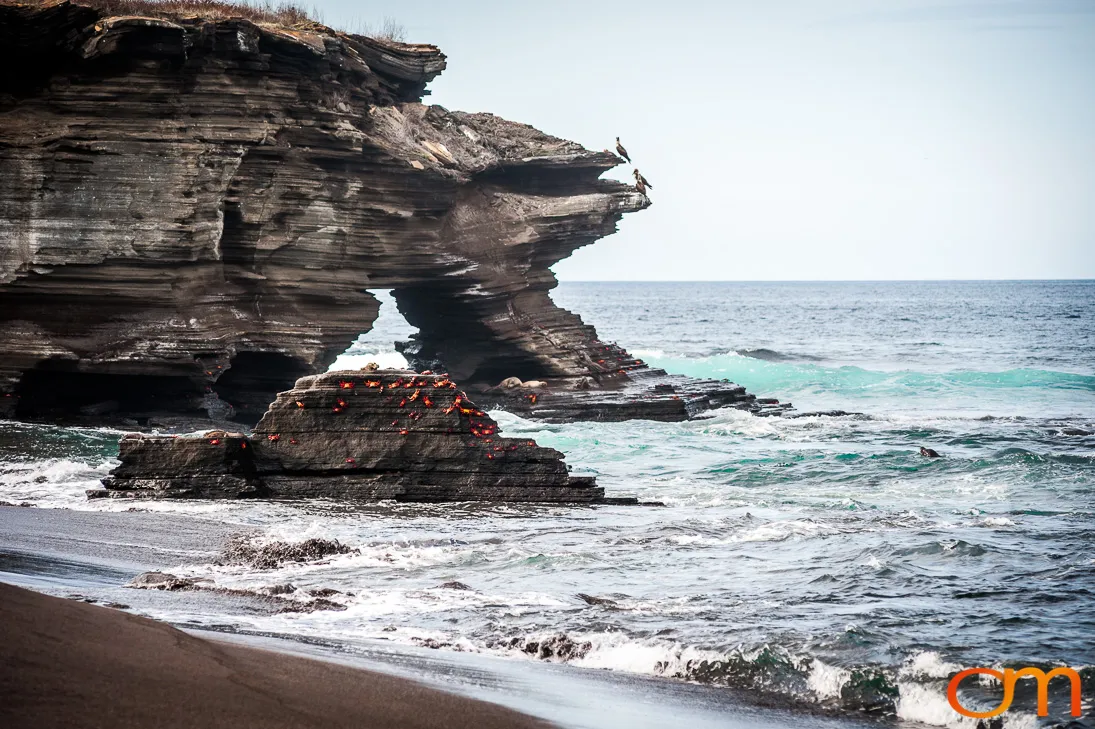
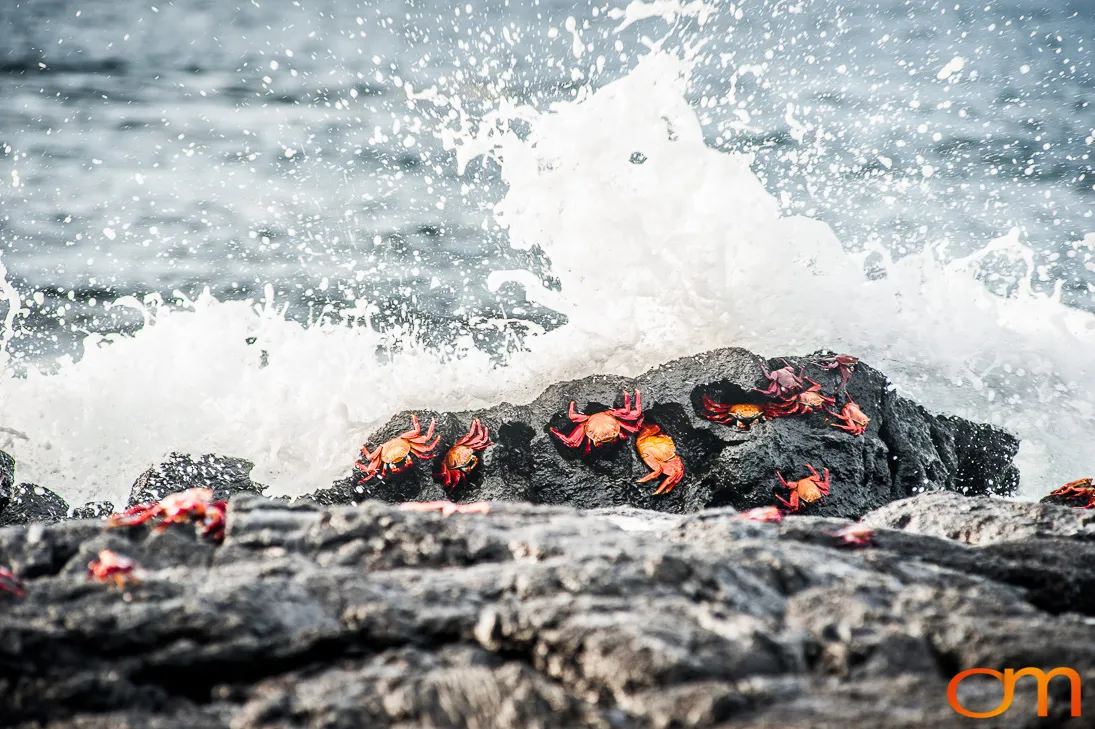
Its flattened body and agile legs allow the crab to move rapidly across uneven lava and cling to rocks exposed to waves and coastal spray. Rather than emerging only at low tide, Sally Lightfoot crabs move through the intertidal zone as conditions permit, retreating into crevices or toward the water when threatened.
Sally Lightfoot crabs primarily graze algae from rock surfaces but also consume detritus, carrion and other available organic material. Through this combination of grazing and scavenging, they recycle nutrients and form an important part of the Galápagos rocky-shore food web.