Antarctica and the Sub-Antarctic
Gentoo Penguins
December 2008
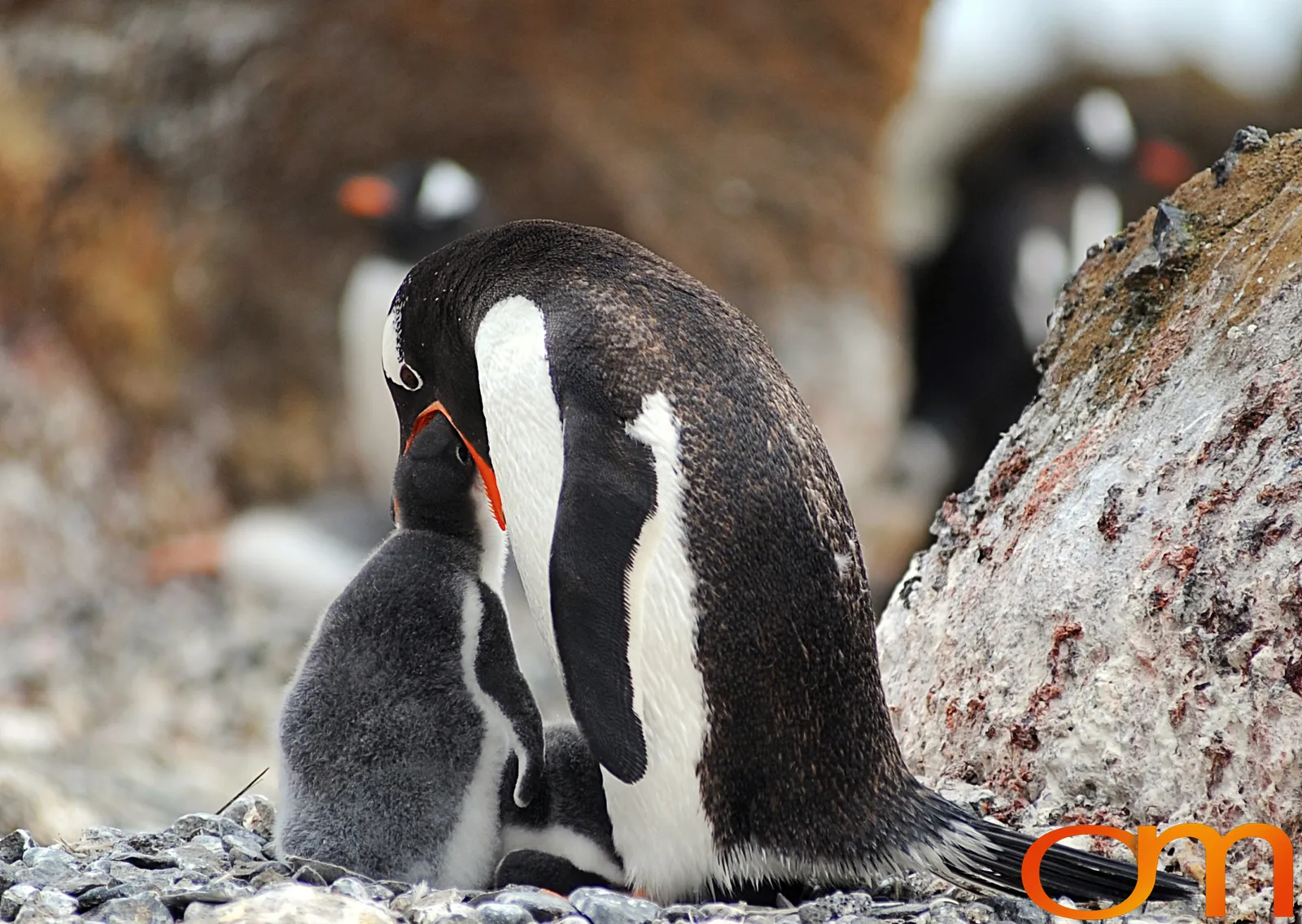
Gentoo penguins breed on the Antarctic Peninsula and numerous sub-Antarctic islands, including the Falkland Islands, South Georgia, the South Shetland and South Orkney islands, Kerguelen, Crozet, Marion and Macquarie islands. They do not occur naturally in the United States or England.
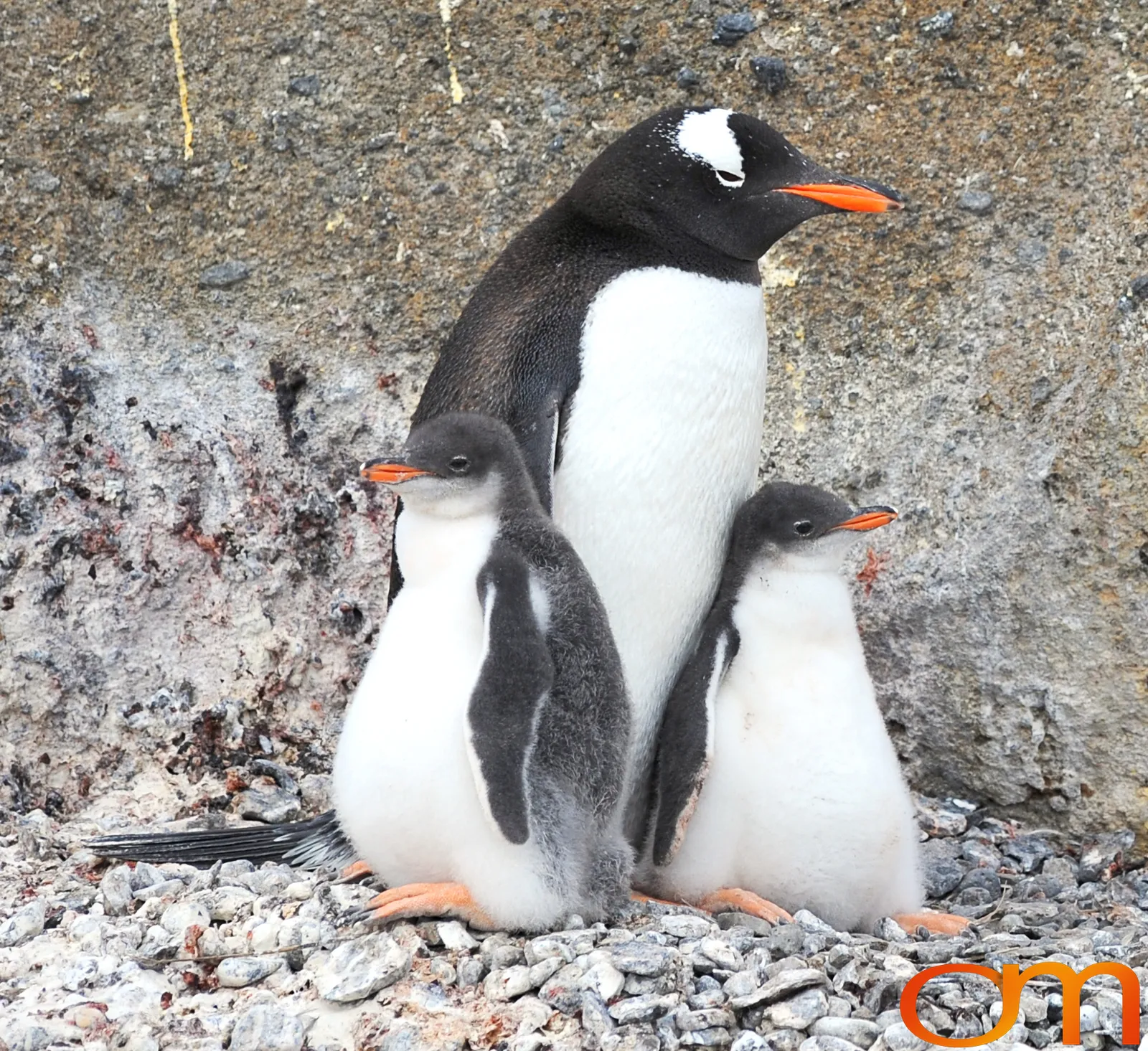
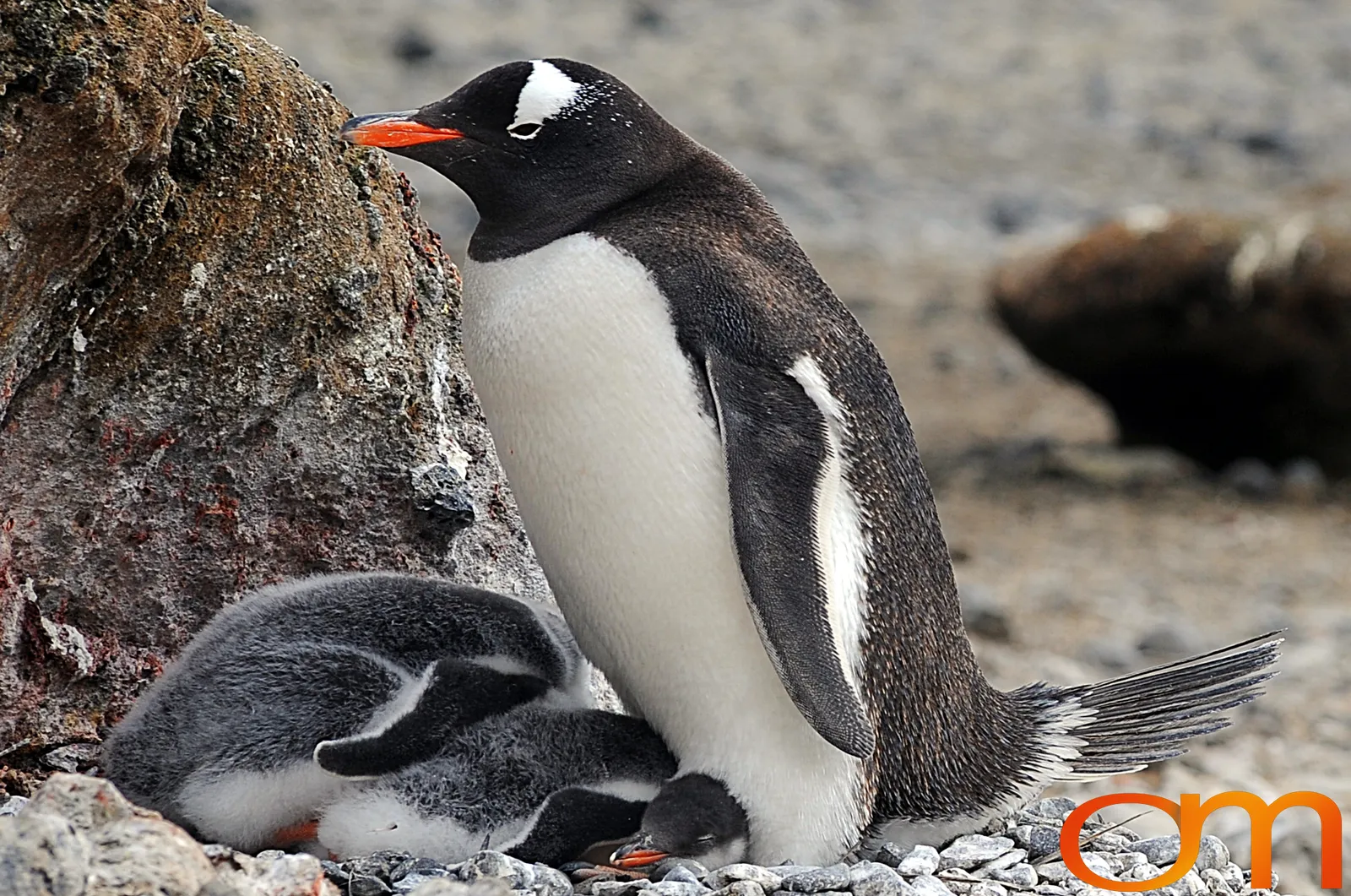
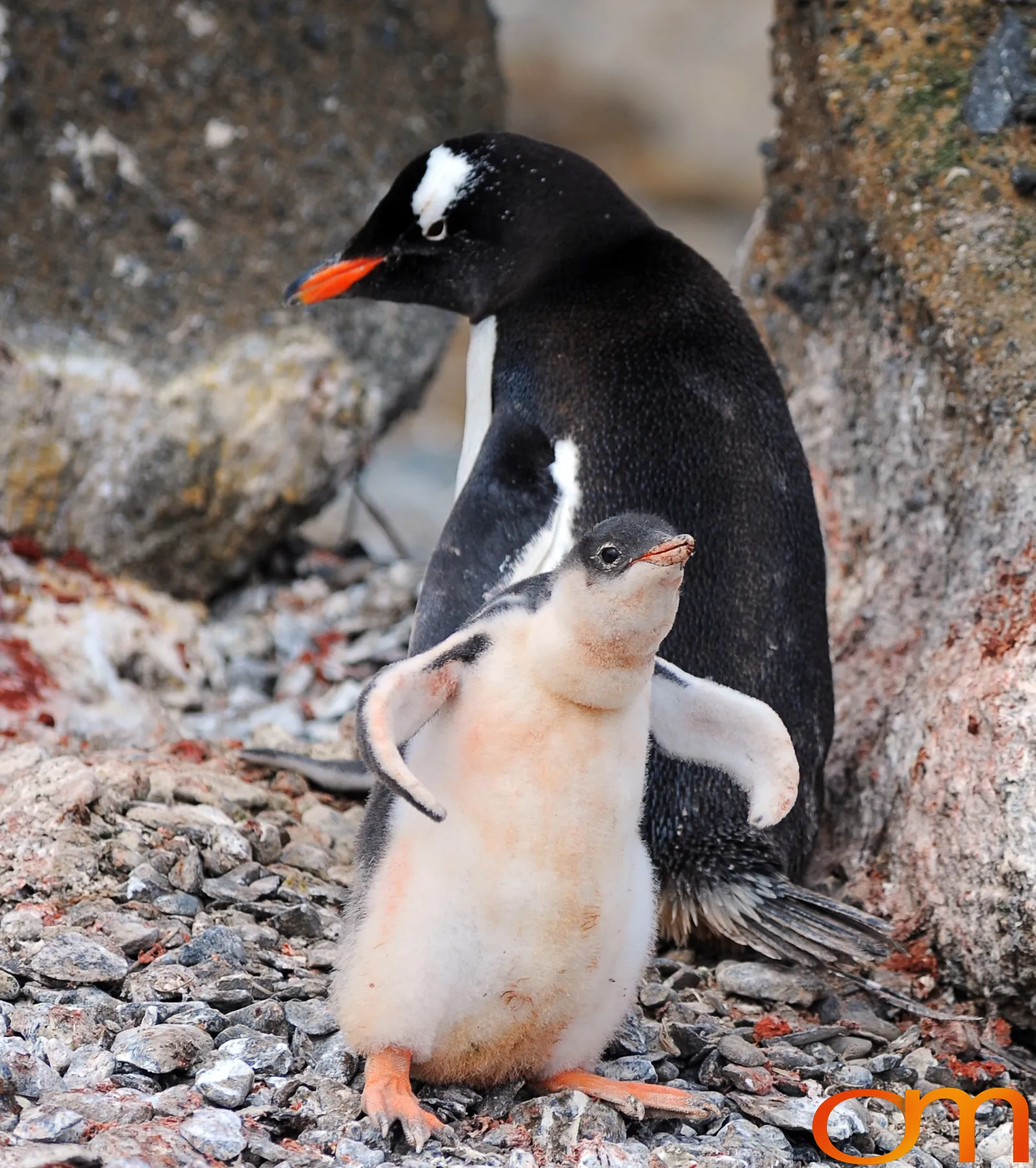
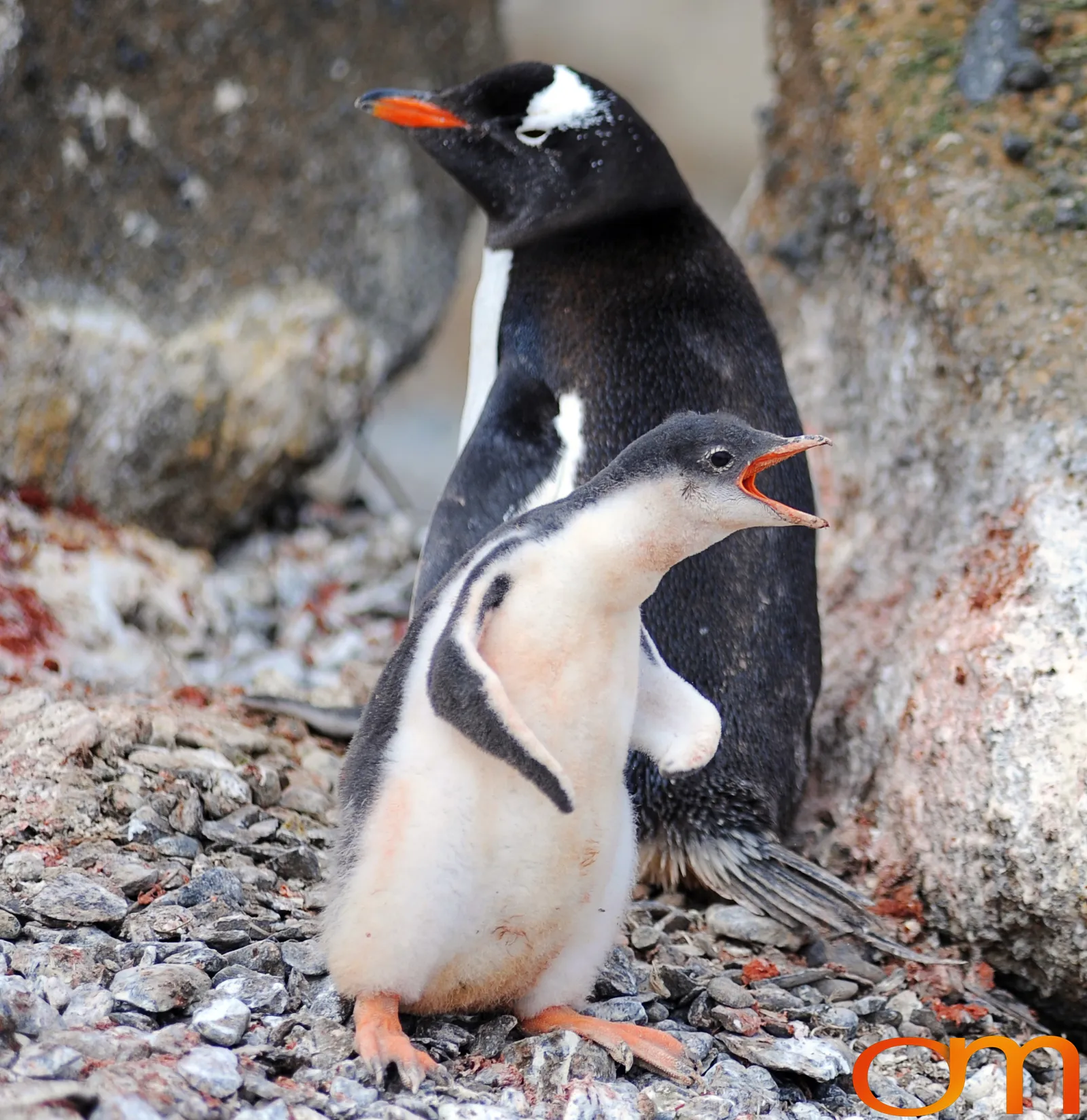
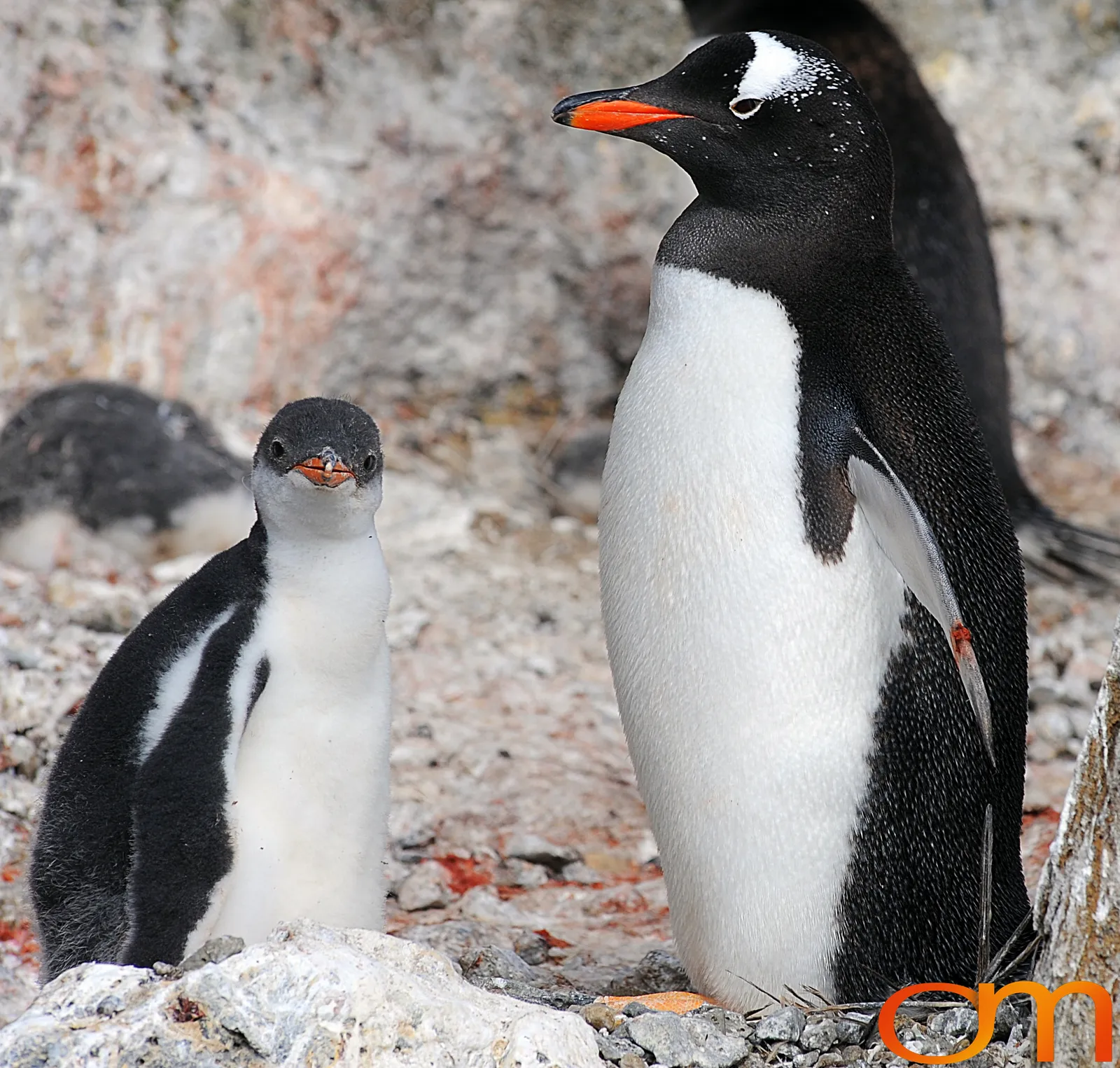
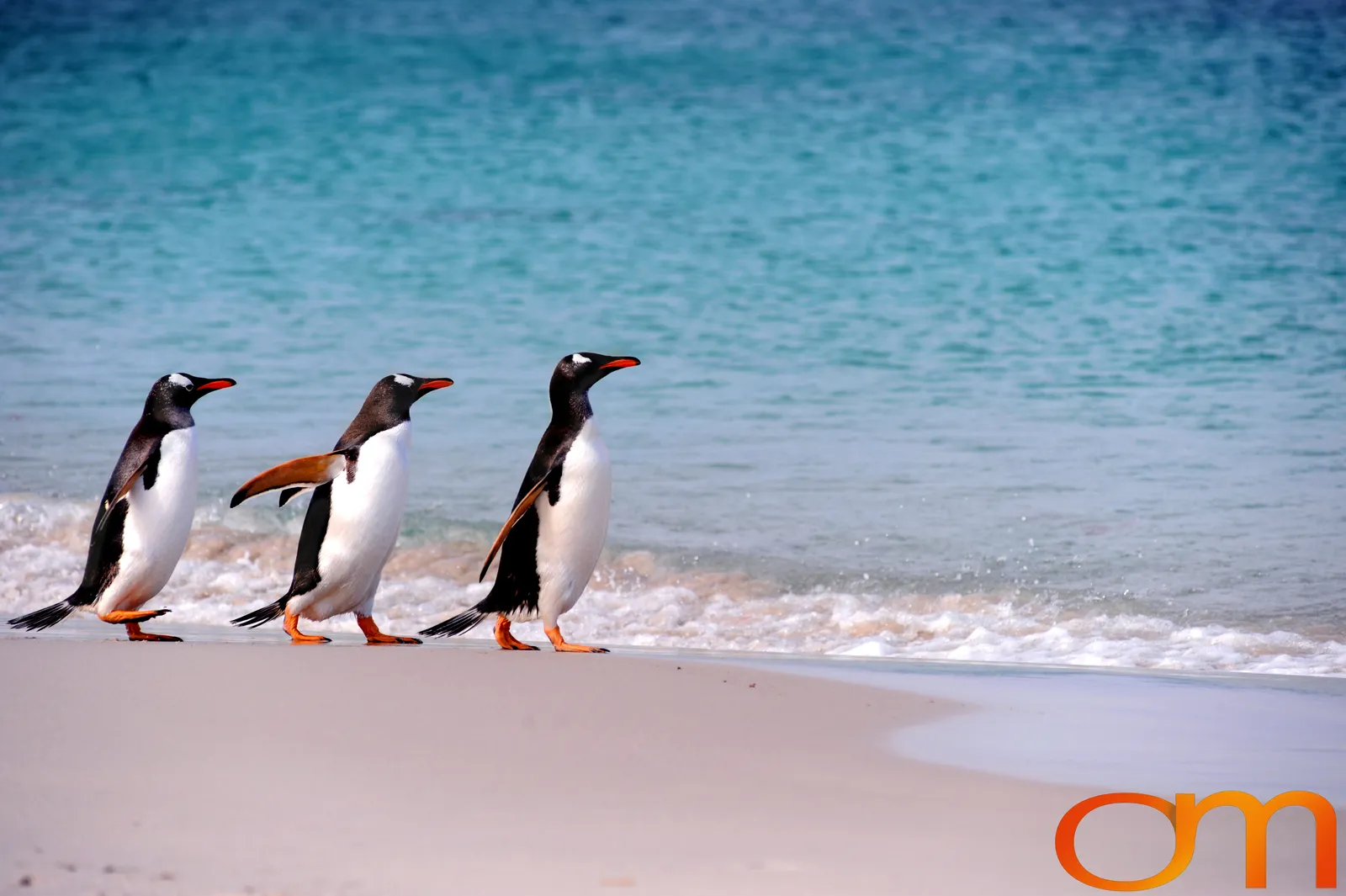
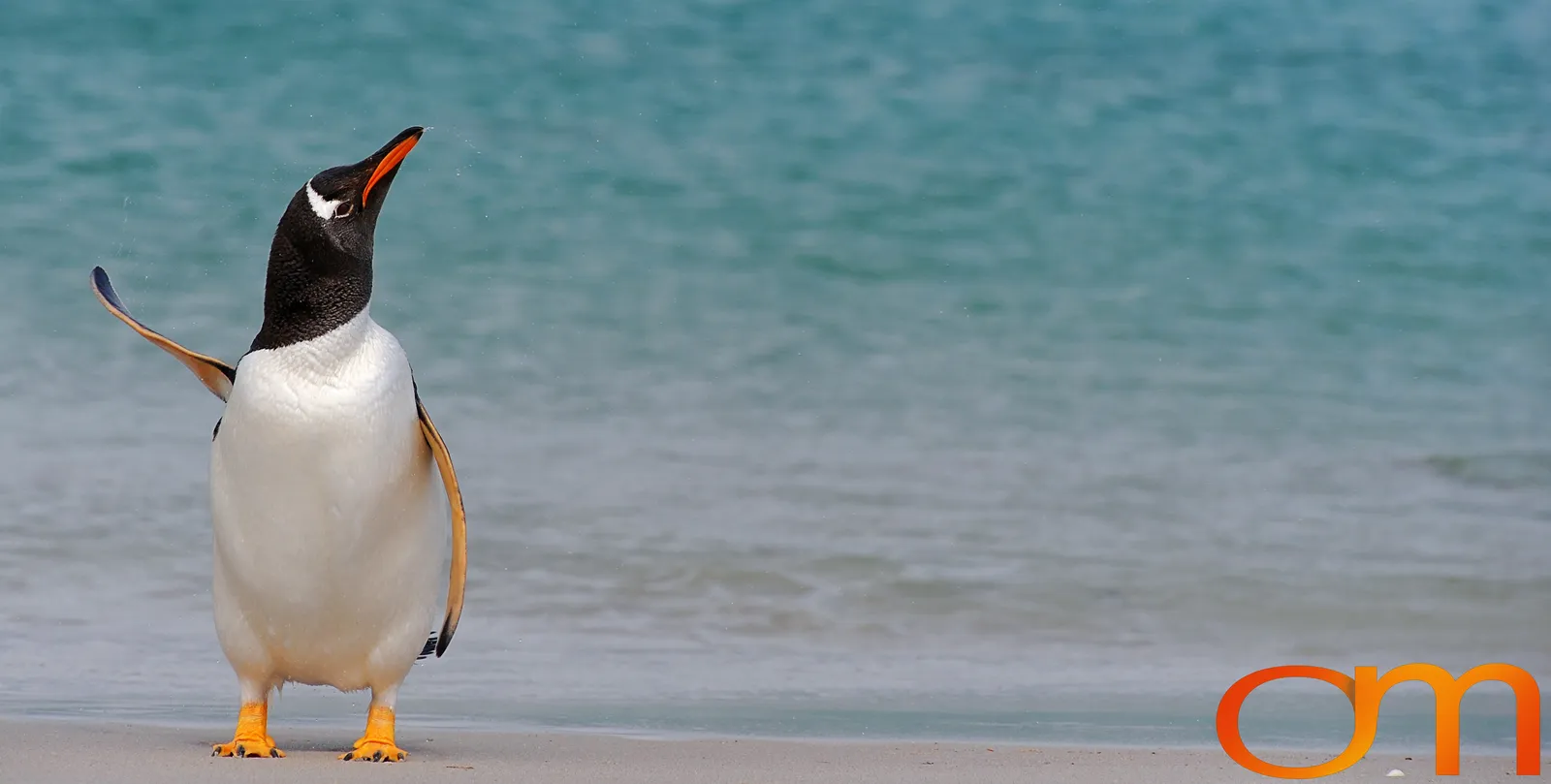
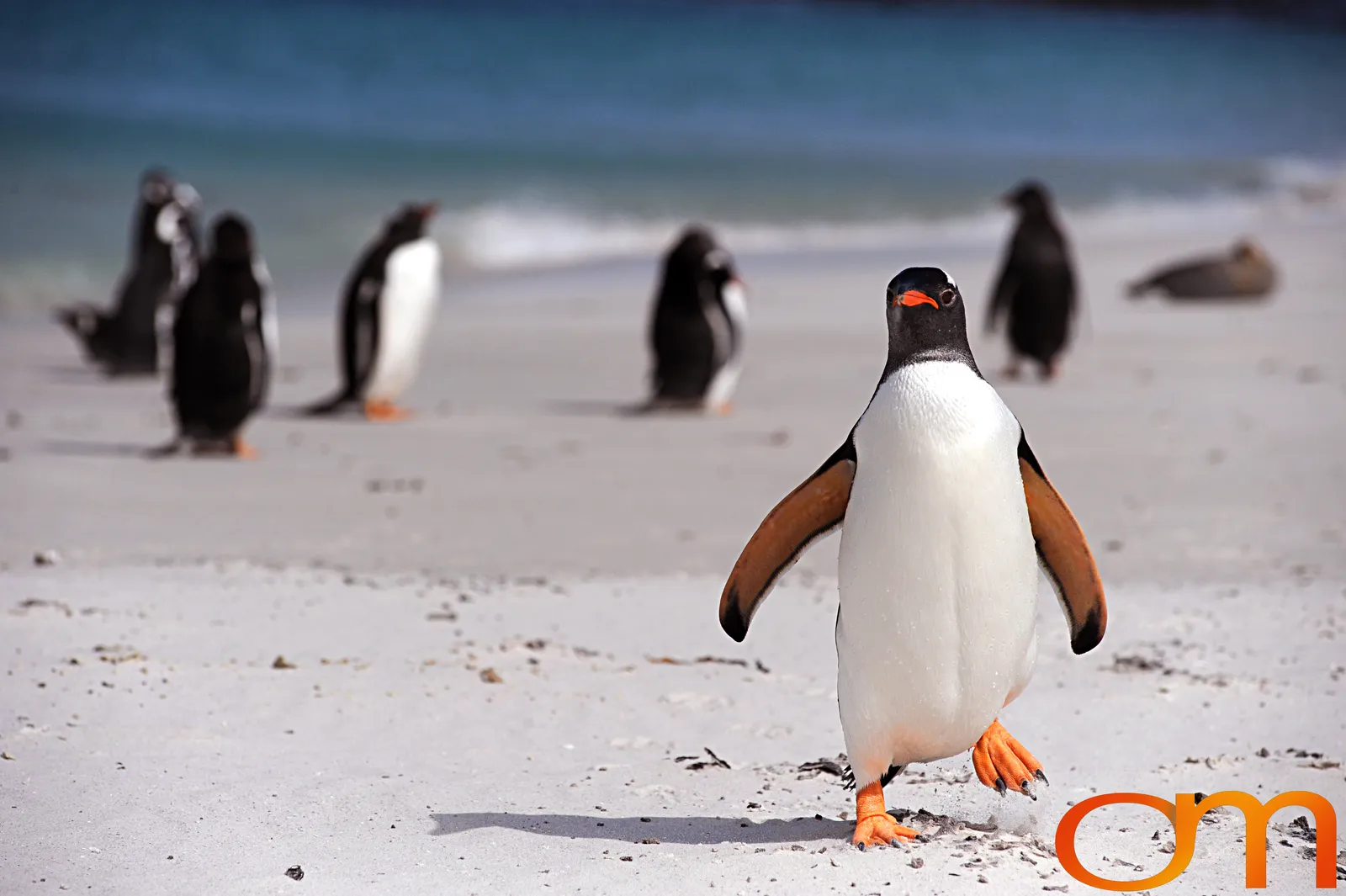
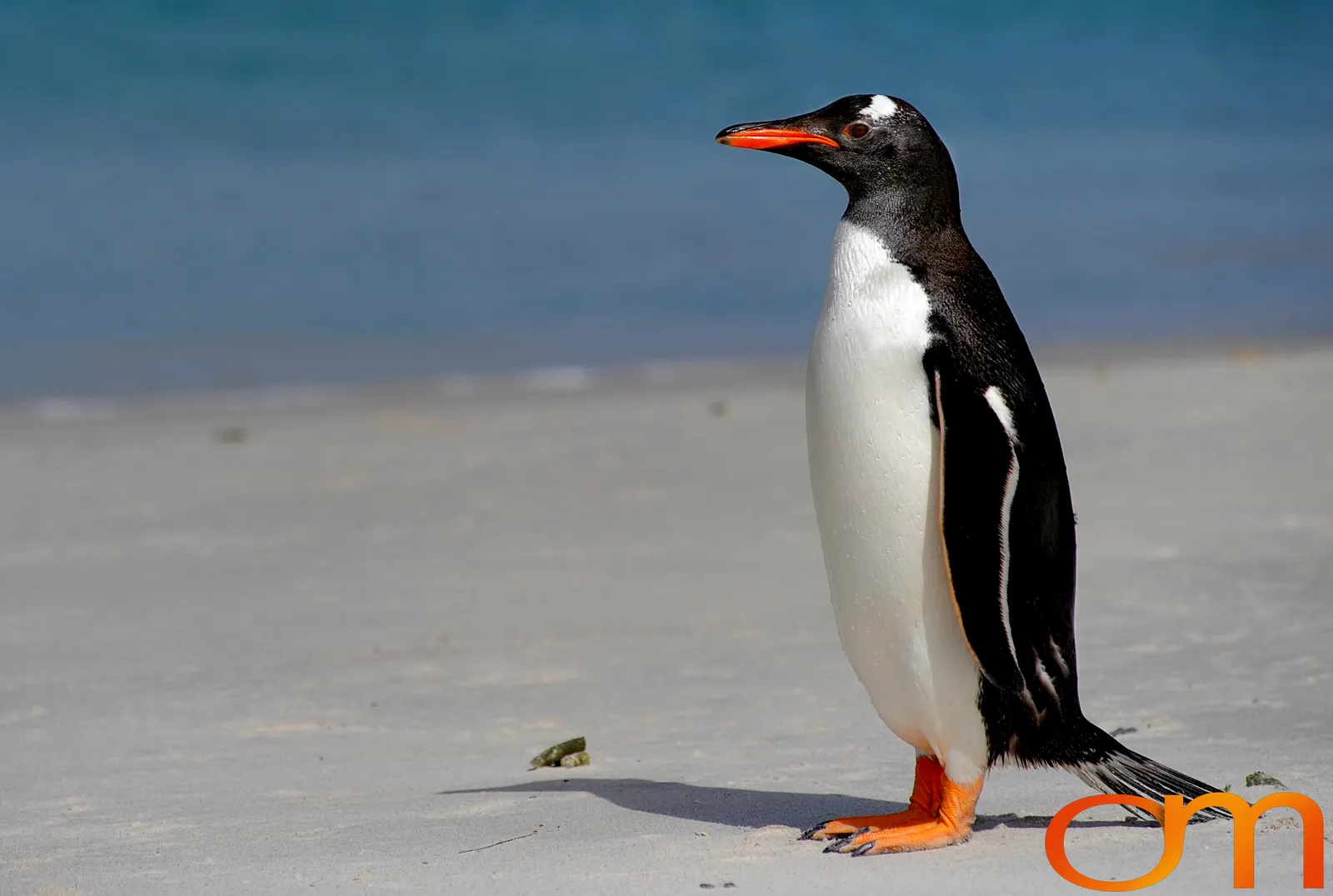
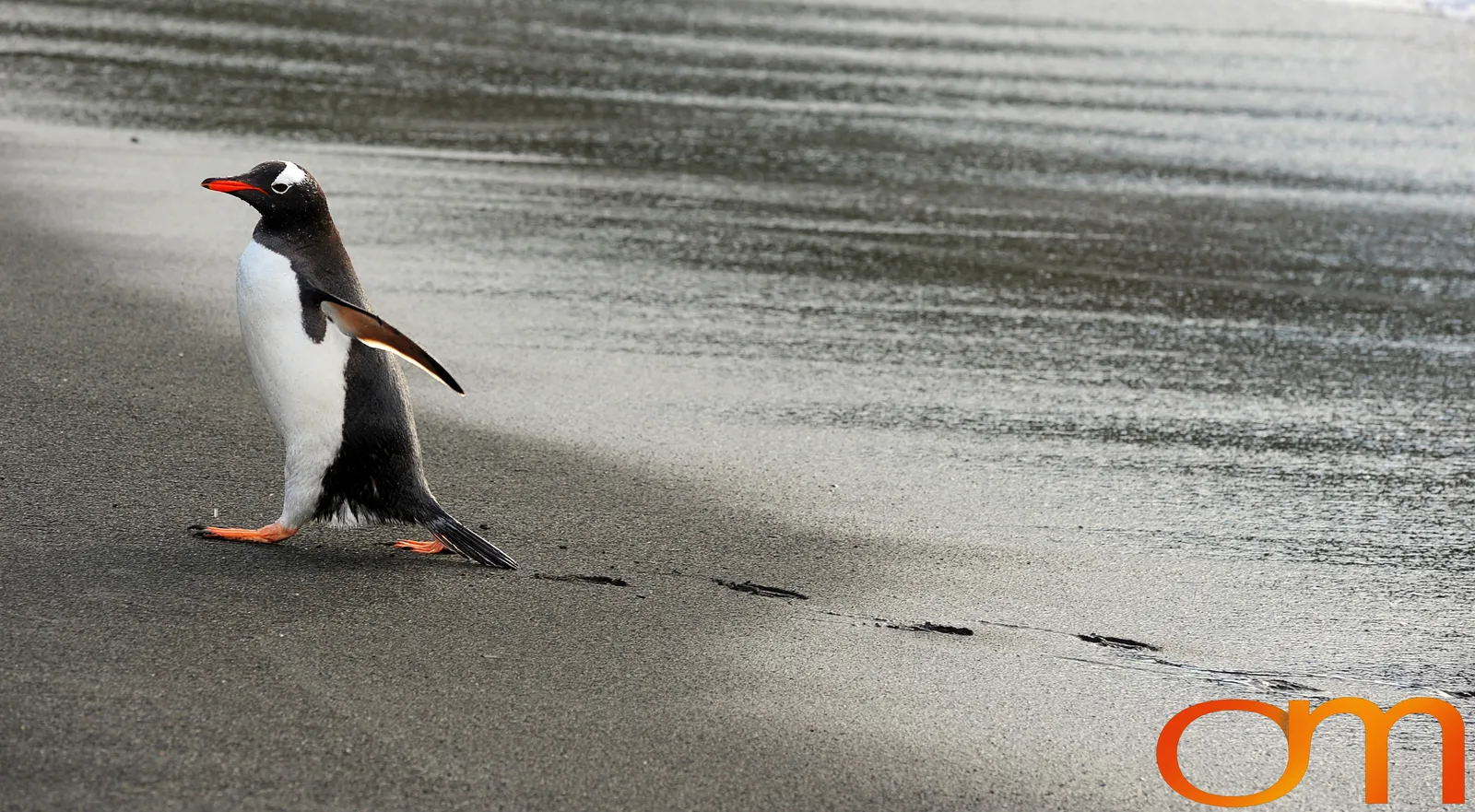
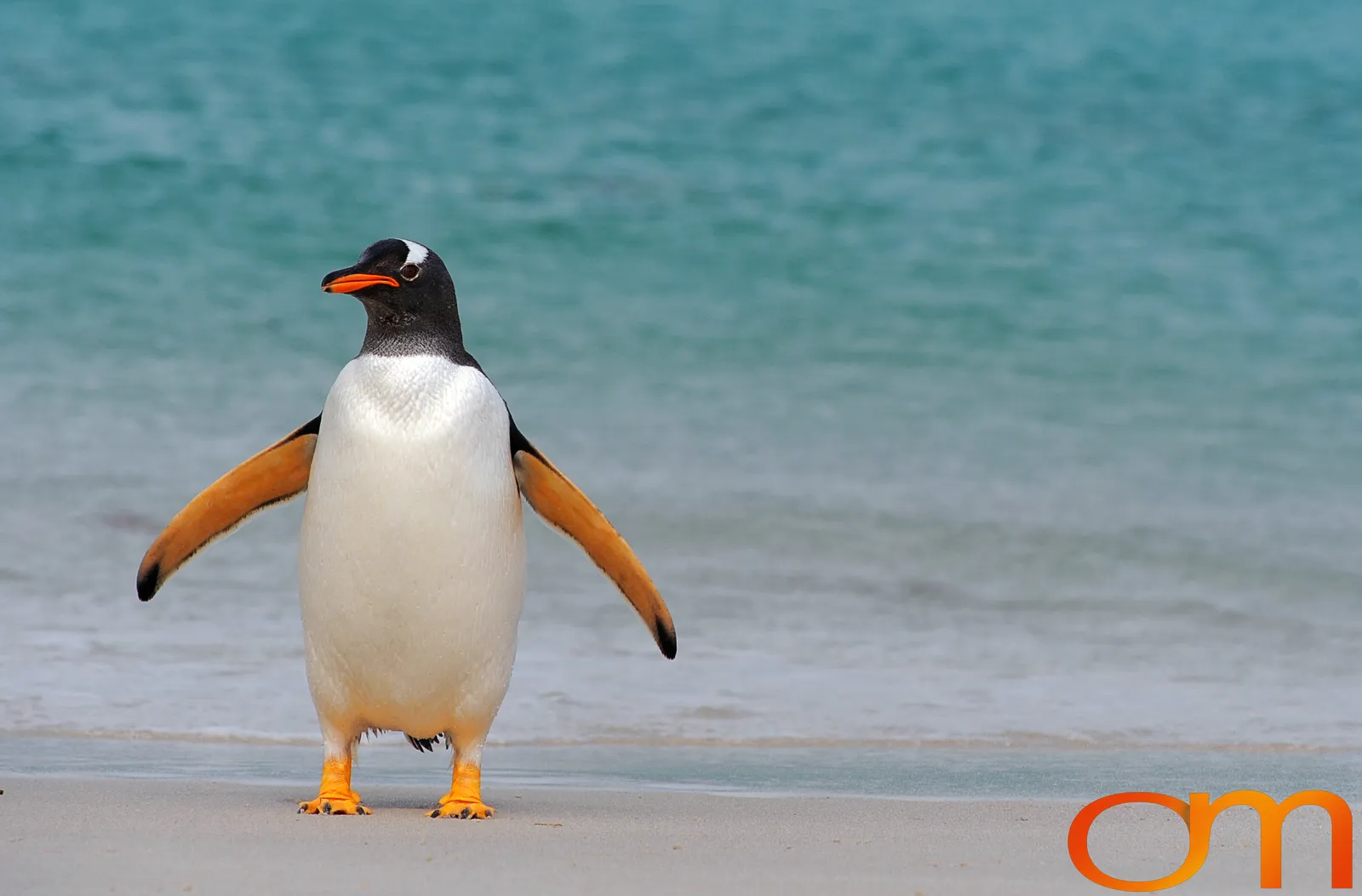
Adults are recognizable by the broad white marking above and behind the eyes, an orange-red bill, pale pink or orange feet and a comparatively long, stiff tail. Males and females have similar plumage, although males are generally larger. Depending on population, sex and stage of the annual cycle, adults measure approximately 28 to 37 inches (70 to 95 centimeters) in length and weigh about 9.9 to 18.7 pounds (4.5 to 8.5 kilograms). Juveniles initially have duller bills and less clearly connected white head markings than adults.
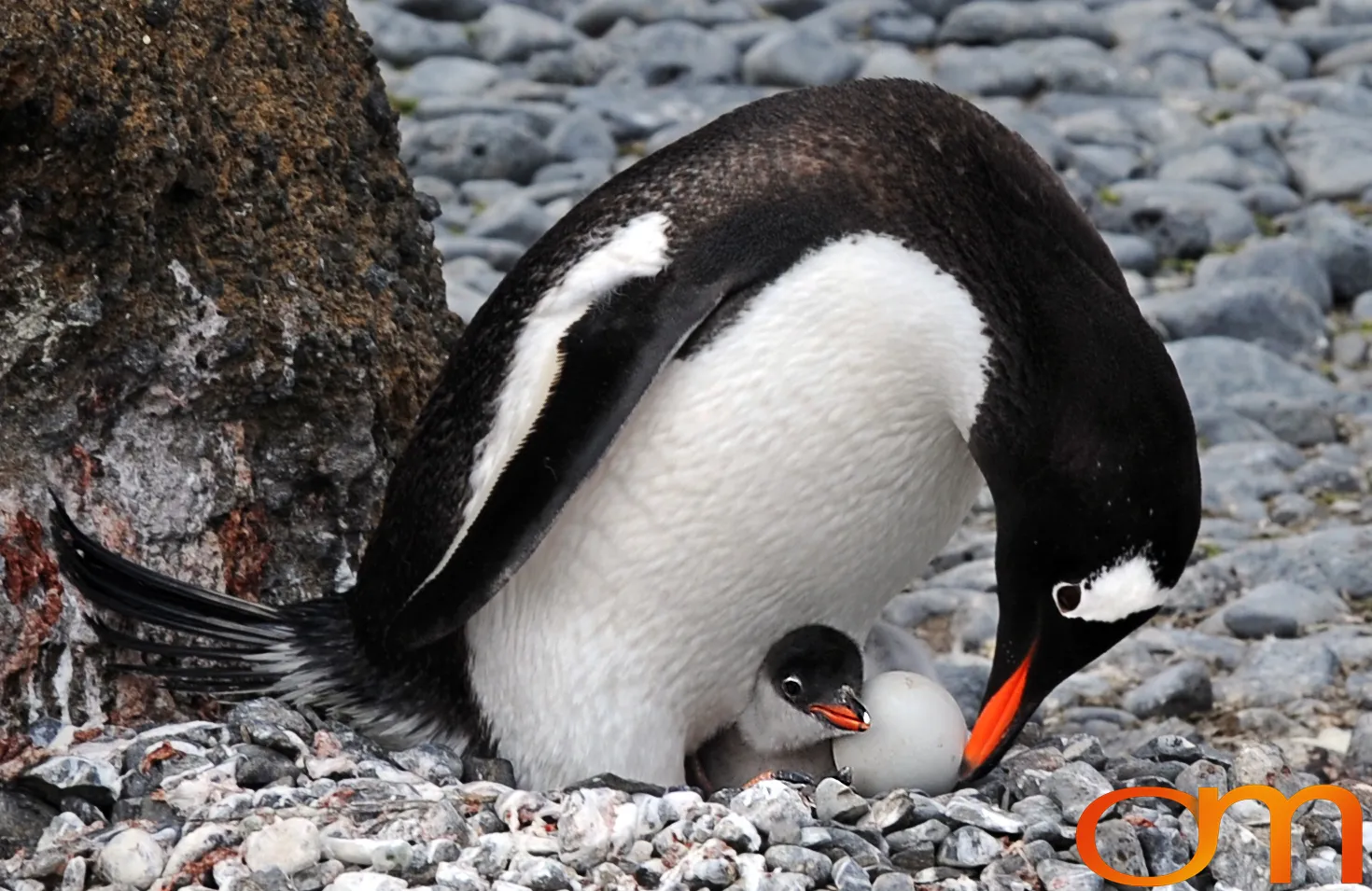
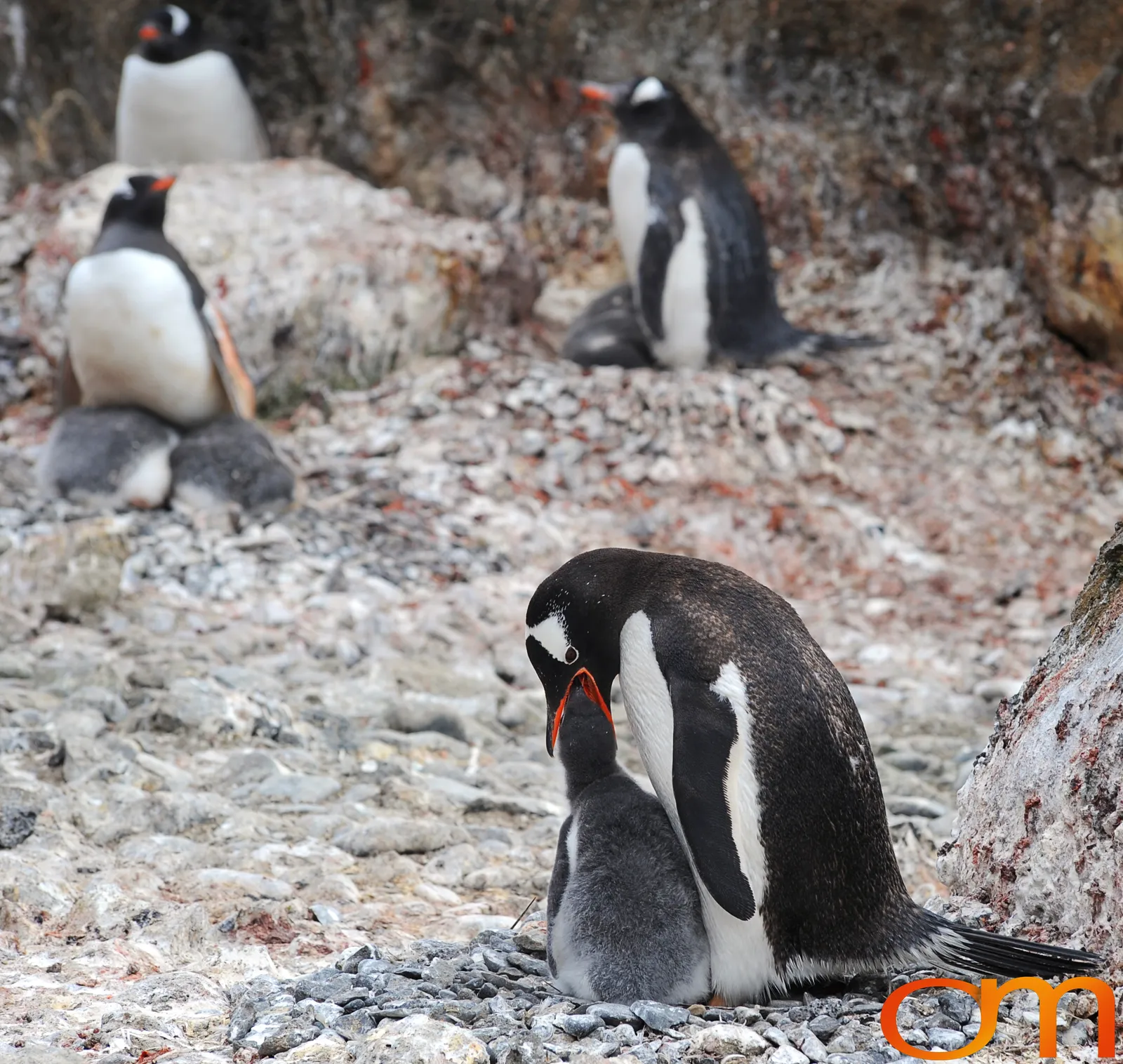
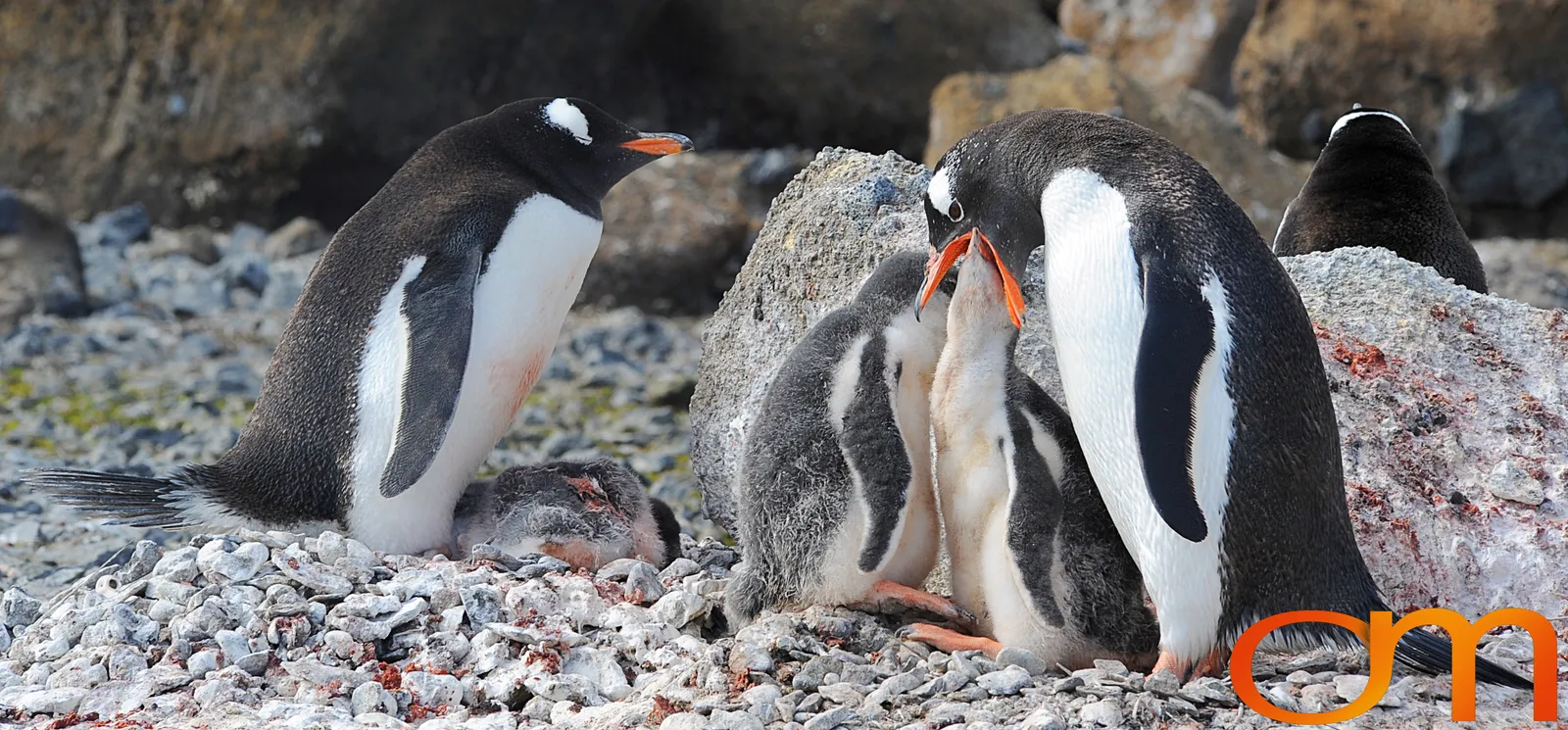
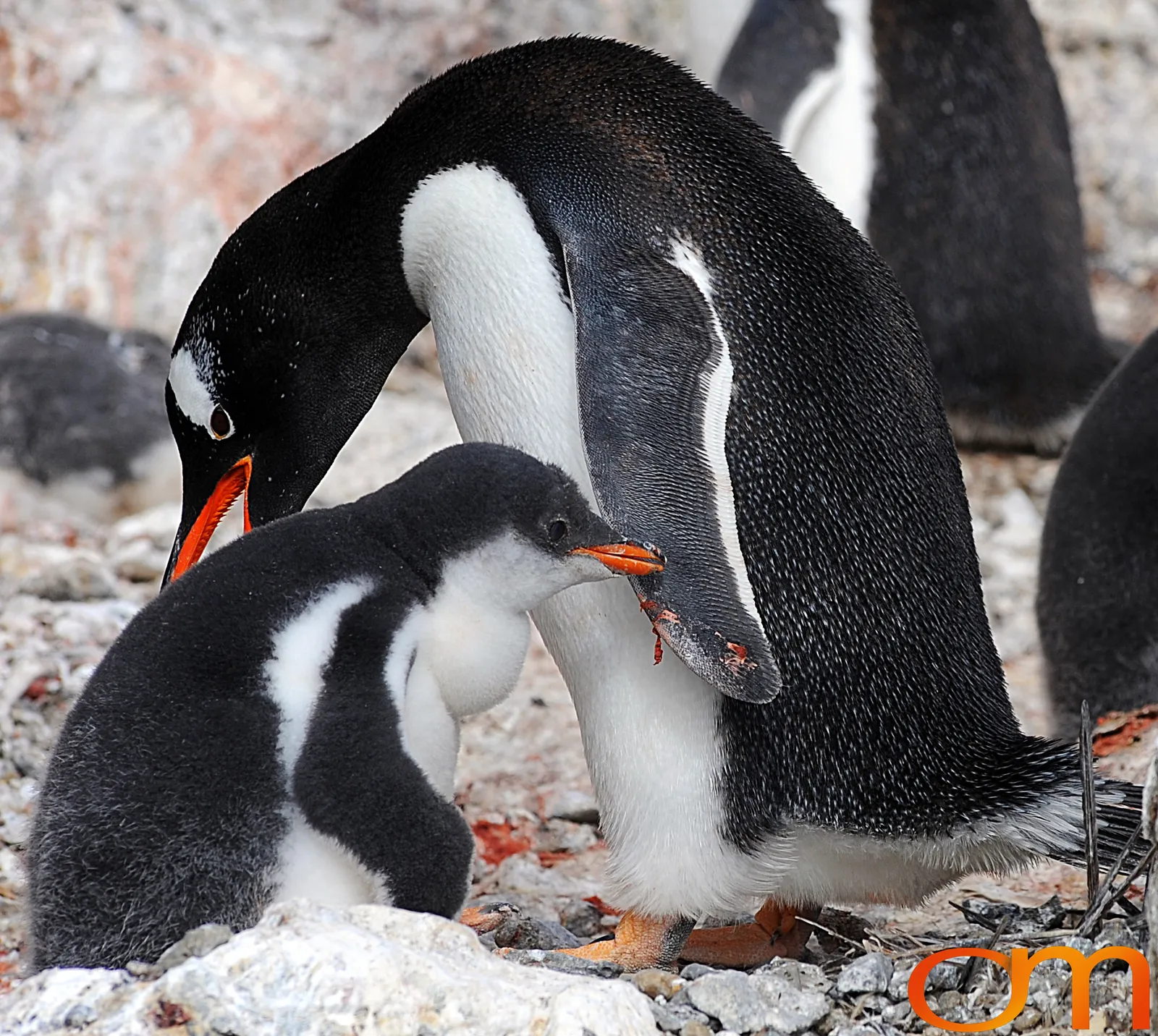
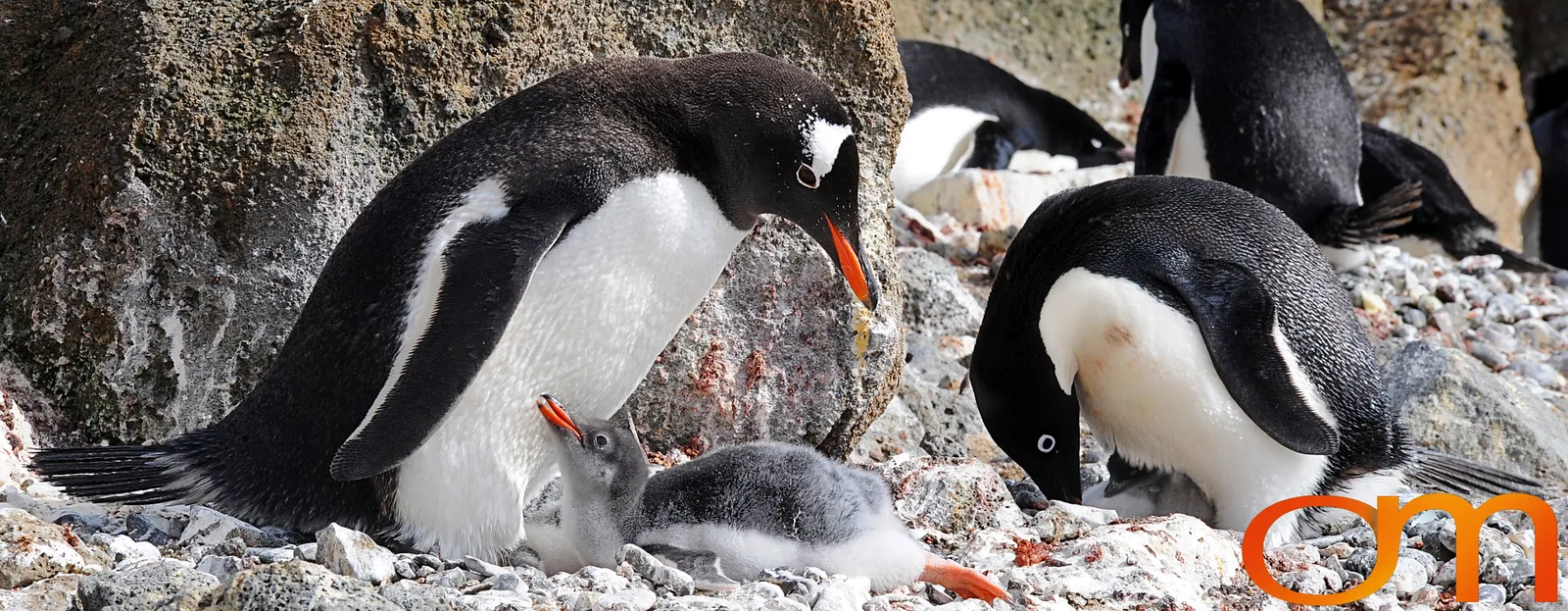
Breeding colonies occupy ice-free ground along coastlines or farther inland. Nesting habitat varies by location and may include rocky slopes, beaches and areas of tussock grass. Pairs construct roughly circular nests from stones, vegetation and other available material. The raised structure helps keep the eggs above wet or muddy ground.
Females usually lay two eggs. Both parents incubate them for approximately 34 to 37 days and later share chick-guarding and feeding duties. Young chicks remain near the nest before joining groups known as crèches. They generally enter the sea and become independent at approximately 75 to 105 days old.
Gentoo penguins feed on fish, krill, other crustaceans and squid, with the proportions varying by region and season. Their ability to use several types of prey distinguishes them from more specialized Antarctic penguins. They are powerful underwater swimmers and have been reported reaching short-burst speeds of approximately 22 miles per hour (36 kilometers per hour), making them among the fastest swimming birds.
Taxonomic Note
Gentoo penguins have traditionally been classified as one species, Pygoscelis papua, divided into geographically distinct subspecies. A genomic study published in 2026 proposed recognizing four species: the northern gentoo (Pygoscelis papua), southern gentoo (Pygoscelis ellsworthi), eastern gentoo (Pygoscelis taeniata) and southeastern gentoo (Pygoscelis kerguelensis), the last of which was newly described. Because international taxonomic authorities may evaluate and adopt the revision on different schedules, the four-species system should currently be identified as a proposed treatment rather than a universally accepted classification. The accompanying photographs were taken in 2008. Recording the exact island or landing site is particularly important because geographic location may determine which gentoo lineage, or proposed species, is represented.