Ecuador
Green Iguana
January 2009
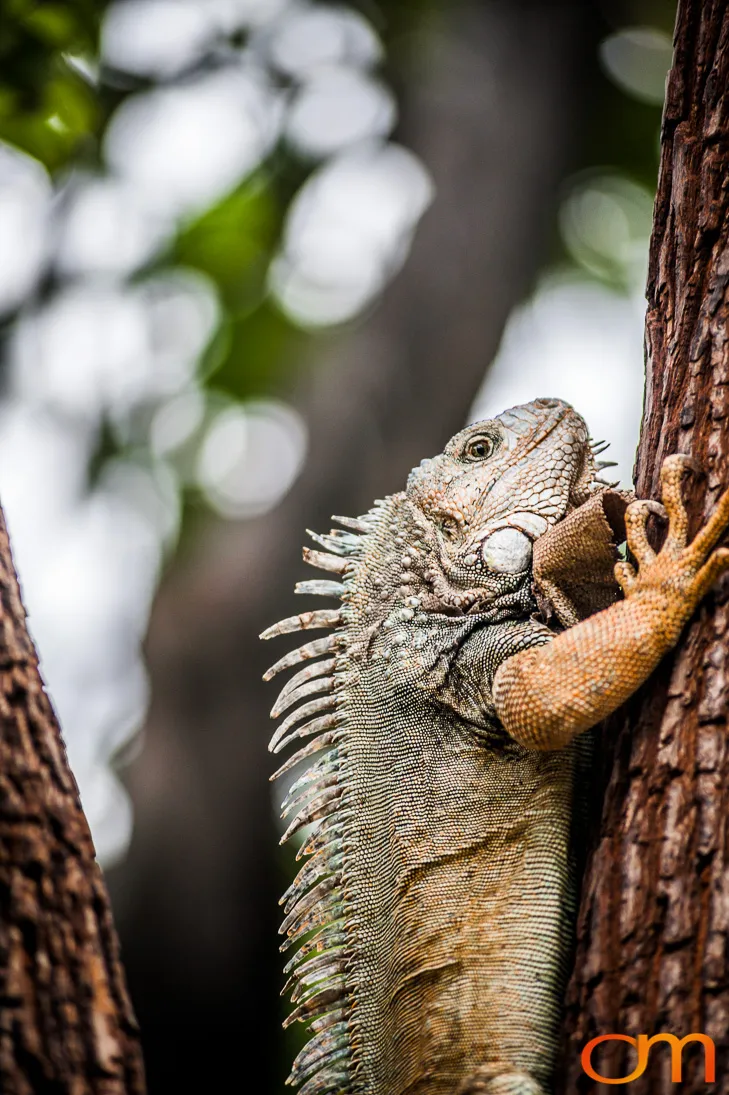
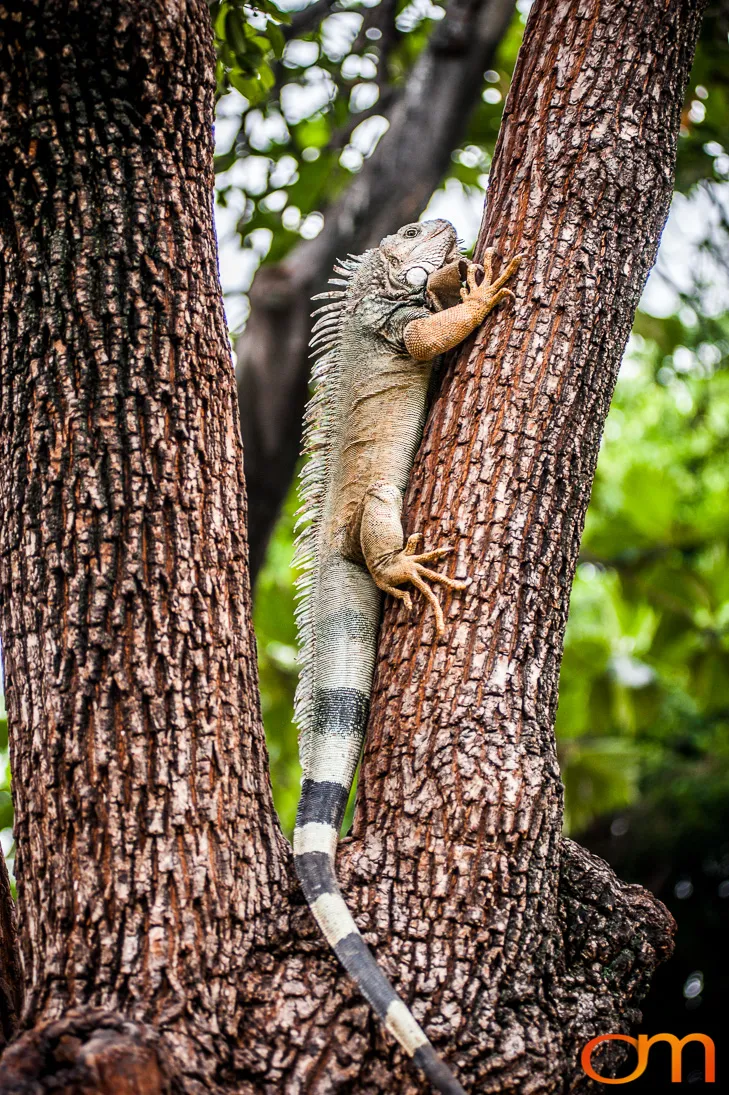
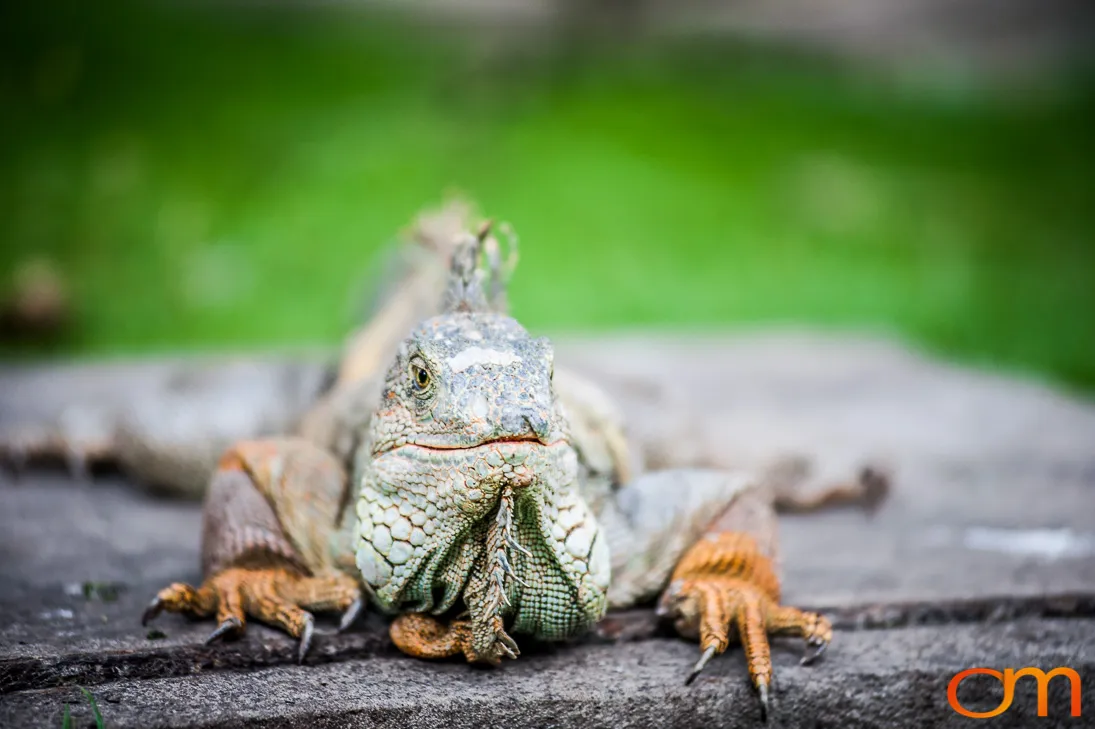
The green iguana (Iguana iguana) is a large, primarily arboreal lizard native to tropical regions from Mexico through Central America and into much of northern and central South America, as well as several Caribbean islands. The name “iguana” entered Spanish from the Taíno word iwana.
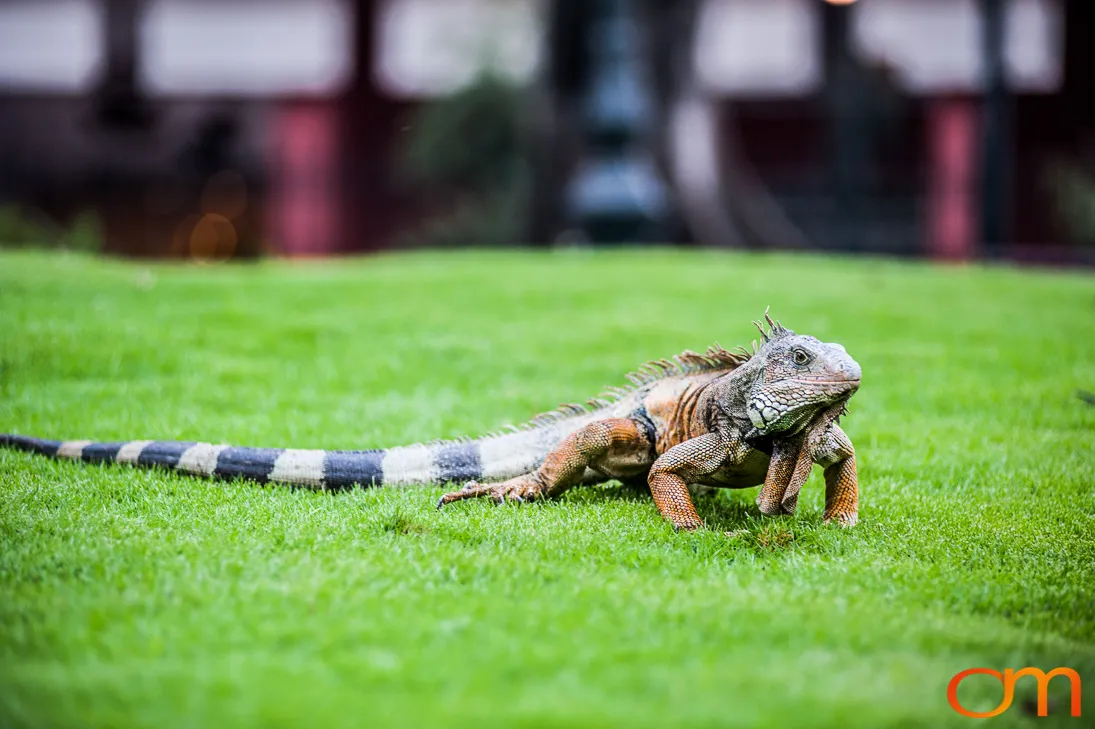
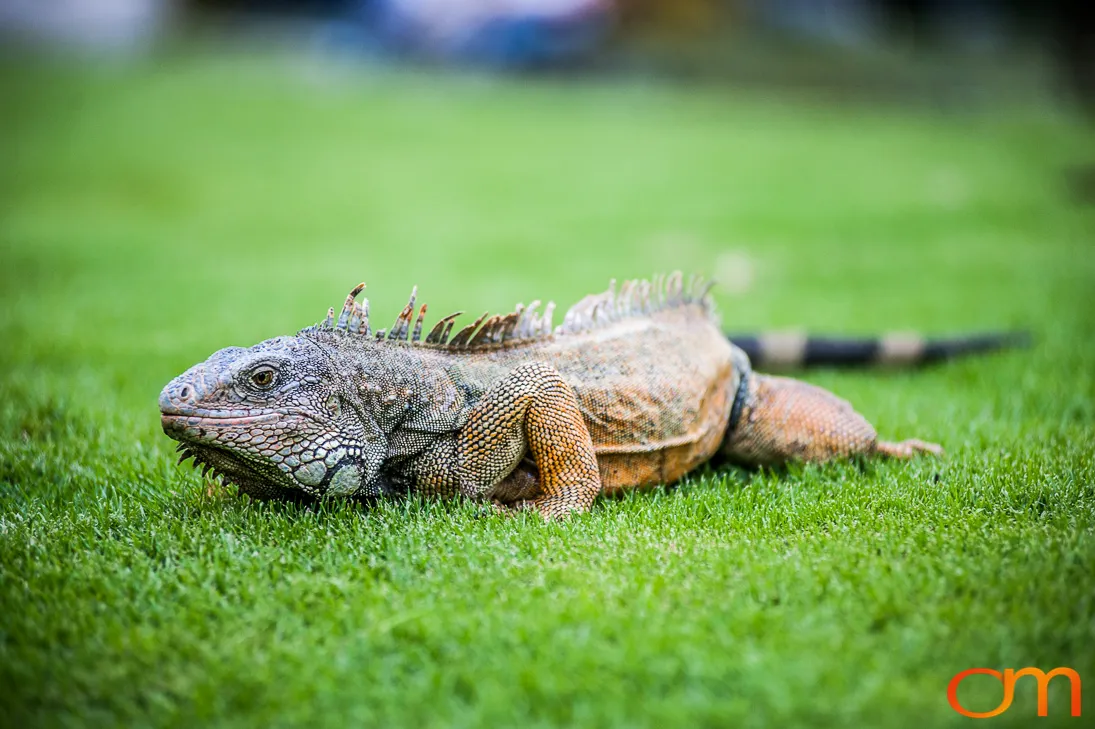
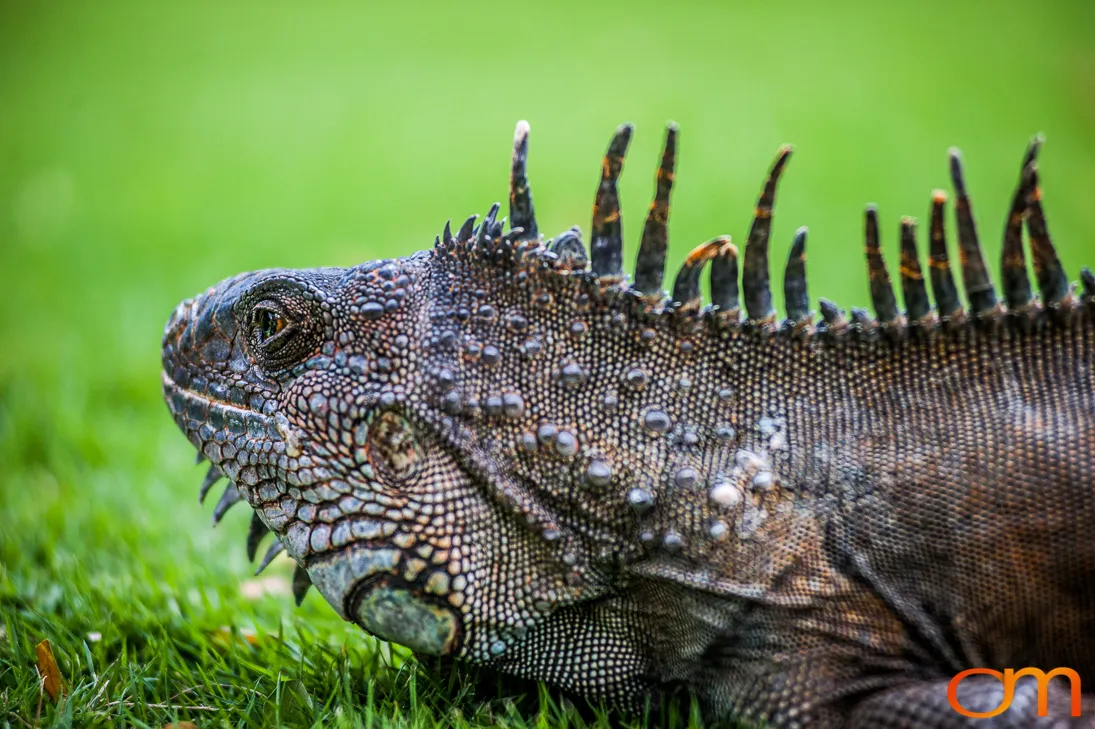
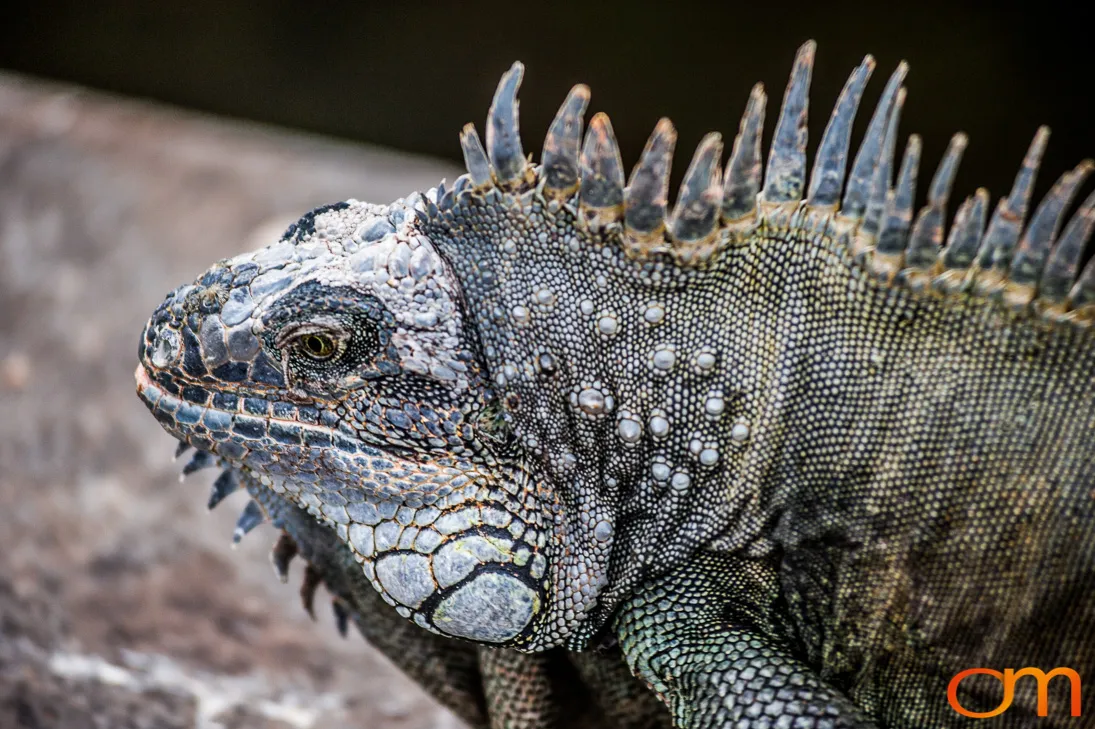
Adults have long tails, prominent throat dewlaps and rows of spines extending along the back. Males are generally larger and develop more pronounced spines and jowls. Although the species is named for its green coloration, adults may also appear gray, brown, bluish or orange, depending partly on age, sex and population.
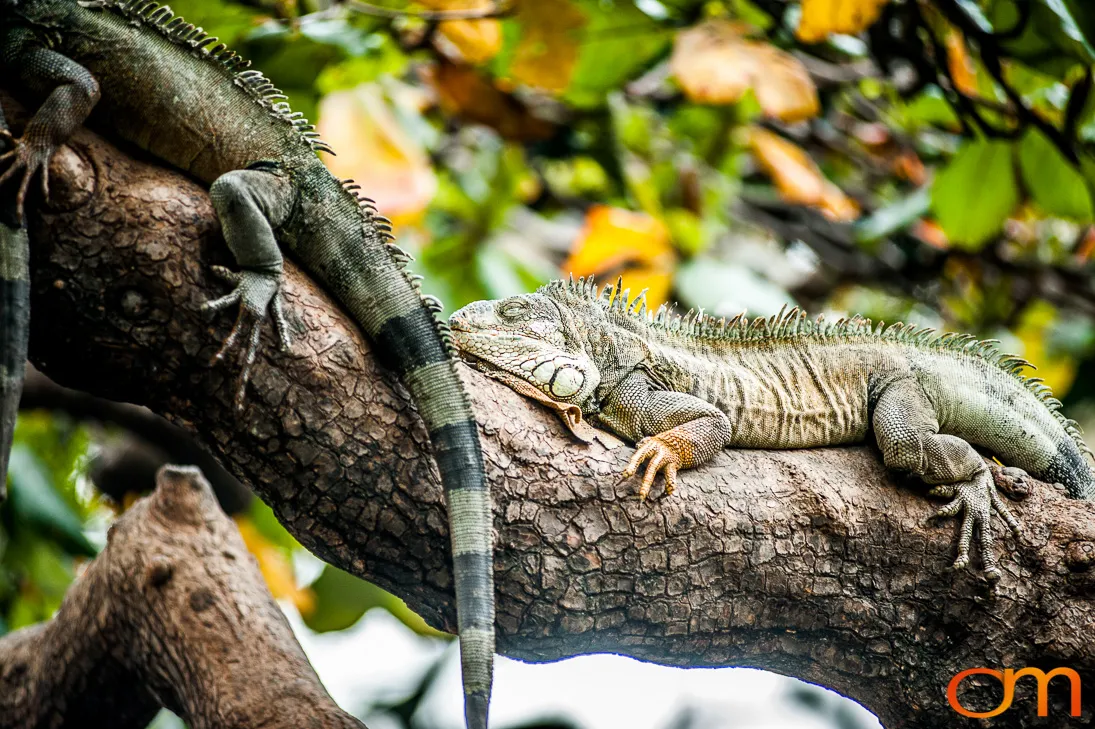
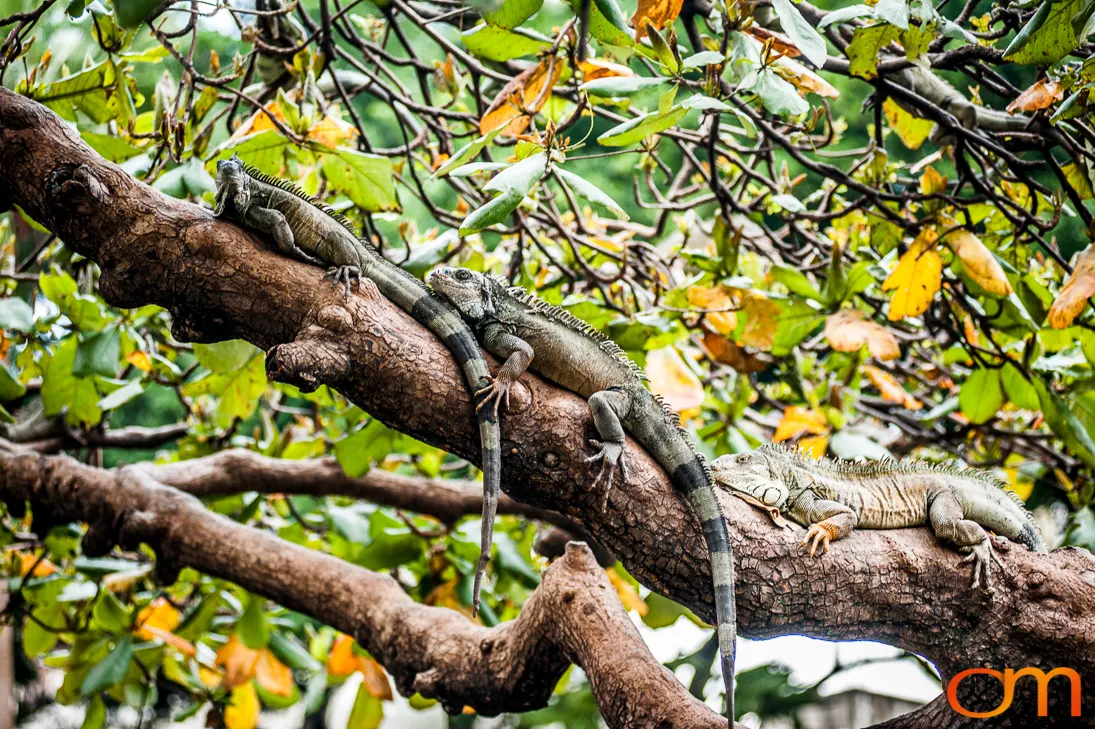
Green iguanas primarily consume leaves, flowers and fruit. Their strong limbs and claws support movement through trees, while their laterally compressed tails assist with swimming. A light-sensitive parietal organ on the top of the head detects changes in brightness and may help the animal respond to approaching shadows and regulate daily biological rhythms.
Vision is important in navigation and communication. Green iguanas use posture, head movements and extension of the dewlap during territorial and social displays. When threatened, they may flee into vegetation or water and can use their powerful tails defensively.