Falkland Islands
Magellanic Penguins
December 2008
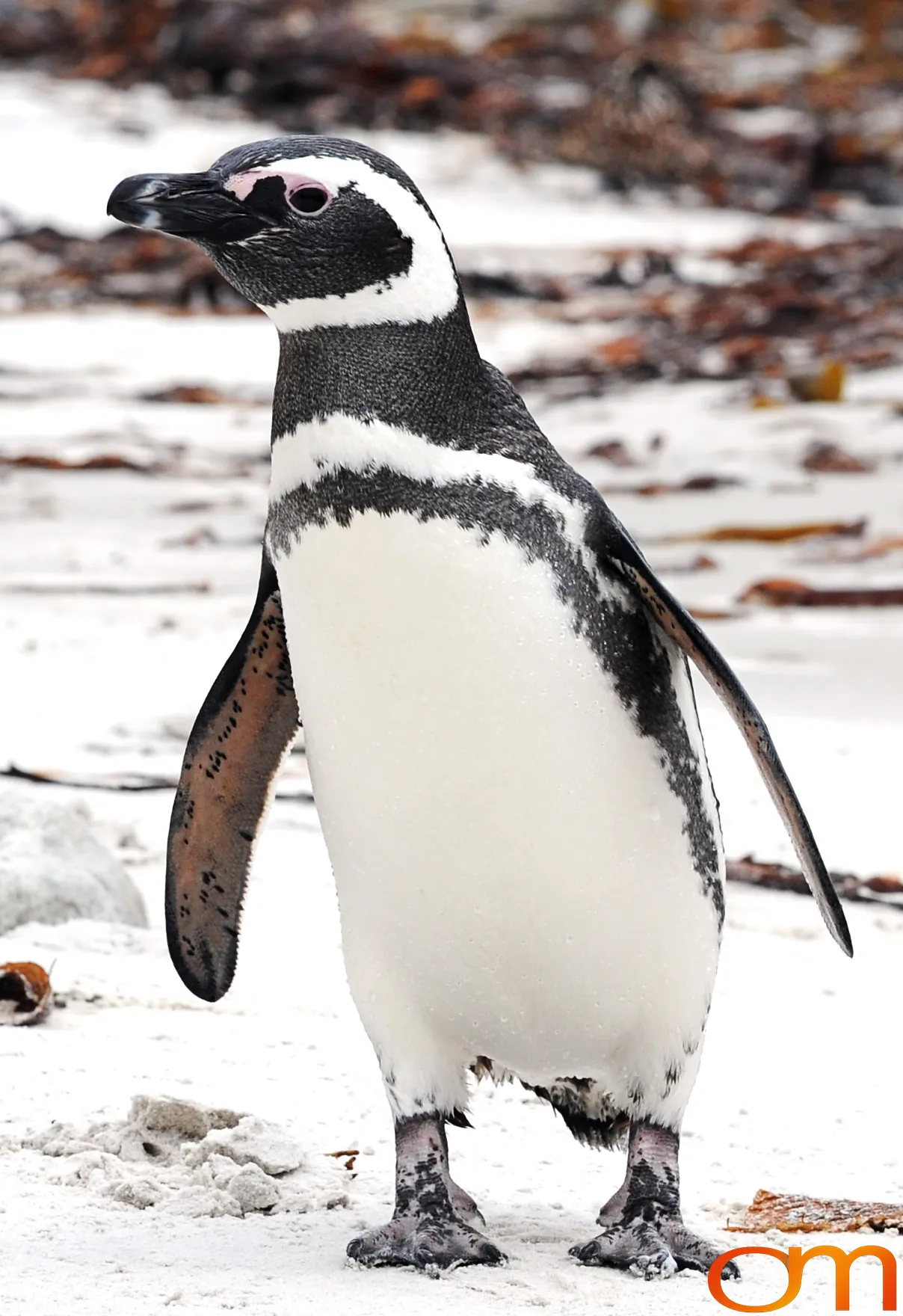
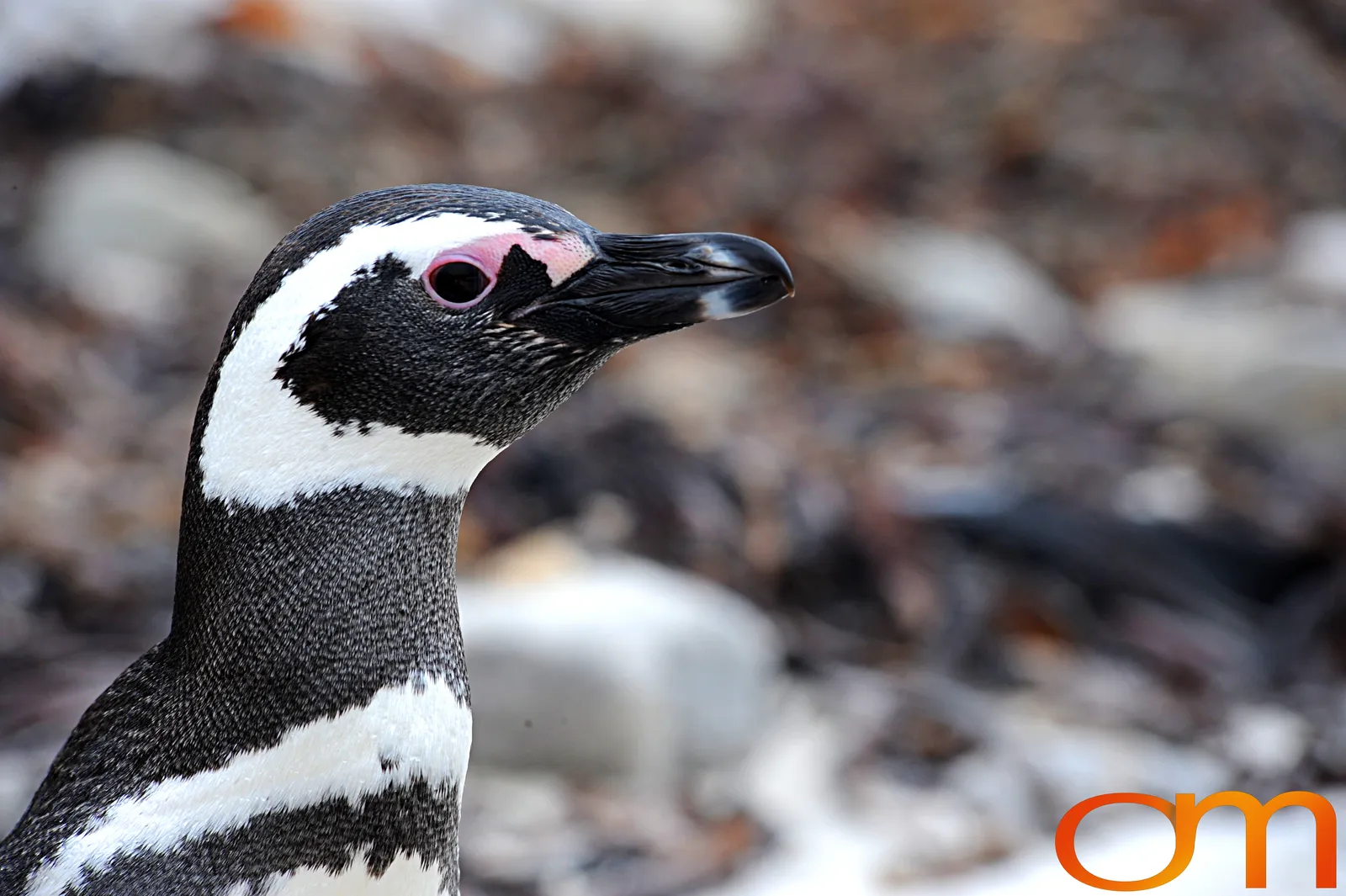
Magellanic penguin, Spheniscus magellanicus breed along the Atlantic and Pacific coasts of southern South America, including Argentina, Chile, Cape Horn, and the Falkland Islands.
Magellanic penguins are medium-sized penguins, generally standing approximately 28 inches (70 cm) tall and weighing about 9–11 pounds (4–5 kg). Males are usually larger and have heavier bills than females. Adults have black backs, white undersides, a broad white stripe extending from above each eye toward the throat, and two distinctive black bands across the neck and chest. Juveniles initially lack the complete adult pattern.
The species breeds in coastal colonies during the austral spring and summer. Unlike penguins that construct exposed stone nests, Magellanic penguins frequently excavate burrows or use ground scrapes and sheltered sites beneath vegetation. Females normally lay two eggs, which both parents incubate for approximately 40–42 days.
Magellanic penguins feed primarily on schooling fish and squid. After breeding, many travel north through Atlantic or Pacific waters, sometimes reaching Brazil or Peru. Migration is not uniform, however. Tracking research has found that some individuals travel as far as 1,240 miles (2,000 km), while others remain within a few hundred kilometers of their breeding colony.
In the Falkland Islands, Magellanic penguins are summer residents and are locally called “jackass penguins” because of their loud, donkey-like braying calls. These vocalizations are especially noticeable around burrow entrances during the breeding season.