Peru
Peru’s Llamas, Alpacas, Guanacos and Vicuñas
July 2004
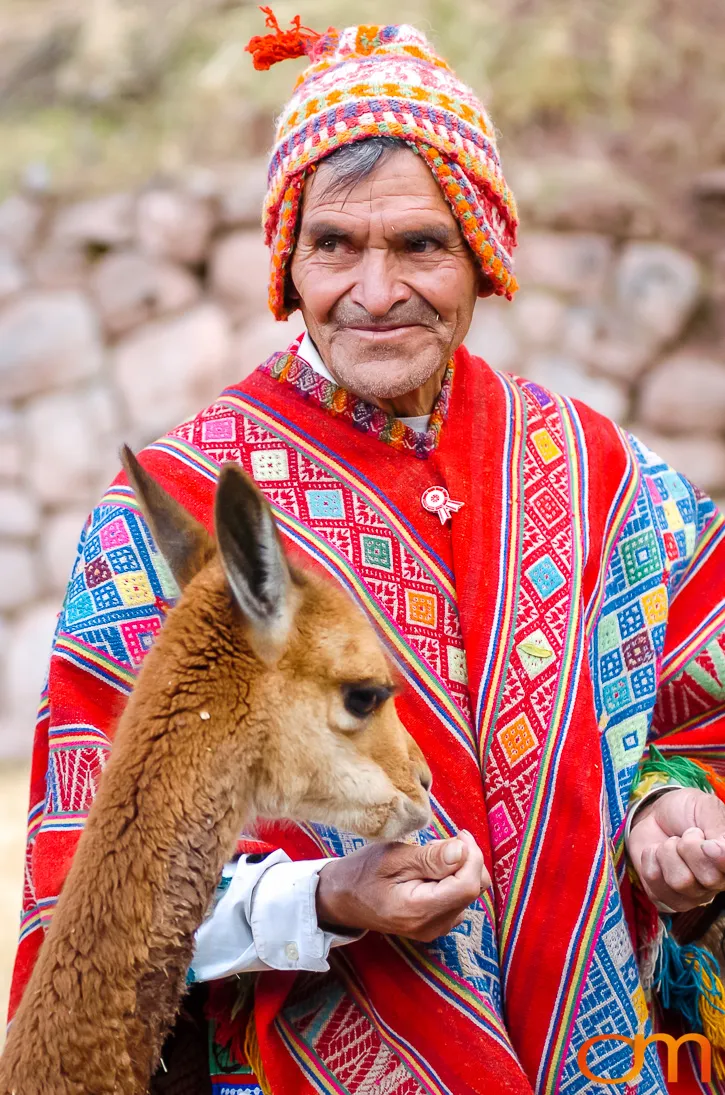
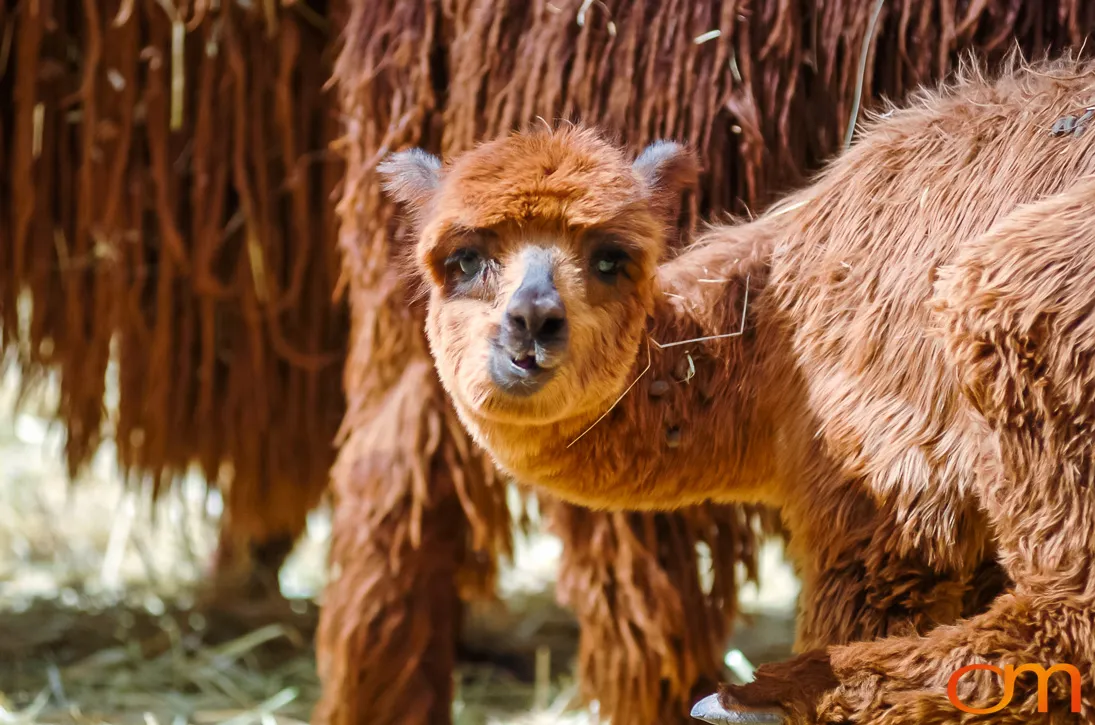
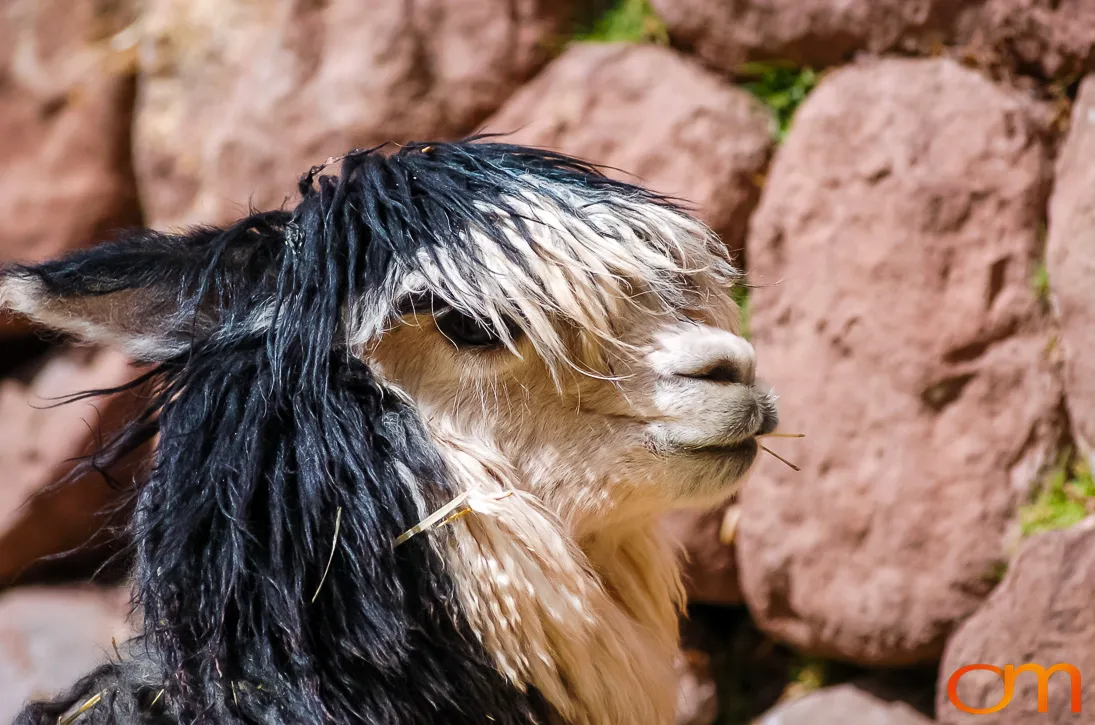
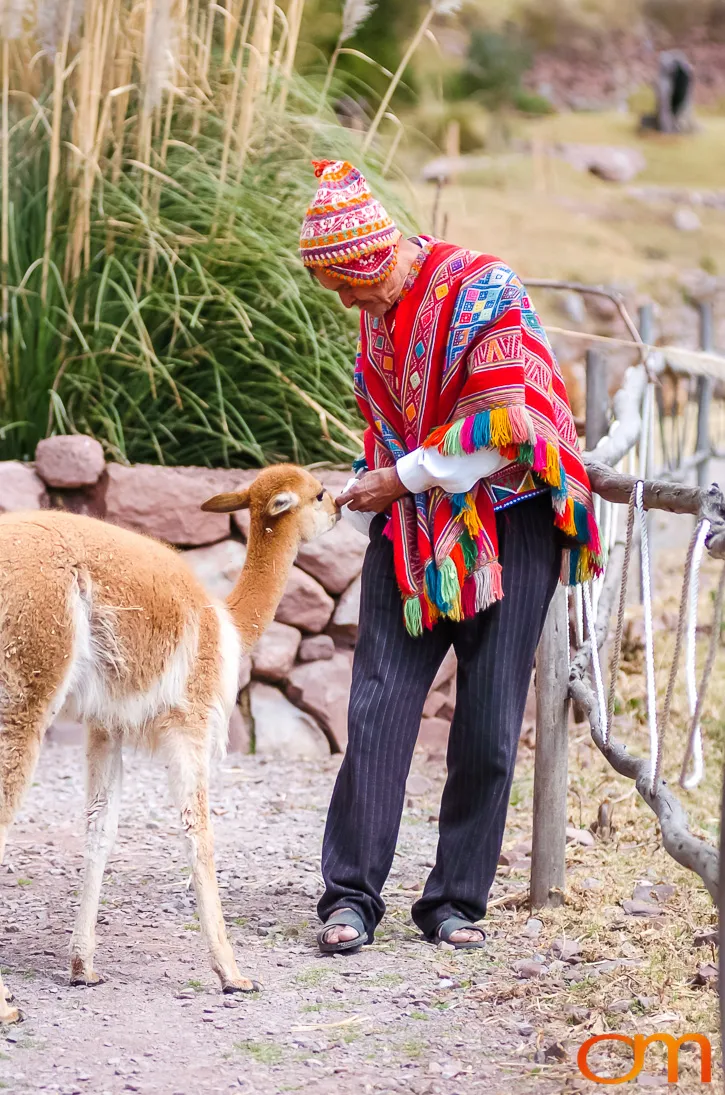
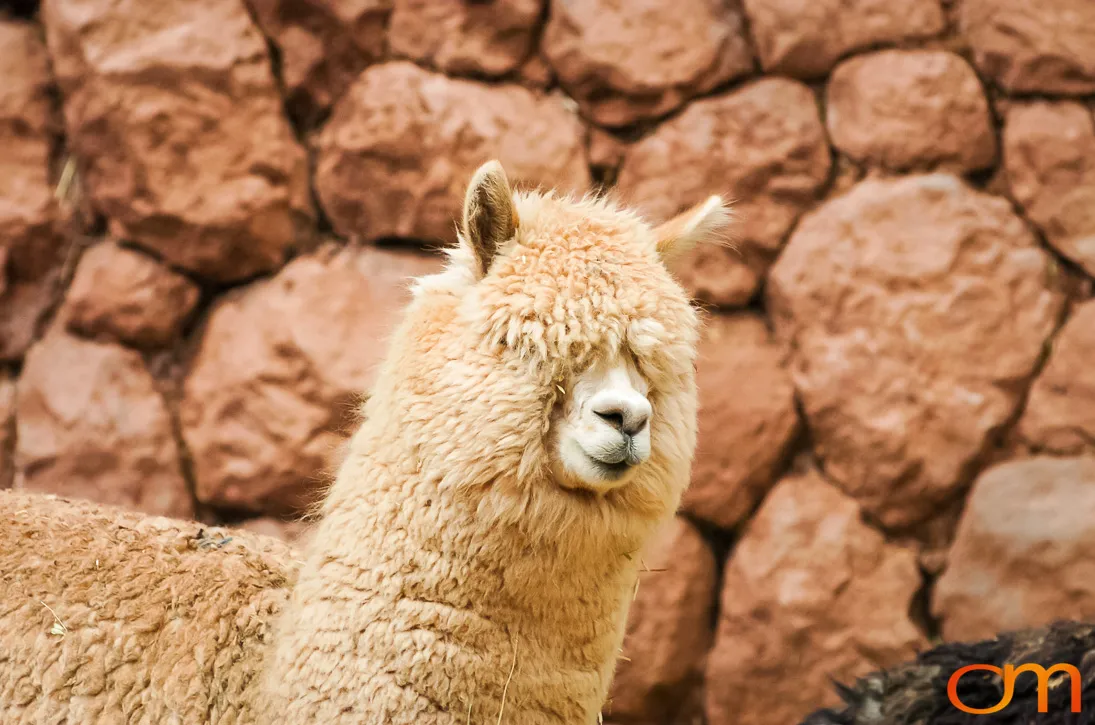
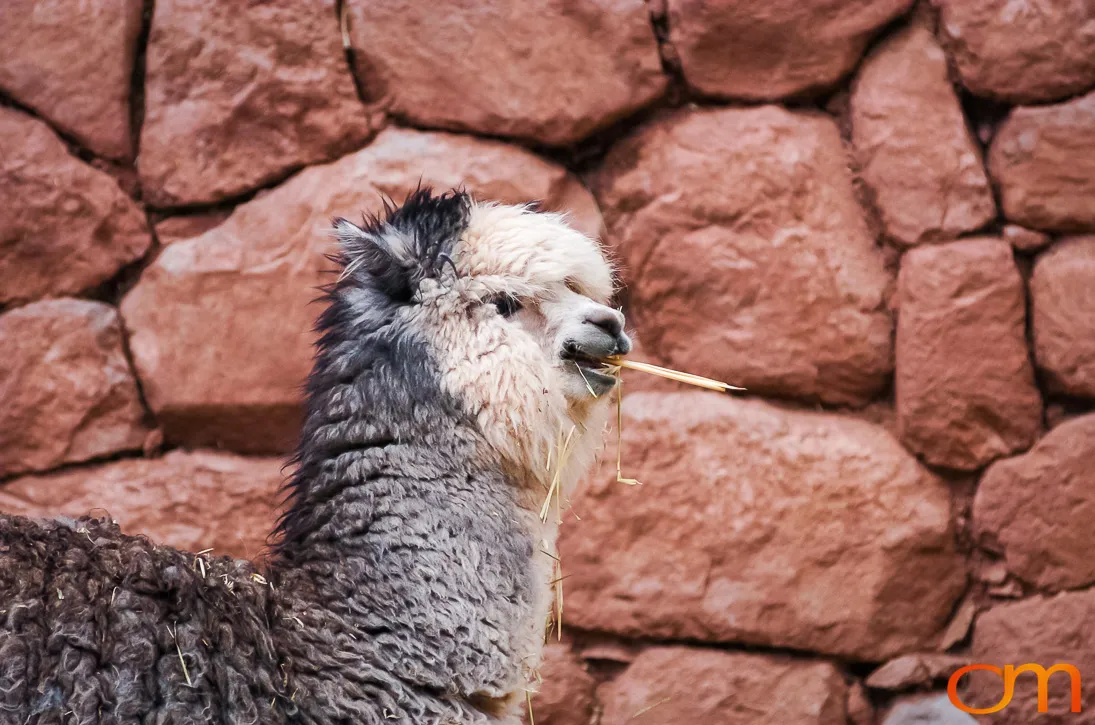
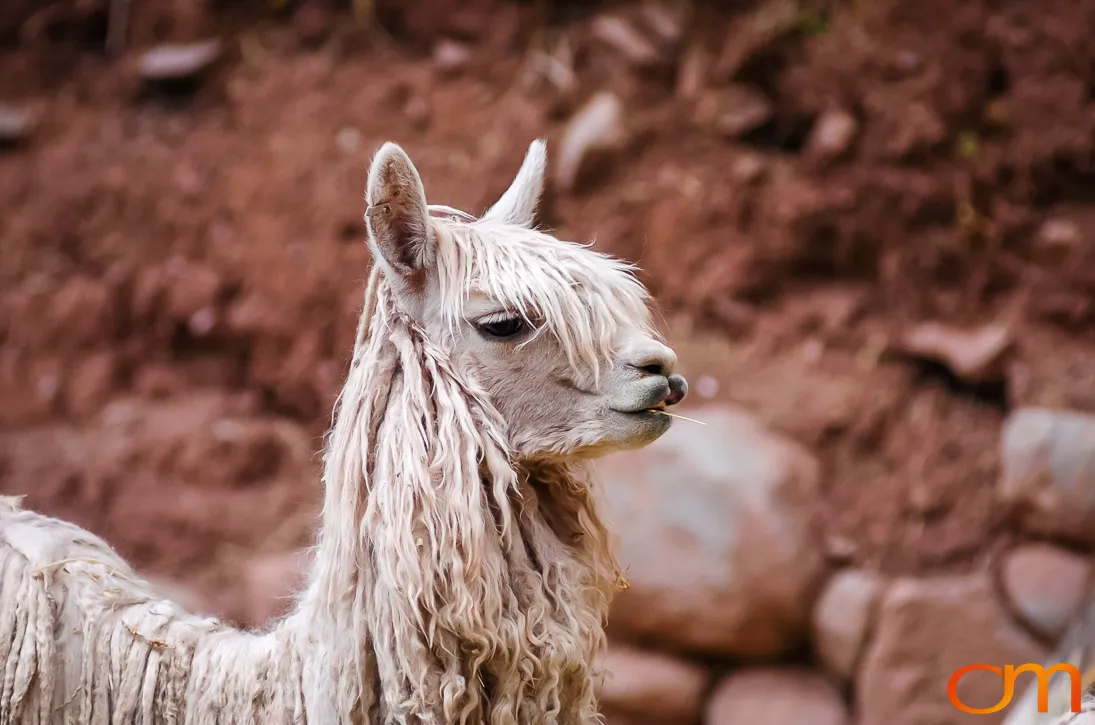
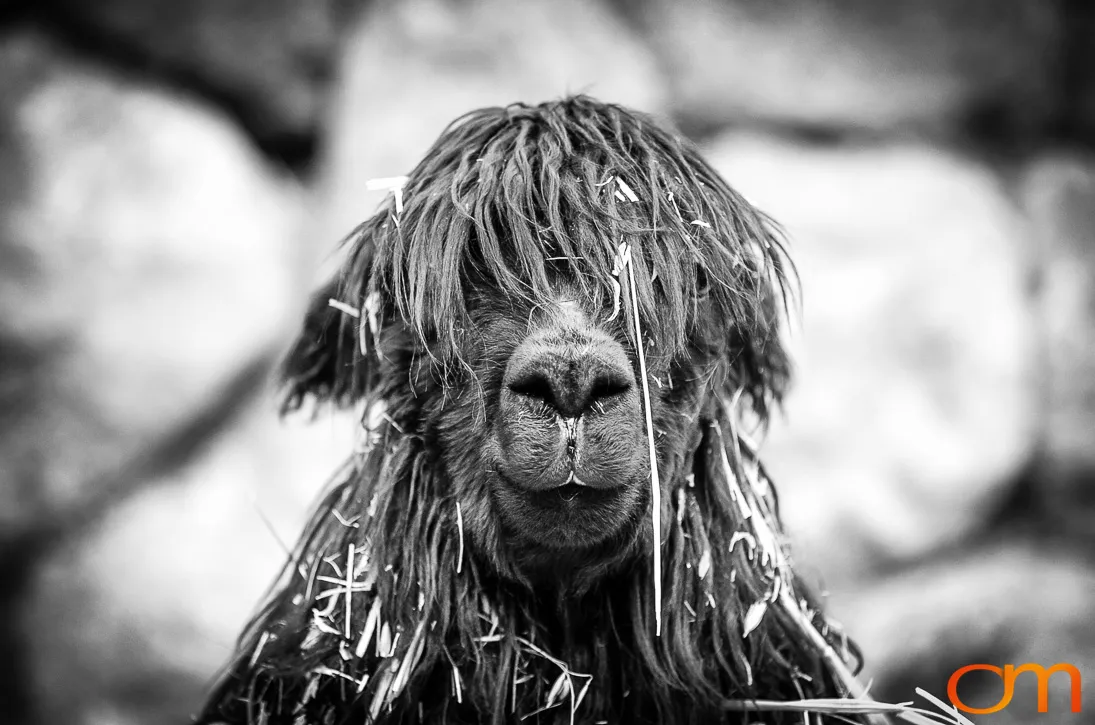
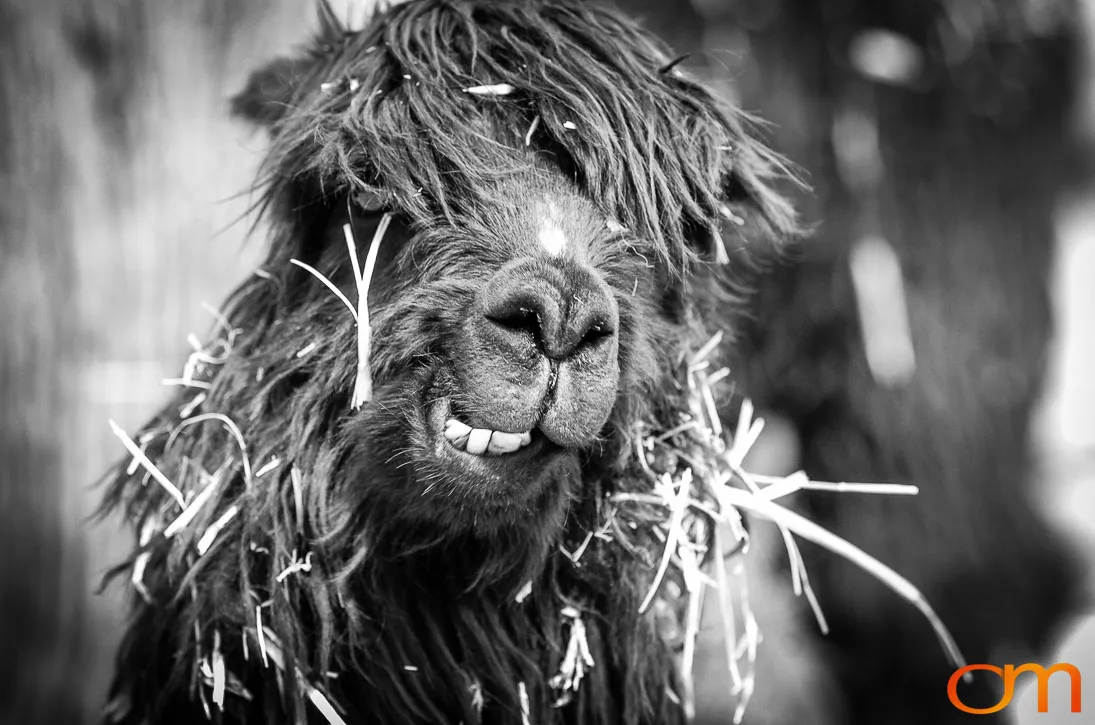
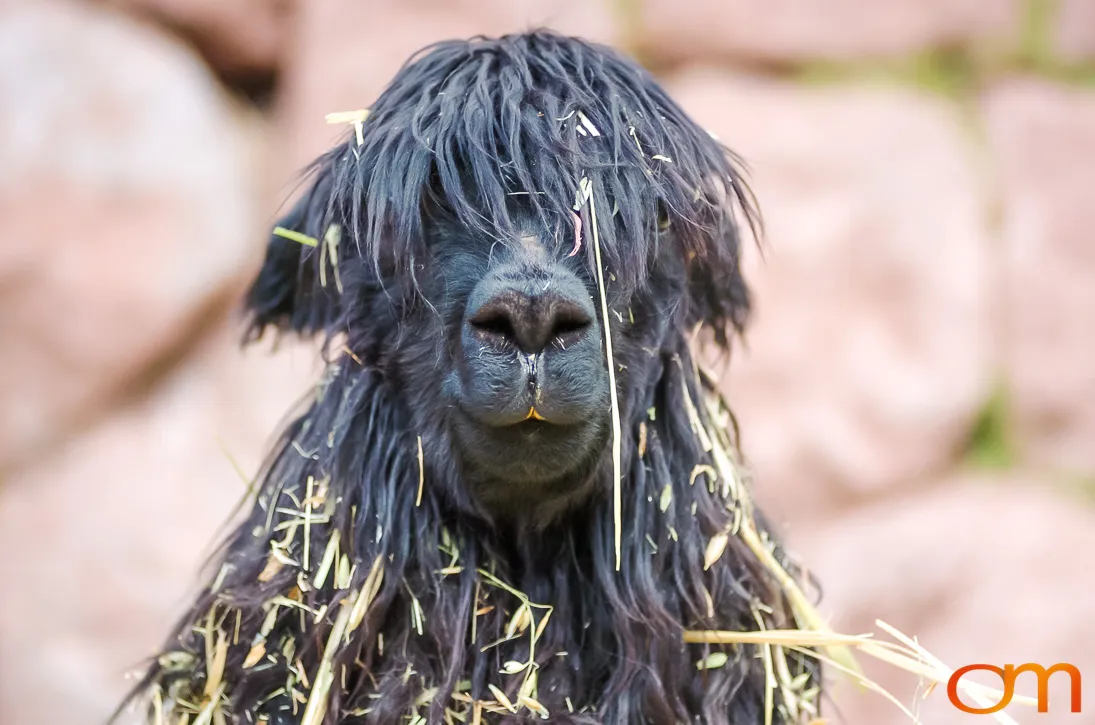
Four South American camelids are associated with the Andean region: the domesticated llama (Lama glama) and alpaca (Lama pacos), and the wild guanaco (Lama guanicoe) and vicuña (Lama vicugna). All occur in Peru, although their wider ranges extend into other parts of South America. Llamas and alpacas have supported Andean communities for thousands of years through their fiber, meat and, particularly in the case of llamas, use as pack animals.
The fibers of the four camelids have different structures and traditional uses:
- Llama fiber ranges from coarse outer hair, suitable for ropes and durable textiles, to a finer undercoat that can be used for clothing.
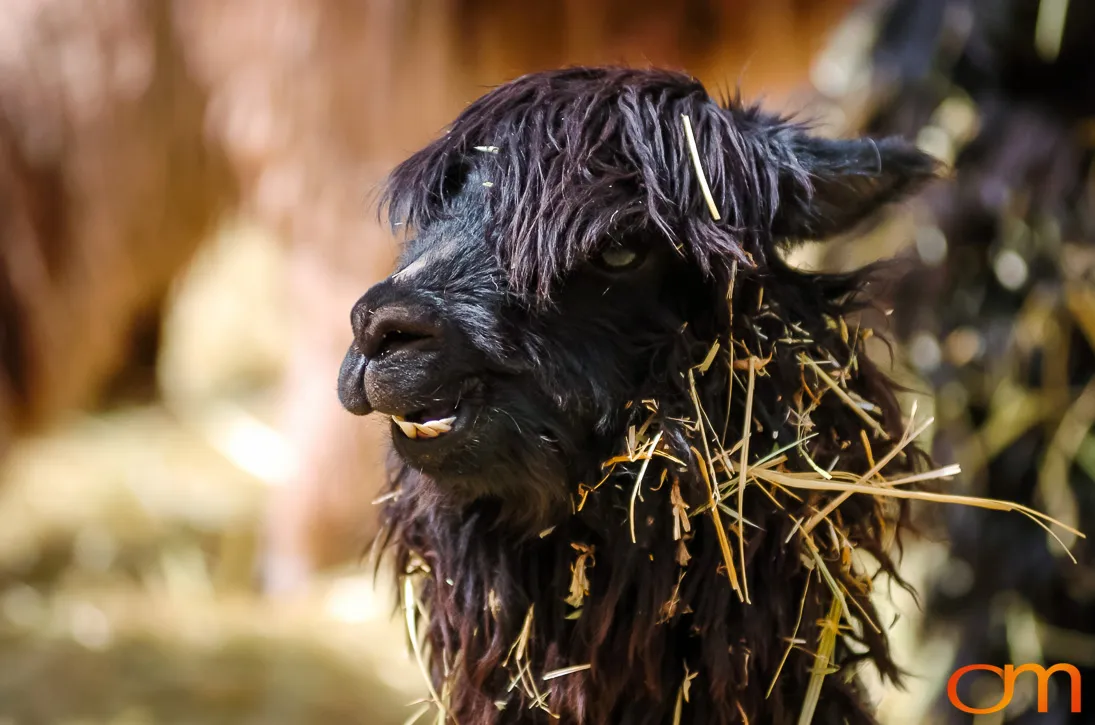
- Alpaca fiber is generally finer and more uniform. Huacaya alpacas have dense, crimped fleece, while Suri alpacas produce long, lustrous locks.
- Guanaco fiber consists of coarse guard hairs over a fine insulating undercoat. Limited quantities are obtained from managed wild populations.
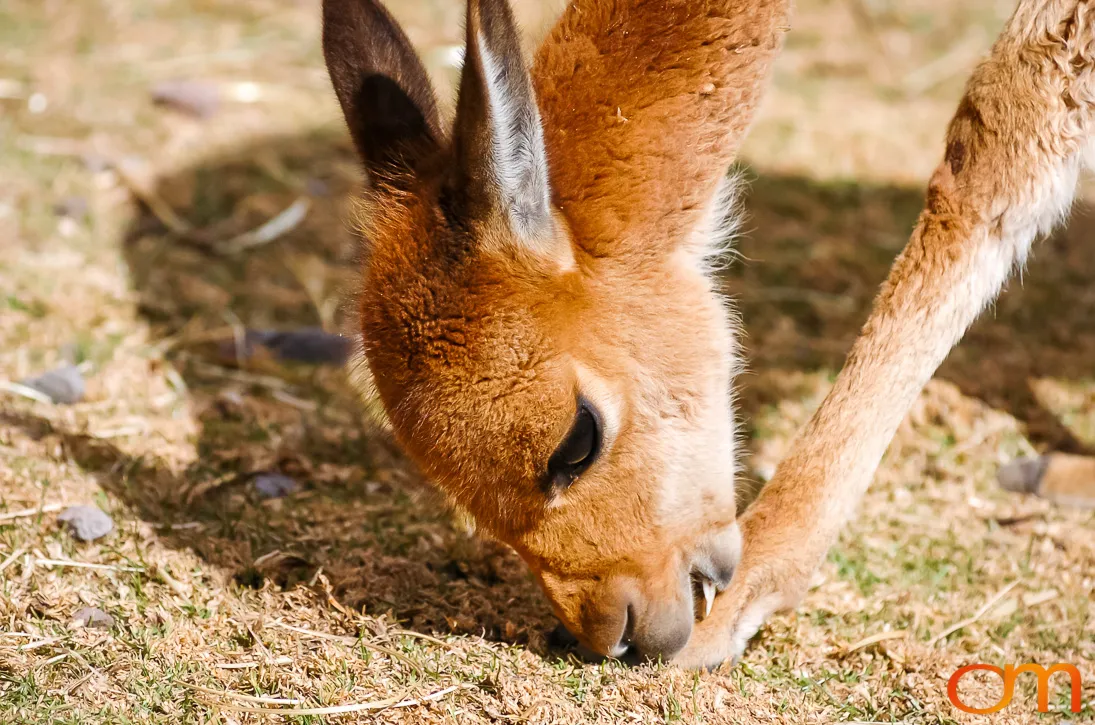
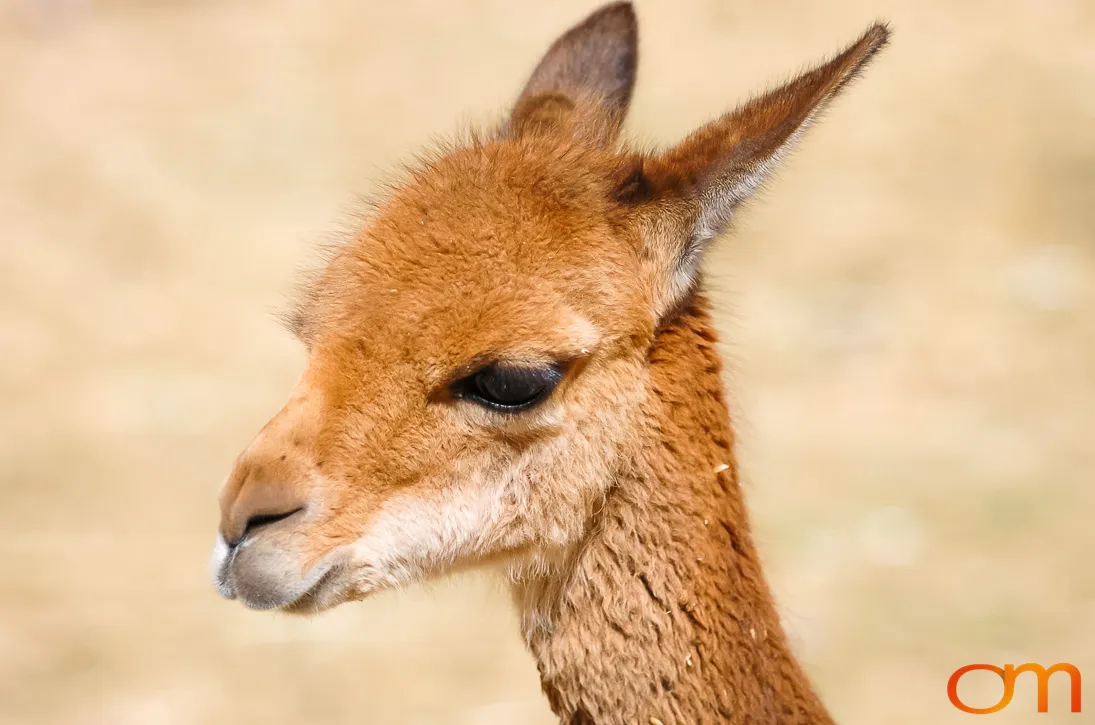
- Vicuña fiber is exceptionally fine and valuable. Under regulated conservation programs, wild vicuñas may be captured, shorn and released.
The vicuña is an emblematic species of Peru and appears on the national coat of arms, where it represents the country’s animal wealth. It does not appear on Peru’s standard national flag.