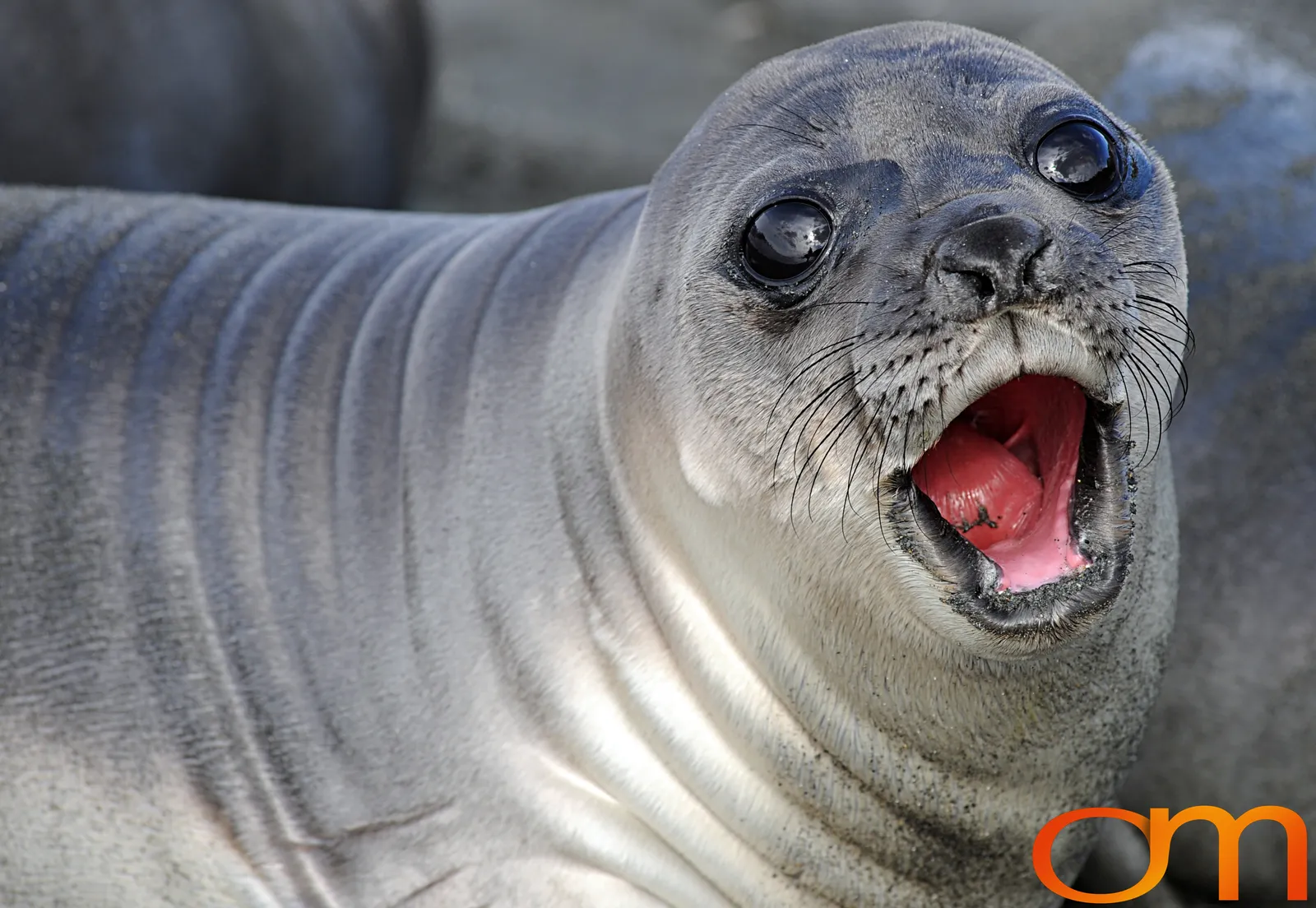
South Georgia Island
Southern Elephant Seals
December 2008
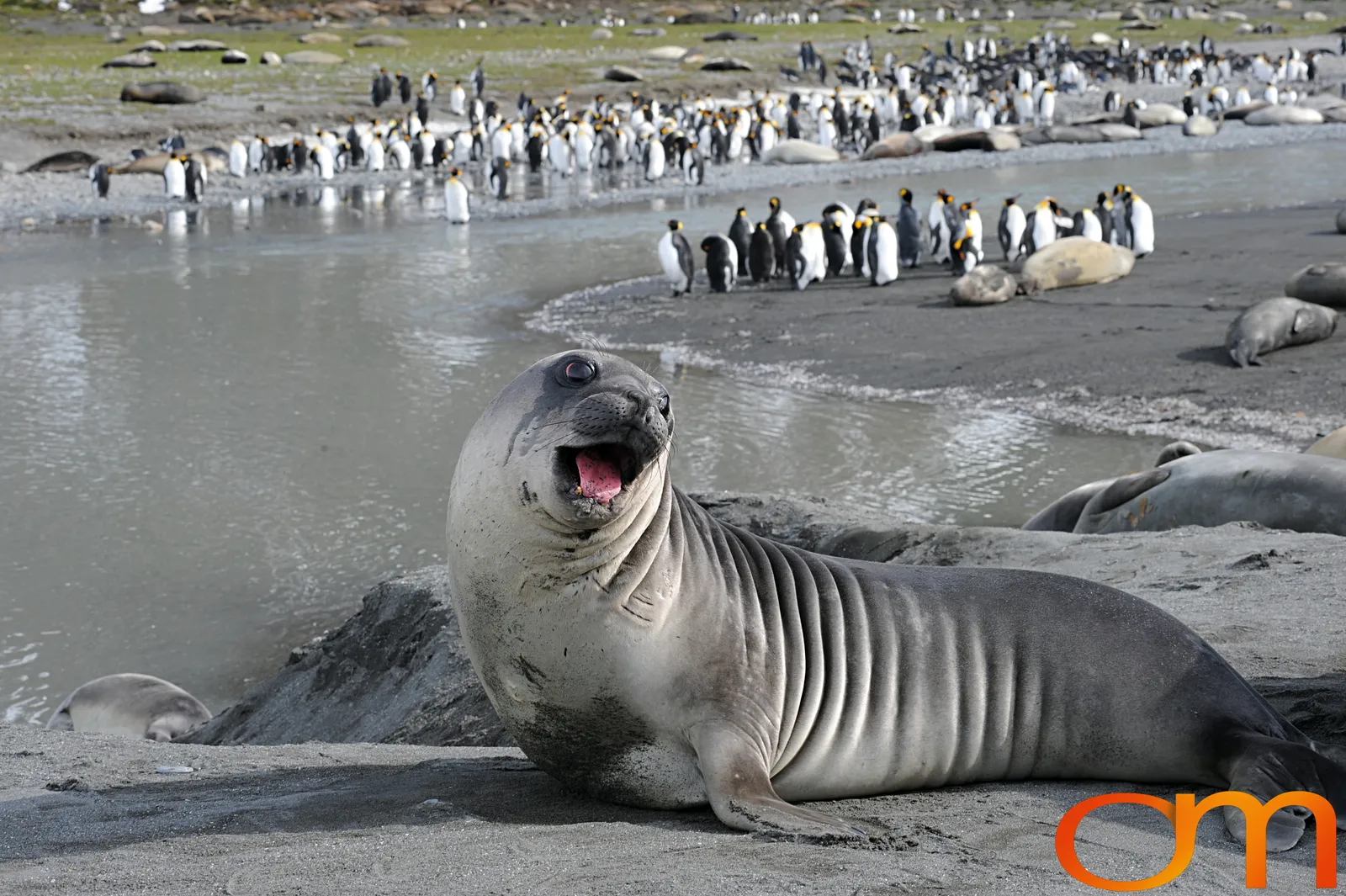
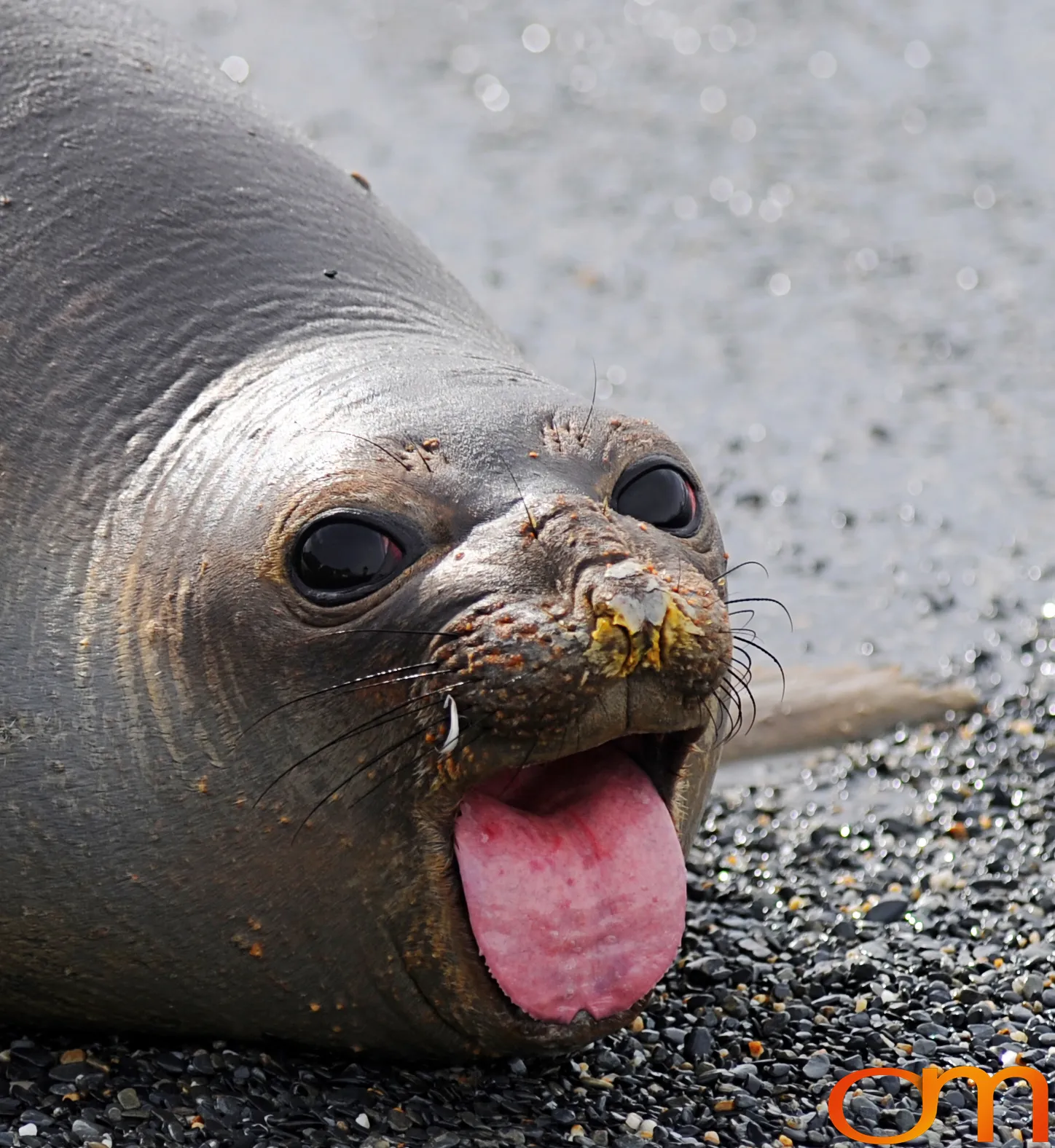
The southern elephant seal (Mirounga leonina) is the world’s largest living pinniped. It has a circumpolar distribution across the Southern Ocean and breeds primarily on sub-Antarctic islands, including South Georgia, the Kerguelen and Crozet islands, Heard Island, and Macquarie Island. Breeding colonies also occur near the Antarctic Peninsula and at Península Valdés in Argentina.
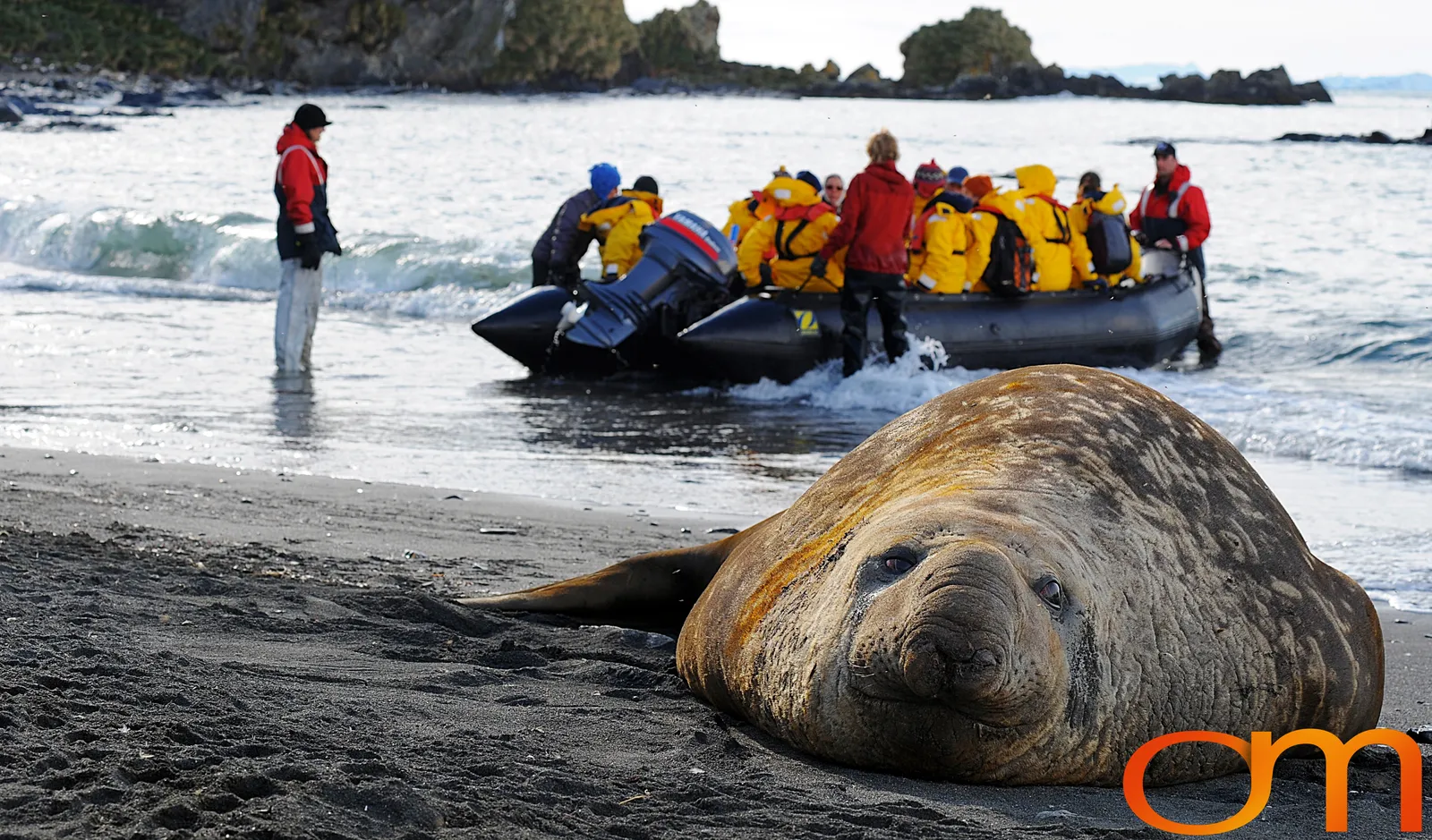
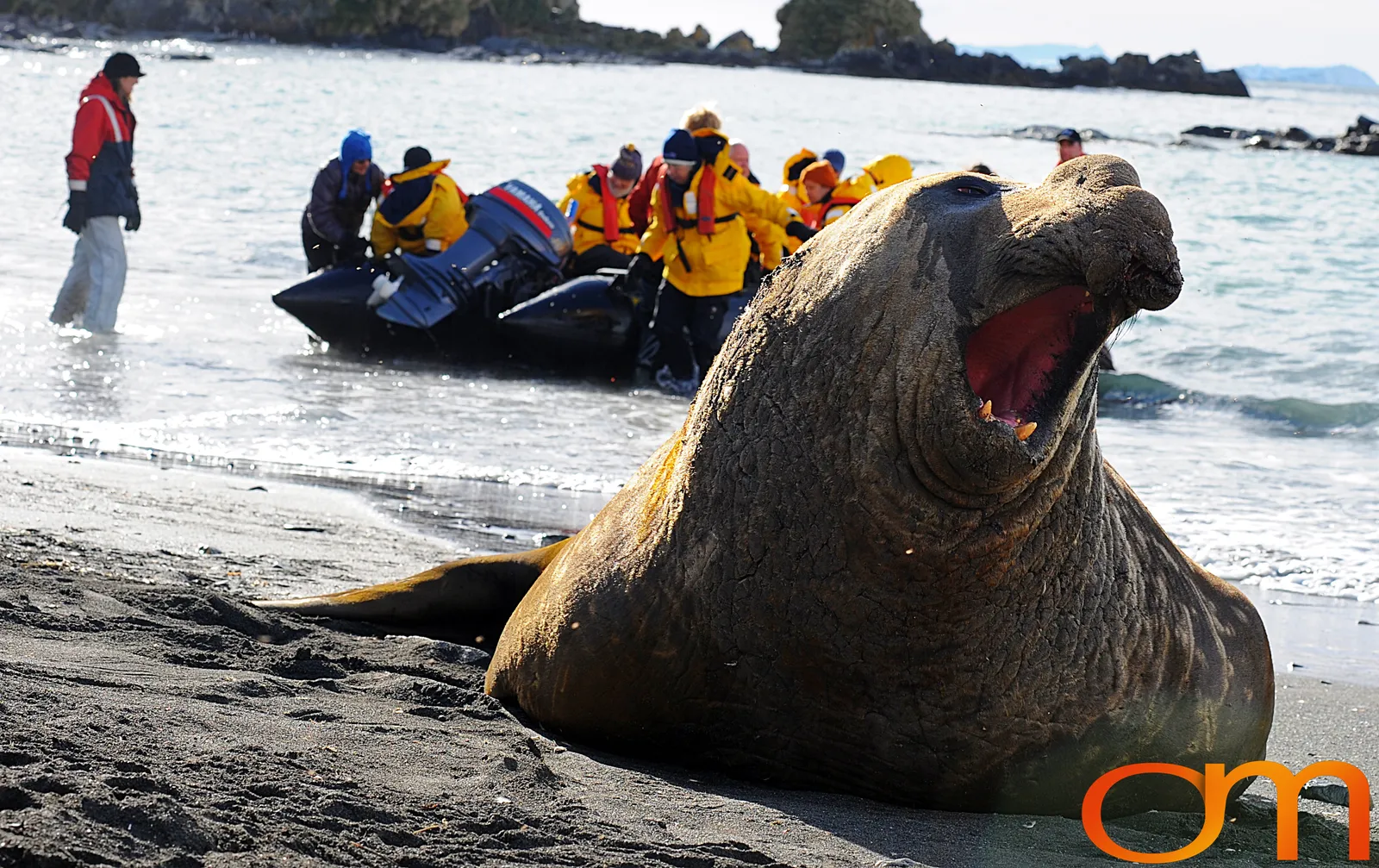
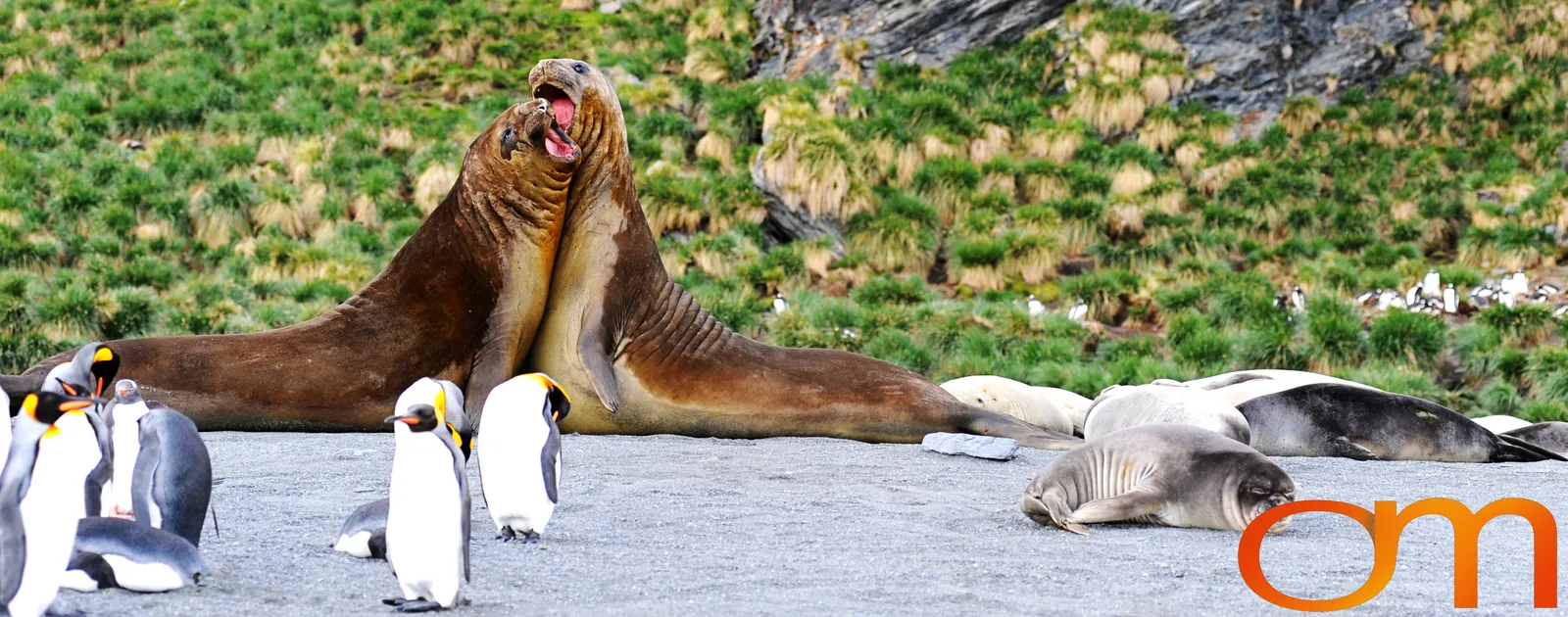
Adult males measure approximately 14 to 19 feet (4.2 to 5.8 meters) in length and can weigh as much as 8,800 pounds (4,000 kilograms). Females are considerably smaller, generally measuring 8.5 to 10 feet (2.6 to 3 meters) and weighing 880 to 1,980 pounds (400 to 900 kilograms). The enlarged proboscis of a mature male helps produce the resonant calls used to challenge rivals during the breeding season.
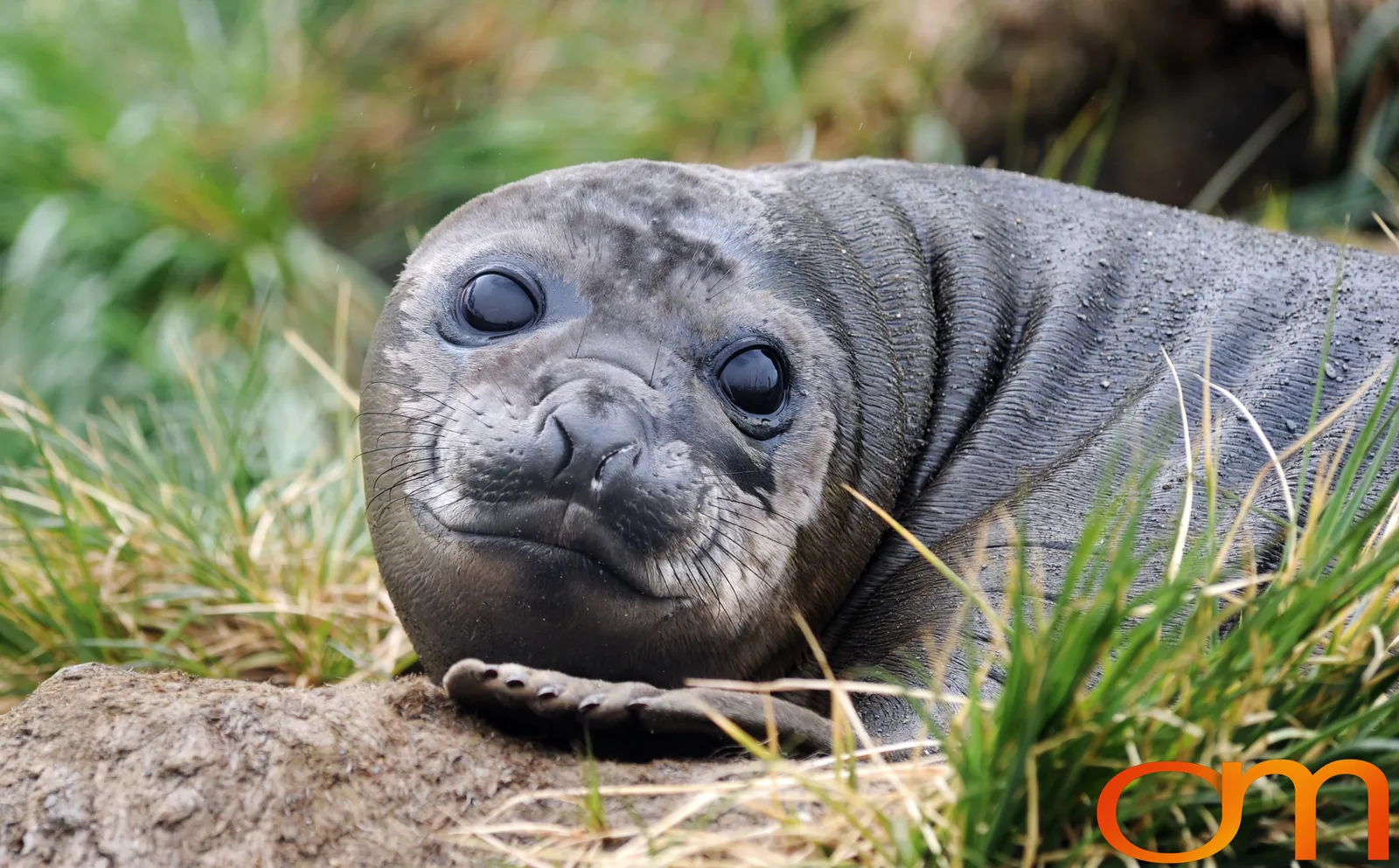
Breeding generally occurs from September through November. Large males establish dominance through vocal displays and physical contests, with the most successful bulls gaining access to groups of females. Each female gives birth to a single pup and remains ashore without feeding while nursing for approximately 23 to 24 days. During this brief period, a pup may grow from about 90 pounds (40 kilograms) at birth to an average of approximately 265 pounds (120 kilograms) at weaning. The female usually mates near the end of lactation before returning to sea.
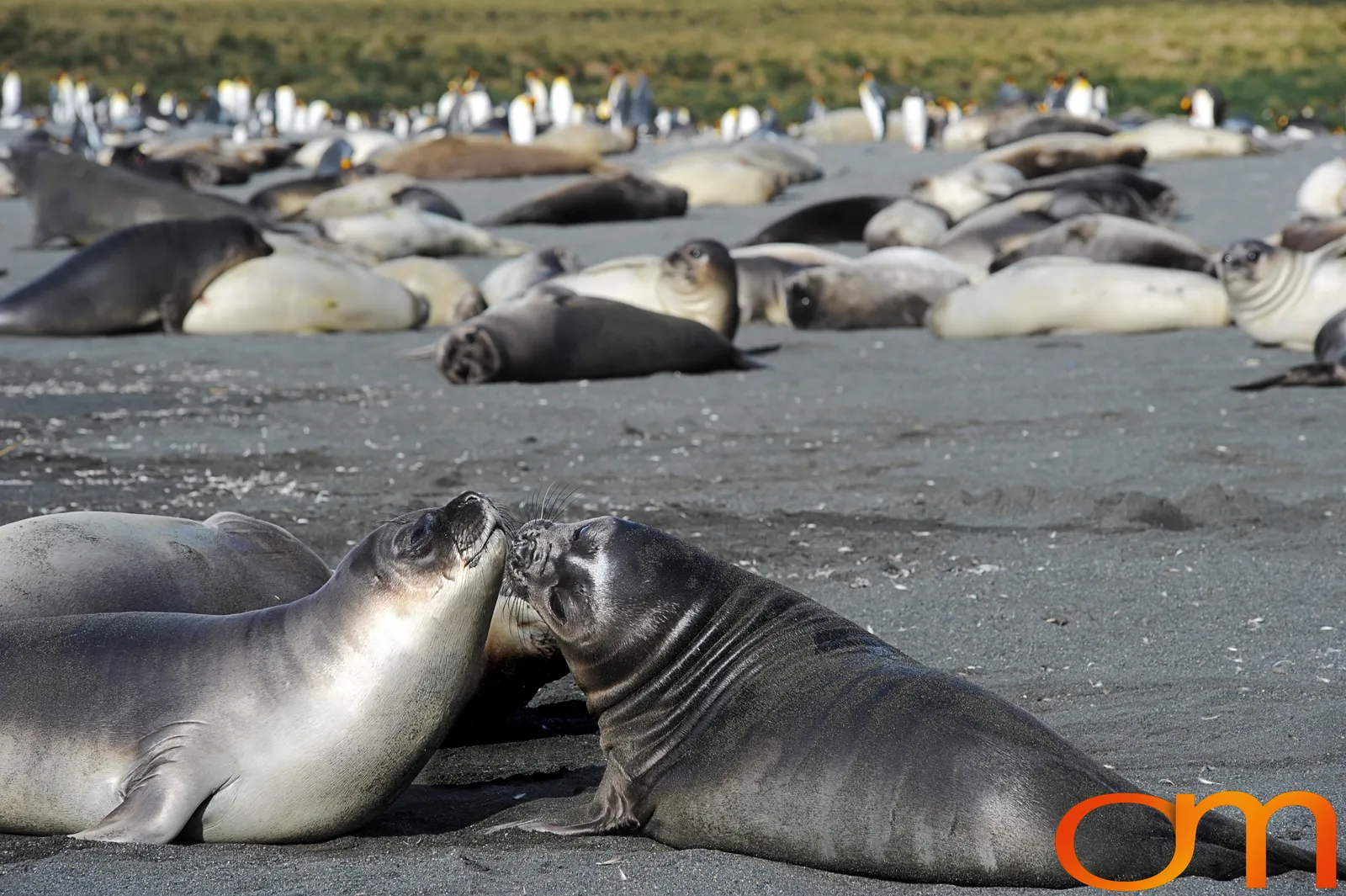
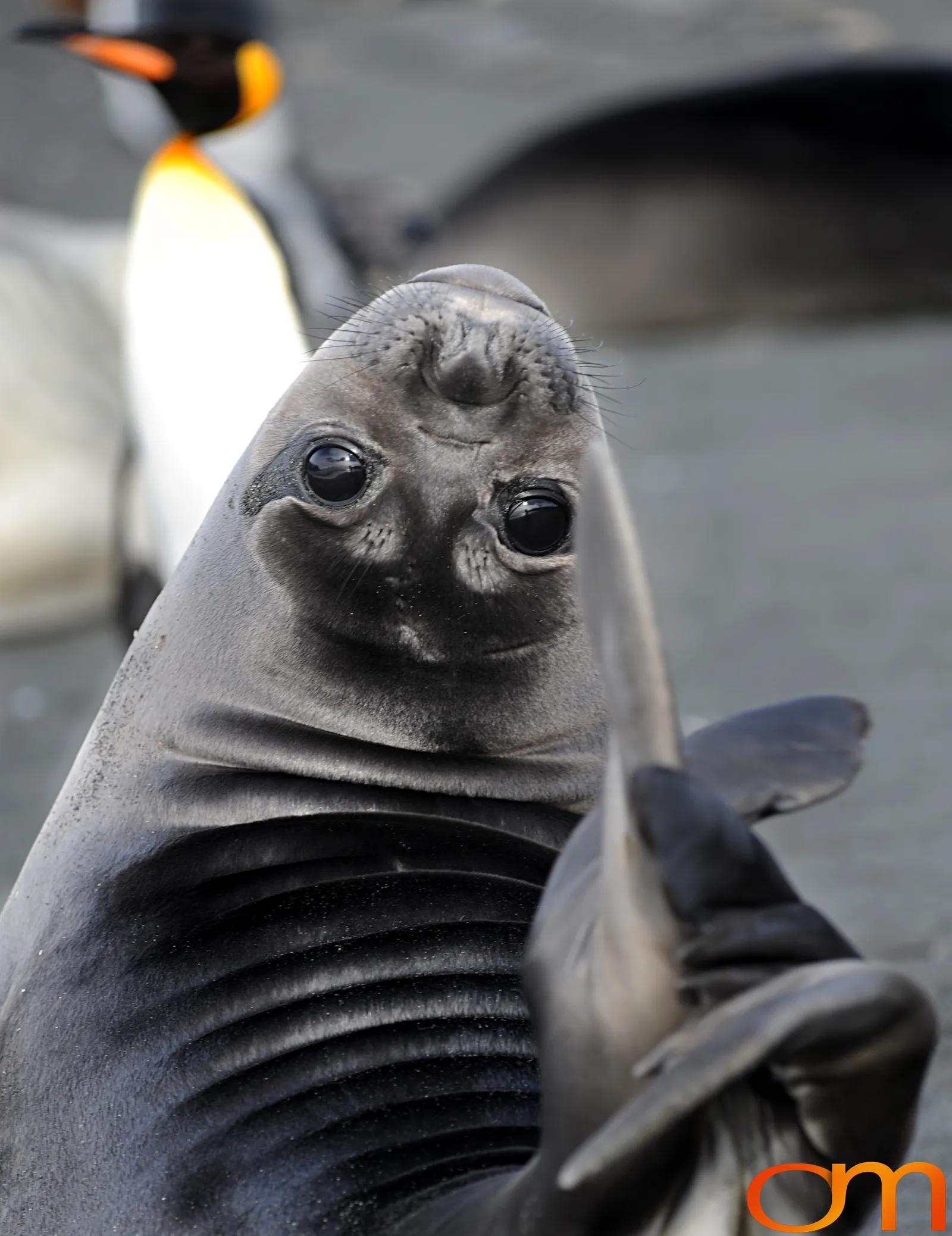
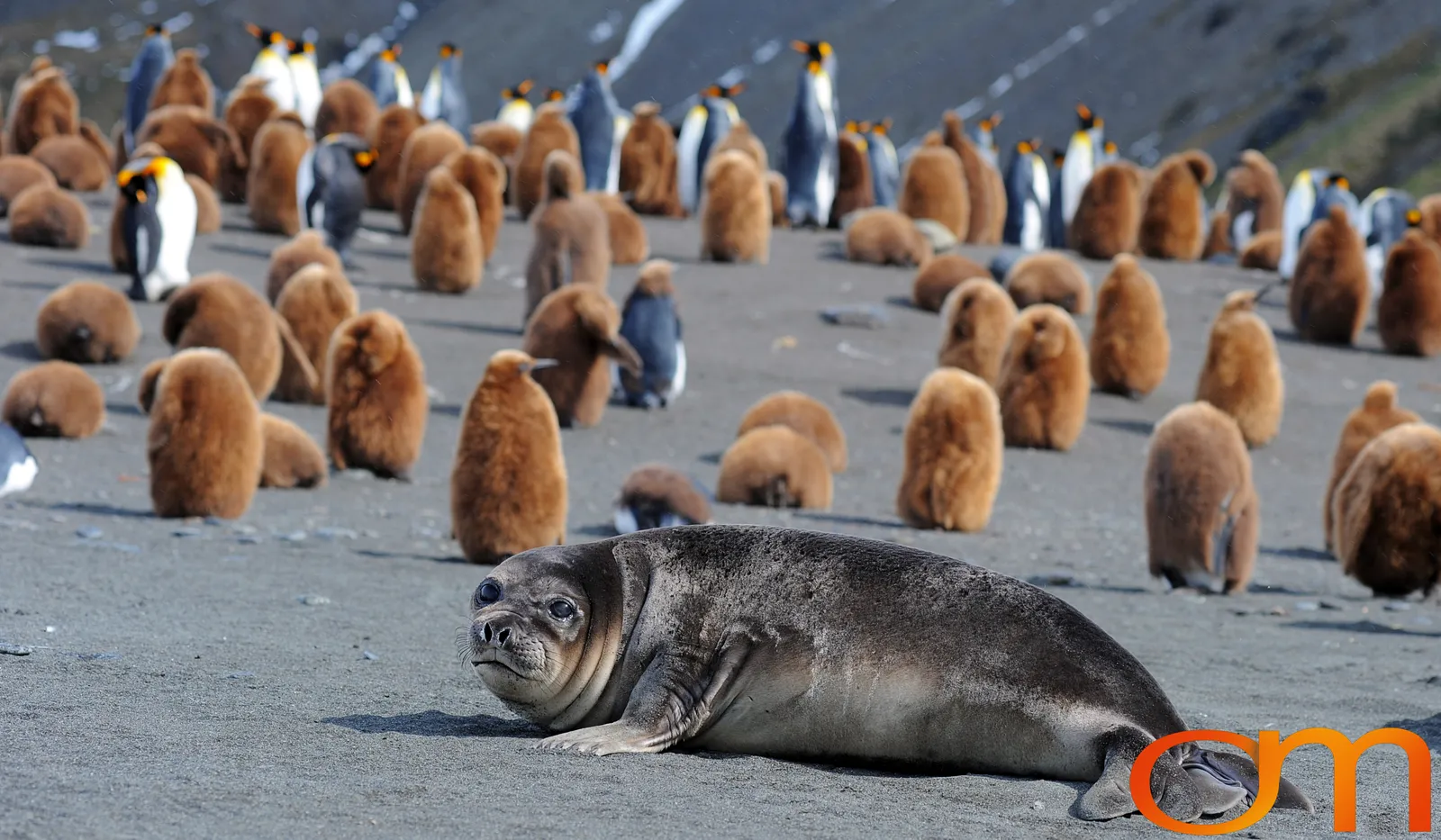
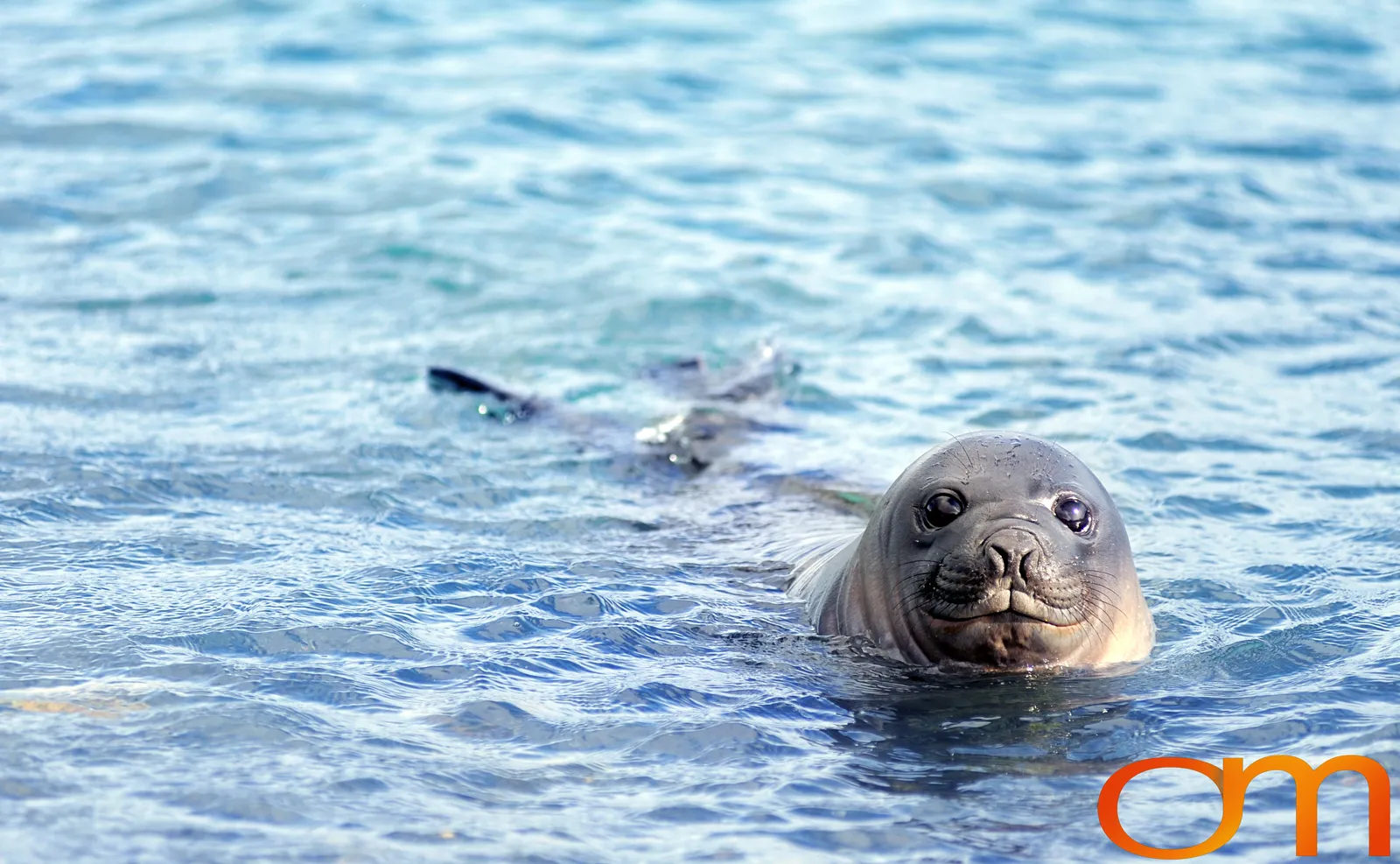
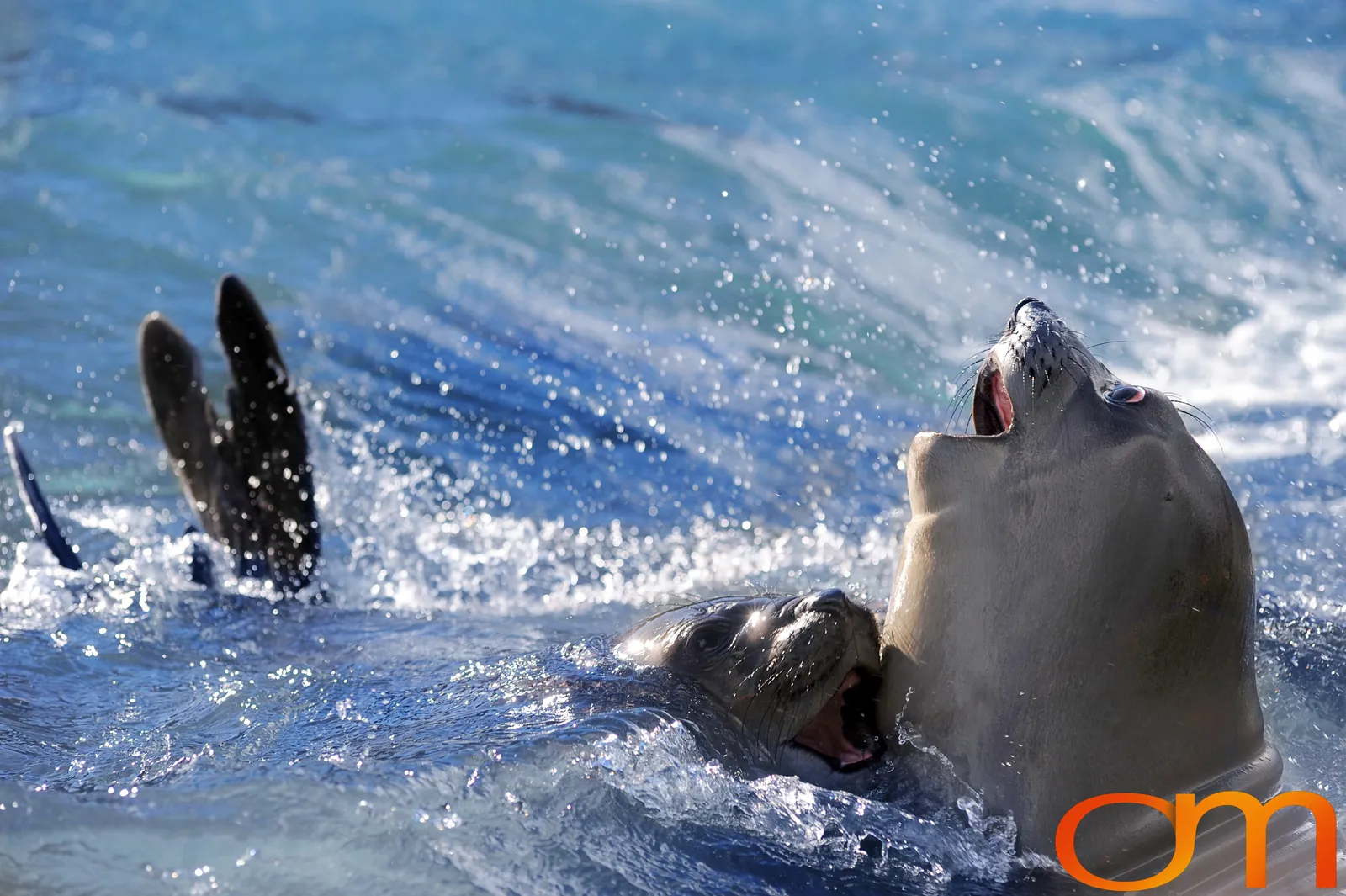
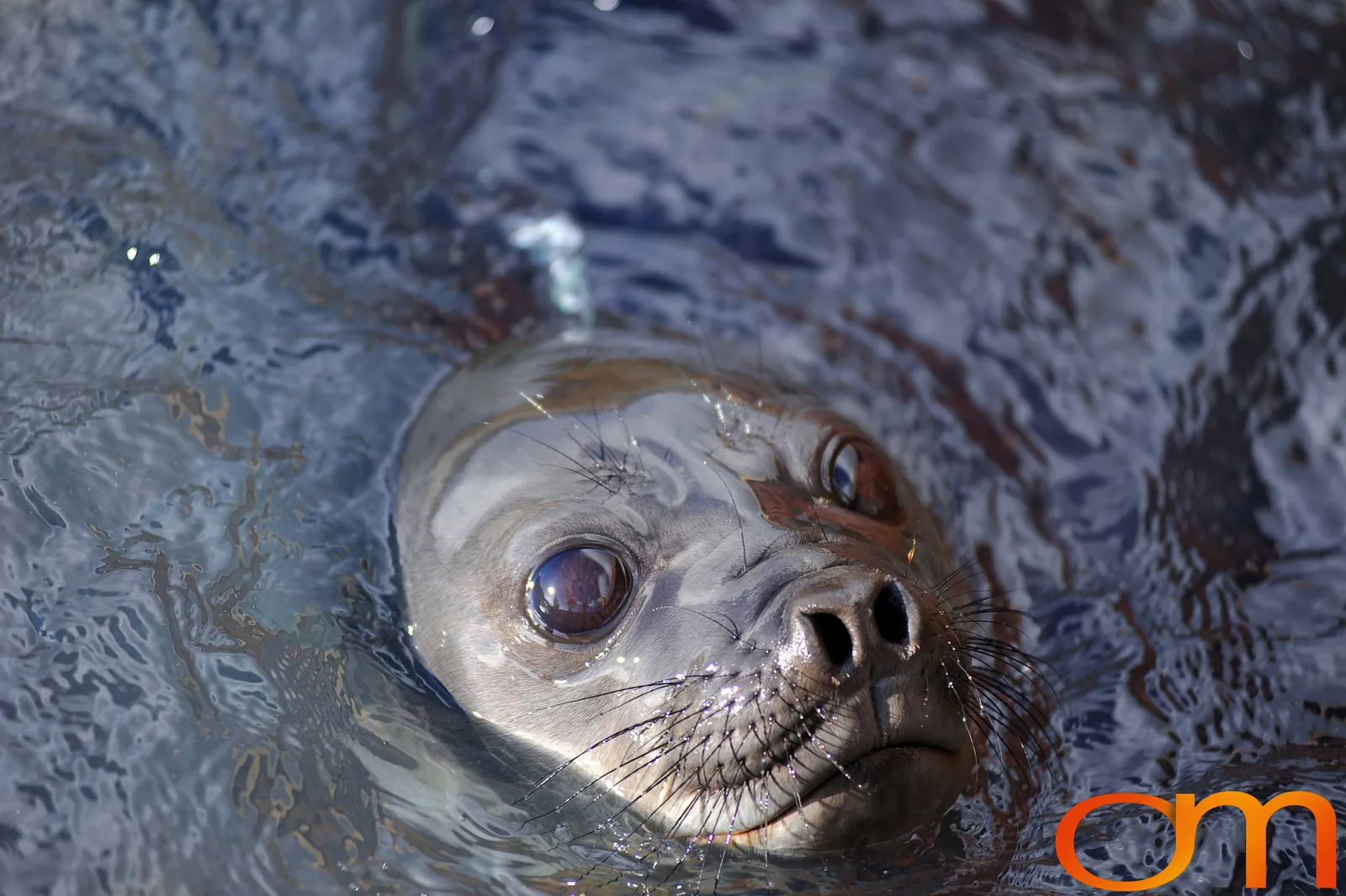
Weaned pups remain ashore while living on stored fat and gradually begin entering shallow water to develop their swimming and diving abilities. Adults spend most of the year at sea, traveling thousands of miles to forage for squid and fish. Typical dives last about 30 minutes and reach depths of 985 to 2,625 feet (300 to 800 meters), although recorded dives have exceeded 6,560 feet (2,000 meters) and can approach two hours. Large stores of oxygen in the blood and muscles allow the seals to remain submerged while spending only brief periods at the surface.
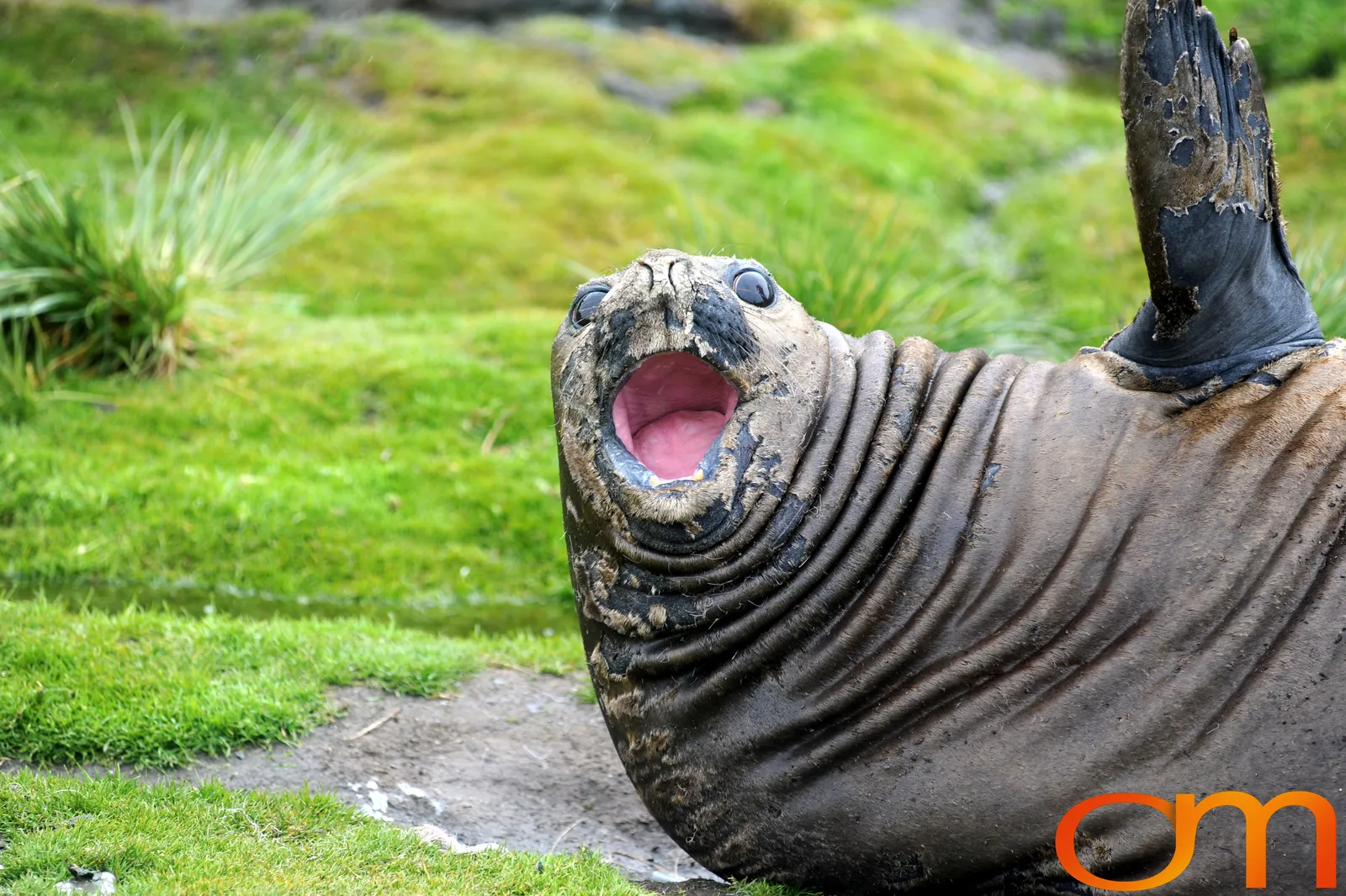
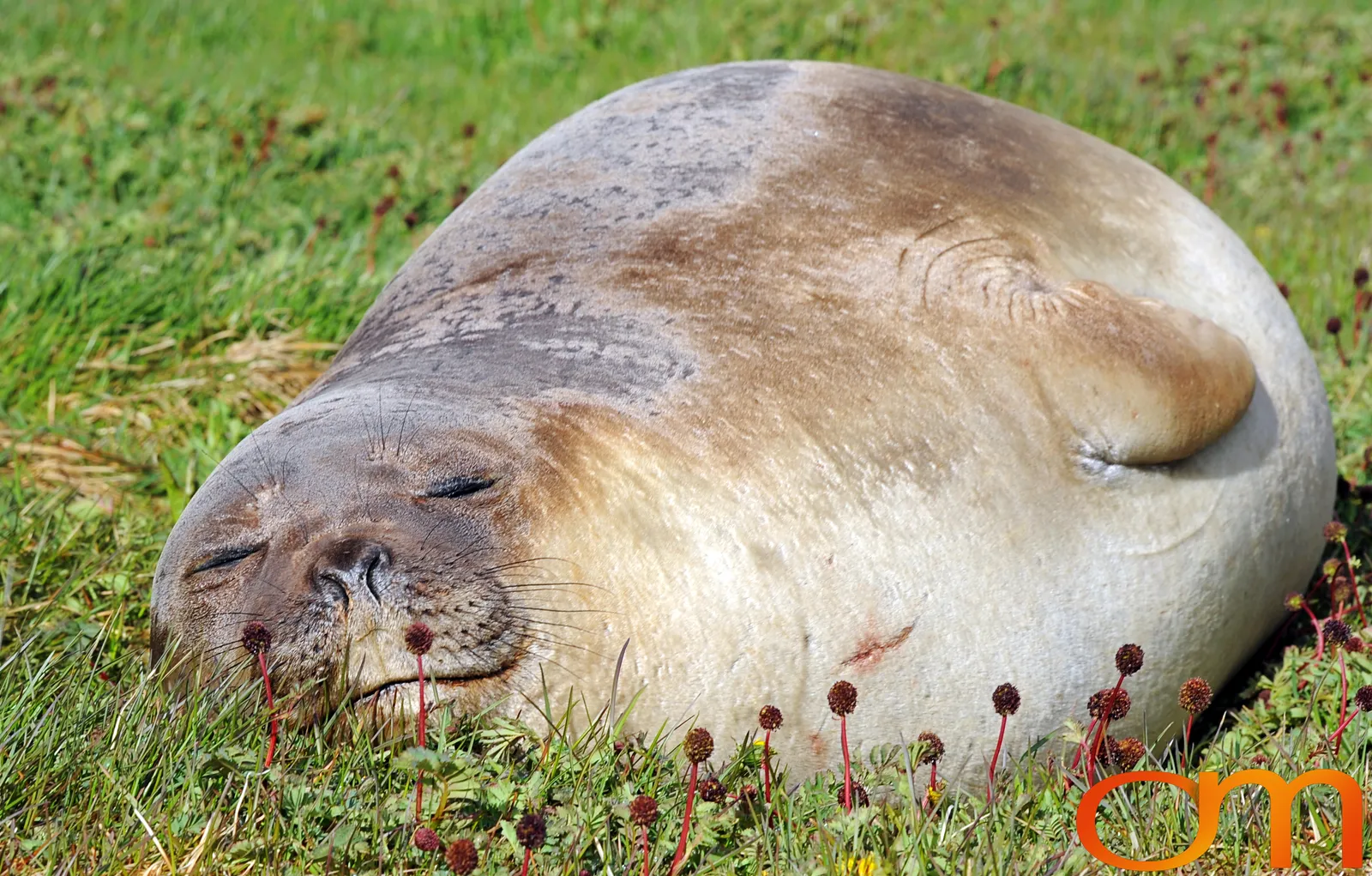
Southern elephant seals return to land for breeding and for an annual molt, during which they shed their hair and the outer layer of skin over several weeks. Although cumbersome on shore, their streamlined bodies make them exceptionally efficient swimmers and some of the deepest-diving mammals.
Conservation Update
In 2026, the southern elephant seal was reclassified from Least Concern to Vulnerable on the IUCN Red List. One major concern is highly pathogenic avian influenza H5N1, which reached South Georgia in 2023. Surveys of the island’s three largest breeding beaches recorded 47 percent fewer breeding females in 2024 than in 2022. When extrapolated across South Georgia, the findings suggested that approximately 53,000 females were absent from the 2024 breeding season, although not all absences can be confirmed as deaths. Continued monitoring is needed to determine the long-term effects on reproduction and population recovery.
Photographs taken in 2008 provide documentation of the South Georgia population approximately 15 years before the arrival of the virus.